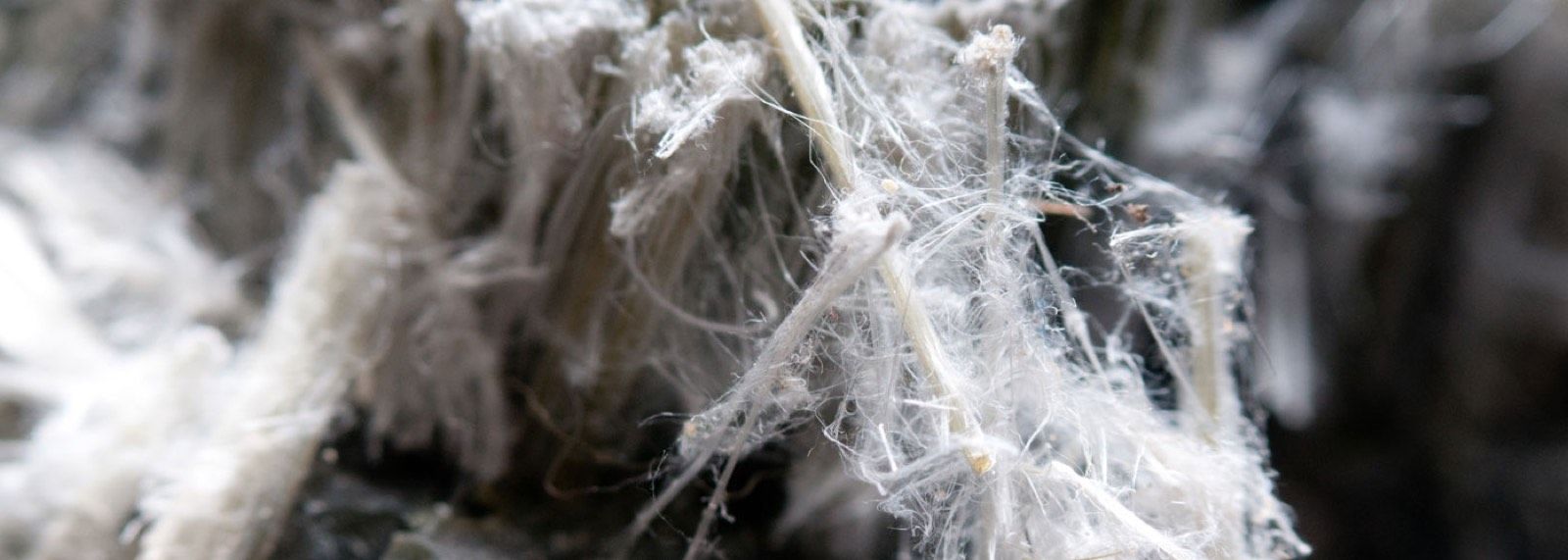
Asbestos Surveys in Twickenham
Asbestos surveys across Twickenham, from the period terraces around St Margarets and Strawberry Hill to the interwar semis out towards Whitton. We find it and assess it, sample anything suspect, and hand you a written report you can give a builder, solicitor or buyer.
Know What Is There Before You Buy or Build
Most Twickenham asbestos surveys start with a date in the diary. A survey is the step before anything gets touched, where we go through the property, find the materials that might contain asbestos, and tell you exactly what you are dealing with. We are not removing anything at this stage. We are giving you the facts in writing so the next decision, whether that is a purchase, a knock-through or a loft conversion, is made with eyes open.
It matters here because of when the housing went up. The Victorian terraces near the centre and the streets down towards the river were built long before asbestos was banned in the UK in 1999, and so were the semis filling in around Whitton between the wars. A lot of those houses have been split into flats or extended at some point, which means later materials sit alongside the originals. A 1970s artex ceiling under a Victorian roof, a newer kitchen floor laid over older tiles, a garage tacked on in the 1960s. You cannot read that history off the front door. A survey reads it room by room.
The two situations that bring people to us most often are buying and building. A buyer wants to know what is hidden before contracts are signed, because the cost of dealing with asbestos changes what a property is worth and what the first year of ownership looks like. A builder will not start a refurbishment in a pre-2000 property until someone has checked, since disturbing the wrong material turns a straightforward job into a notifiable one. A survey answers both, and it does it on paper rather than on a hunch. The point of it is to take the guesswork out before money and tools are committed.

Management Surveys and Refurbishment Surveys
There are two standard surveys and they do different jobs. A management survey is for a home that is staying lived in. It locates the material that is there, assesses what condition it is in, and records whether it is best left alone or dealt with. Asbestos that is sound and undisturbed often poses no risk, so the report is as likely to tell you to leave something where it is as it is to flag it for removal. For a lot of Twickenham owners that is the sensible baseline, a clear picture of an older house so nothing gets disturbed by accident during everyday repairs.
A refurbishment and demolition survey is the more intrusive one, and it is the survey you need before building work. This is the inspection that looks behind and underneath, into the places a builder is about to open up, so the artex ceiling, the floor under the old lino and the boiler flue are all checked before the tools come out. The aim is to find anything that the work itself would disturb, because that is exactly when fibres get released. If you are taking out a wall in one of the riverside terraces or stripping a Whitton semi back for a rebuild, this is the survey that keeps the job legal and stops it stalling halfway through when something unexpected turns up.
Landlords sit across both. Anyone renting out an older Twickenham property has a duty to know about the asbestos in it and to manage it, and a management survey is how that duty is met. The same applies to anyone responsible for a converted house split into flats. We will tell you plainly which survey fits your situation rather than selling you the bigger one by default, and if a management survey is all you need then that is what we will quote for.
What a Survey Looks At in a Twickenham House
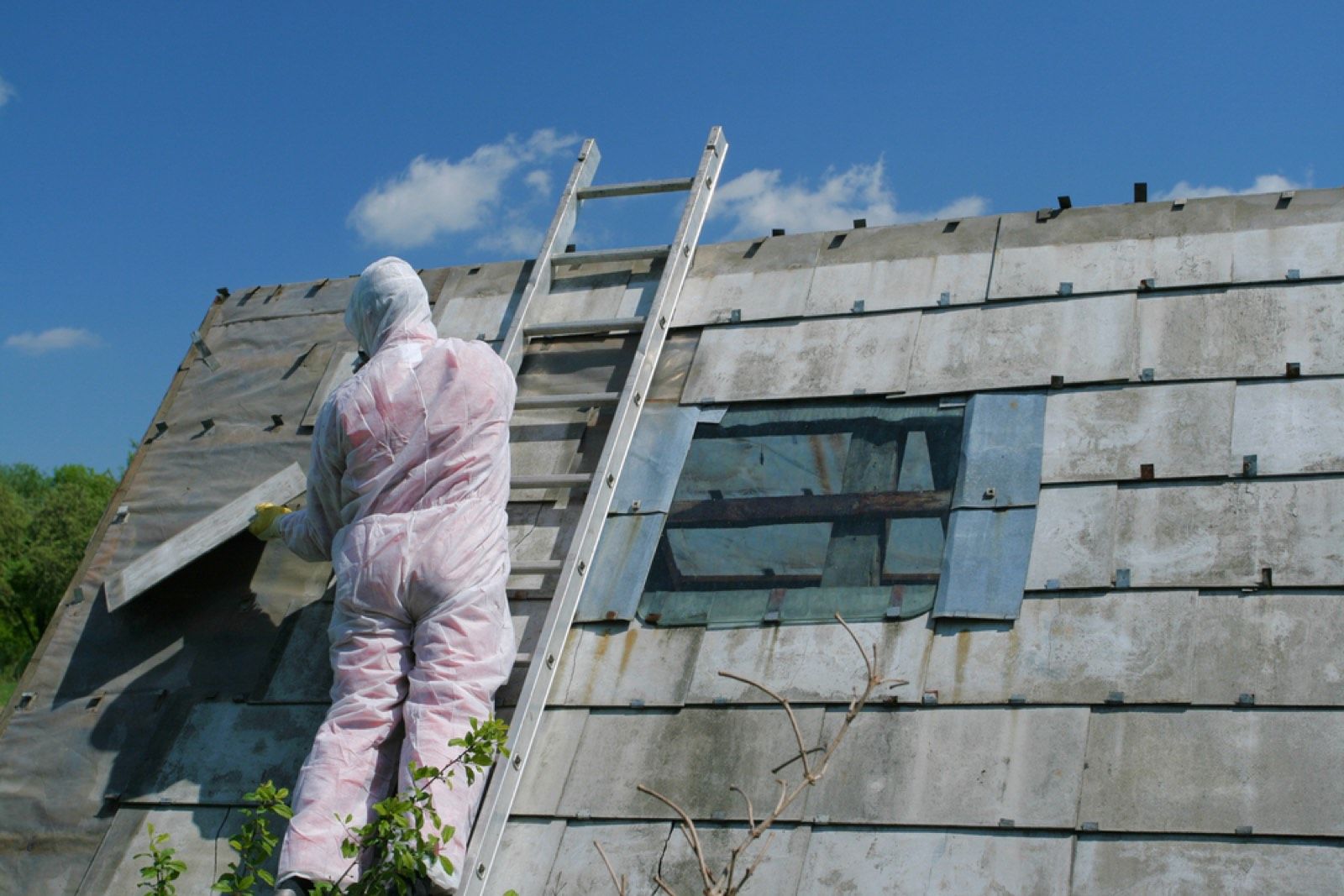
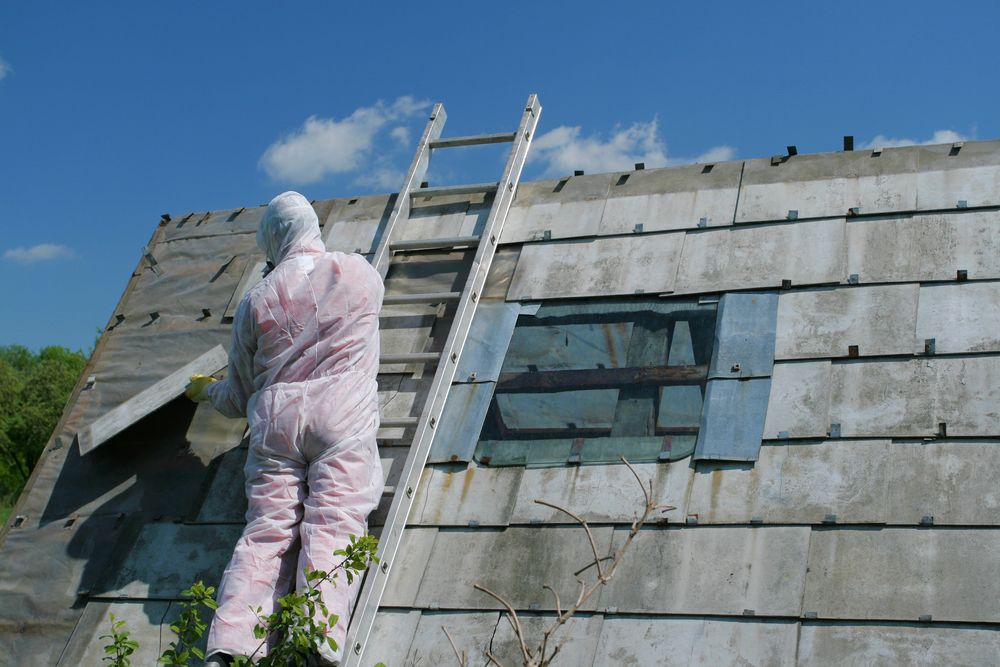
We work through the building methodically and pay attention to the materials the local stock is known for. Garage and shed roofs are the obvious one, corrugated cement sheets fitted between the 1950s and the 1980s and weathered ever since. Inside, it is the textured artex ceilings in the pre-1990s terraces around St Margarets, vinyl floor tiles and the black adhesive bedded beneath them, pipe lagging, and the odd boiler flue. On the interwar houses out towards Whitton it shows up in the cement soffits, gutters and fascia boards as well. Knowing where these things tend to hide in a particular type of house is half the job, and it comes from having worked on them.
Nothing gets confirmed by eye, because eyes get it wrong. Two ceilings that look identical can come back from the lab completely differently, and a material that looks harmless can be the one that matters. Where the survey turns up something suspect we take a small sample under controlled conditions, so the act of taking it does not spread fibres, and send it to a UKAS-accredited laboratory. The results usually land within a few working days. That is the difference between guessing and knowing, and it is the part of a survey you cannot cut a corner on.
It is worth being clear on what a survey is not. A survey inspects the whole property and reports on everything across it. If you only need one specific item checked, an artex ceiling before a skim or a single garage roof before you knock it down, that is sampling, a smaller and cheaper job that answers a yes or no on that one material. A survey is the right call when you want the full picture of a house, which is usually the case when you are buying it, letting it or about to start serious work on it.

The Report You Can Hand Straight Over
What you get at the end is a written report, and it is built to be passed on. It sets out where asbestos was found, what type and what condition, and what we recommend doing about each item. A builder can price the work from it, a solicitor can file it with the sale, and a buyer can read it and know what they are taking on. It is a working document, not a certificate that sits in a drawer.
If the report flags material that has to come out, we can carry out the removal too, and having one company run the survey and the work keeps the responsibility in one place. For higher-risk licensed removal we give the HSE the 14 days' notice the law requires, work under full enclosure, and finish with four-stage clearance testing by an independent analyst before the space is signed off. The survey is what tells us, and you, whether any of that is even needed.
Clearaway Asbestos has surveyed and worked on homes across Twickenham and the wider TW postcodes for more than seven years, and we hold Spectra licence number 142305706. To book a survey anywhere from St Margarets to Whitton, call the team on 0800 024 6168 and we will arrange a date that suits you.
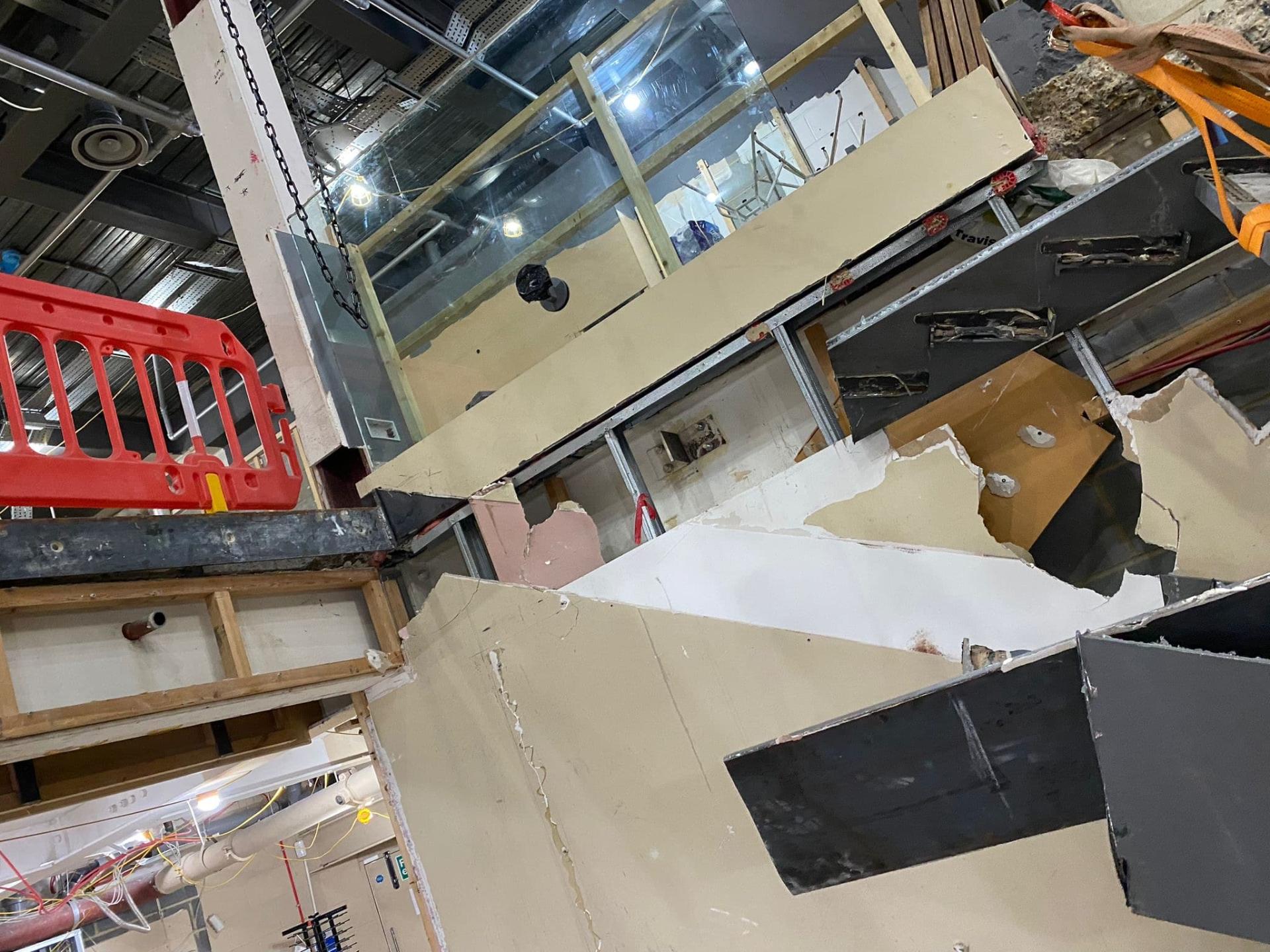
Commercial Building Strip-Out, Kensington
Kensington, South London · Strip-Out
View this project"Graham and his staff done a great job of removing my concrete and asbestos garage thank you"
Frequently Asked Questions
Our Removal Process
From first call to final certificate, every job follows the same clear four-step process.
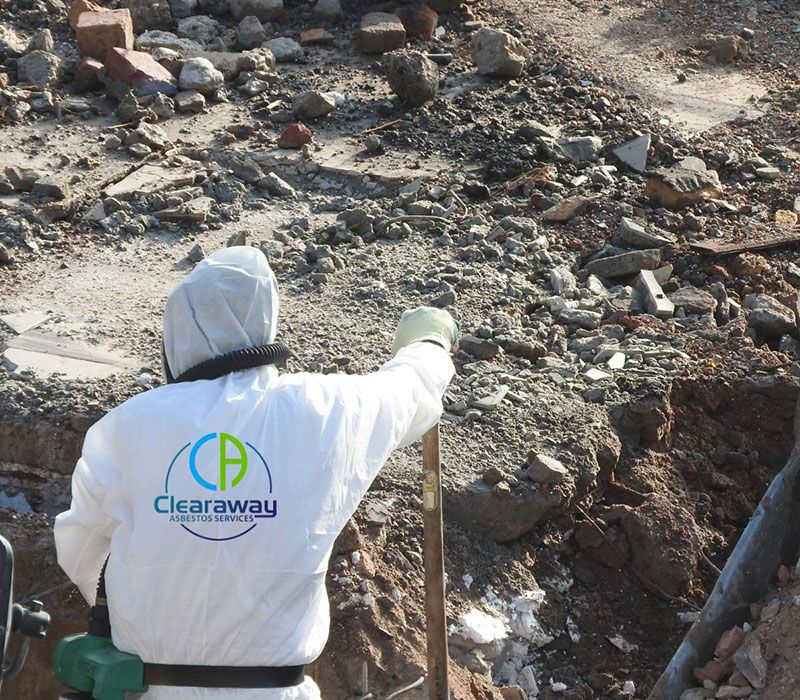
Survey
We inspect the property and confirm the material. Sampling available if required.
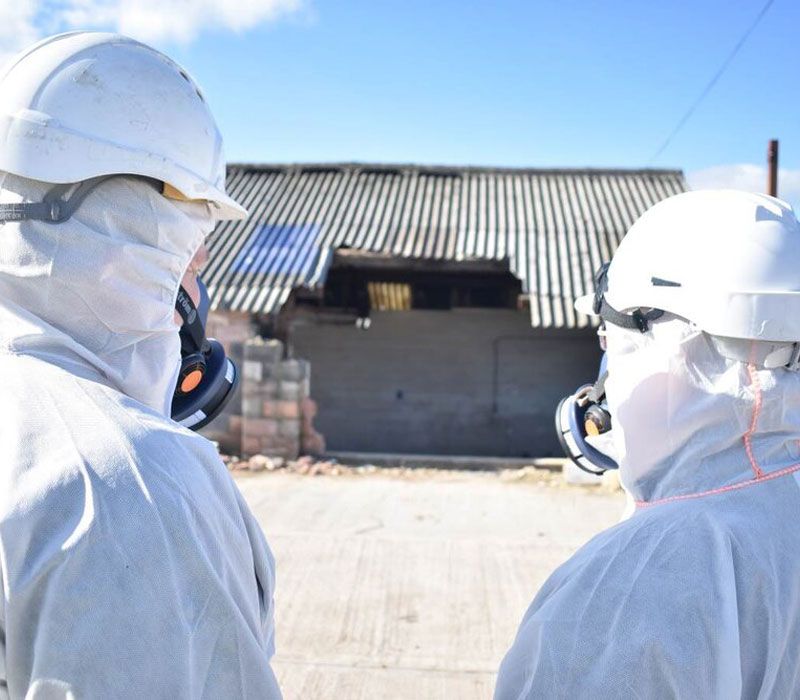
Quote
Fixed written price covering removal, disposal and any replacement work.
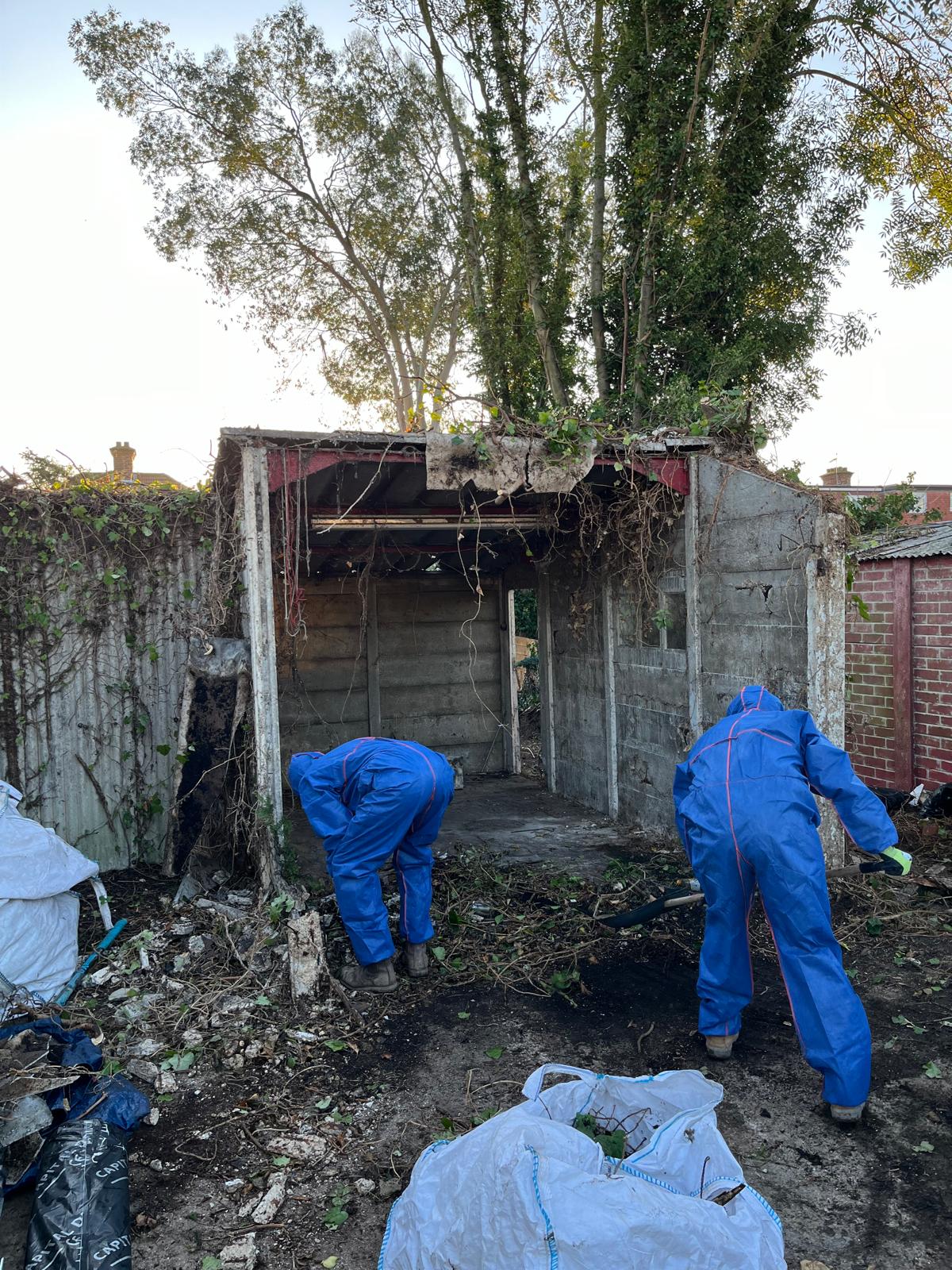
Removal
Material is removed safely, double-wrapped and taken to a licensed disposal facility.
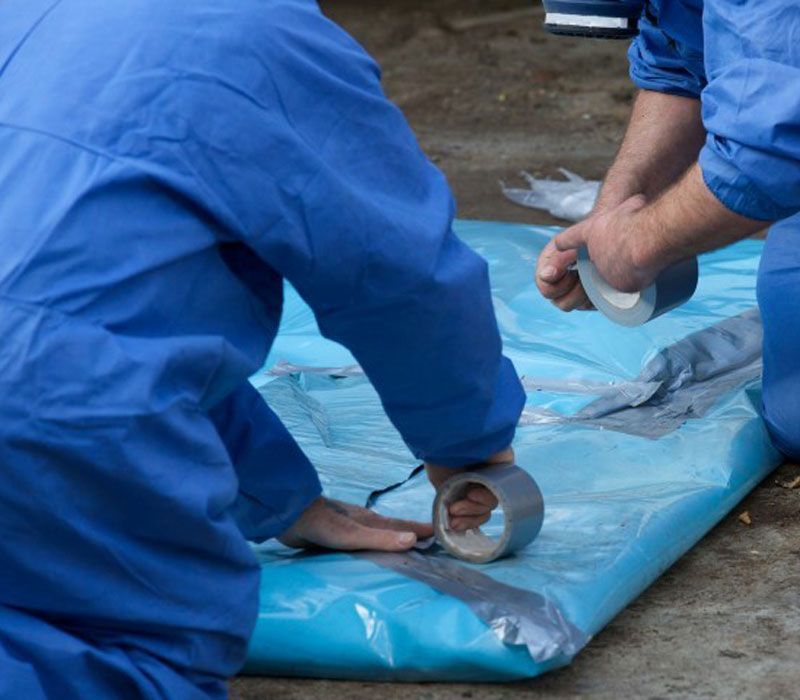
Certificate
You receive a waste consignment note and disposal certificate confirming legal handling.
Why Choose Clearaway
Specialist Crew
Asbestos work is all we do, every day, across the South East.
Fully Licensed
Licensed asbestos removal contractor (Licence No. 142305706). Full public liability insurance on every job.
Local & Fast
Surrey-based. Most domestic jobs are booked in and finished within a week.
Our Own Team
We never subcontract. The people who quote your job are the people who do it.
Get in Touch
Send a few details about your project and we will come back the same working day with a fixed price. We cover Surrey, London and the South East, including Esher, Cobham, Kingston, Richmond, Epsom, Guildford, Woking and Croydon.