
Asbestos Surveys in Richmond
Before any work starts on a Richmond house, you need to know what is in it. A survey finds and assesses asbestos, room by room, and hands you a written report. We cover TW9 and TW10, from the Green to Richmond Hill.
What a survey actually looks for here
A survey is not removal. It is the step before, the part where we go through a property and work out what asbestos is present, where it sits, and what condition it is in. In Richmond that usually means a mix of ages under one roof. A Georgian terrace near the Green might have later additions tucked behind it. A riverside Victorian house might have had a 1970s kitchen or boiler cupboard fitted into older fabric. The asbestos is rarely where the building is grandest. It hides in the practical corners.
The common finds across the town are familiar enough. Corrugated cement on a garage or shed roof. Textured artex on ceilings and walls. Asbestos insulating board around a boiler or built into a conversion. Vinyl or thermoplastic floor tiles with black bitumen adhesive underneath. Pipe lagging in the cellars of the older properties, and cement soffits and gutters on the interwar semis out towards Kew and East Sheen. None of it can be identified by eye with any certainty, which is the whole reason a survey exists.
We take small samples of anything suspect under controlled conditions and send them to a UKAS-accredited laboratory. The lab confirms whether asbestos is present and which type, because the type changes what happens next. What you get back is a written report you can act on, not a guess and not a verbal reassurance over a doorstep. Results come back within a few working days, and we go through them with you so the report is a tool you can use rather than a document that sits in a drawer.

Management survey or refurbishment and demolition
There are two survey types and they answer different questions. A management survey is for a home that is staying lived in. It maps the asbestos that is already there so it can be left alone safely, checked over time, and flagged to anyone who later does work on the place. If your house is fine as it is and nobody is knocking anything about, this is usually the one. It is also the survey a landlord wants on file, and the one a buyer or solicitor often asks to see during a sale around Richmond, where stock changes hands at a level that makes due diligence worth doing properly.
A refurbishment and demolition survey is the more thorough one, and it is the survey you need before building work. It is intrusive. We look behind and beneath, into the parts of the structure a builder is about to disturb, because that is exactly where hidden material turns up once the dust starts. If you are taking out a kitchen, opening up a chimney breast, converting a loft, or pulling down an old extension, this is the survey that goes in before a single tool comes out. It is also the one that catches the things nobody expects, like board behind a boiler, lagging on a pipe run in a cellar, or adhesive bedded under floor tiles, all of which read as ordinary until a builder breaks into them.
The difference matters most when work is planned. A management survey that was right for a settled house is not enough once that house becomes a building site. People get caught out here, because the property looked surveyed already. The question is not whether it was surveyed, it is whether it was surveyed for what you are about to do to it.
Conservation areas and listed houses change the brief
Large parts of Richmond are conservation areas, and many of the Georgian and Victorian houses are listed. That changes how a refurbishment and demolition survey reads, because the building work it sits in front of is itself constrained. You cannot simply strip a listed interior back to find out what is behind it. Original cornices, panelling and joinery have to be protected, which means the survey has to be planned with the same care as the work, identifying what is there without tearing into protected fabric to do it.
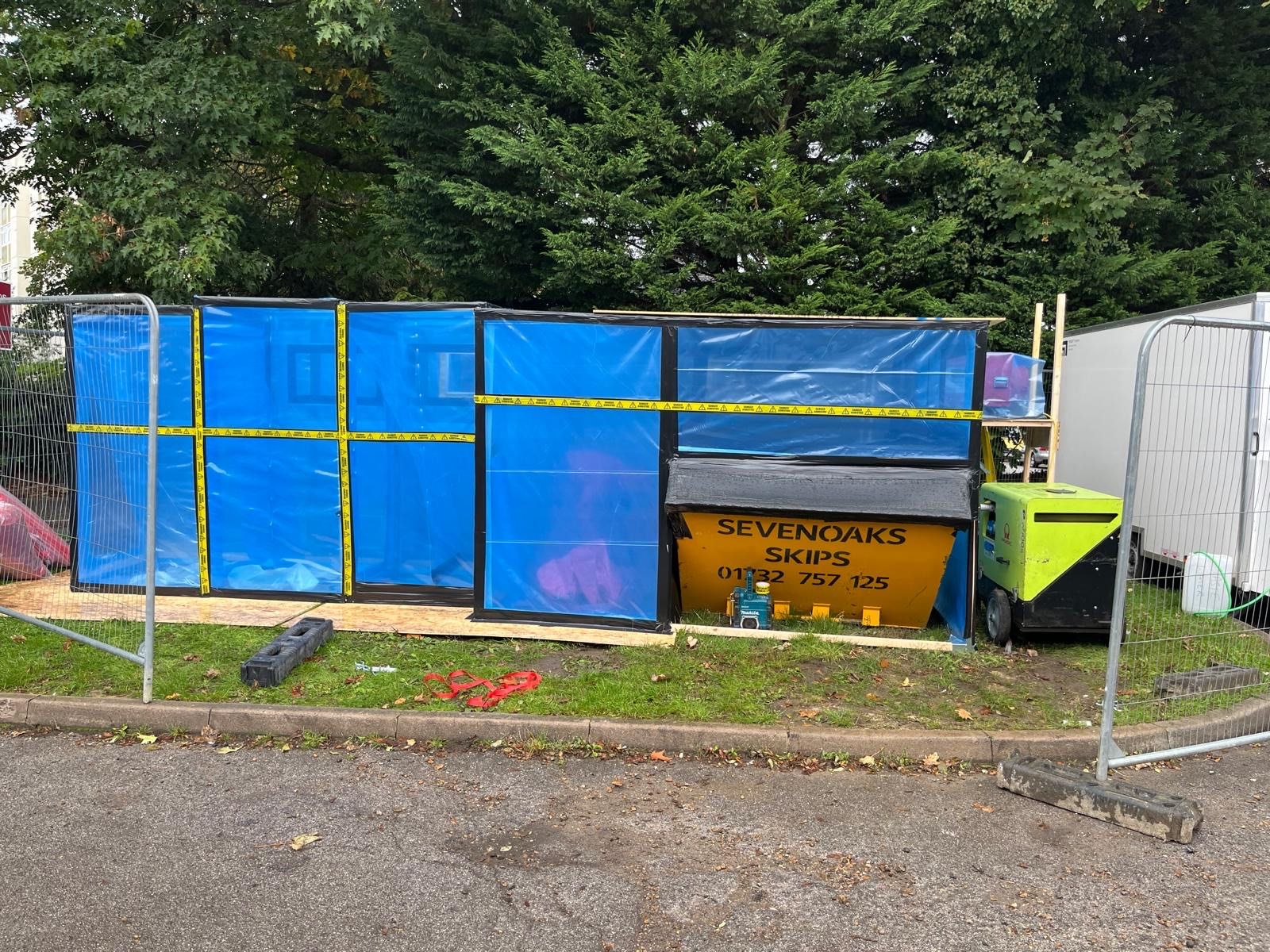
It also shapes the practical side. On these streets, scaffold and access get planned around the planning restrictions. Parking and skip permits are not a given. Some streets need notification before work begins. The removal itself, when it eventually happens, is our job, but on a listed or conservation-area property it almost never happens in isolation. It is one strand of a wider project that may involve listed building consent or conservation-area conditions, and the survey is what lets everyone, the architect, the builder, the conservation officer, work from the same facts. Booking it early matters too, because access on these streets has to be arranged in advance rather than turned up for on the day.
That is why the written report carries real weight on a Richmond house. It is the document a builder prices against, a solicitor files, and a buyer reads before they commit. Get the survey wrong on a property like this and the cost is not just money, it is unpicking work that touched fabric it should not have. On a protected house the order of events is fixed. You survey, you plan around what the survey found, and only then does anyone start opening things up.

What you get, and what happens next
The report tells you what was found, where, what type of asbestos it is, what condition it is in, and what each item means in practice. Some materials are best left exactly where they are and managed. Others need to go before work can continue. The report is plain enough to hand to a builder, a solicitor or a buyer without needing it translated, and it is the basis for any removal that follows. It also marks the materials by location, so nobody has to take your word for where the boiler cupboard or the floor in question actually sits.
If removal is needed, the type of work depends on what the lab confirmed. Lower-risk materials can often be dealt with under non-licensed conditions. Higher-risk licensed work follows a stricter route, with 14 days of notice to the HSE before it begins, full enclosure of the work area, and four-stage clearance testing by an independent analyst at the end, so the space is proven clean before anyone moves back in. The survey is what tells us which path your property is on, rather than finding out halfway through a job.
Clearaway is based in Chessington, in KT9, and the owner Graham runs local jobs himself, so the person assessing your Richmond house is the person you will deal with throughout. We have worked across this area for more than seven years and hold Spectra licence number 142305706. If you want a survey booked, or you are not sure which of the two types your situation calls for, call us on 0800 024 6168.
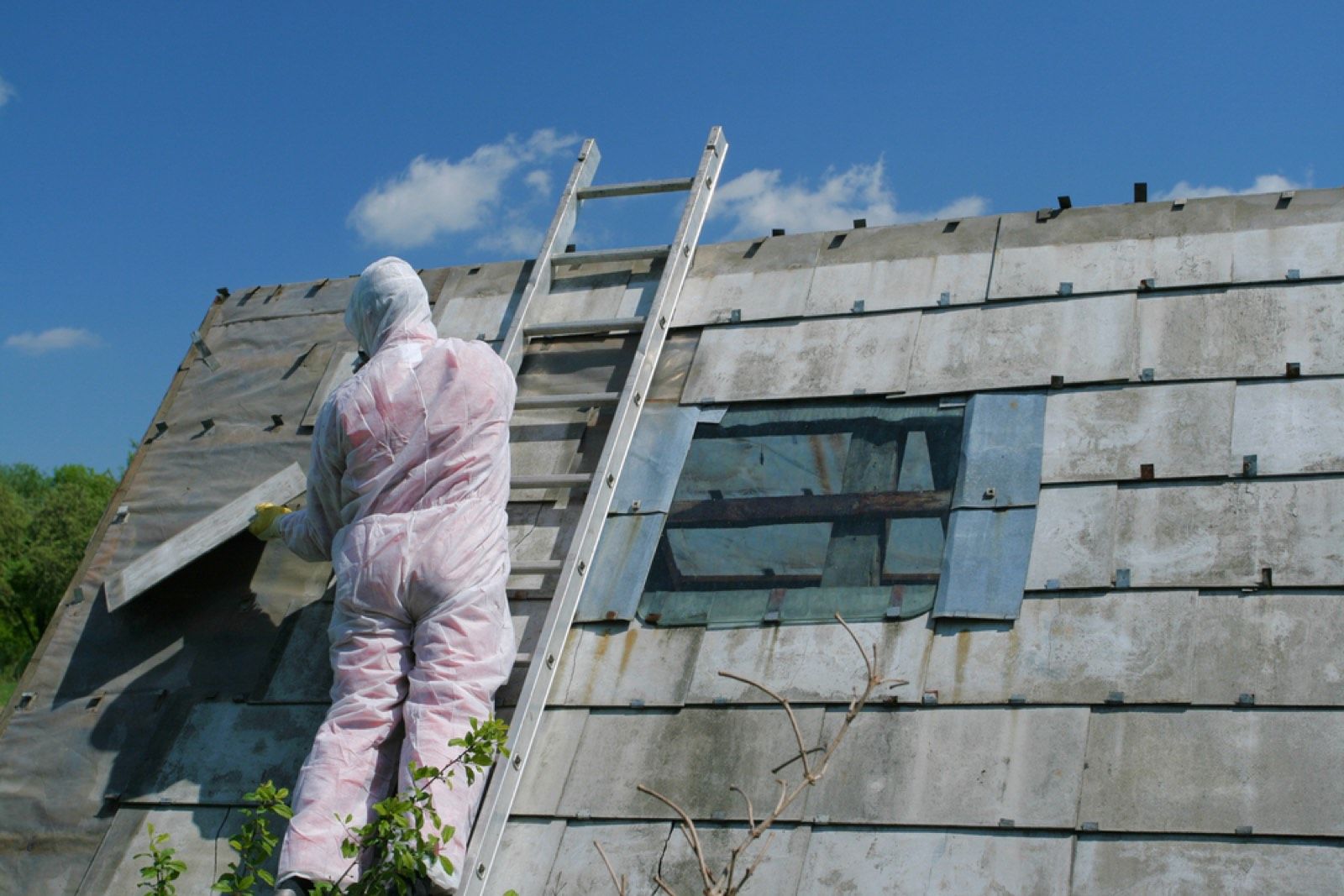
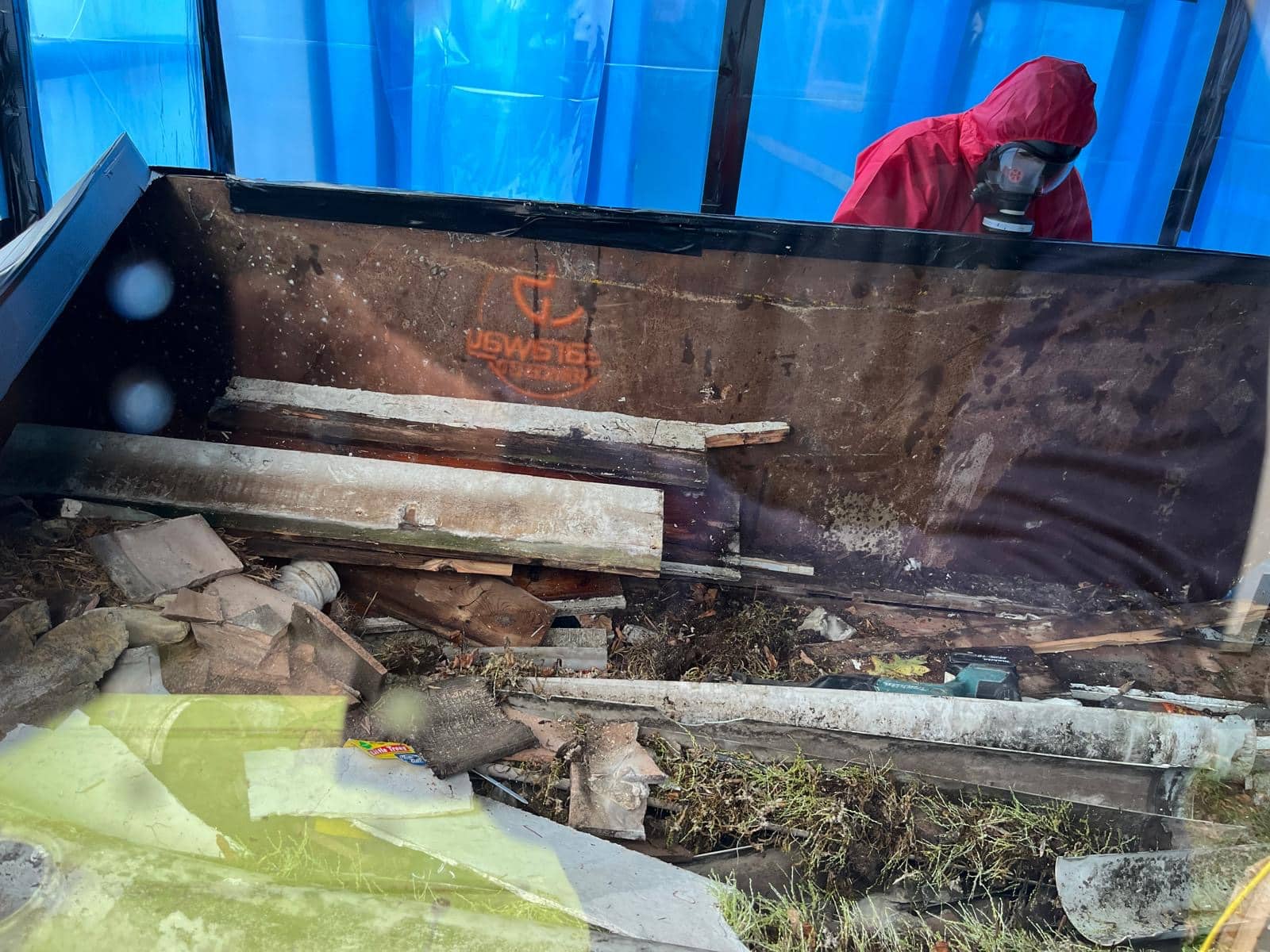
Licensed Asbestos Removal, Weybridge
Weybridge, Surrey · Licensed Removal
View this project"Graham has organised two jobs for me, both of which ran smoothly and on time. Clive and the team are really great, they completed the work in the agreed time and left the site spotless. Would recommend using Clearaway if you need any work done."
Our Removal Process
From first call to final certificate, every job follows the same clear four-step process.
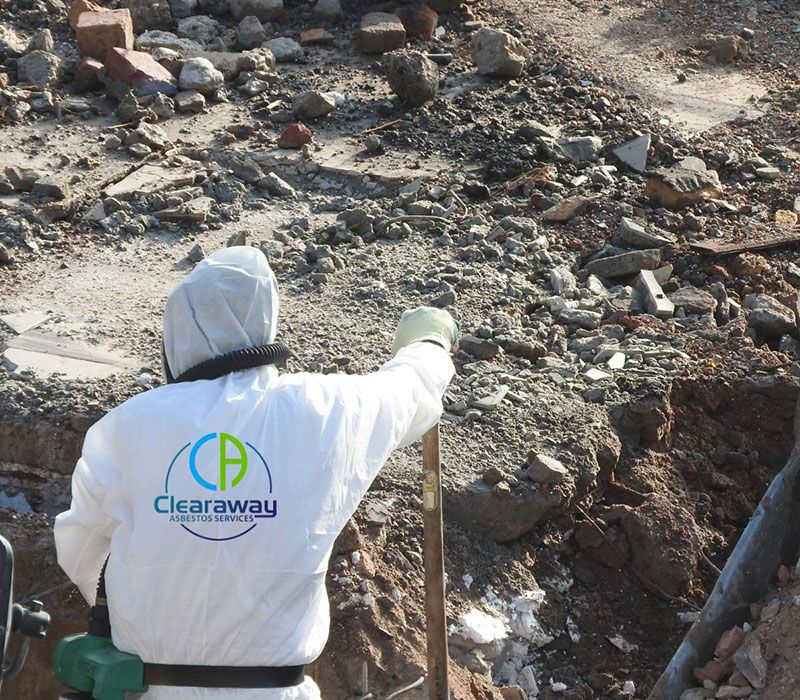
Survey
We inspect the property and confirm the material. Sampling available if required.
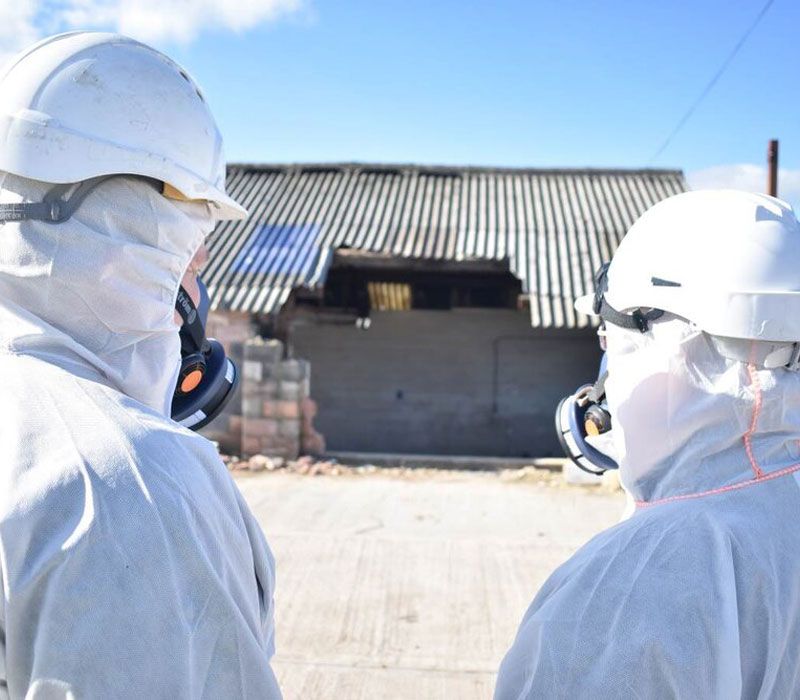
Quote
Fixed written price covering removal, disposal and any replacement work.
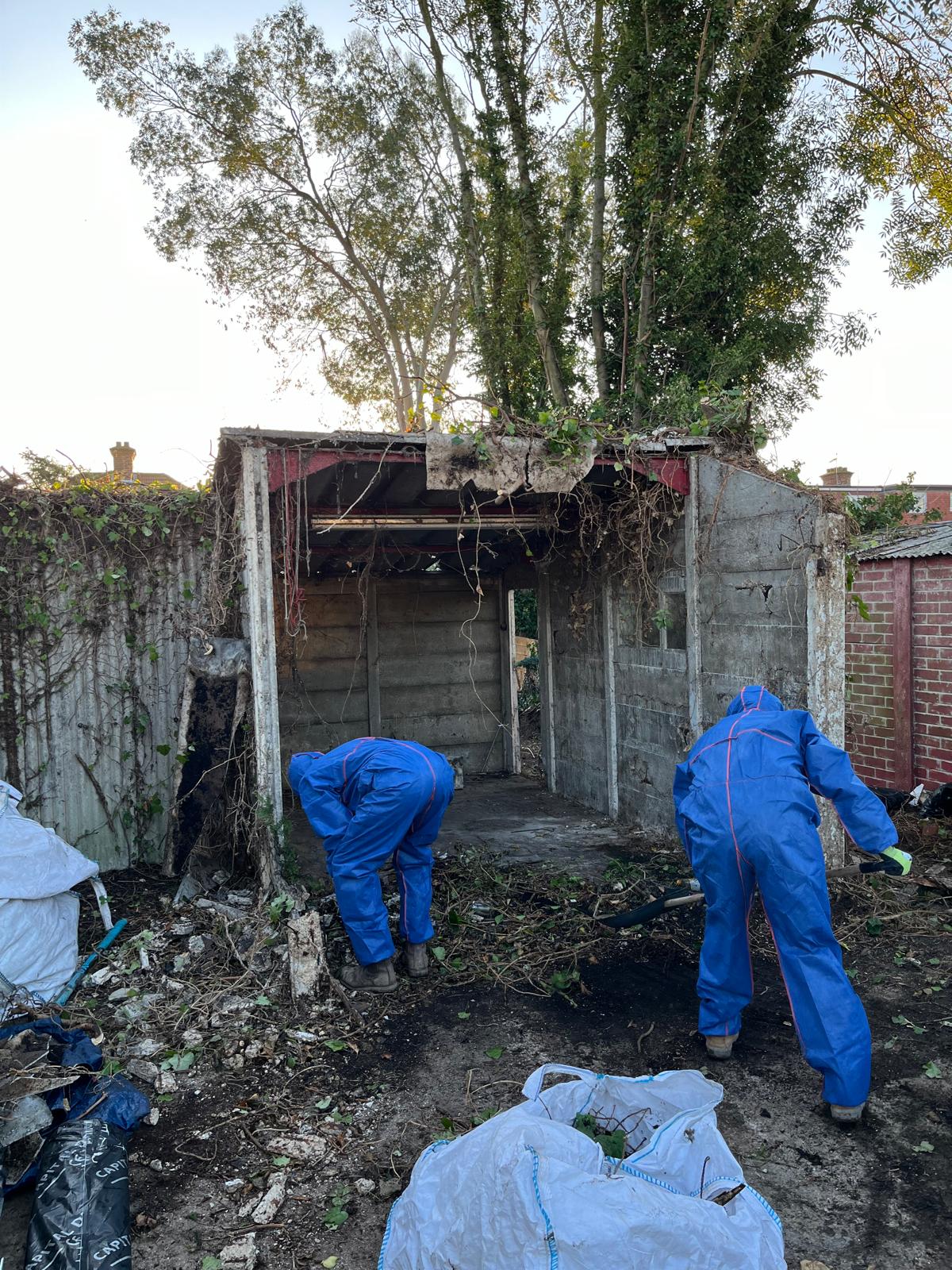
Removal
Material is removed safely, double-wrapped and taken to a licensed disposal facility.
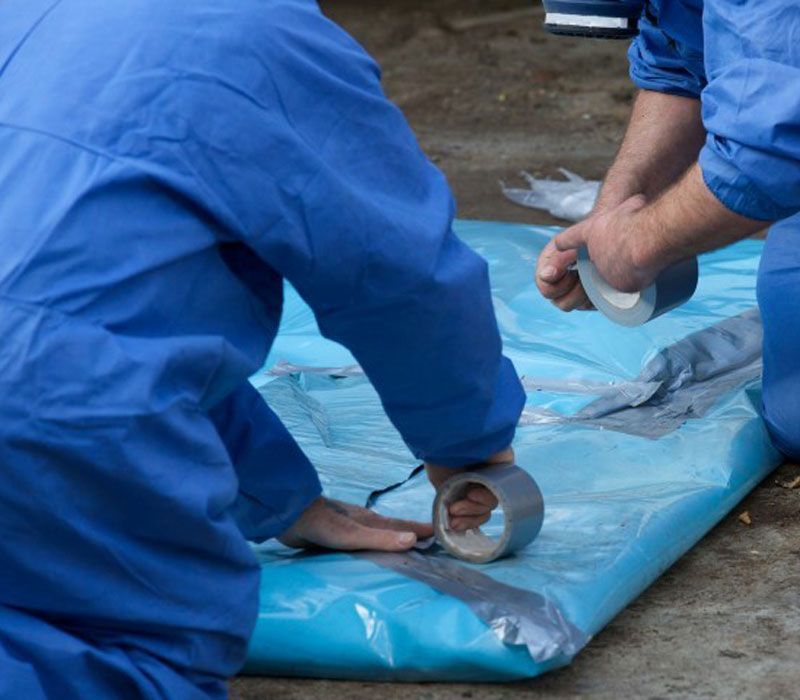
Certificate
You receive a waste consignment note and disposal certificate confirming legal handling.
Frequently Asked Questions
Why Choose Clearaway
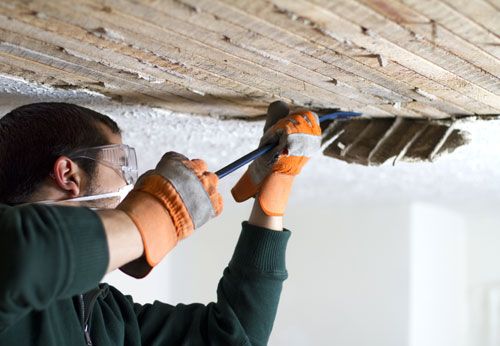
HSE Licensed Removal
Higher-risk material handled under full enclosure, with the 14 days of HSE notice the law requires and independent clearance testing.
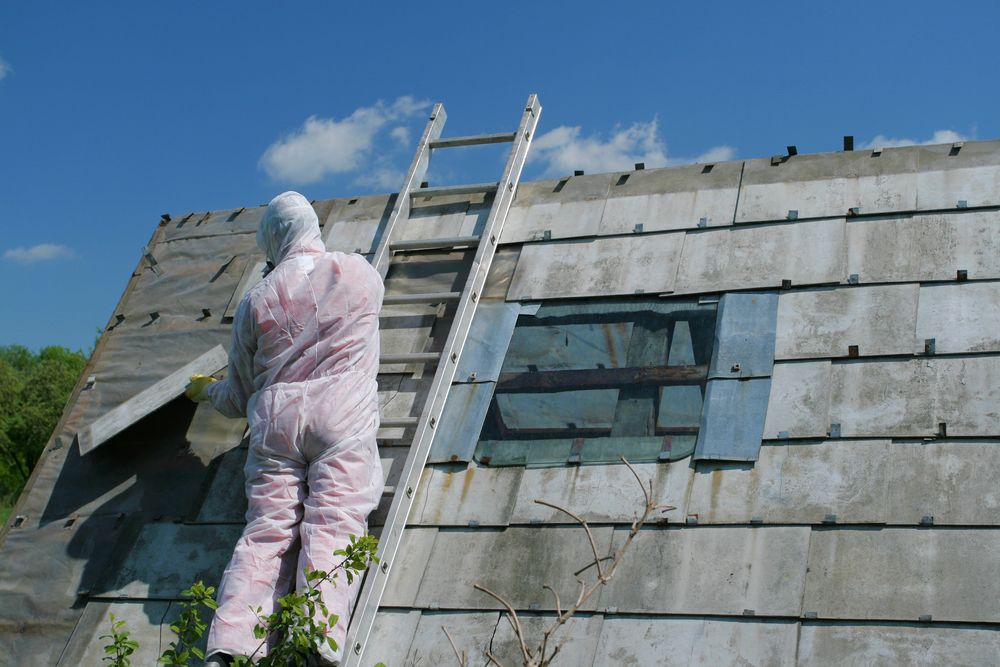
Planning Aware
Used to conservation areas and listed buildings: scaffold and access planned around the restrictions, original fabric protected.
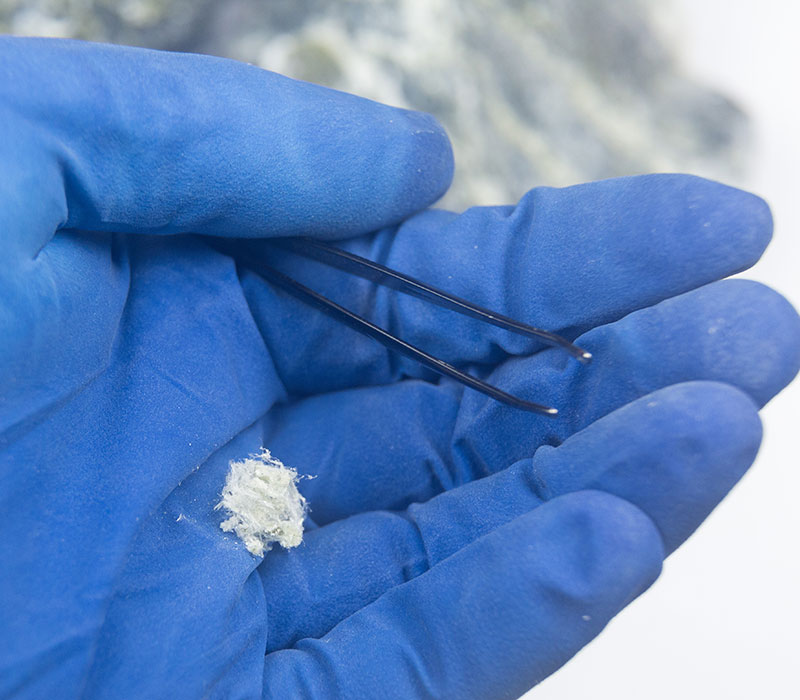
Fully Licensed
Licensed asbestos removal contractor (Licence No. 142305706). Full public liability insurance on every job.
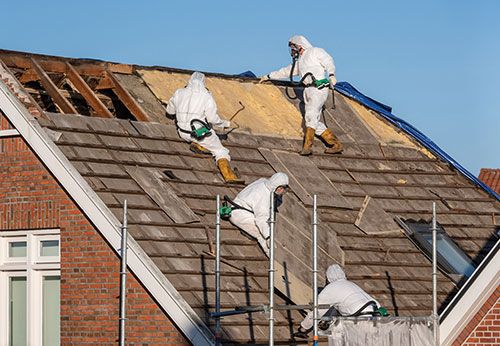
Our Own Team
We never subcontract. The people who quote your job are the people who do it.
Get in Touch
Send a few details about your project and we will come back the same working day with a fixed price. We cover Surrey, London and the South East, including Esher, Cobham, Kingston, Richmond, Epsom, Guildford, Woking and Croydon.