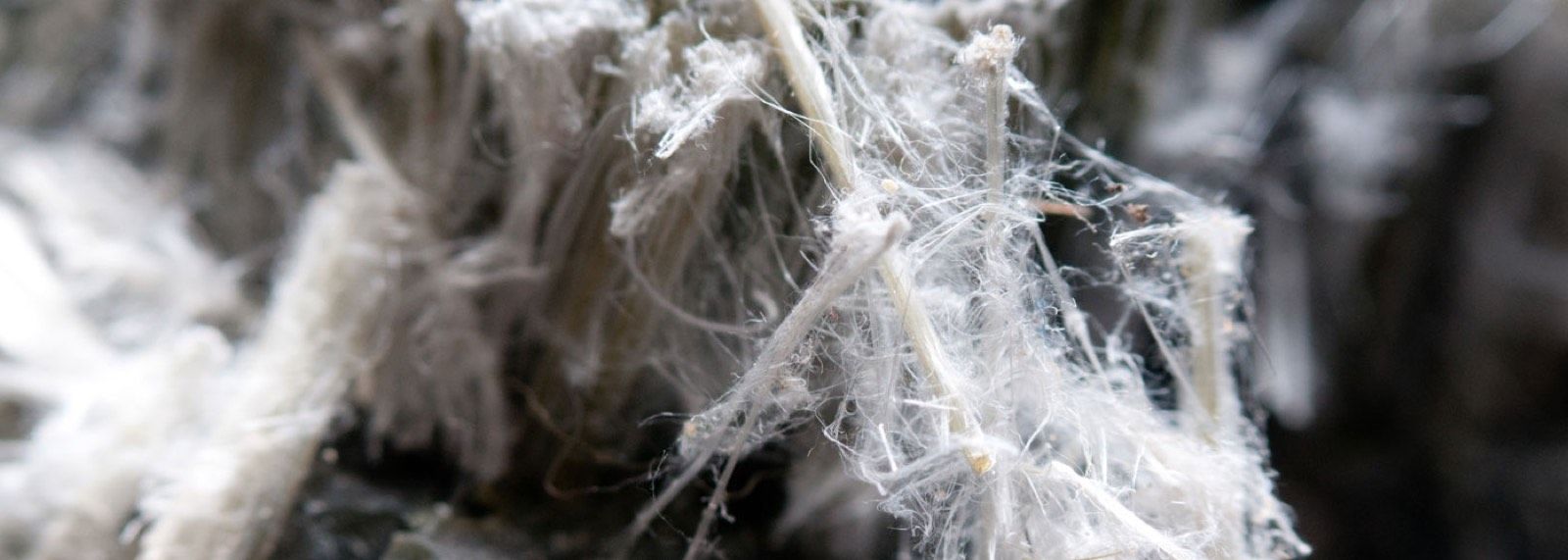
Asbestos Surveys in Putney
Asbestos surveys for Putney buyers, landlords and renovators, from the flat conversions off the Lower Richmond Road to the period houses up towards West Hill. We find and assess the material, sample it, and hand you a written report you can act on.
Why Putney Stock Needs Surveying
A lot of property changes hands in Putney, and a lot of it gets carved up. The Victorian and Edwardian terraces running down to the Thames have been split into flats, knocked through, re-roofed and refitted more times than anyone can count. The mansion blocks behind the High Street and the larger houses out towards West Hill and Putney Heath have had decades of work done to them. Every one of those changes happened before asbestos was banned in the UK in 1999, which means the material can be sitting in places no one thought to record.
A survey is the step that finds it. We are not there to remove anything on a survey visit. We are there to work out what is present, where it is, and what condition it is in, so you know the full picture before you buy, let or start work. In a borough where so much of the housing is converted and re-converted, that is rarely a wasted exercise. The streets between the river and Putney Heath are full of homes that were last properly looked over decades ago, and a survey is often the first time anyone has gone through them with asbestos in mind.
There are two surveys, and they do different jobs. A management survey is for a home that is staying lived in, checking the material you live alongside day to day and how likely it is to be disturbed. A refurbishment and demolition survey is the more intrusive one, done before building work, so the areas a builder is about to open up are checked first. Which one you need comes down to what you are about to do with the property, and we will talk that through before the visit so you are not paying for more than the job calls for.

What We Look At in an SW15 Survey
In a Putney terrace or conversion the survey follows the building. We look at ceilings and walls for textured artex, at floors for vinyl tiles and the black bitumen adhesive bedded underneath them, at soffits and rainwater goods on the roofline, and at pipe lagging in basements and around old heating runs. In the bigger period houses we check around boilers and inside airing cupboards, where insulating board was often fitted during an earlier refurbishment.
None of this can be settled by looking. Two ceilings that seem identical can come back from the laboratory with completely different results, so anything we suspect is sampled rather than guessed at. The samples go to a UKAS-accredited laboratory, and the findings come back in writing. We would rather take a small sample and confirm a material is clean than wave it through on a hunch, because a wrong guess about asbestos is not the kind of mistake you want to find out about later.
The depth of the survey depends on what you are doing. A management survey stays light and works around an occupied home, looking at the material that is on show or easy to reach. A refurbishment and demolition survey gets into the fabric, lifting boards and opening up the spots a project will reach, so nothing is missed once the work starts. The same flat off the Lower Richmond Road might need either survey depending on whether you are moving in as it stands or stripping it back, and that is the first thing we settle.
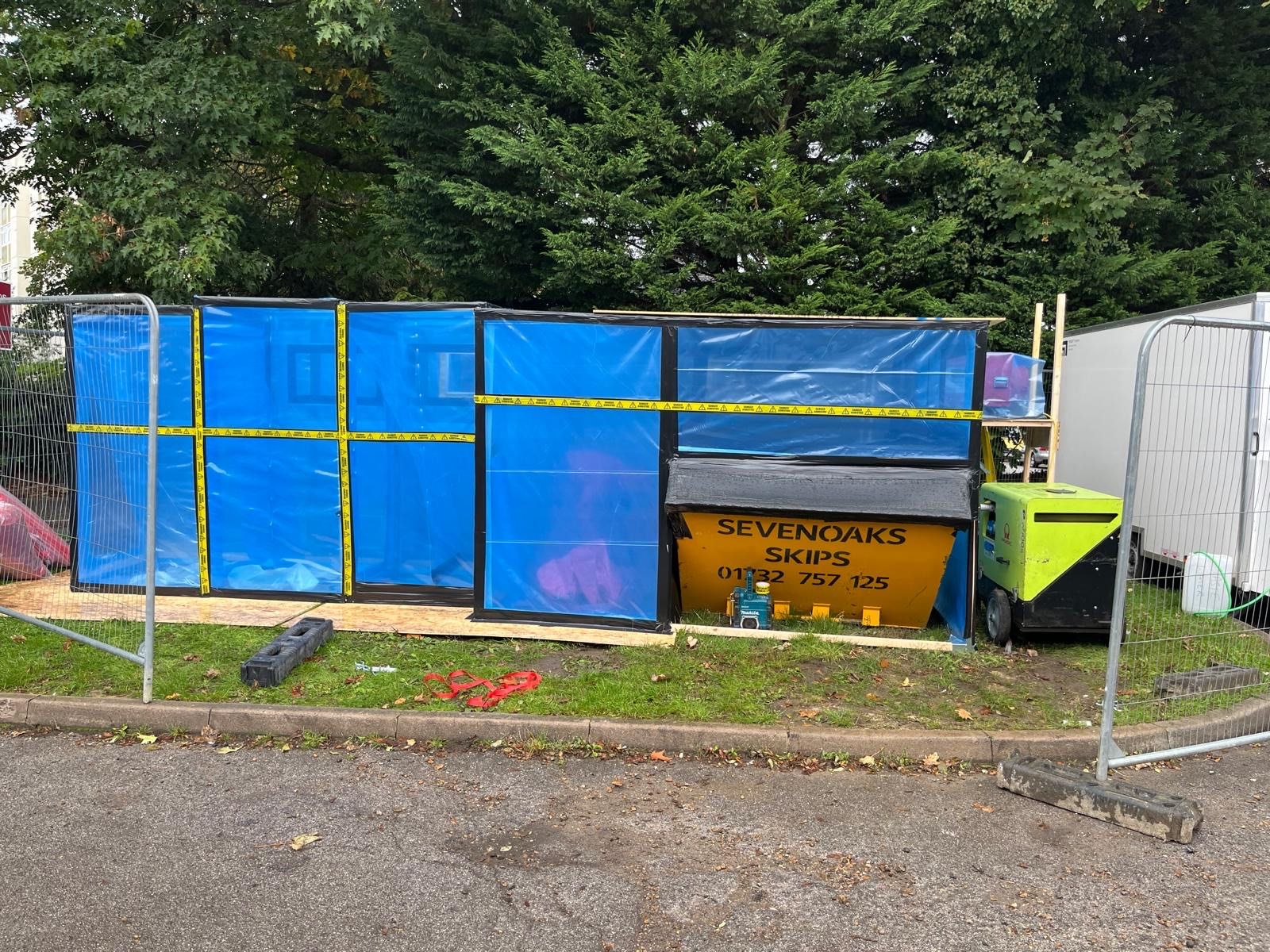
The Report You Can Hand Over
The point of the survey is the report at the end of it. You get a written document that sets out what was found, where it is, what type of material it is, and what condition it was in on the day. It records what was sampled and what the laboratory confirmed, so there is no ambiguity about what is fact and what is assumption.
That report is the thing other people need. A builder needs it before quoting, so the price reflects what is actually there and not what turns up once the walls are open. A solicitor or a buyer wants it during a sale, because asbestos found after exchange becomes a much bigger problem than asbestos found before. A landlord or a managing agent needs it to meet their duty to manage the material in a let property or a shared block, which is a legal obligation in any building that is not a single private home. One document covers all of those readers, and it stays valid as a record long after the visit. A good report also tells you what you do not have to worry about, because plenty of materials that look alarming turn out to be modern and asbestos-free, and saying so plainly saves an owner the cost and delay of treating safe fabric as a hazard.
If the report does turn up material that has to come out, the survey has already done the hard part. We know what is there and what it will take, so any removal that follows is planned rather than discovered halfway through a job. That is the difference between a controlled piece of work and a builder downing tools because they have hit something they were not expecting. A clear report up front keeps the whole project on its feet.

Surveys Before Buying or Renovating
Most of the survey calls we get in Putney come at one of two moments. The first is a purchase. Someone is buying a flat off the Upper Richmond Road or a house near the Heath, the place clearly has not been touched in years, and they want to know what they are taking on before they commit. The second is a renovation. A kitchen is coming out, a conversion is being knocked through, an old roofline is being replaced, and the owner is sensible enough to check before the dust starts rather than after.
Both are the right call. Finding asbestos on a survey is straightforward to deal with. Finding it when a builder has already cut into it is dangerous and expensive, because the fibres are airborne and the room is contaminated. A survey turns a hidden risk into a known quantity you can plan around, and it costs a fraction of what an uncontrolled disturbance can run to once a property has to be sealed and cleaned. For most owners it is the cheapest insurance on the whole project, and it is far easier to budget for a survey at the start than to absorb an emergency clean-up in the middle.
We hold Spectra licence number 142305706, and we have surveyed property across Putney and the wider south-west London and Surrey area for more than seven years. If you want the material found and assessed properly before you buy, let or start work, call us on 0800 024 6168.
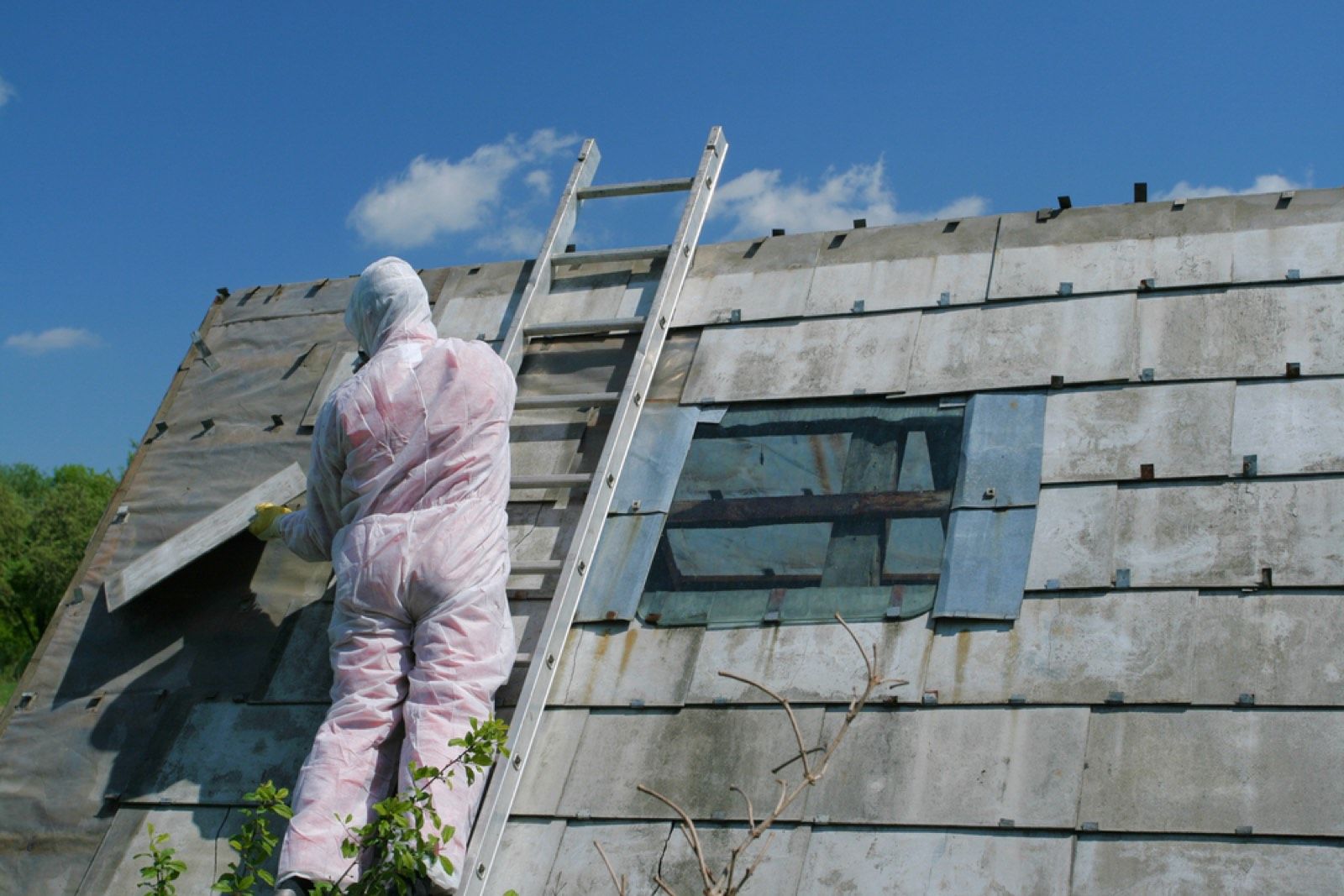
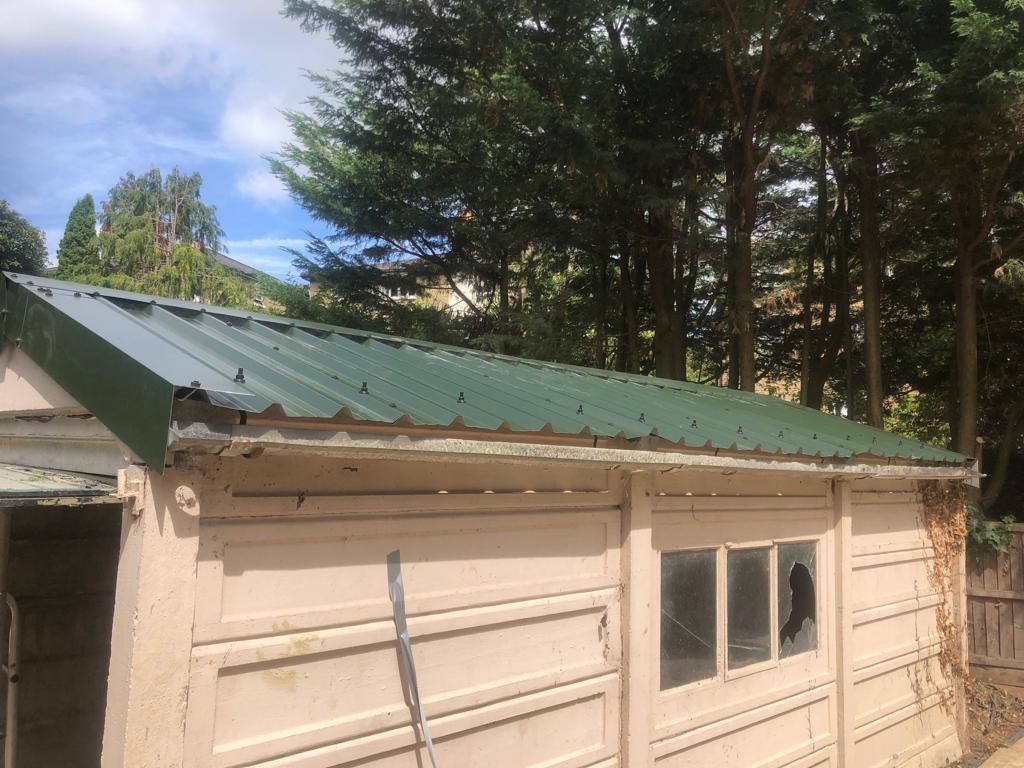
Asbestos Roof Removal and Steel Box Profile Renewal, Putney
Putney, South West London · Roof Removal & Renewal
View this project"Graham and his staff done a great job of removing my concrete and asbestos garage thank you"
Why Choose Clearaway
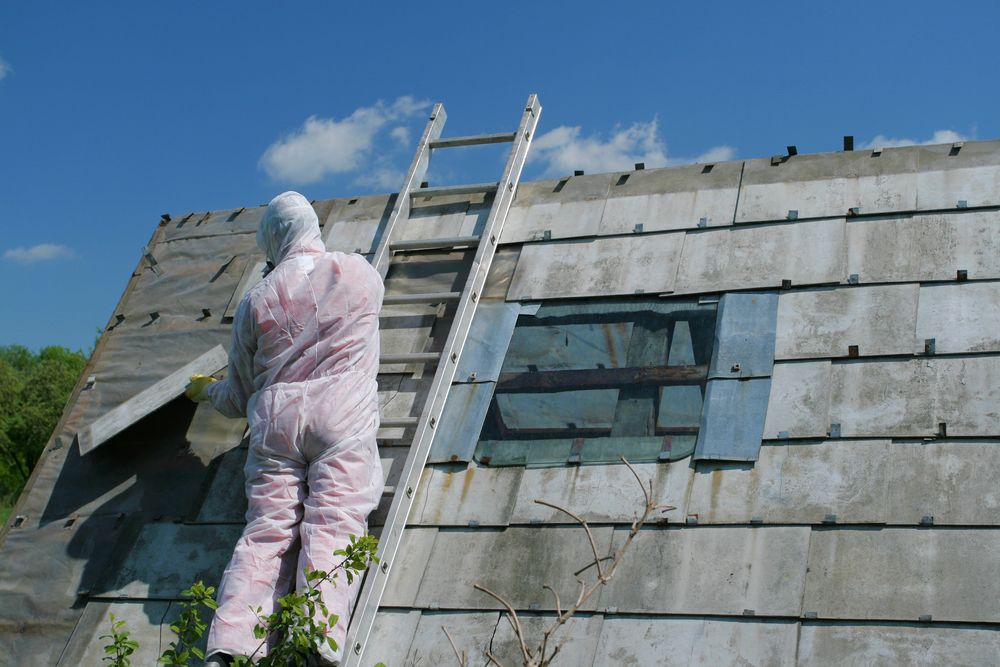
Landlord Compliant
Survey reports and waste consignment notes that satisfy managing agents, lenders and a tenant's right to a safe home.
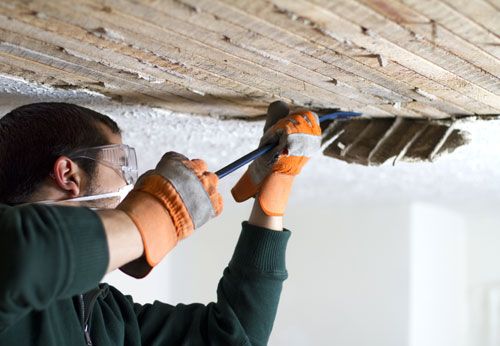
UKAS Accredited Testing
Every suspect material sampled and confirmed by a UKAS-accredited laboratory before any removal begins.
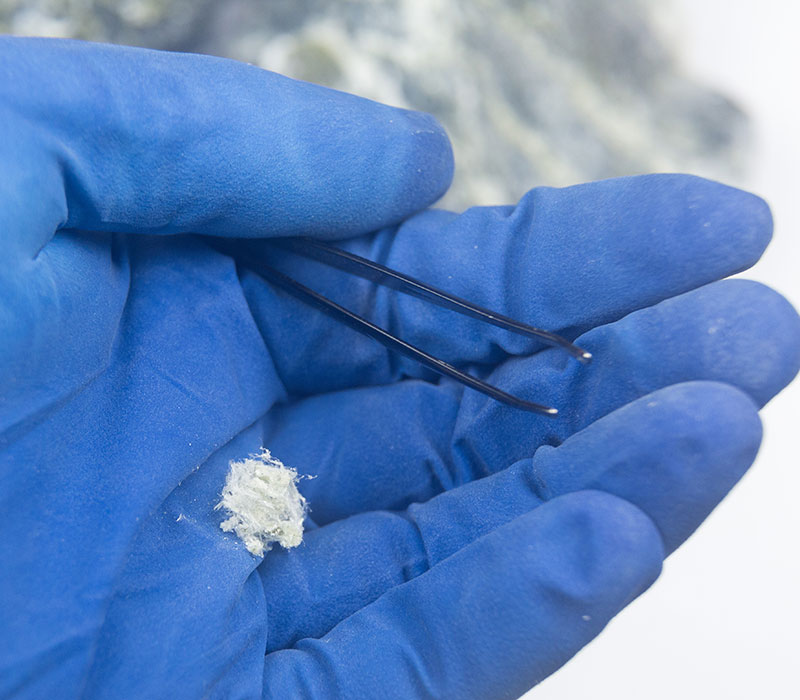
Fully Licensed
Licensed asbestos removal contractor (Licence No. 142305706). Full public liability insurance on every job.
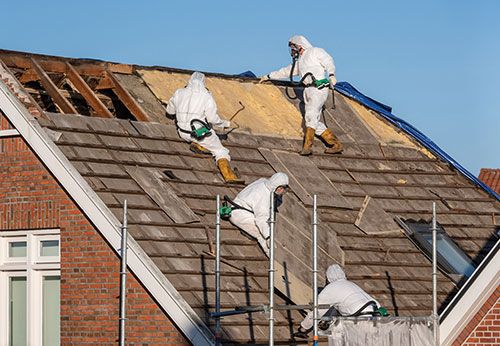
Our Own Team
We never subcontract. The people who quote your job are the people who do it.
Frequently Asked Questions
Our Removal Process
From first call to final certificate, every job follows the same clear four-step process.
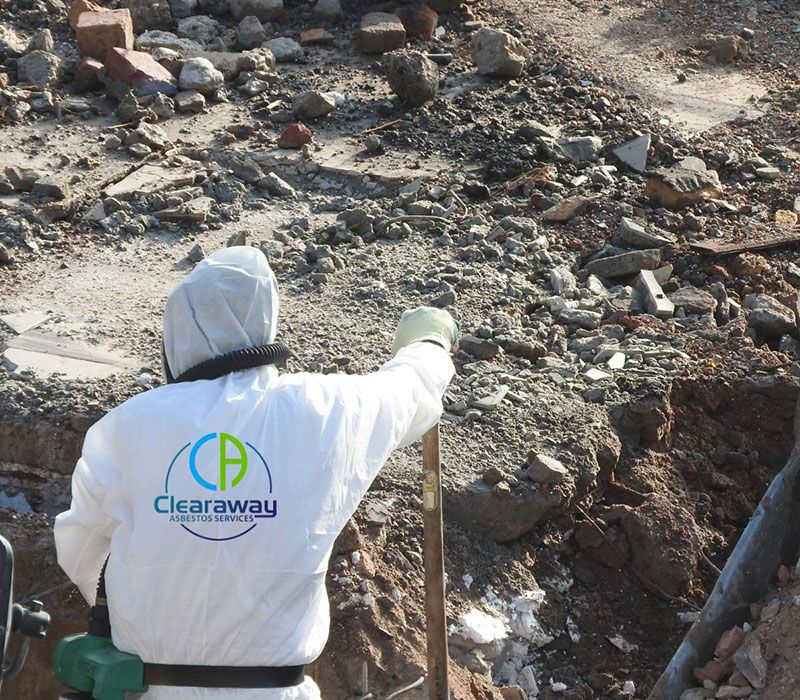
Survey
We inspect the property and confirm the material. Sampling available if required.
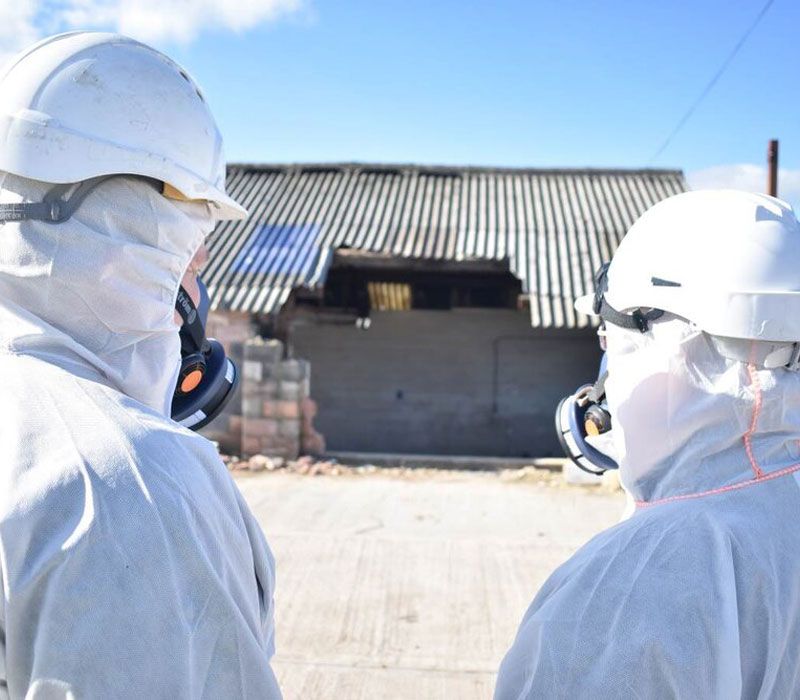
Quote
Fixed written price covering removal, disposal and any replacement work.
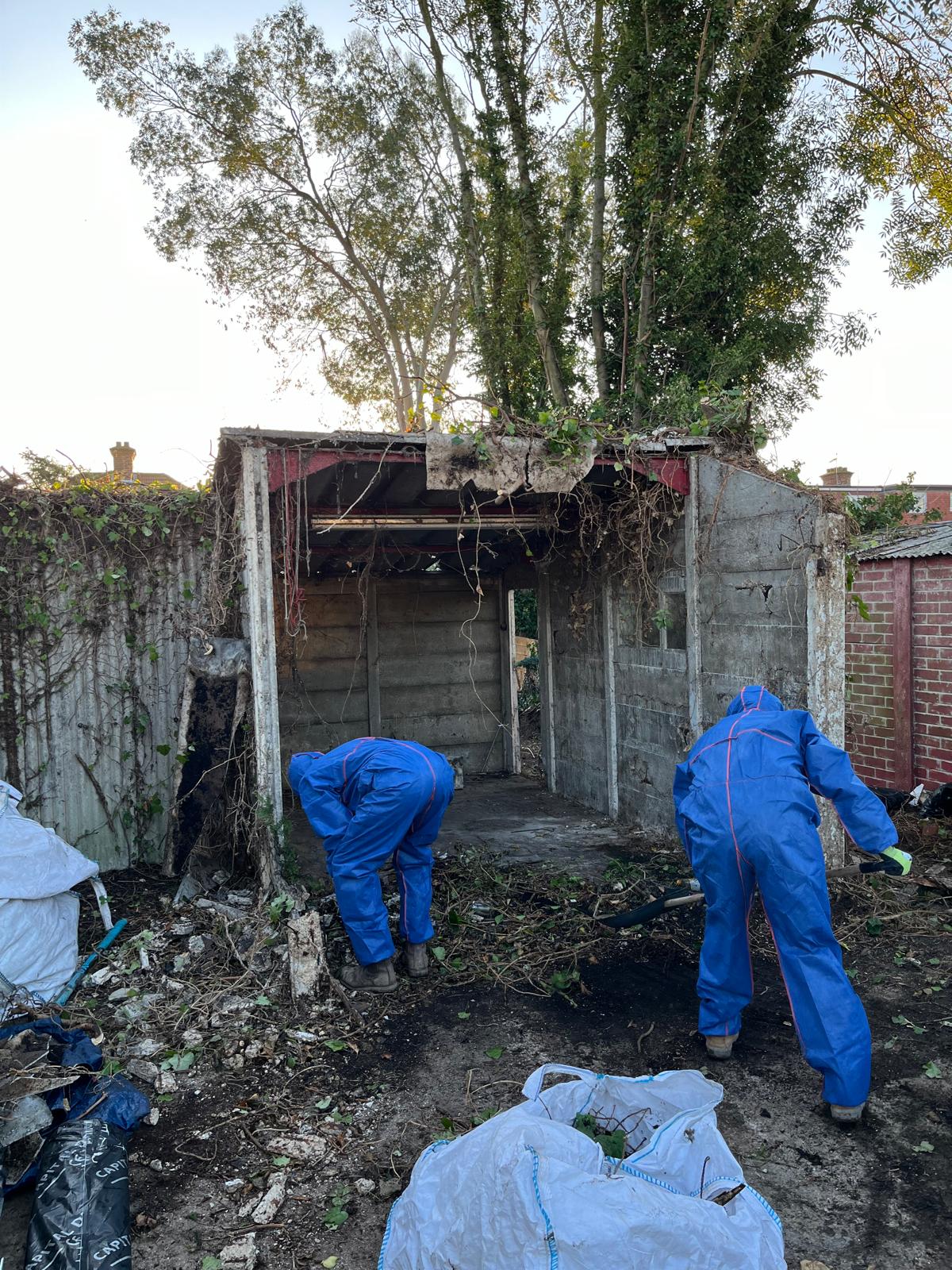
Removal
Material is removed safely, double-wrapped and taken to a licensed disposal facility.
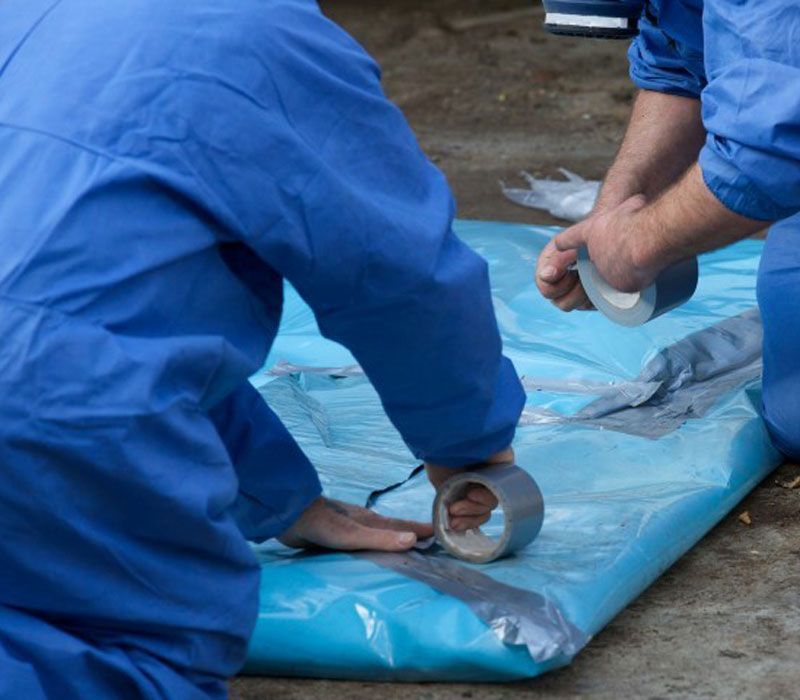
Certificate
You receive a waste consignment note and disposal certificate confirming legal handling.
Get in Touch
Send a few details about your project and we will come back the same working day with a fixed price. We cover Surrey, London and the South East, including Esher, Cobham, Kingston, Richmond, Epsom, Guildford, Woking and Croydon.