
Asbestos Surveys in Kensington
Kensington flats and mansion blocks were carved out of grand period houses, so the same suspect material can run through several homes at once. A proper survey finds it and puts it in writing before anyone disturbs it.
Why one Kensington flat is rarely the whole story
Walk into a tall house off Kensington Square or Stanford Road and you are not looking at one home. Most of these stucco terraces were split into flats and maisonettes long ago, and the conversions cut straight through fabric that was already in the building. A boiler cupboard on the first floor, a run of pipe lagging in the basement, a stretch of textured artex on a landing ceiling: the suspect material does not stop politely at a flat's front door. So a survey of one flat can easily miss what sits in the riser, the shared stairwell or the floor void above the neighbour below.
That is the awkward bit about period conversions in W8, SW7 and SW5. The paperwork says you own a flat, but the asbestos, if there is any, was installed when the place was still a single house. Pipework, ceiling boards and lagging were fitted to serve the whole building, not the lines the lease later drew. The red-brick mansion blocks along Earls Court Road behave the same way, with services that were always shared. A survey that only looks at your four walls reads the situation too narrowly, and in a building of flats one missed run of lagging can affect more than one home.
A survey is about finding and assessing the material, not removing it. The job is to walk the property, identify anything that might contain asbestos, take samples where needed and write it all down. In a converted Kensington house that means looking past the flat boundary at the things the conversion left behind, so the report reflects the building as it actually is rather than the floor plan on the lease.

The two surveys and which one Kensington needs
There are two types, and the difference is simply what you are about to do. A management survey is for a flat or house staying lived in. It checks the condition of any material that is present and asks a plain question: is it safe where it is, or does it need attention. Nothing gets pulled apart. For a mansion block flat along Cromwell Road or Earls Court Road that someone is living in, this is usually the right starting point, and it gives a managing agent something concrete to hold for the building.
A refurbishment and demolition survey is the one to book before building work. It is more intrusive because it has to be, lifting floors, opening cupboards and going behind the things a kitchen rip-out or a knocked-through wall will disturb. Plenty of Kensington flats get reworked, and the trouble usually hides under old lino, in the screed beneath floor tiles or in the boiler cupboard lining. A management survey will not have looked there, so a refurbishment survey is what a builder actually needs before the first wall comes down.
Getting the type right matters because the wrong one leaves gaps. Order a management survey and then start demolition and you have looked at the surface of a job that needed the floors up. In a converted house where one flat is being reworked while the rest stay lived in, that gap can reach into the homes nobody touched. We work out which one fits before anyone books a skip or a builder, so the survey matches the work in front of it rather than the other way round.
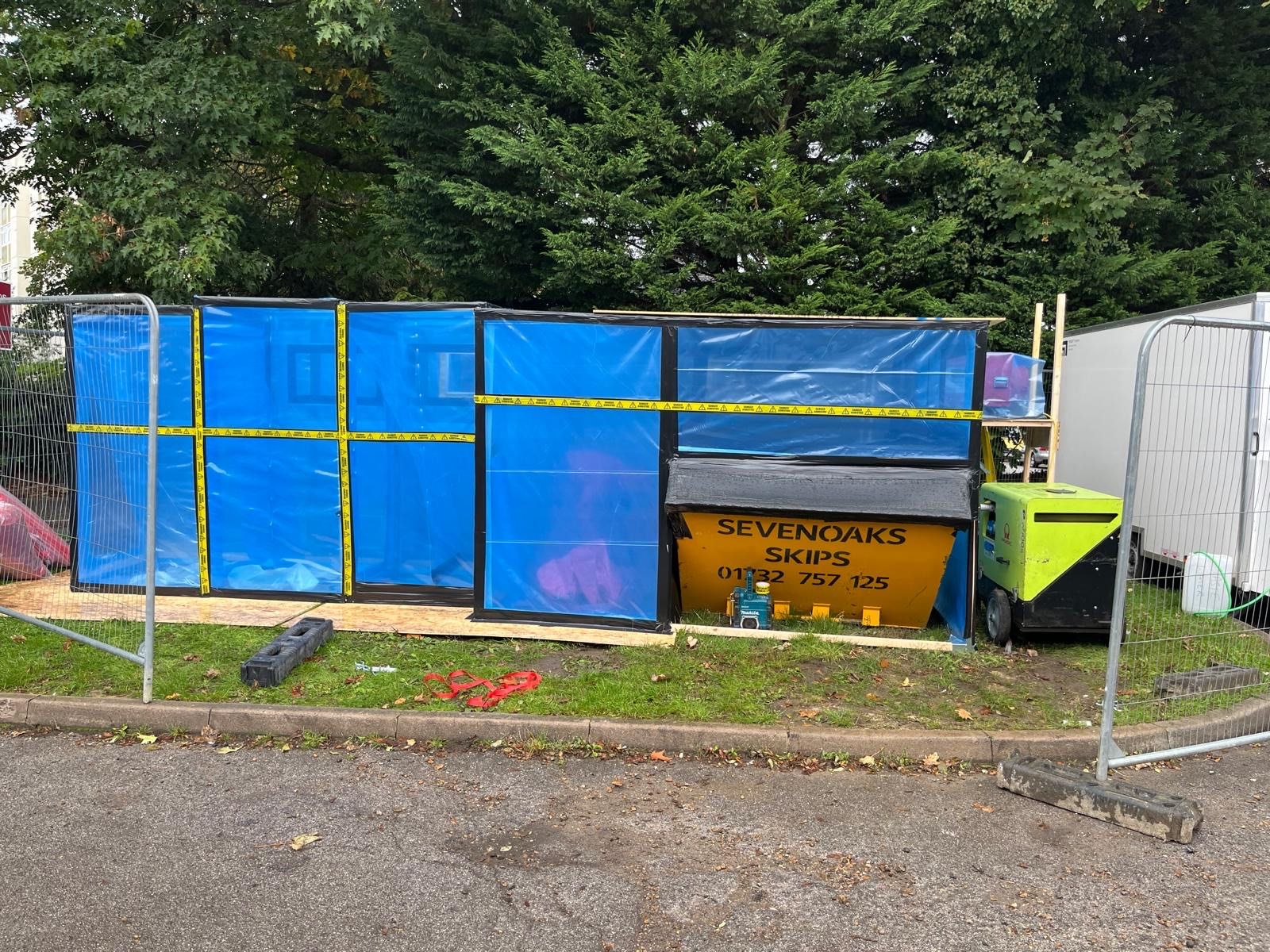
Listed fabric, shared stairs and the managing agent
Much of the borough sits in a conservation area, and a lot of the houses and mansion blocks are listed. That changes how a survey is run as much as what it finds. You cannot go lifting original plasterwork or pulling at old joinery without thought, so an intrusive survey has to be planned around protecting the fabric that makes these buildings what they are, and around any listed building consent already covering the wider project. We work to the listing, not against it.
Access is its own puzzle here. Most jobs are in occupied flats reached through shared stairwells, with no driveway and a parking suspension to sort before a van can even unload. A surveyor still needs to get to risers, basements and the heating runs that thread through the building, often past other residents going about their day. None of that is a reason to skip the awkward spots. It is a reason to plan them, so the survey is thorough without turning the block upside down.
The managing agent is usually part of this. Shared parts, freeholder responsibilities and other leaseholders all sit in the frame, and a clear written report is what lets an agent act on the building as a whole rather than one flat at a time. For a block of period flats that is often the only way to handle the fabric sensibly, since one survey can speak to several homes at once. Where samples are taken they go to a UKAS-accredited laboratory, so the results behind the report are independently confirmed and not a guess made on site.

The written report and what you do with it
The point of all this is the document at the end. A survey gives you a written report that says what was found, where it is, what condition it is in and what, if anything, needs doing. That is the thing you hand a builder before work starts, a solicitor or buyer during a sale, or a managing agent for the building file. It turns a vague worry about an old Kensington flat into something specific you can act on.
The pre-purchase and landlord angle is where this earns its keep. Buying a converted flat off Holland Park or Campden Hill, you want to know what is in the fabric before you exchange, not after. Letting one out, you want a clear record of the material in it and its condition. A survey answers both, and because it covers the property rather than testing one item, it catches things a single sample would walk straight past. Where the report does flag higher-risk licensed material, the removal that follows is a planned job: 14 days of notice to the HSE, full enclosure and four-stage clearance testing signed off by an independent analyst, none of which you can sort out properly without a survey naming the material first.
Clearaway is based in Chessington, and the owner Graham runs local jobs himself, so the person reading your Kensington flat is the person you speak to. We hold Spectra licence number 142305706 and have spent more than seven years working across this part of London, on exactly the kind of period flats, mansion blocks and converted houses the borough is full of. If you want a survey on a Kensington property before you buy, let or start building work, call 0800 024 6168.

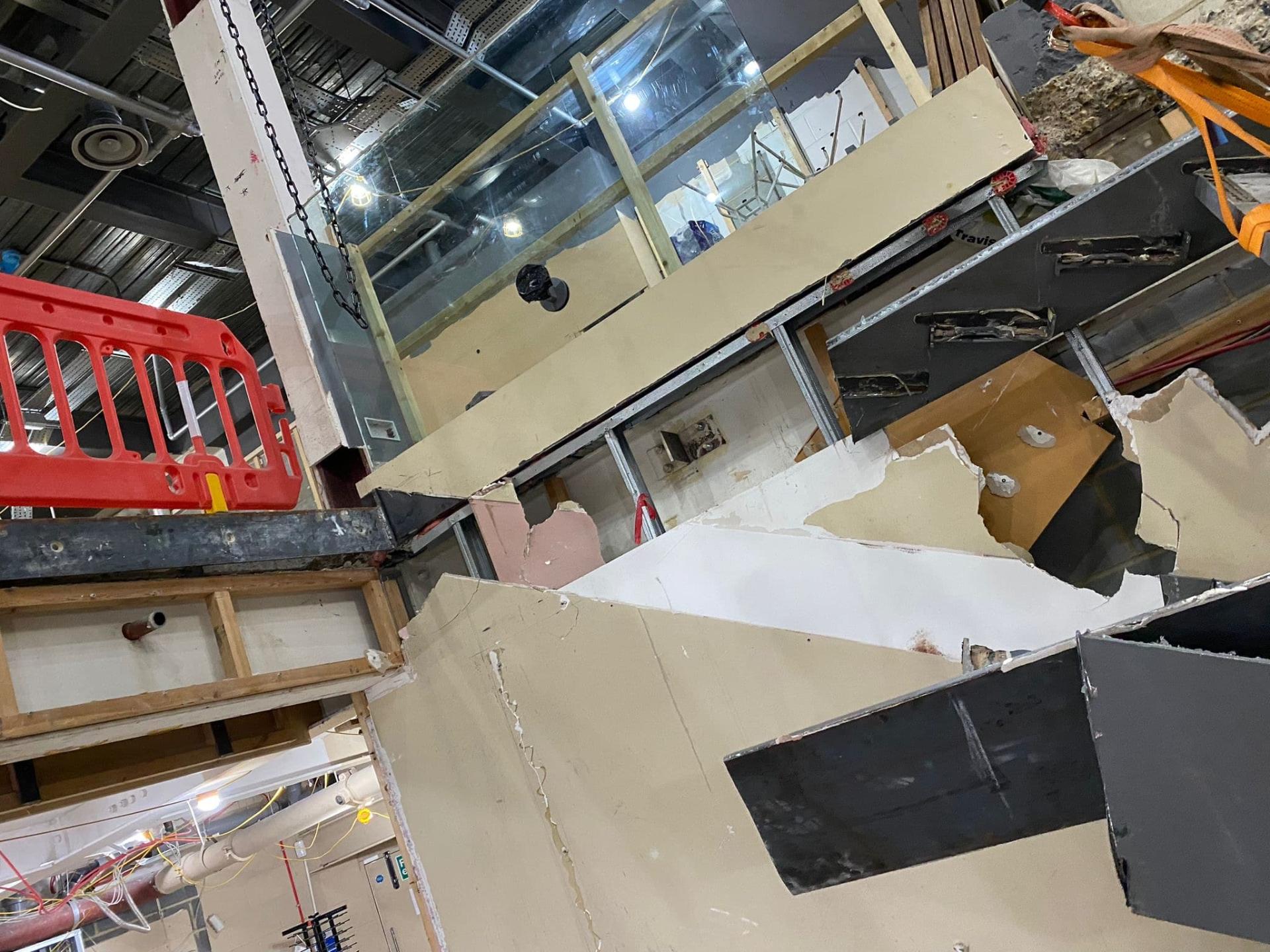
Commercial Building Strip-Out, Kensington
Kensington, South London · Strip-Out
View this project"Graham and his team done an excellent job of removing and replacing my asbestos garage roof and I wouldn't hesitate in recommending them"
Our Removal Process
From first call to final certificate, every job follows the same clear four-step process.
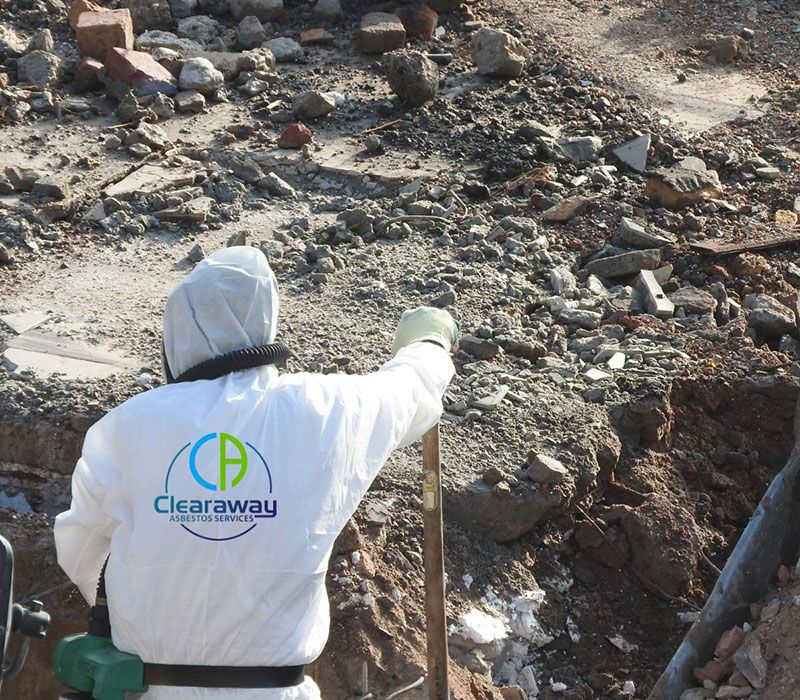
Survey
We inspect the property and confirm the material. Sampling available if required.
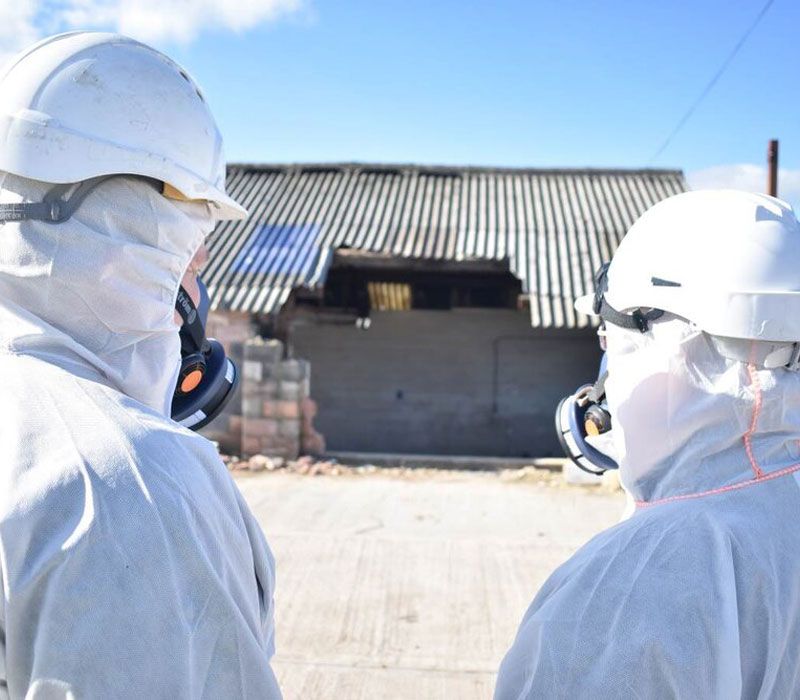
Quote
Fixed written price covering removal, disposal and any replacement work.
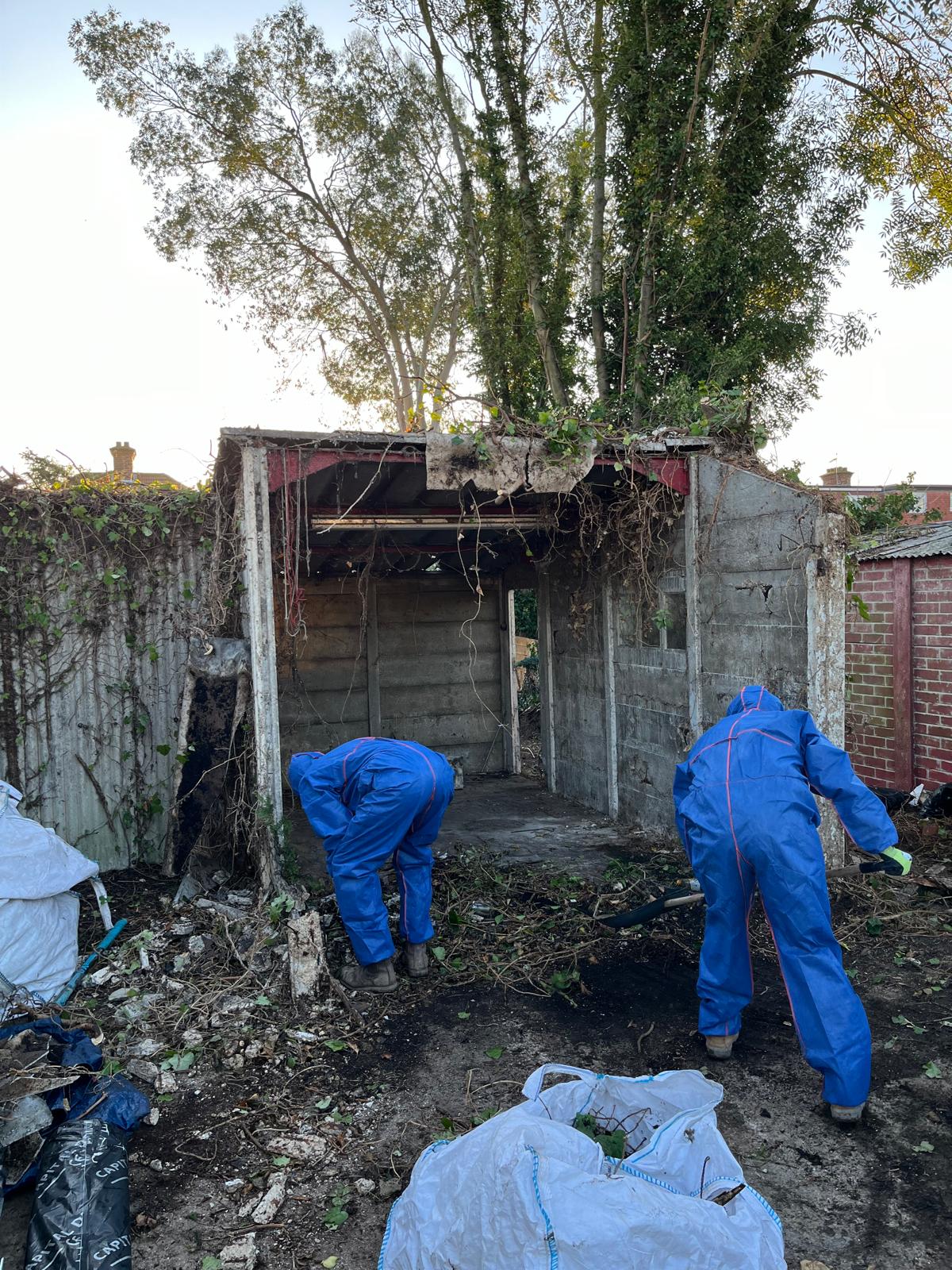
Removal
Material is removed safely, double-wrapped and taken to a licensed disposal facility.

Certificate
You receive a waste consignment note and disposal certificate confirming legal handling.
Frequently Asked Questions
Why Choose Clearaway
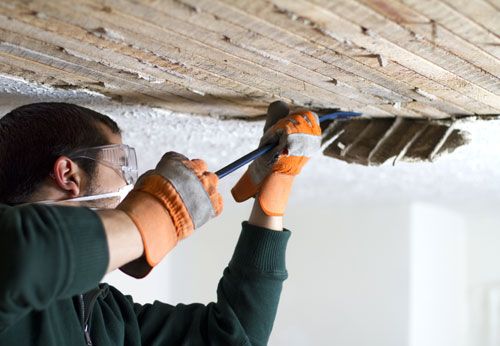
HSE Licensed Removal
Higher-risk material handled under full enclosure, with the 14 days of HSE notice the law requires and independent clearance testing.
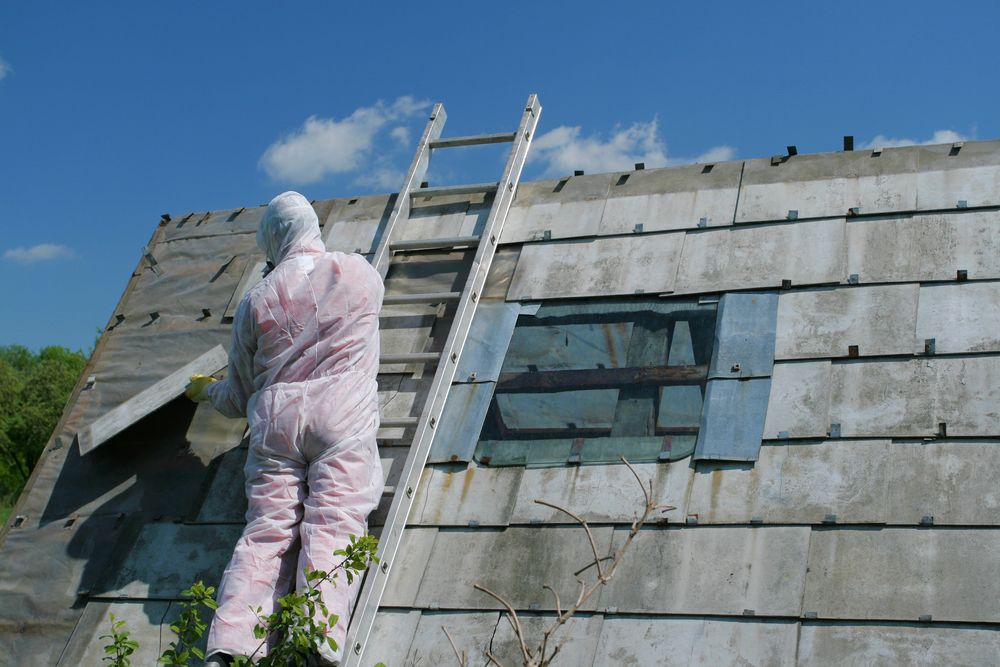
Planning Aware
Used to conservation areas and listed buildings: scaffold and access planned around the restrictions, original fabric protected.

Fully Licensed
Licensed asbestos removal contractor (Licence No. 142305706). Full public liability insurance on every job.
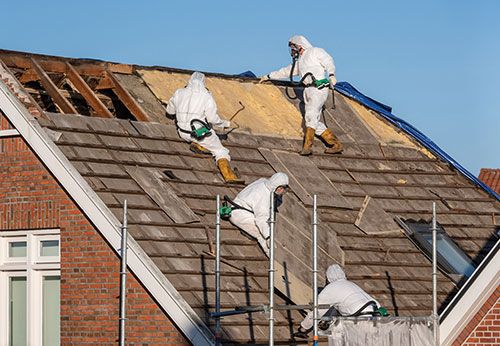
Our Own Team
We never subcontract. The people who quote your job are the people who do it.
Get in Touch
Send a few details about your project and we will come back the same working day with a fixed price. We cover Surrey, London and the South East, including Esher, Cobham, Kingston, Richmond, Epsom, Guildford, Woking and Croydon.