
Asbestos Surveys in Guildford
A lot of Guildford housing was built before anyone tested for asbestos, so a survey tells you what is actually in the fabric. We inspect, sample and write it up, whether the house is staying lived in or about to be worked on.
Why a Guildford house needs looking at first
Plenty of people in Guildford only think about asbestos once a builder stops mid job and says he is not happy carrying on. By then the floor is half up or a ceiling has come down, and the question of what the material is should have been answered weeks earlier. A survey is the step that puts the answer in writing before any of that.
The town gives you good reason to check. The steep terraces around Charlotteville and the older stock near the High Street are Victorian and Edwardian. The semis out towards Merrow, Burpham and Stoughton are largely 1930s, and the estates near the A3 and around Onslow Village filled in after the war. Towards the Hog's Back, places like Shalford and Albury have period cottages and converted barns. Different ages, but a common thread, most of it went up or was altered long before asbestos was banned in the UK in 1999.
A survey is not removal. It is the assessment that finds suspect materials, records where they are and how they are doing, and tells you whether anything needs acting on. Some of what we find is best left alone and simply managed. The point is that you decide on facts, not on a guess from across the room.
It also matters who does the looking. A survey reaches the parts of a Guildford house that nobody sees day to day, the loft, the space behind a boiler casing, the run of old pipework in a cellar. None of those gets a second glance until something goes wrong, which is exactly why they are worth a proper inspection before work or a purchase, not after.

Management surveys and refurbishment surveys
There are two surveys, and which one you need depends on what is about to happen to the house. A management survey is for a property that is staying lived in as it is. We walk the place, note the materials that could contain asbestos, and judge their condition without pulling the house apart. The result is a record you can hold and keep an eye on, useful for a landlord with a let house near the university, or anyone who just wants to know where they stand.
A refurbishment and demolition survey is the one to book before building work. It is more intrusive on purpose. If a wall is coming down or a room is being stripped back, the survey has to look where the work will actually reach, behind boards, under floors, around the boiler. That way the materials that get disturbed are the ones the survey already found, rather than a surprise once the tools are out.
The two often go together over the life of a house. A Burpham semi might have a management survey while the family lives in it, then a refurbishment survey years later when the loft is converted or the back is opened up. They answer different questions. One asks what is here and how is it doing. The other asks what will this specific job disturb.
Getting the right survey from the start saves money. Book a management survey and then decide to gut the kitchen, and you will need the refurbishment one anyway. If you already know building work is coming in Guildford, say so when you call, and we will scope the survey to match the job rather than the building.
What we sample and how the report reads
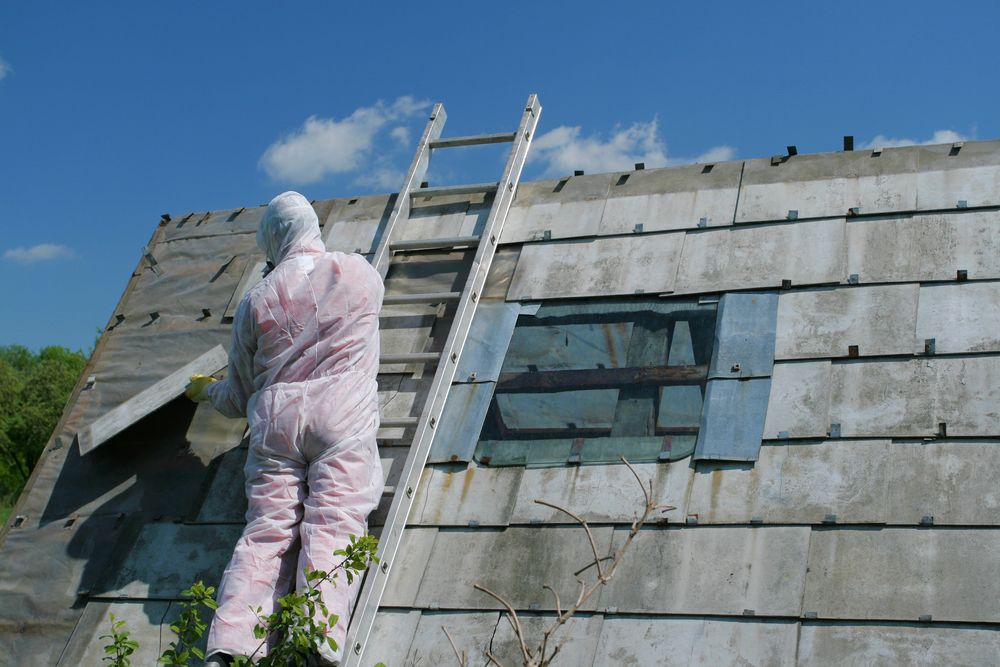
In Guildford the suspect materials sit in fairly predictable places, and a survey goes looking in all of them. Textured artex shows up on ceilings and walls in the Charlotteville and Stoughton terraces. Asbestos insulating board turns up around boilers and in the cellars of the larger period houses. There is often vinyl or thermoplastic floor tile with black bitumen adhesive under later flooring, pipe lagging on old runs, and cement soffits and gutters on the Burpham and Merrow semis. A corrugated cement garage or shed roof is common across the lot.
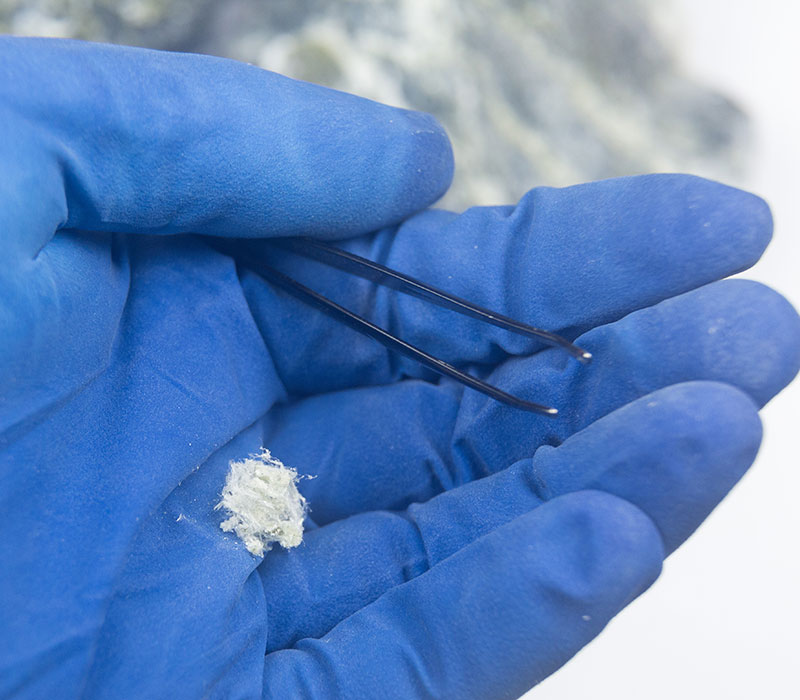
None of that can be confirmed by eye. Where a material looks suspect, we take a small sample under controlled conditions and send it to a UKAS-accredited laboratory, which is the standard for testing of this kind. The lab confirms whether asbestos is present and what type, and that result is what the report is built on. Two materials can look identical on a wall and come back different from the bench, which is the whole reason for testing rather than guessing.
What you get back is a written report that says what was found, where it is, what condition it is in and what we would do about each item. It is the document you hand a builder so he can plan and price properly, or pass to a solicitor or buyer during a sale. A report that names the material and its location is worth far more than a vague warning that there might be asbestos somewhere. Graham, who owns the firm and runs local jobs himself, would rather you had that on paper than took anyone's word for it.

Buying, letting and what comes after
A survey earns its keep most clearly around a sale or a tenancy. Guildford has a lot of rented houses and student lets because of the university and the bigger employers, and a landlord is responsible for knowing what is in a property. If you are buying one of the older terraces or a converted barn out towards the Hog's Back, a survey before you commit tells you what you are taking on rather than what you find a year in.
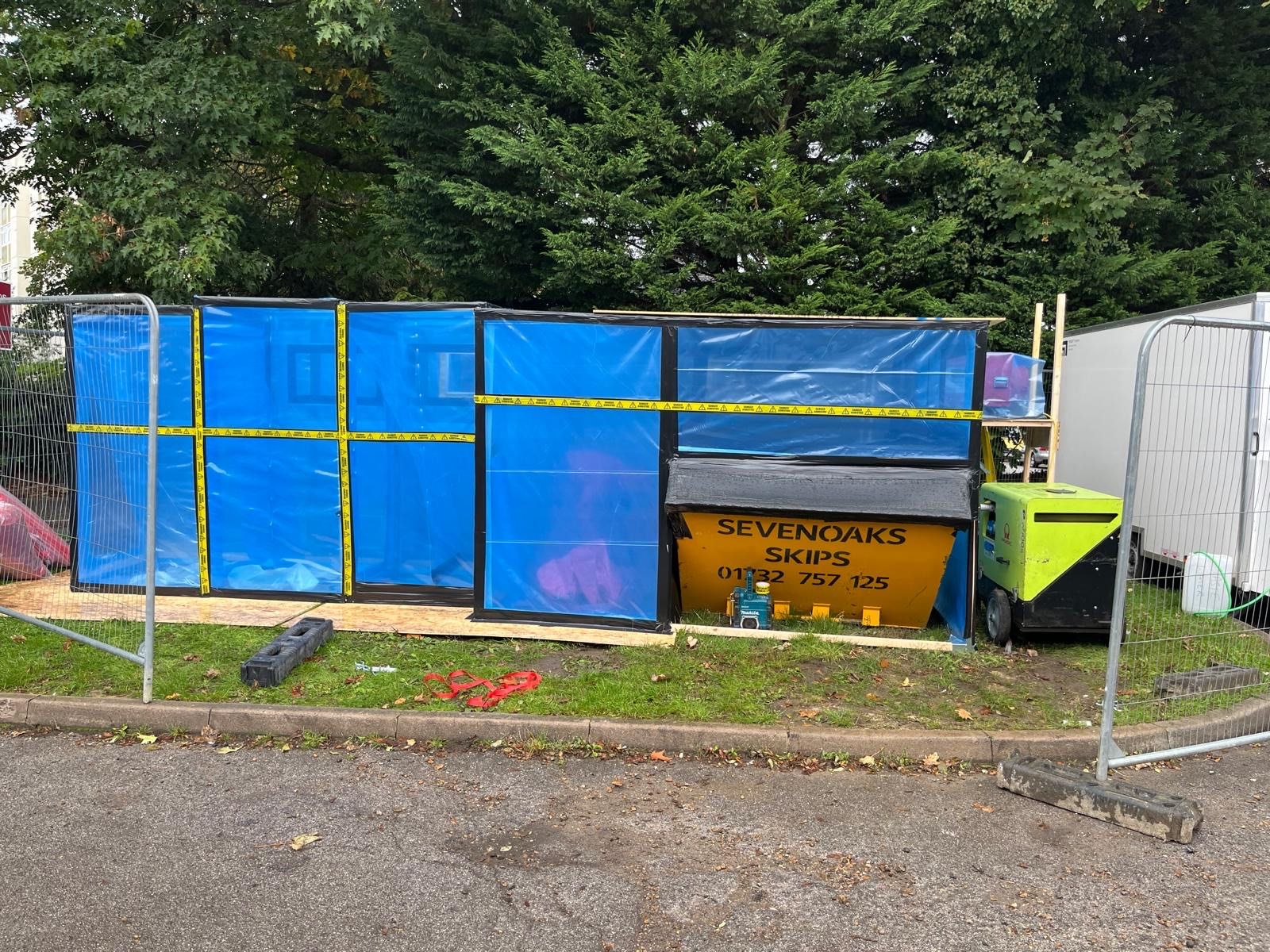
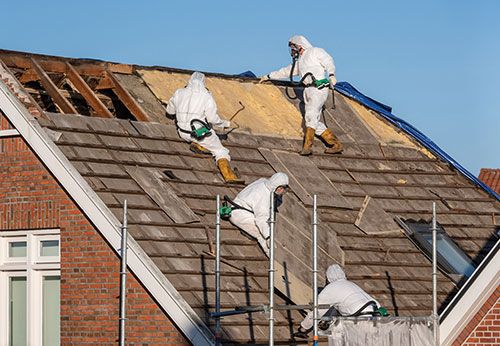
Where the report flags something, the survey is also the thing that makes any later removal straightforward. The lower-risk materials, some artex for example, can be handled without a licence. Higher-risk licensed work is more involved, with 14 days of notice to the HSE, the work area put under full enclosure, and four-stage clearance testing by an independent analyst before the space is signed off. Either way, the survey has already told everyone what they are dealing with, so there are no surprises in the cost.
A survey is rarely wasted, either. If it comes back clear, you have spent a little and ruled the worry out, which is worth doing before you exchange on a house or sign a let. If it finds something, you have caught it on your own terms rather than in the middle of a job. For the older Guildford stock that is the sensible order to do things in.
Clearaway is based in Chessington, just up the road, and holds Spectra licence number 142305706. We have spent more than seven years working across this part of Surrey, on houses much like the ones in Guildford. If you want a property looked at before you buy it, let it or start work on it, call 0800 024 6168 and we will sort out the right survey.
You may also need our asbestos removal in Guildford service.
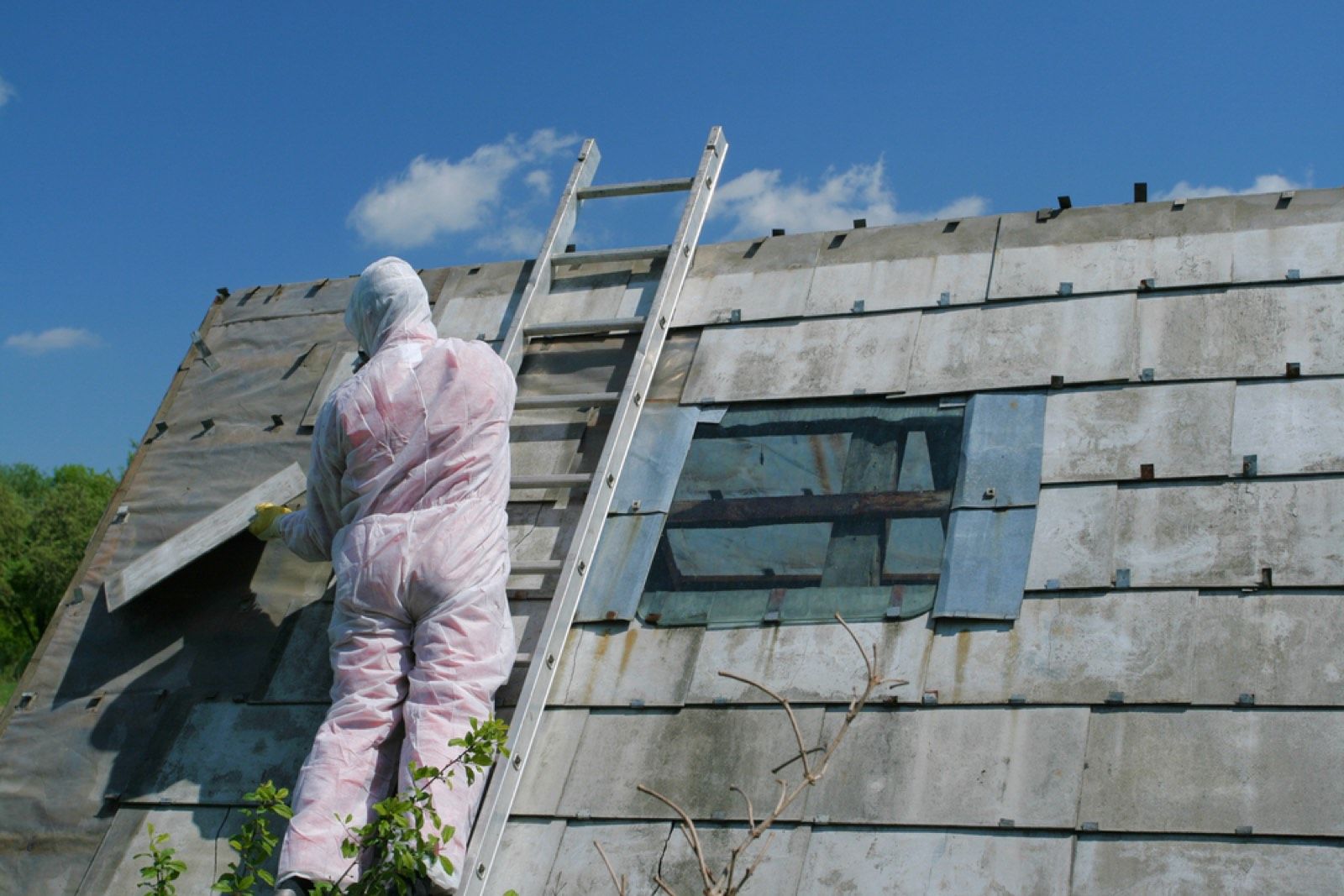
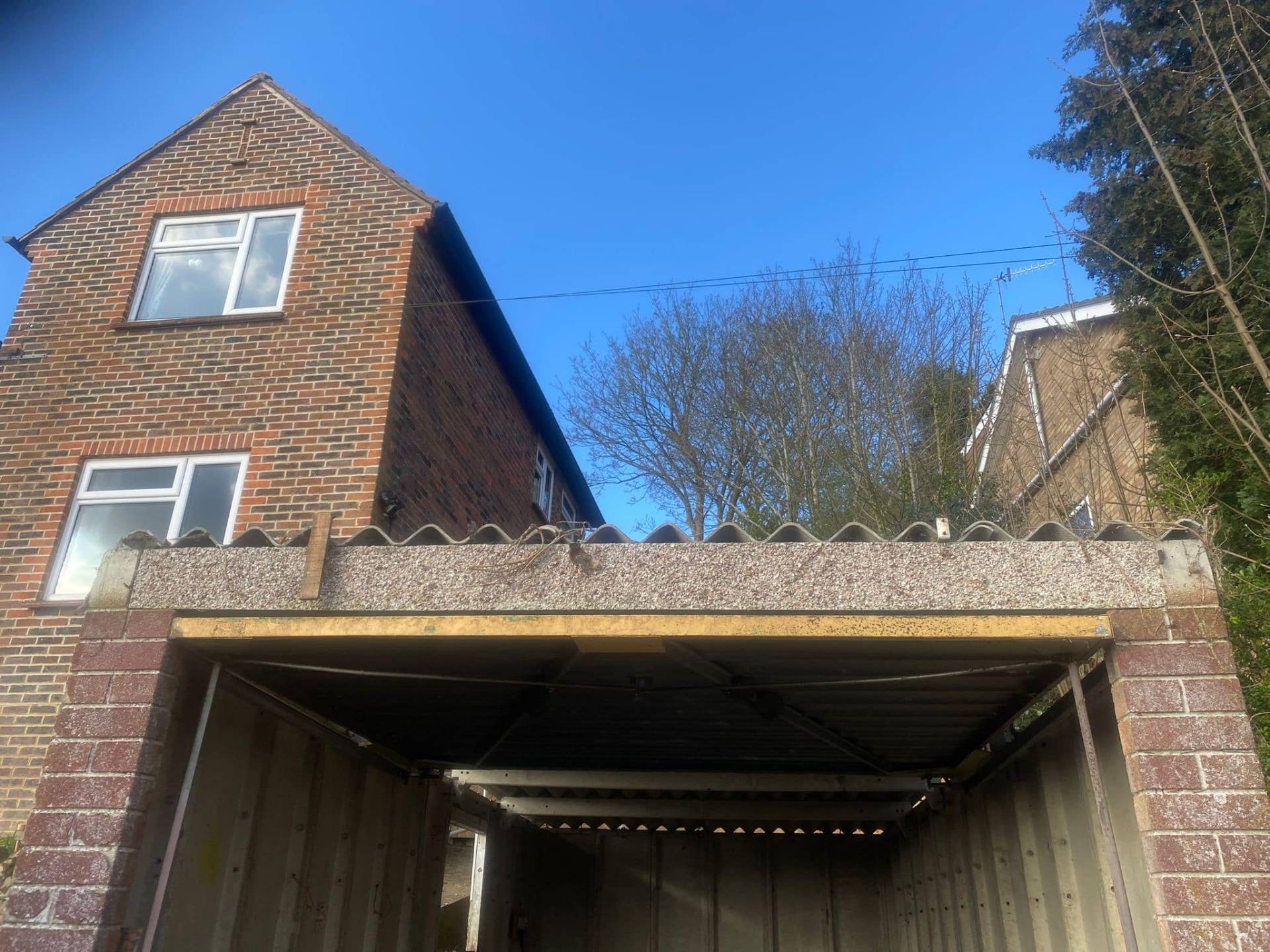
Concrete Asbestos Garage Removal, Guildford
Guildford, Surrey · Garage Removal
View this project"Graham and his team done an excellent job of removing and replacing my asbestos garage roof and I wouldn't hesitate in recommending them"
Why Choose Clearaway
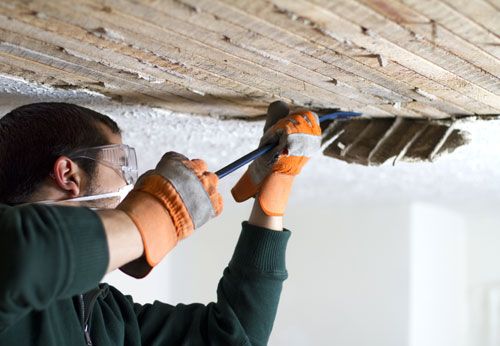
Specialist Crew
Asbestos work is all we do, every day, across the South East.
Fully Licensed
Licensed asbestos removal contractor (Licence No. 142305706). Full public liability insurance on every job.
Local & Fast
Surrey-based. Most domestic jobs are booked in and finished within a week.
Our Own Team
We never subcontract. The people who quote your job are the people who do it.
Frequently Asked Questions
Our Removal Process
From first call to final certificate, every job follows the same clear four-step process.
Survey
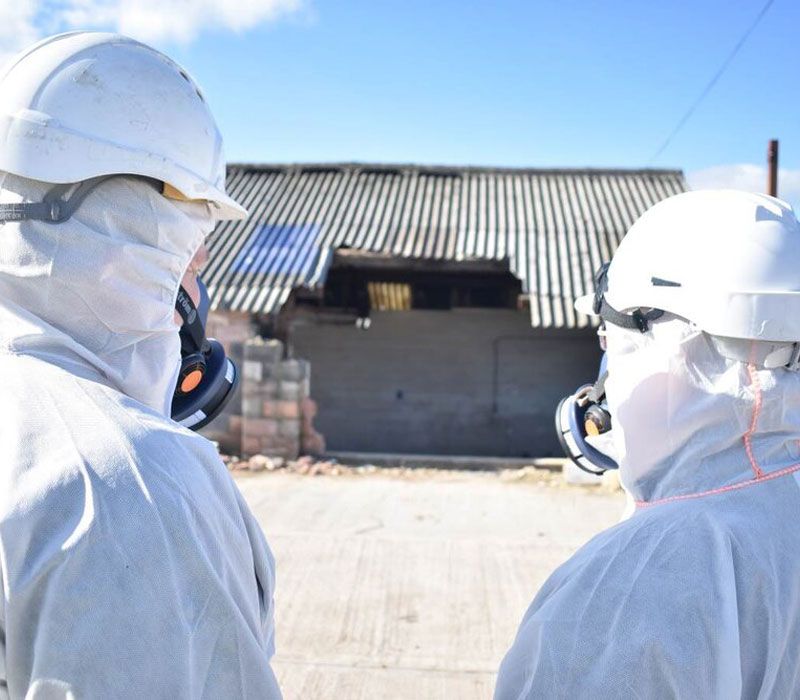
We inspect the property and confirm the material. Sampling available if required.
Quote
Fixed written price covering removal, disposal and any replacement work.
Removal
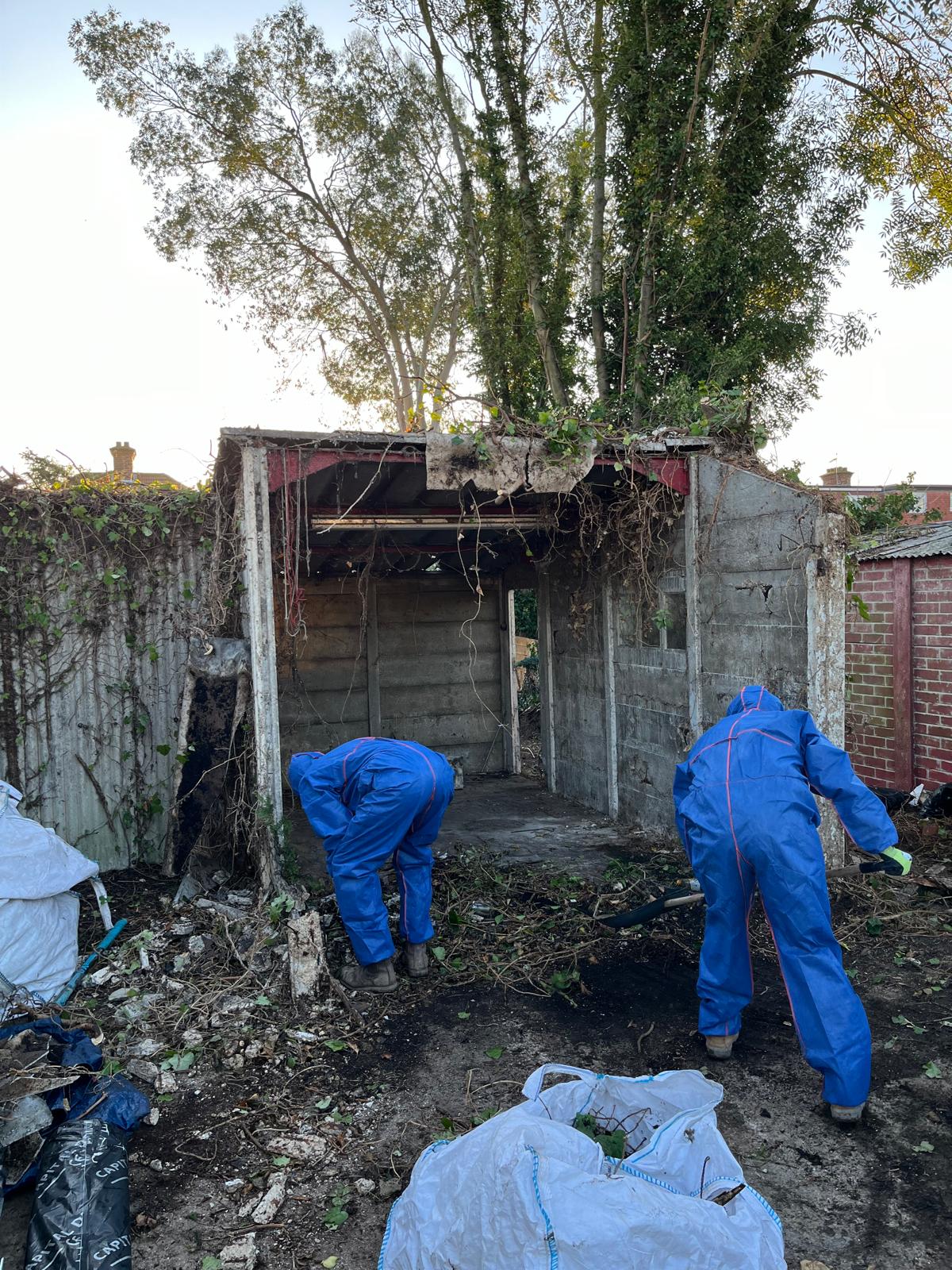
Material is removed safely, double-wrapped and taken to a licensed disposal facility.
Certificate
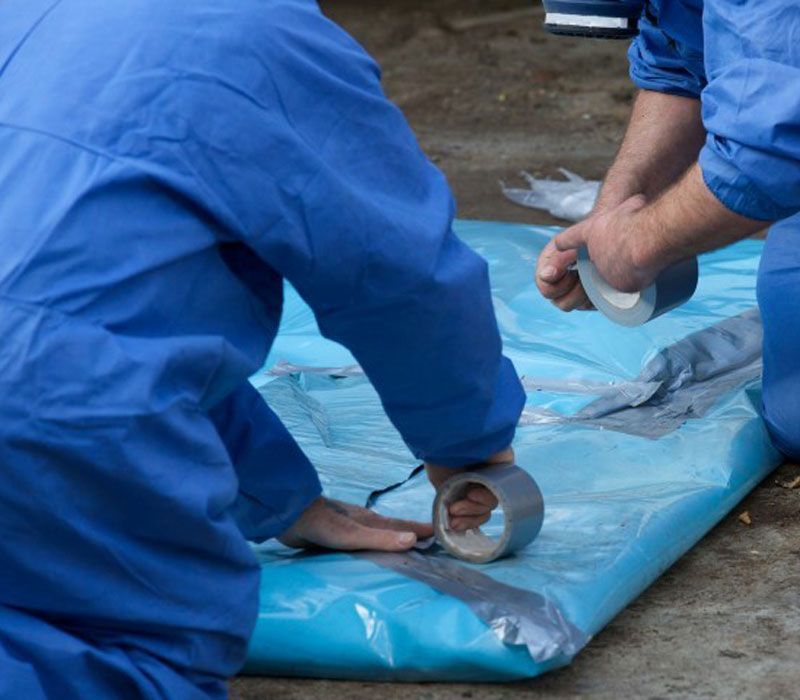
You receive a waste consignment note and disposal certificate confirming legal handling.
Get in Touch
Send a few details about your project and we will come back the same working day with a fixed price. We cover Surrey, London and the South East, including Esher, Cobham, Kingston, Richmond, Epsom, Guildford, Woking and Croydon.