
Asbestos Surveys in Epsom
A survey finds and assesses asbestos rather than removing it. For Epsom buyers, landlords and anyone planning building work on an older home around Stamford Green, Woodcote or the Wells Estate, it is the sensible first step.
Why an Epsom Survey Comes First
Most asbestos work in Epsom starts with a question rather than a skip. Someone is buying a 1930s semi near the Wells Estate and the solicitor has flagged the age of the property. A landlord has a flat in a converted house off the town centre and wants to know what is behind the artex before the next tenant moves in. A builder has quoted for a knock-through in Woodcote and will not lift a board until the place has been checked. In each case the job is the same. Find what is there, work out the risk, and put it in writing.
That is what a survey does. It does not remove anything. It locates suspect materials, assesses their condition, and tells you whether they need managing, sampling or removing. For a town built largely before asbestos was banned in the UK in 1999, that information is worth having before any money changes hands or any wall comes down. Epsom grew quickly in the years between the wars, street after street of speculative semis across Stamford Green, Woodcote and the Wells Estate, with older Georgian and Victorian stock nearer the centre and a layer of postwar garages and flat-roofed extensions behind much of it. All of that age is exactly why a survey is the sensible opening move here rather than an afterthought.
The reason matters. Asbestos cement, artex and insulating board sit quietly for decades and cause no trouble while they are left alone. It is the cutting, drilling and snapping of a renovation that releases the fine fibres behind asbestosis, lung cancer and mesothelioma, often decades after the day someone breathed them in. A survey is how you find the material while it is still settled, not after a tradesman has put a drill through it. Spending a little to know what is there is cheaper, and a great deal safer, than discovering it the hard way once the work has begun.

The Two Surveys and When You Need Each
There are two standard surveys, and the right one depends on what you are about to do with the property. A management survey suits a home that is staying lived in as it is. It is the lighter of the two, a visual inspection with sampling where needed, and it produces a record of where any asbestos sits and what condition it is in. Landlords use it to meet their duty to manage the asbestos in a let property. Buyers use it to understand what they are taking on before they commit to a price. It does not pull a house apart, but it gives you a clear baseline of where the risks are and which of them can simply be left alone and kept an eye on.
A refurbishment and demolition survey is the more intrusive one, and it is what the law requires before building work. This is the survey for a knock-through, a loft conversion, a rewire or a strip back to brick. The surveyor goes further, lifting boards and opening up the areas a builder is going to disturb, because the point is to clear those zones before the trades arrive rather than to find asbestos halfway through the job. It is the difference between a planned removal booked in advance and a site shut down on day one with everyone standing around waiting for a result.
Epsom has plenty of both situations. The interwar semis that fill Stamford Green and the streets out towards Ewell are prime management survey territory, with artex ceilings, cement soffits and old garage roofs in the mix. The larger Victorian and Edwardian houses nearer the centre, the ones carved into flats over the years, tend to need the fuller inspection once an owner decides to refurbish, because conversions of that age often hide insulating board around old boilers and in airing cupboards. If you are unsure which survey your situation calls for, the simplest test is whether anything is going to be cut, lifted or broken. If it is, you want the refurbishment and demolition survey.
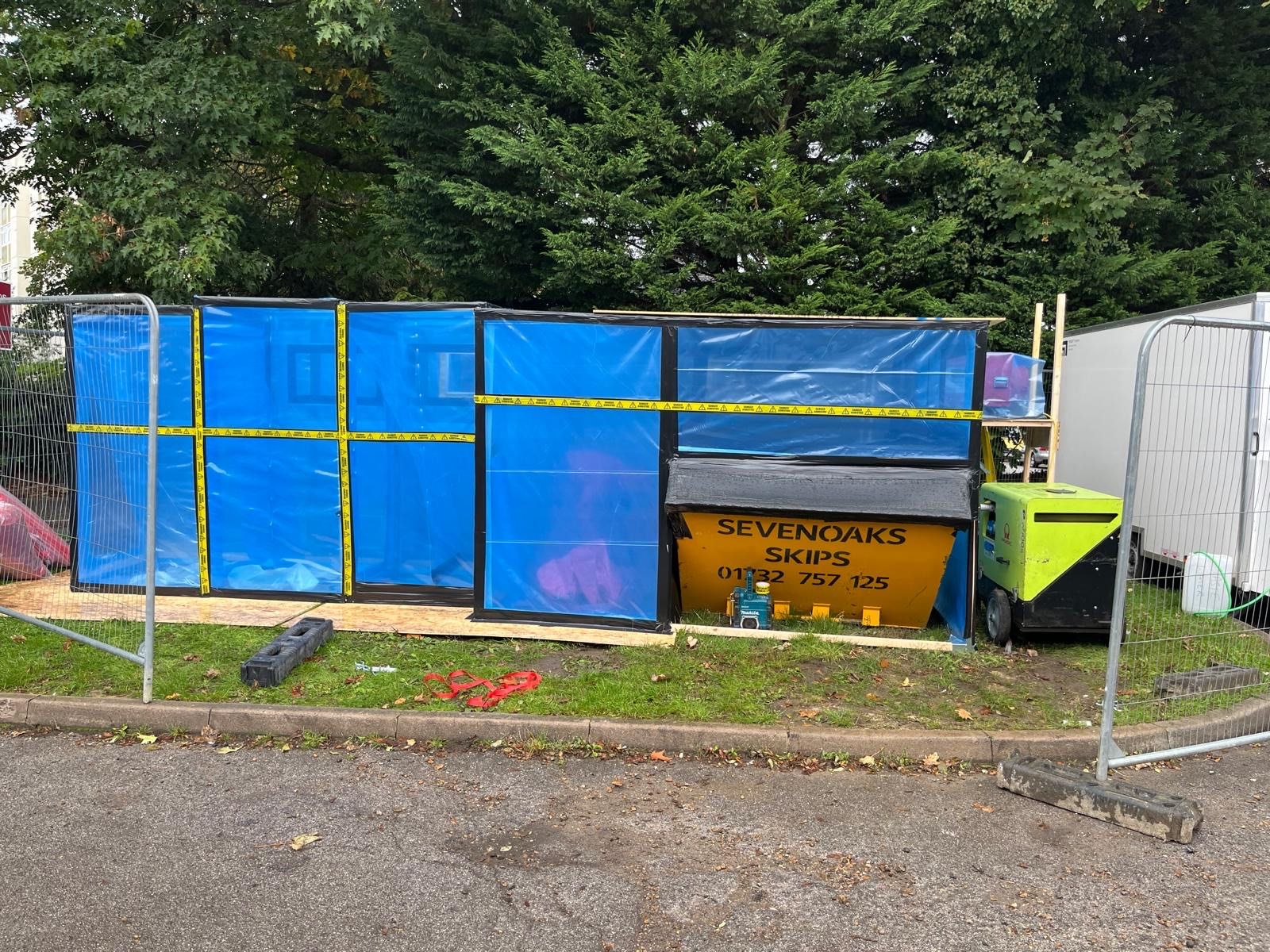
From Inspection to Laboratory Result
A survey is only as good as the testing behind it, and nothing about asbestos can be confirmed by eye. Two ceilings that look identical can come back from the laboratory with completely different results. So anything a surveyor suspects is sampled under controlled conditions and sent away rather than guessed at on the day.
Those samples go to a UKAS-accredited laboratory, which is the standard that makes a result count. The lab confirms whether the material contains asbestos and which type, and the findings usually return within a few working days. That turnaround matters when a sale or a build is waiting on the answer, because it keeps the rest of the process moving rather than stalling it for weeks.
What you get back is more than a yes or no. The survey records where each material sits, what condition it is in, and what should happen next, whether that is leaving it in place and managing it, sampling further, or arranging removal. Nothing is disturbed unnecessarily, and you are left with a clear picture of the whole property rather than a hunch about one room.

A Report You Can Hand Over
The written report is the part that does the work long after the surveyor has left. It is the document you pass to a builder so they know which areas are clear and which need handling first. It is what a solicitor wants to see during a purchase in KT17 or KT18, and what a buyer reads before deciding what an older Epsom property will really cost to put right. For a landlord it is the evidence that the duty to manage has been met.
That is also where a survey differs from sampling. Sampling tests a specific suspect item, a single garage roof or one stretch of artex, and answers a narrow question quickly and cheaply. A survey inspects the whole property and produces a record that covers all of it. If you only need to check one thing before a small job, sampling may be all you need. If you are buying, letting or refurbishing, the survey is the one that holds up.
We carry out both survey types across Epsom and the surrounding KT postcodes, and where removal does turn out to be needed we are licensed to handle it. For higher-risk licensed work that means fourteen days of notice to the HSE, the job run under full enclosure, and four-stage clearance testing by an independent analyst before the space goes back into use. We hold Spectra licence number 142305706 and have spent more than seven years working across Epsom and its older streets. To arrange a survey, call us on 0800 024 6168.
You may also need our asbestos removal in Epsom service.
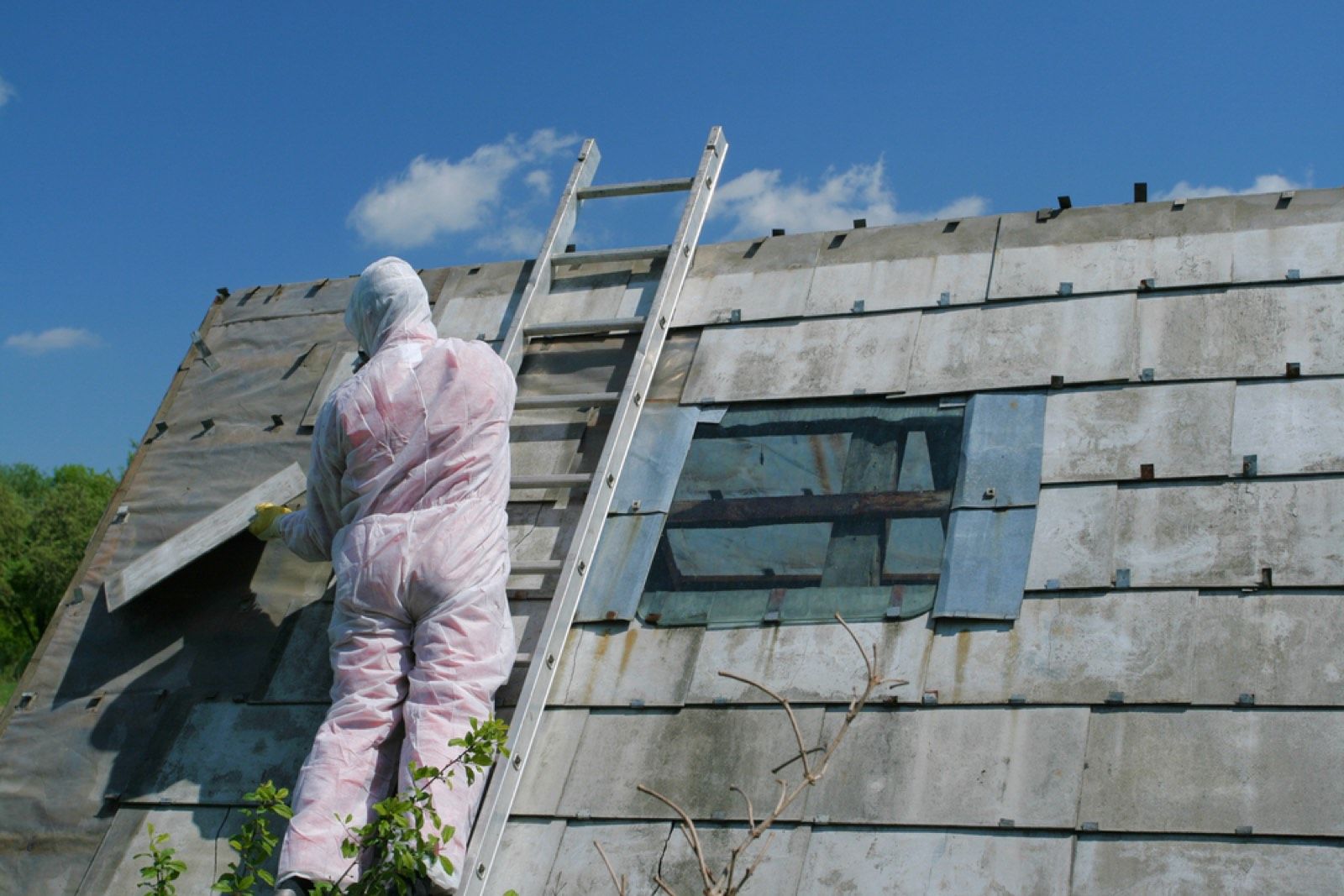
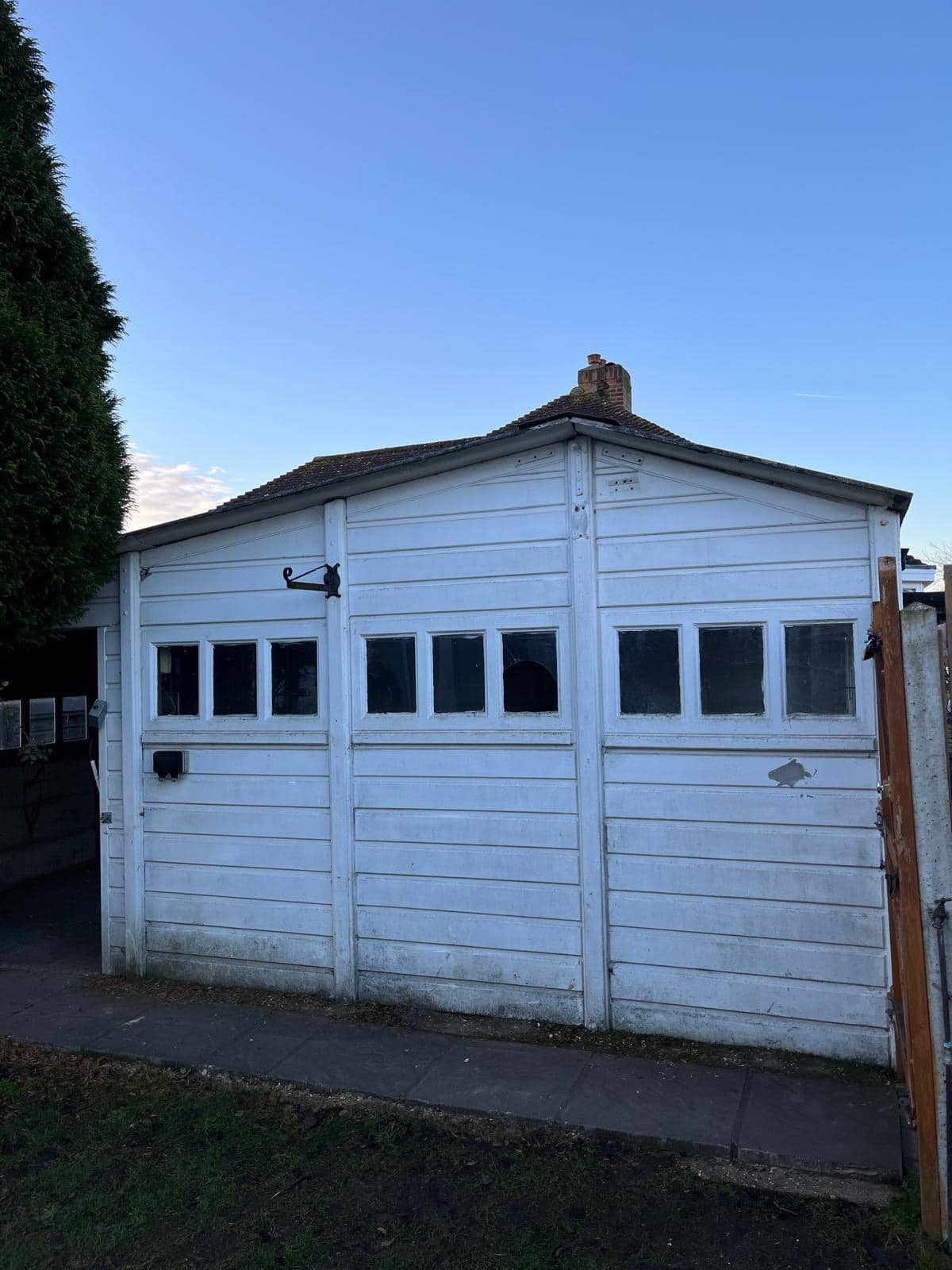
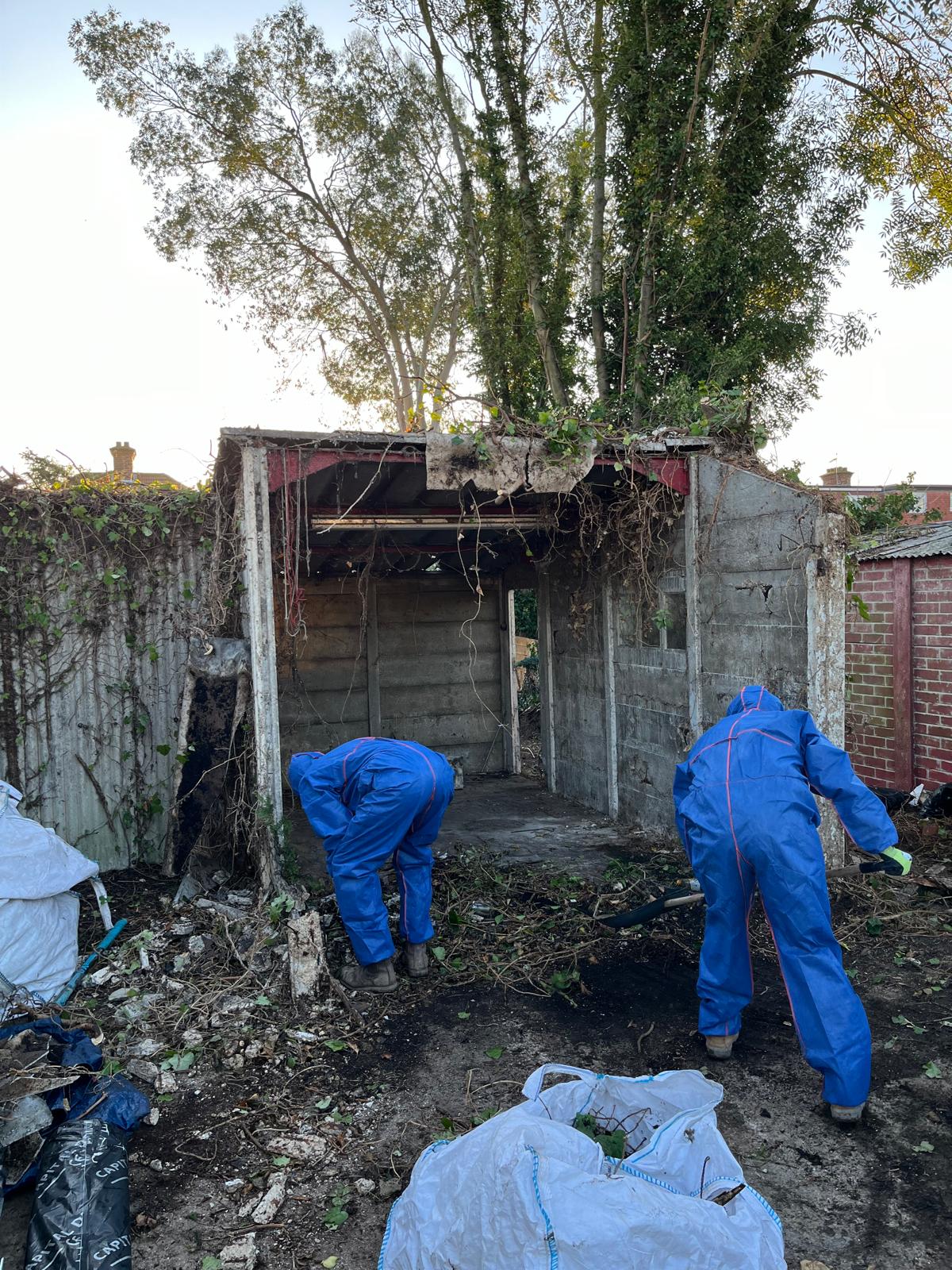
Concrete Asbestos Garage Removal, Epsom
Epsom, Surrey · Garage Removal
View this project"Graham has organised two jobs for me, both of which ran smoothly and on time. Clive and the team are really great, they completed the work in the agreed time and left the site spotless. Would recommend using Clearaway if you need any work done."
Our Removal Process
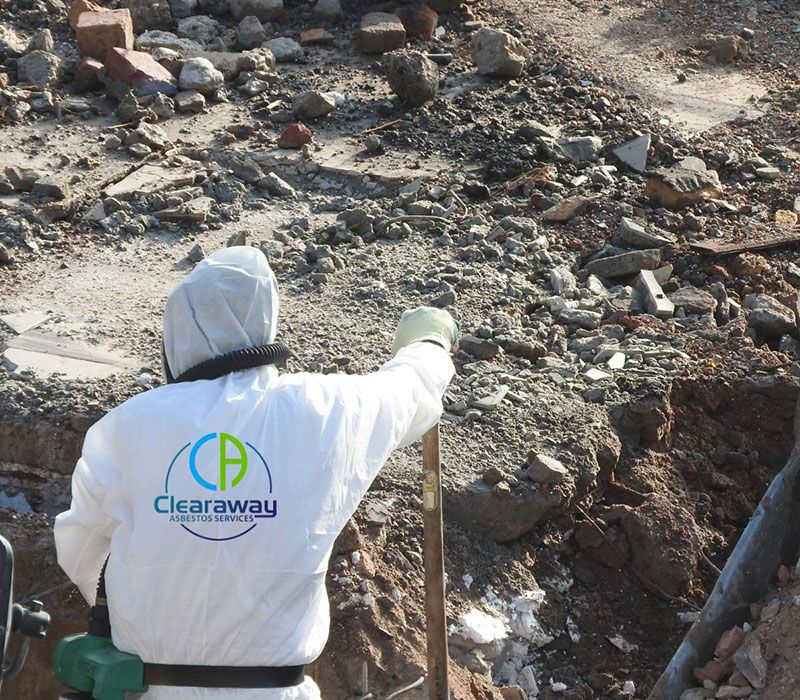
From first call to final certificate, every job follows the same clear four-step process.
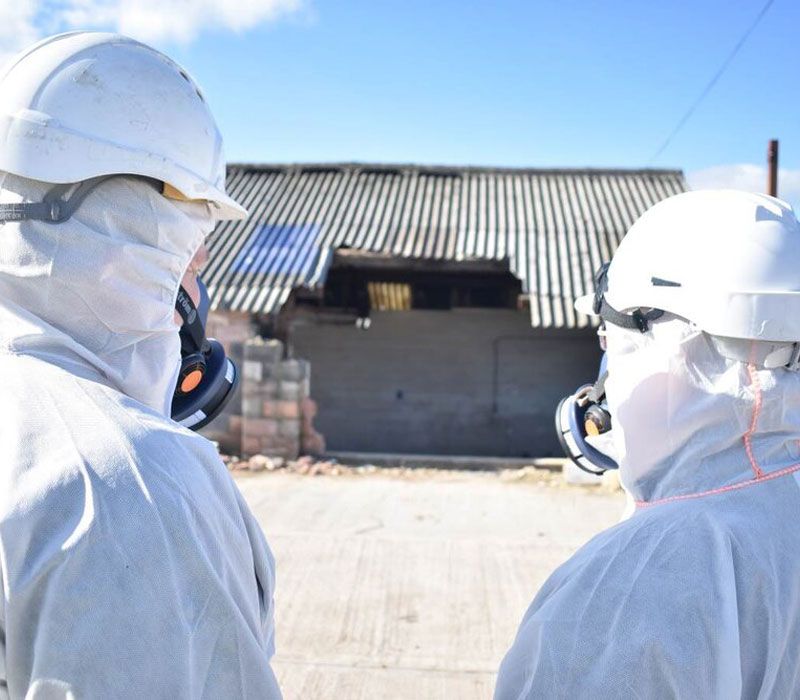
Survey
We inspect the property and confirm the material. Sampling available if required.
Quote
Fixed written price covering removal, disposal and any replacement work.
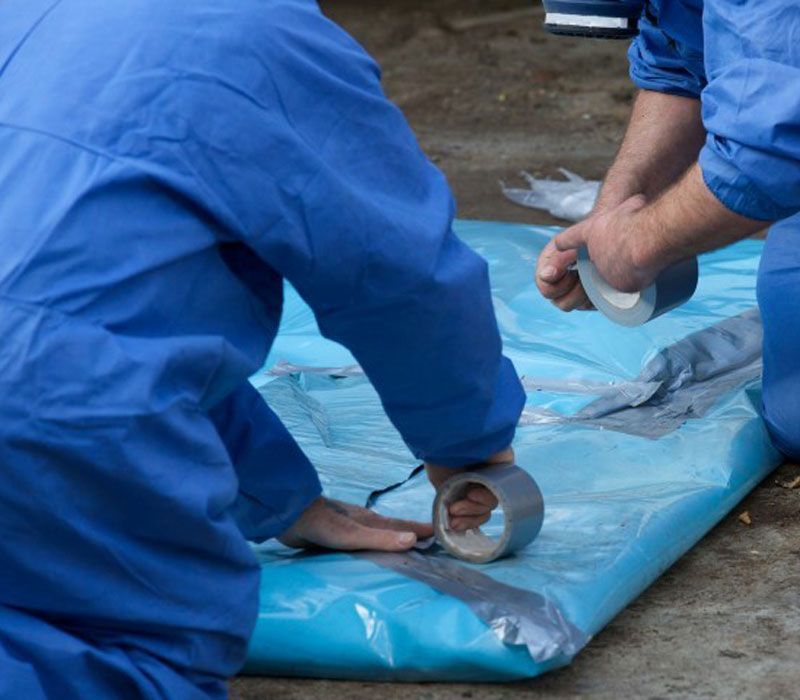
Removal
Material is removed safely, double-wrapped and taken to a licensed disposal facility.
Certificate
You receive a waste consignment note and disposal certificate confirming legal handling.
Frequently Asked Questions
Why Choose Clearaway
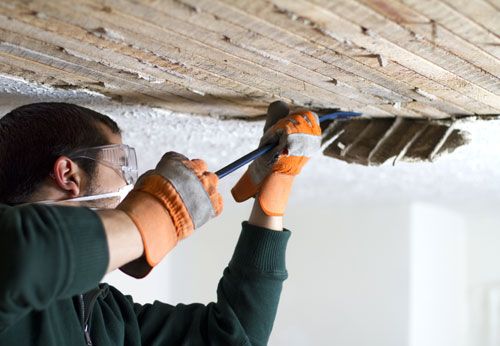
Specialist Crew
Asbestos work is all we do, every day, across the South East.
Fully Licensed
Licensed asbestos removal contractor (Licence No. 142305706). Full public liability insurance on every job.
Local & Fast
Surrey-based. Most domestic jobs are booked in and finished within a week.
Our Own Team
We never subcontract. The people who quote your job are the people who do it.
Get in Touch
Send a few details about your project and we will come back the same working day with a fixed price. We cover Surrey, London and the South East, including Esher, Cobham, Kingston, Richmond, Epsom, Guildford, Woking and Croydon.