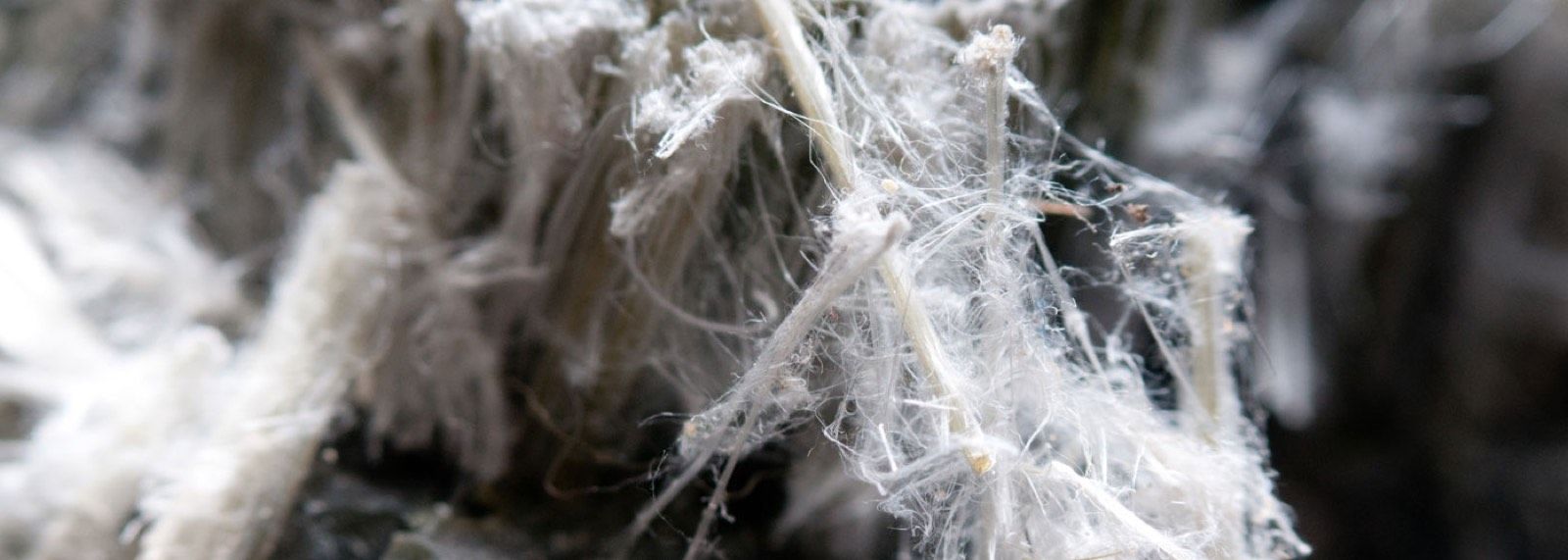
Asbestos Surveys in Dorking
Asbestos surveys across Dorking, from the period terraces off South Street to the converted flats and interwar semis around Pixham and North Holmwood. We find it, sample it, and hand you a written report for a builder, solicitor or buyer.
When a Dorking Survey Becomes the First Job
A survey is rarely the thing people set out to arrange. It is the step that gets added once a sale is moving, a builder wants to start, or a knock-through has been drawn up and somebody asks the obvious question about the older parts of the house. Sometimes it is a mortgage valuer who flags it, sometimes it is a careful buyer, and sometimes it is the owner themselves staring at an artex ceiling and deciding they would rather know. In Dorking that question comes up a lot, because so much of the town went up while asbestos was still a normal building material and the buildings have changed hands and changed use many times since.
A survey does one job and stops there. It finds asbestos and assesses it. It does not remove anything. The point is to know what is in a building, where it sits and what condition it is in, before anyone disturbs it or signs for it. For a home off the High Street or a semi out towards the Deepdene, that information is what turns a vague worry into a plan, and it is what a builder, a solicitor or a buyer will actually want to see in writing. A survey will not necessarily find a problem either. Plenty come back clear, or find material in good condition that is safest left exactly where it is, and that result is just as useful as a positive one.
There are two surveys, and which one you need depends on what is about to happen to the property. Get the wrong one and you either pay for more than the situation calls for, or you start building work on the back of an inspection that was never meant to cover it. So the first thing worth getting right is matching the survey to the job in front of you.

Management Surveys and Refurbishment Surveys
A management survey is for a home that is staying lived in. It is the lighter of the two, a visual and lightly intrusive look at the places asbestos usually sits, with samples taken where something looks suspect. It tells an owner or a landlord what is in the property, whether it is in good order, and what to keep an eye on over time. Most of what it finds will not need touching at all. Asbestos in sound condition and left alone is low risk, and a management survey often ends with advice to monitor rather than act. For a Dorking landlord with a flat in one of the older converted houses near the centre, this is the survey that answers the duty to manage the material sensibly rather than ignore it.
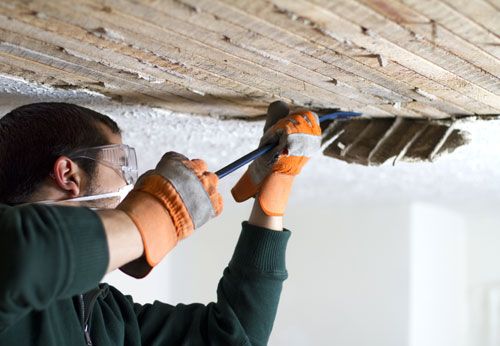
A refurbishment and demolition survey is the more intrusive one, and it is the survey you need before any building work. It goes further than the management version because the work itself is going to break into walls, ceilings and floors. The surveyor opens up the areas the builders will reach, lifts what needs lifting, and tracks down material that a lived-in survey would deliberately leave undisturbed. If you are taking a wall out of a 1930s semi towards North Holmwood or stripping a period place back near South Street, this is the inspection that should happen first, before the trades arrive rather than after they have already started cutting.
The reason for two surveys is simply risk. A house carrying on as normal is a different proposition to a house about to be opened up by a builder. You cannot tell asbestos by eye, and a refurbishment survey is built to find the material before a power tool does. Running the work blind, or on the back of a survey meant only for a lived-in home, is how a routine job turns into a stopped site and a much larger bill.
Why Dorking's Housing Needs One
Dorking's building stock is exactly the kind that warrants a proper look. The Victorian and Edwardian terraces off the High Street and South Street, the older cottages threaded through the centre, the interwar and postwar housing filling in towards Pixham, North Holmwood and the Deepdene, almost all of it predates the 1999 ban. The railway reached the town in the 1840s and the housing grew around it, decade after decade, every one of them building with materials that could contain asbestos. Anything from that period can hold it in the usual places, and the older the house, the more spots there are to check.
Conversions make the job harder. A good number of the larger old houses around the centre have been split into flats over the years, and every round of work since the 1950s could have left asbestos in place, covered it over, or sat new materials on top of old. That layering is the difficulty. What looks like a modern finish can have something older sitting directly behind it. Textured artex on walls and ceilings, asbestos insulating board around boilers and in airing cupboards, vinyl floor tiles and the black bitumen beneath them, cement soffits and rainwater goods on the interwar semis, pipe lagging in the colder period cottages. A survey works through them in order rather than guessing which one matters.
The pre-purchase angle is the other big driver in Dorking. Buying a period place is exciting until you start wondering what is behind the artex, and a survey before you exchange tells you what you are taking on. It is far better to know about a contaminated garage roof or a lagged pipe run while you can still factor it into the price than to find it after completion, when it is your problem and your cost. Landlords have the same reason from the other direction, a clear record of what is in a let property and a sensible plan for it.

Samples, the Lab and the Report
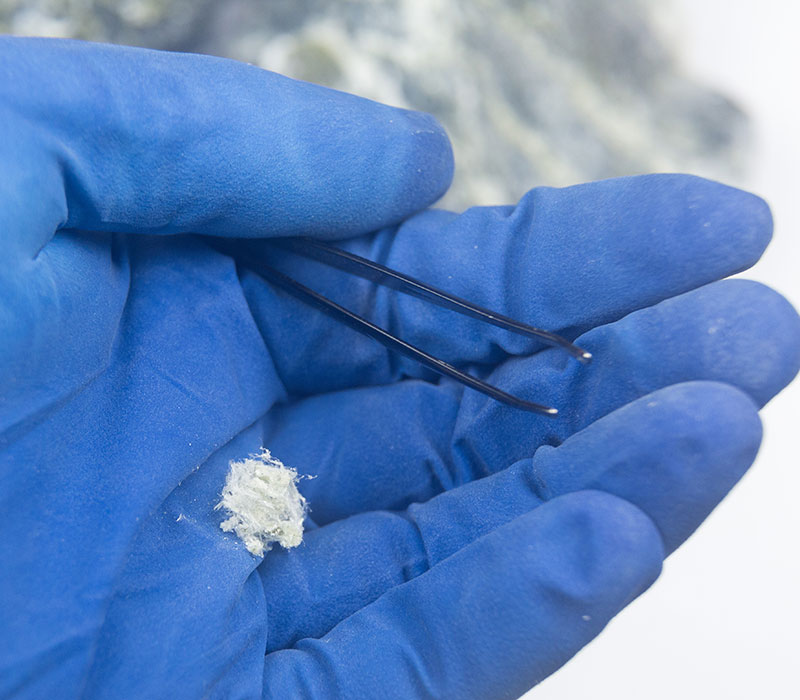
Where the surveyor finds something suspect, a small sample is taken under controlled conditions and sent away for testing. We use a UKAS-accredited laboratory, because a survey is only worth having if the results behind it are sound. You cannot identify asbestos by sight. Two artex ceilings that look the same can come back with completely different results, so the lab settles it rather than a hunch on the day.
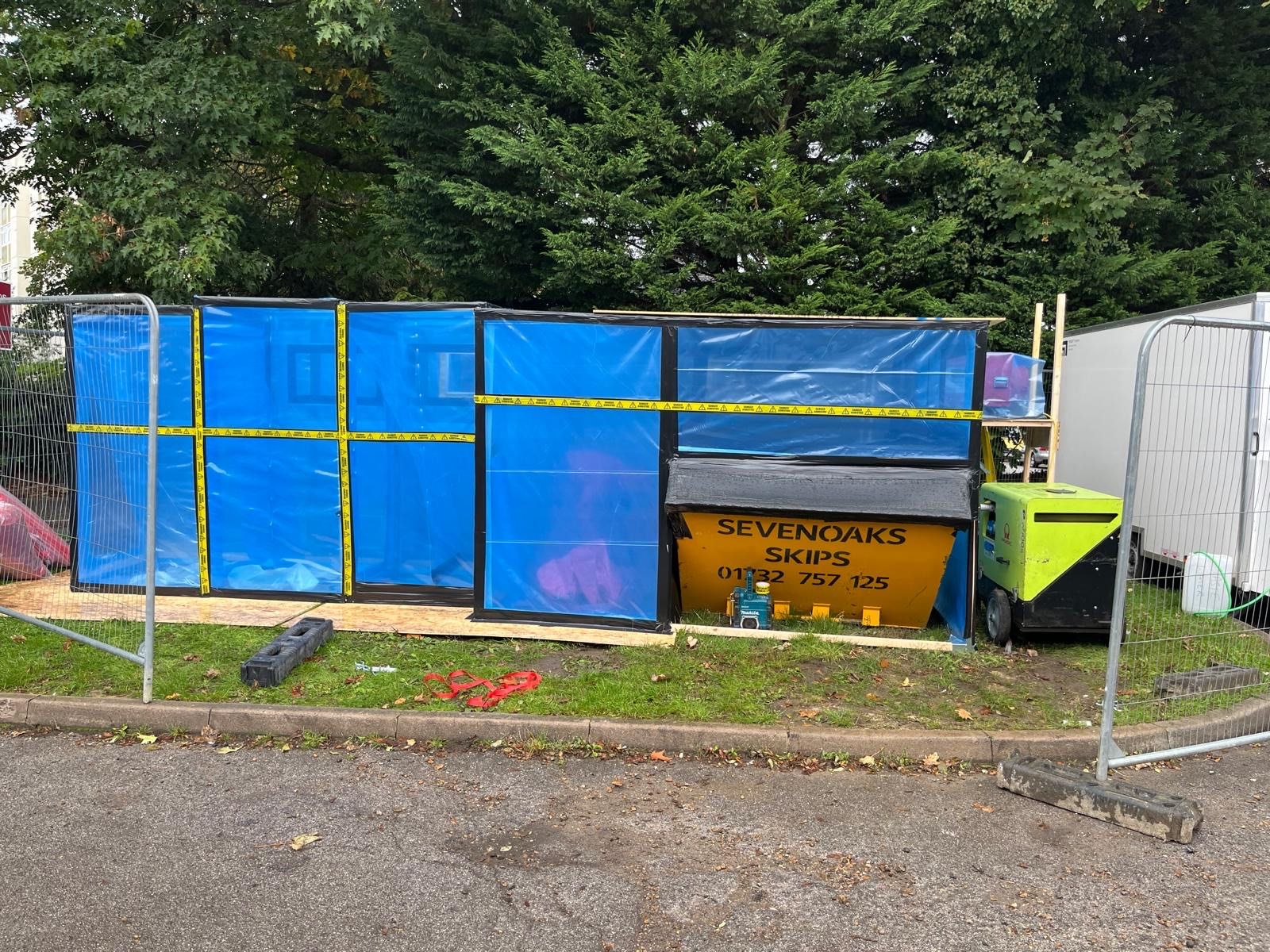
What you are left with is a written report. It records what was inspected, what was sampled, what came back positive, where each material sits and what condition it is in. That document is the thing you hand to a builder so they know what they are working around, to a solicitor as a sale goes through, or to a buyer who wants the full picture. If the report does flag material that has to come out, higher-risk work such as pipe lagging is licensed: we give the HSE the 14 days of notice the law requires, work under full enclosure, and finish with four-stage clearance testing by an independent analyst before the space is signed off. The survey itself, though, stays a survey, an honest account of what is there.
We hold Spectra licence number 142305706, and we have spent more than seven years surveying homes across Surrey, Sussex and south-west London. To arrange an asbestos survey in Dorking, call 0800 024 6168 and we will book a visit and tell you which of the two surveys your situation actually needs.
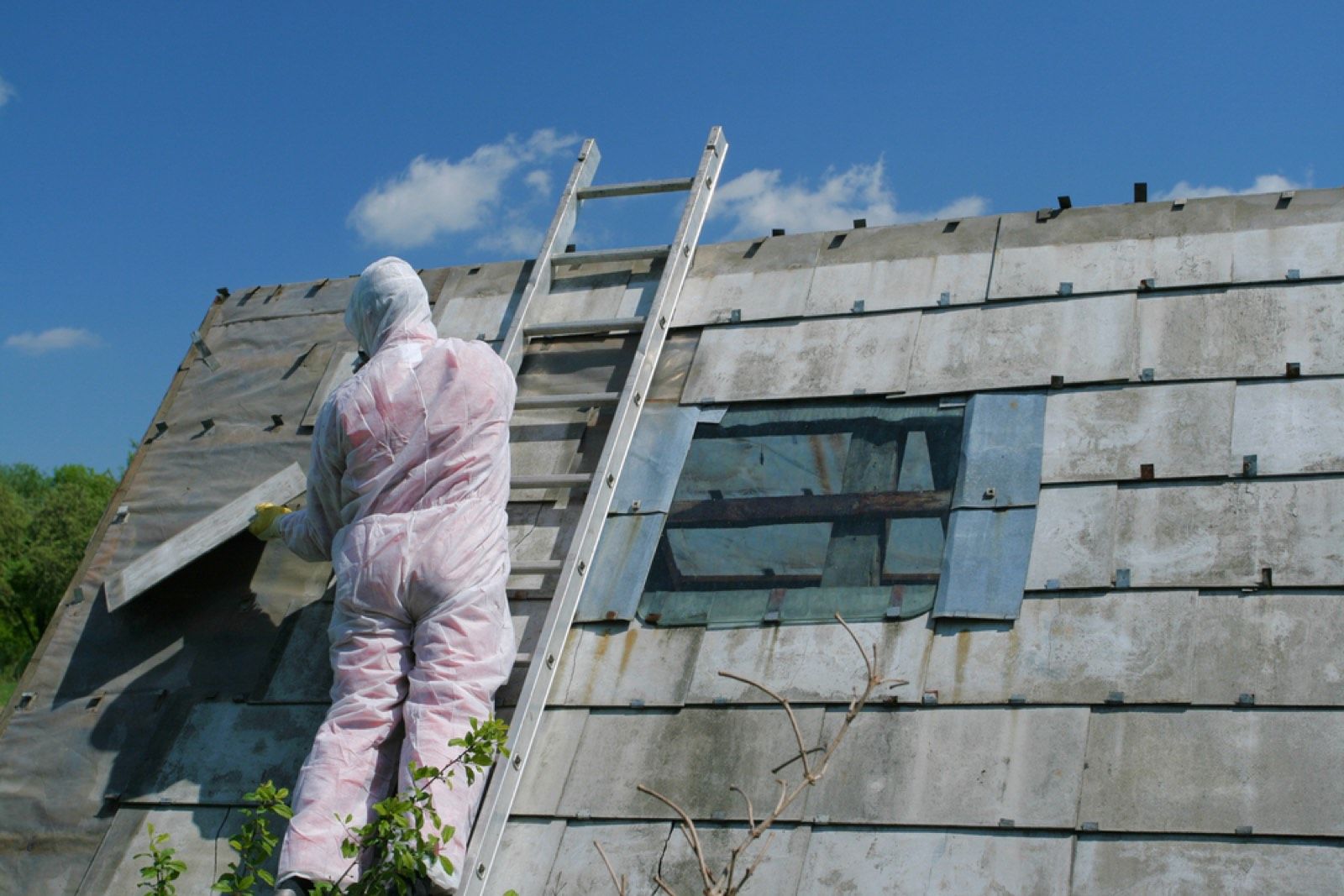
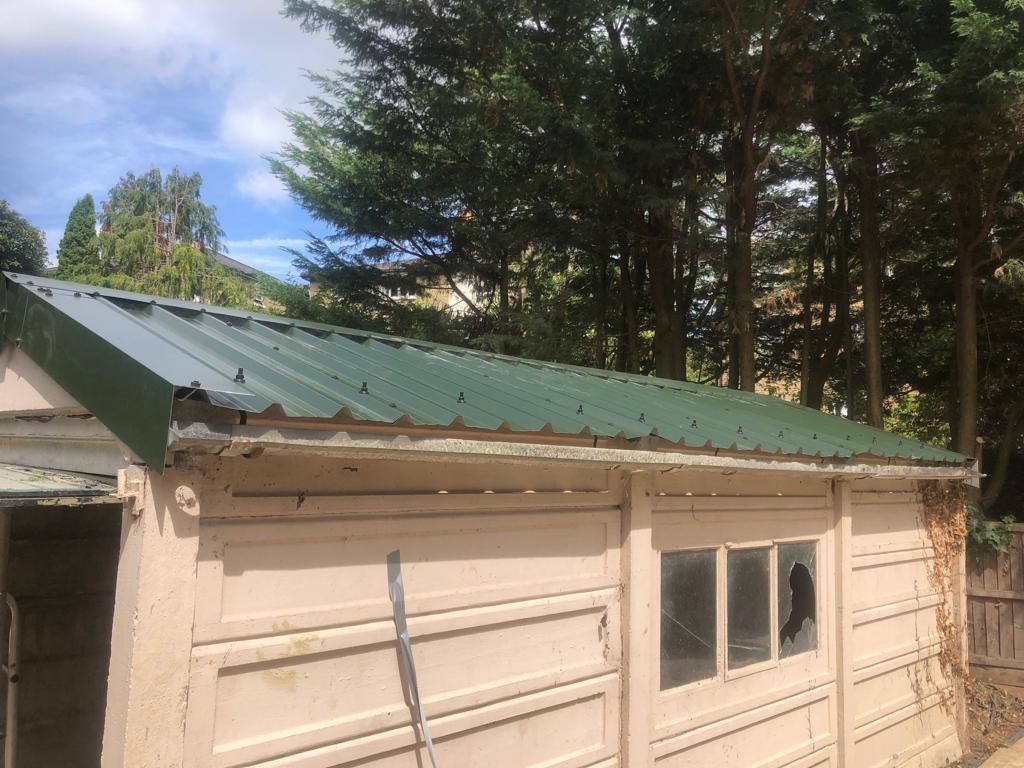
Asbestos Roof Removal and Steel Box Profile Renewal, Putney
Putney, South West London · Roof Removal & Renewal
View this project"Graham has organised two jobs for me, both of which ran smoothly and on time. Clive and the team are really great, they completed the work in the agreed time and left the site spotless. Would recommend using Clearaway if you need any work done."
Our Removal Process
From first call to final certificate, every job follows the same clear four-step process.
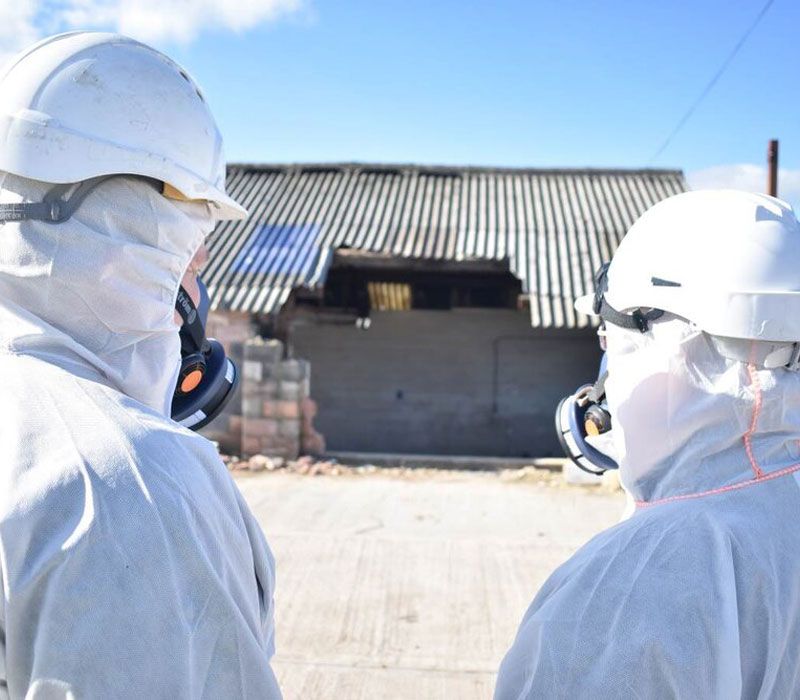
Survey
We inspect the property and confirm the material. Sampling available if required.
Quote
Fixed written price covering removal, disposal and any replacement work.
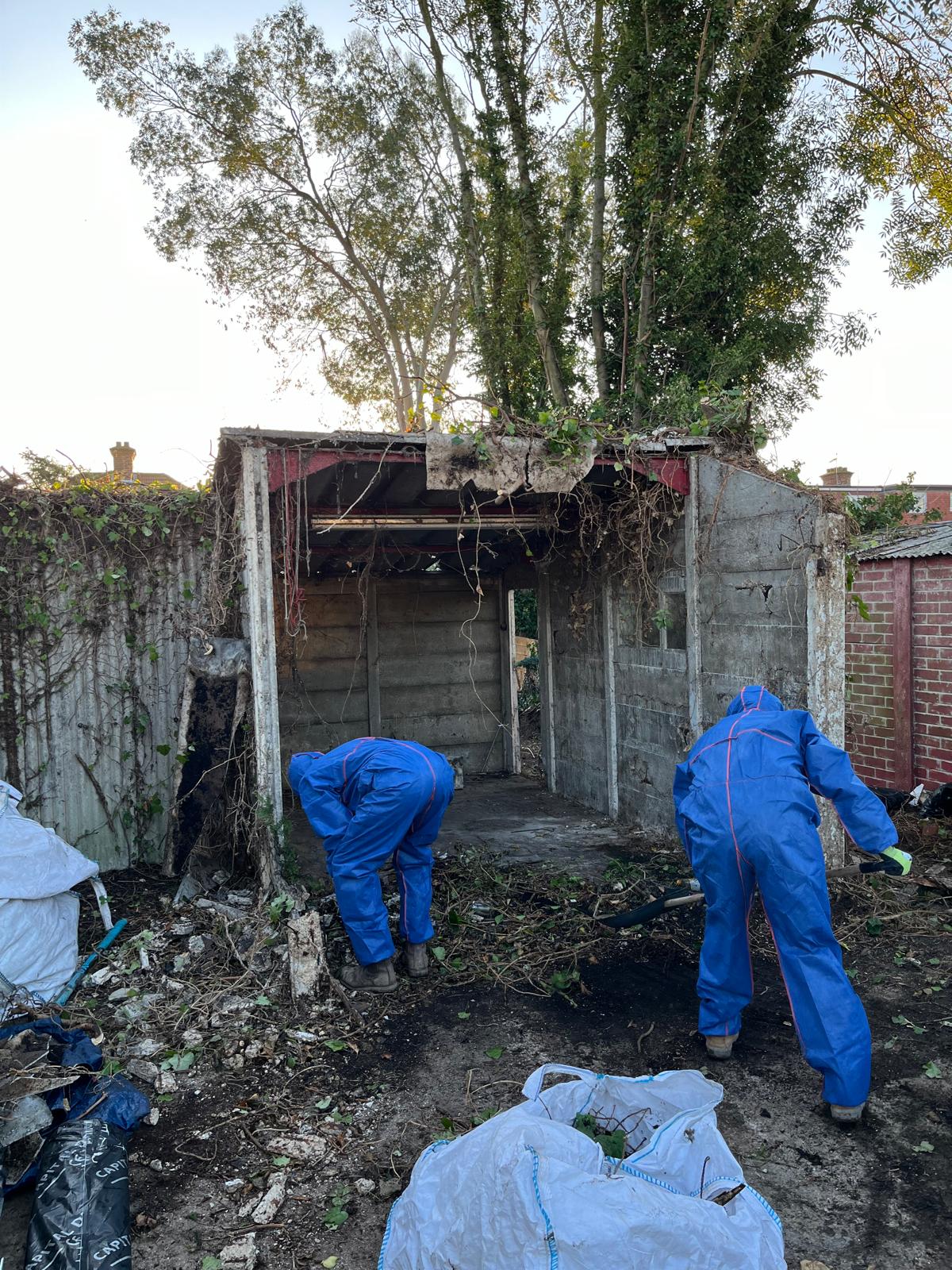
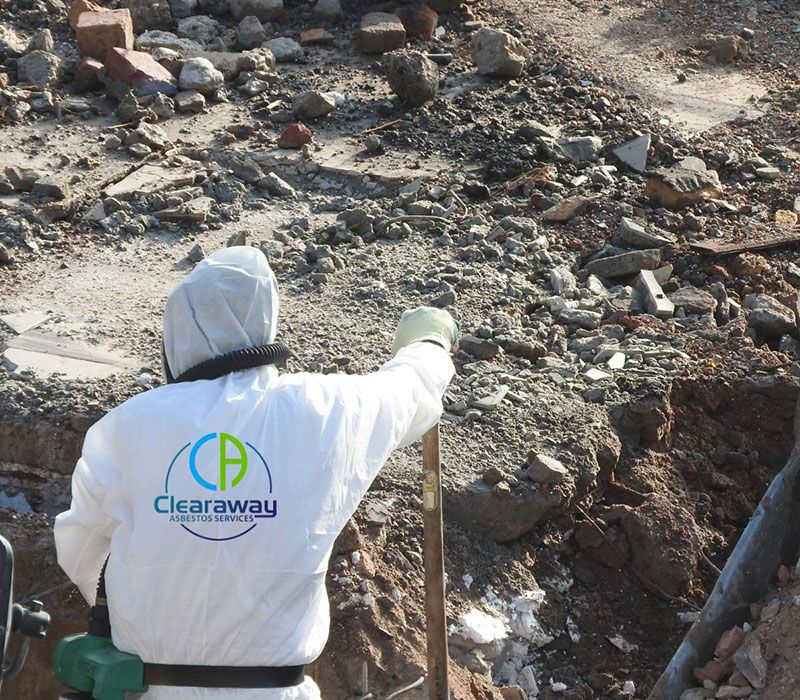
Removal
Material is removed safely, double-wrapped and taken to a licensed disposal facility.
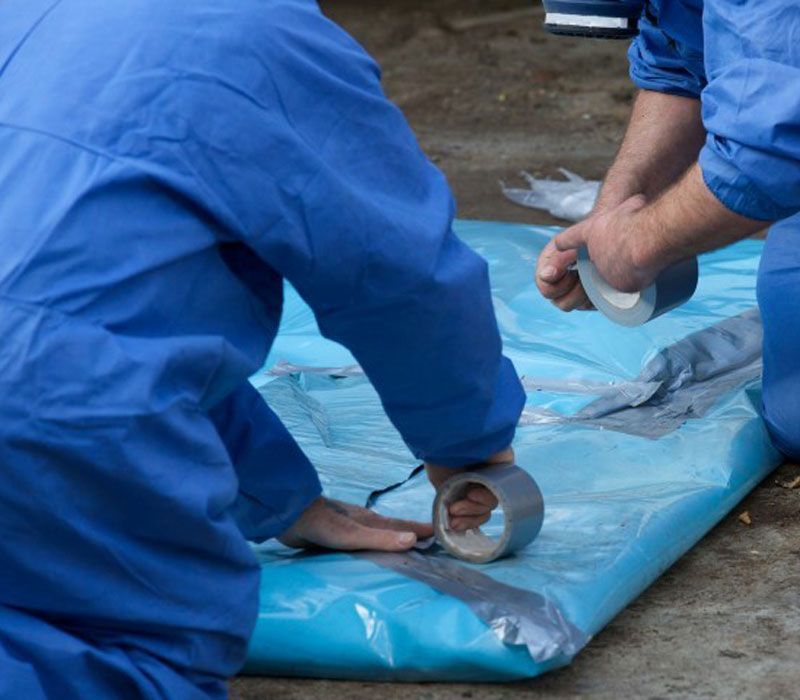
Certificate
You receive a waste consignment note and disposal certificate confirming legal handling.
Frequently Asked Questions
Why Choose Clearaway
Specialist Crew
Asbestos work is all we do, every day, across the South East.
Fully Licensed
Licensed asbestos removal contractor (Licence No. 142305706). Full public liability insurance on every job.
Local & Fast
Surrey-based. Most domestic jobs are booked in and finished within a week.
Our Own Team
We never subcontract. The people who quote your job are the people who do it.
Get in Touch
Send a few details about your project and we will come back the same working day with a fixed price. We cover Surrey, London and the South East, including Esher, Cobham, Kingston, Richmond, Epsom, Guildford, Woking and Croydon.