
Asbestos Surveys in Chiswick
Plenty of Chiswick homes have changed hands or been split into flats without anyone checking what the older fabric holds. An asbestos survey looks before a sale or building work starts, so you know exactly what is there.
Why Chiswick stock gets surveyed first
Chiswick is W4, west London, and most of it was built or fitted out long before asbestos was banned in the UK in 1999. The Queen Anne red-brick houses of Bedford Park, the period terraces around Turnham Green and along Chiswick High Road, the grand riverside houses on Chiswick Mall, the Edwardian and 1930s rows running out towards Gunnersbury and Grove Park. A lot of that has been altered, extended or divided over the years, and the materials used along the way tend to stay put once the next owner moves in. Decorating covers them, new owners inherit them, and they sit quietly in the fabric until something disturbs them.
A survey is the step that finds and assesses asbestos. It does not remove anything, and that distinction matters. The point is to know what is in a building, where it sits and what condition it is in, before a sale goes through or a builder lifts a single board. A surveyor goes room by room, notes the materials that could contain asbestos, judges their condition, and takes small samples where a material needs confirming. Nothing is stripped out and nothing is sealed off. The job is information, not removal.
In a town where so many homes have been through several hands and several refits, that record matters. You cannot tell asbestos by eye. A textured ceiling, a sheet of board in an airing cupboard or a layer of old floor tiles can look exactly like a harmless modern equivalent, and only a laboratory test settles it. Chiswick has the kind of layered, much-changed housing where guesswork is a poor substitute for a proper look, and a survey replaces a worry you cannot answer with a document you can act on.

The two surveys, and which one you need
There are two types, and they do different jobs. A management survey is for a home that is staying lived in. It covers the materials you would meet in normal use and during minor upkeep, and tells you what to leave alone and what to keep an eye on. It is the lighter of the two, working around what is on show rather than opening the building up. For a landlord with a Chiswick flat, or an owner who simply wants the picture of their own house, this is usually the one.
A refurbishment and demolition survey is the heavier of the two, and it comes before building work. It is more intrusive because the surveyor has to reach the places a refit will disturb, under floors, above ceilings, inside the boxing around pipes and boilers. The idea is that nothing the builders will touch goes unchecked, so there are no nasty finds once the work starts and the dust is already flying. If you are knocking through, converting a loft, replacing a kitchen or splitting a larger house into flats, this is the survey the work needs.
The older Chiswick materials that turn up most are textured artex on ceilings and walls, asbestos insulating board around boilers and in the flat conversions, vinyl and thermoplastic floor tiles with black bitumen adhesive bedded beneath them, pipe lagging in basements and the cellars of older properties, and cement soffits and gutters on the interwar semis. Some of these are lower risk and some are higher, but the survey treats them the same way at this stage. It records each one, says where it is and how it is holding up, and confirms by sample what needs confirming. Which materials a survey is most likely to meet depends on the house, and Chiswick has a wide spread, from a divided Edwardian villa to a tight period terrace off the High Road.
Pre-purchase and landlord checks
If you are buying in Chiswick, a survey before you exchange tells you what you are taking on. A grand house on Chiswick Mall or a Bedford Park terrace can be a lovely thing to own and still hold artex, old floor tiles or board around the boiler from a refit two owners ago. Knowing that before the money moves means no surprises when you come to redecorate or extend, and it gives your solicitor a clear document rather than a hunch. It also lets you weigh the cost of any future work into what you are willing to pay, instead of discovering it after completion.
For landlords, the case is plainer still. Many of the larger Chiswick houses are split into flats, and that work was often done decades ago using whatever was standard at the time. A management survey gives you a written record of what is in the property and its condition, which is the basis for managing it sensibly between tenancies and for telling any tradesperson what to watch for before they start. It is far easier to hand someone a survey than to hope they spot a problem on the day.
Samples taken during any survey go to a UKAS-accredited laboratory, so the result is tested rather than assumed, and the finding stands up if anyone asks how you know. That accreditation is the difference between a guess and a fact. For a Chiswick owner or landlord, it means the report you are holding is backed by a recognised standard, which is exactly what a buyer, a solicitor or a builder wants to see before they rely on it.

What the written report gives you
The survey ends in a written report, and that report is the thing you actually use. It lists each material found, where it is, what condition it is in and the laboratory result for anything sampled. You can hand it to a builder so they price and plan the job around what is really there, to a solicitor as part of a sale, or to a buyer who wants to know what they are signing for. It turns a vague worry into a clear list of facts, and it stays useful long after the survey day, as the record you reach for the next time work is planned.
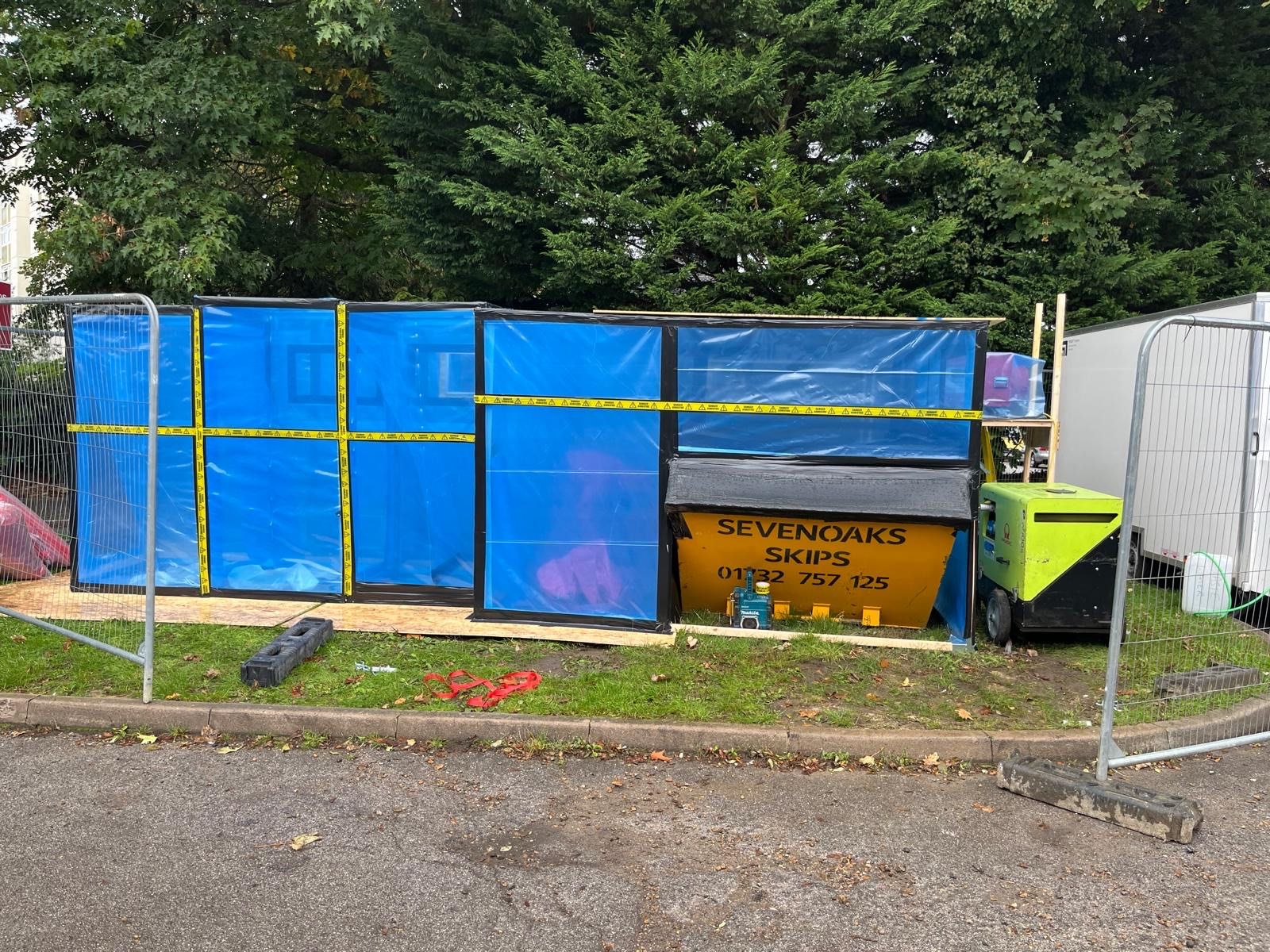
Where a survey does find something that needs removing, the report makes the next step straightforward. Lower-risk materials can often be dealt with simply. Higher-risk licensed work runs to a stricter standard, with 14 days of notice to the HSE, full enclosure of the area, and four-stage clearance testing signed off by an independent analyst before the space goes back into use. Knowing in advance which category a material falls into is half the value of the survey, because it tells you what a job will involve before anyone quotes for it. Parts of Chiswick, including Bedford Park and Chiswick Mall, are conservation areas with listed houses, so on those any later work is planned around the restrictions and the original fabric is protected. A clear survey is what lets all of that be costed properly instead of guessed at.
Clearaway is based in Chessington in KT9, and the owner Graham runs the jobs himself, so the person who reads the report is the person who knows the property. The company holds Spectra licence number 142305706 and has been working across this part of London and Surrey for more than seven years. To arrange a survey on your Chiswick home or flat, call 0800 024 6168.
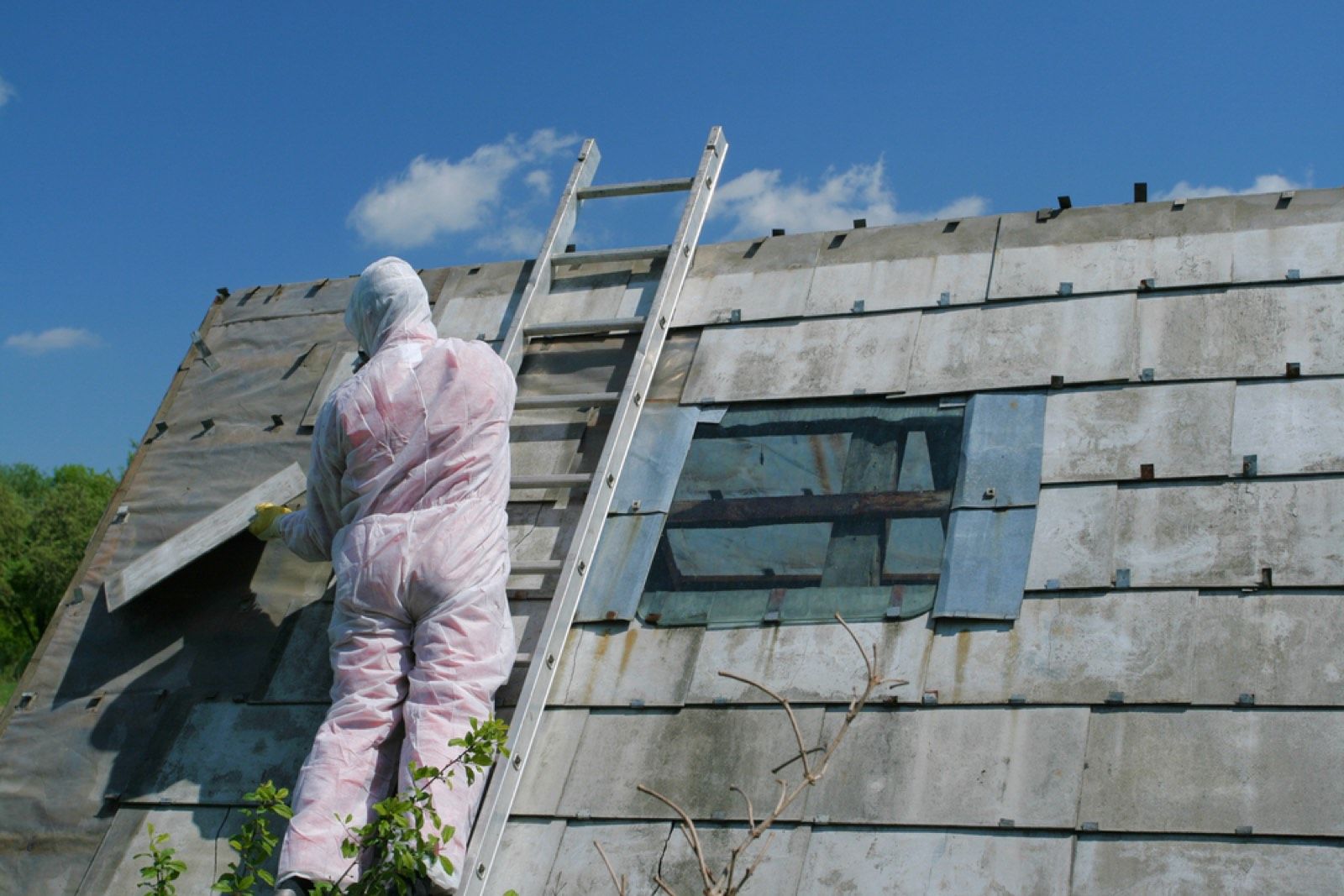
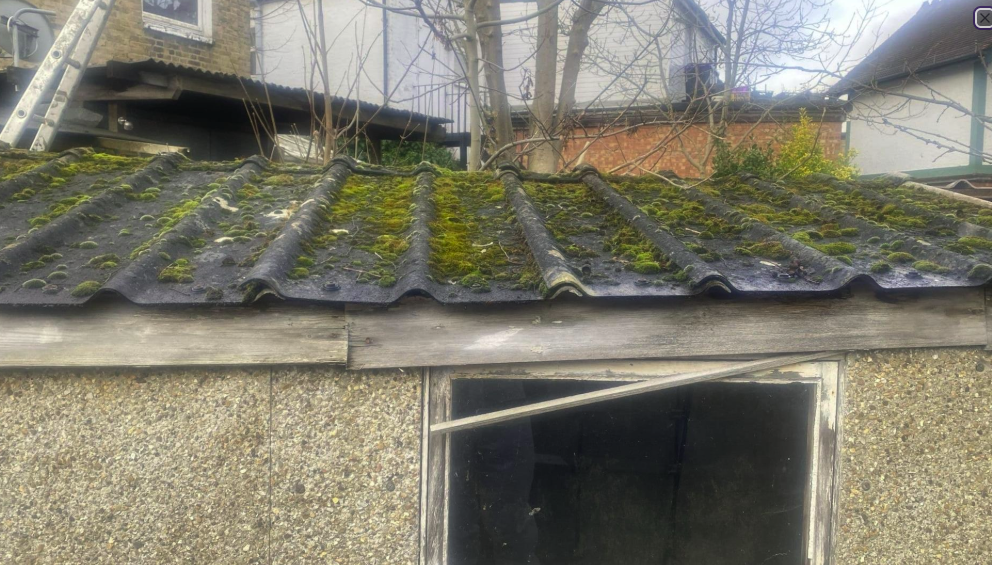
Asbestos Roof Removal and Framework Strip, Claygate
Claygate, Surrey · Roof Removal
View this project"I used Clearaway Asbestos recently for an asbestos garage removal in my home. The staff were really friendly and professional and put me at ease the whole time they were working. I would recommend Clearaway Asbestos to anyone who needs asbestos removal services!"
Our Removal Process
From first call to final certificate, every job follows the same clear four-step process.
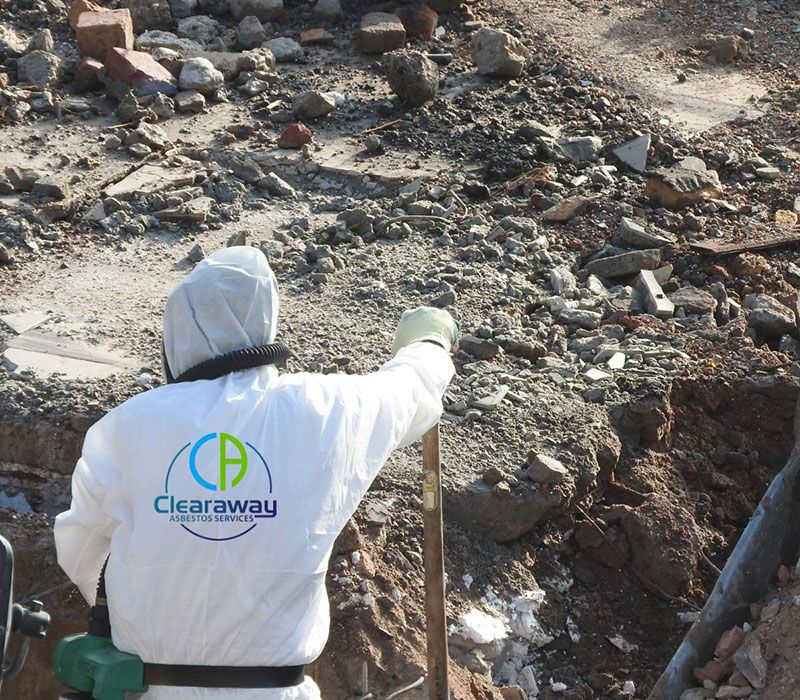
Survey
We inspect the property and confirm the material. Sampling available if required.
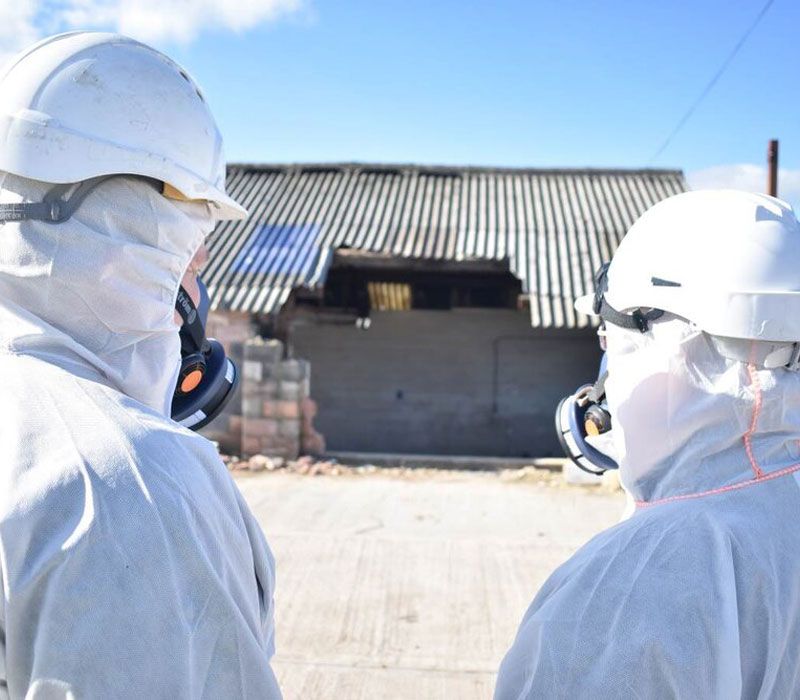
Quote
Fixed written price covering removal, disposal and any replacement work.
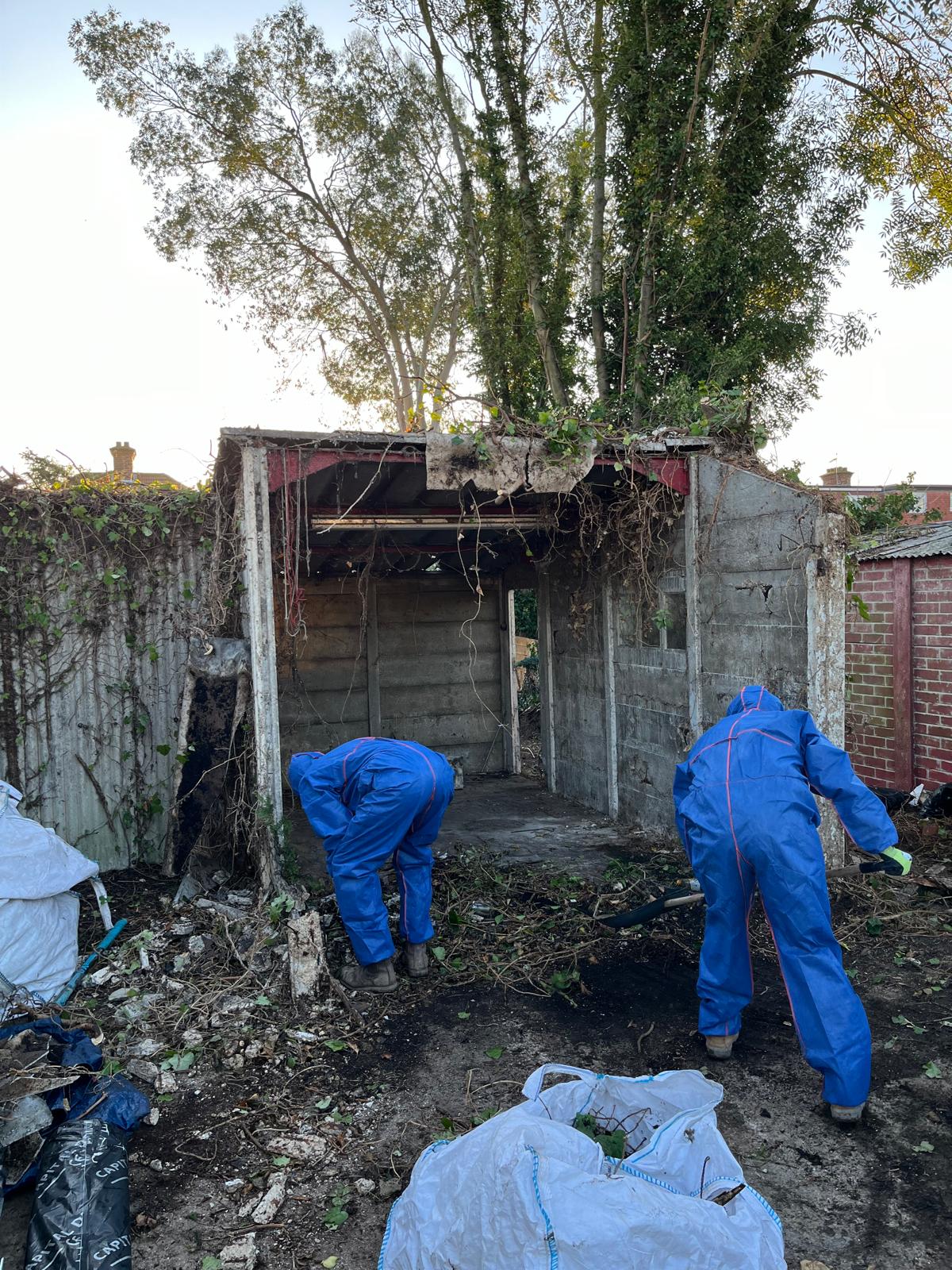
Removal
Material is removed safely, double-wrapped and taken to a licensed disposal facility.
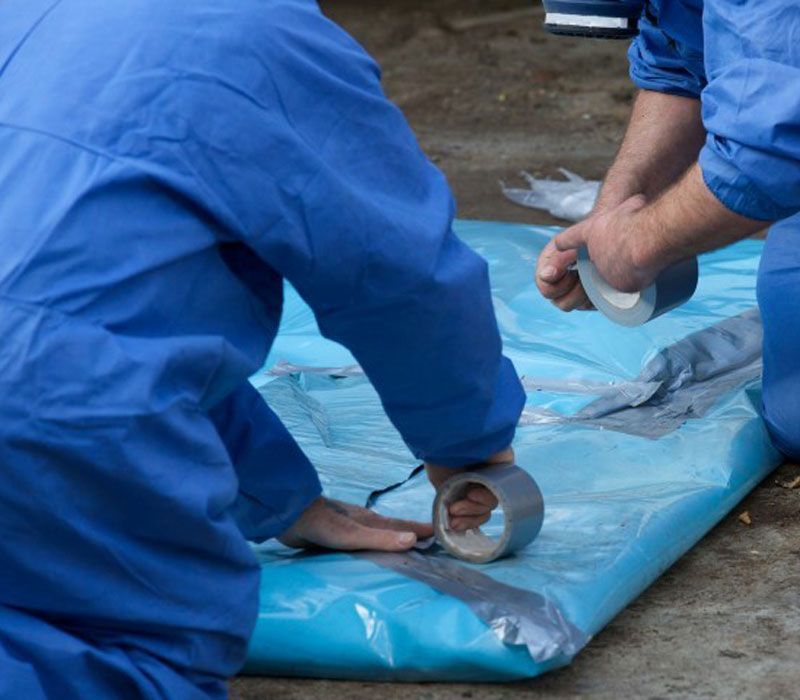
Certificate
You receive a waste consignment note and disposal certificate confirming legal handling.
Frequently Asked Questions
Why Choose Clearaway
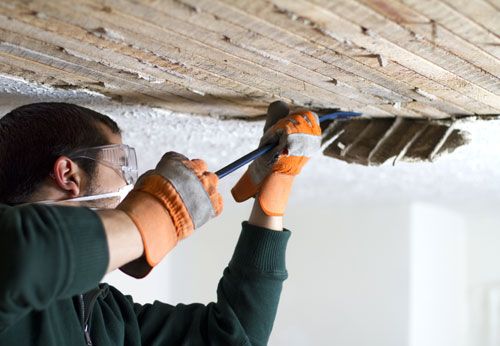
Specialist Crew
Asbestos work is all we do, every day, across the South East.
Fully Licensed
Licensed asbestos removal contractor (Licence No. 142305706). Full public liability insurance on every job.
Local & Fast
Surrey-based. Most domestic jobs are booked in and finished within a week.
Our Own Team
We never subcontract. The people who quote your job are the people who do it.
Get in Touch
Send a few details about your project and we will come back the same working day with a fixed price. We cover Surrey, London and the South East, including Esher, Cobham, Kingston, Richmond, Epsom, Guildford, Woking and Croydon.