
Asbestos Surveys in Chertsey
Chertsey sits on the Thames, and a lot of its housing is old enough to hold asbestos. Before you buy, let out or open up an older home here, a survey finds and assesses what is in it.
Why Chertsey homes get surveyed first
Chertsey grew up around the river, the market town and the streets off Guildford Street and Windsor Street, and a good share of that stock went up long before asbestos was banned in the UK in 1999. Victorian and Edwardian terraces near the centre, interwar and postwar semis spreading out towards Addlestone and Ottershaw, riverside properties closer to Chertsey Bridge, and a number of the bigger houses that were later split into flats. None of that age is a problem on its own. The point of a survey is to know what is actually there before anyone disturbs it.
Asbestos was used in dozens of building materials right up to the ban, so a house from any of those periods can carry it without a single sign on the surface. You cannot tell by eye. A survey is the controlled way to find it, record where it sits and grade the condition, so the decision about what happens next is made on facts rather than a guess.
This is finding and assessing, not removing. A survey does not strip anything out. It maps the property, takes samples where a material is suspect, and turns the lab results into a written report you can act on or hand to someone else.

The two survey types explained
There are two surveys, and which one you need depends on what you are doing with the place. A management survey is for a home that is staying lived in. It checks the materials people come into contact with day to day and records their condition, so anything that needs watching or removing is logged. For a Chertsey landlord or a homeowner with no building work planned, that is usually the right one.
A refurbishment and demolition survey is the fuller inspection, and it comes before building work. It is more intrusive because it has to reach the materials a builder will disturb, behind boxing, under floors and inside the parts of a conversion that get opened up. If you are extending a riverside semi or splitting a larger Chertsey house into flats, this is the survey the work needs first.
A typical home survey runs to around 8 to 12 samples, though a heavily altered or converted property can need more. A management survey on an average Chertsey semi takes roughly two to three hours on site. A refurbishment and demolition survey takes longer, since more of the building has to be reached and recorded.
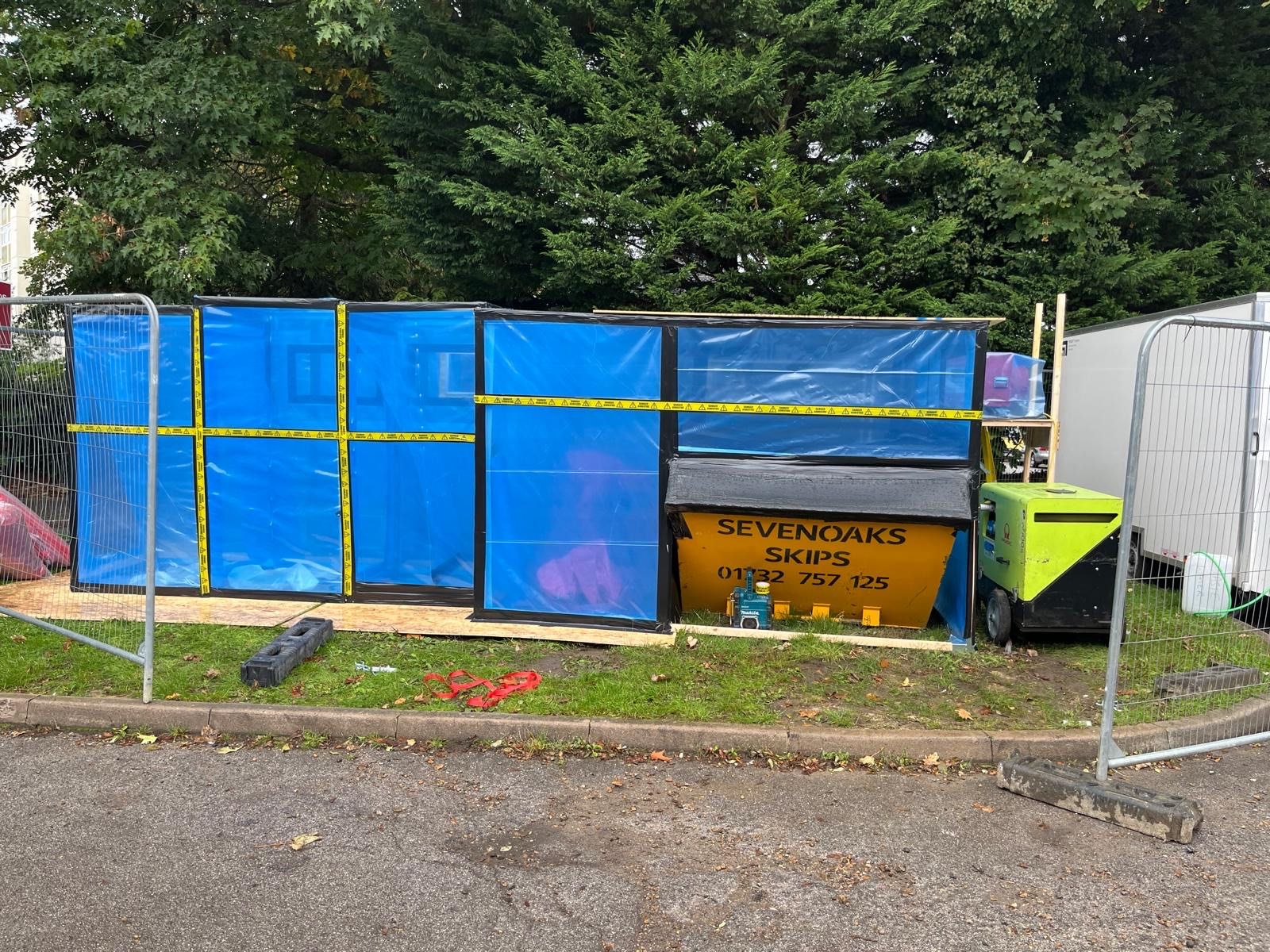
Older and converted stock near the river
Chertsey has a lot of the materials a survey is built to find. Corrugated cement garage and shed roofs sit on plenty of plots. Textured artex is common on ceilings and walls. Asbestos insulating board turns up around boilers, in airing cupboards and inside conversions, which matters here because a fair number of the larger houses were divided into flats. Vinyl and thermoplastic floor tiles with black bitumen adhesive lie under later flooring. Pipe lagging shows up in cellars and in older properties near the river, and the interwar semis carry cement soffits, gutters and fascia boards.
Converted stock is the case for a proper survey more than most. When a house has been split into flats, materials get hidden behind newer work, boxed in or partly removed, and what is recorded for one flat may say nothing about the next. A walk round tells you very little. A survey works through it room by room and writes down what is found and where.
Riverside and period properties carry their own quirks. Damp cellars and old service runs are exactly where lagging was used, and a survey reaches those spaces rather than assuming they are clear. The aim is a record that matches the building in front of you, not a generic checklist.

The report, and what happens after
Every sample goes to a UKAS-accredited laboratory, which is the independent check that confirms whether a material contains asbestos and which type. Results come back within a few working days. The findings are written up into a report that says what was found, where it sits, what condition it is in and what it means, in plain terms you can read without a background in this.
That report is the document a buyer, a solicitor or a builder asks for. For a pre-purchase check it tells you what you are taking on before you commit. For a Chertsey landlord it is the record behind your duty to manage asbestos in the property. For a refurbishment it tells the builder what to avoid and what has to be dealt with before work starts. If the survey does flag material that needs removing, the report sets up that next step cleanly.
Where removal of higher-risk material follows, it runs to the licensed standard, with 14 days notice to the HSE, full enclosure and four-stage clearance testing signed off by an independent analyst. The survey itself stays separate and impartial, which is the point of it. Clearaway is run by Graham from Chessington, holds Spectra licence 142305706 and has worked across this part of Surrey for more than seven years. To talk through a survey on a Chertsey property, call 0800 024 6168.
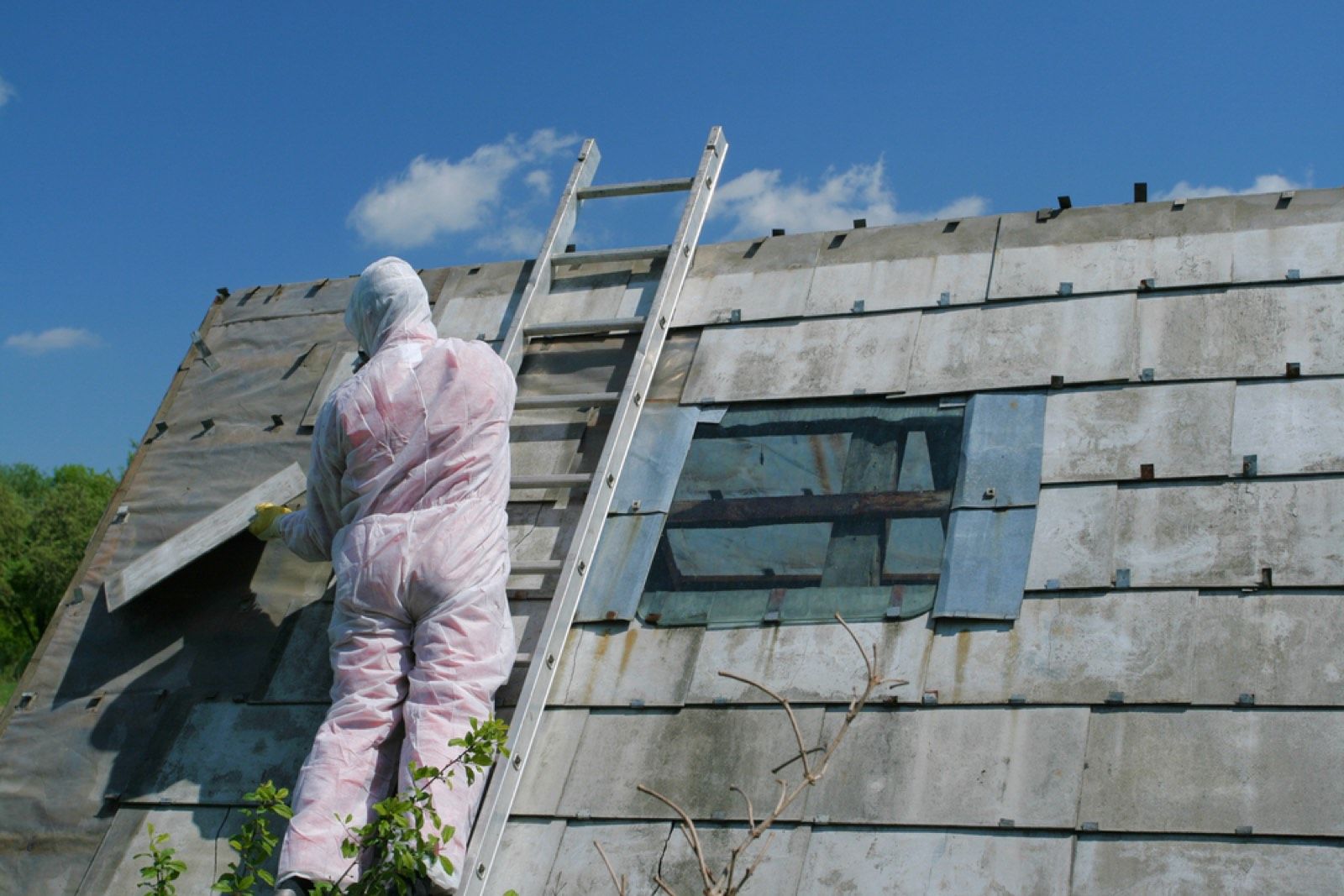
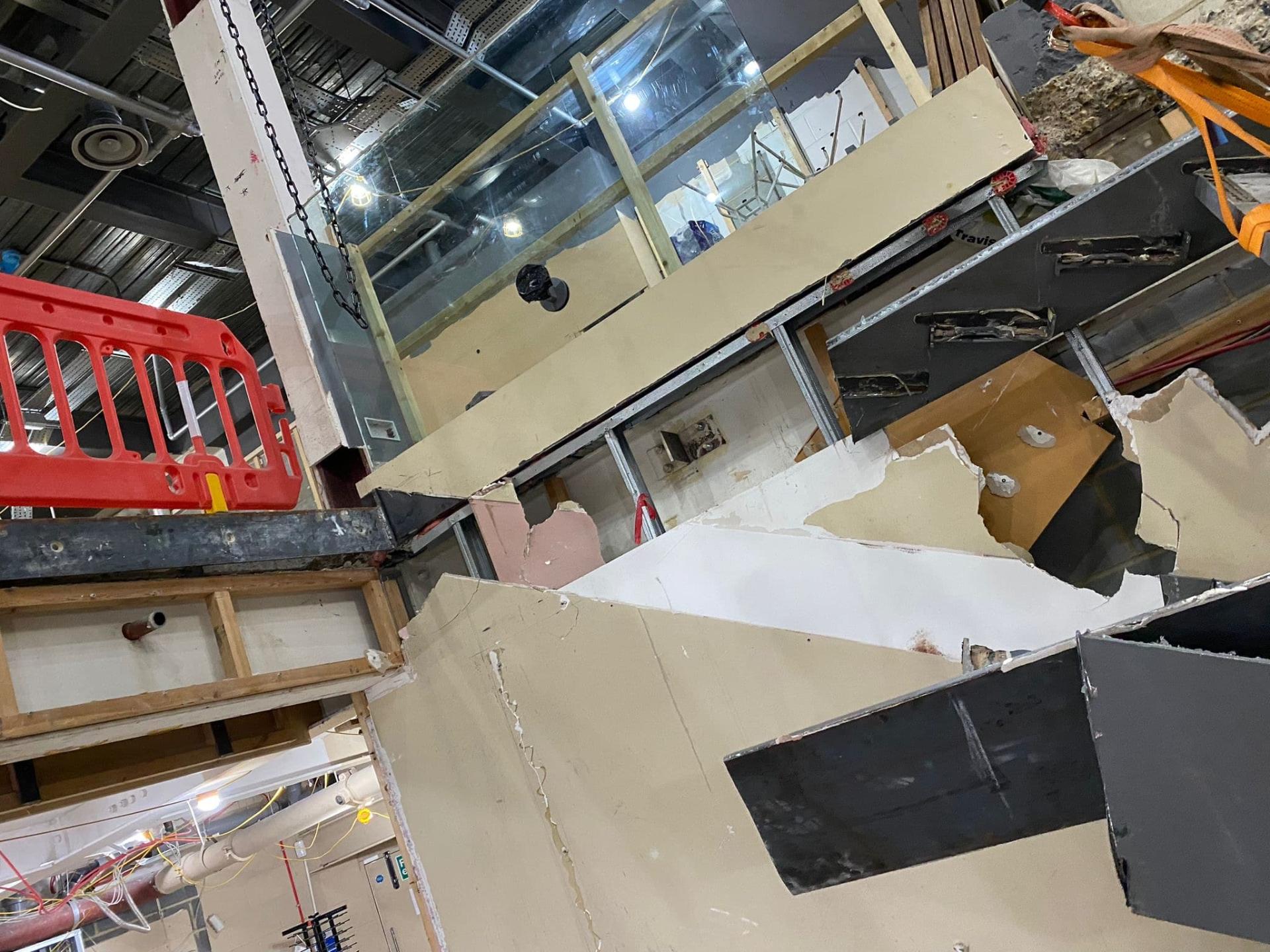
Commercial Building Strip-Out, Kensington
Kensington, South London · Strip-Out
View this project"Graham and his staff done a great job of removing my concrete and asbestos garage thank you"
Why Choose Clearaway
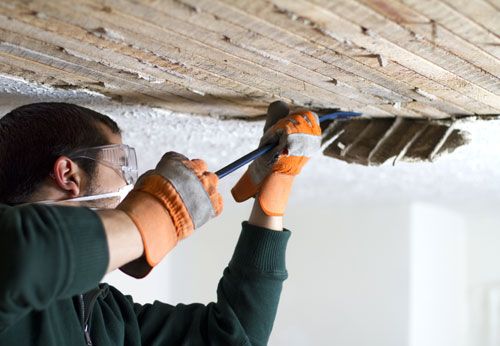
Specialist Crew
Asbestos work is all we do, every day, across the South East.

Fully Licensed
Licensed asbestos removal contractor (Licence No. 142305706). Full public liability insurance on every job.
Local & Fast
Surrey-based. Most domestic jobs are booked in and finished within a week.
Our Own Team
We never subcontract. The people who quote your job are the people who do it.
Frequently Asked Questions
Our Removal Process
From first call to final certificate, every job follows the same clear four-step process.
Survey
We inspect the property and confirm the material. Sampling available if required.
Quote
Fixed written price covering removal, disposal and any replacement work.
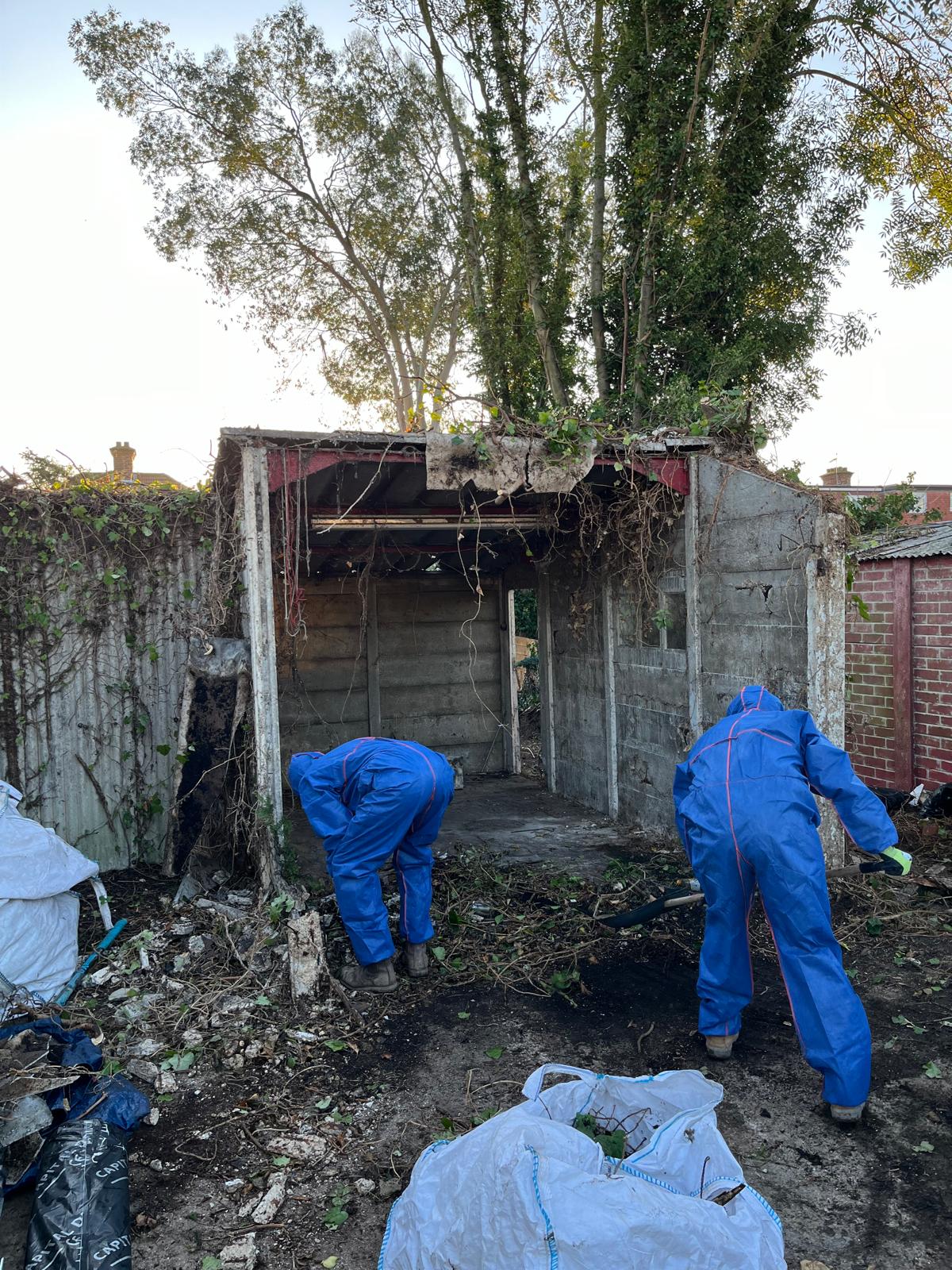
Removal
Material is removed safely, double-wrapped and taken to a licensed disposal facility.
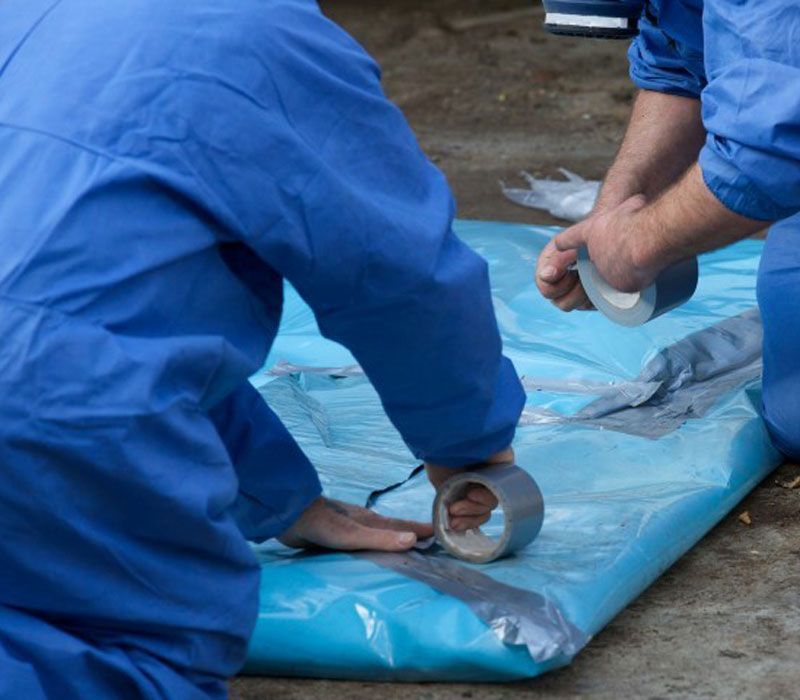
Certificate
You receive a waste consignment note and disposal certificate confirming legal handling.
Get in Touch
Send a few details about your project and we will come back the same working day with a fixed price. We cover Surrey, London and the South East, including Esher, Cobham, Kingston, Richmond, Epsom, Guildford, Woking and Croydon.