
Asbestos Surveys in Chelsea
Chelsea is a place of period mansion blocks and tall houses split into flats decades ago. A survey finds and assesses the asbestos hidden in that old fabric, sampled to a UKAS lab, written up for a builder, buyer or solicitor.
Why the SW3 housing stock needs surveying
Walk the streets off the King's Road and the age of the place shows in the buildings. White stucco terraces run down towards Cheyne Walk and the Chelsea Embankment, red-brick mansion blocks line the routes around Sloane Square, and the cobbled mews sit tucked behind the grand frontages. Most of these went up long before asbestos was banned in the UK in 1999, and a great many of the tall houses were split into flats and maisonettes years ago. The garden squares and the quiet roads off them are lined with the same period stock.
That conversion work is the reason a survey matters here. Each time a property was divided, asbestos materials could have been built into new partitions, ceilings, boiler cupboards and service runs, then covered over by the next round of decorating. You rarely see suburban garages in SW3, so the risk is indoors, in the fabric. A survey is the step that finds where it sits before anyone disturbs it.
A survey does not remove anything. Its job is to locate suspect material, record its condition, sample it under controlled conditions and tell you what is actually there. In a building that has been altered as often as a Chelsea flat or maisonette, where one floor may have been redone three times over and the floor below left untouched, that record is worth having before a single wall comes down.

The two surveys, and which one you need
There are two types, and they answer different questions. A management survey is for a flat or house that is staying lived in. It checks the materials in everyday areas, notes their condition and tells you what to leave alone, what to keep an eye on and what to deal with. For a mansion-block flat that nobody is about to rip apart, this is usually the right one.
A refurbishment and demolition survey is the one to commission before building work. It is more intrusive, because the surveyor goes looking behind and beneath the surfaces a builder is going to open up: under floors where vinyl tiles and black bitumen adhesive may be bedded into the screed, around the boiler and airing cupboard where asbestos insulating board often turns up, into basement and riser pipe lagging on old heating runs, and into ceiling voids. If you are refitting a kitchen, knocking through, or stripping a maisonette back, this is the survey the work needs. Where a flat comes with a slice of something external, a mews garage or coach house, a flat-roof extension or a small outbuilding, that gets looked at too.
The common materials in Chelsea are textured artex coatings, asbestos insulating board around boilers and in airing cupboards and as ceiling boards, vinyl and thermoplastic floor tiles with their black bitumen adhesive, and pipe lagging in basements and risers. You cannot tell by eye whether any of it contains asbestos, which is why a survey samples rather than guesses. The surveyor takes a small piece of each suspect material under controlled conditions, bags and labels it, and sends it to a UKAS-accredited laboratory for testing. Nothing is assumed from the look of a ceiling or the age of a boiler cupboard. In a flat that has passed through several owners and several refits, that careful sampling is the only way to know what is real and what is harmless old building work.
Buying, letting and the report you hand over
A lot of survey work in SW3 is driven by a purchase or a tenancy. If you are buying a period flat or a maisonette, a survey before you exchange tells you what is in the fabric you are taking on, so the cost of dealing with it is a known figure rather than a surprise once you start work. Solicitors and lenders increasingly want that picture in writing, and it is far cheaper to have it before contracts than to find out afterwards. On a Chelsea price, the survey is a small line against the deal.
Landlords and managing agents carry a duty to manage asbestos in the parts of a building they look after, which in a mansion block means the shared stairwells, risers and plant areas as well as the lettable flats. A management survey gives an agent the document that shows where the material is and that its condition is being watched. For a portfolio of period flats, that record is the difference between managing the risk and hoping there is not one.
Whatever the reason, the output is the same. Every suspect material is logged with its location and condition, samples go to a UKAS-accredited laboratory, and you get a written report you can hand straight to a builder, a solicitor or a buyer. The report is the point of the exercise. It sets out each material, where it sits, its condition and the lab result, in plain terms. It turns guesswork about an old building into something a decision can be built on.

How a Chelsea survey is run
Working in SW3 means working around how the borough is built and protected. Much of Chelsea is conservation area, and a great many houses and mansion blocks are listed, so a survey is planned with access in mind: the scaffold or parking suspension a refurbishment survey of an upper floor might need, the original plasterwork and joinery that has to be protected, and any listed building consent already running on the wider project. A survey that ignores the listing on a building only causes problems later, so it is read into the plan from the start.
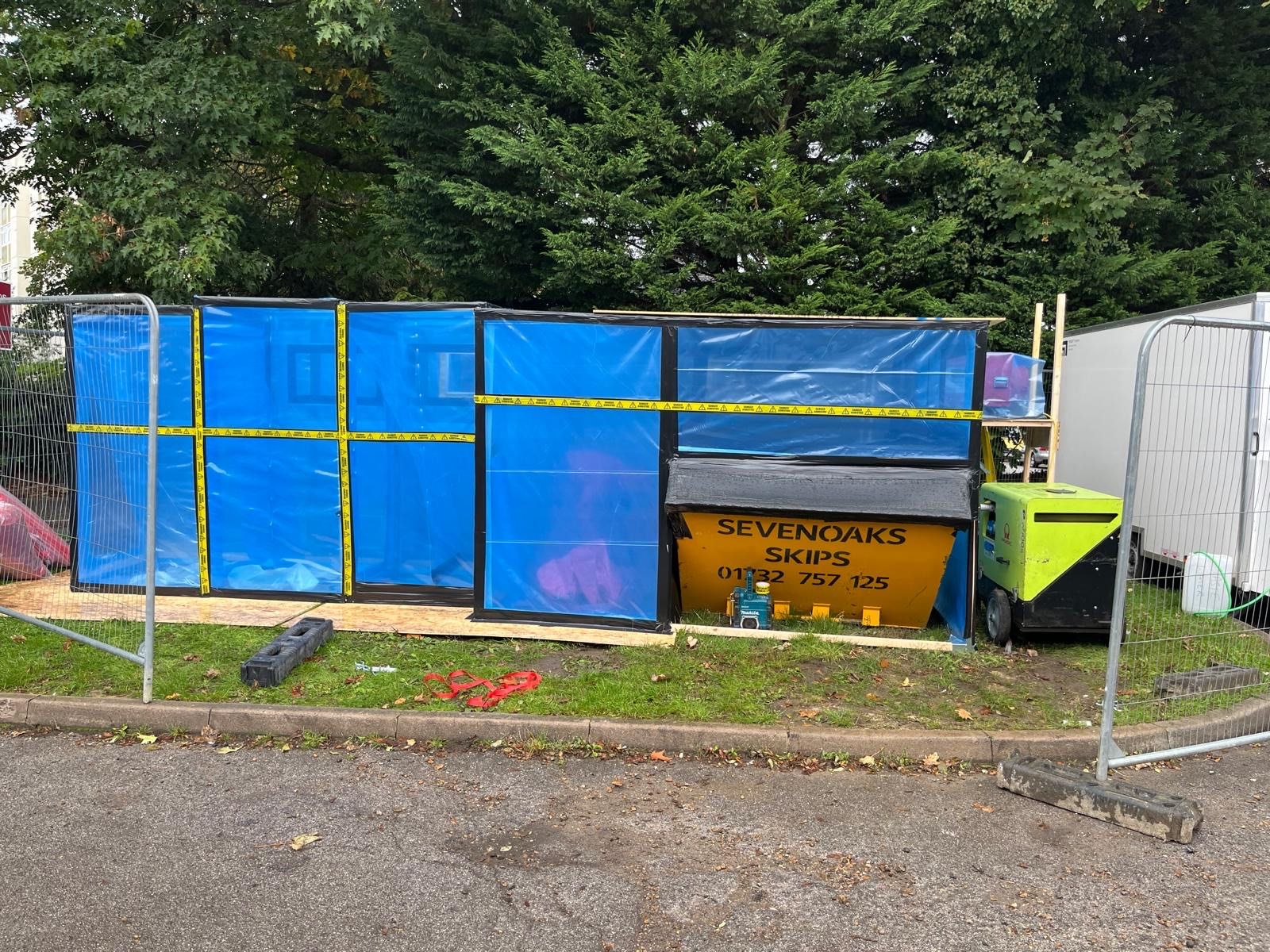
Most Chelsea jobs are in occupied flats and mansion blocks with shared stairwells and no driveway, and a survey is the quiet first stage of that. It is the inspection and the sampling, done carefully, before any noisy work is even scoped. Where the report later shows higher-risk licensed material such as asbestos insulating board, the removal that follows is held to a stricter standard, with 14 days of notice to the HSE, full enclosure of the area and four-stage clearance testing signed off by an independent analyst. The survey is what tells you whether any of that is needed.
Clearaway is based in Chessington, so for Chelsea the team travels in, and the work that suits them is the larger flat and house survey where the documented job matters, often ahead of a full strip-out or a commercial project. The owner Graham runs the jobs himself. Clearaway holds Spectra licence number 142305706 and has spent more than seven years working across this part of London, so the survey you get reflects the buildings here rather than a generic checklist. To book a survey on a Chelsea flat, mansion block or house, call 0800 024 6168.
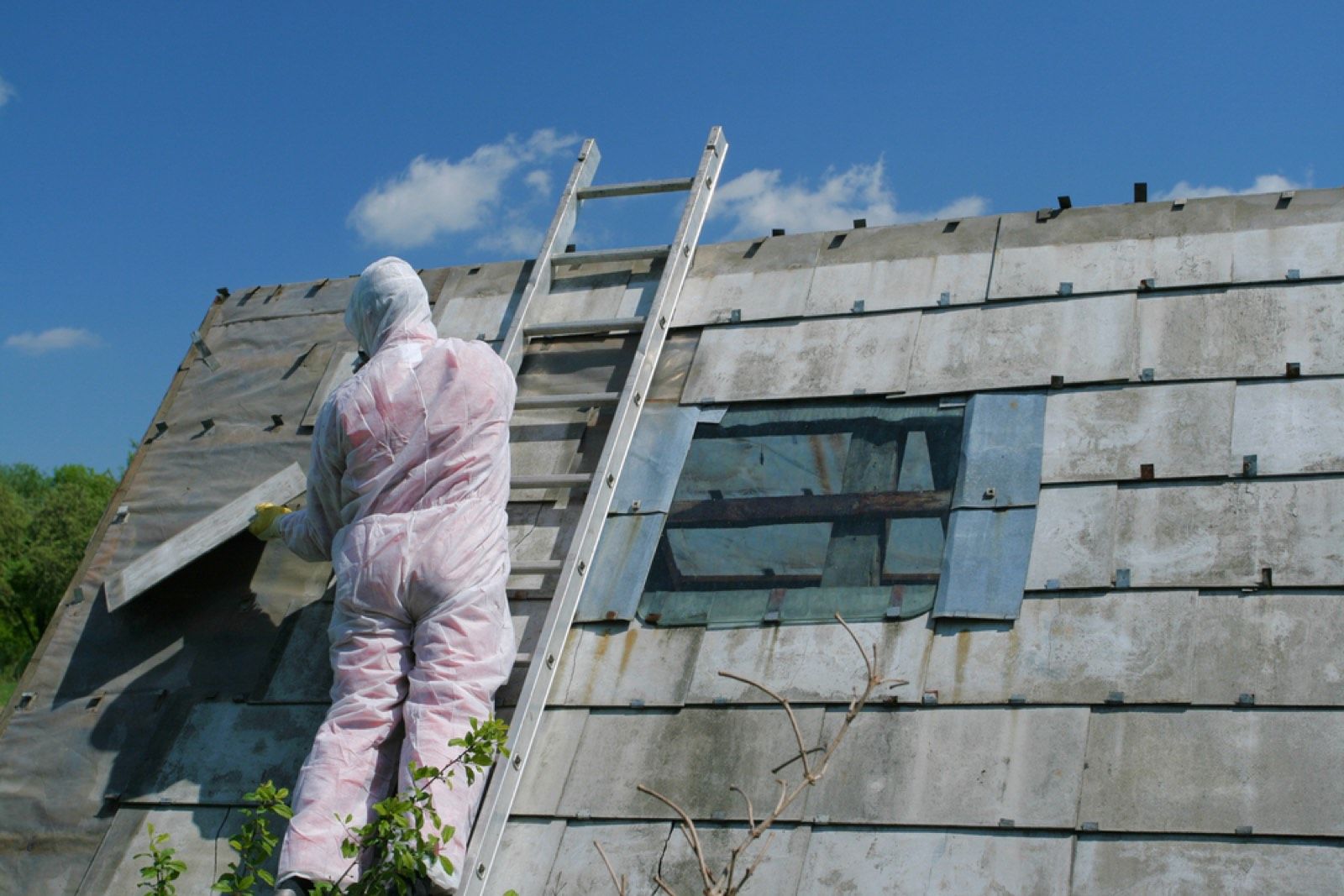
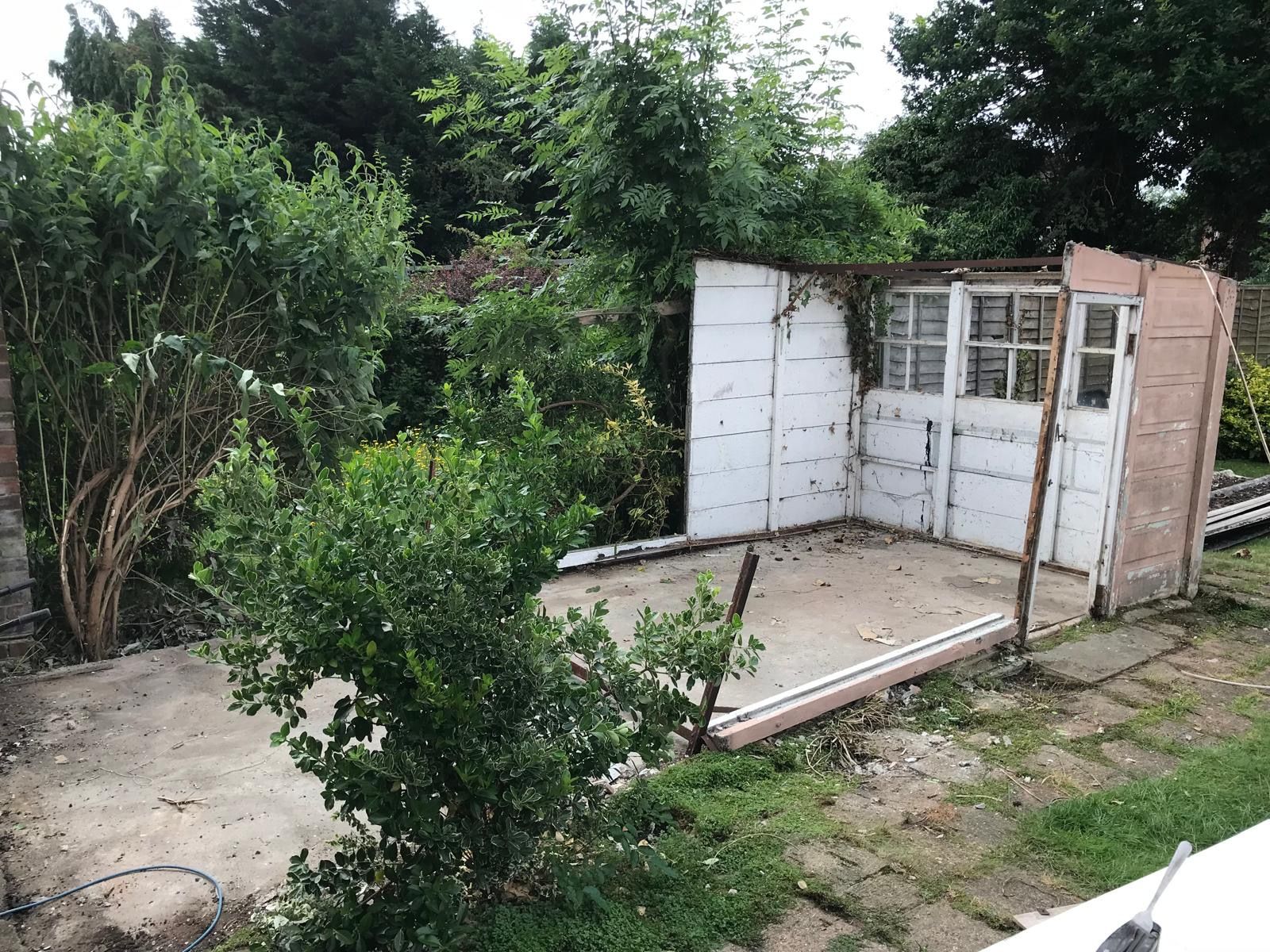
Concrete Asbestos Garage Removal, Cobham
Cobham, Surrey · Garage Removal
View this project"I used Clearaway Asbestos recently for an asbestos garage removal in my home. The staff were really friendly and professional and put me at ease the whole time they were working. I would recommend Clearaway Asbestos to anyone who needs asbestos removal services!"
Our Removal Process
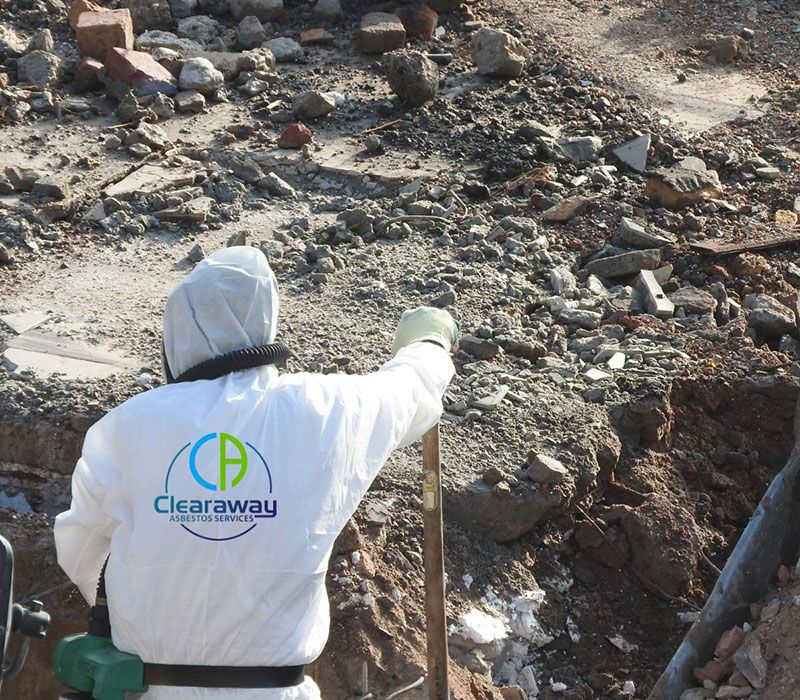
From first call to final certificate, every job follows the same clear four-step process.
Survey
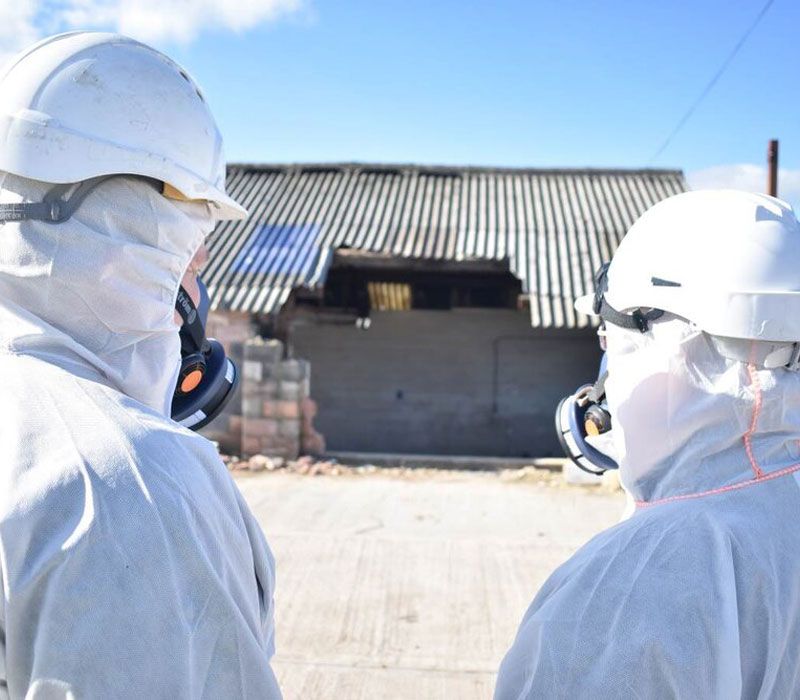
We inspect the property and confirm the material. Sampling available if required.
Quote
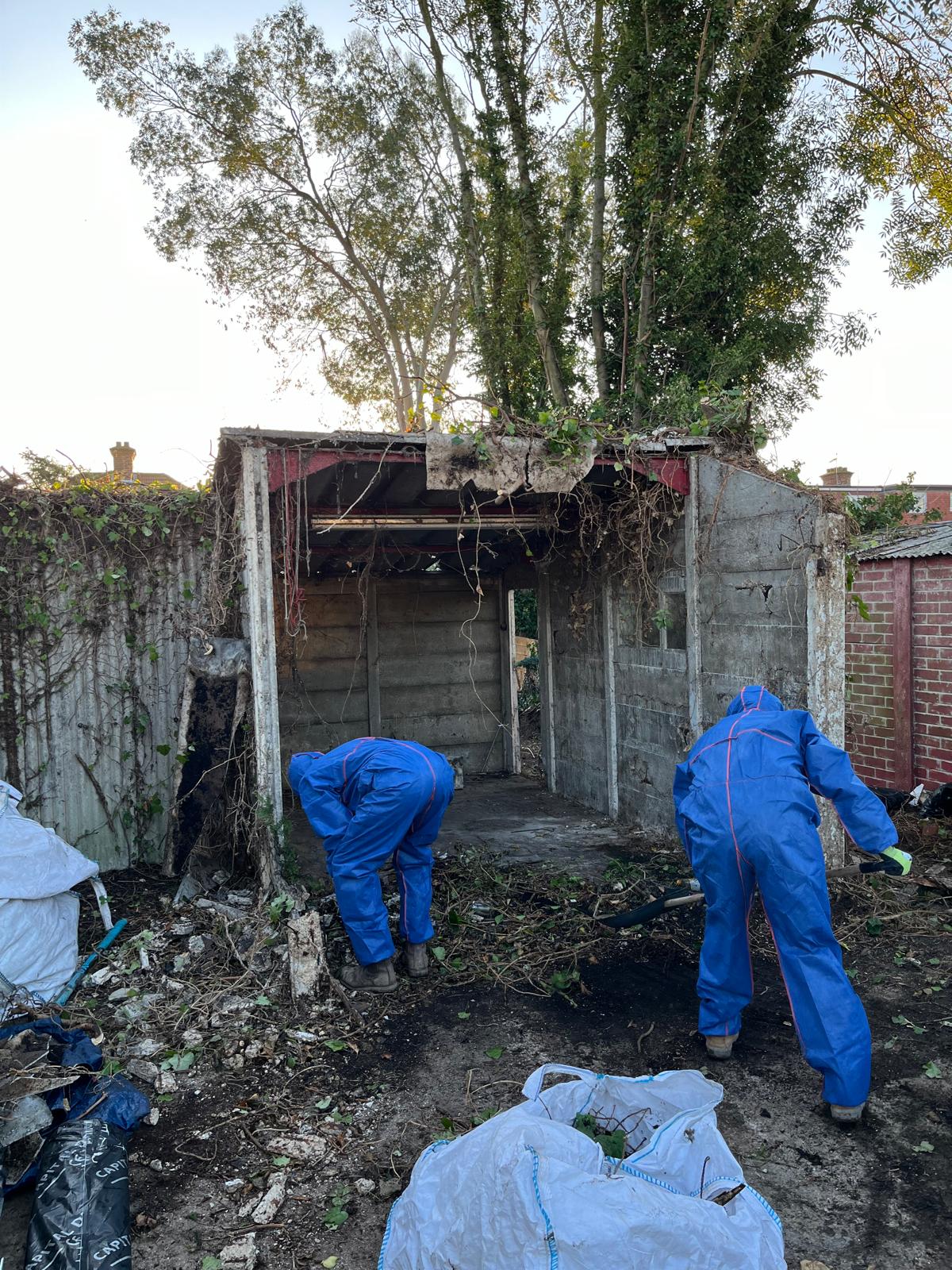
Fixed written price covering removal, disposal and any replacement work.
Removal
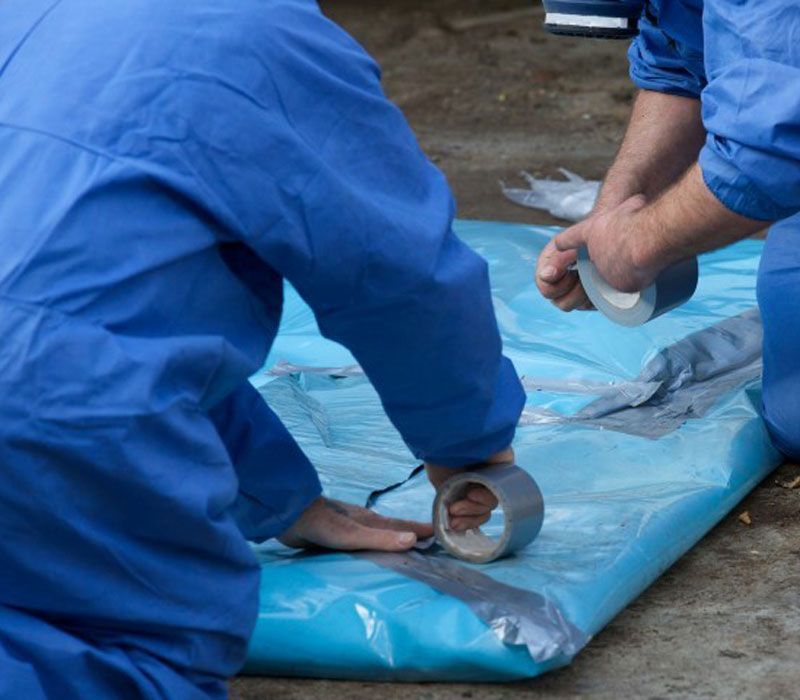
Material is removed safely, double-wrapped and taken to a licensed disposal facility.
Certificate
You receive a waste consignment note and disposal certificate confirming legal handling.
Frequently Asked Questions
Why Choose Clearaway
HSE Licensed Removal
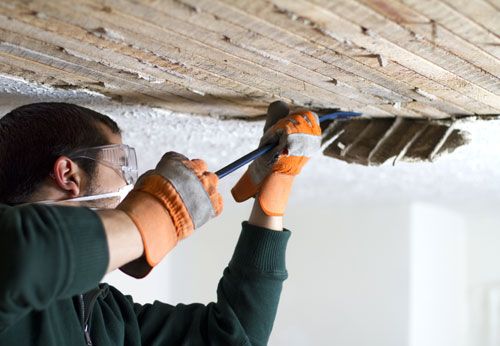
Higher-risk material handled under full enclosure, with the 14 days of HSE notice the law requires and independent clearance testing.
Planning Aware
Used to conservation areas and listed buildings: scaffold and access planned around the restrictions, original fabric protected.
Fully Licensed
Licensed asbestos removal contractor (Licence No. 142305706). Full public liability insurance on every job.
Our Own Team
We never subcontract. The people who quote your job are the people who do it.
Get in Touch
Send a few details about your project and we will come back the same working day with a fixed price. We cover Surrey, London and the South East, including Esher, Cobham, Kingston, Richmond, Epsom, Guildford, Woking and Croydon.