
Asbestos Surveys in Brighton
A lot of Brighton living space sits inside an old house carved into flats, and a survey is how you find out what the conversion left behind before anyone disturbs it. We assess and sample across the BN postcodes, then hand you a written report.
Why a survey, before anyone lifts a floor
Brighton has a particular kind of asbestos problem, and it is not the obvious one. The city is full of large Victorian and Regency houses that were split into flats decades ago, often more than once. Every conversion meant new ceilings, new partition walls, fresh boxing around pipes and boilers, and a lot of that work happened in the years when asbestos was still a normal building material. The fabric of the original house and the fabric of the conversion are layered on top of each other, and you cannot always tell which is which by looking. A first-floor flat in a Hanover terrace can hold three different eras of building work in the same hallway.
A survey does the looking for you. It is not removal and it is not a quote for removal. It is a methodical inspection of a property to find materials that may contain asbestos, record where they are, and judge what condition they are in. In a converted Brighton terrace that might mean artex on a hallway ceiling, an old insulating board panel inside an airing cupboard, lagging on a length of pipe in a basement flat, or cement soffits and gutters out on a bay-fronted front. Floor tiles hide under a later covering, and the black bitumen adhesive under them hides again below that. The survey writes all of it down in one place.
The reason this matters is simple. Asbestos that is sealed up and left alone is usually low risk. It becomes a problem the moment someone drills, cuts or rips it out without knowing it is there, and the salt air off the Channel does not help, because it weathers old cement faster here than it would inland. A survey tells you what you are dealing with before the disturbance, not after.

The two surveys, and which one you need
There are two types, and the difference is about what you intend to do with the building. A management survey is for a property that is staying in use as it is. It covers the materials you would meet in normal day to day living and light maintenance, and it is the right starting point for a flat or house that nobody is about to gut. Most homeowners and landlords in Brighton who simply want to know what is in the building are asking for this one.
A refurbishment and demolition survey is the more thorough version, and you need it before any real building work. If you are knocking through, taking a ceiling down, reconfiguring a flat or stripping a place back to the brick, this survey goes further and looks into the parts of the structure that a management survey leaves alone. It is intrusive by design, because the work that follows it will be intrusive too.
Picking the wrong one causes trouble later. A builder who turns up to a refurbishment armed with only a management survey is working half blind, and a homeowner who pays for a full refurbishment survey on a flat they are not touching has spent more than they needed to. In a Brighton conversion the line between the two surveys matters more than usual, because the parts a refurbishment survey reaches, behind the later partition walls and above the boxed-in ceilings, are exactly the parts the original house left covered up. Tell us what the plan for the building actually is and we will tell you which survey fits.
Buying, selling and renting in the BN postcodes
Two universities and a very large rental market shape who needs a survey here. A great deal of Brighton housing is let, and a good slice of that is houses in multiple occupation and student lets carved out of older stock. Landlords carry a duty to manage asbestos in the common parts of those buildings, and the only honest way to manage something is to know where it is first. A survey is the document that turns a vague worry into a clear list.
The pre-purchase angle is just as real. If you are buying a converted flat in Hanover or a bay-fronted house up near Preston Park, a survey before you exchange tells you whether there is asbestos in the fabric and what it might cost to deal with. That is information a solicitor can use and a price can reflect. A buyer who knows there is insulating board around the boiler can plan for it. A buyer who finds out the hard way, months after moving in, has lost the chance to factor it into the deal. Far better to find it during the purchase than to discover it the first time you take a wall down.
We are honest about distance here. We are based in Chessington in Surrey, around fifty miles up the road, so we are not the firm to call out for a single suspect tile. Where we earn the trip is the larger survey on a whole house or a block of flats, the kind of job where a proper inspection and a report you can rely on are worth more than a short drive.

What the lab tests and what you get back
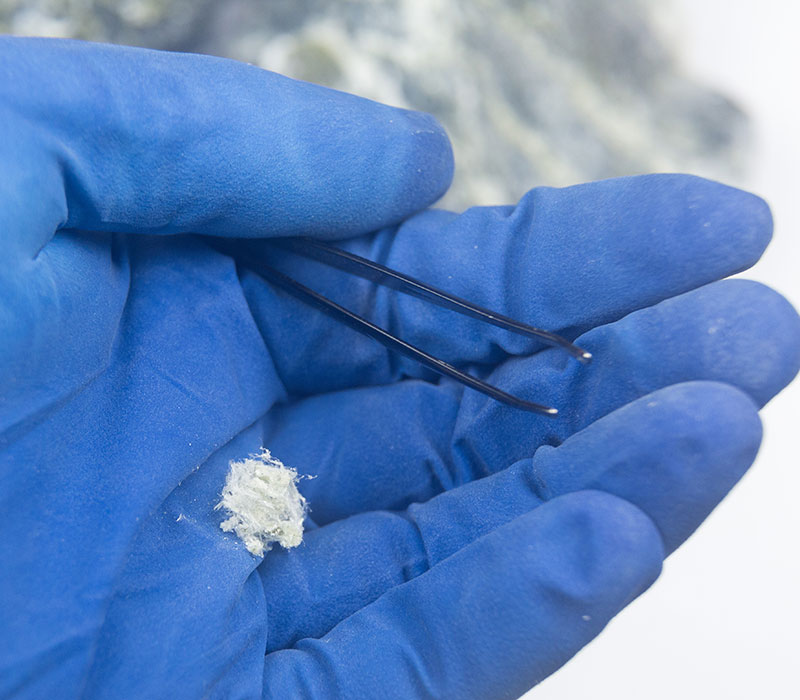
Finding a suspect material is only half of it. You cannot confirm asbestos by eye, and a guess is no use to a builder or a buyer. So where a survey turns up something questionable, we take a small controlled sample and send it to a UKAS-accredited laboratory, which is the standard that means the result will stand up. The lab confirms whether the material contains asbestos and what type, and that fact, not an opinion, is what goes in the report.
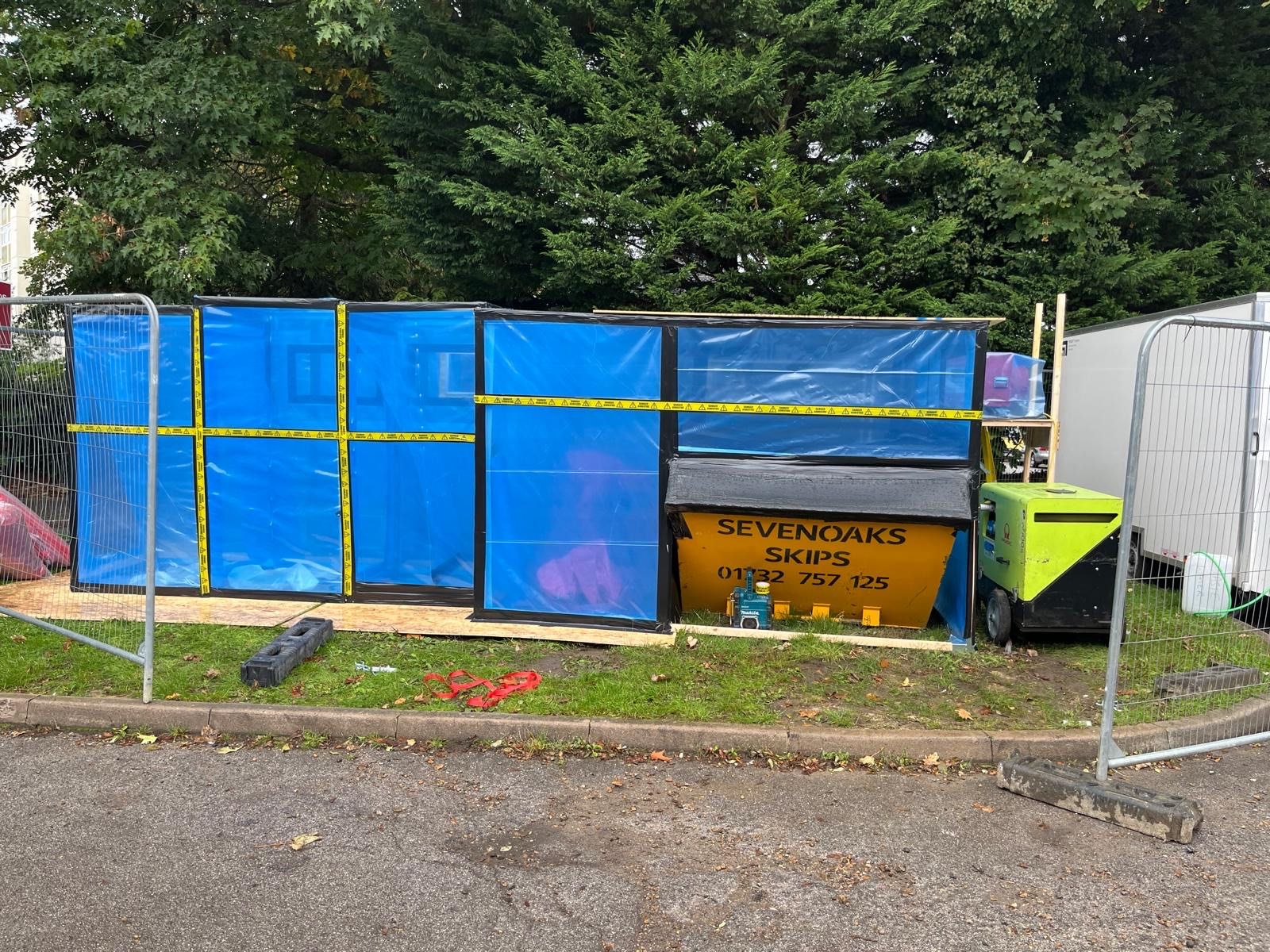
What you get back is a written survey report. It sets out what was inspected, what was found, where each material sits in the property, what condition it is in, and what the lab said about the samples. It is a document you can hand straight to a builder so they know what to avoid, to a solicitor handling a sale, or to a buyer who asked the question. One report, covering the whole property, that everyone involved can read from. If the report does flag higher-risk licensed material, that is where the rest of our work comes in. Clearaway holds Spectra licence number 142305706, and for that licensed work the process is strict, with fourteen days of notice to the HSE, full enclosure of the area, and four-stage clearance testing signed off by an independent analyst before the space is handed back. We have been working across this part of the South East for more than seven years, the owner Graham still runs the jobs himself, and if you want a survey on a Brighton property the number is 0800 024 6168.
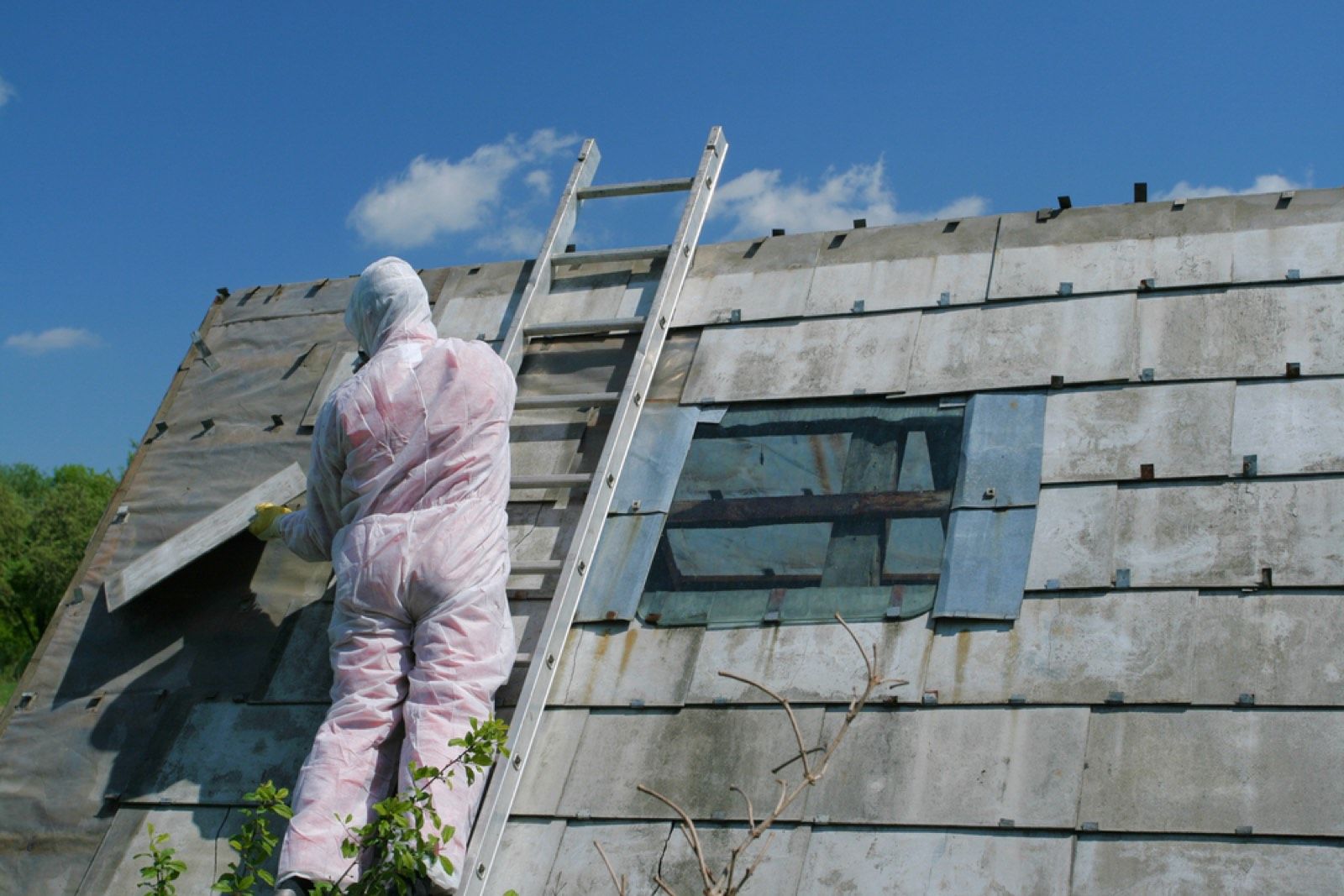
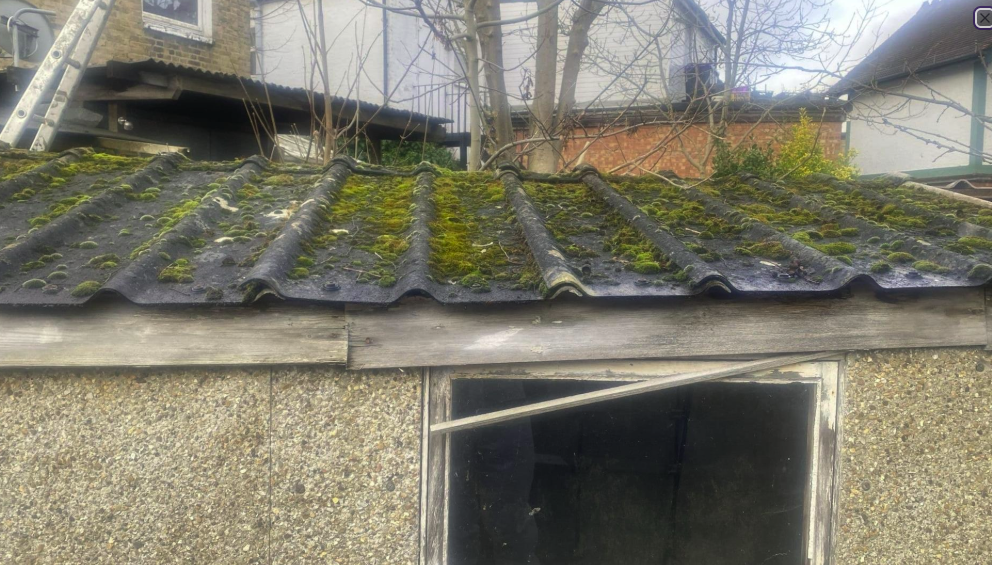
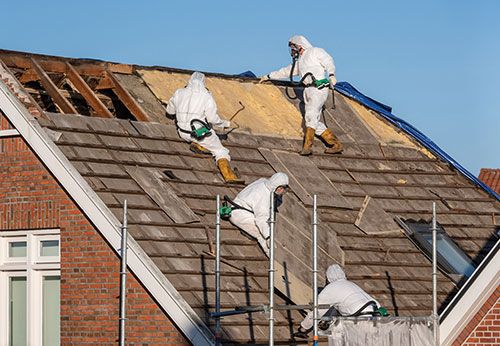
Asbestos Roof Removal and Framework Strip, Claygate
Claygate, Surrey · Roof Removal
View this project"I used Clearaway Asbestos recently for an asbestos garage removal in my home. The staff were really friendly and professional and put me at ease the whole time they were working. I would recommend Clearaway Asbestos to anyone who needs asbestos removal services!"
Our Removal Process
From first call to final certificate, every job follows the same clear four-step process.
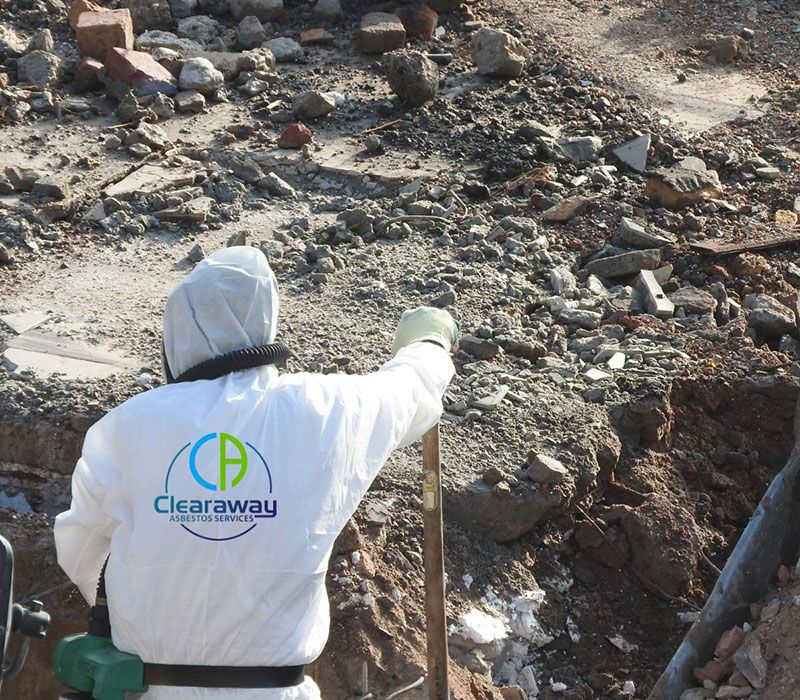
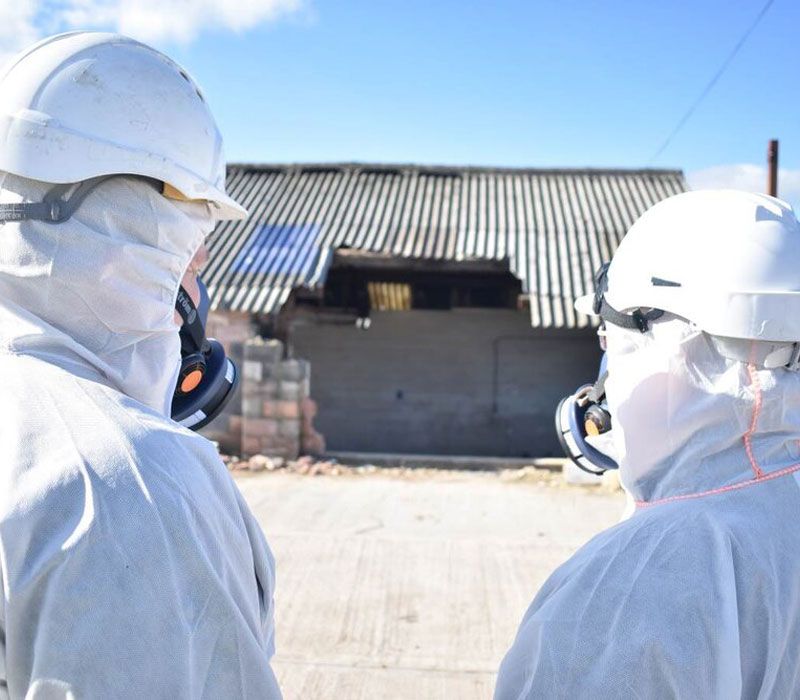
Survey
We inspect the property and confirm the material. Sampling available if required.
Quote
Fixed written price covering removal, disposal and any replacement work.
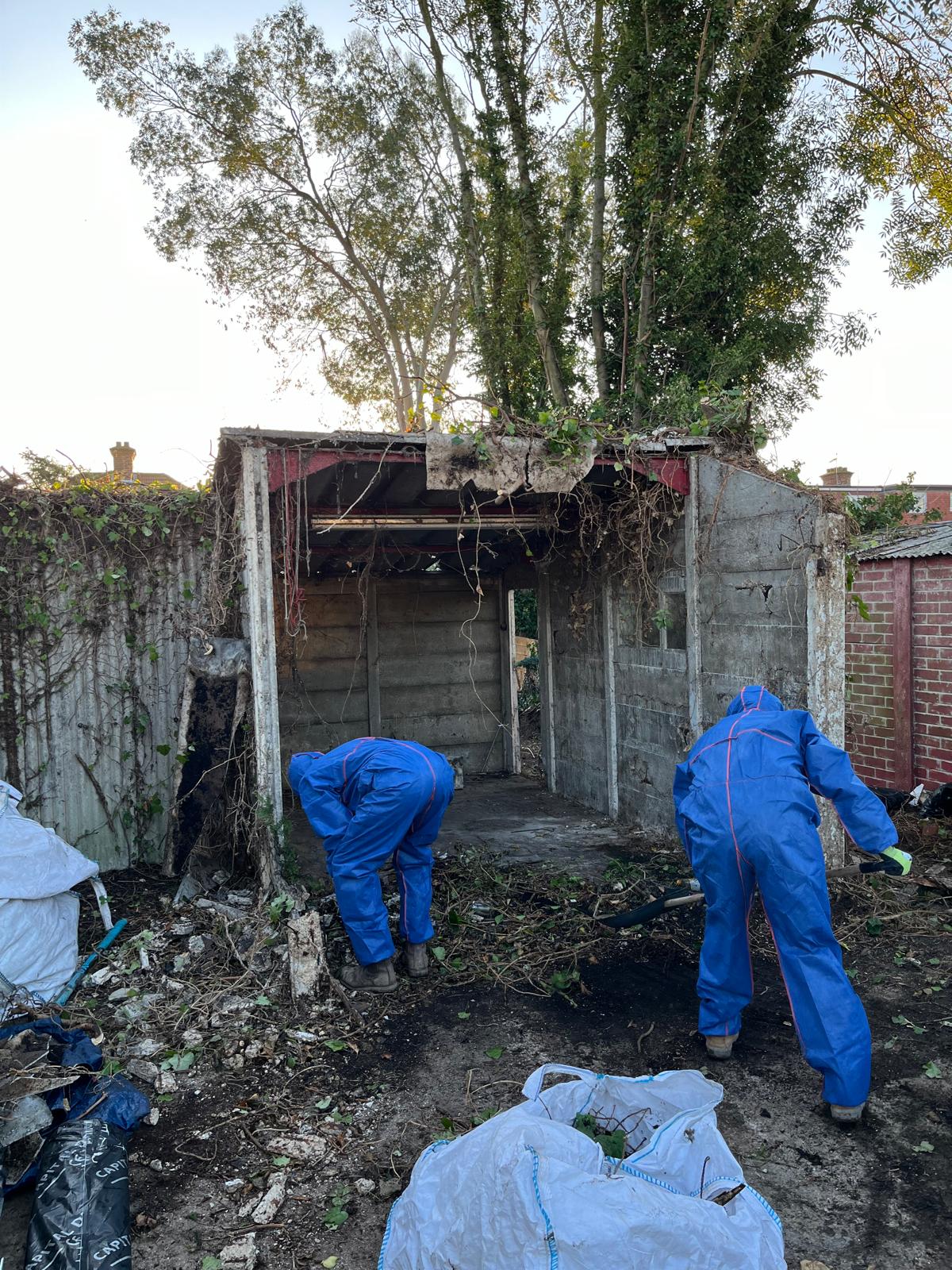
Removal
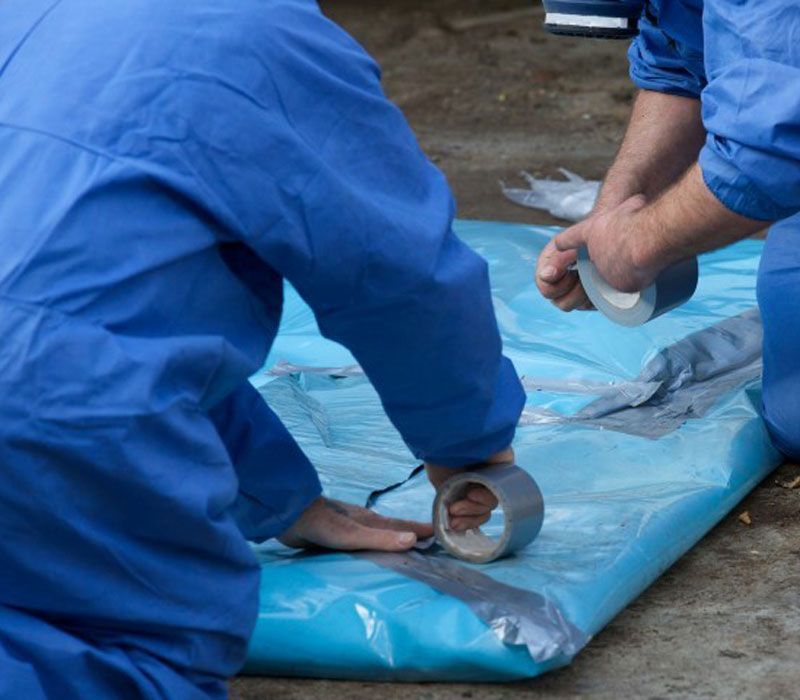
Material is removed safely, double-wrapped and taken to a licensed disposal facility.
Certificate
You receive a waste consignment note and disposal certificate confirming legal handling.
Frequently Asked Questions
Why Choose Clearaway
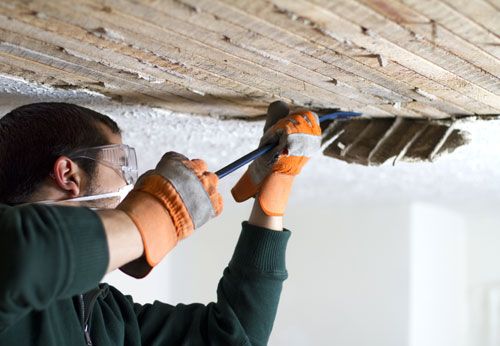
Specialist Crew
Asbestos work is all we do, every day, across the South East.
Fully Licensed
Licensed asbestos removal contractor (Licence No. 142305706). Full public liability insurance on every job.
Local & Fast
Surrey-based. Most domestic jobs are booked in and finished within a week.
Our Own Team
We never subcontract. The people who quote your job are the people who do it.
Get in Touch
Send a few details about your project and we will come back the same working day with a fixed price. We cover Surrey, London and the South East, including Esher, Cobham, Kingston, Richmond, Epsom, Guildford, Woking and Croydon.