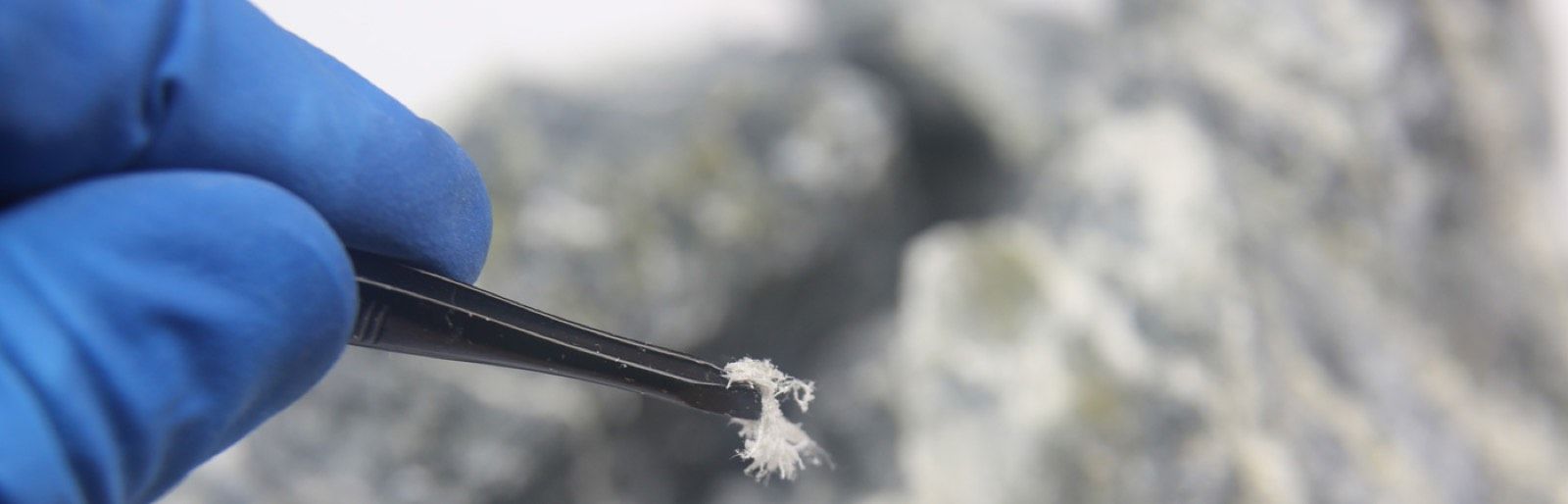
Asbestos Sampling in Wimbledon
Most Wimbledon homes hide something worth checking before work starts. A suspect garage roof, a textured ceiling, old floor tiles under the lino. Sampling confirms what it is for a small fee, long before anyone lifts a tool.
The thing you found before the work began
It usually starts with a small discovery. A Wimbledon homeowner pulls up a corner of worn carpet in a 1930s semi towards Raynes Park and finds old vinyl tiles bedded into black adhesive. Someone clearing a garage off the Village notices the corrugated roof sheets have gone soft and crumbly at the edges. A landlord near South Wimbledon, about to refresh a rented terrace, looks up at a textured ceiling and wonders what is in it. The honest answer is that you cannot tell by looking, and a lot of the materials that worry people sit in houses that went up well before asbestos was banned.
That is the whole reason sampling exists. Before you commit to removal, before you exchange on a purchase, before a builder swings a hammer at something questionable, you want to know one plain fact: does this specific material contain asbestos or not. Sampling answers that question and very little else. It is the cheap first move, the one that tells you whether you have a problem at all. Get it wrong and you either pay to remove something that was perfectly safe, or you cut into something dangerous without knowing.
Graham, who runs Clearaway and lives nearby in Chessington, takes these calls regularly from across SW19 and SW20. Some come from buyers who have read a survey line that says further investigation recommended and do not know what it means. Some come from people partway through a refit who have hit something they were not expecting. Half of them turn out to be nothing. The other half are far better caught early, while they are still a sample and not a surprise mid-job, before the cost and the worry have a chance to grow.

How a sample is actually taken
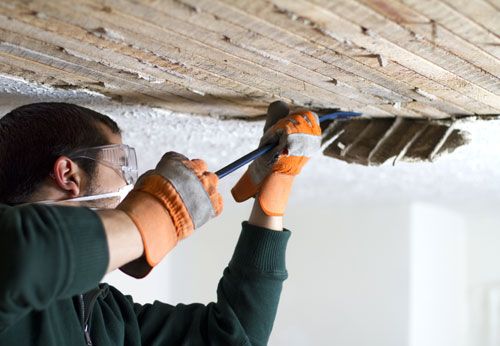
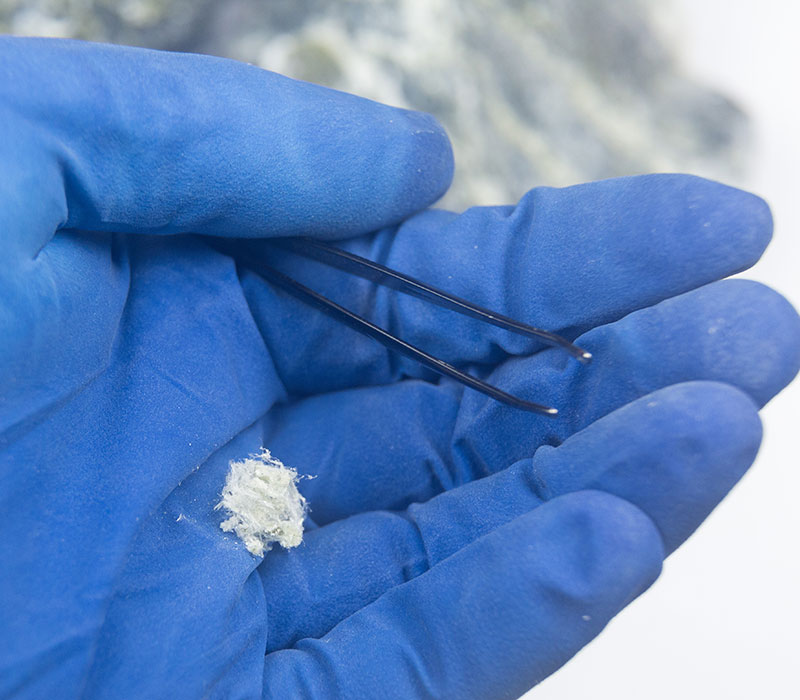
A sample is small. A piece of the suspect material, often no bigger than a few centimetres, taken from one item: a single ceiling, one stretch of floor, the corner of a garage sheet. The point is to disturb as little as possible while getting enough to test properly. You are not pulling the thing apart, you are taking a representative piece and leaving the rest alone.
It is done under controlled conditions because asbestos is only dangerous once its fibres are loose in the air. The area around the spot is dampened down and contained, the piece is lifted carefully rather than snapped off, then the surface is sealed again so nothing is left open. The sample goes into a sealed bag, labelled with exactly where in the house it came from, so the result can be traced back to the right ceiling or the right run of floor. None of this takes long for a single item, and in an occupied home it is far less disruptive than people expect. There is no skip, no enclosure, no stripping out, because nothing is being removed yet. You are gathering evidence, not doing the work.
Wimbledon properties throw up the same suspects again and again. Corrugated cement on garage and shed roofs. Textured artex on ceilings and walls. Asbestos insulating board around boilers and in the loft conversions that are common up the hill in the Village. Vinyl and thermoplastic floor tiles with that stubborn black bitumen adhesive underneath. Pipe lagging in the older houses, cement soffits and gutters on the interwar semis towards Raynes Park. Each one looks ordinary. Each one needs the same answer before you touch it, and a sample is the quickest way to get it.

Why the lab does the deciding
The sample does not get a verdict on the doorstep. It goes to a UKAS-accredited laboratory, where it is examined under a microscope by people whose job is to identify fibres and nothing else. That accreditation matters. It means the result is one a builder, a solicitor or a mortgage lender will accept, not a guess from someone holding a torch. A scribbled opinion is worth little if a conveyancer or a buyer asks for proof. A lab certificate is the thing that actually settles it.
Results come back in a few working days. Either the material is clear, in which case you carry on with your refit or your sale and stop worrying about it, or it contains asbestos, in which case you now know precisely what you are dealing with and can plan around it. Often the news is good, and a textured ceiling people had braced themselves over turns out to be nothing of concern. When it is not good, you have at least caught it at the cheapest possible stage, before any work disturbed it.
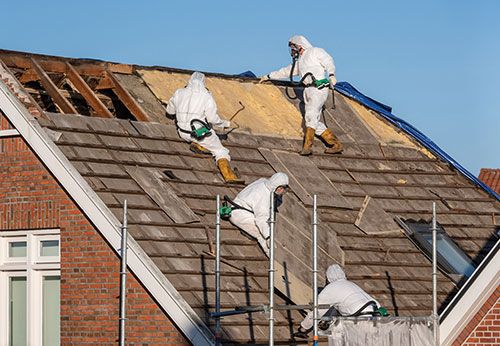
The report also feeds straight into whatever comes next. If a Wimbledon garage roof tests positive, the result tells you the type, which shapes how the removal is handled and what it is likely to cost. If a textured ceiling in a rented terrace near the station turns out to be asbestos insulating board rather than ordinary artex, that pushes it into higher-risk licensed work, with full enclosure, fourteen days of notice to the HSE and four-stage clearance testing by an independent analyst once it is out. None of that is decided on a hunch. The sample is where all of it begins.

Sampling, or the full survey
People ring up asking for a survey when what they actually need is a sample, and the other way round, so it helps to be clear about the difference. Sampling tests specific items you already suspect. You point at the garage roof, or the floor tiles, or the boiler cupboard, and ask whether that one thing contains asbestos. It is narrow by design, and that is what keeps it cheap.
A full survey is broader. It is an inspection of the whole property, working room by room to find everything that might contain asbestos, including the materials you would never have thought to question. If you are buying a converted flat near Wimbledon Park, or a landlord wants the complete picture across a portfolio, a survey is the right call. If you have found one worrying thing and want to know what it is before a refit, sampling is usually all you need. A good rule: one suspect item, take a sample; the whole house, book a survey.
If you are not sure which way to go, it is worth a quick conversation rather than a guess. Clearaway has spent more than seven years working across this part of south-west London and carries the Spectra licence, number 142305706, for the higher-risk work that sometimes follows a positive result. To talk through a sample on a Wimbledon property, or simply to ask whether you need one at all, call 0800 024 6168.
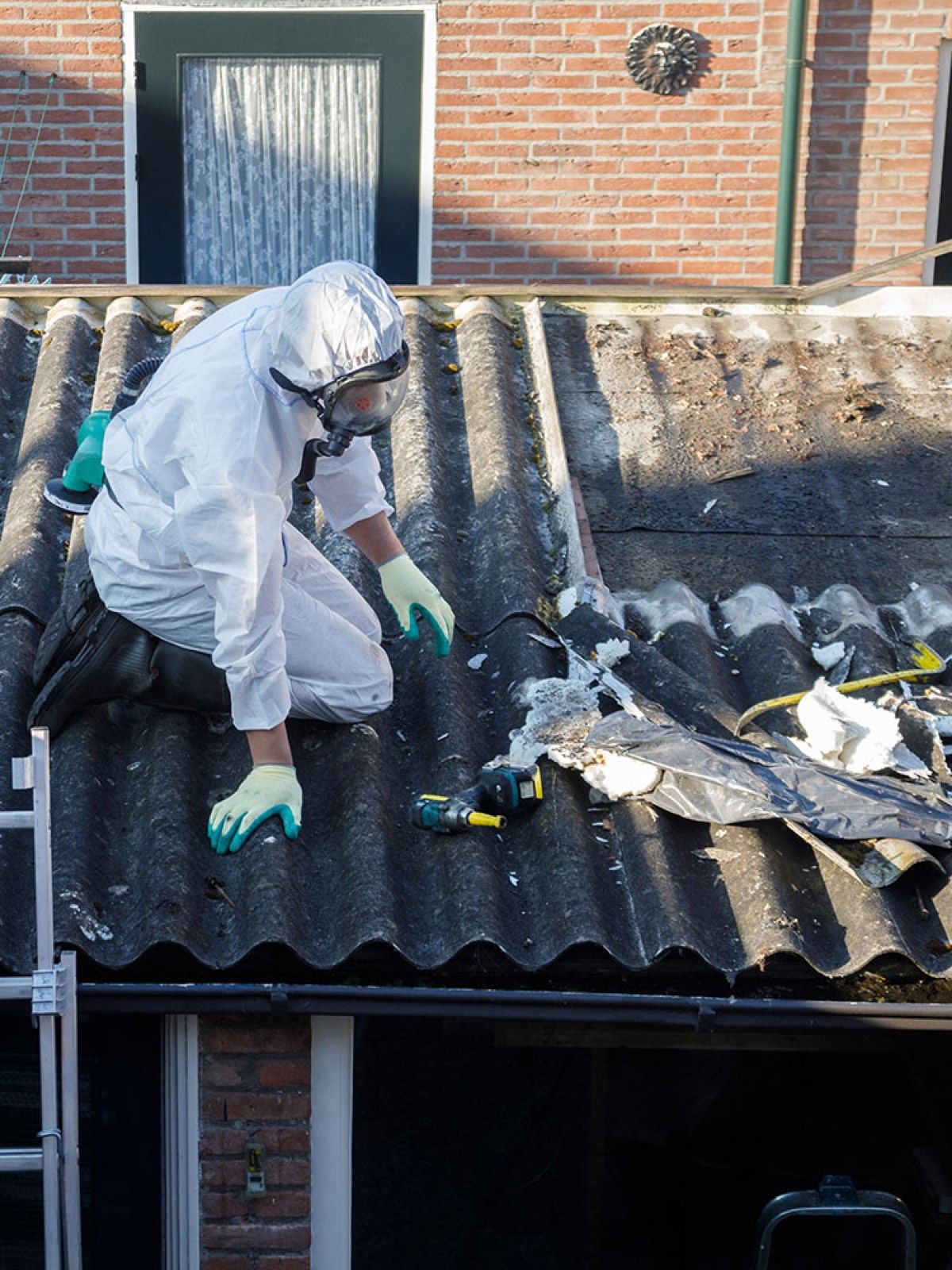
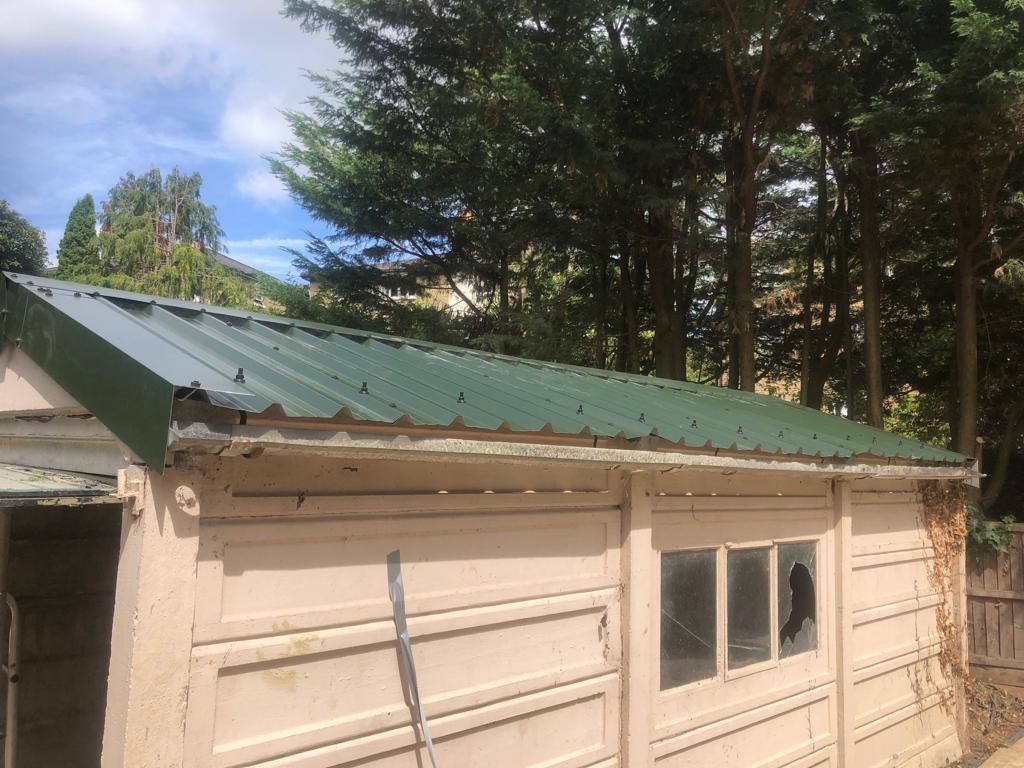
Asbestos Roof Removal and Steel Box Profile Renewal, Putney
Putney, South West London · Roof Removal & Renewal
View this project"I used Clearaway Asbestos recently for an asbestos garage removal in my home. The staff were really friendly and professional and put me at ease the whole time they were working. I would recommend Clearaway Asbestos to anyone who needs asbestos removal services!"
Why Choose Clearaway
Landlord Compliant
Survey reports and waste consignment notes that satisfy managing agents, lenders and a tenant's right to a safe home.
UKAS Accredited Testing
Every suspect material sampled and confirmed by a UKAS-accredited laboratory before any removal begins.
Fully Licensed
Licensed asbestos removal contractor (Licence No. 142305706). Full public liability insurance on every job.
Our Own Team
We never subcontract. The people who quote your job are the people who do it.
Frequently Asked Questions
Our Removal Process
From first call to final certificate, every job follows the same clear four-step process.
Survey
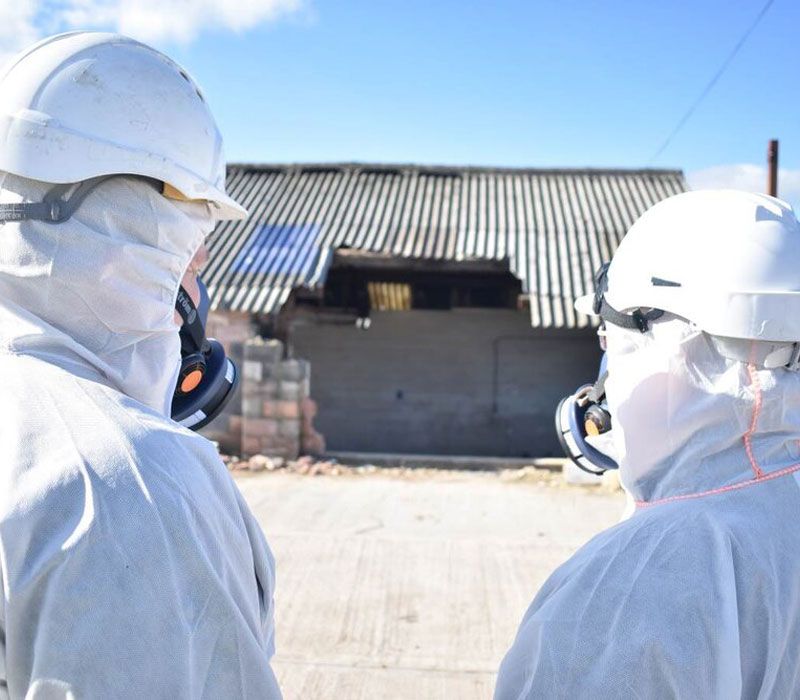
We inspect the property and confirm the material. Sampling available if required.
Quote
Fixed written price covering removal, disposal and any replacement work.
Removal
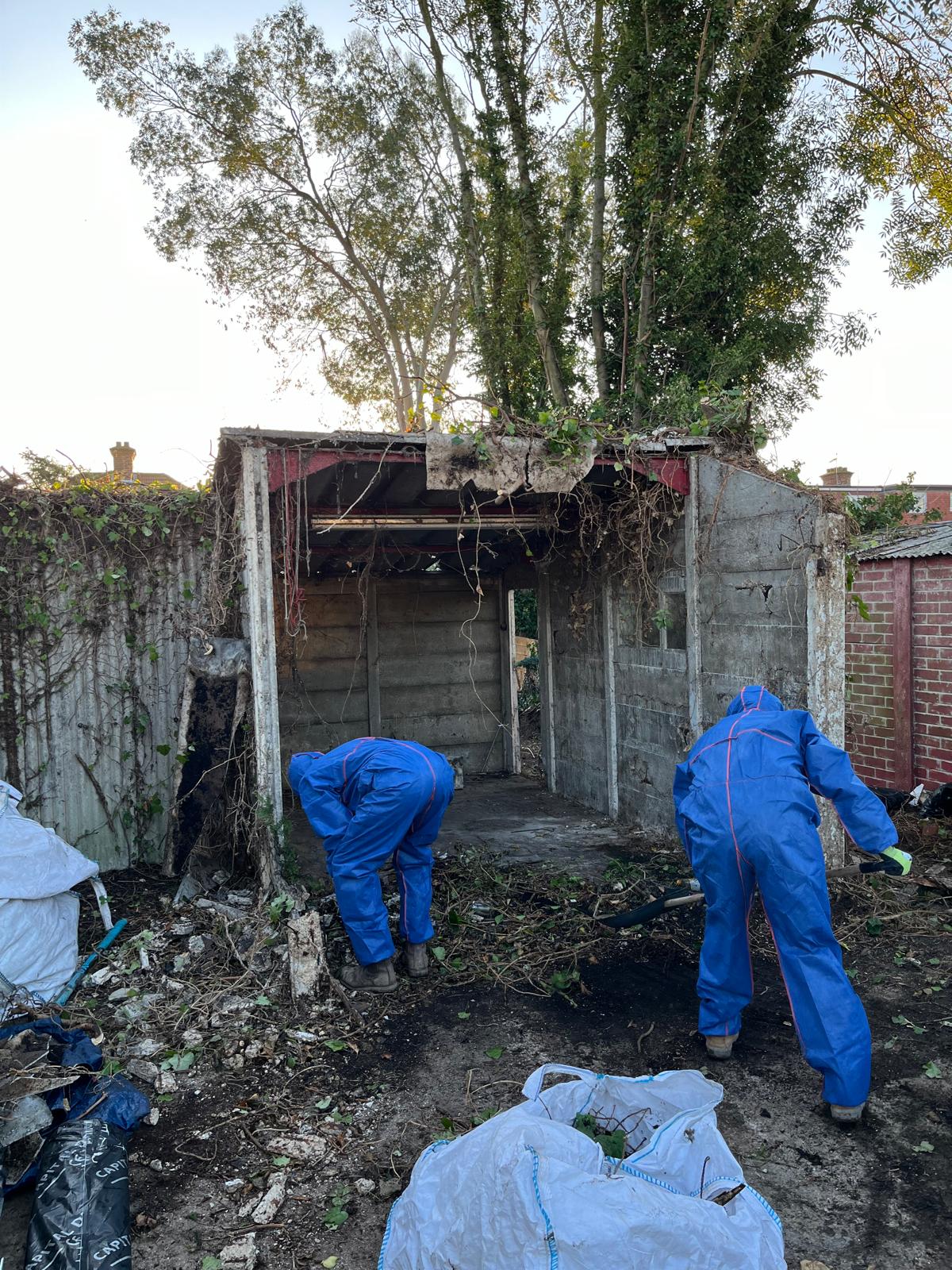
Material is removed safely, double-wrapped and taken to a licensed disposal facility.
Certificate
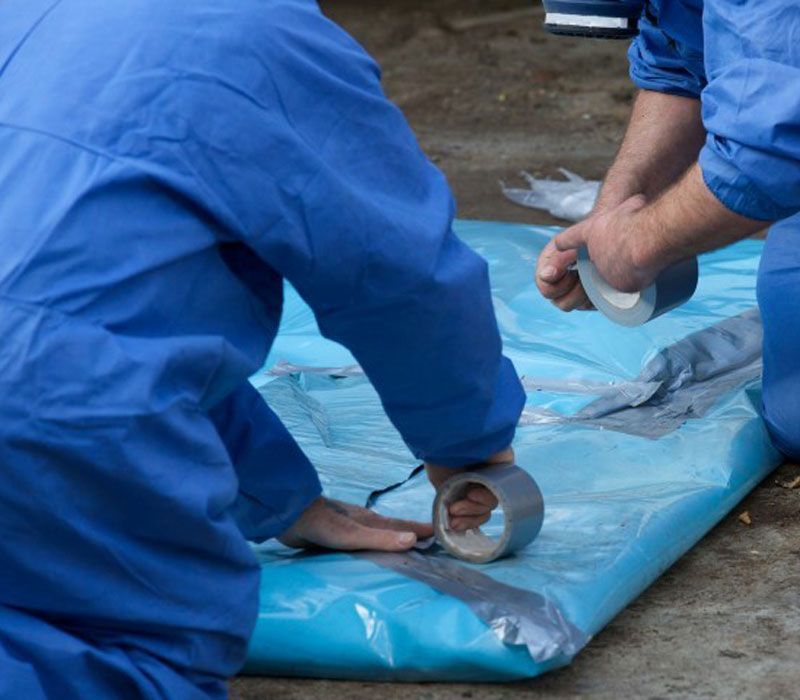
You receive a waste consignment note and disposal certificate confirming legal handling.
Get in Touch
Send a few details about your project and we will come back the same working day with a fixed price. We cover Surrey, London and the South East, including Esher, Cobham, Kingston, Richmond, Epsom, Guildford, Woking and Croydon.