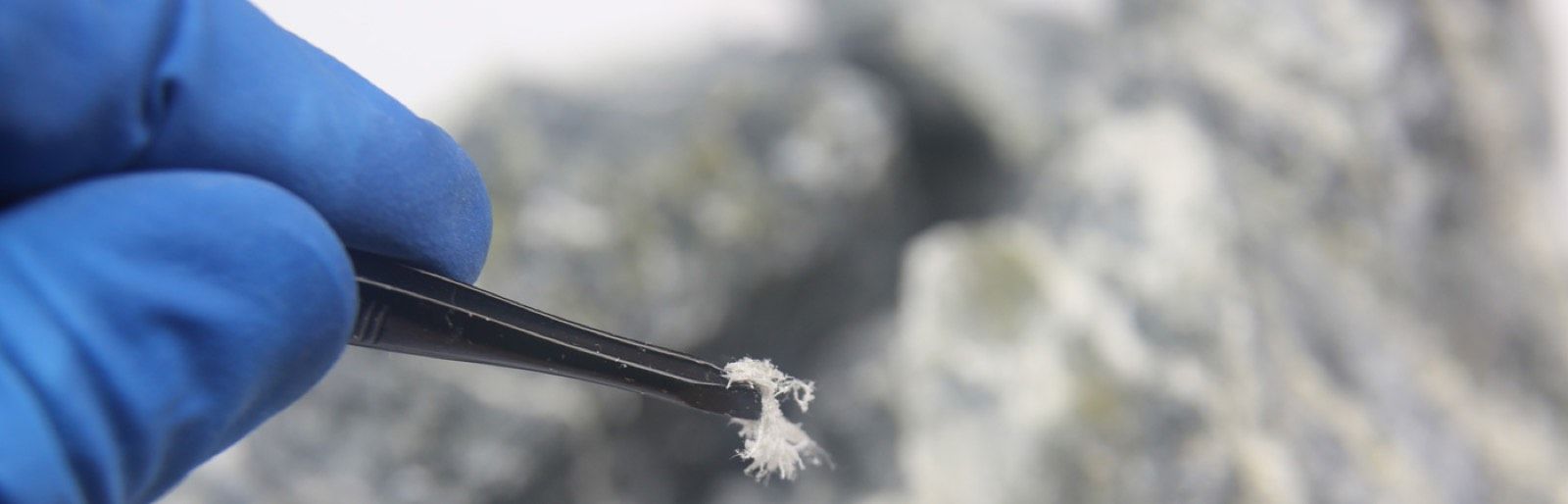
Asbestos Sampling in Weybridge
Asbestos sampling across Weybridge and the wider Elmbridge area, from the period houses around Church Street and Monument Hill to St George's Hill and Oatlands. One suspect material, a controlled sample, a lab result in a few working days before any work starts.
Before the Renovation Starts
Most Weybridge sampling jobs begin the same way. Someone is about to pull up old lino in a kitchen, sand back a textured ceiling, or strip out a tired bathroom, and they stop because they are not sure what the material is. That pause is the right instinct. A single suspect item, an artex coating, a few floor tiles, a sheet over the garage, can be confirmed one way or the other before a tool ever touches it, and that is what sampling is for. It is the smallest, least disruptive thing we do, and very often it is all a job needs.
Weybridge has the kind of housing where this comes up often. The older centre around Church Street and Monument Hill holds Victorian and Edwardian houses, the St George's Hill estate took shape from the early 1900s, and the roads out towards Oatlands and Walton filled in through the interwar and postwar decades. Asbestos was a normal part of the UK building trade until the ban arrived in 1999, so the great majority of these homes went up while it was still in everyday use. Plenty of them have been extended, modernised and re-roofed since, which means suspect material can turn up in a 1930s semi just as easily as in an Edwardian villa.
Sampling is the cheap, quick first step that tells you whether the thing you are about to disturb actually contains asbestos. It is not the removal, and it is not a full inspection of the house. It answers one question about one material, and it answers it properly, so you are not making decisions on a guess. For a lot of Weybridge homeowners that is exactly what they want at the start of a project: a clear yes or no on the one thing that has given them pause, without committing to anything bigger until they have it.

Why You Cannot Tell By Eye
Asbestos cannot be confirmed by sight, even by people who handle it constantly. Two ceilings that look identical can return entirely different lab results. The same goes for floor tiles, soffits and old garage sheets. Age and appearance give you a hint, nothing more, which is why guessing is never good enough before work that breaks the material apart. A sheet that looks like ordinary cement may hold asbestos fibres, and a coating that looks suspect may turn out clear.
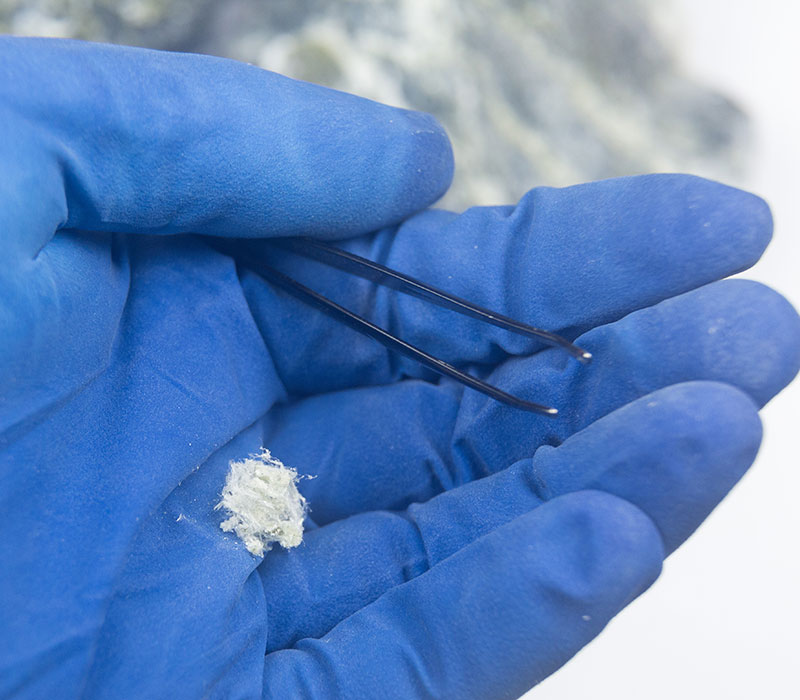
That is the gap sampling closes. We take a small piece of the suspect material under controlled conditions, keeping any release of fibres down while the sample is lifted, then send it to a UKAS-accredited laboratory for analysis. The result comes back within a few working days and is plain: the material either contains asbestos or it does not. There is no room left for doubt and no need to act on appearance alone.
From there you know where you stand. If the result is clear, you carry on with your kitchen or your floor knowing the item is safe to disturb. If it is positive, you know to stop and have it removed properly rather than sand or drill it and send fibres through the house. Either way the decision is based on a lab result rather than a hunch, which matters most in the older Weybridge homes where one room can hold material from several different decades. We would always rather test than assume, and a sample is what makes that possible without tearing into the building first.

What People In Weybridge Sample
The reasons split into a few clear groups. The most common is a renovation about to disturb something, the artex on a hallway ceiling, the vinyl tiles and the black adhesive bedded under them, a length of pipe lagging found in an older Edwardian or Victorian house. If a sander, a drill or a chisel is about to go near it, sampling first settles the question before any of it is broken open. It is far better to lose a few days waiting on a result than to disturb the material and deal with the fallout afterwards.
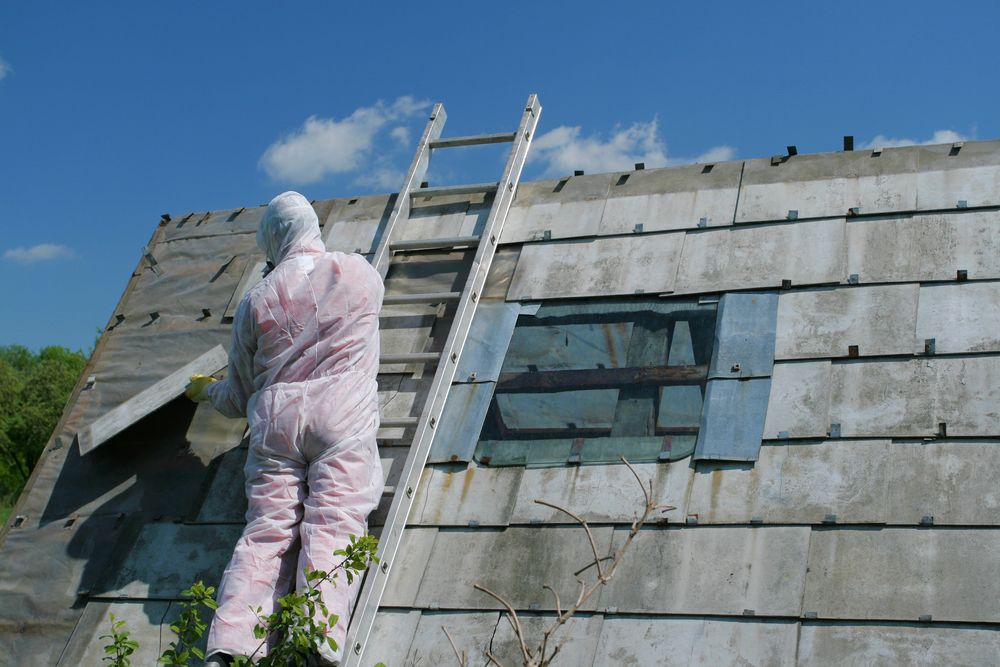
A suspect garage or outbuilding roof is the other regular one. Across Weybridge the corrugated cement sheet fitted between the 1950s and the 1980s is the classic find, weathered by every winter since, and a quick sample confirms what it is before any decision about taking it down. Homeowners often suspect what it is already, but a sample turns that suspicion into a clear answer they can plan around.
The third group is the pre-purchase check. Buyers and their solicitors near Monument Hill and across the KT13 postcode often want one specific material confirmed before they commit, and a single sample with a clear lab result gives them that without the cost of a fuller inspection. It is a sensible, low-cost way to settle a worry about a property that is otherwise right, and it puts a documented result in front of everyone involved. Whatever the reason, the work is the same: one suspect item, a controlled sample, and a clear answer from the lab before anything is disturbed or any money changes hands.

Sampling Or A Full Survey
It helps to be clear on the difference, because the two get mixed up. Sampling tests specific items you already suspect. You point at the ceiling, the tiles or the garage roof, and we confirm those and only those. A survey is wider. It inspects the whole property to find and assess everything that might contain asbestos, and it comes back as a written report you can hand to a builder, a solicitor or a buyer.
Which one you need depends on the job. If you are disturbing one known material, a sample is usually all it takes and the cheaper route by far. A management survey suits a home that is staying lived-in, while a refurbishment and demolition survey is the deeper inspection needed before structural work or a knock-through. Plenty of Weybridge jobs start with a single sample and only move up to a survey if the result, or the scale of the planned work, calls for it. We will tell you honestly which is the sensible step rather than push you towards the larger one.
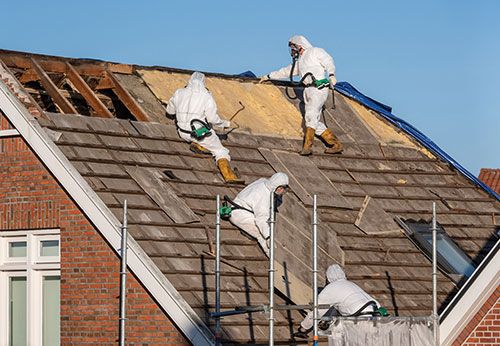
For higher-risk licensed materials, the work that follows is held to the strictest standard: 14 days of notice to the HSE, removal under full enclosure with continuous air monitoring, and independent four-stage clearance testing before the space is signed off. We hold Spectra licence number 142305706, we have worked across Surrey, Sussex and south-west London for more than seven years, and a sample is the smallest, least disruptive way to find out where you stand. To arrange asbestos sampling in Weybridge, call 0800 024 6168.
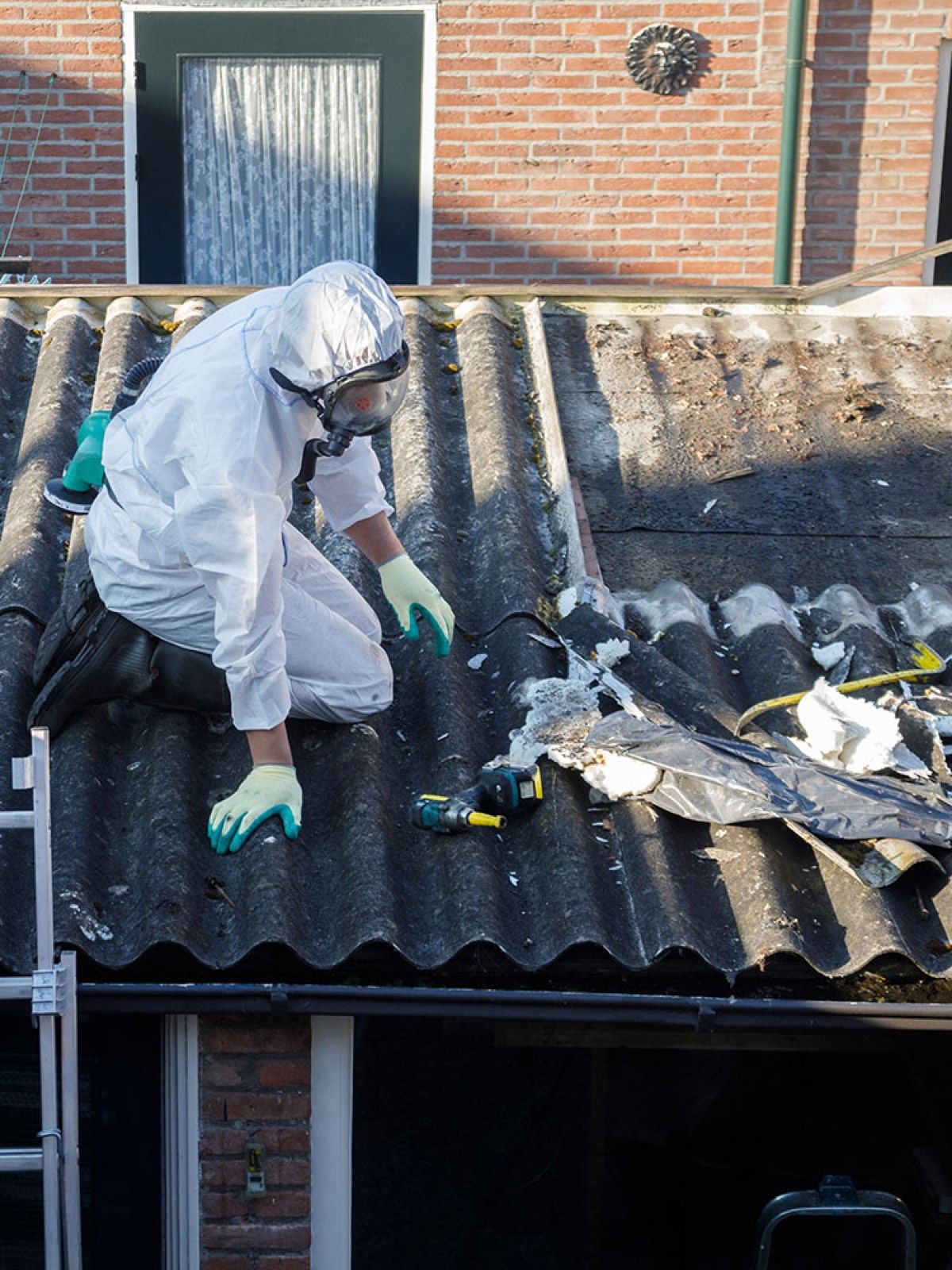
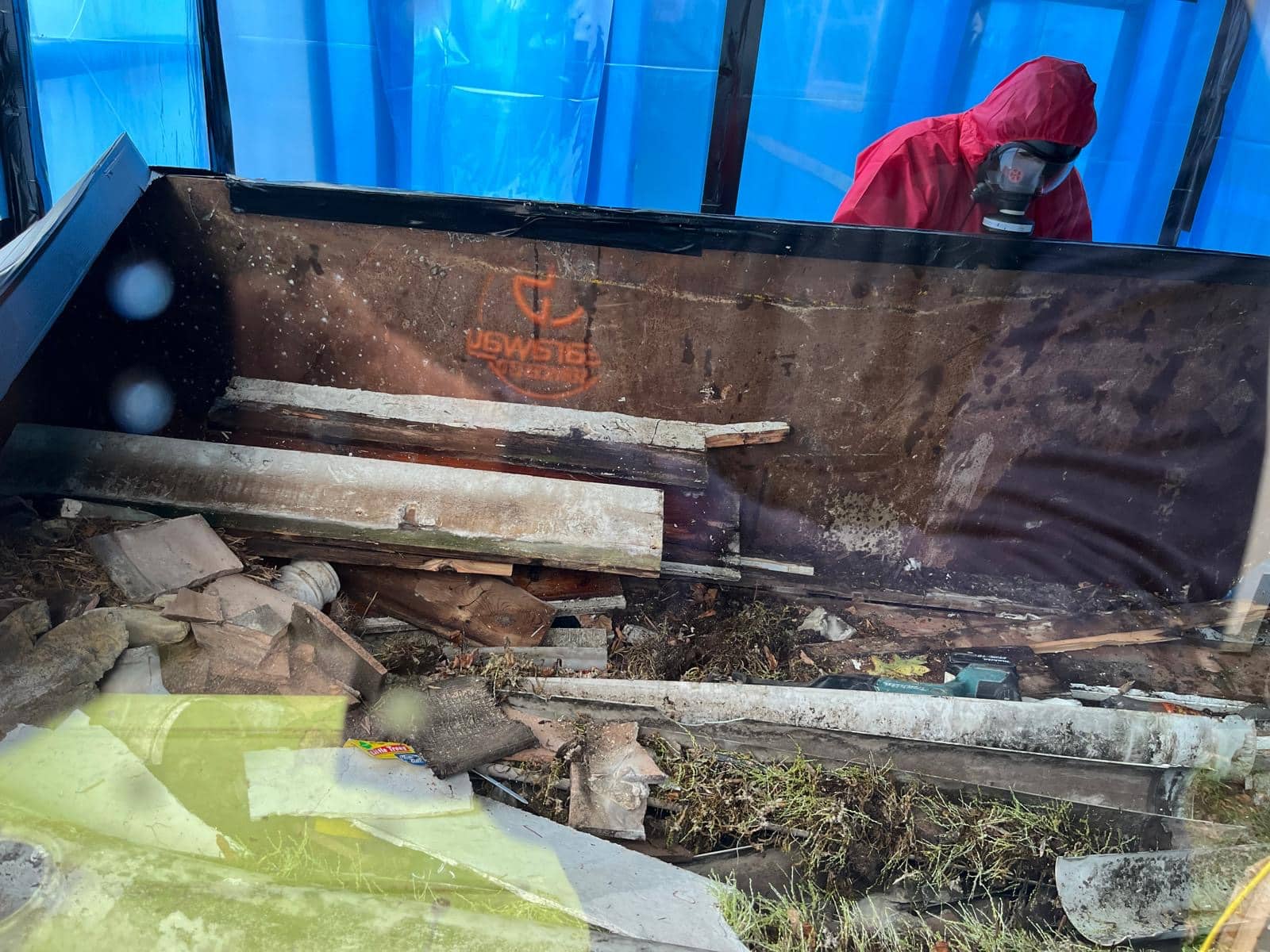
Licensed Asbestos Removal, Weybridge
Weybridge, Surrey · Licensed Removal
View this project"Graham and his team done an excellent job of removing and replacing my asbestos garage roof and I wouldn't hesitate in recommending them"
Our Removal Process
From first call to final certificate, every job follows the same clear four-step process.
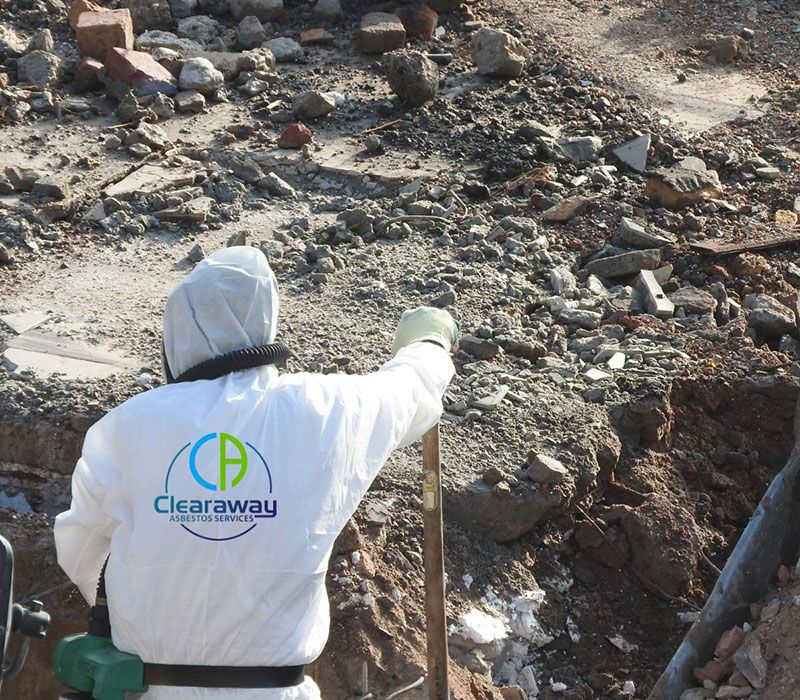
Survey
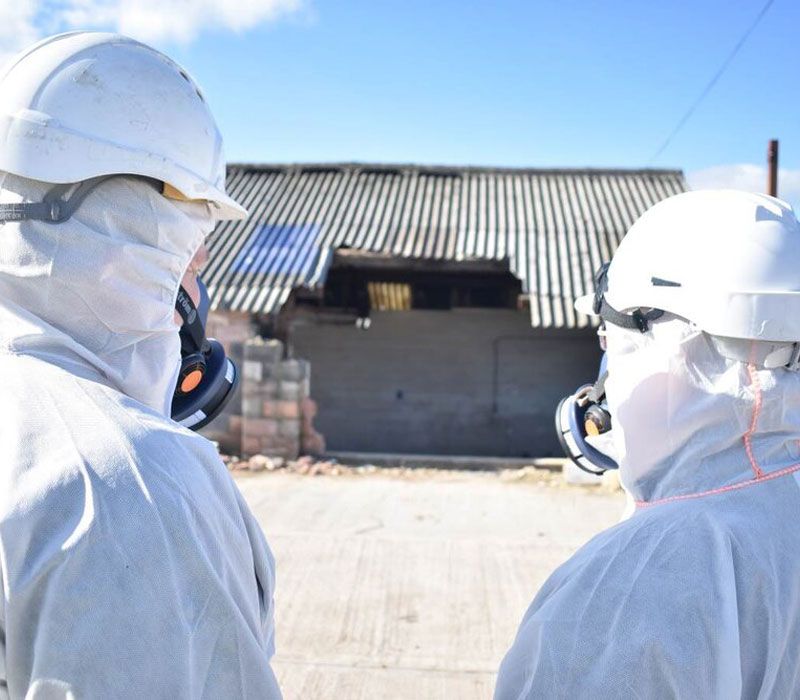
We inspect the property and confirm the material. Sampling available if required.
Quote
Fixed written price covering removal, disposal and any replacement work.
Removal
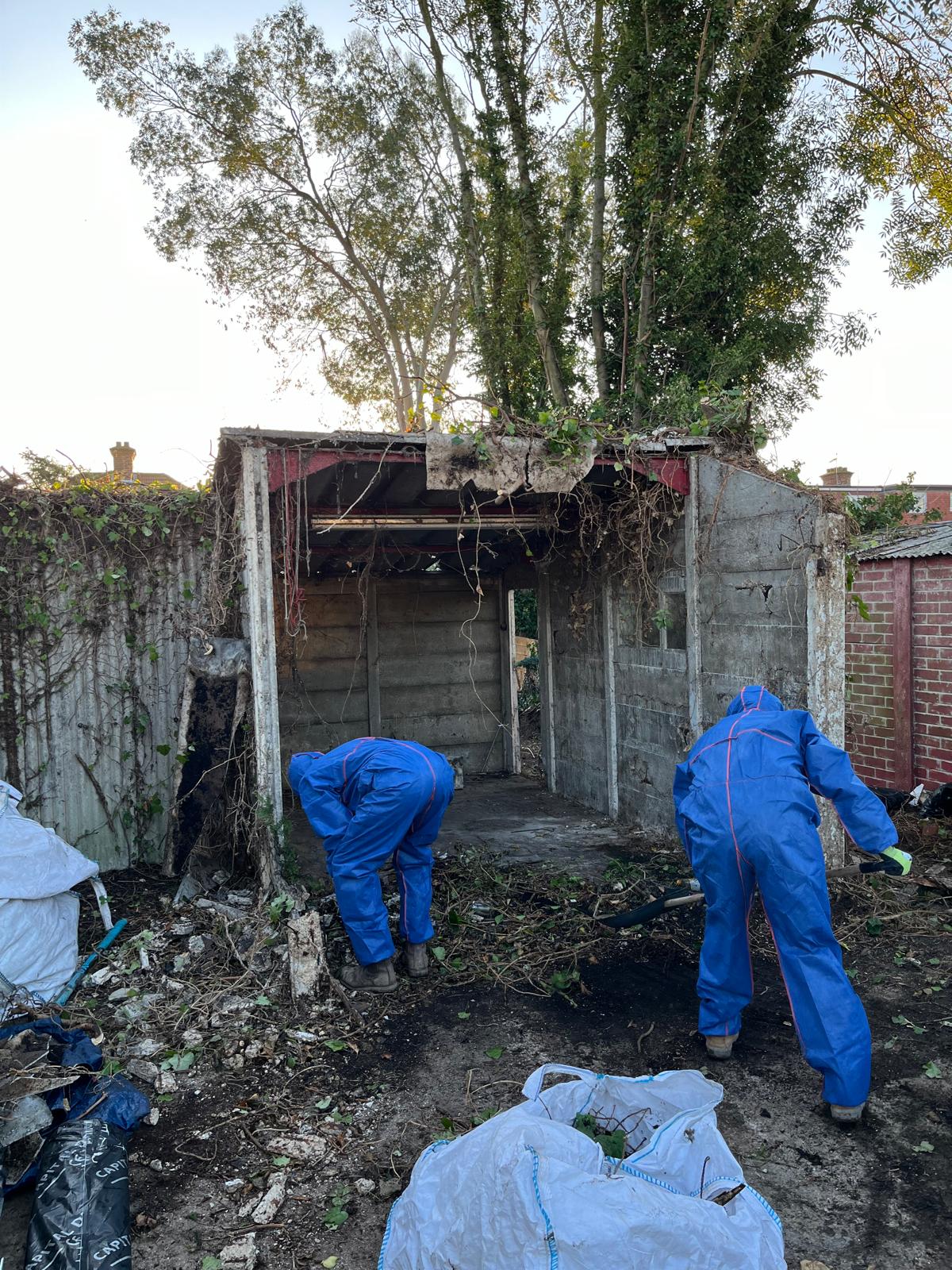
Material is removed safely, double-wrapped and taken to a licensed disposal facility.
Certificate
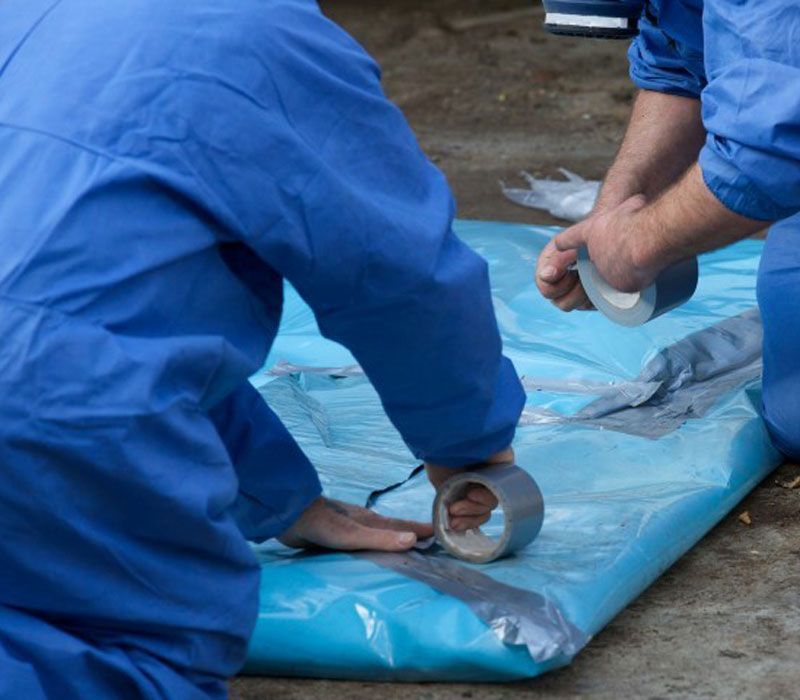
You receive a waste consignment note and disposal certificate confirming legal handling.
Frequently Asked Questions
Why Choose Clearaway
Specialist Crew
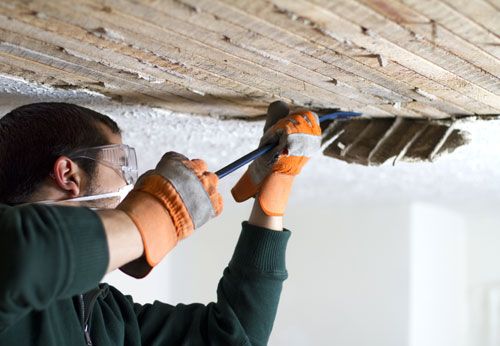
Asbestos work is all we do, every day, across the South East.
Fully Licensed
Licensed asbestos removal contractor (Licence No. 142305706). Full public liability insurance on every job.
Local & Fast
Surrey-based. Most domestic jobs are booked in and finished within a week.
Our Own Team
We never subcontract. The people who quote your job are the people who do it.
Get in Touch
Send a few details about your project and we will come back the same working day with a fixed price. We cover Surrey, London and the South East, including Esher, Cobham, Kingston, Richmond, Epsom, Guildford, Woking and Croydon.