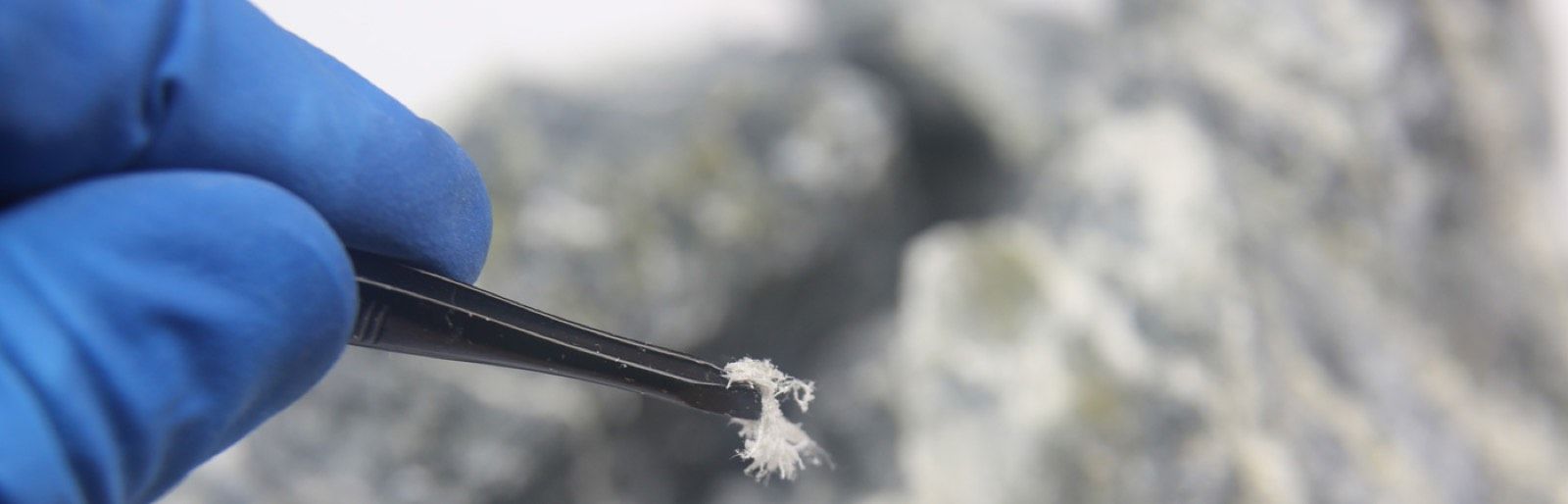
Asbestos Sampling in Surbiton
Plenty of Surbiton homes get bought or refitted before anyone checks what the older materials really are. Asbestos sampling is the cheap first step. We take a small piece, send it to a lab, and tell you for certain before you commit to work or a purchase.
You Cannot Tell Asbestos by Eye
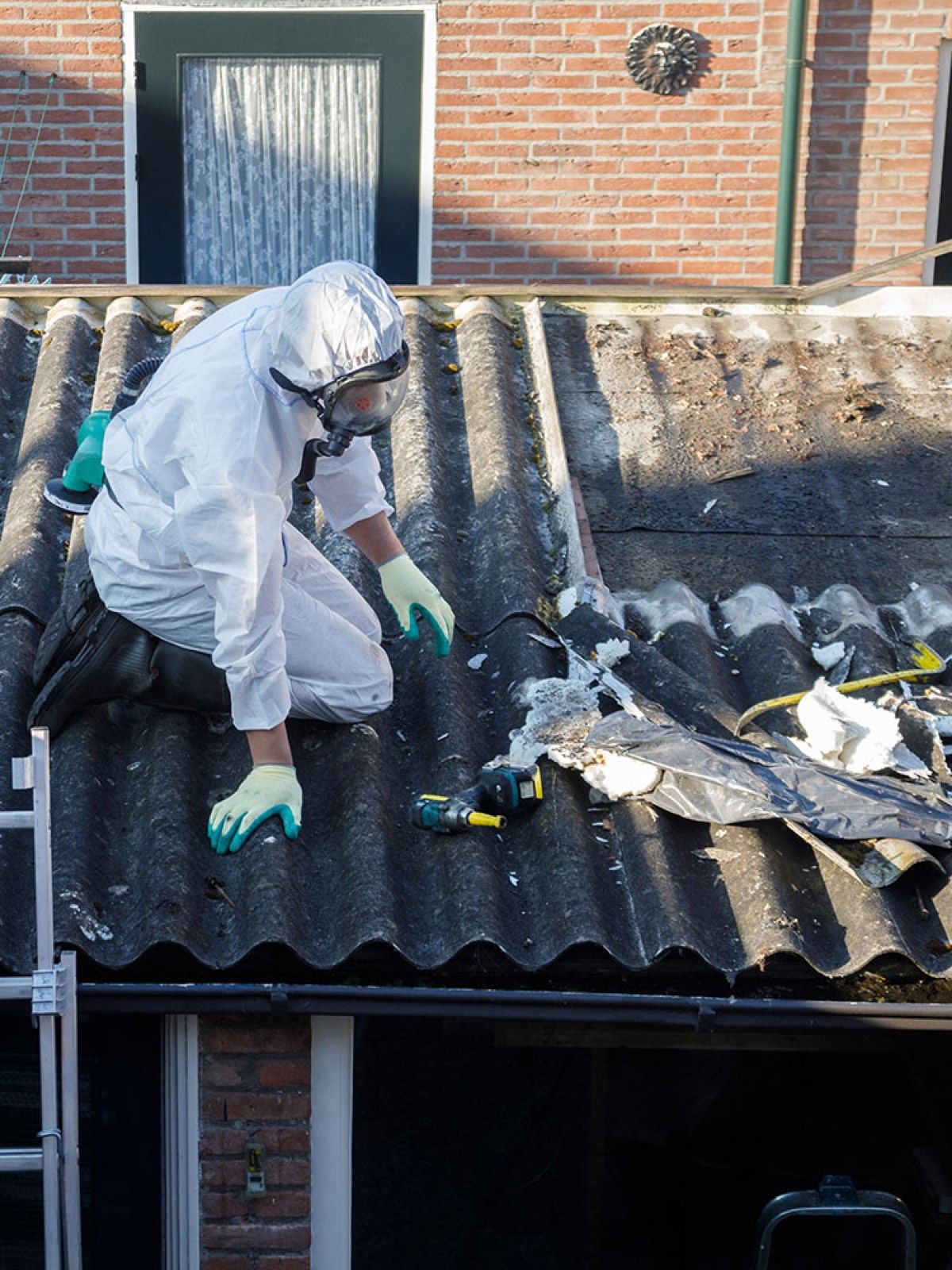
Artex on a Maple Road ceiling, floor tiles lifted in a Berrylands kitchen, a sheet of corrugated cement on a garage roof off Claremont Road. None of it announces what it is. Two materials can look identical, feel identical and sit in the same kind of house, and only one of them holds asbestos fibres. A guess is worthless, and a wrong guess is the kind that gets a material disturbed when it should have been left alone. The only honest answer comes from a laboratory.
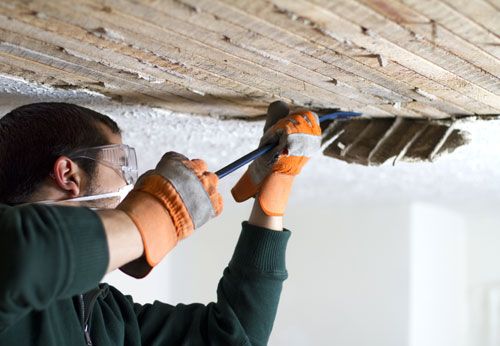
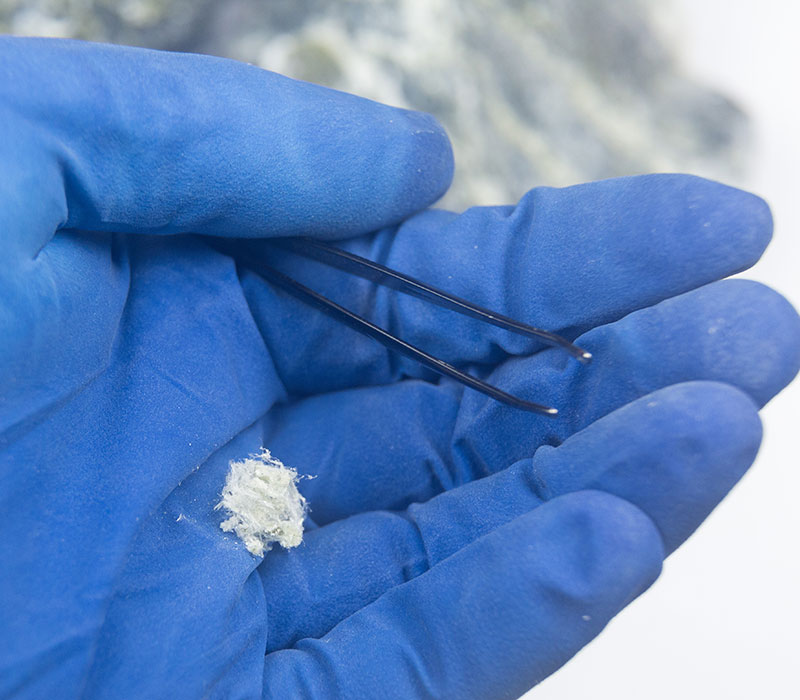
Sampling is how you get that answer cheaply. We take a small piece of the suspect material under controlled conditions, damping it down first and sealing the offcut so nothing escapes into the room, then send it to a UKAS-accredited laboratory. There a scientist examines the fibres under a microscope and reports back whether asbestos is present and, if it is, which type. Results land within a few working days, often sooner if a job is time-sensitive and you tell us so.
Until that result comes back, the sensible thing is to leave the material exactly where it is. Most asbestos in a Surbiton house is doing no harm at all while it sits undisturbed under a coat of paint or a layer of flooring. It turns dangerous when somebody drills it, sands it, snaps it or rips it out without knowing what they are dealing with. A sample taken first means you make your next decision on fact, not on a hunch, and that is the whole point of doing it before anything else.

Why Surbiton Homeowners Ask for a Sample
Surbiton has a particular mix of housing, and the reasons people sample follow it closely. The large Victorian and Edwardian villas around the centre and the station, a great many of them split into flats and maisonettes over the decades, tend to hide their older materials behind layer after layer of later decorating. Strip back a ceiling in one of those conversions and you do not always know what era you are looking at. Out towards Tolworth and Berrylands the 1930s semis brought their own materials with them, cement soffits and gutters, textured coatings, the odd sheet of insulating board tucked in around a boiler. Along the Portsmouth Road riverside, and over towards Long Ditton and Hook, the houses vary again. Each pocket of Surbiton has its own usual suspects, and that is exactly why we test the item in front of us rather than assume from the address.
The reasons for a sample tend to come down to three. The first is a renovation about to disturb something, an artex ceiling coming down or floor tiles being lifted, where you need to know before the dust starts rather than after. The second is a single suspect item, very often a garage or shed roof in corrugated cement that has cracked, gone soft or simply needs to go before the structure comes down. The third is a pre-purchase check on a period flat, the sort near Victoria Road or The Crescent, where a survey has flagged a material as possible asbestos and you want it confirmed for certain before you exchange. We are based in Chessington, a few minutes down the road, so a same-week visit to Surbiton is normal rather than something you wait around for, and the owner Graham runs the local jobs himself rather than sending a stranger.

Sampling Is Not the Same as a Full Survey
This is the part people most often get muddled, so it is worth being plain about. Sampling tests the specific items you point us at and nothing more. You have a suspect ceiling, a length of pipe lagging down in the cellar, a vinyl floor with black bitumen adhesive under it. We sample those particular things and tell you what each one contains. It is targeted, it is quick, and it is the cheaper route when you already know which materials are worrying you.
A survey is a wider piece of work. A surveyor walks the whole property, room by room, loft to cellar, and records every material that might contain asbestos, taking samples as they go and producing a register of the lot. That is the right route before a full refurbishment or a demolition, or for a landlord who needs a management survey on a let property, or simply for an owner who has no idea where to start looking. The two jobs answer different questions. Sampling answers whether one particular thing is asbestos, a survey answers what is in the whole building. If a sample we take turns up asbestos in a spot that hints at more of the same nearby, an old boiler cupboard or a run of pipework, we will say so plainly and talk you through whether a survey now makes more sense than sampling item by item.

What Happens After the Result Comes Back
If the sample comes back clear, you simply carry on. No asbestos means no special handling and no licensed work, and you have the result in writing for your own records or to hand to a buyer or their solicitor. For a lot of people that written certainty is the entire reason they sampled in the first place, and a clear result is the cheapest outcome there is. A buyer can move forward, a renovation can start, and there is nothing more to spend.
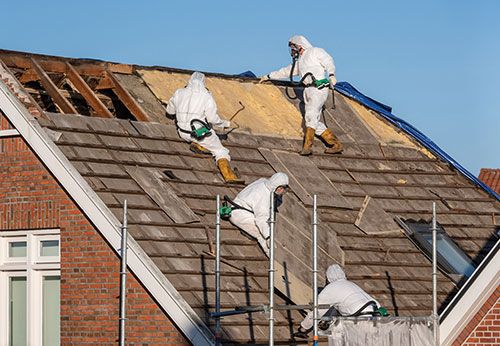
If asbestos is found, the laboratory report tells us the type and, with what we saw on site, where it sits and what condition it is in. That shapes everything that follows. Some materials, bonded cement sheet or floor tiles in sound condition, can be taken out as non-licensed work without a great deal of fuss. Others, insulating board around a boiler or pipe lagging in a cellar, are higher risk and the rules are stricter for good reason. For that higher-risk licensed work we give the HSE 14 days notice before starting, build a full enclosure so nothing spreads beyond the work area, and finish with four-stage clearance testing signed off by an independent analyst before the space is handed back to you. Whichever way the result falls, you get a clear price and a straight plan, not a scare. Clearaway works under Spectra licence number 142305706 and has spent more than seven years across Surbiton and the surrounding KT postcodes. To book a sample, call 0800 024 6168.
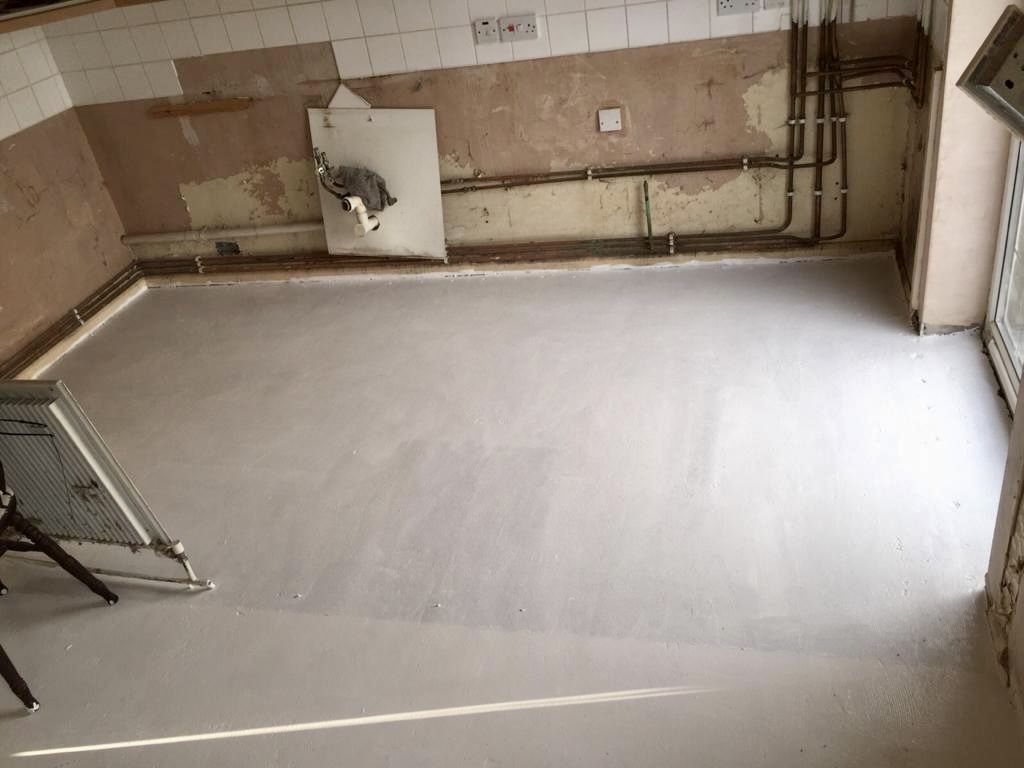
Asbestos Vinyl Floor Tile Removal & Bitumen Sealing, Surbiton
Surbiton, Surrey · Floor Tile Removal
View this project"Graham and his team done an excellent job of removing and replacing my asbestos garage roof and I wouldn't hesitate in recommending them"
Our Removal Process
From first call to final certificate, every job follows the same clear four-step process.
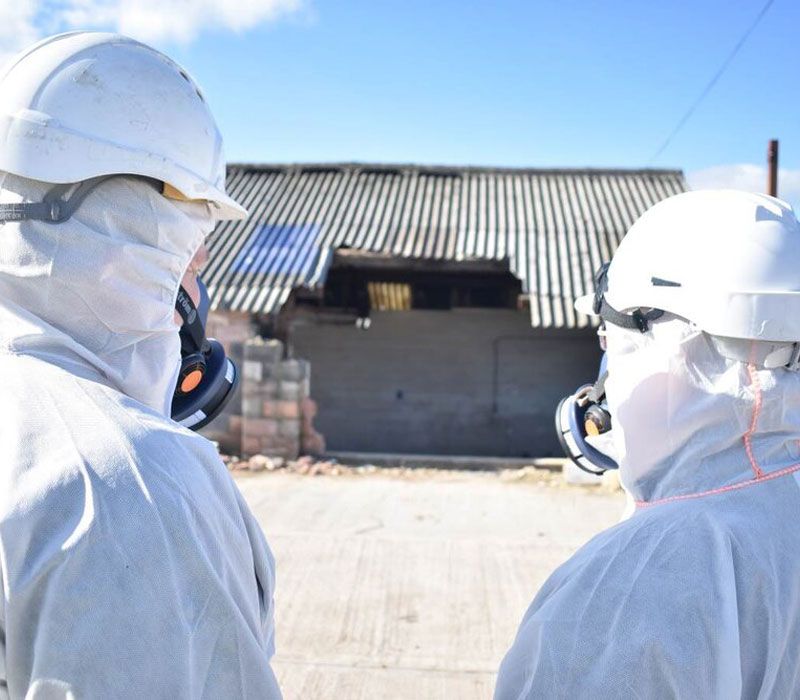
Survey
We inspect the property and confirm the material. Sampling available if required.
Quote
Fixed written price covering removal, disposal and any replacement work.
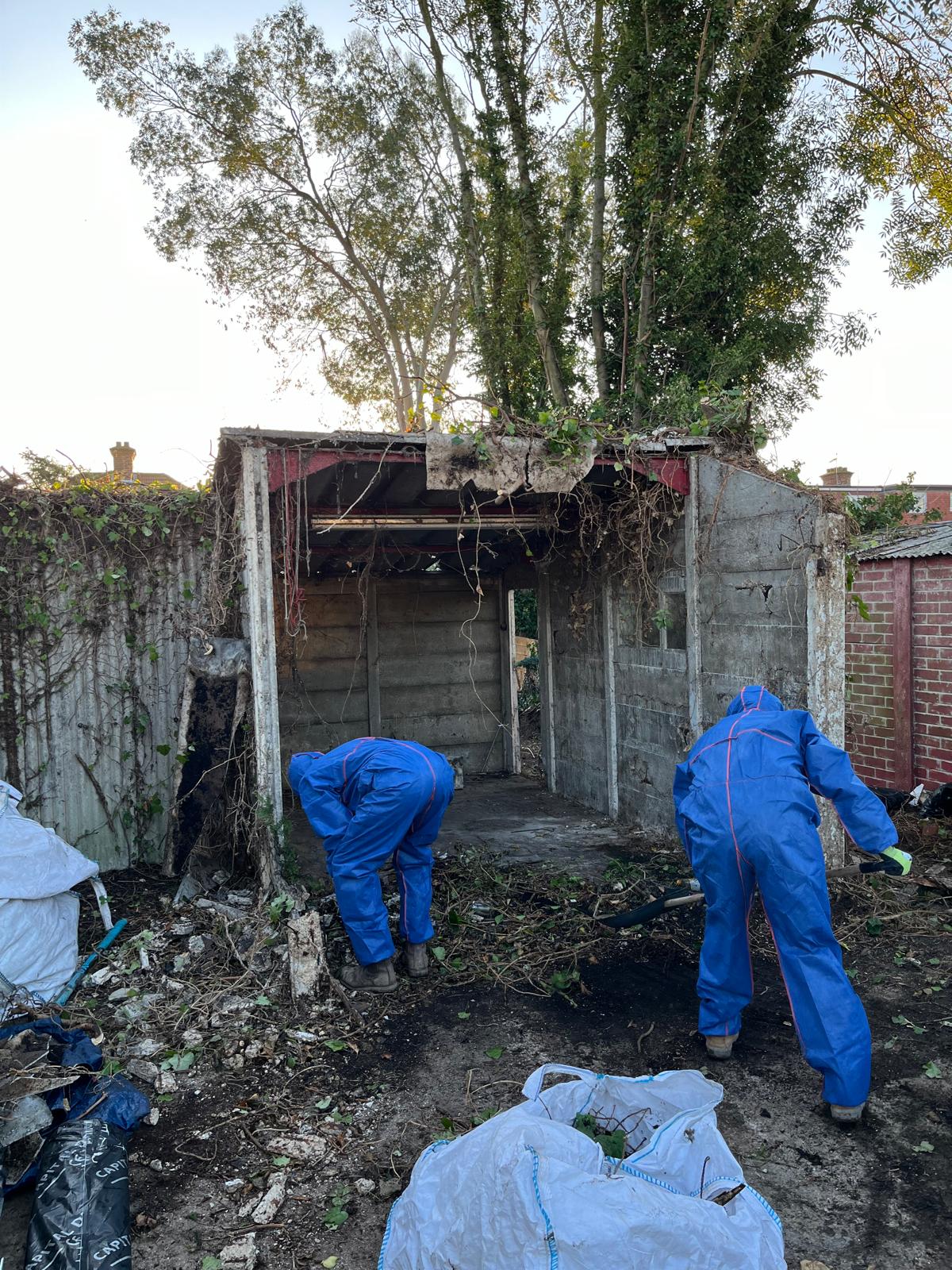
Removal
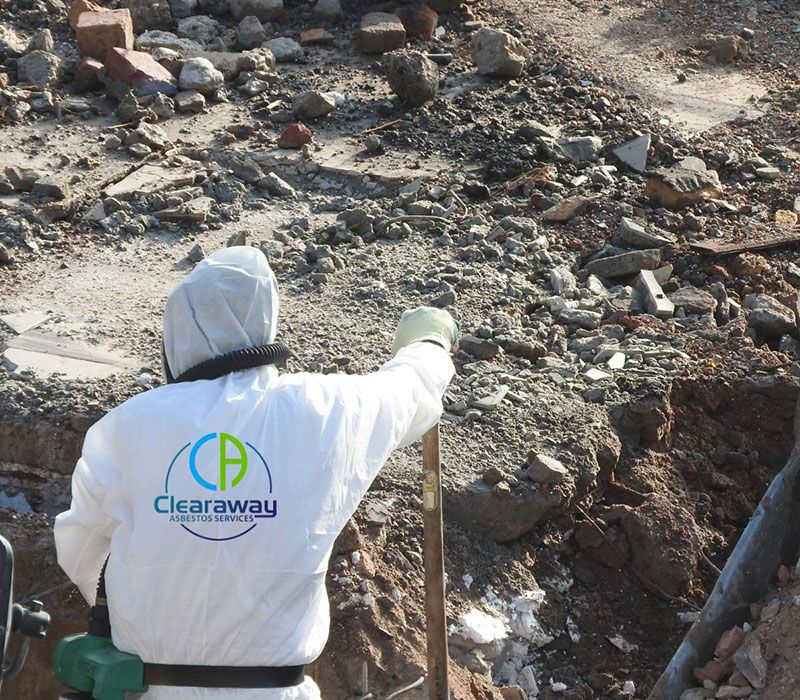
Material is removed safely, double-wrapped and taken to a licensed disposal facility.
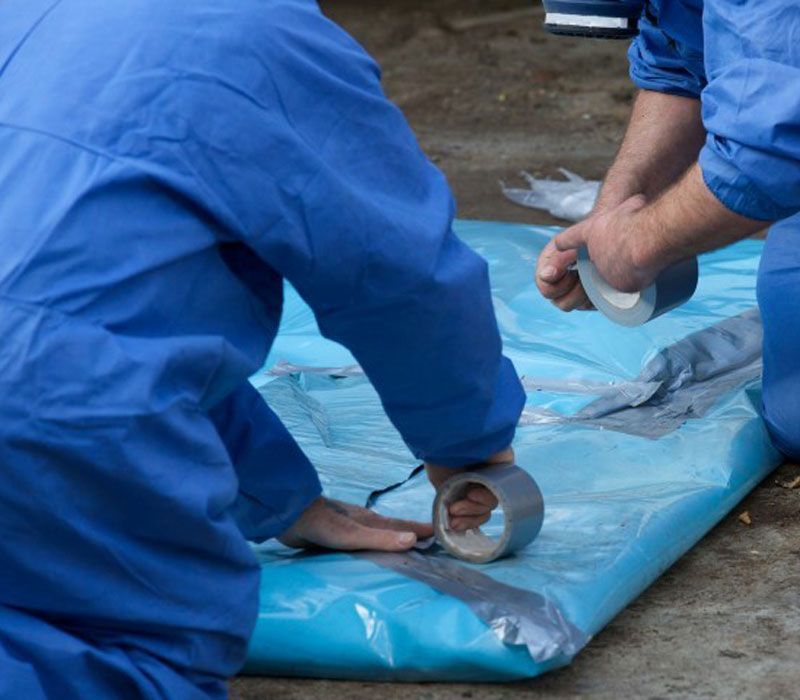
Certificate
You receive a waste consignment note and disposal certificate confirming legal handling.
Frequently Asked Questions
Why Choose Clearaway
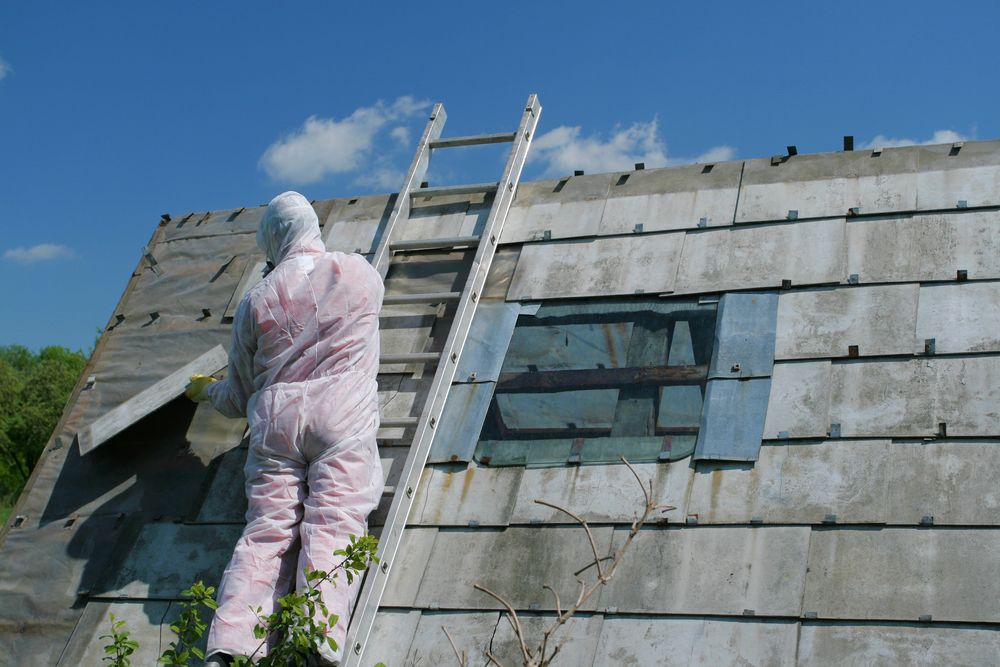
On Our Home Patch
We work out of Chessington, right on the edge of the KT postcodes, so a same-week survey here is the norm, not the exception.
The Owner On The Job
On local work Graham quotes and runs the job himself. You deal with the person doing the work from first call to final certificate.
Fully Licensed
Licensed asbestos removal contractor (Licence No. 142305706). Full public liability insurance on every job.
Our Own Team
We never subcontract. The people who quote your job are the people who do it.
Get in Touch
Send a few details about your project and we will come back the same working day with a fixed price. We cover Surrey, London and the South East, including Esher, Cobham, Kingston, Richmond, Epsom, Guildford, Woking and Croydon.