
Asbestos Sampling in Richmond
Before any work starts on a Richmond home, one suspect material often needs checking first. Asbestos sampling is the small, low-cost test that tells you what you are dealing with, on a wall, a floor or a garage roof.
When a small test settles the question
Plenty of jobs in Richmond start with a single nagging doubt. Someone is about to pull up the kitchen floor, or strip a textured ceiling, or take down a tired garage roof, and they stop because they are not sure what the material actually is. That is the moment sampling answers. It is not a full survey of the property. It is a focused test of one specific thing you are worried about, and it costs far less than guessing wrong.
The houses here make that doubt common. The Georgian terraces around Richmond Green and the brick rows by the riverside have been altered many times over the decades. Edwardian villas and 1930s semis out towards Kew, East Sheen and Petersham have had extensions, rewires and new bathrooms added over the years. Each round of work could have brought in artex, floor tiles, insulating board or cement sheeting, often layered over whatever came before. You cannot tell by eye whether any of it holds asbestos, and a confident guess from a builder is still only a guess.
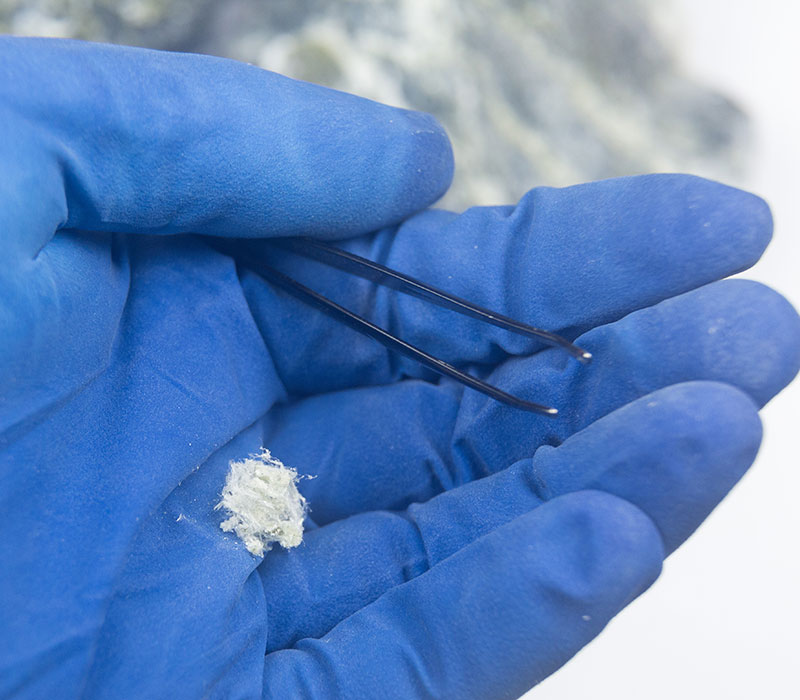
That is why so many people stop and ask rather than press on. Disturbing a material that turns out to contain asbestos spreads fibres through a home that is still being lived in, and clearing that up later costs more than testing first. Sampling closes the gap cheaply. A small piece of the suspect material is taken under controlled conditions, bagged and sent to a UKAS-accredited laboratory. The lab examines it under the microscope and tells you yes or no, with the result back in a few working days. From there you know whether the job is a straightforward refit or one that needs proper removal first, and you can budget for it before anyone lifts a tool.

How a Richmond sample is actually taken
Taking a sample is quick, but it is done carefully, not casually. The owner Graham runs these jobs himself, so the person taking the piece is the person who understands what can be disturbed and what cannot. The spot is dampened down to keep fibres from drifting, a small section is cut or lifted, and the area is sealed back over so nothing is left open. The sample goes into a labelled, sealed bag and off to the lab, with a note of where in the house it came from.
Most samples in a Richmond home take a matter of minutes once the right material is identified. The common suspects match the housing stock here: textured artex on ceilings and walls, vinyl or thermoplastic floor tiles with the black bitumen adhesive underneath, asbestos insulating board around boilers and in conversions, pipe lagging in cellars and the older properties, and the corrugated cement on garage and shed roofs. Cement soffits and gutters on the interwar semis come up too. Where there are two or three different worries in one house, each material is sampled and labelled separately, because one clear result tells you nothing about the next.
On listed and conservation-area properties, even a small intervention is treated with respect for the original fabric. Large parts of Richmond fall under conservation areas, and many of the Georgian and Victorian houses are listed, which brings tight planning conditions. Cornices, panelling and joinery are protected, and the sample is taken from a spot that does the least harm. The point of sampling early is to find out what you have before any wider work begins, so the project can be planned properly rather than halted halfway through.

Sampling against a full survey
The two are easy to mix up, so it is worth being clear. Sampling tests specific items you already suspect. A survey inspects the whole property to find materials you might not know about. They answer different questions, and which one you need depends on the situation in front of you.
If you have one obvious worry, a single artexed ceiling, a patch of floor tiles, a questionable garage roof, sampling is the sensible and cheaper first step. You point at the thing, it gets tested, you get an answer on that thing alone. If you are buying a house, refurbishing across several rooms, or you are a landlord who needs a written record for a whole property, a survey is the better fit because it looks everywhere, not just at the one spot. The two also work together: people sometimes sample one urgent item now and arrange a fuller survey later when the scale of the work becomes clear.
There is a practical order to it. A renovation about to disturb a textured ceiling or lift old tiles is a classic reason to sample first. A suspect garage roof before you replace it is another. A pre-purchase check on one feature that caught your eye is a third. In each case you are spending a little to confirm whether asbestos is present, rather than committing to removal or a full property inspection you may not need. If the result is clear, you have lost nothing. If it is not, you have found out at the cheapest possible stage.

What the result means for your project
A clear result changes how the next stage runs. If the lab says the material is free of asbestos, the work carries on as normal and nobody needs to think about it again. If it comes back positive, you know exactly what is there and can deal with it the right way before the disruptive work starts. Either way you are working from a fact rather than a hunch, which is the whole reason for testing first.
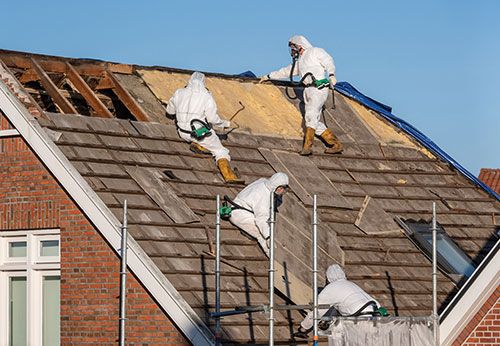
What happens next depends on the material. Some finds, such as certain textured coatings, are lower risk and can be removed without a licence. Higher-risk materials like asbestos insulating board are licensed work, and that brings a stricter process: 14 days of notice to the HSE, full enclosure of the area, and four-stage clearance testing signed off by an independent analyst before the space is handed back. Sampling first means none of that arrives as a surprise. You see it coming and plan the job, the access and any listed building or conservation conditions around it, instead of stopping a half-finished room while you wait for a result. On a Richmond property where removal rarely happens in isolation, that early answer lets the asbestos work slot into the wider project rather than holding it up.
Clearaway has worked across Richmond and the surrounding area for more than seven years, holds the Spectra asbestos licence number 142305706, and is based just down the road in Chessington. If you have a material you are unsure about and want it tested before you start, call 0800 024 6168 to arrange a sample.
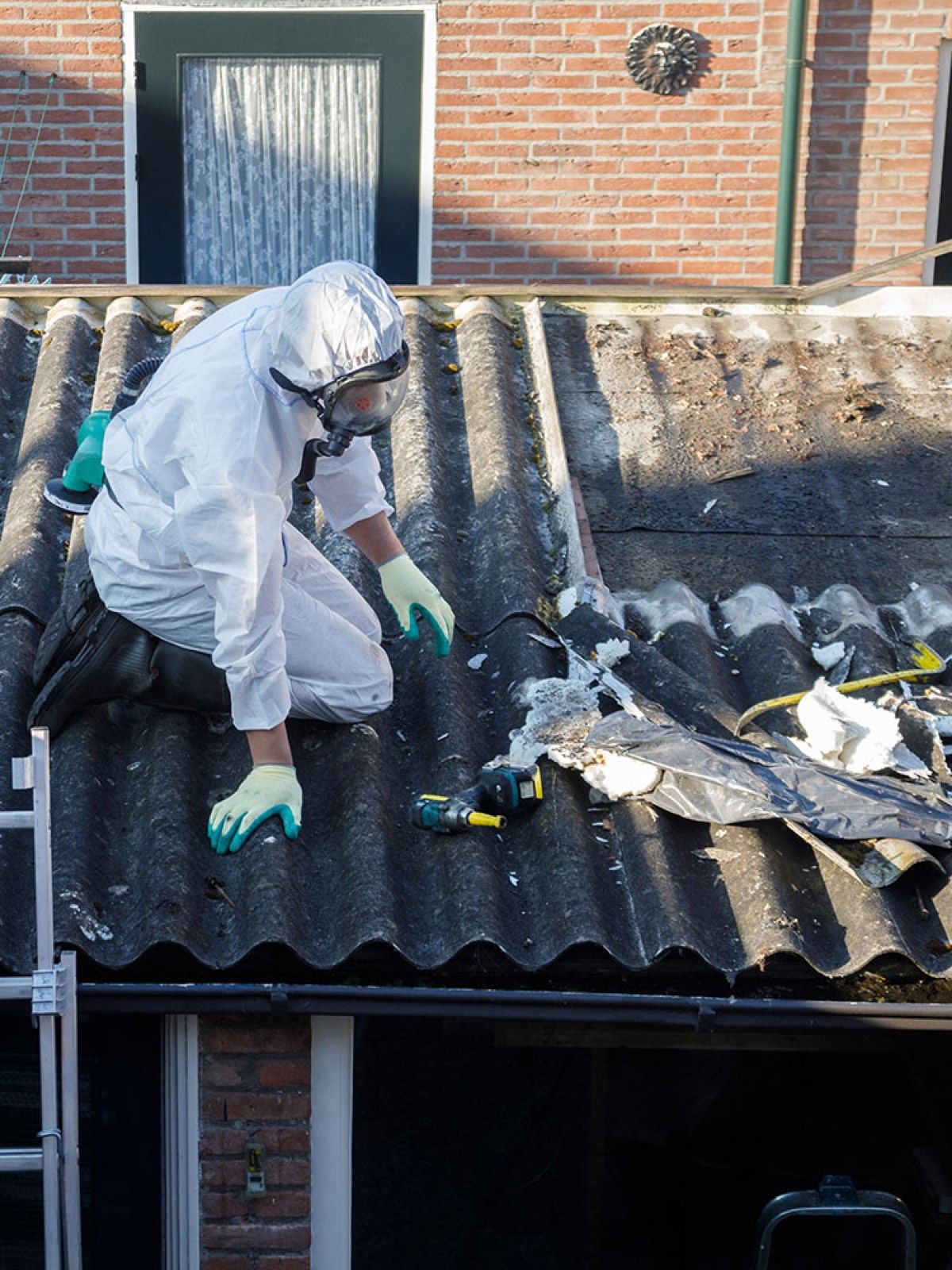
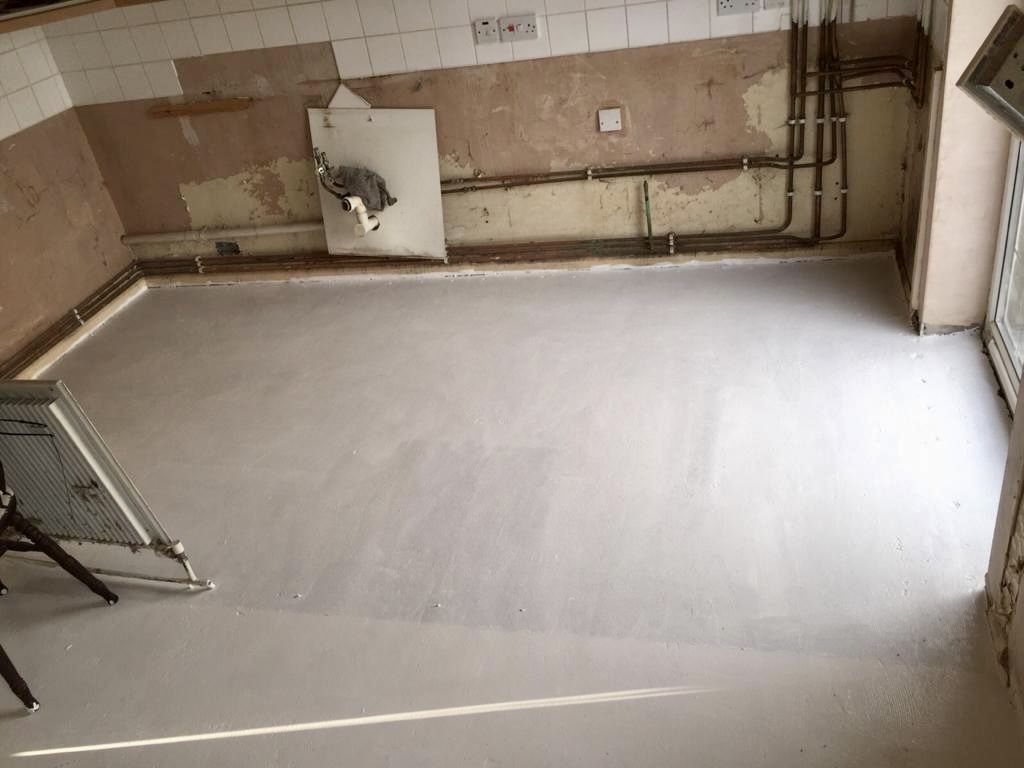
Asbestos Vinyl Floor Tile Removal & Bitumen Sealing, Surbiton
Surbiton, Surrey · Floor Tile Removal
View this project"Graham and his team done an excellent job of removing and replacing my asbestos garage roof and I wouldn't hesitate in recommending them"
Our Removal Process
From first call to final certificate, every job follows the same clear four-step process.
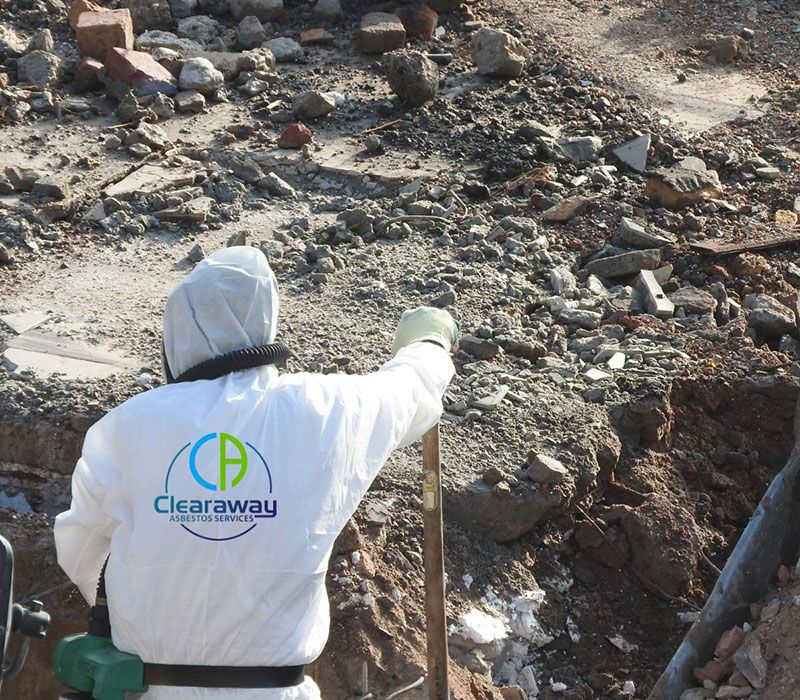
Survey
We inspect the property and confirm the material. Sampling available if required.
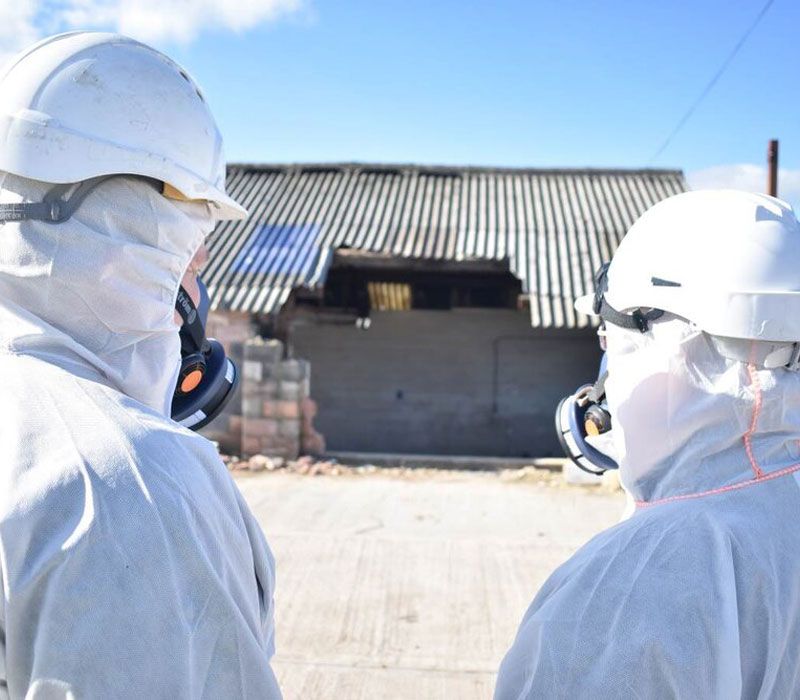
Quote
Fixed written price covering removal, disposal and any replacement work.
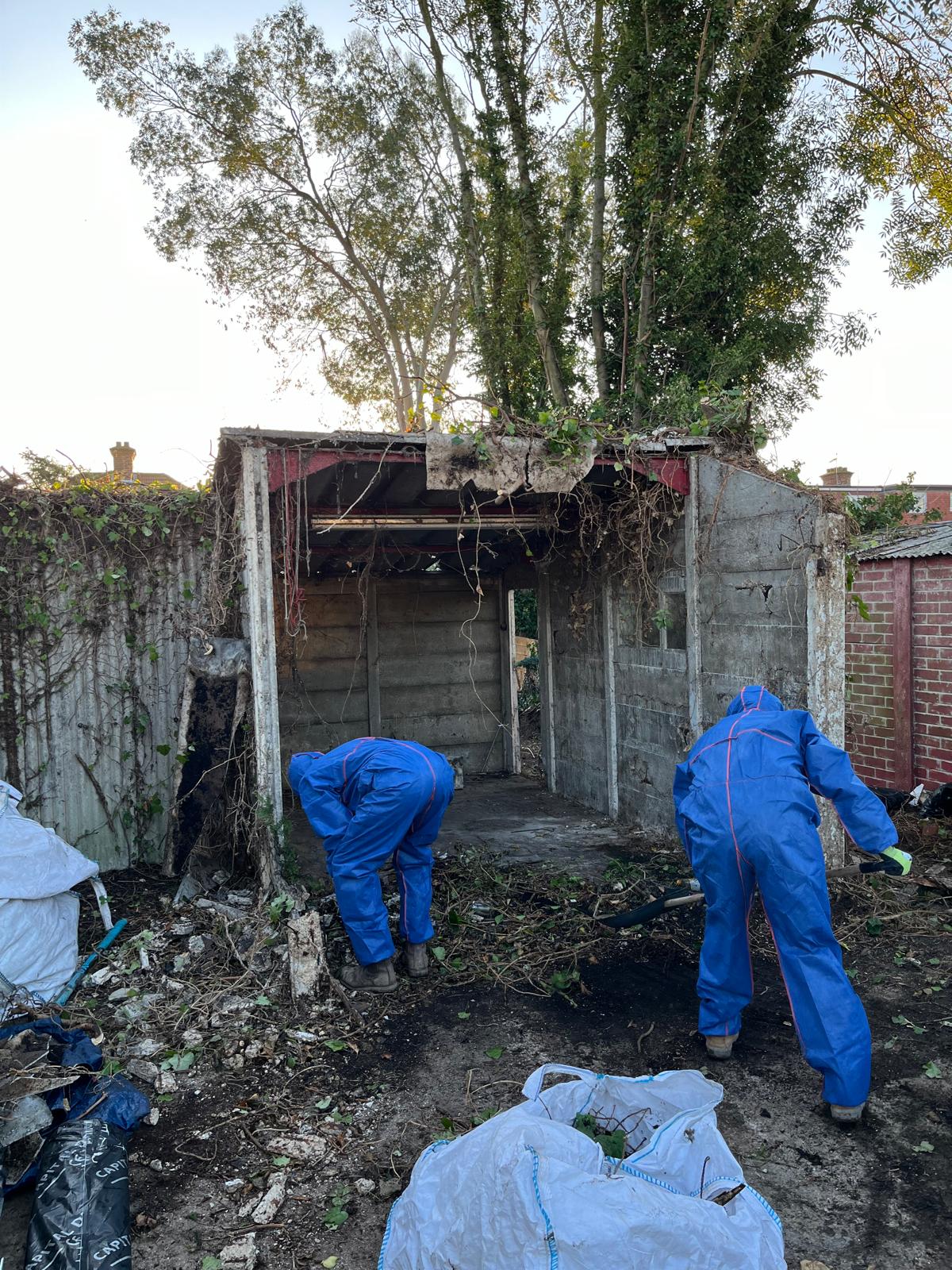
Removal
Material is removed safely, double-wrapped and taken to a licensed disposal facility.
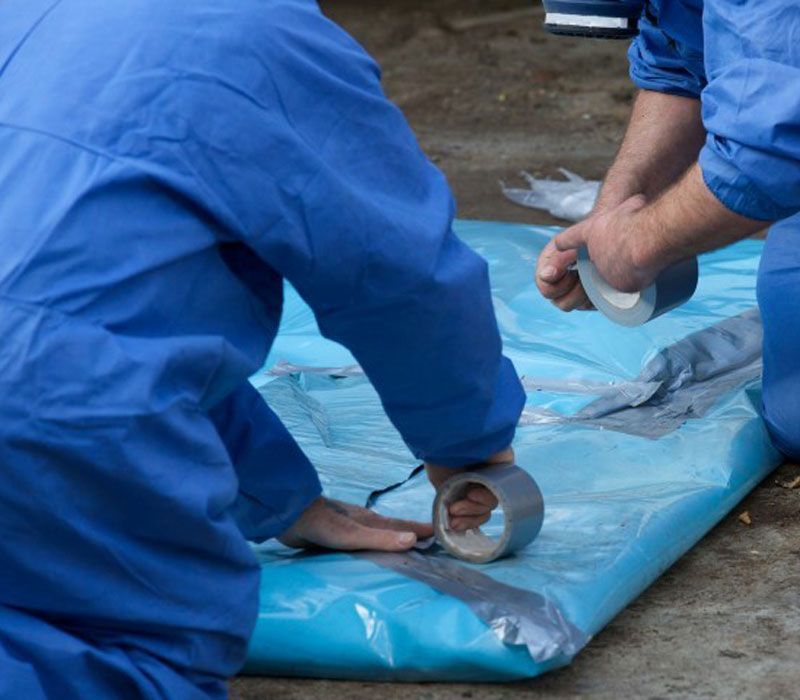
Certificate
You receive a waste consignment note and disposal certificate confirming legal handling.
Frequently Asked Questions
Why Choose Clearaway
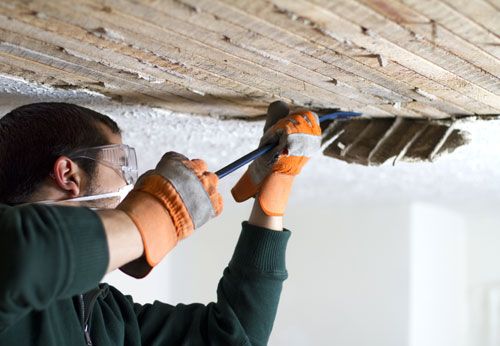
HSE Licensed Removal
Higher-risk material handled under full enclosure, with the 14 days of HSE notice the law requires and independent clearance testing.
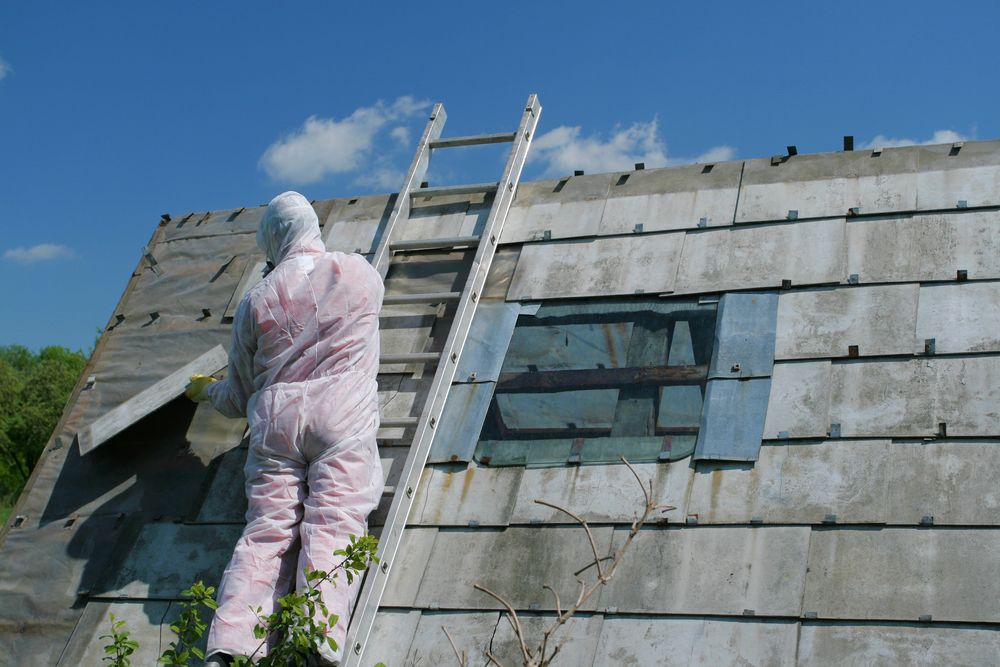
Planning Aware
Used to conservation areas and listed buildings: scaffold and access planned around the restrictions, original fabric protected.
Fully Licensed
Licensed asbestos removal contractor (Licence No. 142305706). Full public liability insurance on every job.
Our Own Team
We never subcontract. The people who quote your job are the people who do it.
Get in Touch
Send a few details about your project and we will come back the same working day with a fixed price. We cover Surrey, London and the South East, including Esher, Cobham, Kingston, Richmond, Epsom, Guildford, Woking and Croydon.