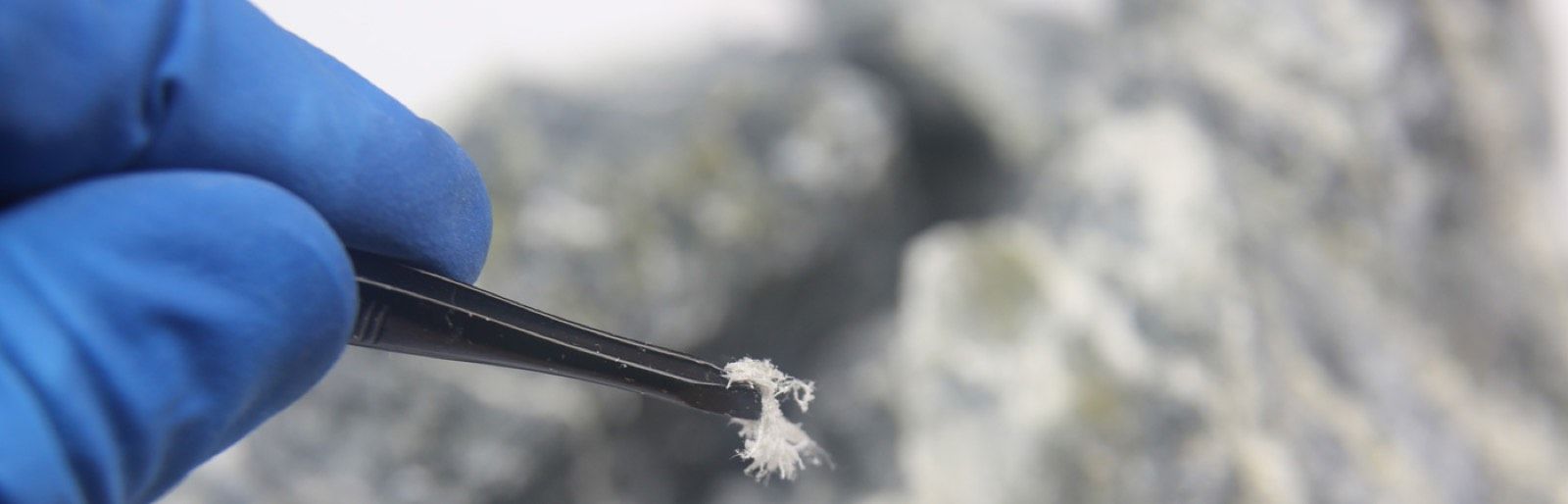
Asbestos Sampling in Reigate
Asbestos sampling in Reigate for homeowners who have hit something suspect mid-renovation, from the terraces off Bell Street to the postwar roads around Woodhatch and South Park. One small sample, a UKAS lab, and a clear answer before you commit to any work.
One Sample Before You Disturb It
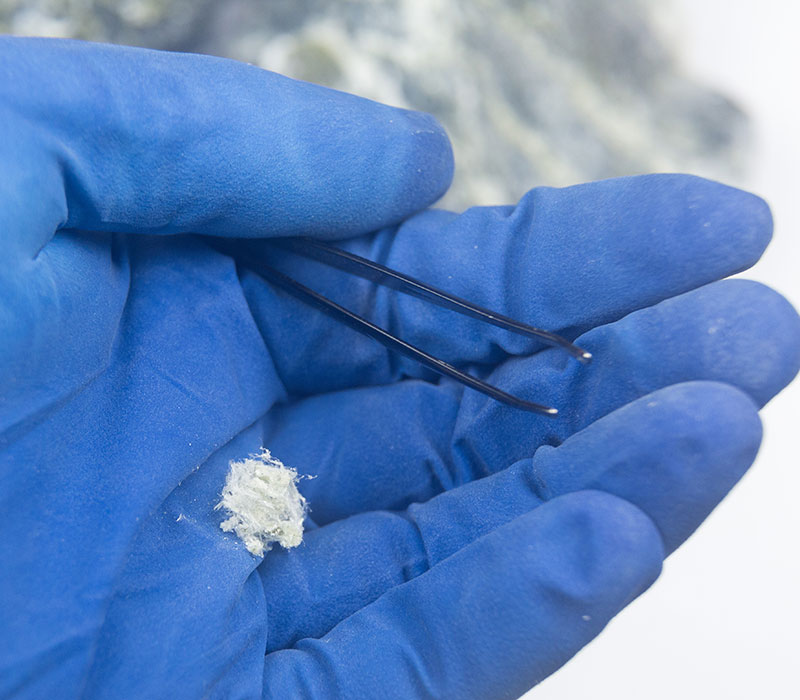
Most people in Reigate come to sampling at the same moment. A floor is coming up in a kitchen near the High Street, a ceiling is being scraped back in a Victorian villa on the Wray Park side, or a garage roof on the Woodhatch estate has finally started to crack, and somewhere in the middle of it a grey board or a sheet of old artex stops the job. Nobody wants to carry on until they know what it is. That is what a sample is for. It is the cheap first step that tells you whether a single suspect material actually contains asbestos, before a tool goes anywhere near it.
This matters in Reigate because of the age of the stock. The period terraces and townhouses around Bell Street, the larger villas climbing towards Reigate Hill, and the interwar and postwar houses out towards South Park and Redhill almost all predate the 1999 UK ban. Asbestos was an ordinary building material for most of that time, so a pre-2000 home can hold it in a dozen quiet places. A sample puts a definite answer on one of those places without committing you to anything more.
It is also the step that keeps the cost sensible. Calling someone out to strip a material that turns out to be perfectly safe is money wasted, and stopping a renovation halfway because nobody is sure is worse. A single test settles the question early, while the work is still planned rather than half done. We would rather check one suspect board for a Reigate homeowner than talk anyone into a job they may not need, and most of the time the sample is all that is asked of us.

Why You Cannot Tell By Eye
The hard part is that asbestos has no look of its own. Two artex ceilings in two near-identical RH2 semis can return opposite lab results. A floor tile that contains nothing sits next to a black bitumen adhesive underneath that does. The cement soffits on the interwar houses and the lagging on old pipes give nothing away either. People who handle the material every week still cannot call it by sight, which is exactly why guessing is the wrong approach in an occupied home.
So a sample is taken under controlled conditions rather than snapped off in passing. The spot is dampened to hold any fibres down, a small piece is removed and sealed in a marked container, and the area is made good again afterwards. That care is the whole point. Breaking a suspect board open to have a look is the one thing that turns a low-risk material into a real exposure, and it is what proper sampling is designed to avoid.
The sample itself is small, just enough for the lab to work with, so there is no mess and nothing left open in the house. We take the piece safely, label it so there is no confusion over which room and which material it came from, and send it on for testing. From your point of view it is a short, contained visit rather than the disruptive day that removal would be.

The Lab, The Result, The Next Move
Every sample goes to a UKAS-accredited laboratory, the recognised standard for this kind of analysis, and the result comes back within a few working days. You are told plainly whether the material contains asbestos, and if it does, which type and what condition it is in. There is no jargon to wade through and no need to chase anyone for an answer. That is enough to decide the next move with no guesswork attached. The type matters because it shapes how any later work is handled, and the condition matters because a sound, intact material and a crumbling one are not the same problem at all.
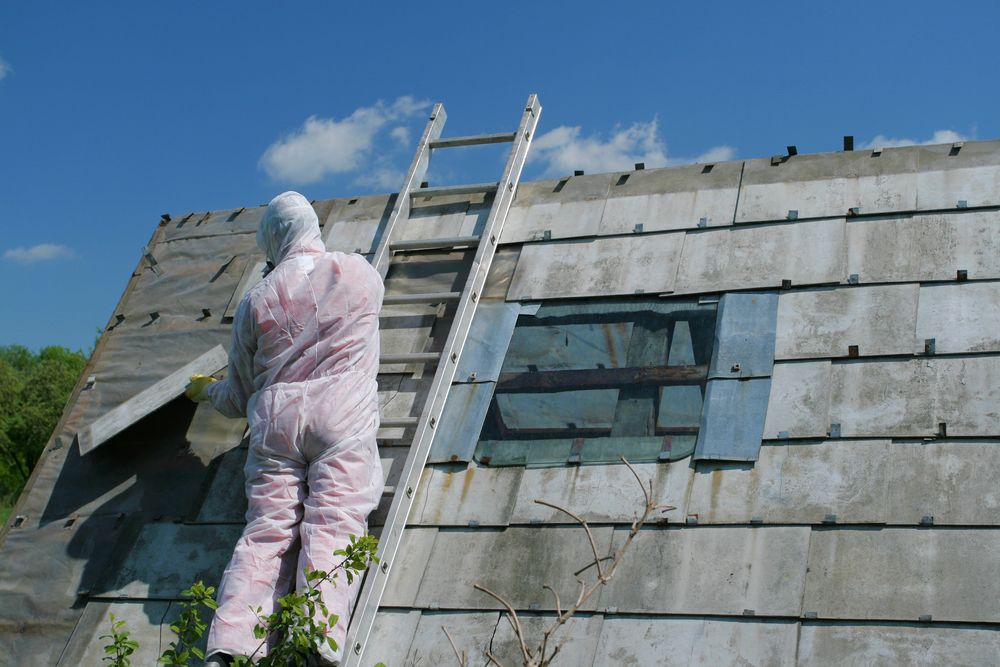
A clear result means the renovation carries on as planned, and the worry that stopped the job in the first place is gone. A positive one does not always mean a major job either. Depending on the material and where it sits, the answer might be careful removal, or sealing and leaving it where it is intact and out of harm's way. A garage roof that is still solid behaves very differently from artex that is about to be sanded back.
Either way you are working from a fact rather than a worry, and you have something in writing to show a builder before they start cutting into anything. That written result is worth keeping. If you sell the Reigate house later, or take on more work down the line, it tells the next person exactly what was tested and what was found, instead of leaving them to start the same guessing over again.

Sampling, A Survey, And When Each One Fits
It helps to be clear on the difference between a sample and a survey, because they answer different questions. Sampling tests specific items you already suspect. The garage roof, that one ceiling, the tiles in the back room. A survey inspects the whole property and sets out everywhere asbestos is or might be, room by room. If you only need to know about the material that has stopped today's job, a sample is the quicker and cheaper route. If you are buying a Reigate house, planning a full refurbishment, or want a written picture of an entire property, that is survey territory.
The two are not in competition, and one often leads to the other. Plenty of jobs start as a single sample and stay that way. Others uncover enough that a fuller look at the property makes sense, particularly in the older houses around Reigate Hill and the town centre where there can be more than one material in play. We will tell you honestly which one your situation calls for, and if a sample is all you need, that is where we stop.
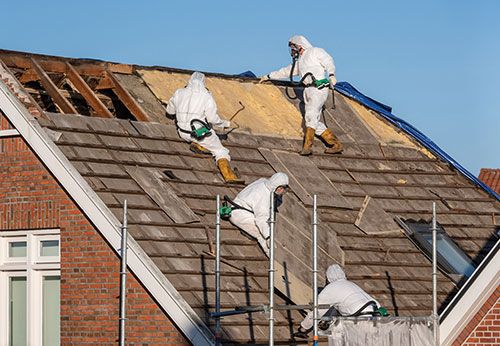
The pre-purchase check is the other common reason people ask. A single sample of a suspect garage roof or an artex ceiling before exchange can settle a question that would otherwise hang over the sale. Where a result does lead to higher-risk licensed work, that is handled to the full standard later, with 14 days of HSE notice, full enclosure, and four-stage clearance testing signed off by an independent analyst. That stage only comes into play if the lab confirms it is needed, and for a great many Reigate homes it never does. We hold Spectra licence number 142305706, we have spent more than seven years working across Reigate and the wider Surrey and Sussex area, and we are happy to start with one sample rather than push you into more than you need. To arrange sampling in Reigate, call 0800 024 6168.
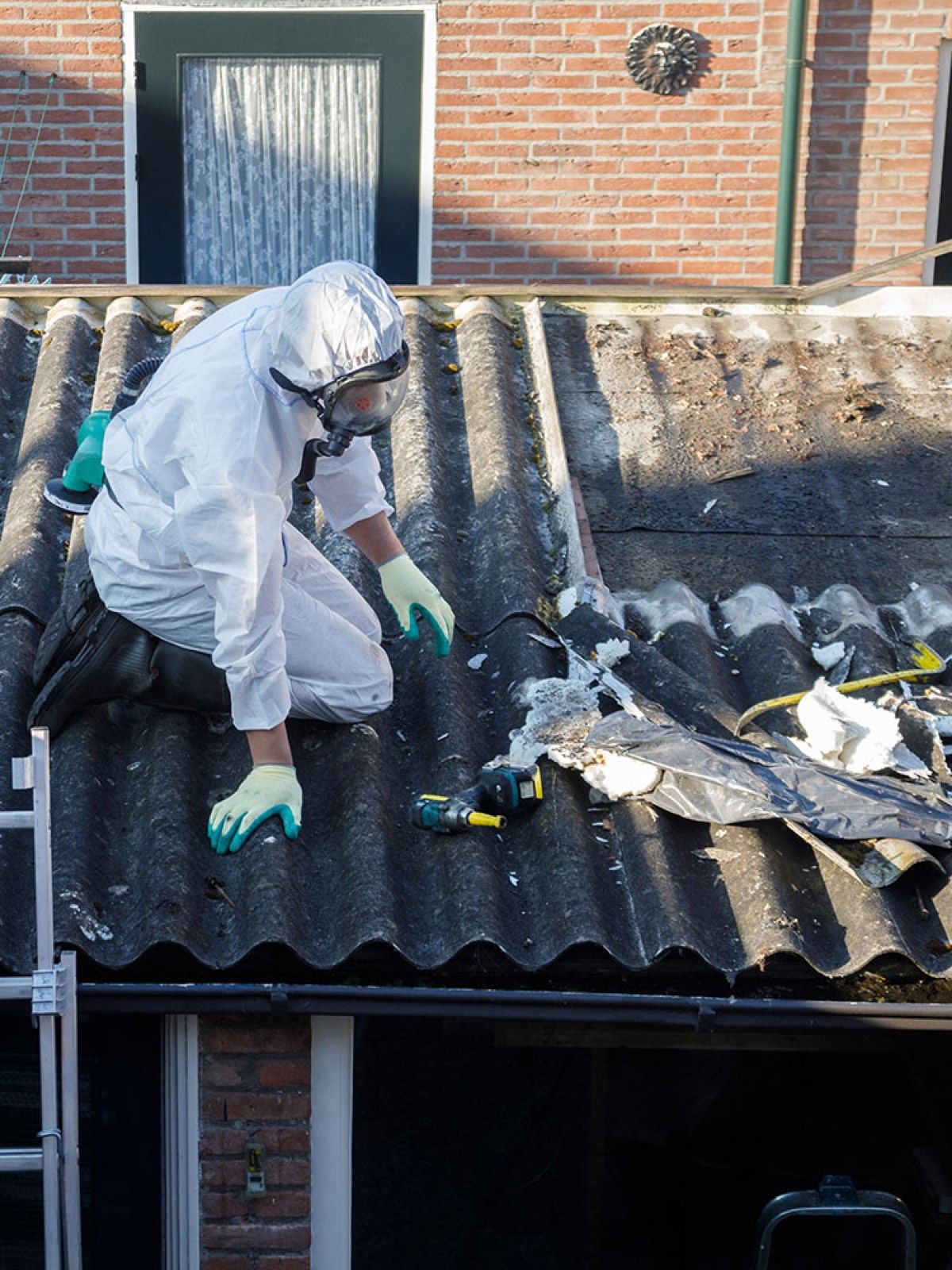
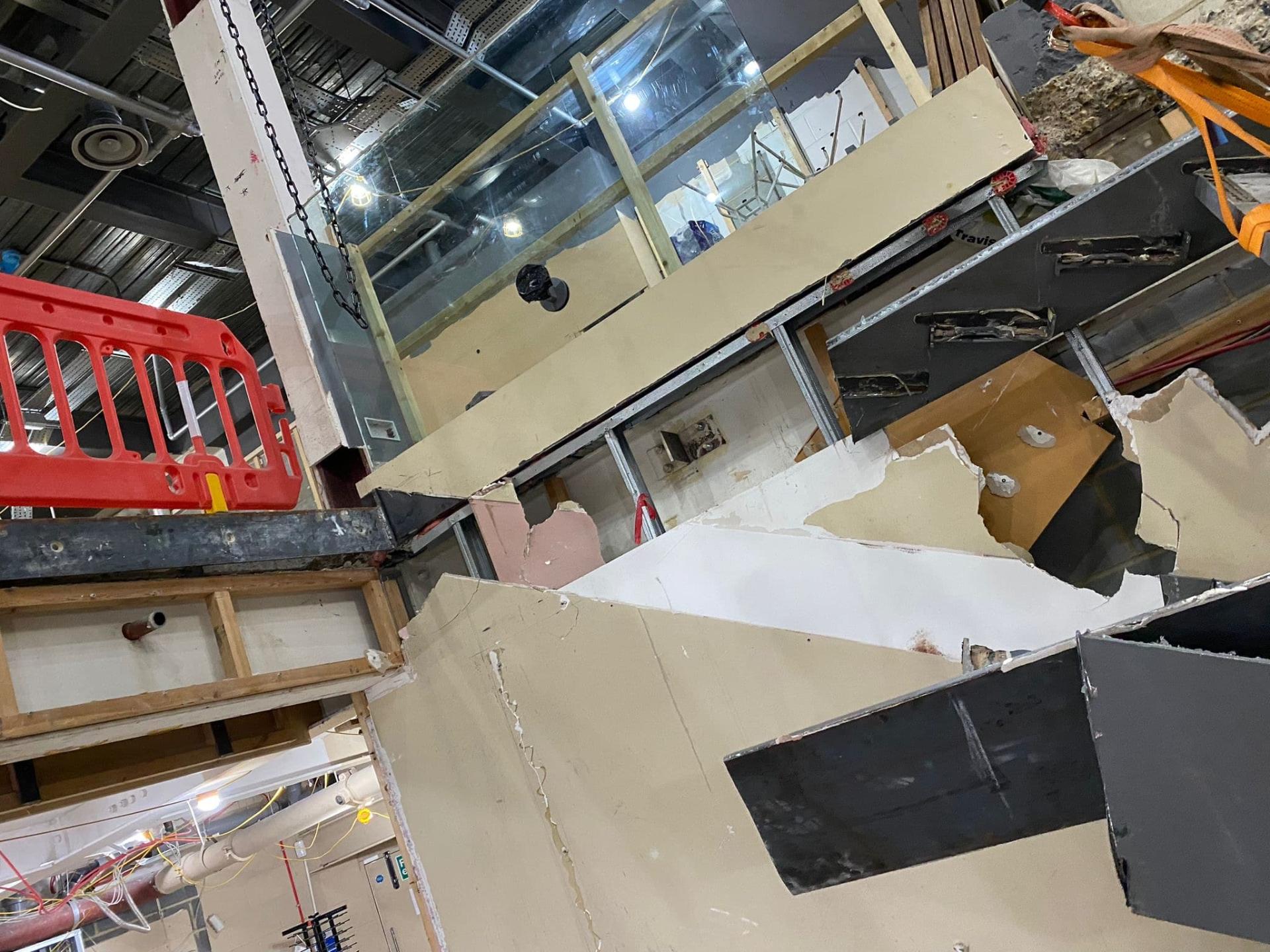
Commercial Building Strip-Out, Kensington
Kensington, South London · Strip-Out
View this project"I used Clearaway Asbestos recently for an asbestos garage removal in my home. The staff were really friendly and professional and put me at ease the whole time they were working. I would recommend Clearaway Asbestos to anyone who needs asbestos removal services!"
Why Choose Clearaway
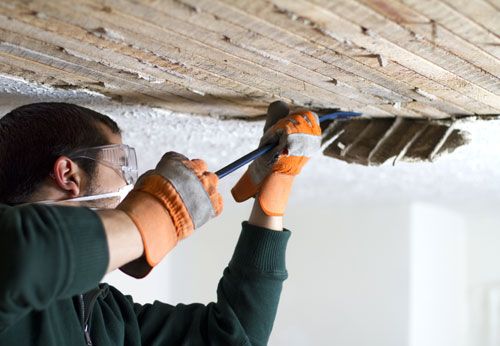
Specialist Crew
Asbestos work is all we do, every day, across the South East.
Fully Licensed
Licensed asbestos removal contractor (Licence No. 142305706). Full public liability insurance on every job.
Local & Fast
Surrey-based. Most domestic jobs are booked in and finished within a week.
Our Own Team
We never subcontract. The people who quote your job are the people who do it.
Frequently Asked Questions
Our Removal Process
From first call to final certificate, every job follows the same clear four-step process.
Survey
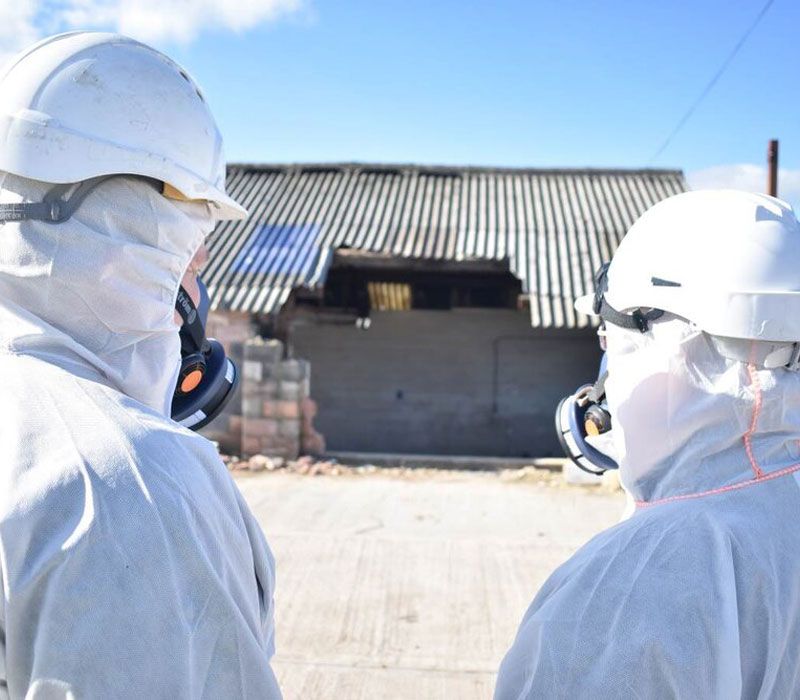
We inspect the property and confirm the material. Sampling available if required.
Quote
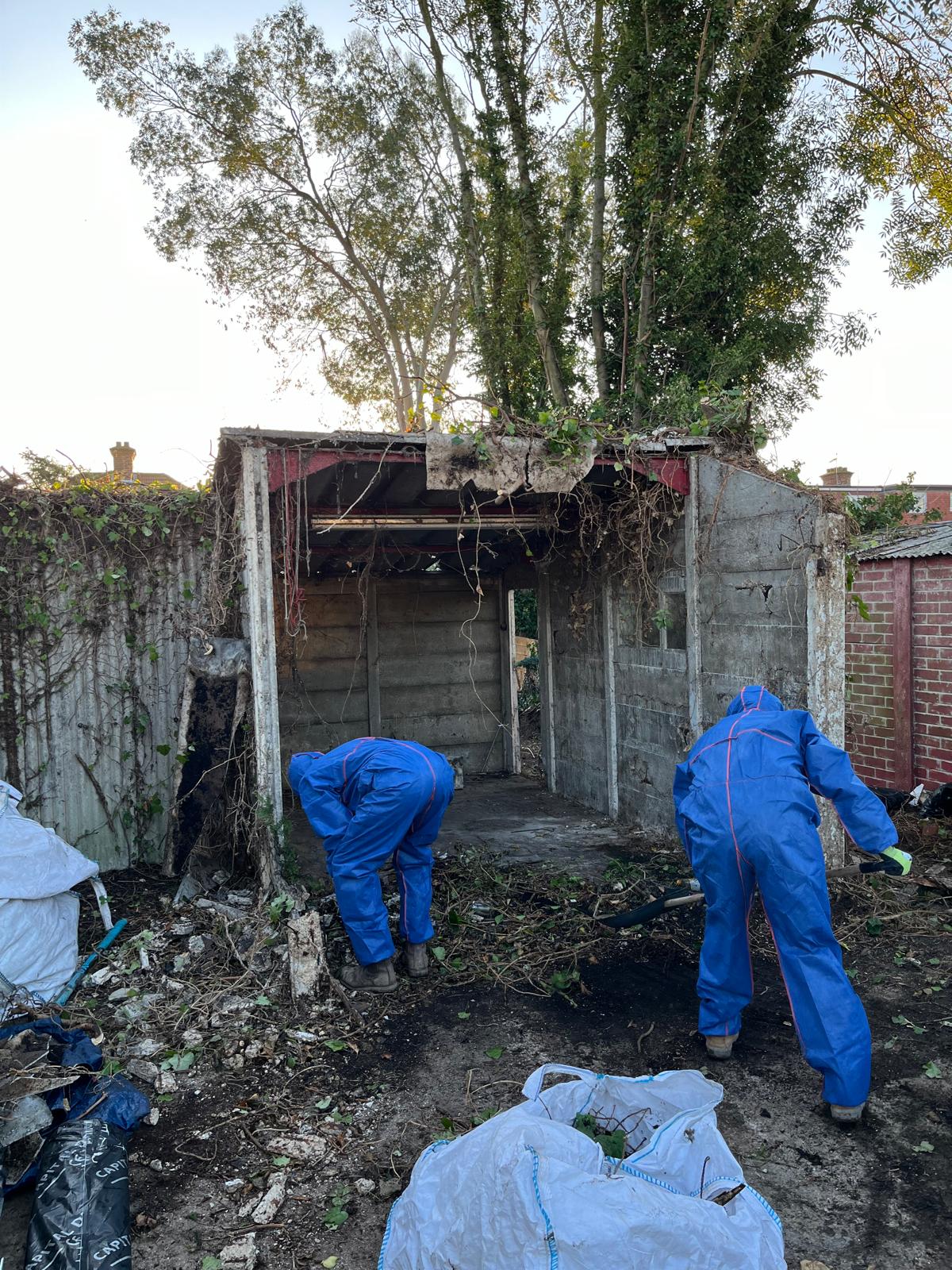
Fixed written price covering removal, disposal and any replacement work.
Removal
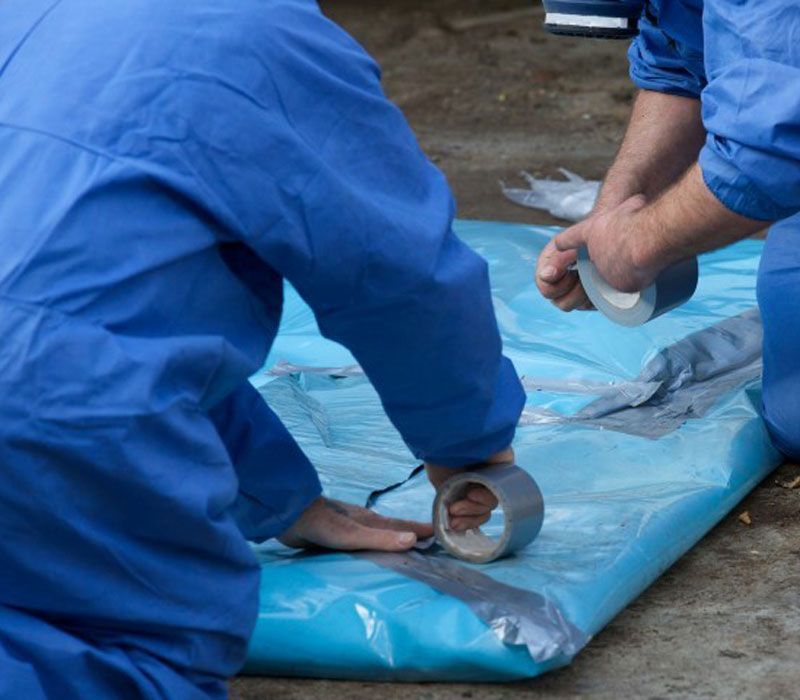
Material is removed safely, double-wrapped and taken to a licensed disposal facility.
Certificate
You receive a waste consignment note and disposal certificate confirming legal handling.
Get in Touch
Send a few details about your project and we will come back the same working day with a fixed price. We cover Surrey, London and the South East, including Esher, Cobham, Kingston, Richmond, Epsom, Guildford, Woking and Croydon.