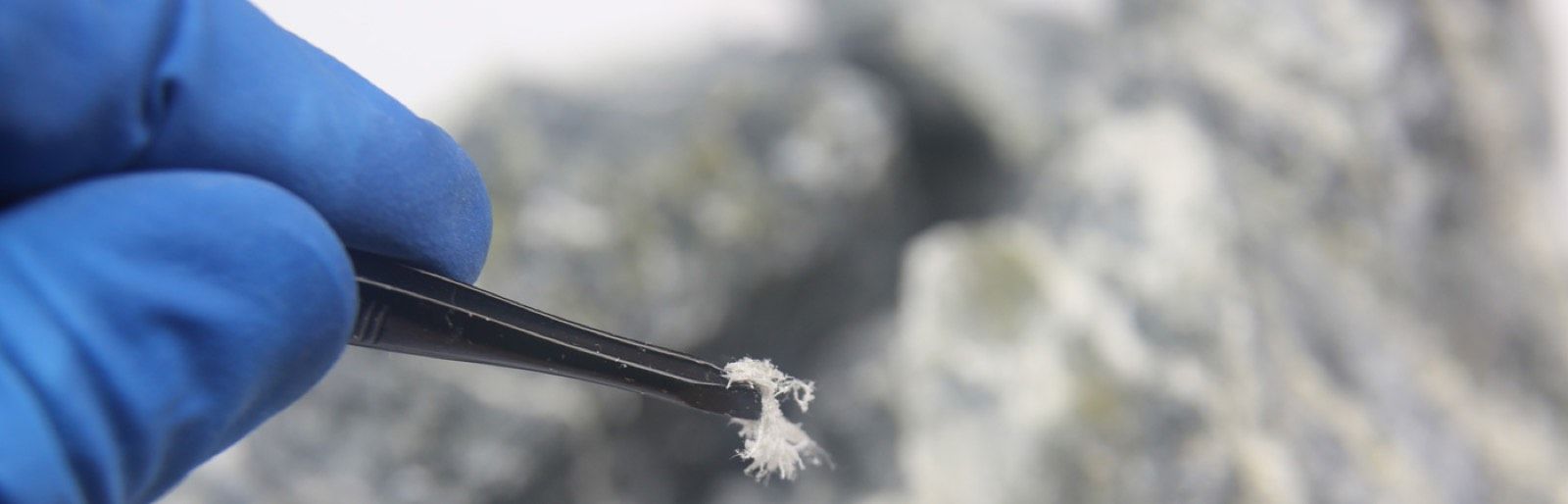
Asbestos Sampling in Kensington
Kensington homes hide their asbestos indoors, in the fabric of period flats and old conversions. Before you disturb a textured ceiling or buy a maisonette off Cromwell Road, a single sample tells you what you are dealing with. That is where sampling earns its keep.
One sample before the builders arrive
A lot of Kensington jobs start the same way. Someone is about to refit a kitchen in a flat off Earls Court Road, or strip the artex from a ceiling in a tall house split into maisonettes years ago, and a question comes up. Is that material asbestos or not. You cannot answer it by looking. Textured coatings, old ceiling boards and the black adhesive under floor tiles all look much the same whether they hold asbestos or not, and the W8 and SW7 housing stock is old enough that plenty of it does.
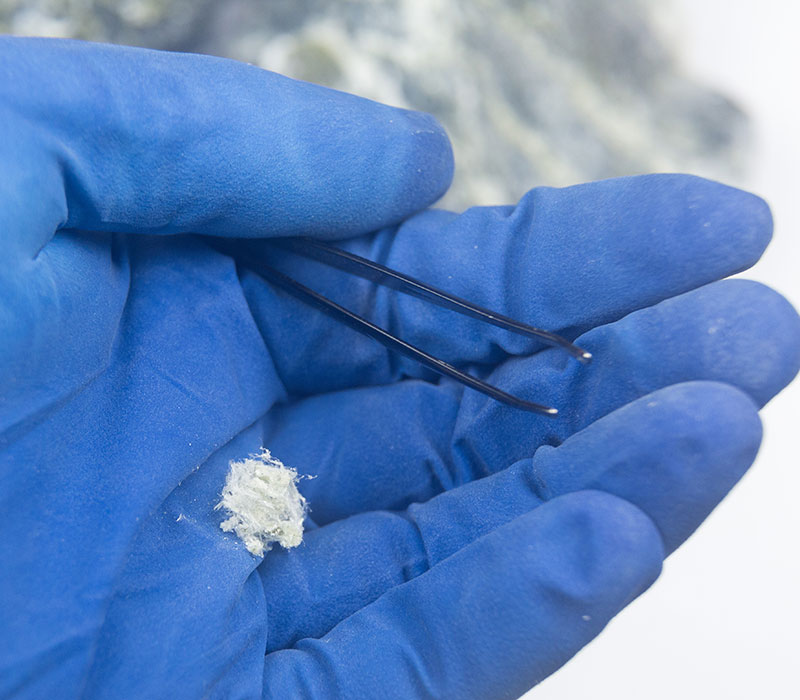
Sampling is the cheap, sensible first move. Rather than guess, or rip something out and hope, you take a small piece of the suspect material under controlled conditions and have a laboratory tell you what is in it. It is a fraction of the cost of a full survey, and for a single room or a single suspect item it is usually all you need. Graham, who runs Clearaway and handles local jobs himself, would far rather take a sample first than be called back to a flat where a ceiling has already been brought down in a cloud of dust.
The houses here make this matter more than in most places. Much of the borough went up in the nineteenth century and has barely been touched since. White stucco terraces sit around Kensington Square and Stanford Road, and a good number of them were carved into flats long ago. Old materials are still in the fabric, behind later paint and later plaster. A sample is how you find out what is hiding before a hammer or a Stanley knife reaches it.

Why you cannot tell by eye
The materials that turn up in these properties are the indoor ones. Textured artex on ceilings and walls. Asbestos insulating board boxed in around boilers, lining airing cupboards and used as ceiling panels. Vinyl and thermoplastic floor tiles with that dark bitumen glue underneath. Pipe lagging in basements, in the risers of the red-brick mansion blocks along Cromwell Road, and on the old heating runs that thread through a converted house. None of it announces itself, and a lot of it sits behind decades of redecoration.
Two ceilings can look identical and only one contains asbestos. The same artex pattern was sold in asbestos and asbestos-free versions, sometimes in the same decade. A sheet of insulating board looks much like ordinary plasterboard once it is painted, and the lagging on a basement pipe could be a harmless modern wrap or the older fibrous kind. This is exactly why a sample matters. Eyes and experience can narrow it down, but they cannot give you a firm yes or a firm no, and a renovation needs a firm answer before it touches the material.
Taking the sample is a small, careful piece of work. We wet the material first so nothing becomes airborne, screen off the area, cut a small portion away and seal it in a bag, then patch the spot behind us. In an occupied flat that takes very little time and leaves very little trace. There is no need to move out, and in a mansion block there is no need to disturb the shared stairwell or the neighbours on the landing.

The lab result and what it tells you
The sample goes to a UKAS-accredited laboratory, which is the part that makes the answer count. UKAS accreditation means the lab works to a recognised standard, so the result holds up if a solicitor, a managing agent or a freeholder asks to see it. You get a clear answer in a few working days. Either the material contains asbestos, in which case we can talk about what type it is and what removal would involve, or it does not, and your refit carries on with one less worry.
That written result is worth more than a verbal all-clear. In a borough where so many flats sit inside listed buildings and conservation areas, the paperwork follows the property. A managing agent looking after a mansion block can keep the result on file for the next tenant or the next bit of work, and show it to a freeholder without having to take anyone's word for it. A buyer can hand it to a surveyor or a solicitor as part of the purchase.
It also tells you how serious the next step is. A clear result means you can carry on. A positive result on lower-risk material, such as some artex, may mean a straightforward removal. A positive result on insulating board or pipe lagging points to higher-risk, licensed work with a proper process behind it. Either way you are deciding on facts. If you are weighing up a maisonette near Stanford Road and the artex looks original, one sample settles the question before you commit, rather than after.

Sampling against a full survey
It helps to be clear about the difference, because the two get muddled. Sampling tests specific items you already suspect. The ceiling in the back bedroom, the tiles coming up in the kitchen, the lagging on a basement pipe. A survey is broader. It inspects the whole property, room by room, and records everything that might contain asbestos, with samples taken across the building. If you are buying a whole house around Holland Park or Campden Hill, or refurbishing a flat from top to bottom, a survey is the right tool. If you have one suspect material and a clear question, sampling answers it for less.
Most callers in W8, SW5 and SW7 want the focused version. A renovation is about to disturb something. A purchase is close and a buyer wants certainty on one material before exchange. A flat-roof extension behind a larger house, or a mews coach house tucked behind the grand frontages, has a sheet nobody can identify. We take the sample, the lab does its work, and you have a written answer in days. If it turns out you have asbestos in several places, that is the point to think about a full survey instead, and we will say so rather than keep sampling item by item.
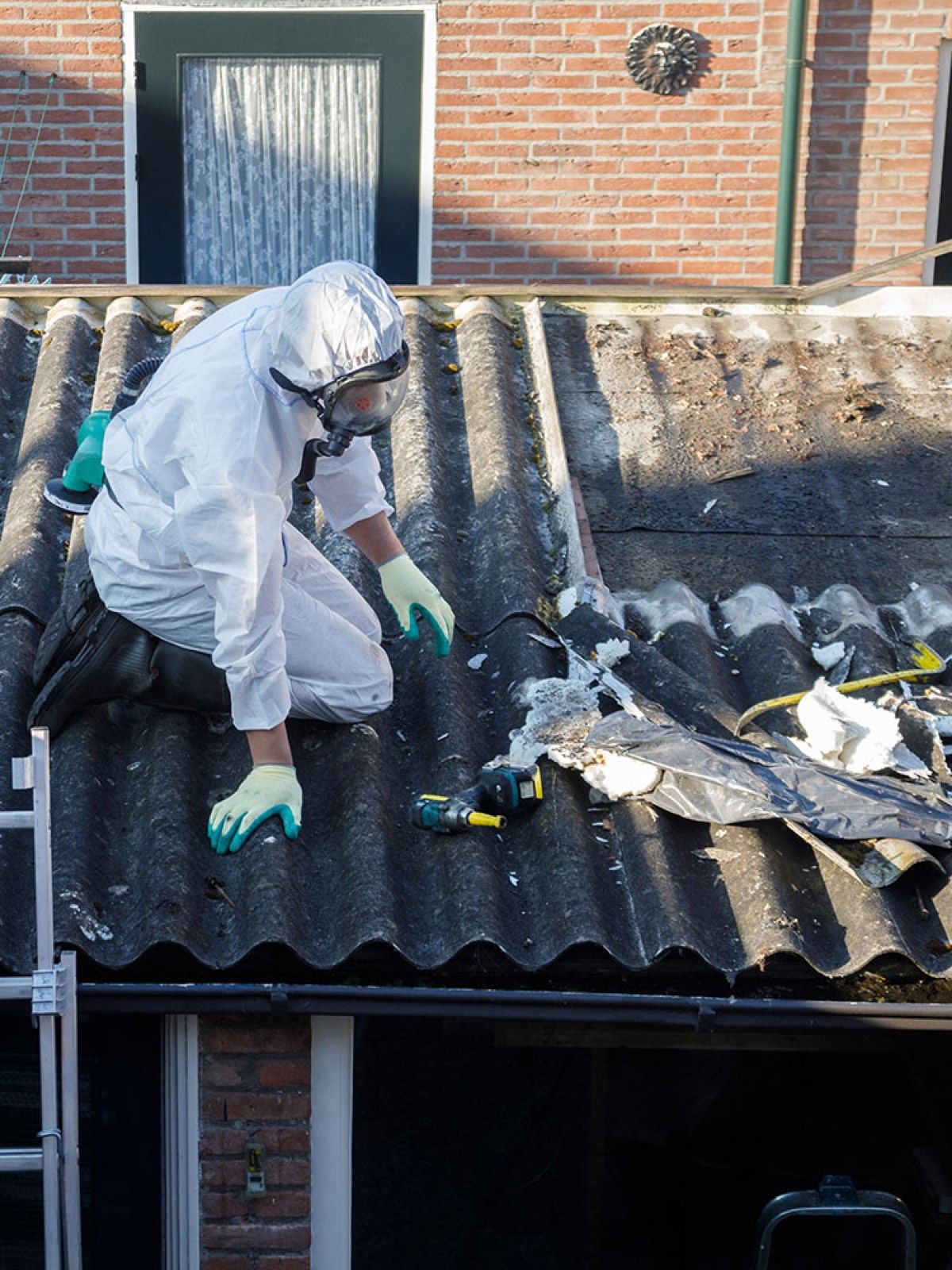
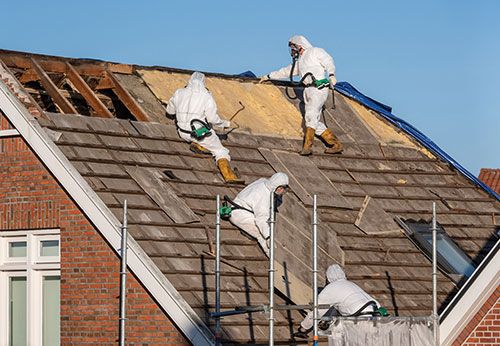
For anything that turns out to need licensed removal, the higher-risk work, there is a proper process behind it. Fourteen days notice to the HSE, full enclosure of the area, and four-stage clearance testing by an independent analyst once the work is done, so the space is signed off before anyone moves back in. Clearaway holds Spectra licence number 142305706 and has worked across this part of London for more than seven years. If you have something you are unsure about, call 0800 024 6168 and we can talk through whether a sample or a survey is the right place to start.
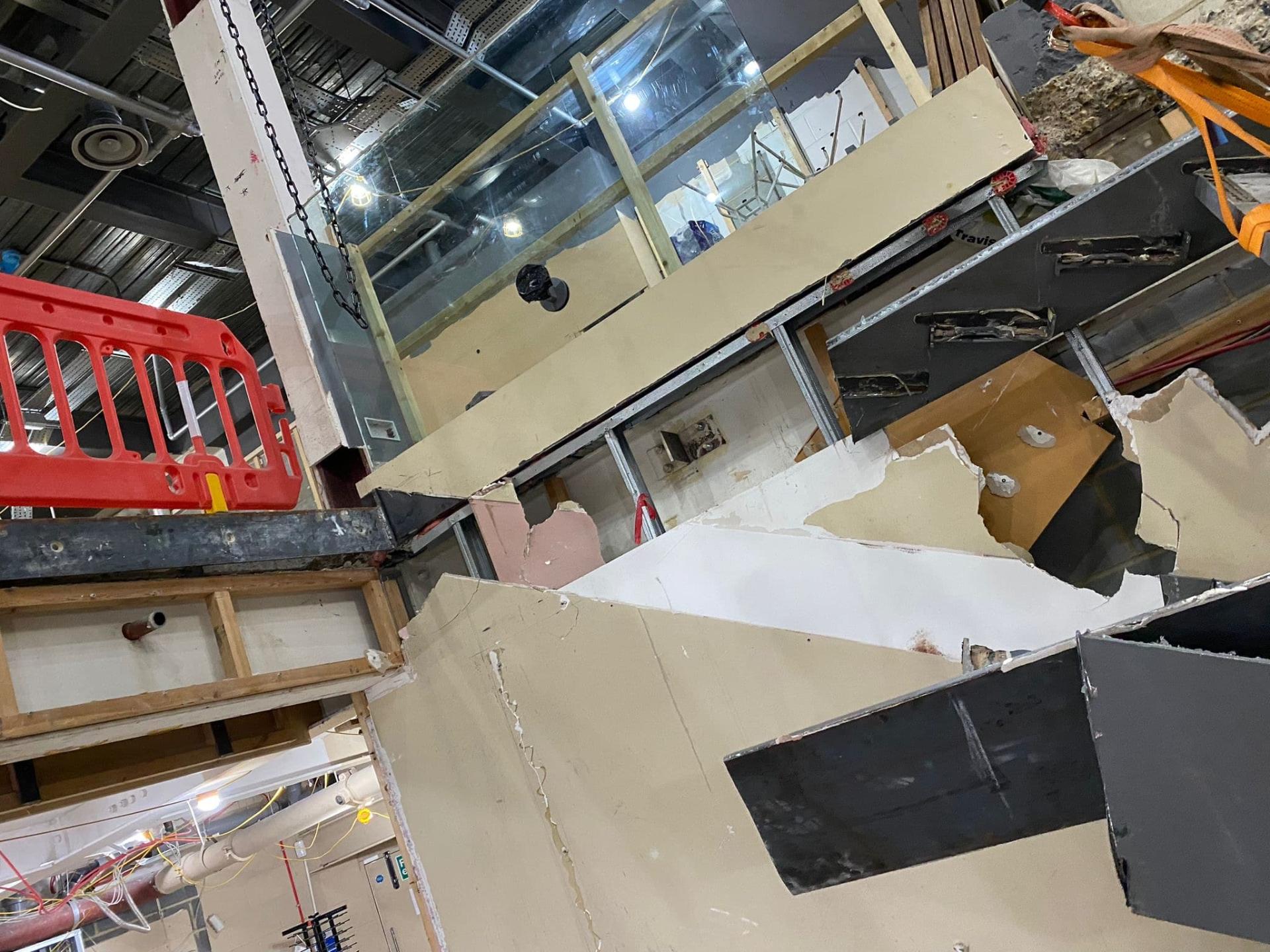
Commercial Building Strip-Out, Kensington
Kensington, South London · Strip-Out
View this project"Graham has organised two jobs for me, both of which ran smoothly and on time. Clive and the team are really great, they completed the work in the agreed time and left the site spotless. Would recommend using Clearaway if you need any work done."
Our Removal Process
From first call to final certificate, every job follows the same clear four-step process.
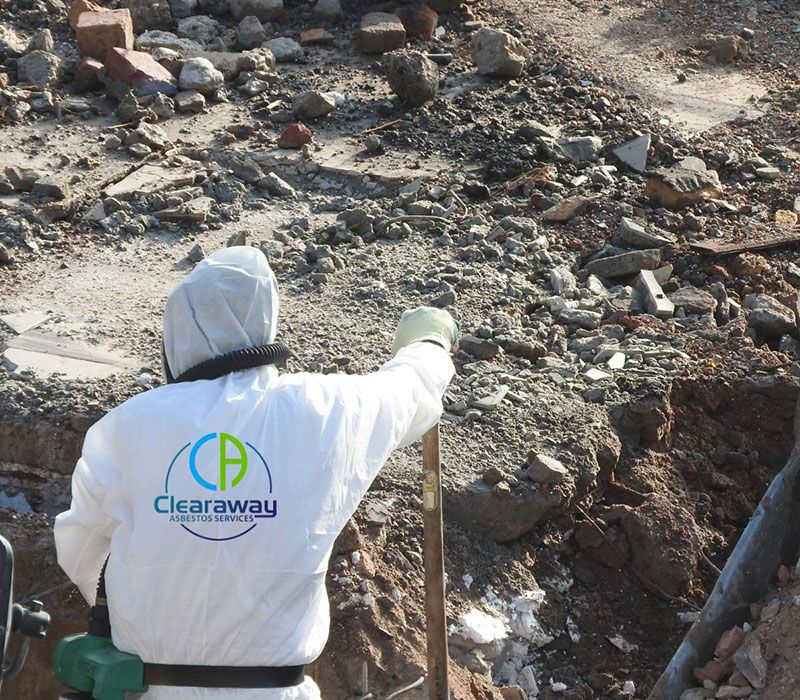
Survey
We inspect the property and confirm the material. Sampling available if required.
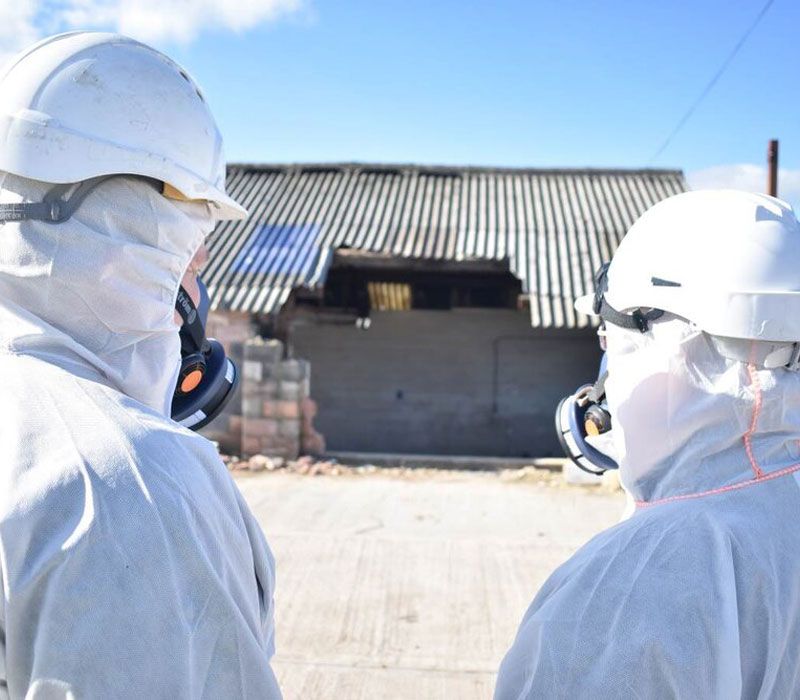
Quote
Fixed written price covering removal, disposal and any replacement work.
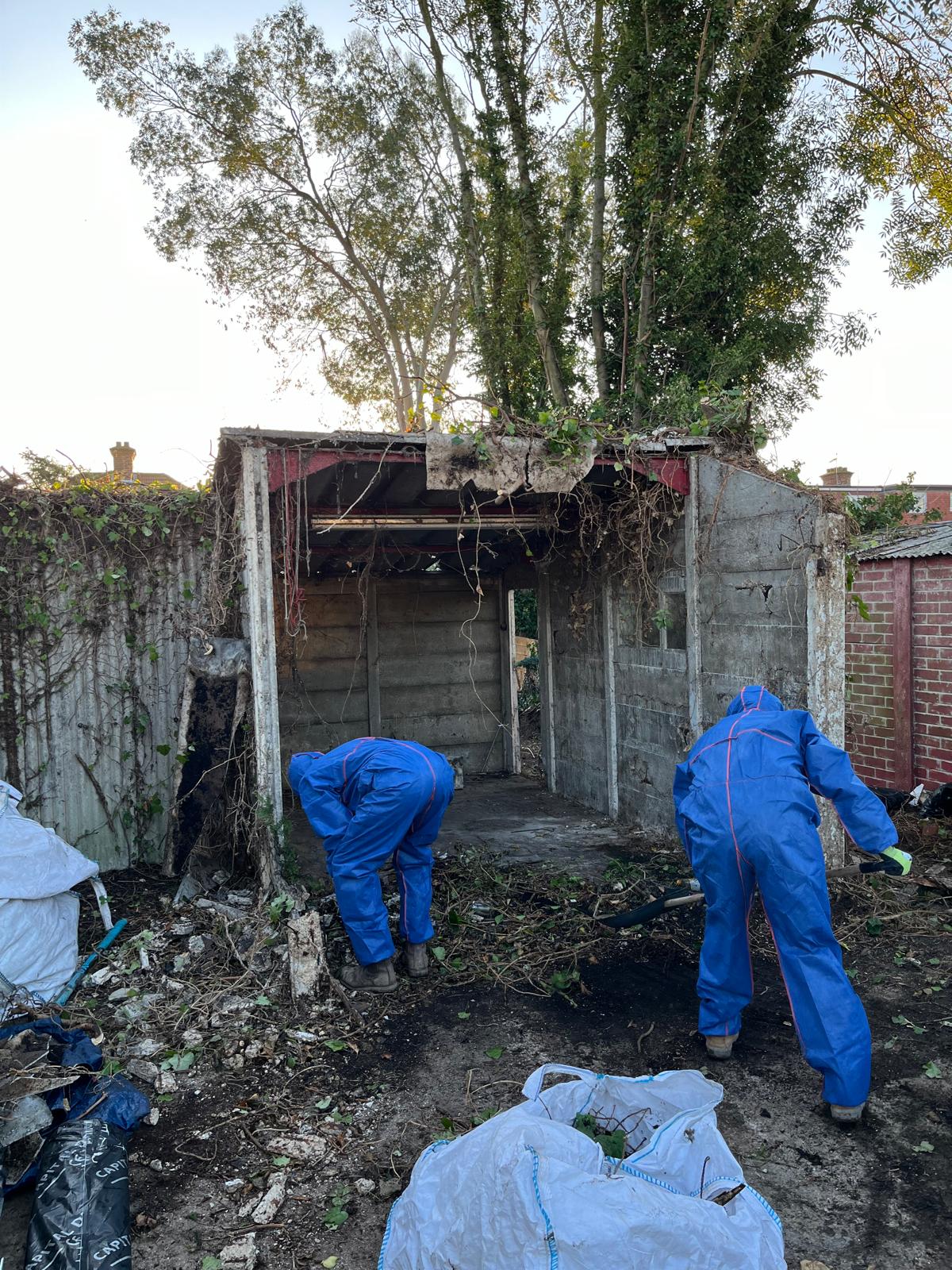
Removal
Material is removed safely, double-wrapped and taken to a licensed disposal facility.
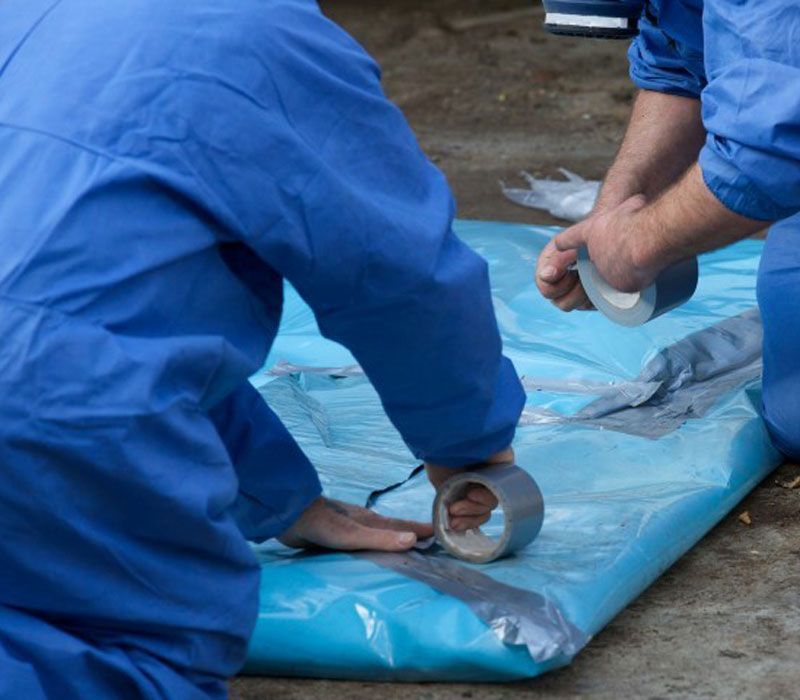
Certificate
You receive a waste consignment note and disposal certificate confirming legal handling.
Frequently Asked Questions
Why Choose Clearaway
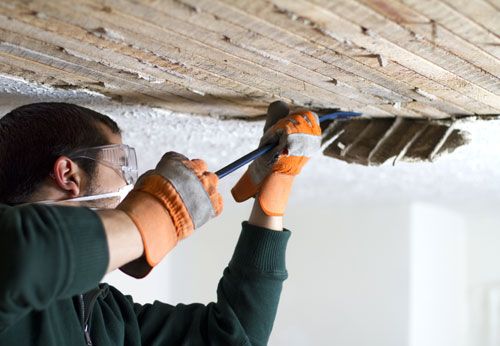
HSE Licensed Removal
Higher-risk material handled under full enclosure, with the 14 days of HSE notice the law requires and independent clearance testing.
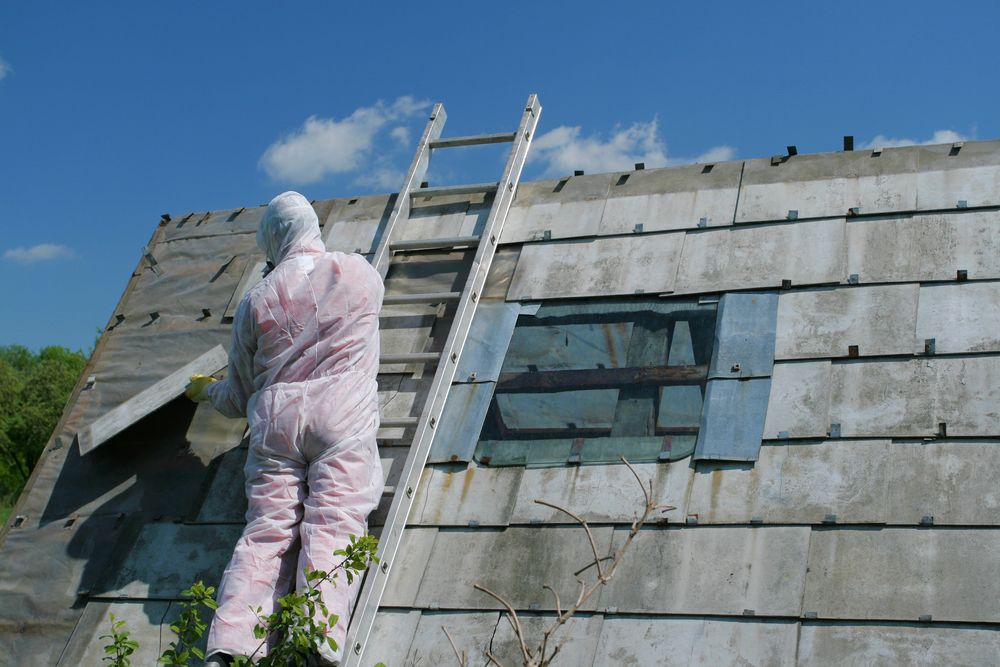
Planning Aware
Used to conservation areas and listed buildings: scaffold and access planned around the restrictions, original fabric protected.
Fully Licensed
Licensed asbestos removal contractor (Licence No. 142305706). Full public liability insurance on every job.
Our Own Team
We never subcontract. The people who quote your job are the people who do it.
Get in Touch
Send a few details about your project and we will come back the same working day with a fixed price. We cover Surrey, London and the South East, including Esher, Cobham, Kingston, Richmond, Epsom, Guildford, Woking and Croydon.