Asbestos Sampling in Hove
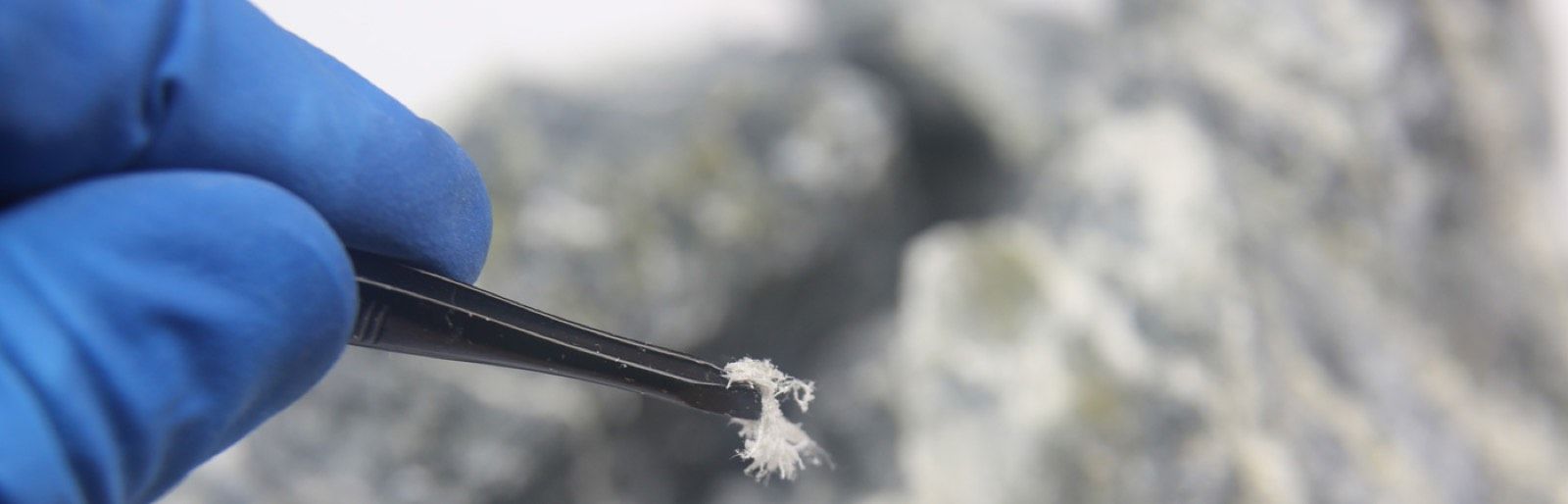
In Hove, a single suspect material rarely needs a full strip-out first. It needs an answer. Sampling confirms whether the artex, tile or roof sheet in front of you actually contains asbestos, before anyone disturbs it.
Hove BN3, and the small question that comes first
Hove sits on the East Sussex coast, immediately west of Brighton, the pair of them making up Brighton and Hove. The seafront is Regency and early Victorian: stucco terraces, squares and grand houses around Brunswick Town, Adelaide Crescent and Palmeira, most of it long since split into flats and maisonettes. A good part is conservation area and listed. Behind it sit the mansion blocks, and further out towards Hangleton and Portslade you find a great deal of interwar and postwar suburban housing with gardens and garages.
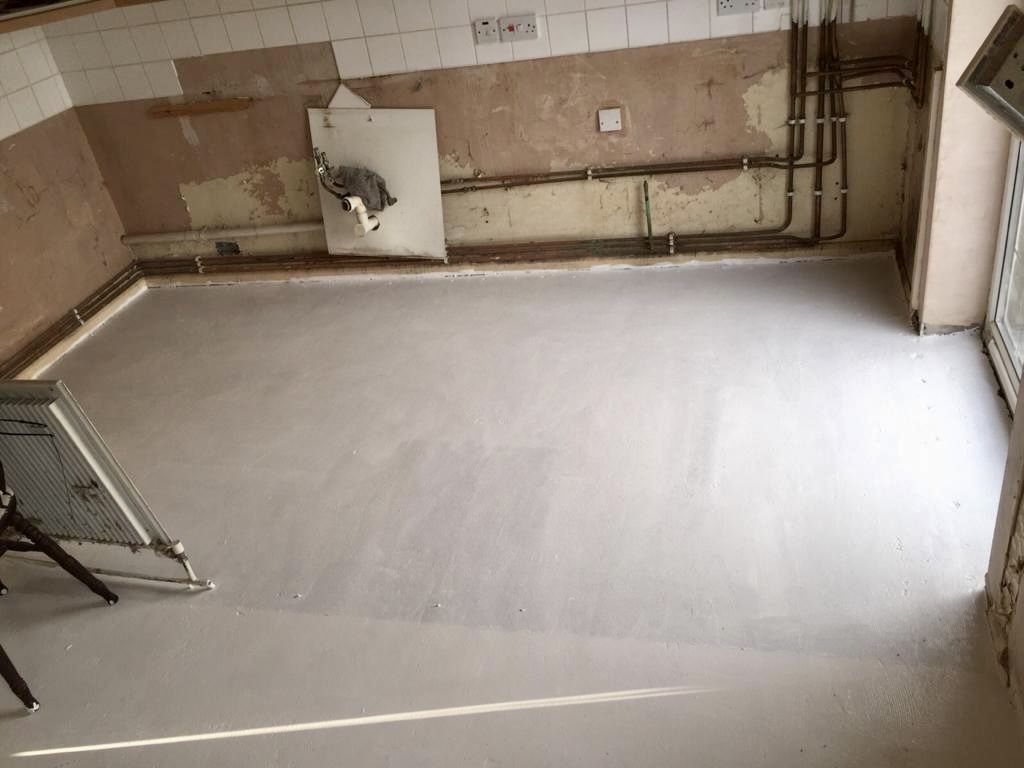
Material that age throws up the same moment again and again. A patch of textured artex on a hallway ceiling. A board lining an airing cupboard. A cracked grey sheet on a back garage. Floor tiles found under old lino when a kitchen comes up. None of it can be read by eye. The fibre that matters is microscopic, and the only honest answer is a laboratory one.
That is what sampling is for. Not a full job, not a strip-out, but the cheap, fast first step: take a small piece of the suspect material under controlled conditions, send it to a UKAS-accredited laboratory, and find out. If it comes back clear, you carry on. If it does not, you now know exactly what you are dealing with before a single tool touches it.

What a sample actually involves
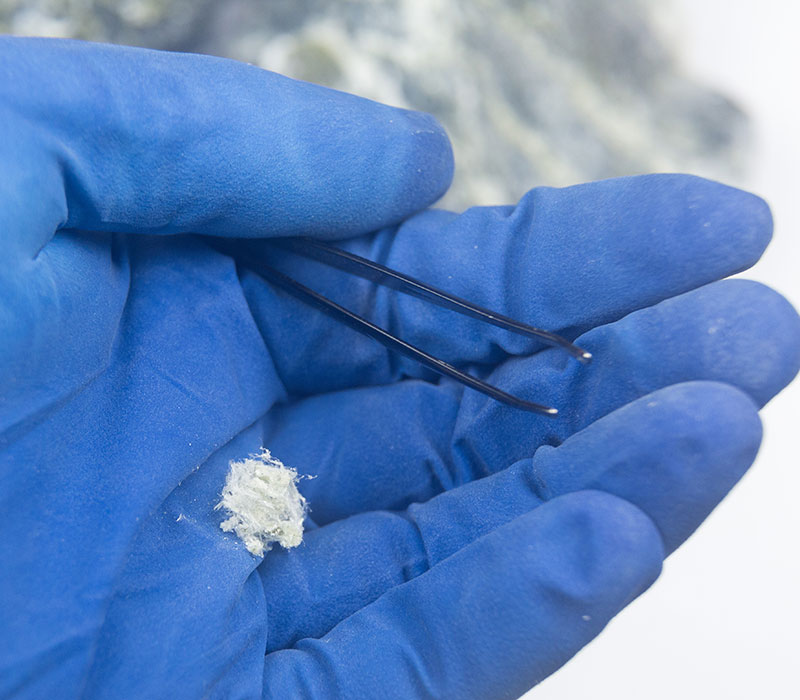
A sample is small. For a textured coating or a sheet material, a piece the size of a 10 pence coin is usually plenty for the lab to work with, so the material is barely marked. Before anything is cut or lifted, the spot is dampened to hold the dust down, the immediate area is sheeted, and the piece is double-bagged and labelled on site. The point of sampling under control is that the act of taking the sample does not itself release fibre into the room.
Most homes need more than one. A renovation about to disturb several materials, say an artex ceiling, the floor tiles beneath the carpet and an old boiler flue, is three separate samples, because each material has to be tested on its own. Graham, who owns Clearaway and runs the jobs himself, will look at what the work is going to touch and take a sample from each suspect item rather than guessing that one result covers the lot.
A visit to take two or three samples in one flat is short, frequently under an hour on site, because the work is the careful taking and bagging, not a strip-out. The bagged samples then go to a UKAS-accredited laboratory, which is the accreditation that tells a solicitor, a lender or a building inspector the result will stand up. Turnaround is a few working days, and you get a clear written result for each item: asbestos present or not, and if it is present, the type. The cost sits well below a removal job, and that is the whole point of sampling. It is the small spend that stops you guessing. A clear result means a builder can carry on the same week. A positive one means the job is scoped properly from the start, with the right method and the right notice, rather than a tool going into a ceiling and a room having to be shut down after the fact. From there the decision is yours, and it is an informed one.

Why Hove materials get sampled, and where
Two patterns drive most of it. In the period seafront flats and conversions the asbestos is indoors. Textured artex on ceilings, asbestos insulating board around boilers and as ceiling boards, vinyl and thermoplastic floor tiles with black bitumen adhesive under them, and pipe lagging in the basements and old heating runs of the bigger houses. A refit in a Brunswick Town maisonette that is about to open up a ceiling or pull up a floor is the classic reason a sample gets taken first.
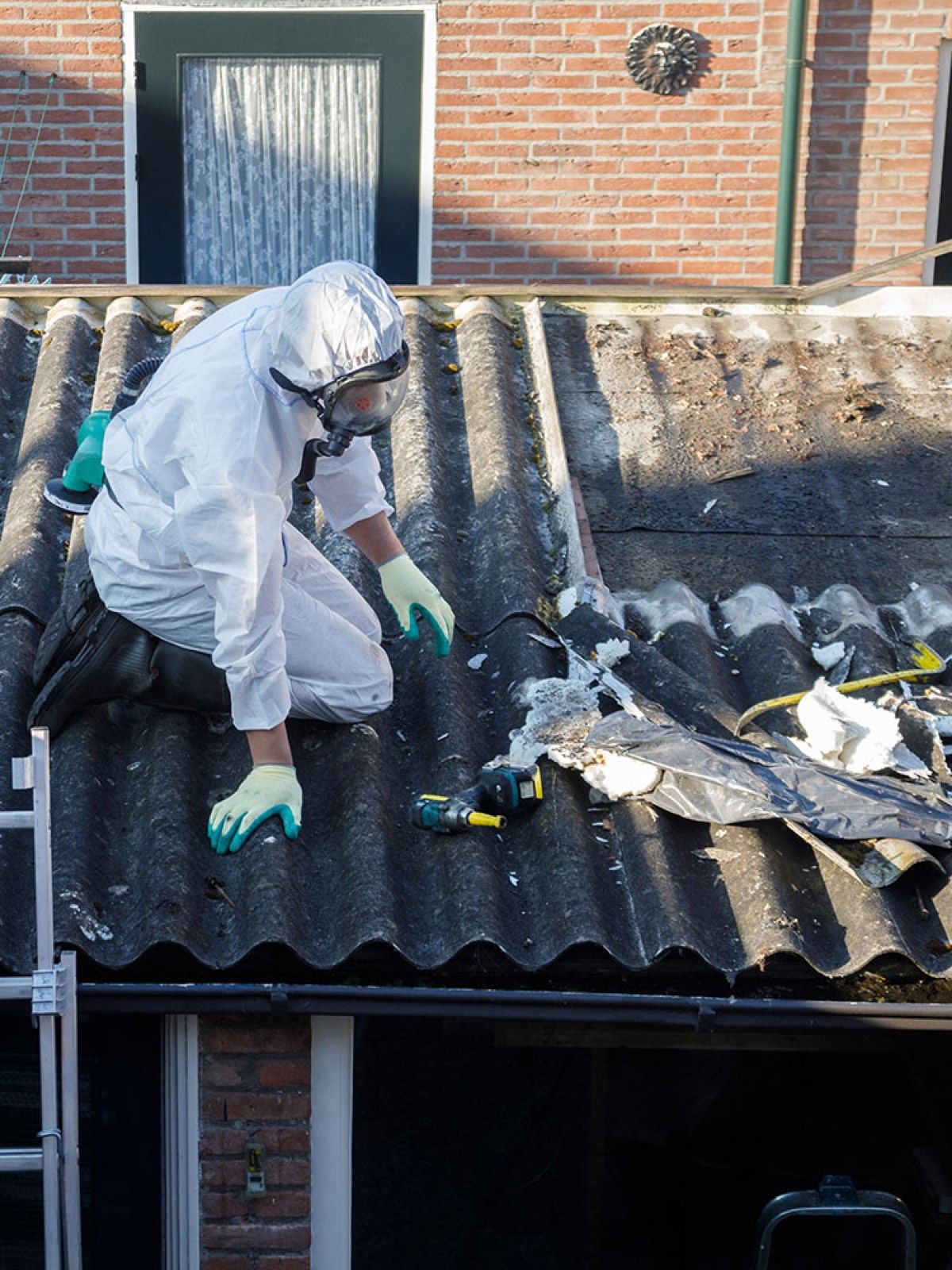
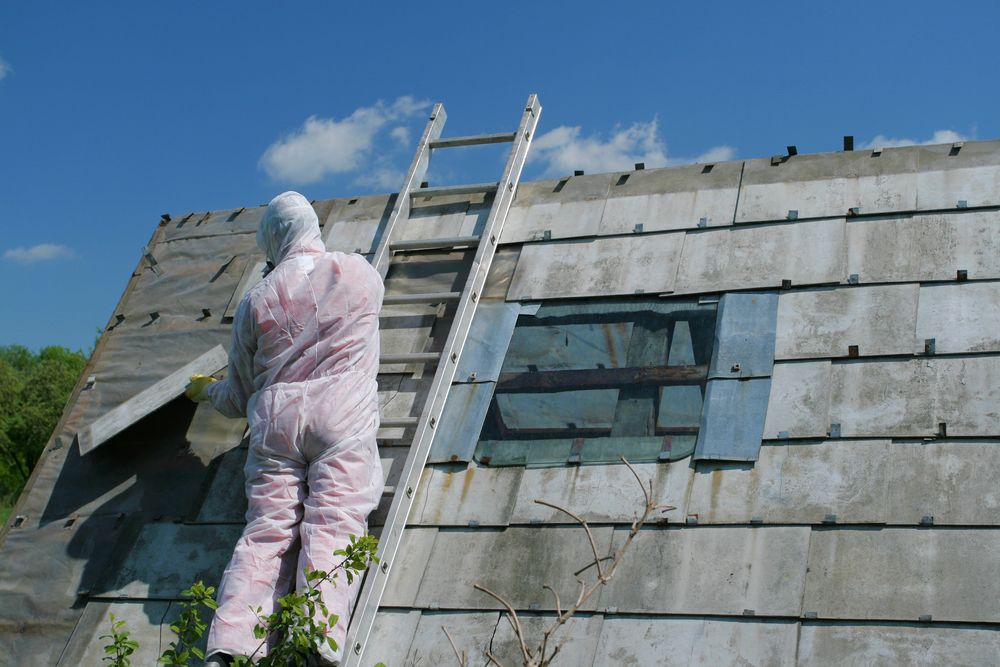
Out towards Hangleton and Portslade the picture shifts outdoors. The suburban semis carry the corrugated cement garage and shed roofs, plus cement soffits, gutters and fascia boards. A homeowner about to re-roof a garage, or a buyer who has spotted a grey sheet during a viewing, wants to know what the sheet is before they price the work or commit to the purchase.
The pre-purchase angle matters here more than in most places. A conversion flat in a listed seafront terrace is a significant buy, and a quick sample of a suspect ceiling or floor turns a vague worry into a known figure during the survey window. It is far cheaper to test one material than to inherit a problem and find it the hard way after completion.

Sampling against a full survey, and the trip down
Sampling and surveying are not the same job, and it helps to be clear which one you need. Sampling tests specific items. You point at a material, it gets sampled, you get a result for that material. A survey inspects the whole property: an assessor walks every room and space, records each suspect material, and hands back a written report covering the lot, which is what a builder, solicitor or buyer often asks for before a larger project. If you are touching one or two materials, sampling answers it. If you are gutting a flat or buying blind, a survey is the better tool. We do both, so the honest steer is towards whichever fits the work, not the bigger invoice.
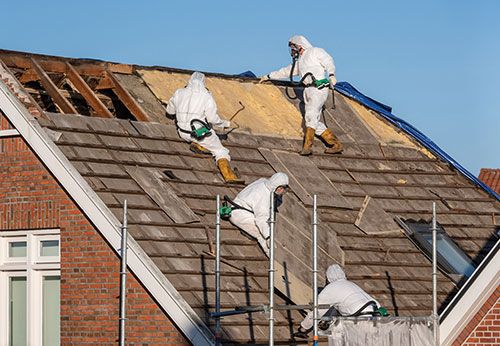
Where a sample comes back positive and the material is higher risk, the licensed standard applies: 14 days of notice to the HSE, full enclosure of the work area, and four-stage clearance testing signed off by an independent analyst before the space is handed back. The Regency and conservation streets add their own planning, since scaffold, access and listed-building care all have to be worked around. Lower-risk materials such as some artex can be handled without the full licensed process, and the lab result is what tells the two apart.
Be straight about the distance. Clearaway is based in Chessington in Surrey, so Hove is a long run to the coast, much the same trip as Brighton next door. For a single sample on the doorstep that may not stack up on its own, though it is easily folded into a sampling visit across a few flats, a fuller job, or a survey where the paperwork has to be right. This is not the local KT patch, it is work the credentials justify the trip for. Clearaway holds Spectra licence 142305706 and has spent more than seven years working across this stretch of the south coast. To talk through a suspect material in Hove and whether a sample or a survey is the sensible first move, call 0800 024 6168.
Asbestos Vinyl Floor Tile Removal & Bitumen Sealing, Surbiton
Surbiton, Surrey · Floor Tile Removal
View this project"Clearaway Asbestos did a brilliant job coming out to survey our old garage roof for asbestos. They were professional and we were impressed with the job they did replacing the garage roof"
Why Choose Clearaway
Specialist Crew
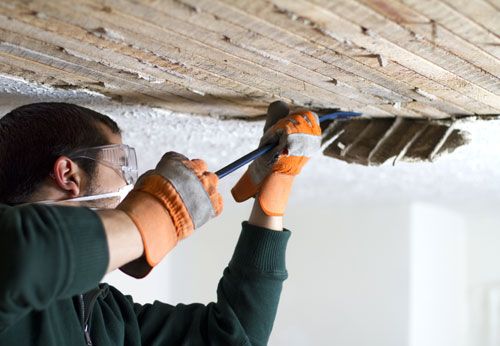
Asbestos work is all we do, every day, across the South East.
Fully Licensed
Licensed asbestos removal contractor (Licence No. 142305706). Full public liability insurance on every job.
Local & Fast
Surrey-based. Most domestic jobs are booked in and finished within a week.
Our Own Team
We never subcontract. The people who quote your job are the people who do it.
Frequently Asked Questions
Our Removal Process
From first call to final certificate, every job follows the same clear four-step process.
Survey
We inspect the property and confirm the material. Sampling available if required.
Quote
Fixed written price covering removal, disposal and any replacement work.
Removal
Material is removed safely, double-wrapped and taken to a licensed disposal facility.
Certificate
You receive a waste consignment note and disposal certificate confirming legal handling.
Get in Touch
Send a few details about your project and we will come back the same working day with a fixed price. We cover Surrey, London and the South East, including Esher, Cobham, Kingston, Richmond, Epsom, Guildford, Woking and Croydon.