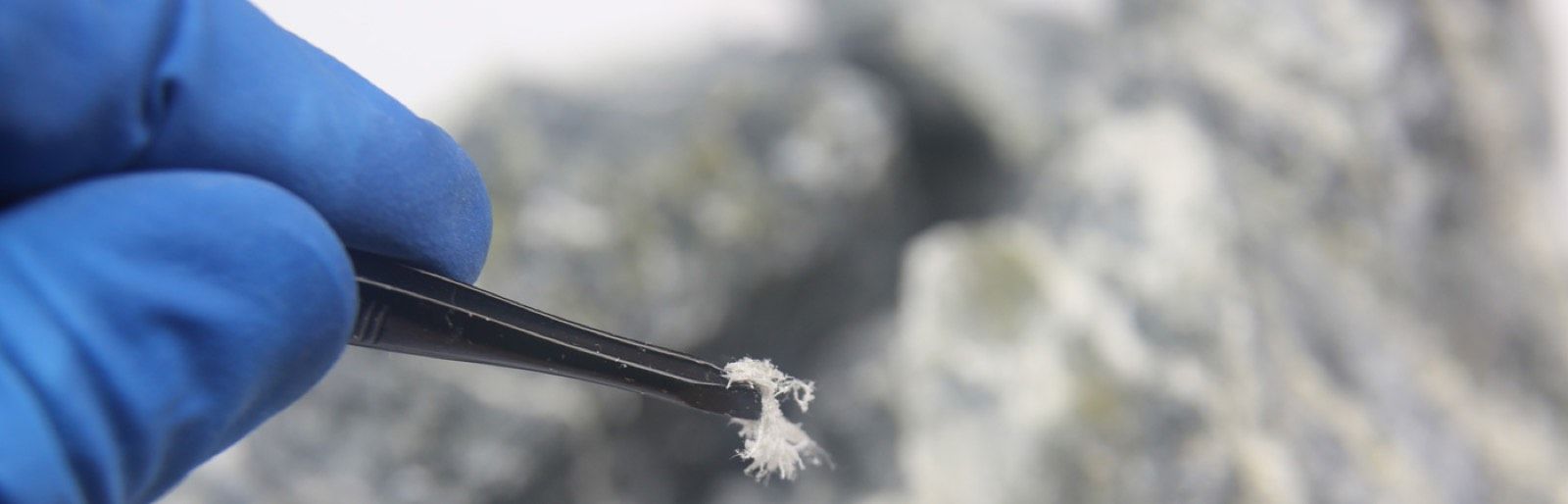
Asbestos Sampling in Epsom
Before you start stripping a kitchen in Stamford Green or buying a 1930s semi off Woodcote, a single sample tells you what the artex or the garage roof actually is. Quick, controlled, sent to a UKAS lab.
The Question Before Any Epsom Job Starts
Most asbestos worries in Epsom start the same way. A skirting comes off, an old ceiling gets a closer look, or a survey lands during a house purchase near the Downs, and suddenly there is a grey board or a textured coating that nobody can put a name to. You cannot tell by eye whether it holds asbestos. Two boards that look identical can come back from the laboratory with completely different results, and that is precisely the problem a sample is built to solve.
Sampling is the cheap first step. Rather than commit to removal or call off a renovation on a hunch, you have one small piece of the suspect material taken under controlled conditions and tested properly. It answers a single, narrow question: does this specific item contain asbestos, yes or no. For a lot of Epsom homeowners that one answer is all they were ever after, and in plenty of cases it comes back clear. The alternative tends to cost more. People either treat a suspect material as harmless and disturb it without checking, which is the one thing you should never do, or they assume the worst and budget for a full licensed removal that may not be needed at all. A sample sits between those two reactions, a small and sensible spend that tells you which of them you are actually facing before any money goes on the larger job.
Epsom gives us no shortage of reasons to ask. The town filled out fast between the wars, street after street of semis across Stamford Green, Woodcote and the Wells Estate, with Georgian and Victorian stock nearer the old centre and decades of garages and extensions added since. Asbestos was not banned in the UK until 1999, so anything built or altered before 2000, which is most of the town, can hold it somewhere. The age of the place is the whole reason a quick test is worth doing before you assume a material is fine.

What Gets Sampled in a Pre-2000 Home
The suspects are fairly predictable once you know the town. Textured artex coatings on ceilings and walls are the one we are asked about most often, usually in the interwar semis where a swirled or stippled finish was the fashion for years. Then there are the vinyl floor tiles that surface when old lino or carpet comes up in a kitchen, along with the black bitumen adhesive bedded into the screed beneath them. Outside, it is the corrugated cement garage and shed roofs, and the cement soffits, gutters and downpipes on the 1930s housing.
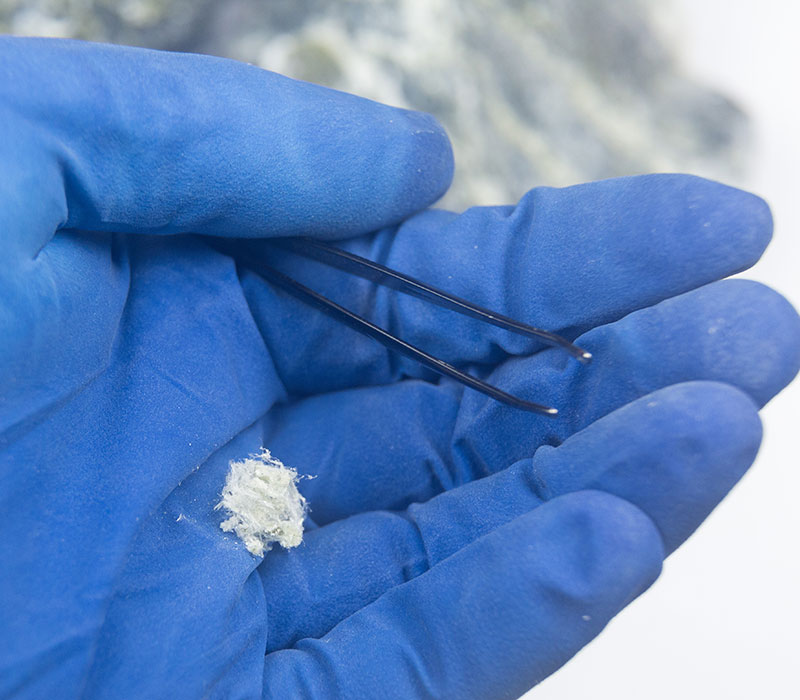
A sample is small. We take a representative piece of the material, not a great chunk of your ceiling, working wet and contained so the act of taking it does not release fibres into the room. Taking it is the part people worry about, and fairly so, because cutting blind into a suspect coating is exactly how fibres get loose. Done properly it is quick and low risk. The piece is double bagged, labelled and sent to a UKAS-accredited laboratory, where it is examined under the microscope and identified properly. Results come back in a few working days.
It is worth saying what the result then tells you. If a coating comes back as artex with a low asbestos content, it often falls into lower-risk, sometimes non-licensed work. Asbestos insulating board, the kind found around old boilers and in airing cupboards, is a higher-risk material and licensed. The sample is what sorts one from the other, because by eye they can look much the same. That difference matters for what happens next. A lower-risk material can sometimes be dealt with quickly and at modest cost, while a higher-risk find changes the picture, since licensed work is done to a stricter standard set in law, under controlled conditions and with its own paperwork. Knowing which you have, on paper from a laboratory rather than as a guess on site, is the difference between planning the job properly and finding out the hard way.

Sampling Is Not a Survey
This is the distinction that saves people money, so it is worth being plain about it. Sampling tests specific items you already suspect. A survey inspects the whole property. They are different jobs for different moments, and most Epsom homeowners need only one of them.
If you have one grey board in the garage or a single artex ceiling you are about to skim over, a sample of that item is usually all the situation calls for. You point at the thing that is worrying you, we test that thing, and you get a clear answer on it. There is no need to pay for an inspection of rooms you were never going to touch.
A full survey earns its keep at a different scale. A management survey maps and assesses material across a home that is staying lived in, useful for a landlord with a portfolio of older Epsom lets, while a refurbishment and demolition survey is the more intrusive inspection the law expects before a knock-through or a larger building project. Both produce a written report. If a sample throws up something widespread, or you are taking on serious works, that is the point a survey becomes the sensible move, and we will tell you honestly which one your situation actually needs.

When People Ask Us to Sample First
Three situations bring most of the calls. The first is a renovation about to disturb something. A kitchen refit in a Woodcote semi, a bathroom strip, a ceiling due to be reskimmed, anything where a tool is about to meet a material from before 2000. Test it before the work starts, not halfway through, because once a suspect coating has been sanded or a tile lifted dry the moment to do this safely has already passed.
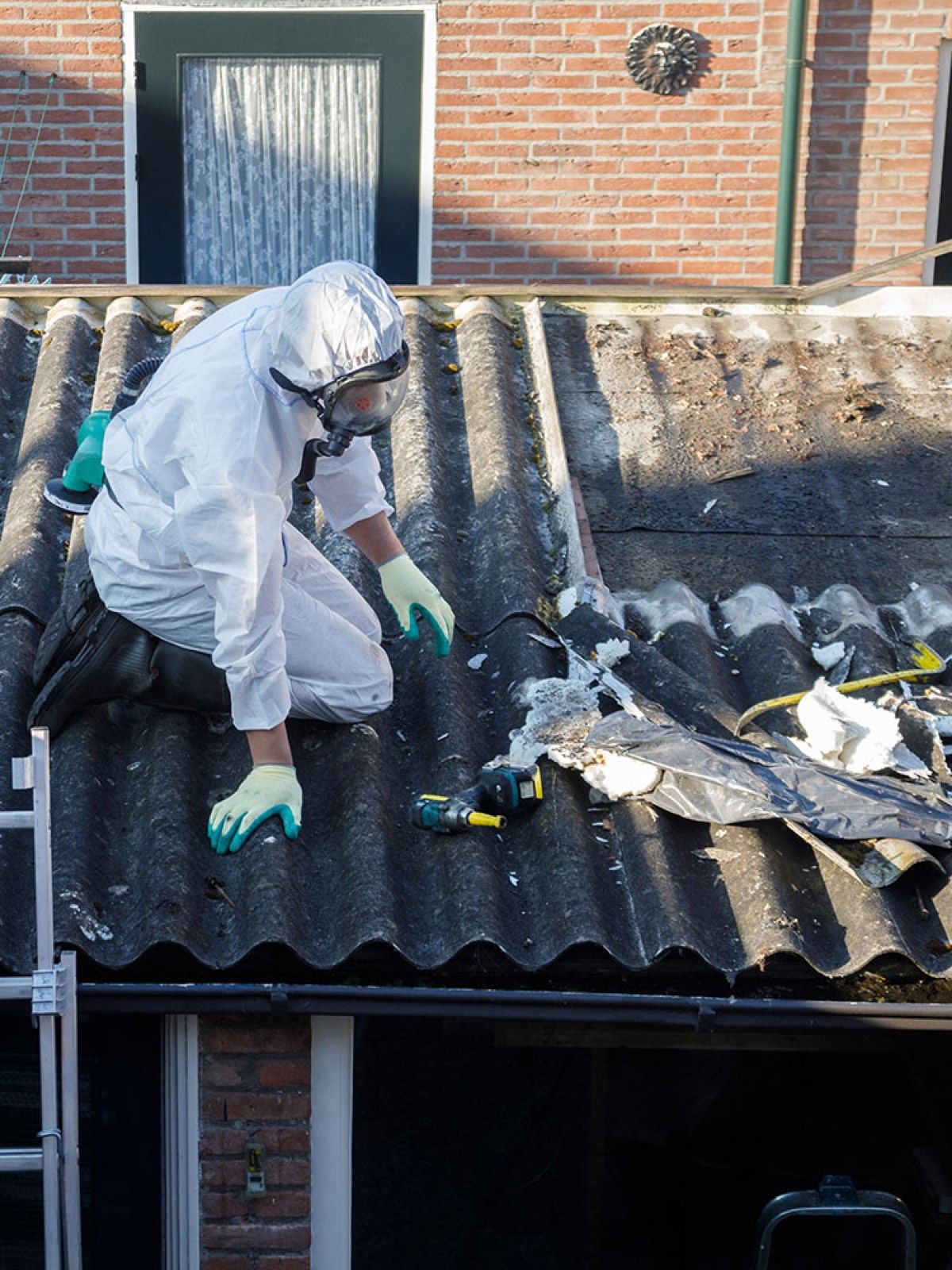
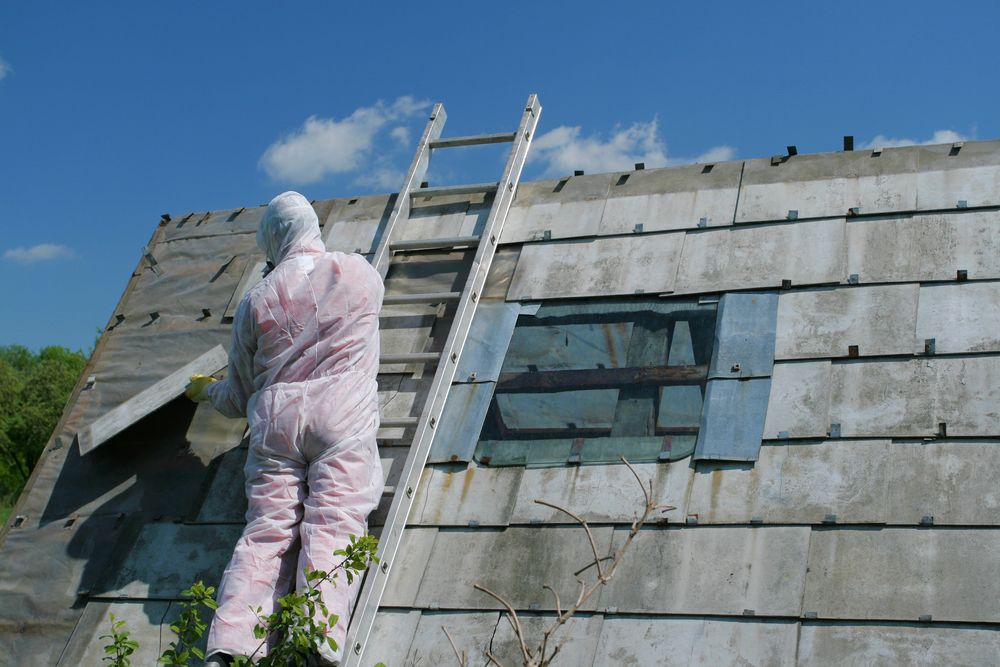
The second is a suspect garage or shed roof. A corrugated cement sheet that has weathered through every Epsom winter is a fair bet for asbestos cement, but a sample confirms it and tells you exactly what you are dealing with before you decide whether to leave it, overclad it or have it taken down. The third is a house purchase. A survey near the Downs flags a possible asbestos material, the sale stalls, and a quick sample settles the question one way or the other so everyone can move on.
The value is the same across all three. A small spend up front turns a guess into a fact, and that fact decides whether you are looking at a quiet afternoon or a licensed removal. We sample, identify and only then advise, and we will never push you toward removal that a clear result has ruled out. We hold Spectra licence number 142305706, we have spent more than seven years working across Epsom and the surrounding KT postcodes, and the laboratory we use is UKAS-accredited. To arrange sampling, call us on 0800 024 6168.
You may also need our asbestos removal and surveys in Epsom service.
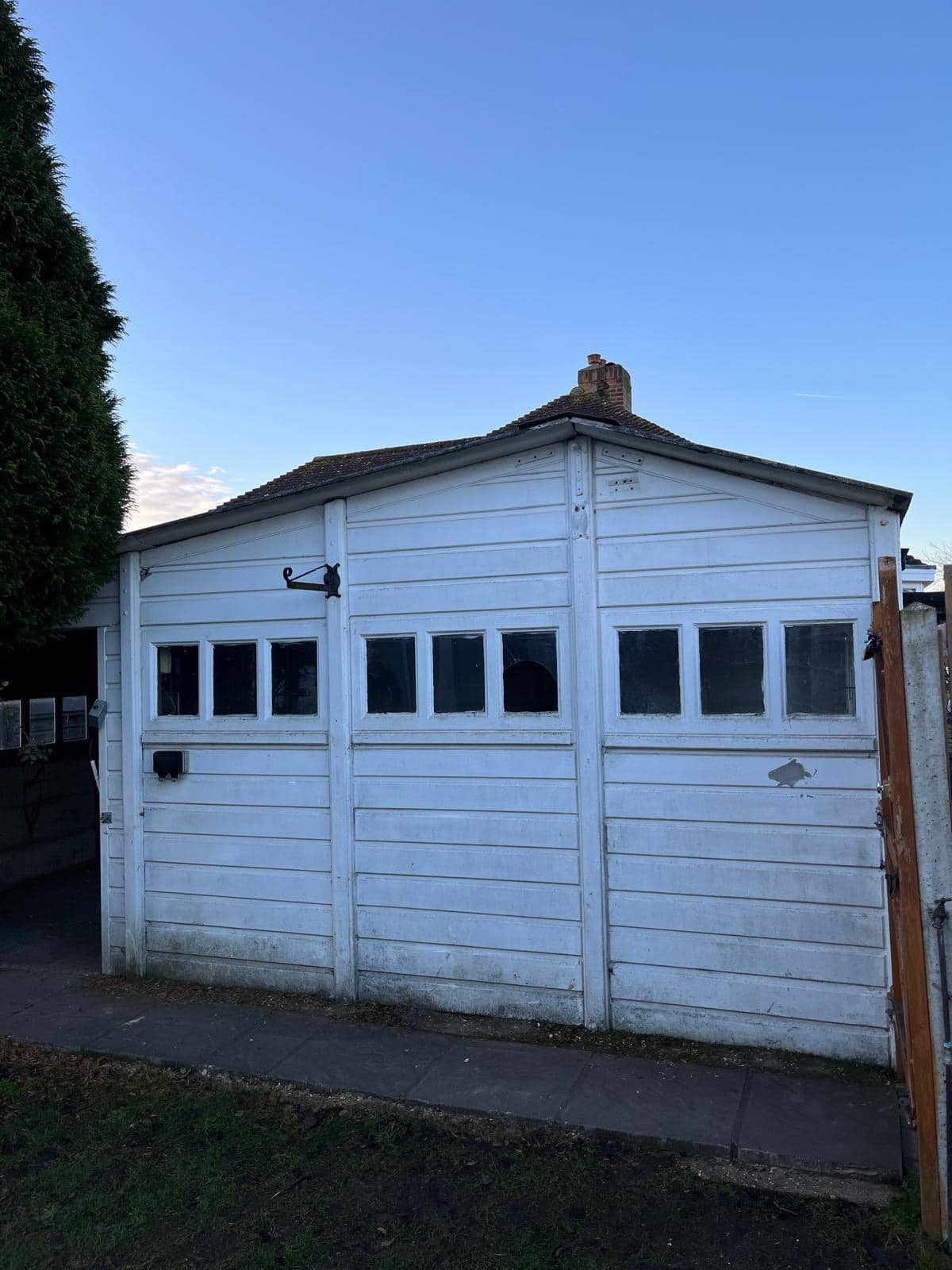
Concrete Asbestos Garage Removal, Epsom
Epsom, Surrey · Garage Removal
View this project"Graham and his team done an excellent job of removing and replacing my asbestos garage roof and I wouldn't hesitate in recommending them"
Frequently Asked Questions
Our Removal Process
From first call to final certificate, every job follows the same clear four-step process.
Survey
We inspect the property and confirm the material. Sampling available if required.
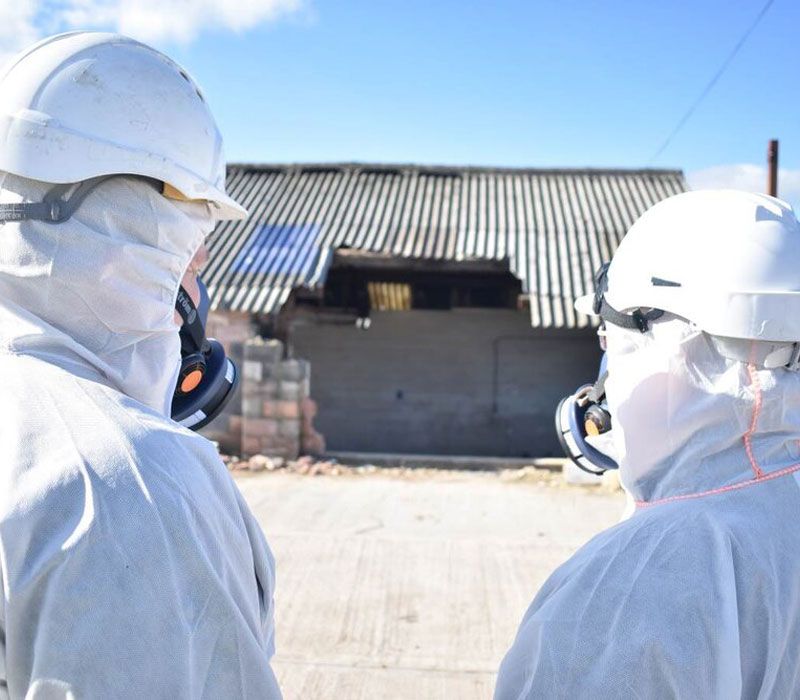
Quote
Fixed written price covering removal, disposal and any replacement work.
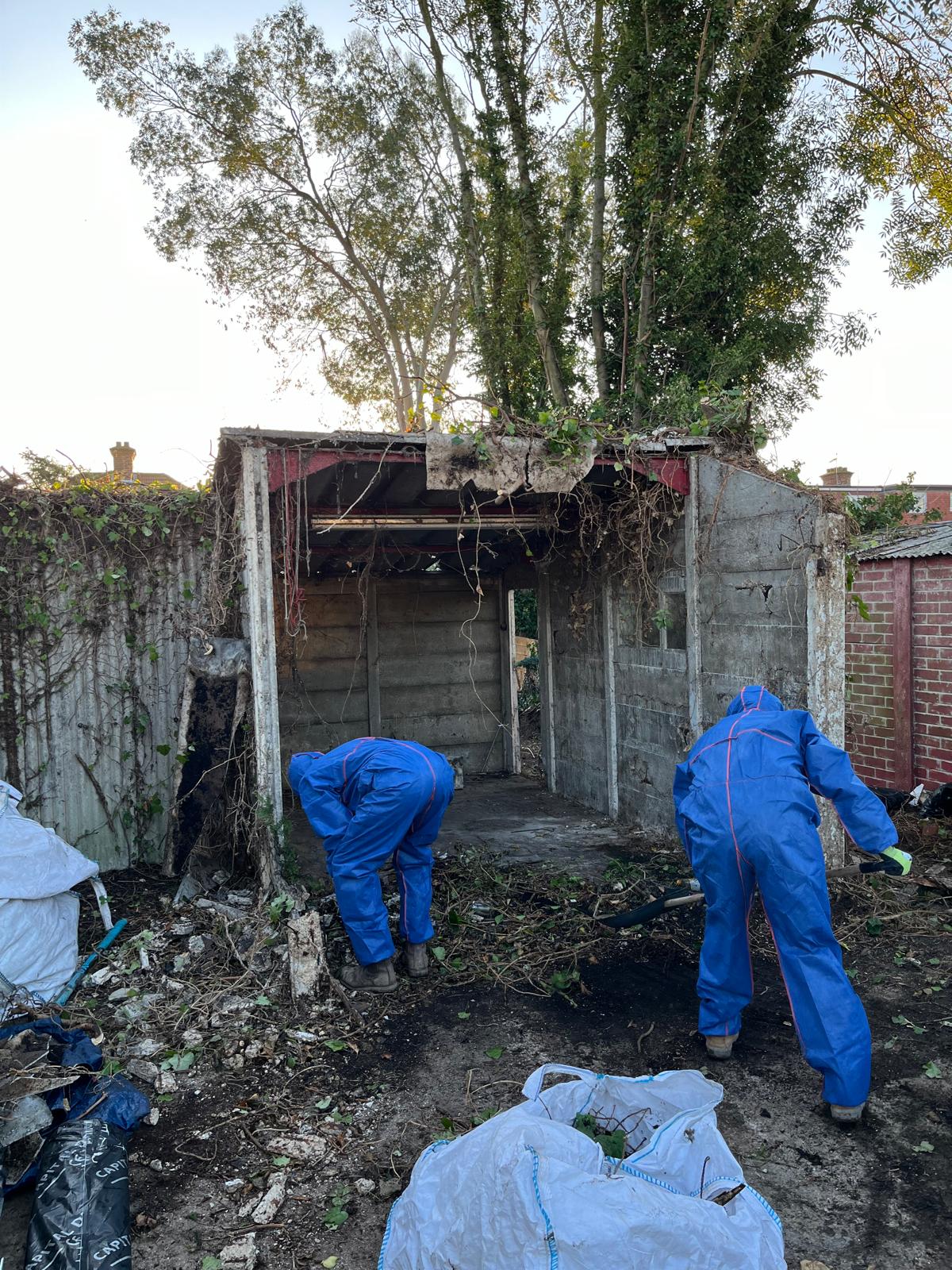
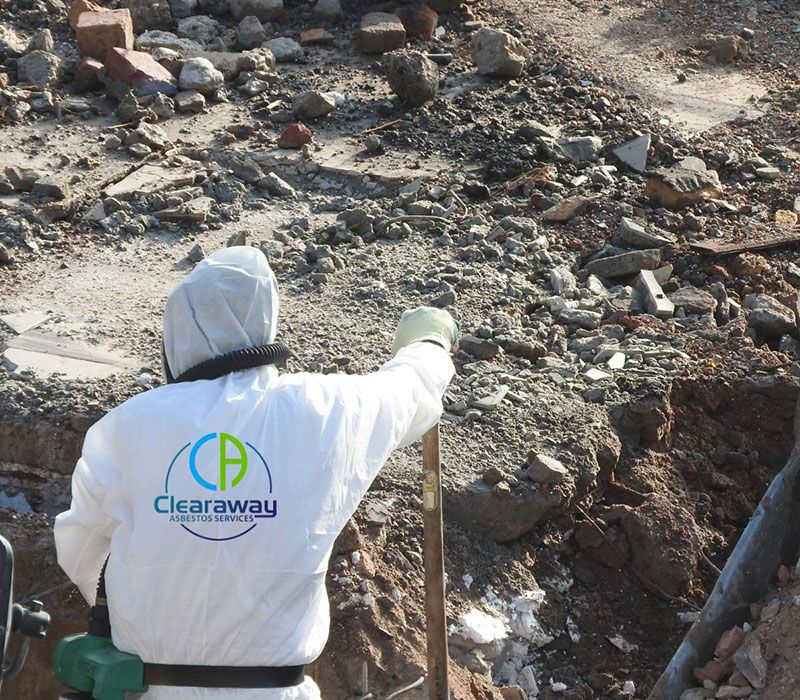
Removal
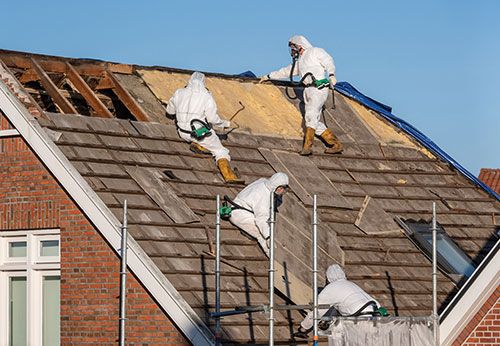
Material is removed safely, double-wrapped and taken to a licensed disposal facility.
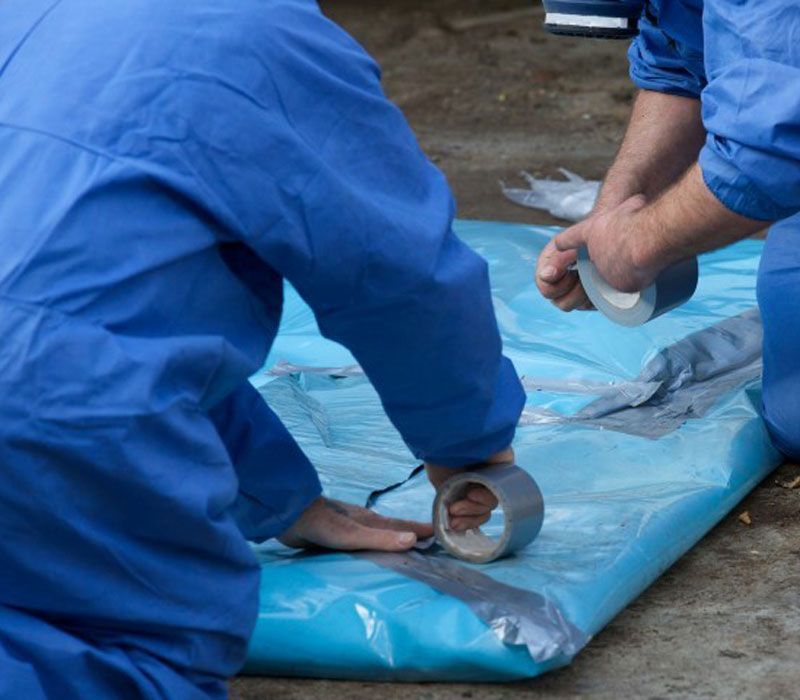
Certificate
You receive a waste consignment note and disposal certificate confirming legal handling.
Why Choose Clearaway
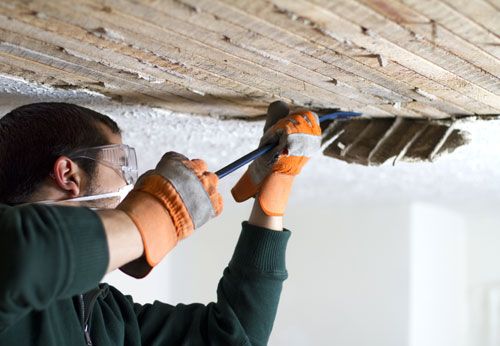
Specialist Crew
Asbestos work is all we do, every day, across the South East.
Fully Licensed
Licensed asbestos removal contractor (Licence No. 142305706). Full public liability insurance on every job.
Local & Fast
Surrey-based. Most domestic jobs are booked in and finished within a week.
Our Own Team
We never subcontract. The people who quote your job are the people who do it.
Get in Touch
Send a few details about your project and we will come back the same working day with a fixed price. We cover Surrey, London and the South East, including Esher, Cobham, Kingston, Richmond, Epsom, Guildford, Woking and Croydon.