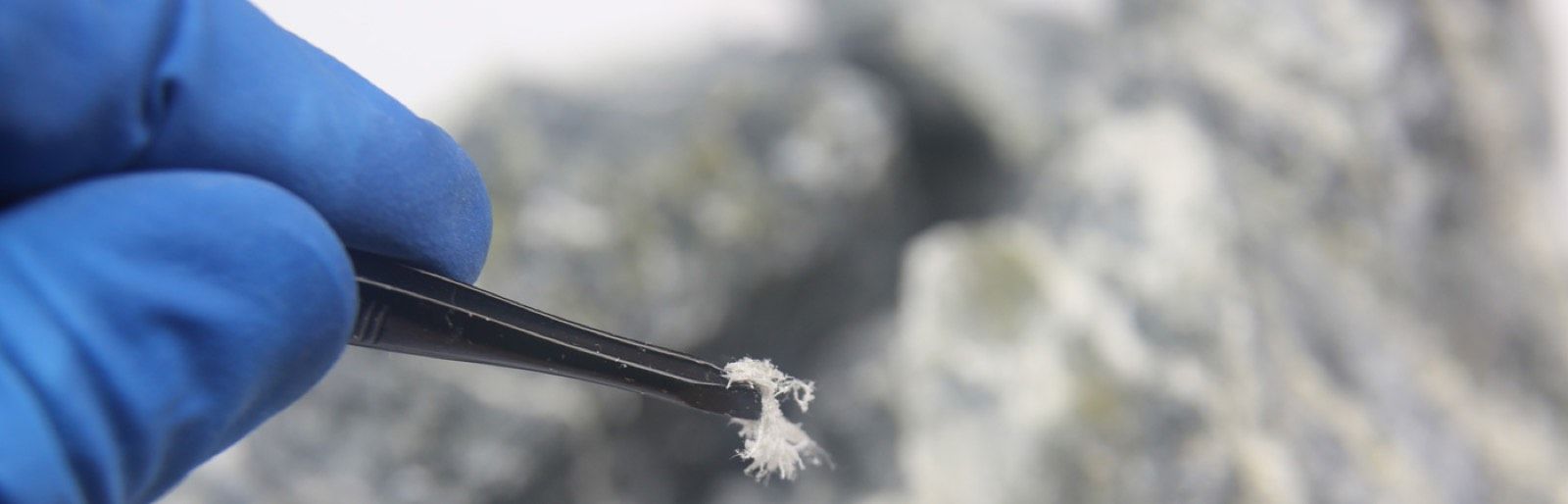
Asbestos Sampling in Croydon
Across Croydon, from the converted Victorian houses of Thornton Heath to the postwar towers near the centre, a suspect material can be confirmed by one small sample sent to a UKAS-accredited lab, days before any work begins.
One sample before you touch anything
Most asbestos worries in Croydon start with a single thing somebody has noticed. A textured ceiling in an Addiscombe terrace that the new owner wants gone. A grey corrugated roof on a lock-up behind a row of South Norwood houses. A panel boxing in a boiler in one of the postwar flats. Nobody can say what it is by looking, and that is the whole point of a sample. You take a small piece of the one material in question, under controlled conditions, and a UKAS-accredited laboratory tells you yes or no.
This is the cheap first step, and it deliberately stays small. We are not opening up the whole house. We are answering one question about one item: does this contain asbestos or does it not. For a lot of Croydon homes that is all anyone actually needs before a kitchen comes out or a roof comes off. The result lands in a few working days, and from there you either carry on as normal or you plan the work properly. It is far better to spend a little confirming one material than to disturb it blind and turn a small job into a clean-up.
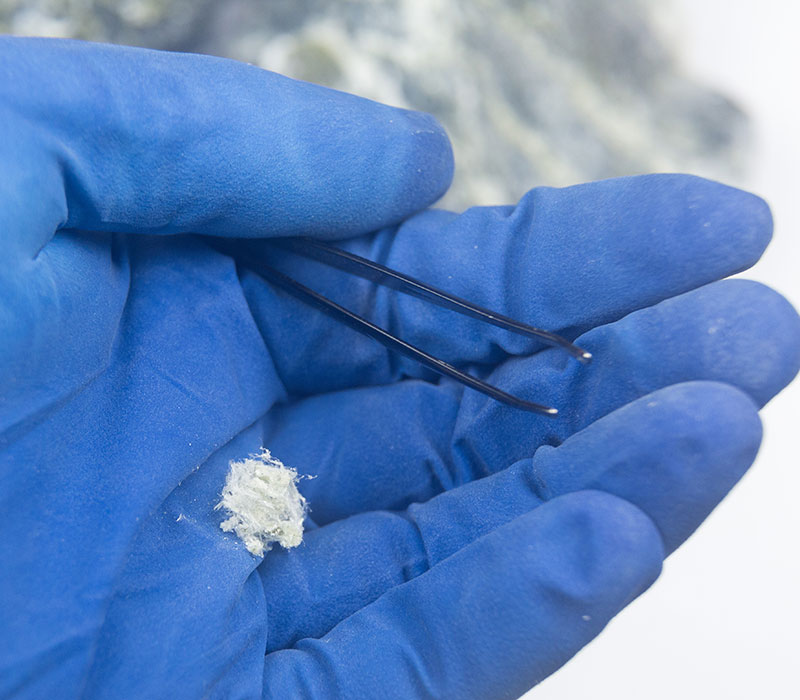
Graham, who owns Clearaway and runs the local jobs himself, takes the sample the way the regulations require. The material is dampened first so nothing flies, a small piece is cut out and double-bagged, and the spot is sealed and made good before anyone leaves. You are not left with a hole and a worse problem than you started with. The sample is labelled with where it came from in the property, so the lab finding ties back to the exact ceiling, floor or panel you were worried about, not a vague description.

Croydon's older and converted housing
Croydon is a town in its own right, not a suburb, and it has been rebuilt over and over. The Victorian and Edwardian streets that spread out with the railways through Addiscombe, Thornton Heath and South Norwood are full of materials that predate the 1999 ban. The huge estates such as New Addington and Fieldway, laid down between and after the wars, brought their own. So did the office towers around the centre. Behind nearly all of it sit the garages, sheds and flat-roofed extensions a large town accumulates.
The converted houses are where sampling earns its place. Thornton Heath, South Norwood and Selhurst hold street after street of Victorian houses let room by room, which means a lot of HMOs and a lot of landlords who need to know what is in a property before they let it or change it. A management survey covers the whole building, but if the only question is the artex in the back bedroom or a panel under a stairs, a sample answers it faster and for less.
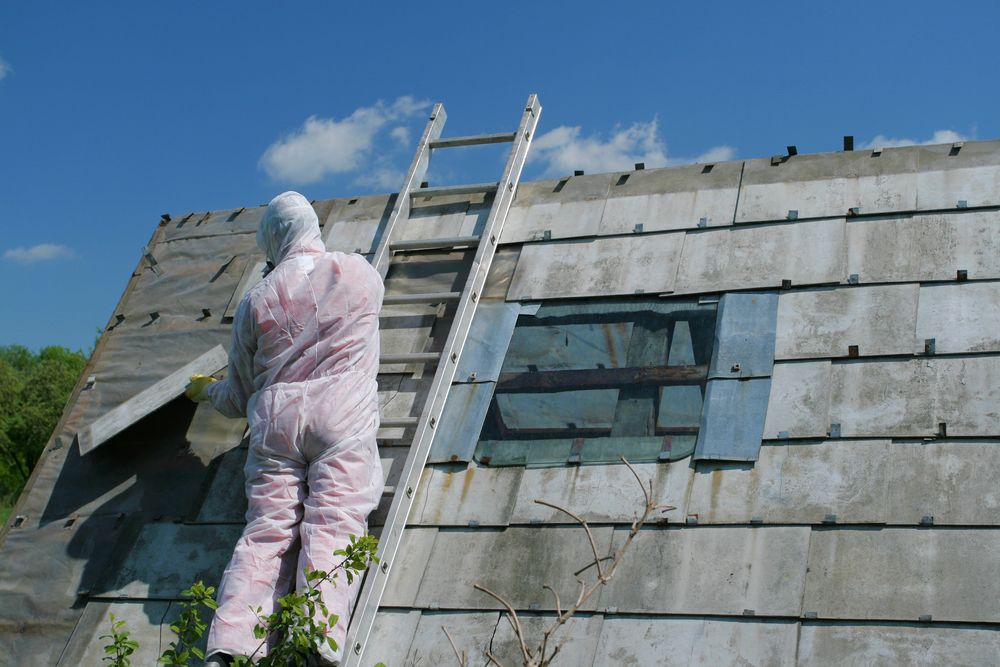
The materials themselves are predictable once you know the stock. Textured artex on ceilings and walls. Asbestos insulating board, ceiling panels and lagging in the postwar towers and estates around the centre. Vinyl and thermoplastic floor tiles with black bitumen adhesive underneath. Pipe lagging in the older properties, and cement soffits, gutters and downpipes on the interwar and postwar housing. Any one of these can be the single item a sample is taken from, and in practice it usually is just one. Somebody has pulled up old lino in a kitchen, or noticed a cracked grey roof on a shed, or wants a textured ceiling skimmed flat. The sample turns that one worry into a plain answer.

How a sample differs from a full survey
People mix these two up, so it is worth being plain. A sample tests a specific item you already suspect. A survey inspects the whole property and finds the things you have not thought of. They answer different questions, and the right one depends on what you are trying to do.
If you are mid-renovation on a Croydon terrace and the only unknown is whether the ceiling artex is going to be a problem when you scrape it, you sample the artex. If you are buying a house and want to know what is anywhere in it before you commit, that is a survey, because a single sample tells you nothing about the room next door, the loft or the garage. Landlords with a portfolio of converted houses across Thornton Heath often use both at different times: a survey when they take a building on, the odd sample later when one specific thing changes. The rule of thumb is simple. Known item, one question, sample it. Whole property, open question, survey it.
A sample is also how a bigger job starts. Take the artex example again. The result decides everything that follows. Artex is often lower risk and the removal can sometimes be non-licensed. Asbestos insulating board is higher risk and the work is licensed, which is a different job altogether with HSE notice and full enclosure. You cannot pick the right path until the lab has confirmed which material you actually have, and that is the sample doing its work.

What you get back, and what happens next
The result is a clear lab finding for the material you had sampled. Asbestos present, or not, and if present the type and the rough amount. That single sheet of paper is enough to make a decision on. A builder will know whether to carry on or to stop and call someone in. A buyer or a solicitor has something in writing rather than a guess. A Croydon landlord has a record for the file, which matters when a property is let room by room and the questions come up again at the next change of tenant. It is a small document, but it closes the question properly.
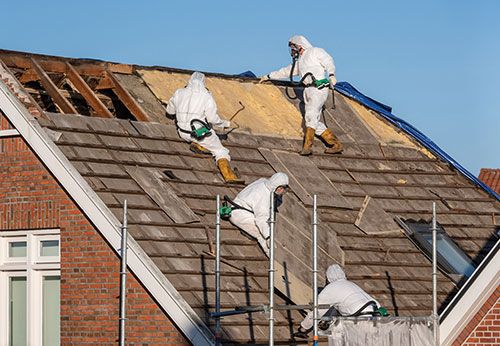
If the result comes back clear, you carry on with your kitchen, your floor or your roof as planned, and there is nothing more to do. If it comes back positive, we talk through the actual job. For a lot of finds in Croydon homes, that means straightforward removal of a single material in a day or so. For higher-risk licensed work, it means the proper process: 14 days notice to the HSE, full enclosure of the area, and four-stage clearance testing by an independent analyst at the end so the space is signed off as clean before anyone uses it again. Samples are sent to a UKAS-accredited laboratory either way, so the finding stands up.
Clearaway has been working across Croydon and this corner of Surrey for more than seven years, and holds Spectra licence number 142305706 for the licensed work. If you have one material you are unsure about, in a Thornton Heath conversion, a flat near the centre or a garage roof out the back, a sample is the sensible place to begin. Call 0800 024 6168 and we will sort it.
You may also need our asbestos removal and surveys in Croydon service.
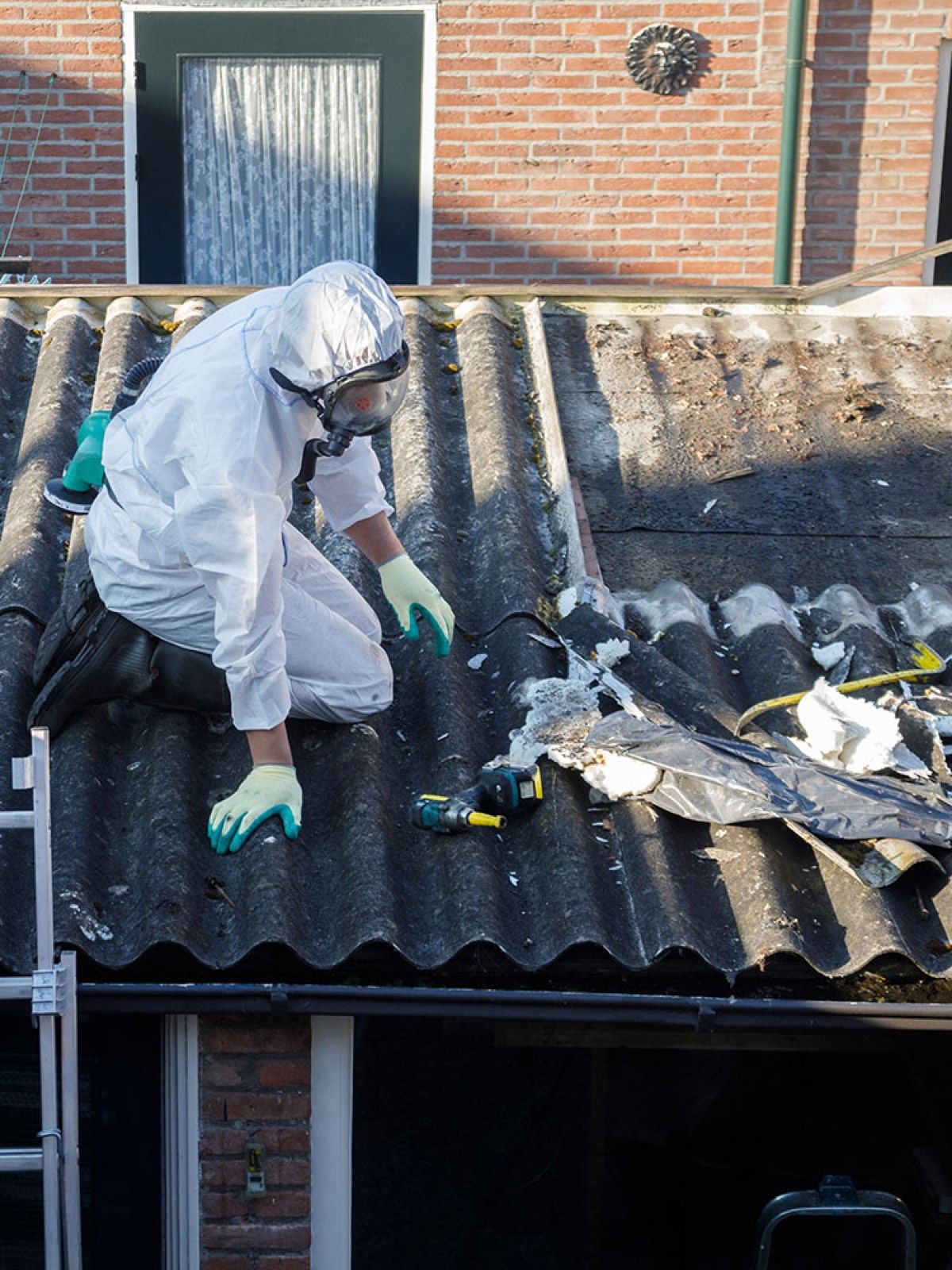
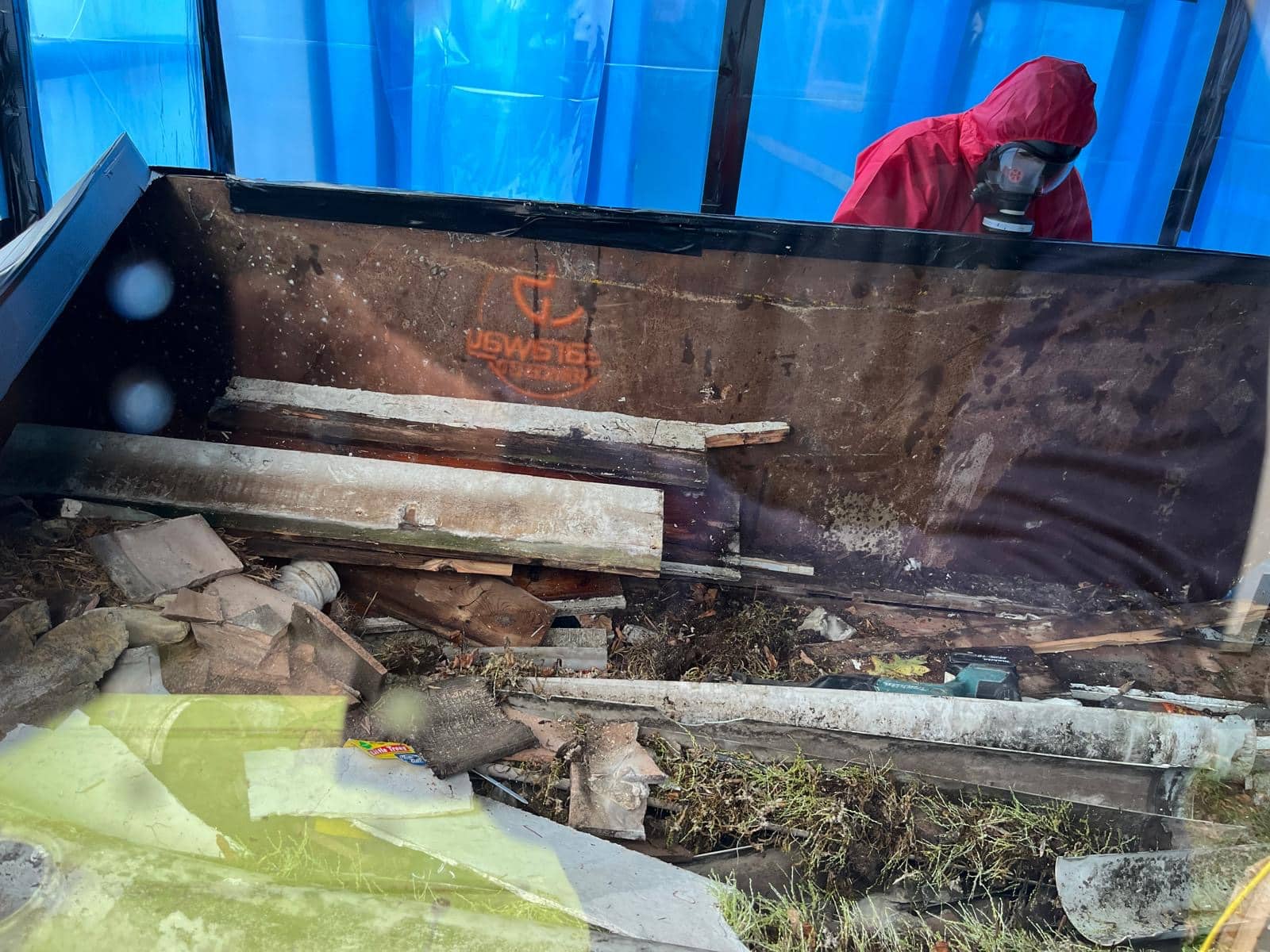
Licensed Asbestos Removal, Weybridge
Weybridge, Surrey · Licensed Removal
View this project"Graham has organised two jobs for me, both of which ran smoothly and on time. Clive and the team are really great, they completed the work in the agreed time and left the site spotless. Would recommend using Clearaway if you need any work done."
Why Choose Clearaway
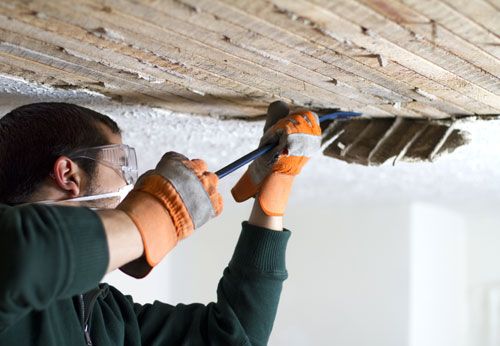
Specialist Crew
Asbestos work is all we do, every day, across the South East.
Fully Licensed
Licensed asbestos removal contractor (Licence No. 142305706). Full public liability insurance on every job.
Local & Fast
Surrey-based. Most domestic jobs are booked in and finished within a week.
Our Own Team
We never subcontract. The people who quote your job are the people who do it.
Frequently Asked Questions
Our Removal Process
From first call to final certificate, every job follows the same clear four-step process.
Survey
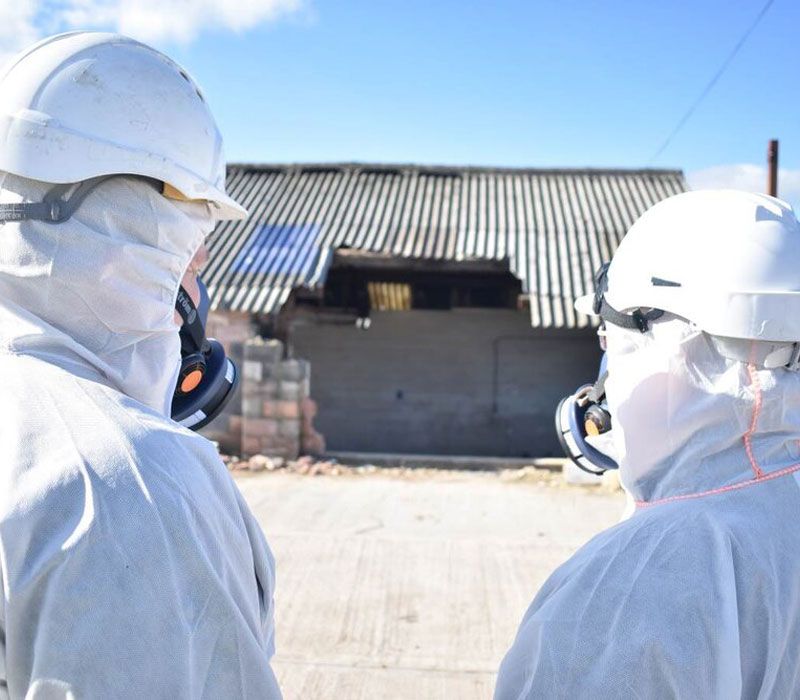
We inspect the property and confirm the material. Sampling available if required.
Quote
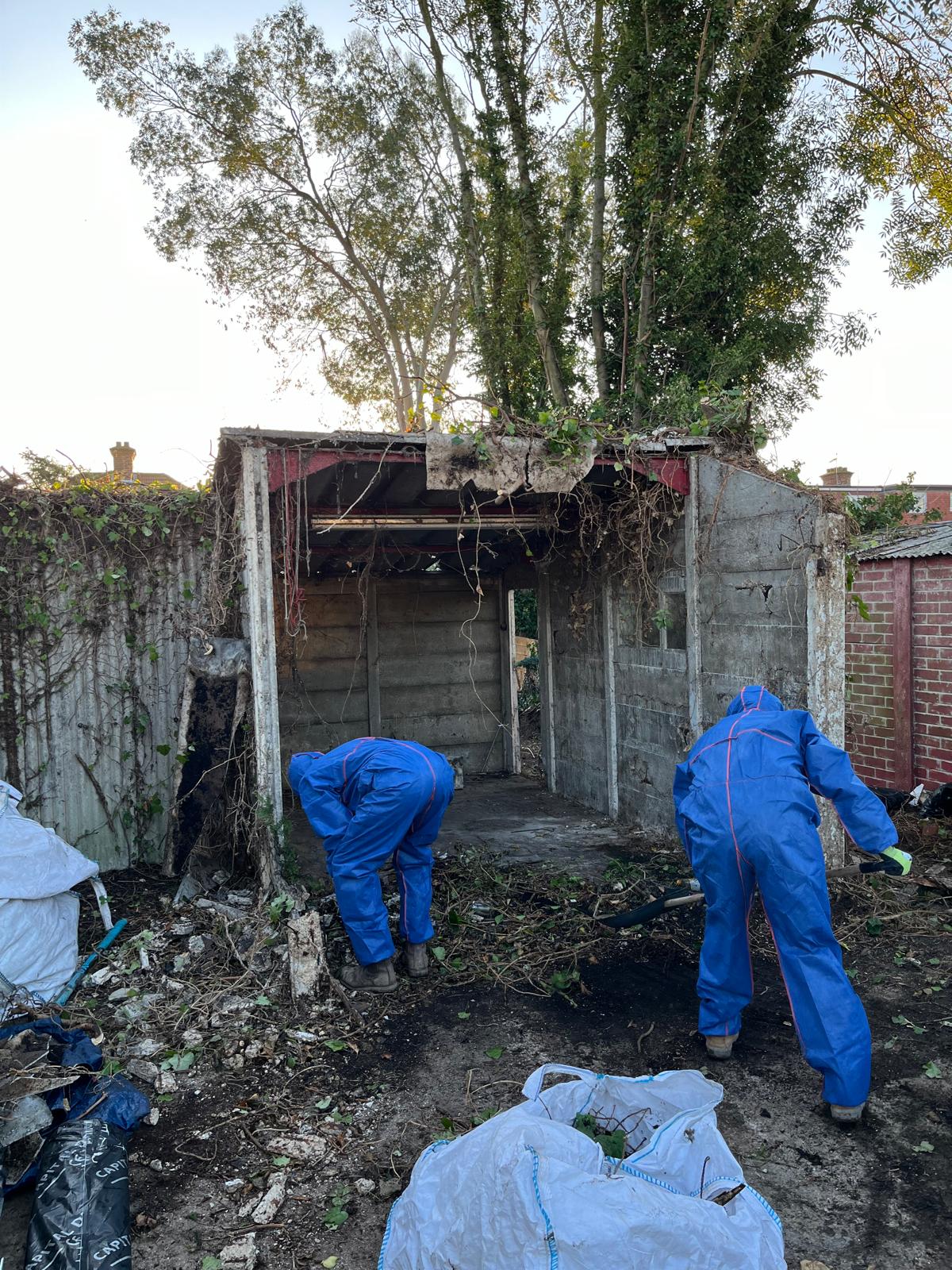
Fixed written price covering removal, disposal and any replacement work.
Removal
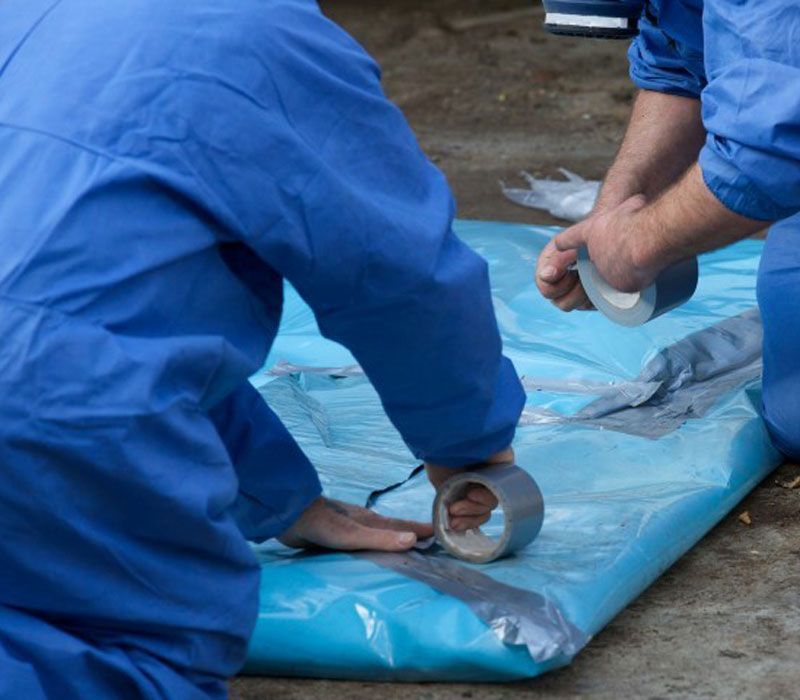
Material is removed safely, double-wrapped and taken to a licensed disposal facility.
Certificate
You receive a waste consignment note and disposal certificate confirming legal handling.
Get in Touch
Send a few details about your project and we will come back the same working day with a fixed price. We cover Surrey, London and the South East, including Esher, Cobham, Kingston, Richmond, Epsom, Guildford, Woking and Croydon.