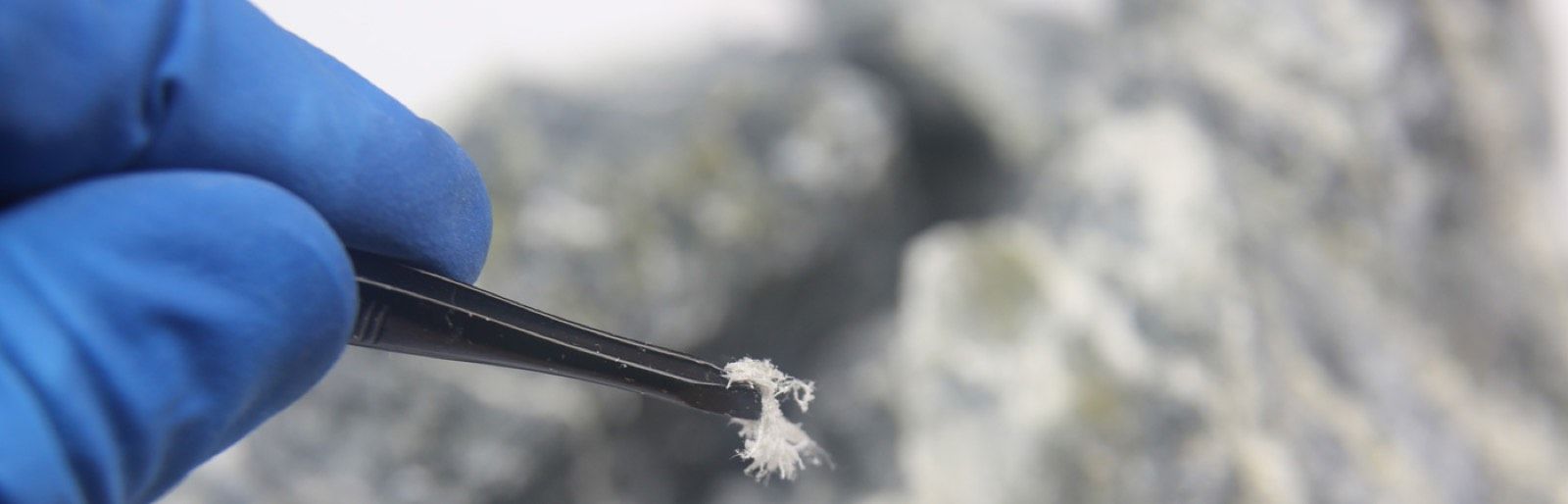
Asbestos Sampling in Cobham
Asbestos sampling across Cobham and the wider Elmbridge area, from Church Street and the Fairmile out towards Oxshott and Stoke D'Abernon. A small sample taken under controlled conditions, sent to a UKAS-accredited lab, with a clear result in a few working days.
Before You Cut Into Anything Old
Most sampling calls in Cobham start the same way. Someone is partway through a project, an old ceiling, a tired garage roof, a floor about to be lifted, and they stop because they are not sure what the material actually is. That pause is the right instinct, and it is worth trusting. Asbestos cannot be confirmed by eye, not by you and not by us, so the only honest answer before a tool goes near it is to take a small piece and have it tested. Guessing from the look of it is how people get hurt.
That is all sampling is. We take a controlled sample of one suspect material, seal it, and send it to a UKAS-accredited laboratory. The result tells you whether asbestos is present and, if it is, what type. It is the cheapest, fastest first step in the whole process, and in a town where so much of the housing predates the 1999 ban, it is the step that saves people from disturbing something they should have left alone. A sample costs a fraction of what a wrong move costs later.
Cobham grew along the River Mole as an old coaching village on the Portsmouth Road, and the building that followed ran from Victorian and Edwardian houses near Church Street through interwar and postwar stock out past Oxshott and Stoke D'Abernon. Almost all of it went up before 2000. A good deal of it has been extended and modernised since, which often means old materials sit hidden behind newer work. That is a lot of suspect material, and most of the time a single sample settles the question.

What People Ask Us To Test
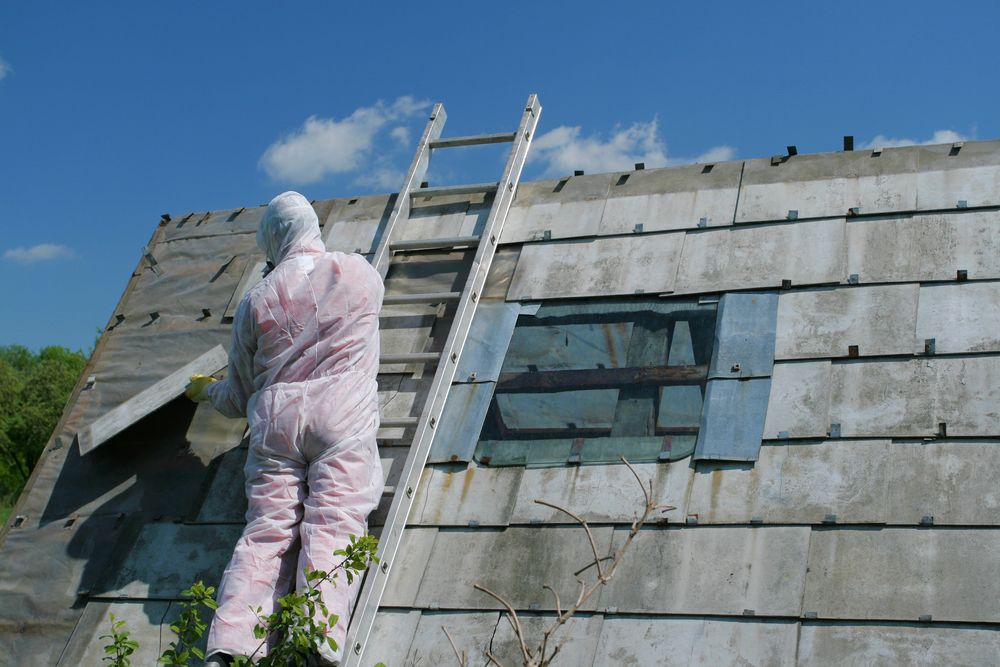
The requests follow the age of the property. The most common is textured artex on a ceiling or wall in a pre-1990s house, usually because someone is about to sand or skim it and wants to know what they are breathing in. Close behind are vinyl floor tiles and the dark adhesive bedded into the screed underneath, which tend to surface when old carpet or lino comes up during a kitchen refit. Then there are the corrugated cement garage and shed roofs, weathered and cracked, where a homeowner wants certainty before they touch a sheet.
We also get the smaller, odder finds. Cement soffits and gutter runs on the 1930s semis around the Fairmile. Pipe lagging in the older, colder properties near the river. A scrap of board behind a boiler that no one can identify, or a panel under a window that does not match the rest of the wall. Bath panels, airing cupboard linings and the underside of a flat-roof extension all turn up too. Any of these can be sampled on their own. You do not need to test the whole house to answer one question.
The point of sampling is precision. You have a specific material you are worried about, and you want a yes or a no on that one thing. We take the piece, the lab does the analysis, and you get a definite answer rather than a guess. That answer then tells you whether you can carry on with the job in front of you, or whether the material needs proper removal before anything else happens.

How A Sample Is Actually Taken
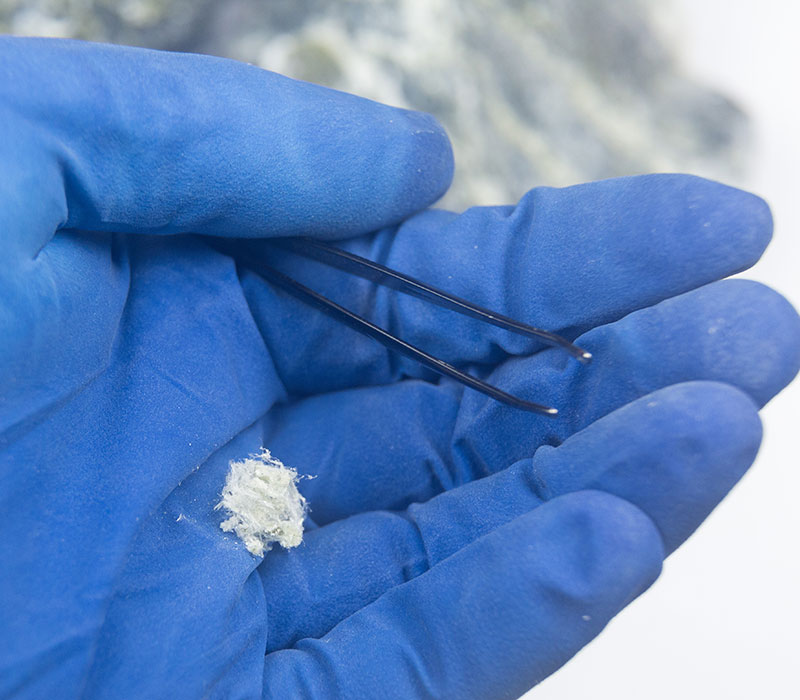
There is a right way to do this, and it matters. Breaking off a chunk of dry artex or snapping a weathered roof sheet to see what it looks like is exactly the action that releases fibres. So the sampling itself is done under controlled conditions. We dampen the material first to hold the dust down, take only the small amount the lab needs, and seal it straight into double bagging. The spot we have taken from is then sealed over so nothing is left open. It is a careful job, not a quick scrape, and that care is the whole point.
The sealed sample goes to a UKAS-accredited laboratory, which is the standard that makes the result mean something. A guess from a man in a van is worth nothing. A lab analysis under that accreditation is what a solicitor, a buyer or a building inspector will accept. Results usually come back within a few working days, and we talk you through what they say rather than just emailing a certificate and leaving you to read it.
If the sample comes back clear, you carry on with your work knowing the material is safe to handle, with no further cost and no more delay. If it comes back positive, the type and condition guide what happens next. Some materials, such as a lot of artex, can be lower risk and handled without a licence. Others, such as insulating board around a boiler, are licensed work and have to be removed under far stricter controls. You cannot tell which is which by looking, and that is precisely why the sample is taken. Sampling is what tells the two apart.

Sampling Versus A Full Survey In Cobham
People often ask whether they need sampling or a survey, and the difference is straightforward. Sampling answers a question about one specific material. A survey inspects the whole property. If you are renovating a single room and only the artex on that ceiling worries you, a sample of that ceiling is all you need. If you are buying a period house off the High Street, or planning a knock-through, or you are a landlord working out your duty across a let property, a survey is the better fit because it looks everywhere, not just at the one thing in front of you.
The two survey types cover those wider needs. A management survey finds and assesses asbestos in a home that is staying lived in. A refurbishment and demolition survey is the deeper inspection before structural work, and each comes with a written report you can hand to a builder, a solicitor or a buyer. Sampling does not produce that whole-property picture, and it is not meant to. It is the targeted, lower-cost check for when you already know which material you are unsure about. Plenty of Cobham jobs start with one sample and never need more than that.
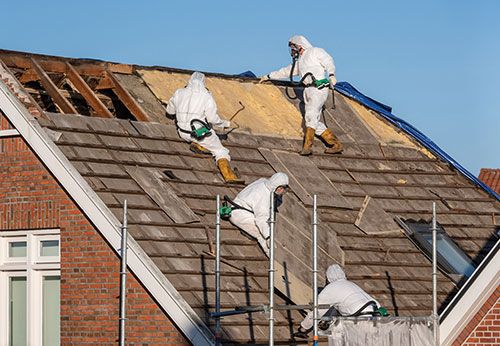
Where a sample comes back positive and the material is the higher-risk, licensed kind, the removal that follows is held to the strictest standard: 14 days of notice to the HSE, work under full enclosure, and four-stage clearance testing by an independent analyst before the space is handed back. We hold Spectra licence number 142305706, we have worked across Surrey, Sussex and south-west London for more than seven years, and a sample is usually where it all starts. To book asbestos sampling in Cobham, call 0800 024 6168.
You may also need our asbestos removal and surveys in Cobham service.
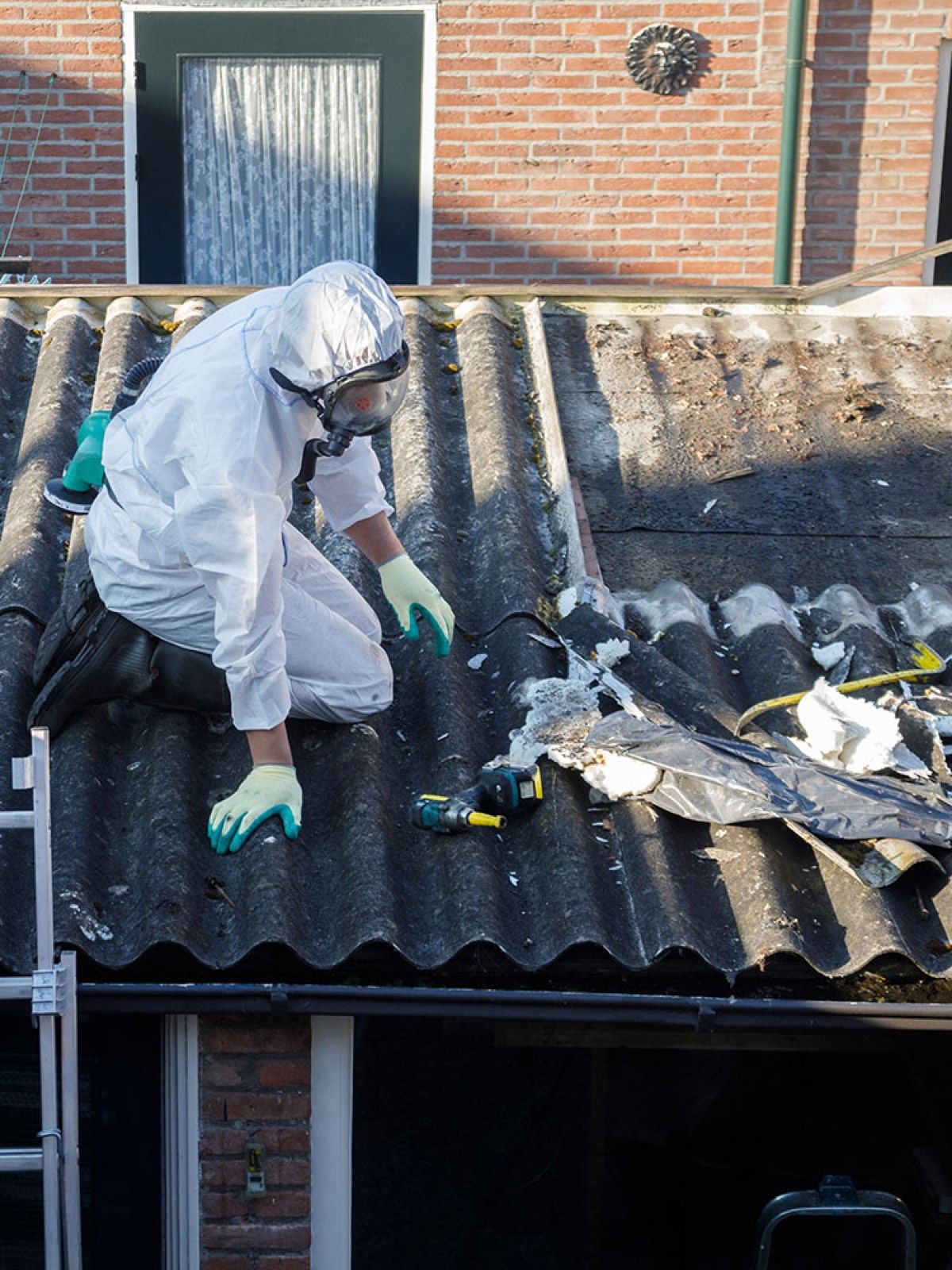
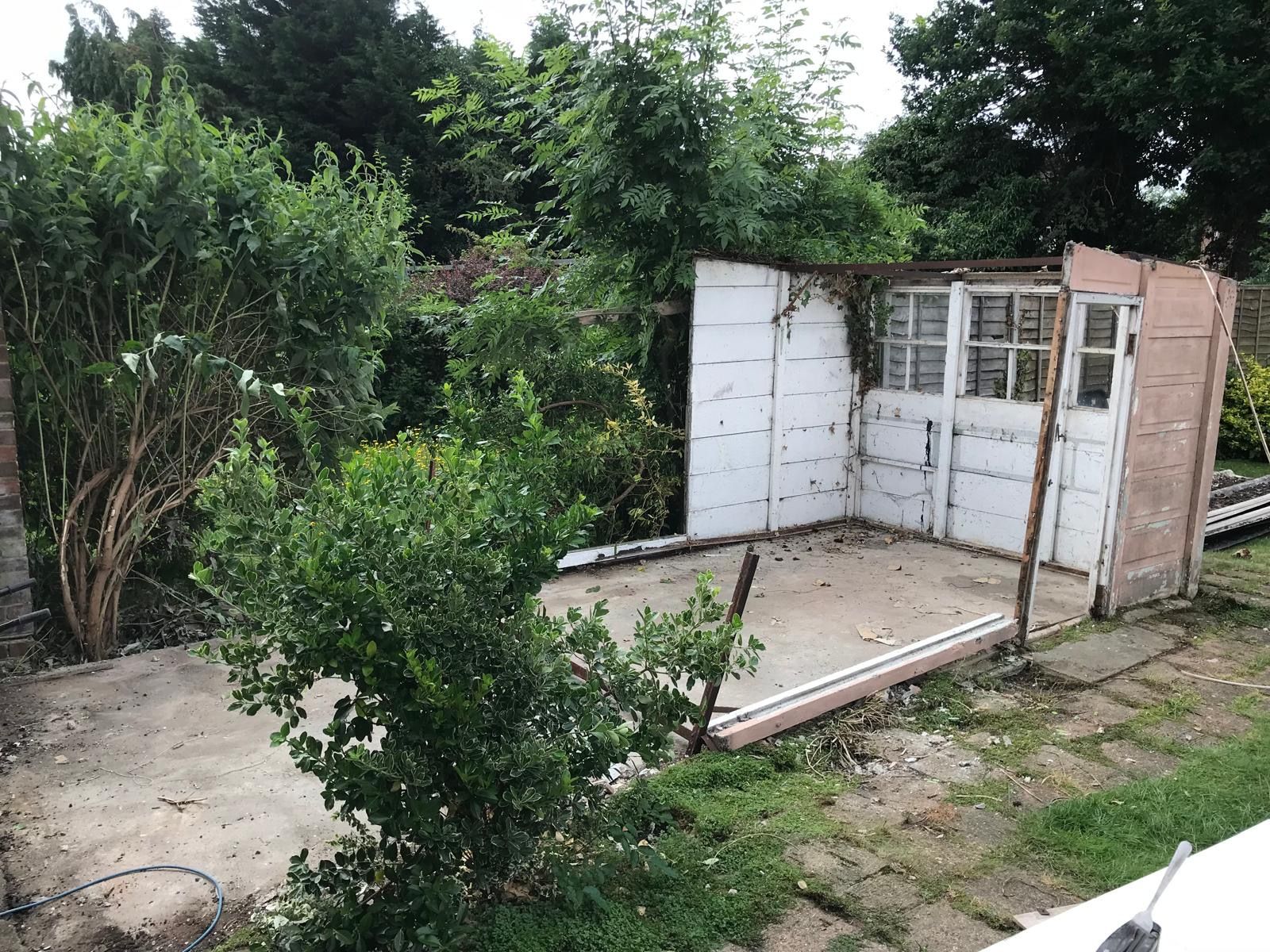
Concrete Asbestos Garage Removal, Cobham
Cobham, Surrey · Garage Removal
View this project"Clearaway Asbestos did a brilliant job coming out to survey our old garage roof for asbestos. They were professional and we were impressed with the job they did replacing the garage roof"
Our Removal Process
From first call to final certificate, every job follows the same clear four-step process.
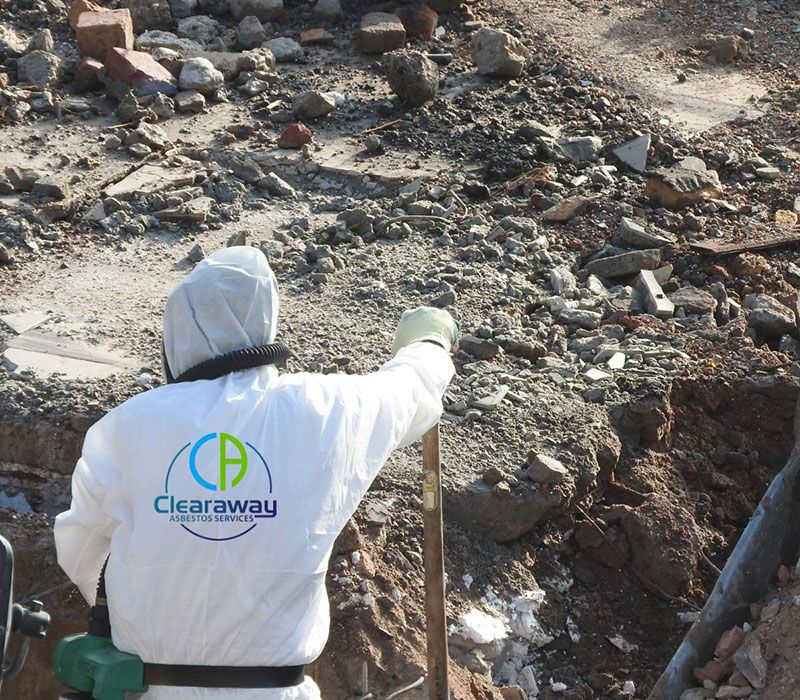
Survey
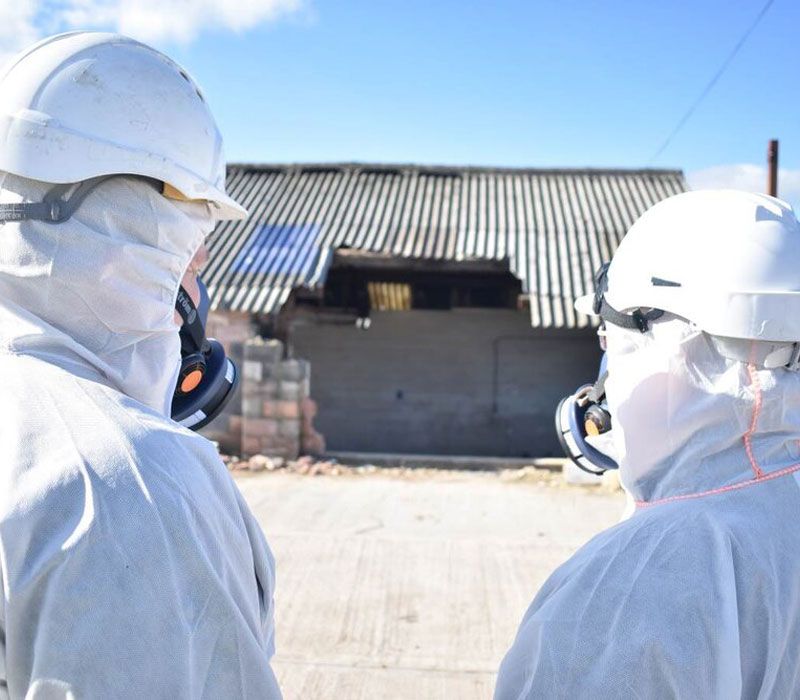
We inspect the property and confirm the material. Sampling available if required.
Quote
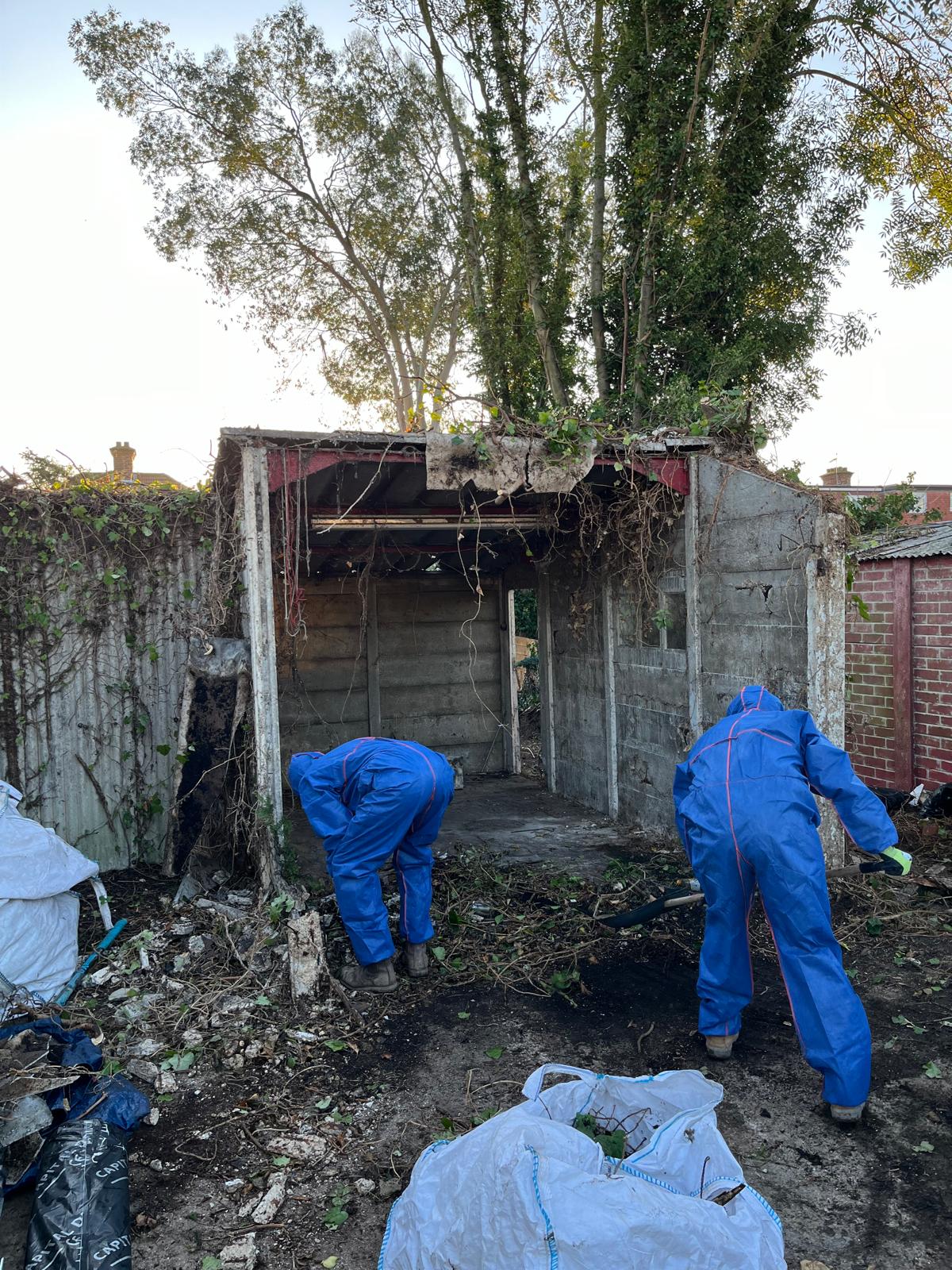
Fixed written price covering removal, disposal and any replacement work.
Removal
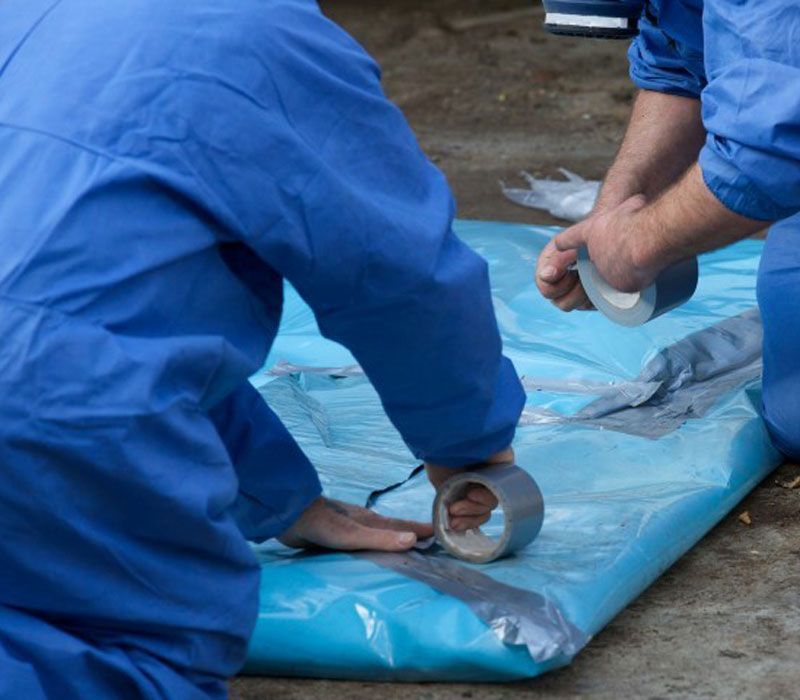
Material is removed safely, double-wrapped and taken to a licensed disposal facility.
Certificate
You receive a waste consignment note and disposal certificate confirming legal handling.
Frequently Asked Questions
Why Choose Clearaway
Specialist Crew
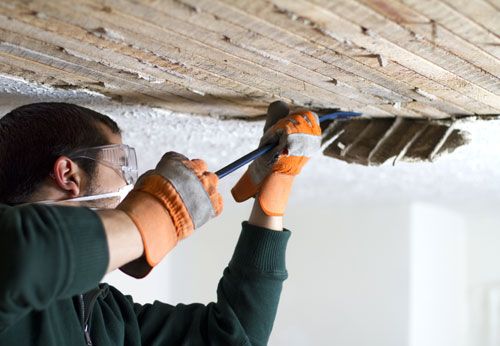
Asbestos work is all we do, every day, across the South East.
Fully Licensed
Licensed asbestos removal contractor (Licence No. 142305706). Full public liability insurance on every job.
Local & Fast
Surrey-based. Most domestic jobs are booked in and finished within a week.
Our Own Team
We never subcontract. The people who quote your job are the people who do it.
Get in Touch
Send a few details about your project and we will come back the same working day with a fixed price. We cover Surrey, London and the South East, including Esher, Cobham, Kingston, Richmond, Epsom, Guildford, Woking and Croydon.