Asbestos Sampling in Chiswick
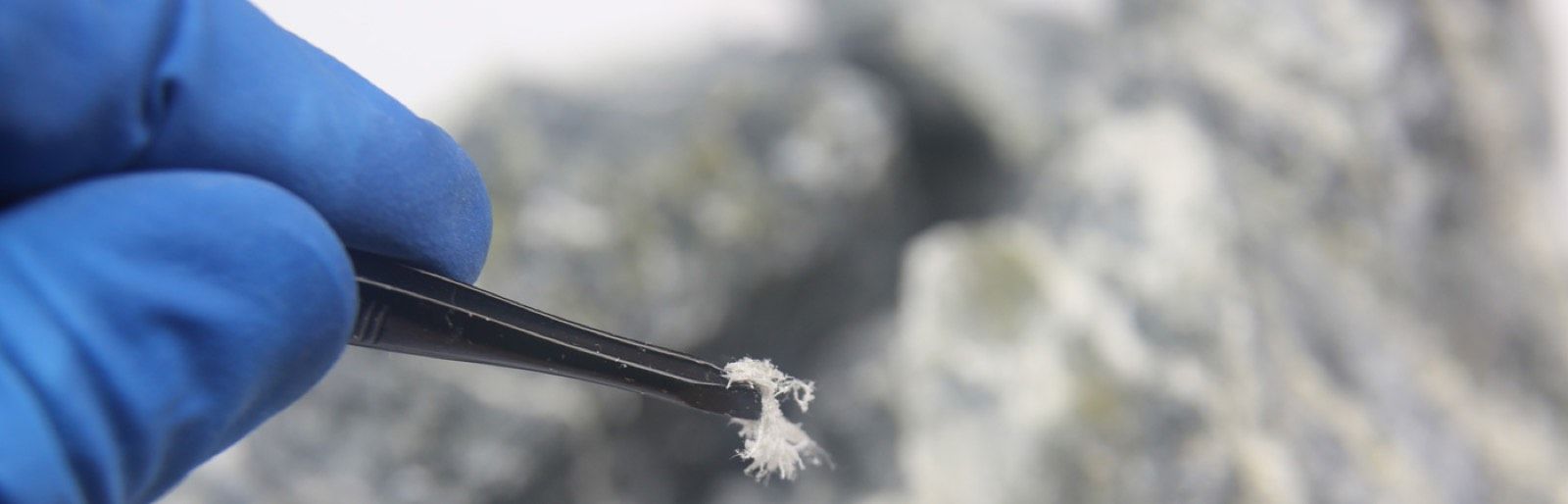
Before you strip the artex or buy a Bedford Park house, one small sample settles it. Asbestos sampling across Chiswick tests a single suspect material at a UKAS lab, so you know what you are dealing with before any work starts.
The cheaper first step before you commit
A lot of Chiswick jobs start with a single doubt. Someone is about to pull up old vinyl tiles in a Grove Park kitchen, or a builder has knocked a hole in a ceiling and found a grey board behind the plaster, or a buyer is halfway through a survey on a flat off Chiswick High Road and the report flags a possible asbestos panel. None of that needs a full strip-out yet. It needs an answer to one question first. Is this material actually asbestos, or is it not?
That is what sampling is for. It is the small, cheap step you take before you spend money on removal or before you exchange on a house. Rather than assume the worst and pay for work that might not be needed, you have the specific item tested and you let the result decide. If it comes back clear, you carry on. If it comes back positive, you know exactly what you are removing and why, and you can plan the rest properly.
It is worth saying why this order makes sense in money terms. Removal is the bigger cost, and a survey across a whole house is a bigger cost again. A sample is the small spend that protects both. On a Chiswick purchase it can be the difference between walking away, renegotiating, or carrying on with your eyes open. On a refurbishment it stops you tearing into something blind, finding asbestos halfway through, and having to down tools while the job is reorganised around it. The test is the cheap insurance you buy before the expensive decisions.

Why the eye cannot tell you
Asbestos was mixed into so many ordinary building products that the dangerous version and the harmless version often look identical. Chiswick has the full spread. Textured artex sits on ceilings and walls across the Edwardian and 1930s stock towards Gunnersbury. Asbestos insulating board turns up around boilers and inside the flat conversions that fill so many of the larger houses. There are vinyl and thermoplastic floor tiles with black bitumen adhesive underneath, pipe lagging in basements and the older riverside properties, and cement soffits and gutters on the interwar semis.
Some of those contain asbestos and some do not, and you genuinely cannot sort one from the other by looking. A modern artex skim and a 1970s one can be indistinguishable to the eye. A plasterboard ceiling and an asbestos insulating board ceiling can sit flush in the same room. The only honest way to settle it is to take a small piece and have it examined under a microscope. Guessing either wastes money or puts people at risk, and neither is worth it when a test is so straightforward.
The age of the Chiswick stock is what keeps the doubt alive. Much of it went up well before asbestos was banned in the UK in 1999, and decades of repairs, conversions and re-roofing have layered new materials over old. A house split into flats might have one ceiling skimmed in the 1980s and another untouched since the war. A garage roof might have been patched with modern sheets next to original ones. That mix is exactly why a guess is unreliable and a sample is not. You test the specific thing in front of you, not the house in general, and the result is about that material alone.

How a sample is taken and tested
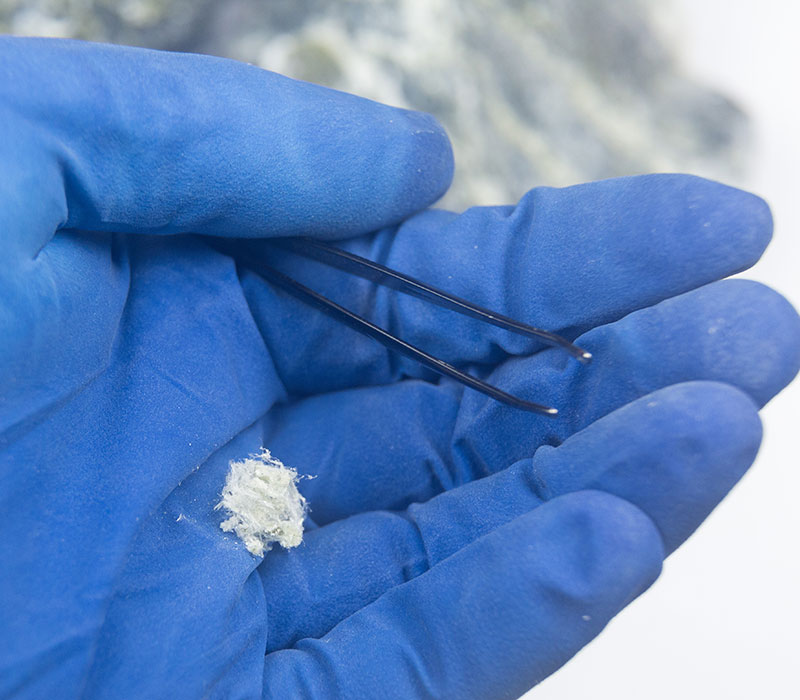
The work itself is quick and quiet. Graham, who runs Clearaway out of Chessington and does the jobs himself, takes a small piece of the suspect material under controlled conditions, so nothing is disturbed into the air around it. The spot is dampened, the sample is sealed and labelled, and the area is made good. You are not left with a hole or a mess. For most homes it is a matter of a single short visit rather than a day of works.
The sample then goes to a laboratory accredited by UKAS, which is the national standard for this kind of testing. They confirm whether asbestos is present and, if it is, which type. Results usually come back within a few working days, so you are not waiting weeks to make a decision. You get a clear written outcome for that specific material, which is exactly what a builder, a solicitor or a mortgage lender will want to see before anyone signs off the next stage.
That written result is the useful part. It says plainly whether asbestos was found and, if so, what type, which is the information everyone downstream actually needs. A builder can price the job properly instead of guessing. A solicitor or a buyer has something solid to put against the sale. And you have a record on file, which matters on a Chiswick property that may well be sold again or worked on again in a few years. You can have more than one material sampled in the same visit too, so if there are two or three things you are unsure about, they go off together and come back together rather than dragging the decision out.

Sampling against a full survey in Chiswick
It helps to be clear on the difference, because the two get muddled. Sampling tests specific items. You point at the garage roof, the airing cupboard board, the tiles under the lino, and those get checked. A survey is a wider piece of work that inspects the whole property, room by room, to find everything that might contain asbestos and assess its condition. If you are renovating one area or chasing down a single suspect material, sampling is the right tool. If you are buying, refurbishing or stripping out a whole house, a survey is usually the better fit.
The Chiswick housing makes this choice matter. In Bedford Park and along Chiswick Mall the conservation rules and the listed houses mean any work has to be planned around the restrictions, with the original fabric protected, so it pays to know early and exactly what you are facing. A targeted sample often answers a small worry without the cost or upheaval of a full inspection. When it points to something larger, the result feeds straight into the next step, whether that is a survey, a single removal or a fuller clearance.
Where a positive result leads to higher-risk licensed work, the standard goes up to match it, with fourteen days of notice to the HSE, full enclosure of the area and four-stage clearance testing signed off by an independent analyst before the room is handed back. Clearaway holds Spectra licence number 142305706 and has been working across this part of west London for more than seven years, so the same person who takes the sample can see the job through if it comes to that. If you have something in a Chiswick home you are unsure about, the first move is a quick test, and you can arrange one on 0800 024 6168.
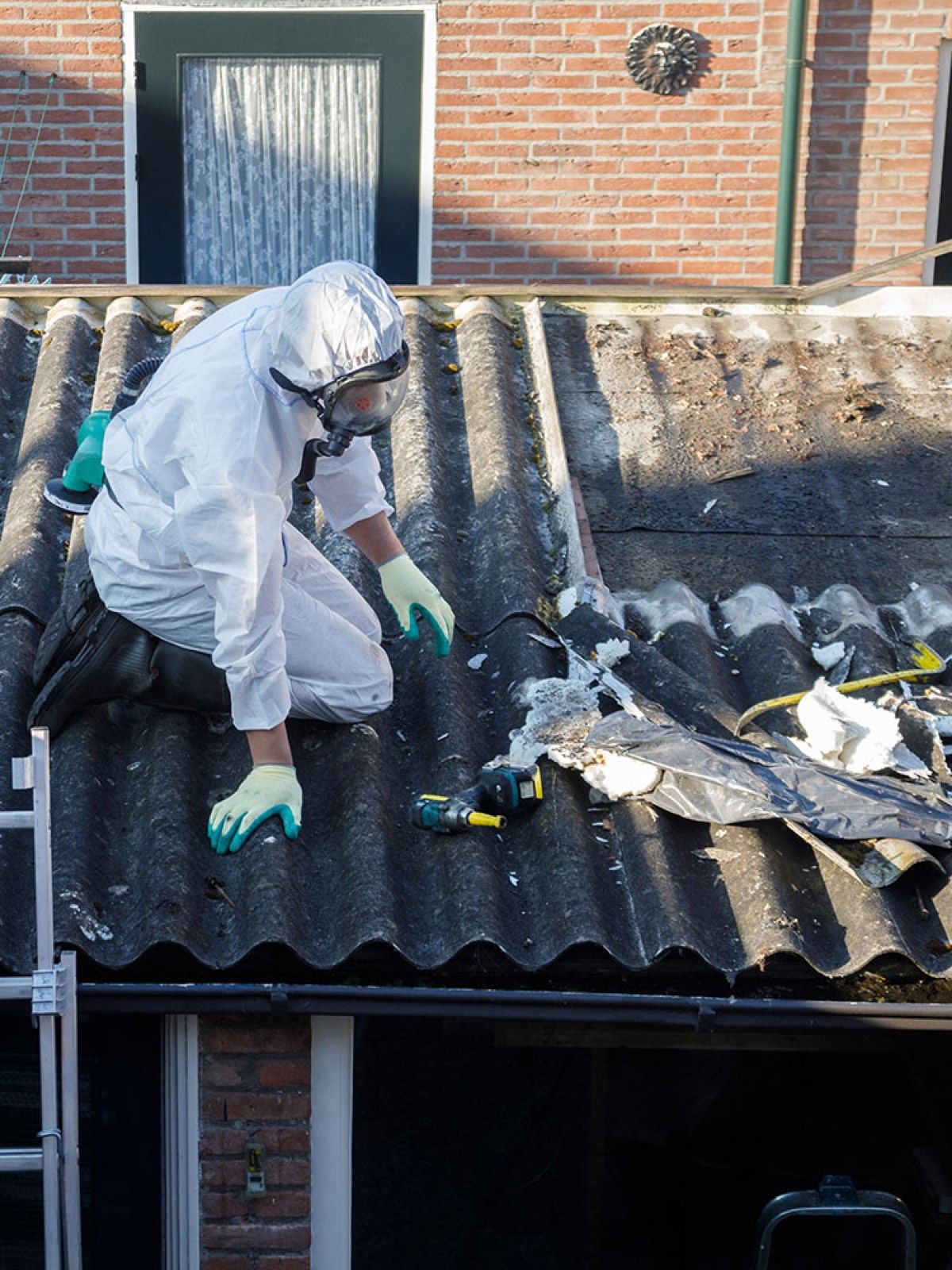
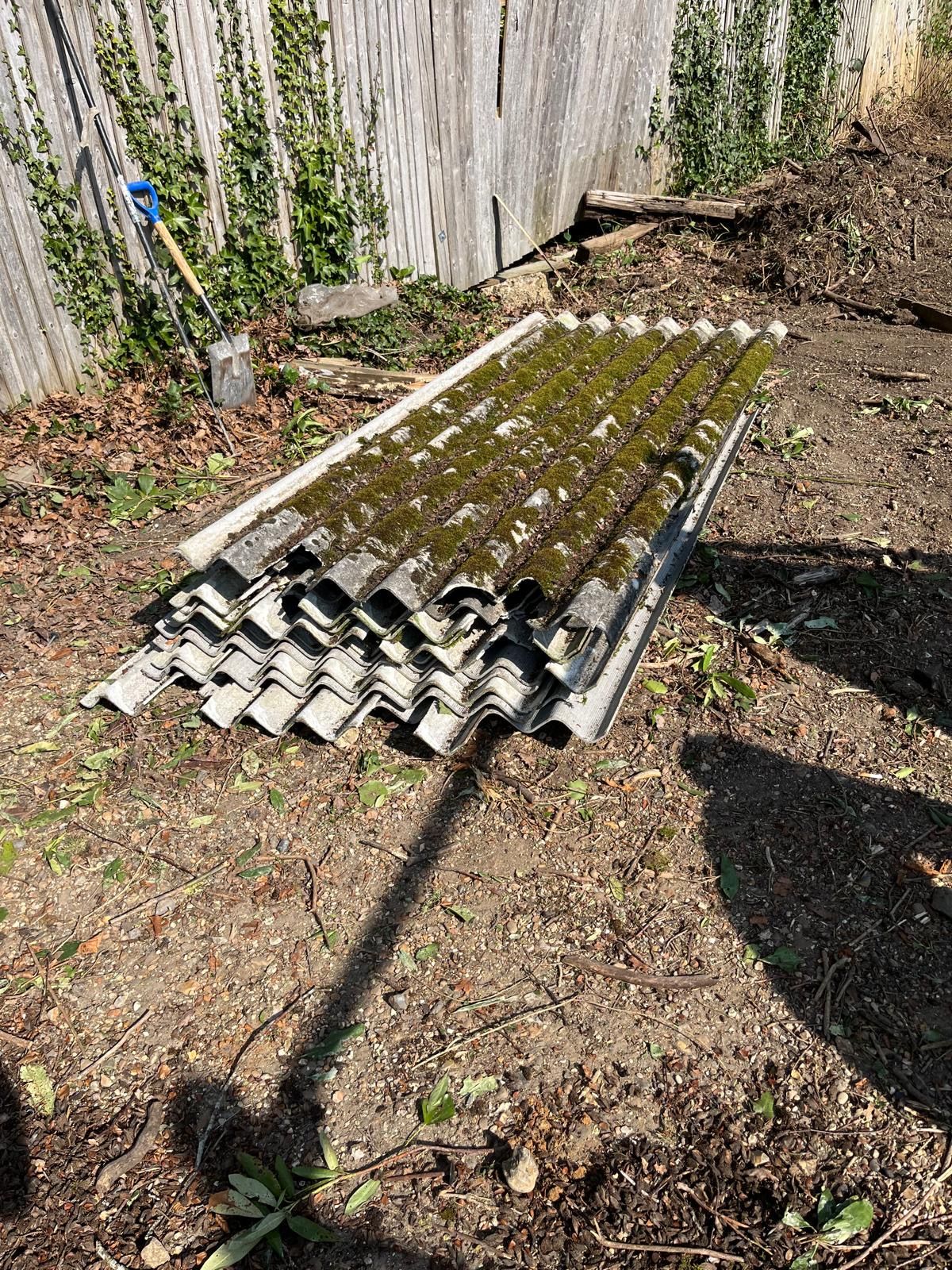
Corrugated Asbestos Sheet Removal, Esher
Esher, Surrey · Sheet Removal
View this project"Graham and his guys picked up some asbestos roof sheets from my property in Chessington. Would highly recommend this company to anyone. Really good service and very professional. Thank you"
Frequently Asked Questions
Our Removal Process
From first call to final certificate, every job follows the same clear four-step process.
Survey
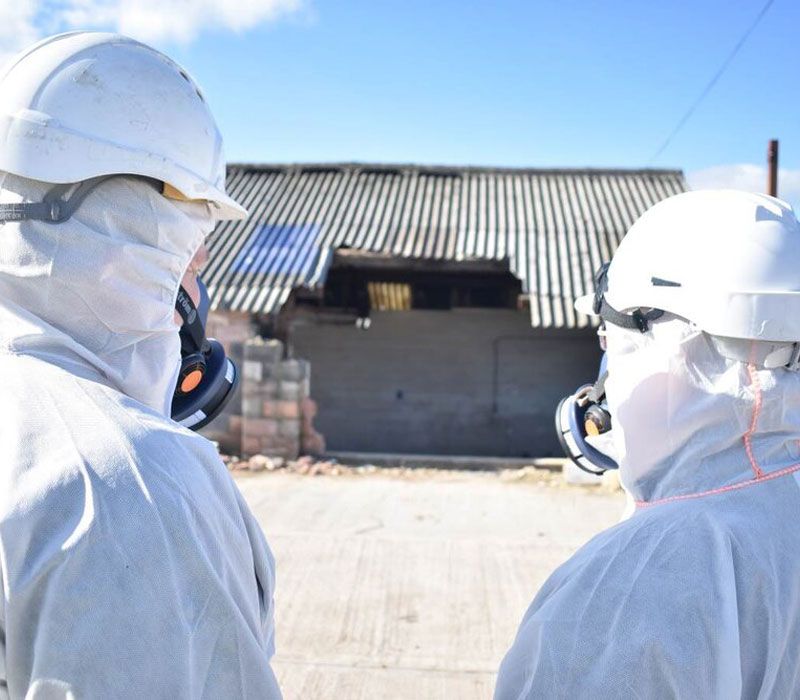
We inspect the property and confirm the material. Sampling available if required.
Quote
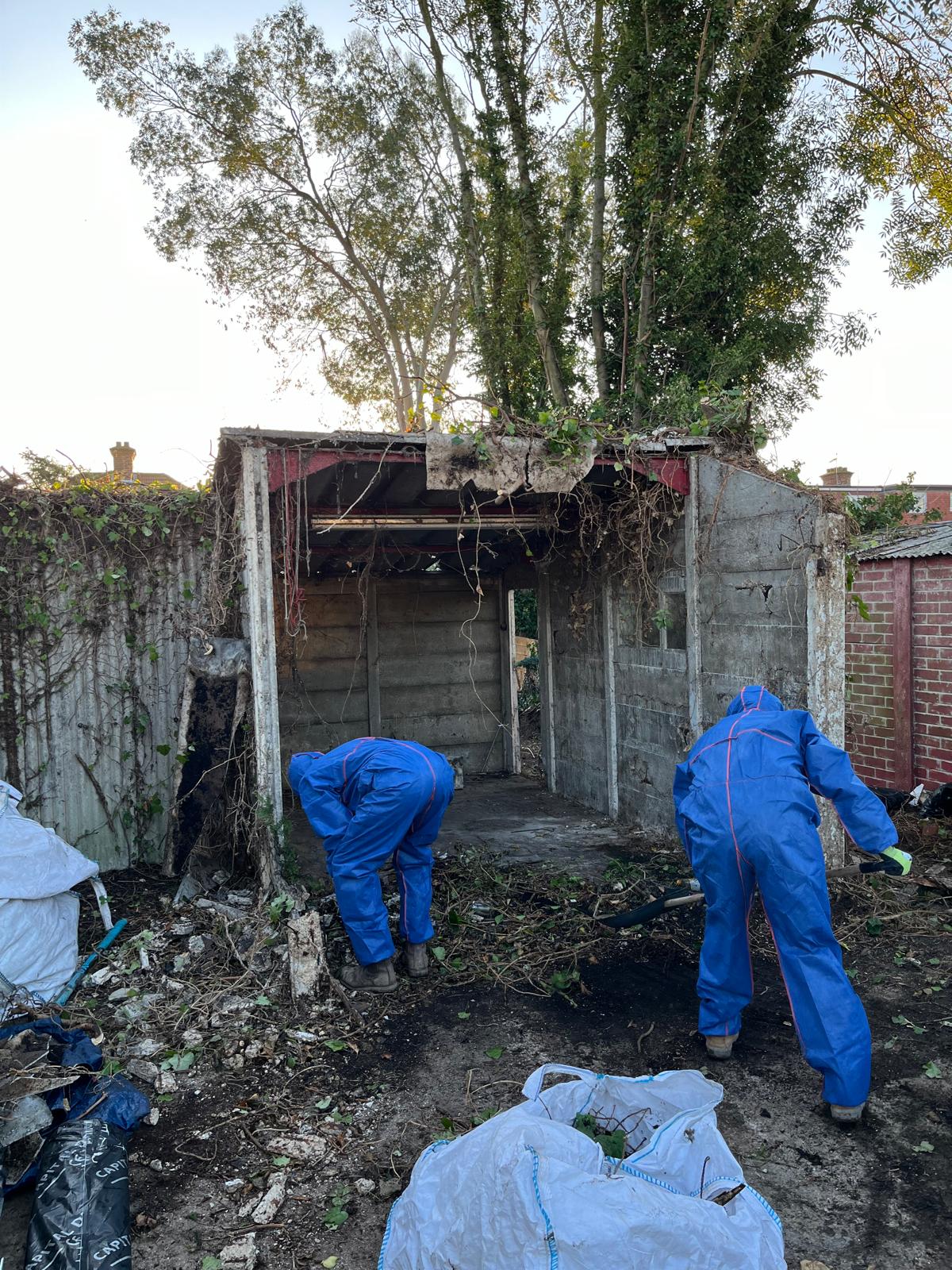
Fixed written price covering removal, disposal and any replacement work.
Removal
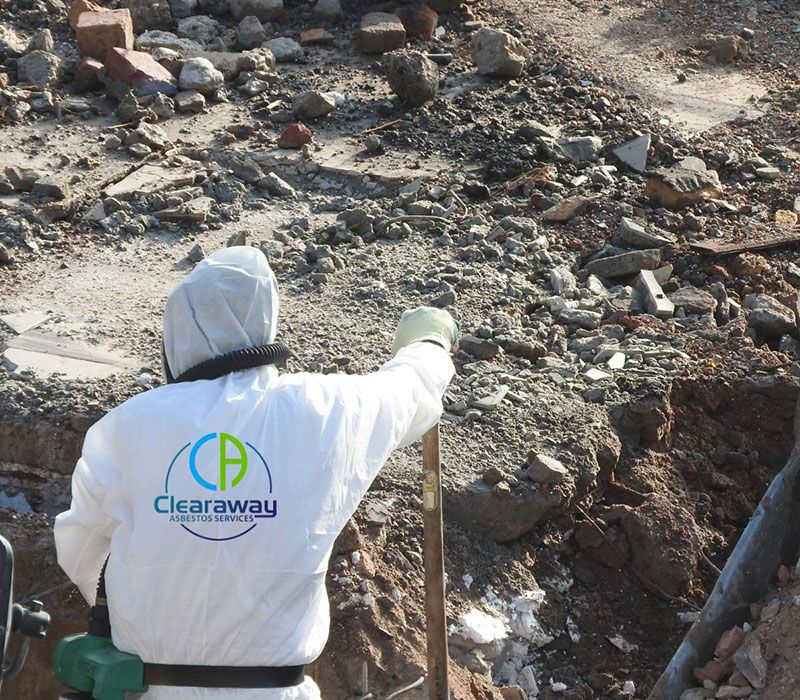
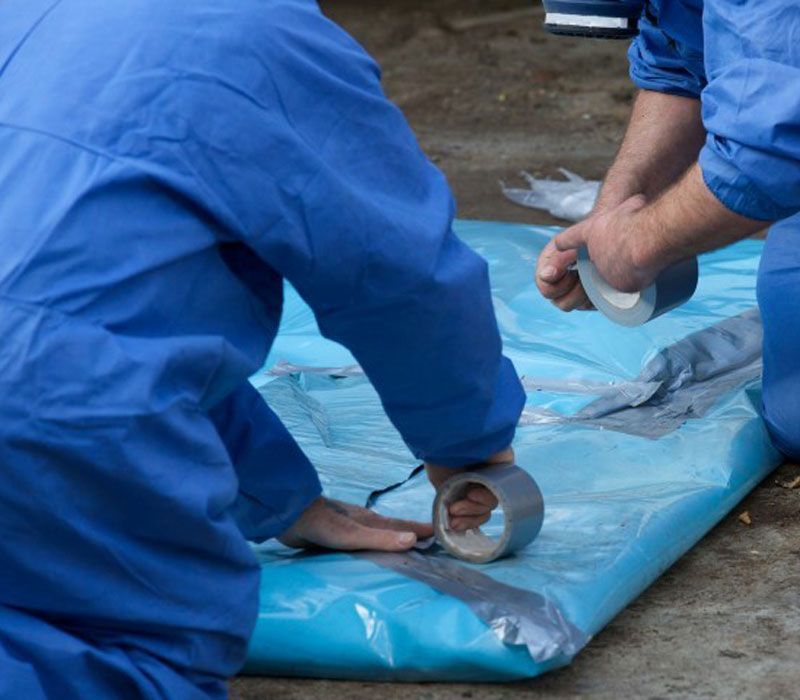
Material is removed safely, double-wrapped and taken to a licensed disposal facility.
Certificate
You receive a waste consignment note and disposal certificate confirming legal handling.
Why Choose Clearaway
Specialist Crew
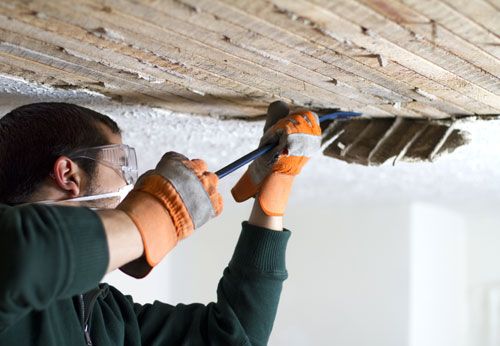
Asbestos work is all we do, every day, across the South East.
Fully Licensed
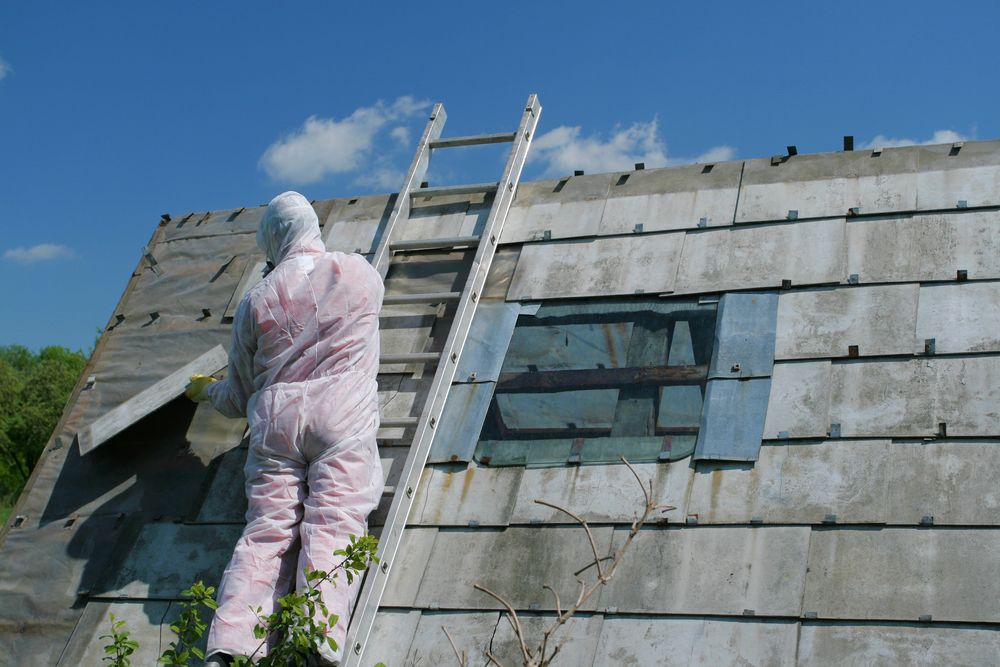
Licensed asbestos removal contractor (Licence No. 142305706). Full public liability insurance on every job.
Local & Fast
Surrey-based. Most domestic jobs are booked in and finished within a week.
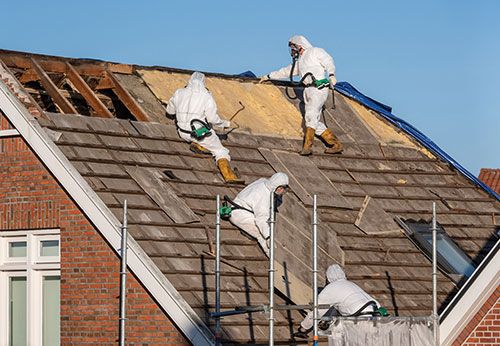
Our Own Team
We never subcontract. The people who quote your job are the people who do it.
Get in Touch
Send a few details about your project and we will come back the same working day with a fixed price. We cover Surrey, London and the South East, including Esher, Cobham, Kingston, Richmond, Epsom, Guildford, Woking and Croydon.