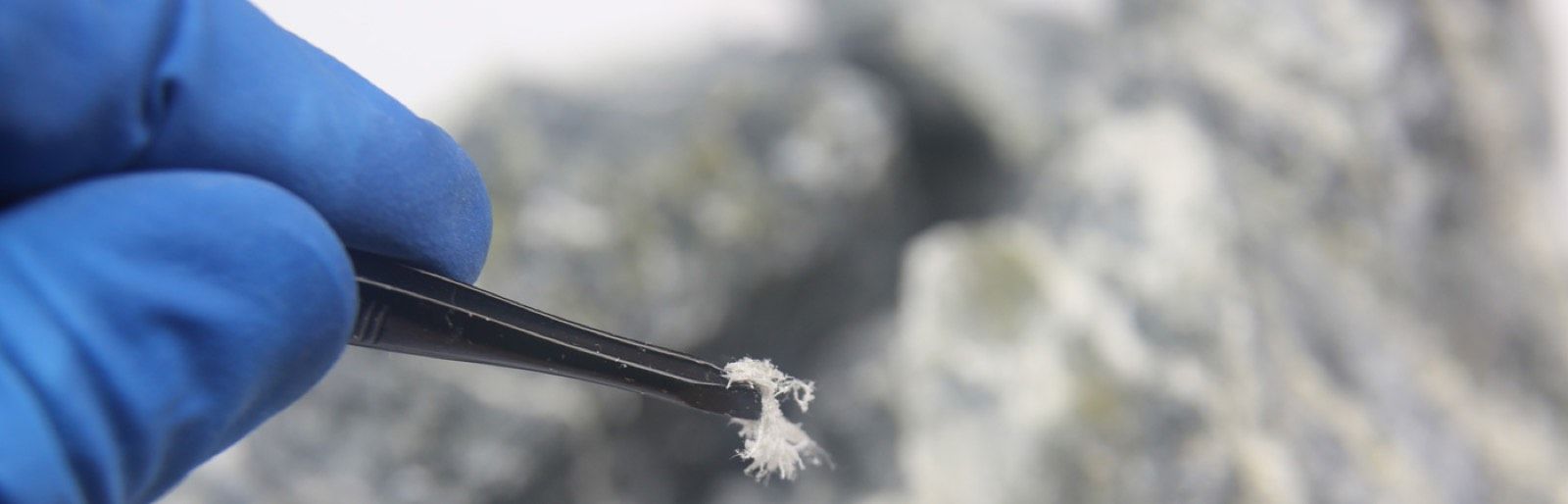
Asbestos Sampling in Camberley
Camberley grew up around Sandhurst and the Staff College, and its older villas and heath-spread semis hide plenty of suspect material. Sampling is the cheap first step that tells you, for certain, whether one item holds asbestos before any work begins.
Why so many Camberley jobs start with a sample
Camberley spreads west across the heath and pine country, out towards Frimley, Yorktown and Old Dean, and the housing tells the story of how the town filled in. There are Victorian and Edwardian villas near the centre, built as the town grew alongside the military at Sandhurst and the Staff College. Then comes a great deal of 1930s, postwar and later semis and detached houses, running across the GU15 to GU17 postcodes and out to Frimley Green, Bagshot and Lightwater. A lot of that stock went up while asbestos was still a normal building material, so when somebody lifts a floor or pulls down a ceiling, they hit something they cannot put a name to.
That is the moment a sample earns its place. You cannot tell by eye whether a grey artex coating, a length of pipe lagging or a corrugated garage sheet contains asbestos. It might, it might not, and two materials that look identical to the naked eye can give opposite results in a lab. Rather than guess, or pay for removal you may not need, you take a small piece of the suspect material and have it tested. It is the cheapest way to turn a worry into a plain yes or no, and it stops a job stalling on a hunch.
Graham, who runs the work, takes sampling calls across the western side of Surrey alongside the larger residential and commercial removal jobs. A single sample, or a handful of them on the same visit, can settle a question that has been holding up a renovation or a house sale for weeks. It is a small piece of work, but it is the one that decides everything that follows, so it is worth getting right.

How a sample is taken and tested
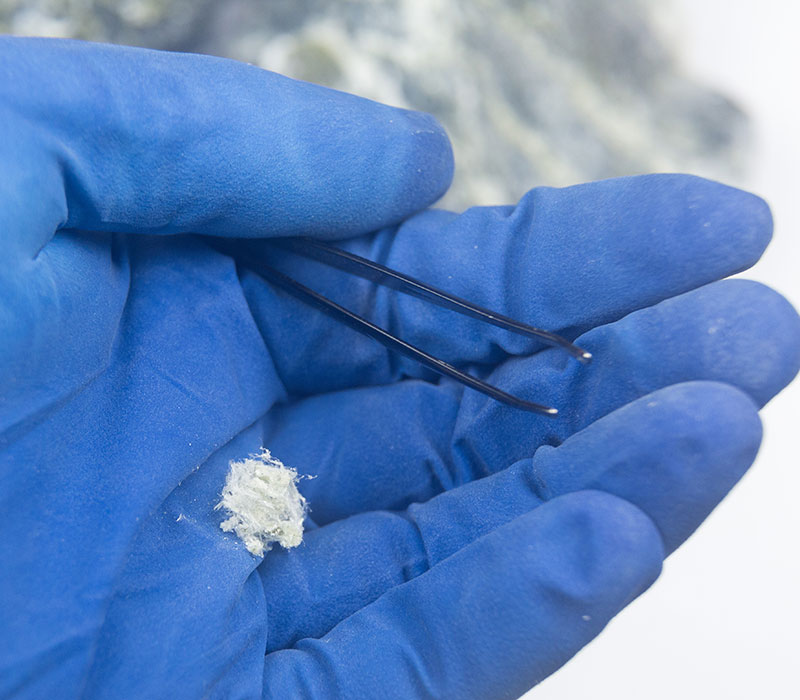
The work itself is small and quick, but it is still done under control because the act of breaking off a piece can release fibres into the air. A short section of the material is dampened first, a small sample is cut or lifted, and the spot is sealed so nothing is left exposed afterwards. The rule is one material, one sample. If a Camberley property has artex on the hall ceiling, lagging on a boiler pipe and a sheet on the garage roof, that counts as three separate items, so it is three samples, each tested in its own right.
Each sample goes to a UKAS-accredited laboratory, which is the independent standard for this kind of testing. The lab examines the fibres under a microscope and confirms whether asbestos is present and, if it is, which of the types it is. Results come back within a few working days as a rule, and quicker when a job is time-critical and we flag it. You then have a written result for that exact material, which is what a builder, a surveyor or a buyer wants to see in writing before anyone commits money or makes a start.
A clear result is good news, because it means the material can be worked on or taken away as ordinary building waste with no special handling. A positive result is not a disaster either. It simply tells you the safe next step, and what that step is depends on which material has tested positive and where in the house it sits.

The Camberley materials people ask us to test
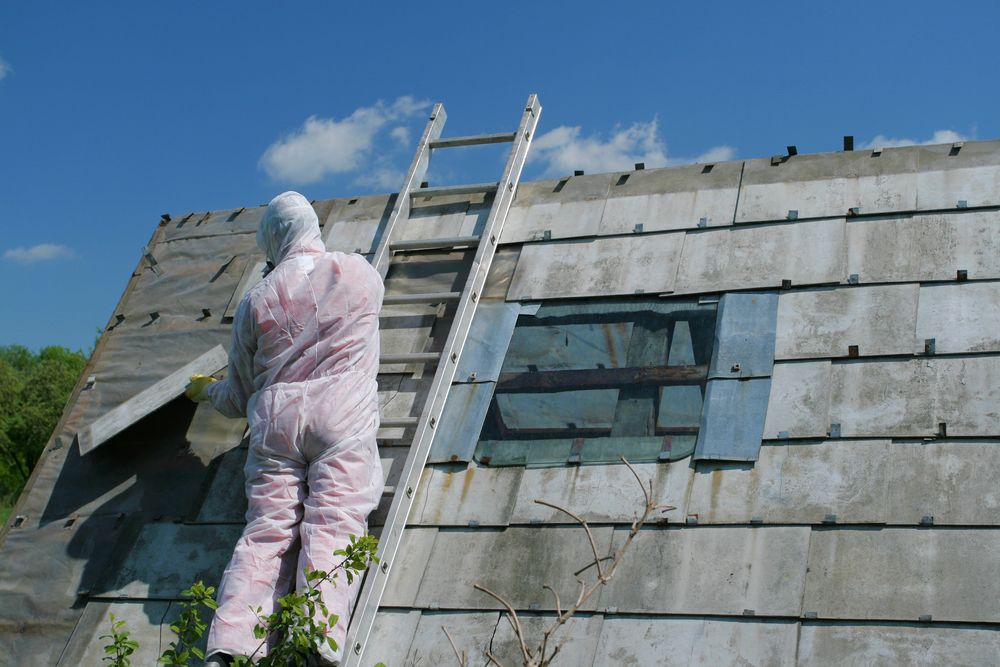
The pattern in Camberley homes is fairly consistent. The most common request is a corrugated cement garage or shed roof, the grey sheets fitted on so many drives across Frimley Green, Lightwater and Bagshot, weathered for forty years or more and starting to flake. People ask before they take a roof down themselves, or before they commit to buying a place with an outbuilding they are unsure about. A single sheet is enough to test the whole roof, since the sheets were laid as one batch.
Inside, the usual suspects are textured artex on ceilings and walls, asbestos insulating board around boilers and in airing cupboards, and vinyl or thermoplastic floor tiles with the black bitumen adhesive bedded underneath them. The older villas near the centre throw up pipe lagging on heating runs, and the interwar and postwar semis carry cement soffits, gutters and fascia boards up at roof level. Artex is frequently the lower-risk material and AIB the higher-risk one, but that distinction only matters once a test has confirmed what you are dealing with, never before.
The reasons for a sample tend to fall into three groups. A renovation is about to disturb a ceiling or a floor and the homeowner wants to know what is in it first. A garage or shed roof looks suspect and the owner wants certainty before touching it. Or someone is partway through buying a Camberley property and needs one specific material checked before they exchange. In each case the question is narrow and practical, and a sample answers exactly that question without the cost of looking at the whole house.

Sampling versus a full survey, and what comes next
It is worth being clear about where sampling stops and a survey begins, because they are not the same job. Sampling tests specific items you already suspect, one material at a time. A survey inspects the whole property, room by room, to find materials you may not even know are there and to set out on paper where everything sits. If you only need to know about the kitchen floor you are lifting next week, a sample is the right and cheaper tool. If you are about to refurbish a whole house, or you are a landlord or a buyer who needs the full picture, a survey is the better fit, and it includes its own sampling and a written report at the end.
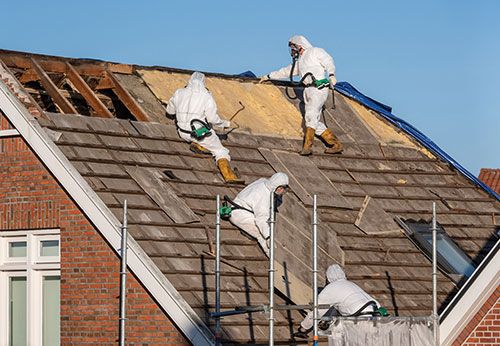
When a sample comes back positive, removal follows, and the method depends on the material. Lower-risk items are taken out under controlled non-licensed conditions. Higher-risk licensed work is held to a stricter standard: 14 days of notice to the HSE before it starts, full enclosure of the work area, and four-stage clearance testing signed off by an independent analyst before anyone is allowed back in. Either way, you only pay for removal once a test has shown it is genuinely needed. That is the whole point of sampling first, and it is why the cheap step at the start so often saves money at the end.
Clearaway is based over in Chessington and has worked across this part of Surrey, out to the western edge of the county, for more than seven years, holding Spectra licence 142305706. If there is a material in a Camberley home you are not sure about, a quick sample is the sensible place to start, and you can talk it through on 0800 024 6168.
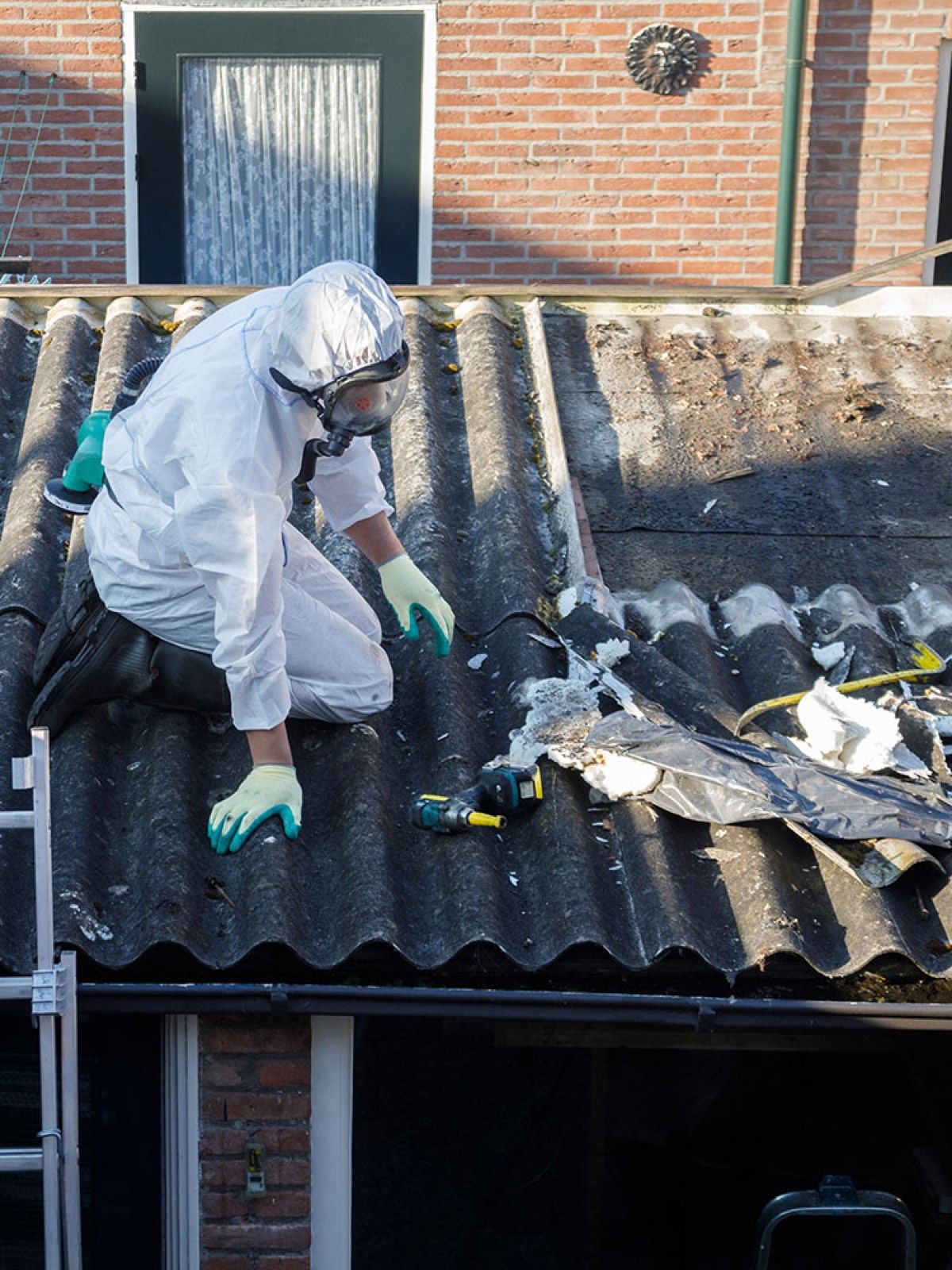
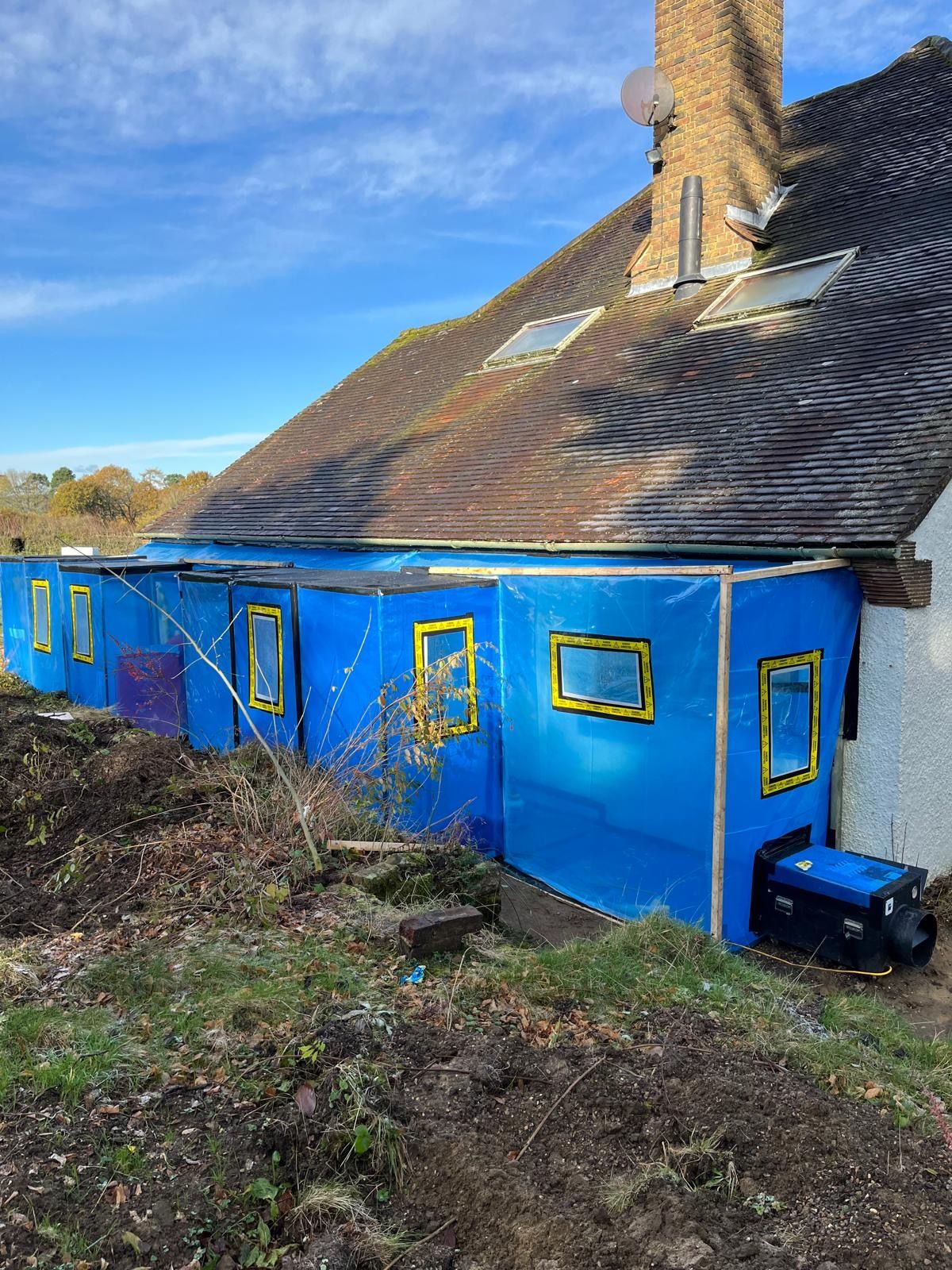
Licensed Asbestos Removal, Woking
Woking, Surrey · Licensed Removal
View this project"Graham and his team done an excellent job of removing and replacing my asbestos garage roof and I wouldn't hesitate in recommending them"
Our Removal Process
From first call to final certificate, every job follows the same clear four-step process.
Survey
We inspect the property and confirm the material. Sampling available if required.
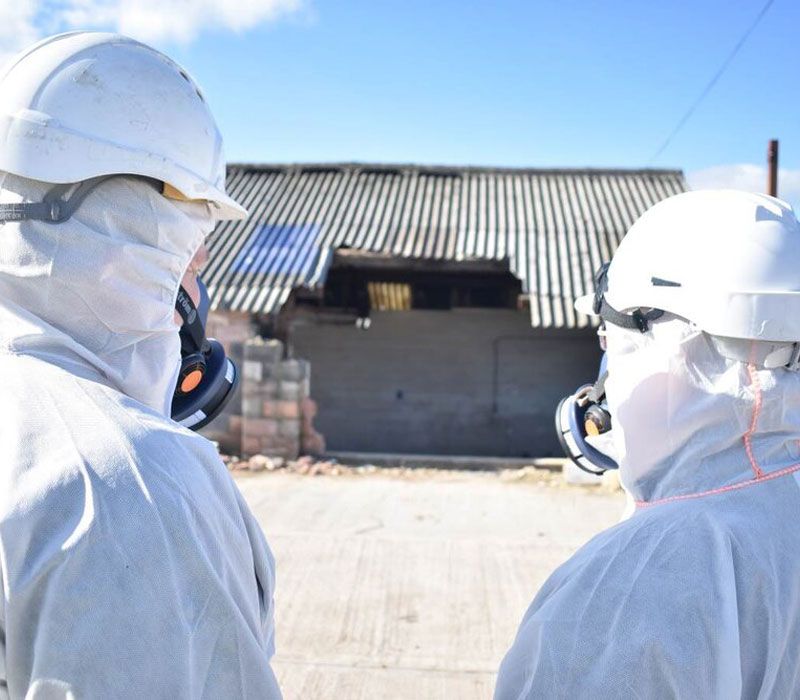
Quote
Fixed written price covering removal, disposal and any replacement work.
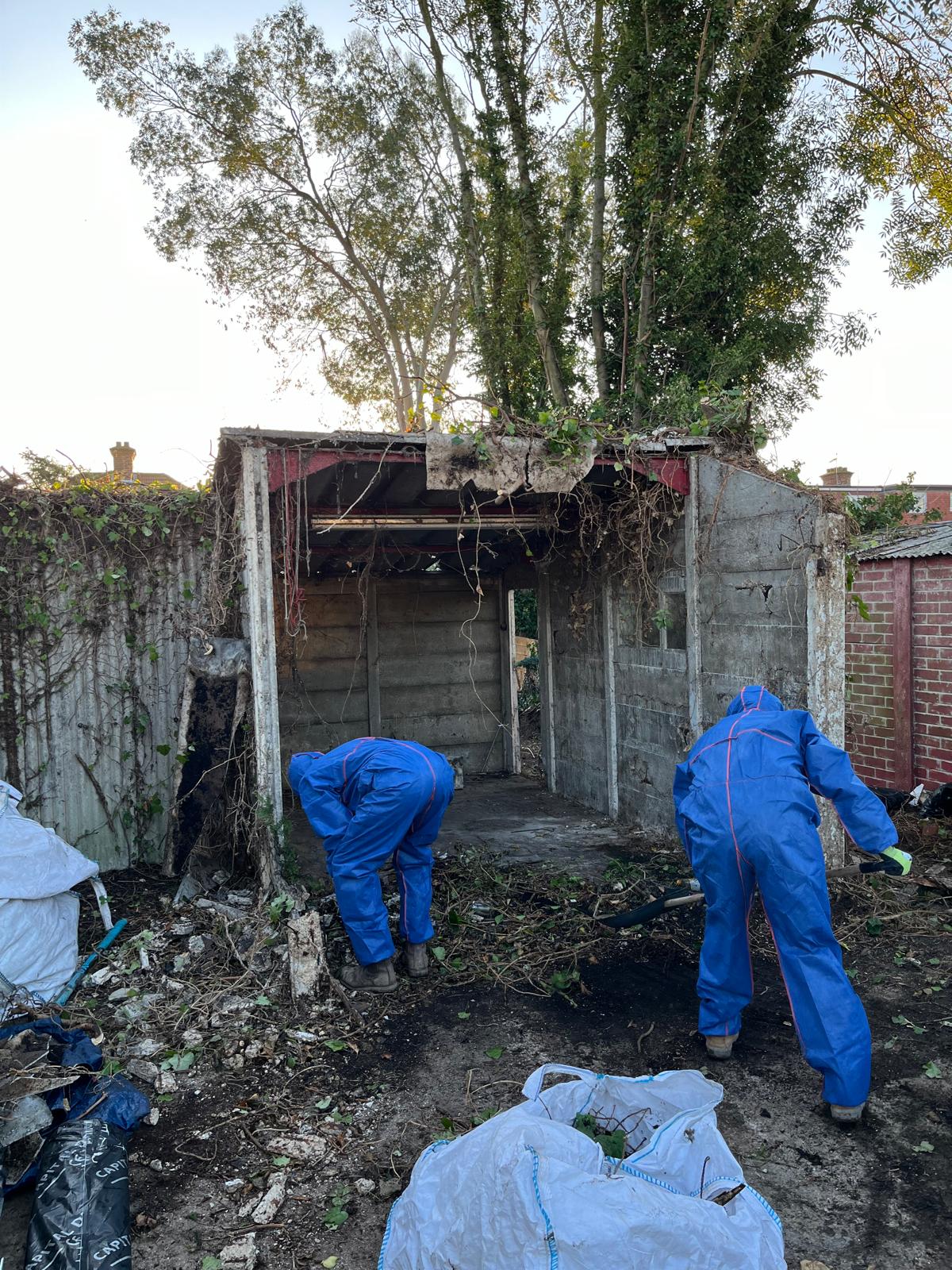
Removal
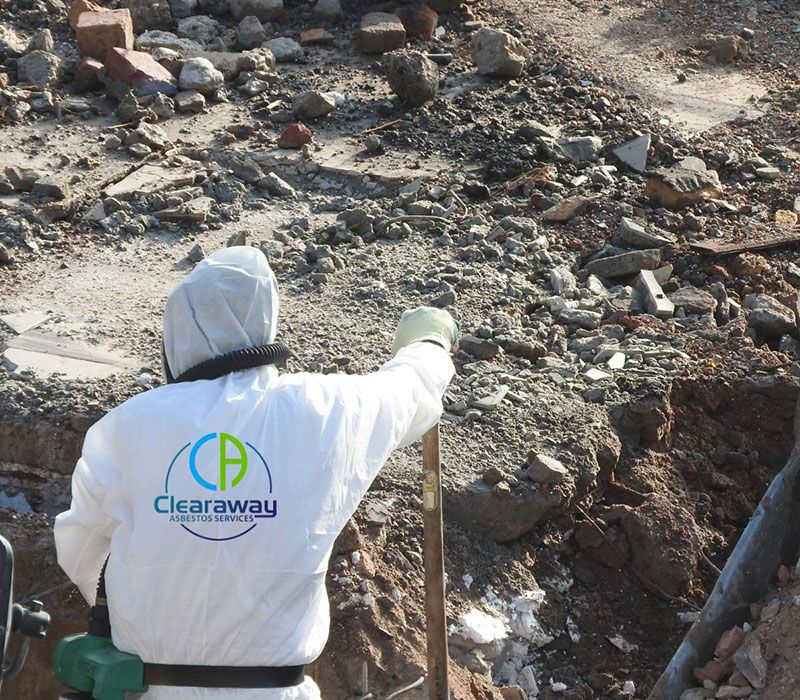
Material is removed safely, double-wrapped and taken to a licensed disposal facility.
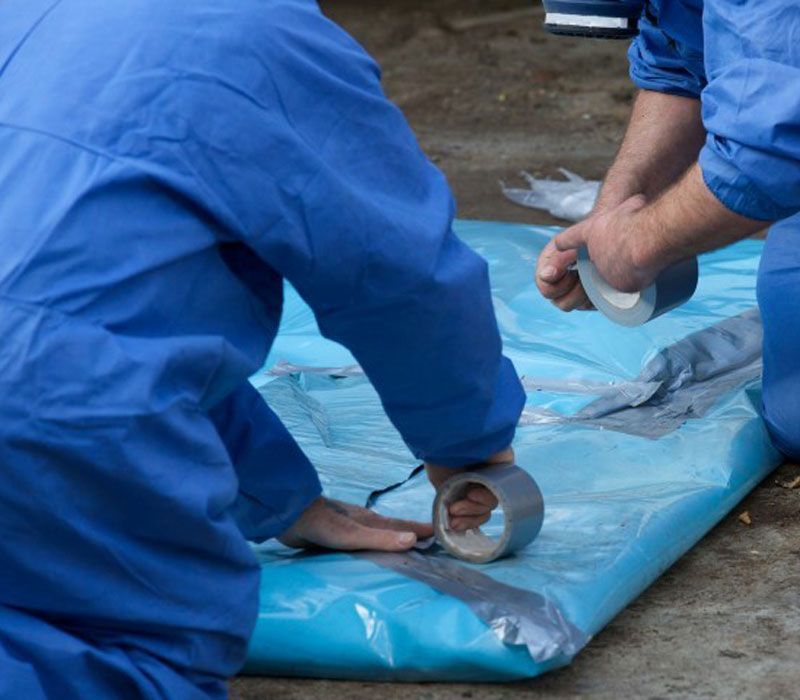
Certificate
You receive a waste consignment note and disposal certificate confirming legal handling.
Frequently Asked Questions
Why Choose Clearaway
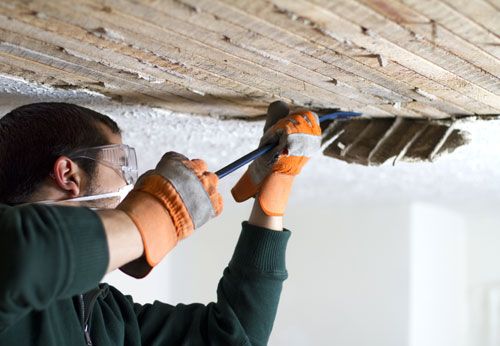
Specialist Crew
Asbestos work is all we do, every day, across the South East.
Fully Licensed
Licensed asbestos removal contractor (Licence No. 142305706). Full public liability insurance on every job.
Local & Fast
Surrey-based. Most domestic jobs are booked in and finished within a week.
Our Own Team
We never subcontract. The people who quote your job are the people who do it.
Get in Touch
Send a few details about your project and we will come back the same working day with a fixed price. We cover Surrey, London and the South East, including Esher, Cobham, Kingston, Richmond, Epsom, Guildford, Woking and Croydon.