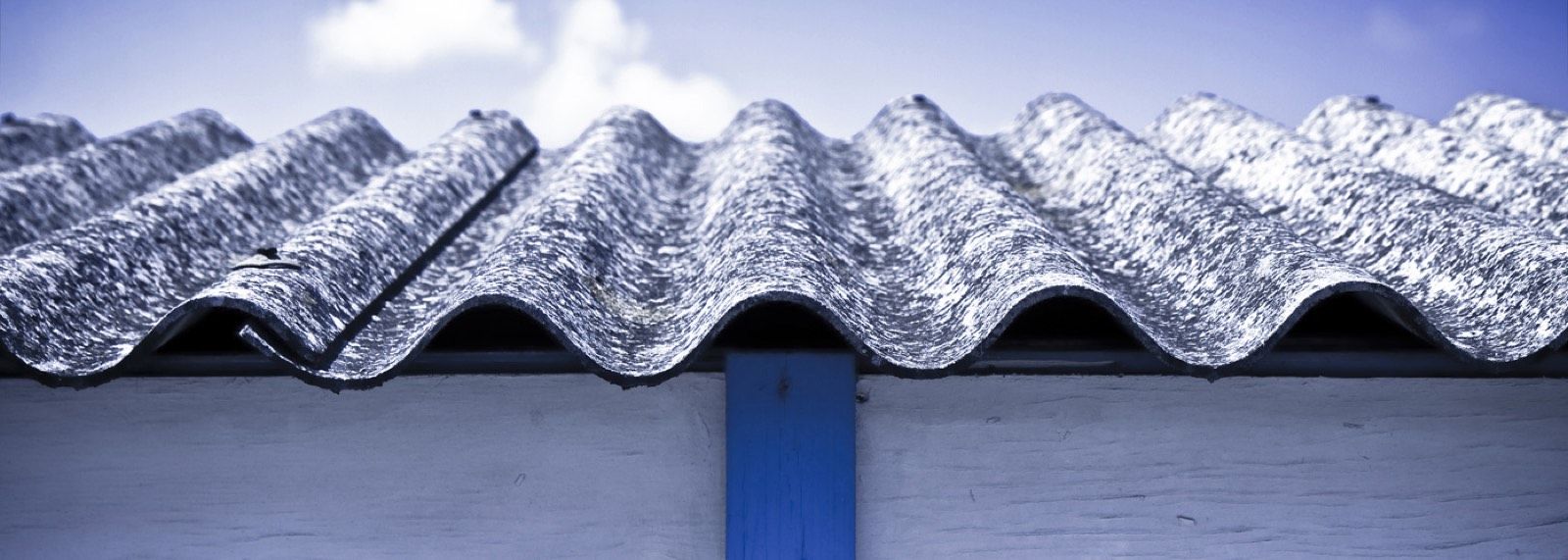
Asbestos Roofing Removal in Surbiton
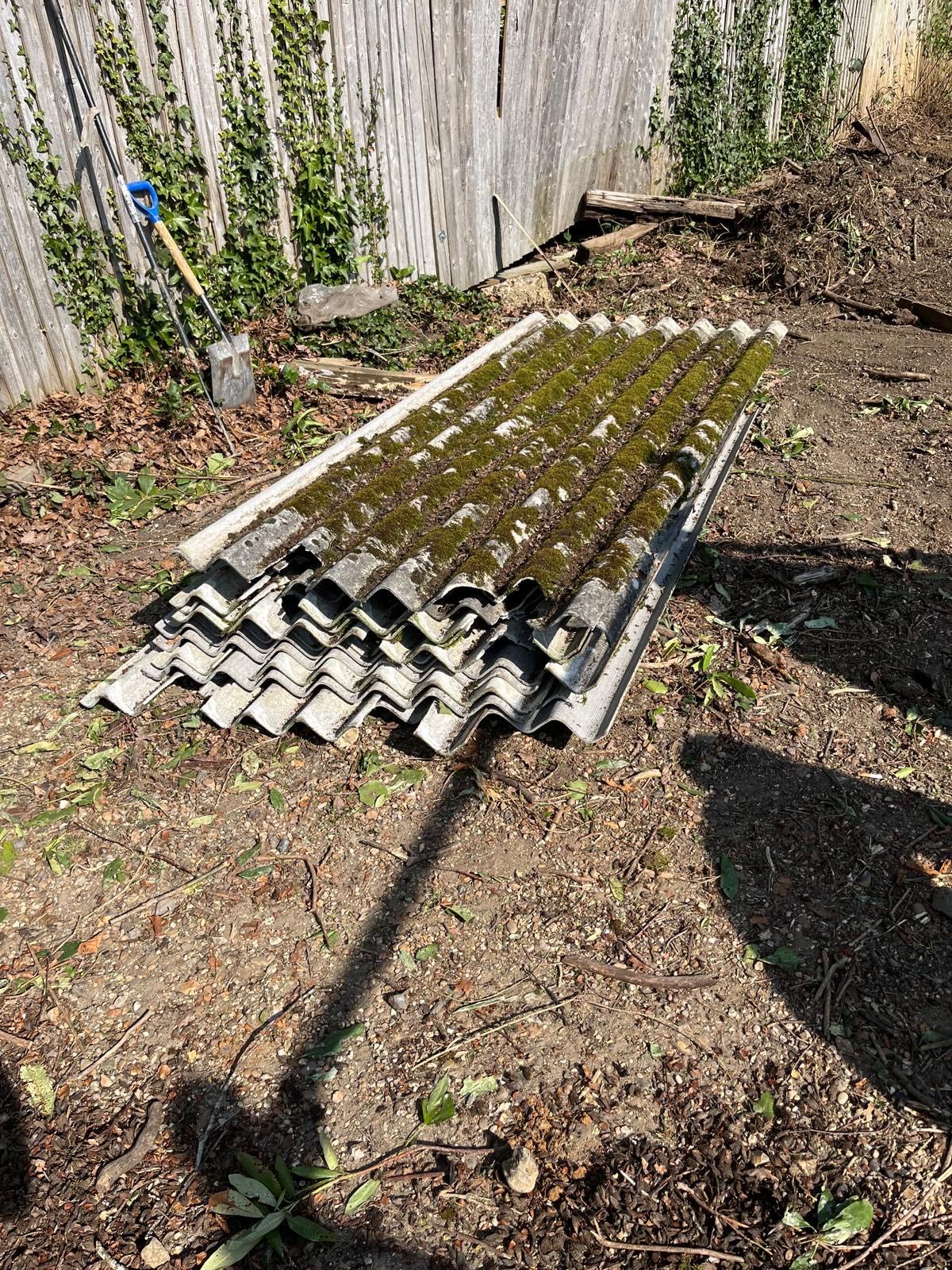
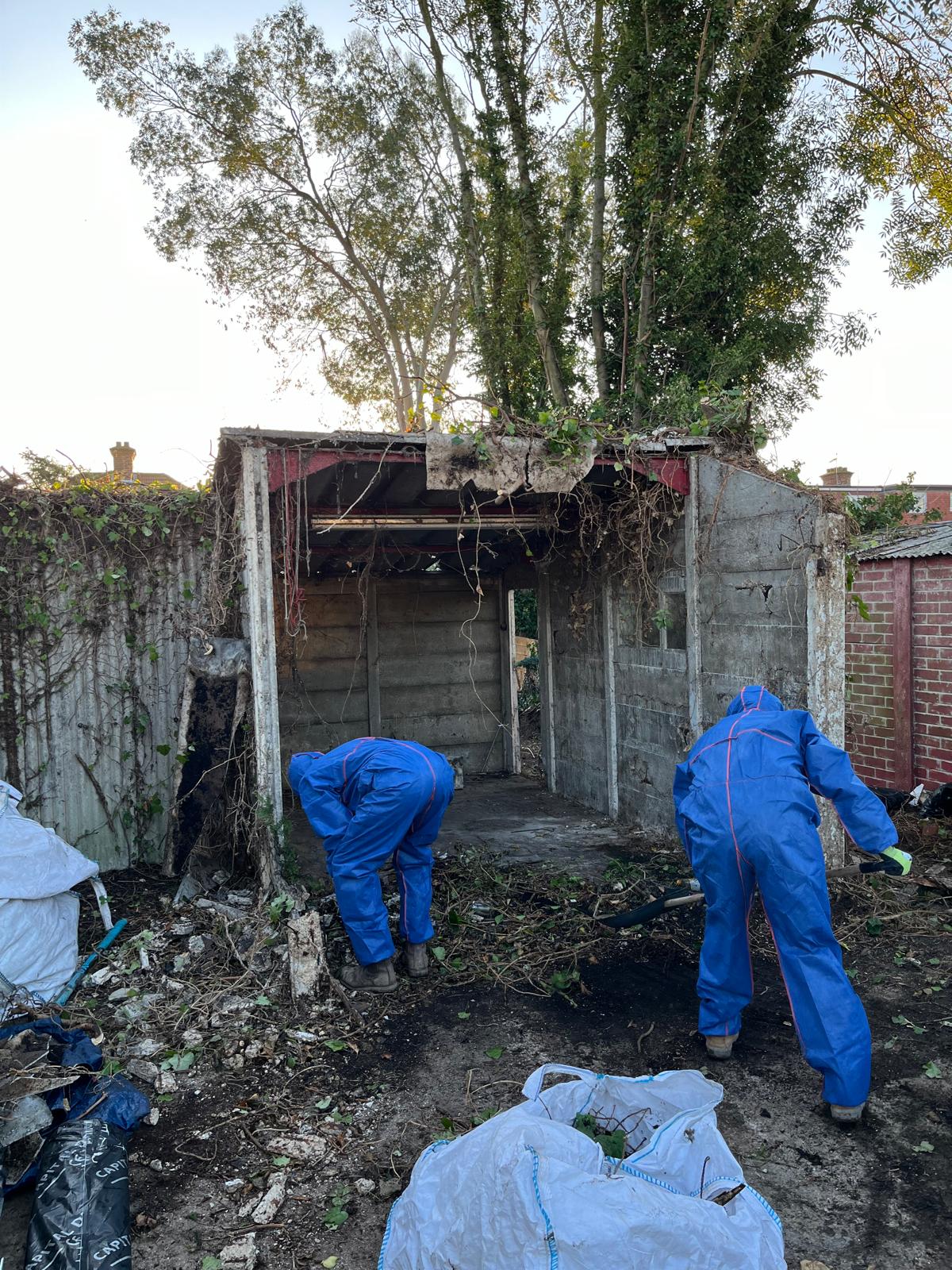
Behind the big villas around Maple Road and Claremont Road, and out across the interwar semis towards Tolworth, Surbiton is full of old cement roofing. Garage roofs, shed roofs, outbuilding sheets and grey soffits, much of it now well past its working life.
Old Roofing Across Surbiton's Back Gardens
Surbiton is a town of villas, and villas come with outbuildings. Walk the streets around Maple Road, Claremont Road and The Crescent and behind the grand houses you find a second world of structures: garden stores, workshops, lean-tos against the back wall, flat-roof extensions tacked on in the postwar decades. A lot of these were roofed in corrugated asbestos cement, because it was cheap, light and easy to throw up over a timber frame.
The story carries on out towards Tolworth and Berrylands, where the streets of 1930s semis tell a slightly different version. Here the asbestos cement is often in the soffits, the gutters and the fascia boards that run under the eaves, as well as on shed and garage roofs at the bottom of the garden. Riverside houses along the Portsmouth Road, and the converted properties near Seething Wells, throw up their own mix of older roofing on annexes and side returns.
None of this is rare, and none of it is a reason to panic. Asbestos cement sheet was used everywhere in Britain before the 1999 ban, and Surbiton got more than its share simply because so many of its homes pre-date that date. The question is usually not whether a property has it, but where it is and what state it is in.
Why a Worn Roof Is the Bigger Worry
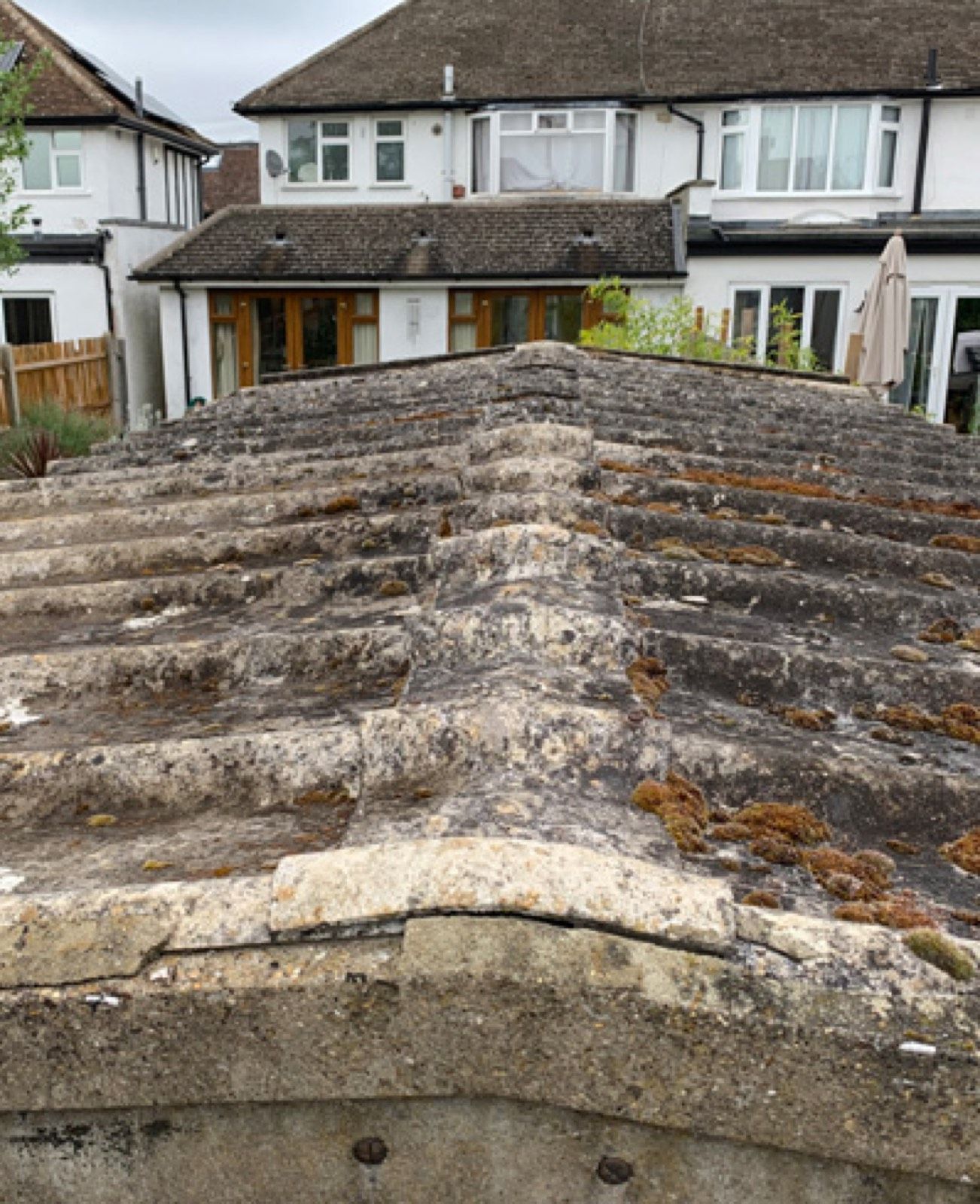
Asbestos cement is a hard, dense material, and while it sits intact and painted it is fairly stable. The fibres are bound into the cement and do not readily escape. A sheet in good order, left alone, is not the headache. The problem is time and weather.
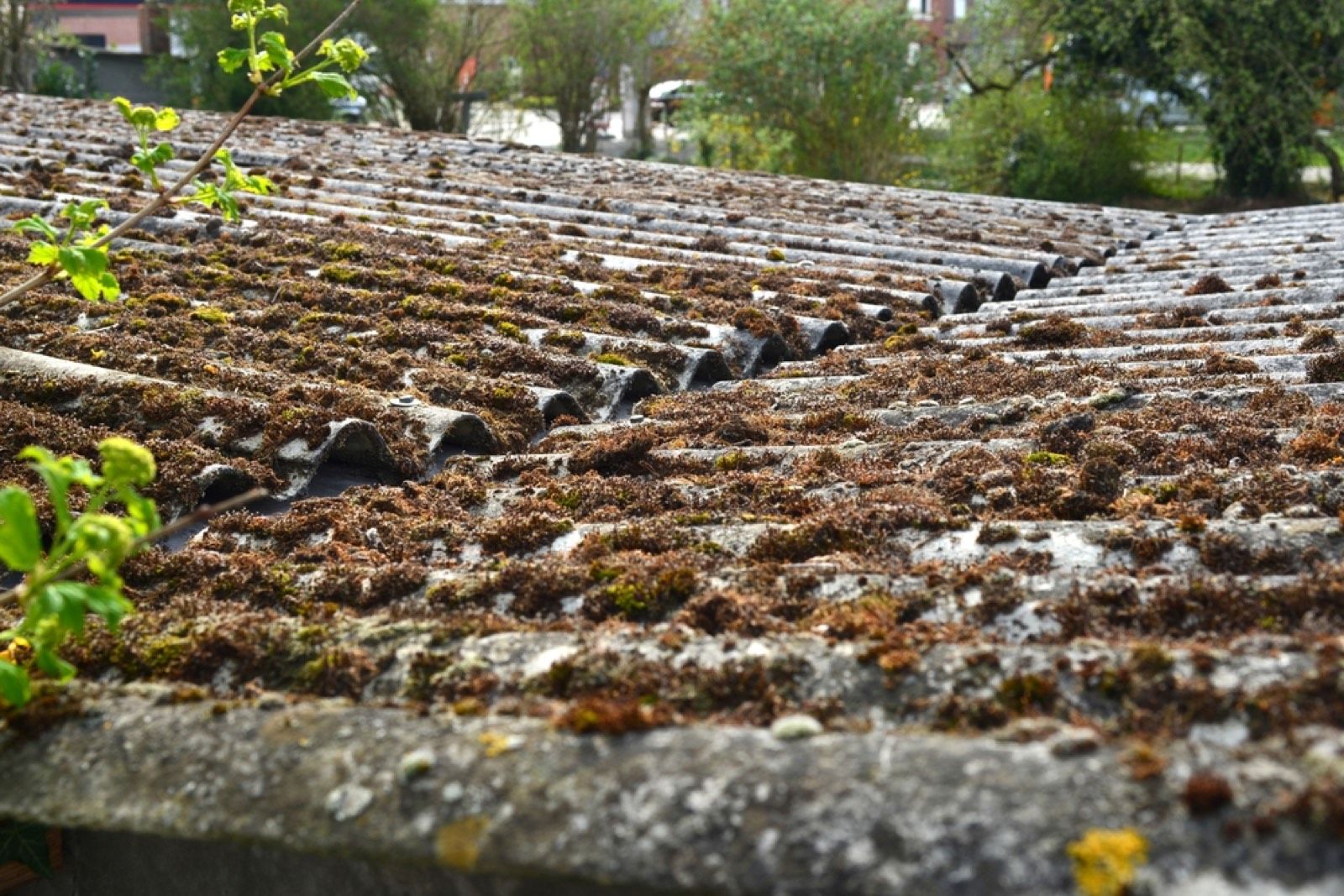
Decades of Surrey rain, frost and sun do real damage to these roofs. The surface goes chalky and starts to break down, a process the trade calls weathering. Hairline cracks open up, edges crumble, moss takes hold and holds water against the sheet. Once the cement matrix is breaking apart, loose fibres can wash off in the rain or lift in a strong wind. That is when a tired old roof stops being a low risk and starts being one worth dealing with.
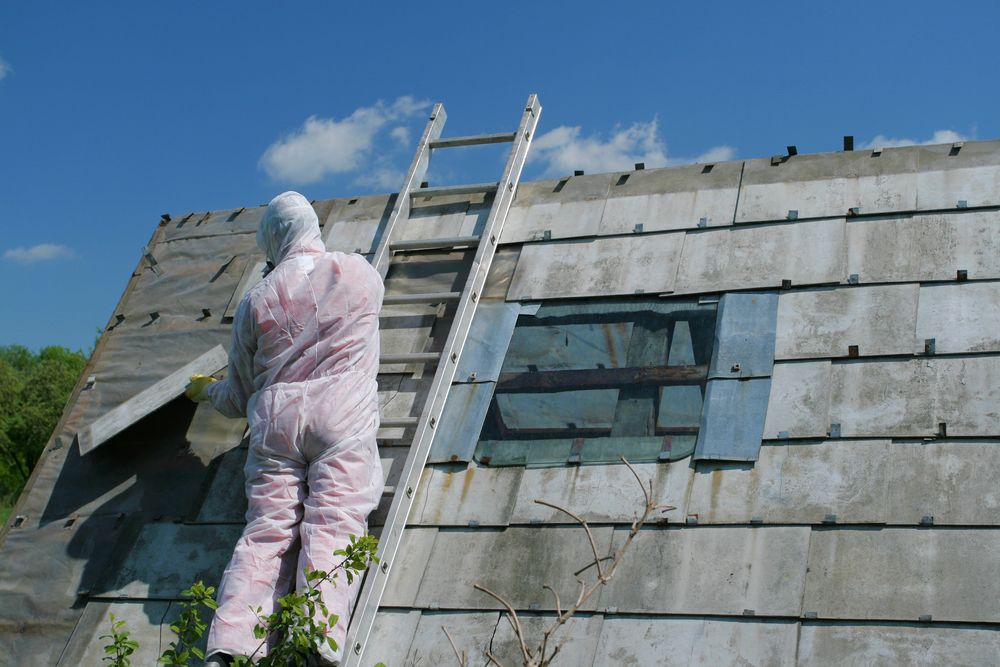
This is also why roofs need more care than, say, a sheet of board indoors. They are exposed, they are often brittle after years outside, and they tend to be up high on extensions, two-storey outbuildings or the eaves of a semi. Walking on aged asbestos cement is genuinely dangerous, both for the fall risk and because crashing through shatters the sheet and releases fibres. Taking it down is a job to plan properly, not to rush on a Saturday morning.
How We Take the Roof Down Safely
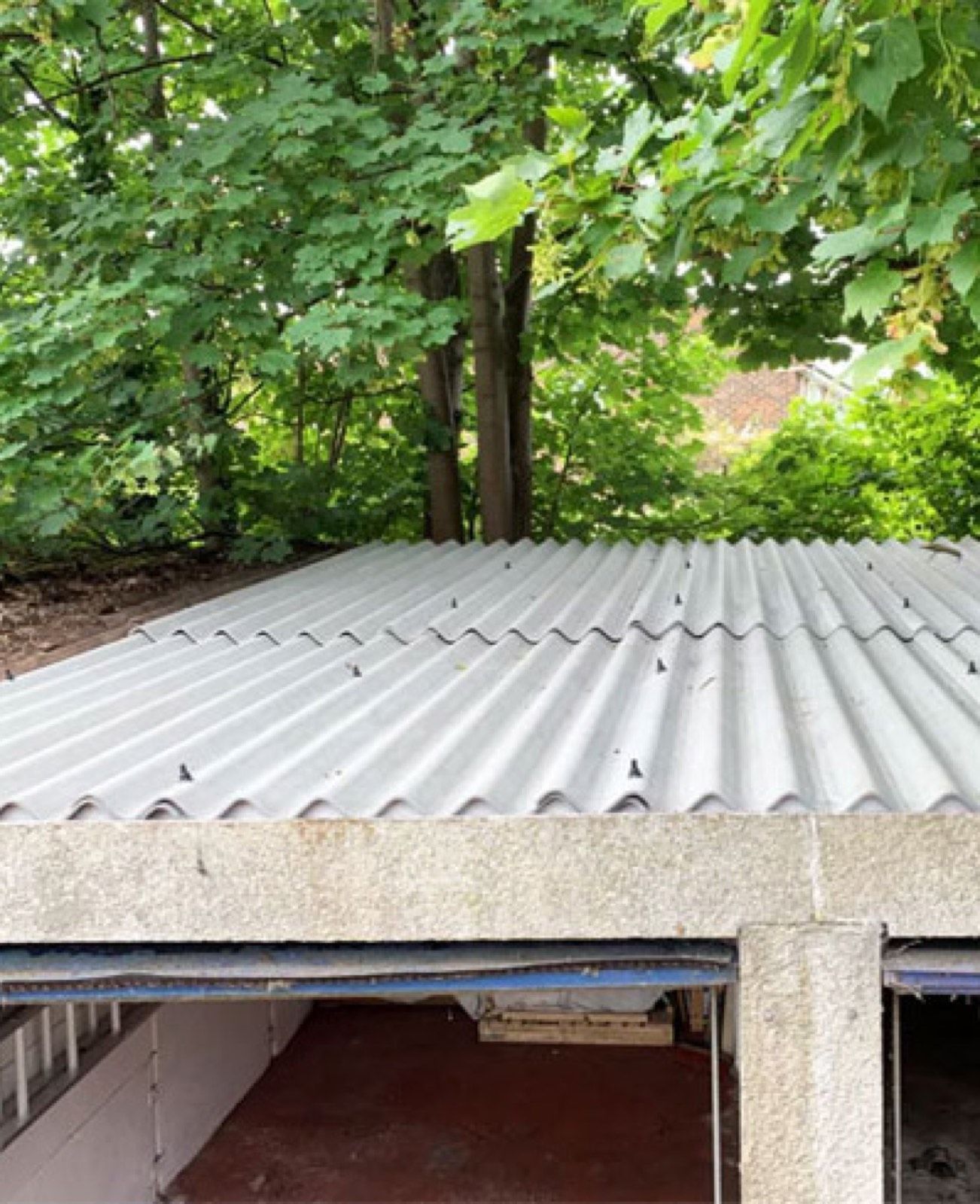
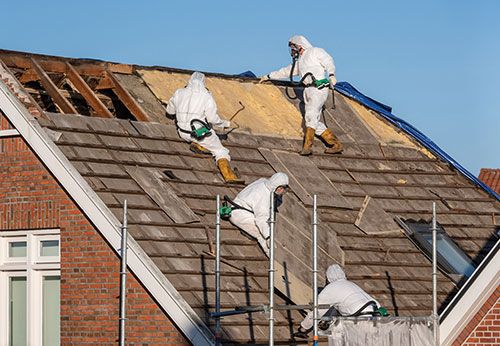
For most asbestos cement roofing the work is what the regulations call non-licensed, but the method still matters. The aim is to keep the sheets whole. We lift each one off intact rather than breaking it, damp it down to hold any loose fibres in place, and lower it by hand instead of dropping it. Fixings are cut or eased out rather than snapped. Broken sheets mean dust, and dust is the thing we are working to avoid.
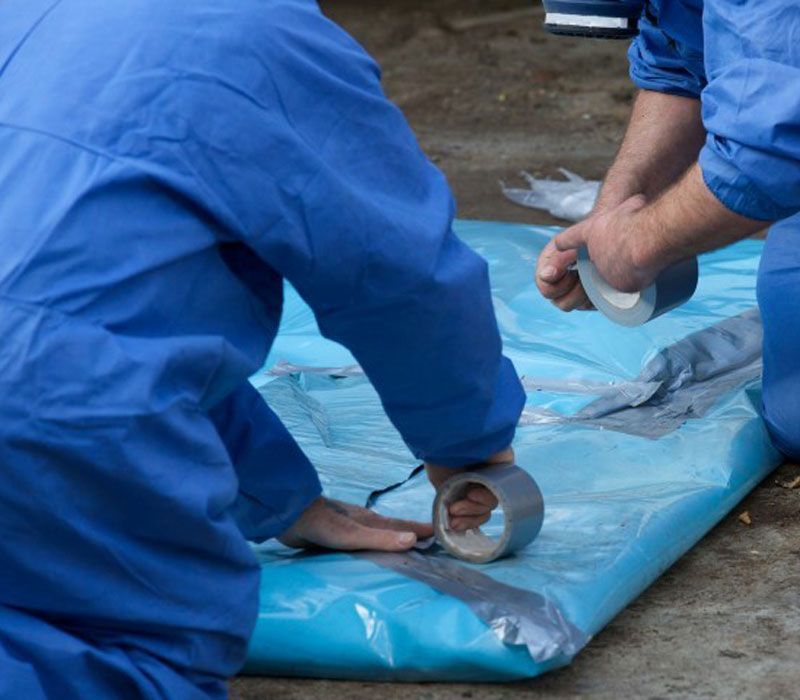
Once down, the sheets are double-wrapped, labelled and run to a licensed disposal facility, with the paperwork to show where it went. Soffits, fascia boards and asbestos cement guttering on the interwar semis come off the same careful way, working along the eaves and bagging as we go. Access is part of the plan from the start, because a lot of this material sits at height on extensions and outbuildings rather than at ground level.
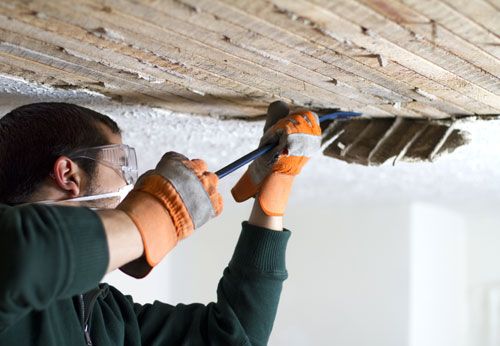
Some situations move into higher-risk licensed territory, for example sprayed coatings or certain insulating boards found tucked into older roof structures and conversions. Where that applies, the controls step up: 14 days of notice to the HSE before the work starts, a fully sealed enclosure around the area, and four-stage clearance testing signed off by an independent analyst before anyone uses the space again. Graham will tell you at the survey which category your roof falls into, in plain terms, before any work is booked.
What Goes Back On, and Who to Call
Stripping the old roof is only half the conversation. Most people want to know what replaces it. On a garden outbuilding or workshop, galvanised steel box-profile sheeting is a common swap: light, quick to fit and a close match to the old corrugated shape. For a flat-roof extension, a three-layer torch-on felt system gives a long-lasting finish. Bigger or more visible roofs sometimes call for a proper flat or tiled roof to bring them in line with the house.
If you like the look of the original, modern asbestos-free fibre cement sheets are made in the same profiles and colours, so the rebuild can look almost identical without the asbestos. We can take the roof off and leave it watertight, or take it off and re-cover it in one go, whichever suits the building and the budget.
We are based in Chessington, a few minutes from Surbiton, so this is our home patch and a same-week survey is normal. Graham runs the local jobs himself, so the person who looks at your roof is the person who does the work. Clearaway is a licensed asbestos contractor, Spectra licence number 142305706, with more than seven years working across this corner of Surrey and a UKAS-accredited laboratory behind the testing. To talk through a roof in Surbiton, call 0800 024 6168.
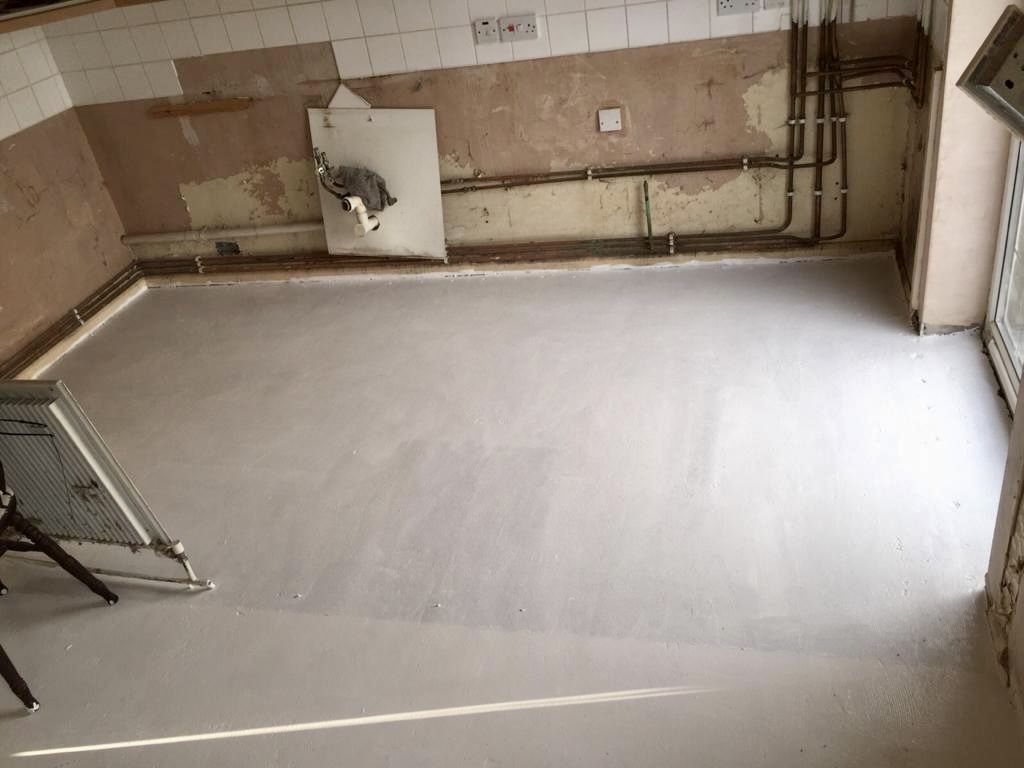
Asbestos Vinyl Floor Tile Removal & Bitumen Sealing, Surbiton
Surbiton, Surrey · Floor Tile Removal
View this project"Graham has organised two jobs for me, both of which ran smoothly and on time. Clive and the team are really great, they completed the work in the agreed time and left the site spotless. Would recommend using Clearaway if you need any work done."
Frequently Asked Questions
Our Removal Process
From first call to final certificate, every job follows the same clear four-step process.
Survey
We inspect the property and confirm the material. Sampling available if required.
Quote
Fixed written price covering removal, disposal and any replacement work.
Removal
Material is removed safely, double-wrapped and taken to a licensed disposal facility.
Certificate
You receive a waste consignment note and disposal certificate confirming legal handling.
Why Choose Clearaway
On Our Home Patch
We work out of Chessington, right on the edge of the KT postcodes, so a same-week survey here is the norm, not the exception.
The Owner On The Job
On local work Graham quotes and runs the job himself. You deal with the person doing the work from first call to final certificate.
Fully Licensed
Licensed asbestos removal contractor (Licence No. 142305706). Full public liability insurance on every job.
Our Own Team
We never subcontract. The people who quote your job are the people who do it.
Get in Touch
Send a few details about your project and we will come back the same working day with a fixed price. We cover Surrey, London and the South East, including Esher, Cobham, Kingston, Richmond, Epsom, Guildford, Woking and Croydon.