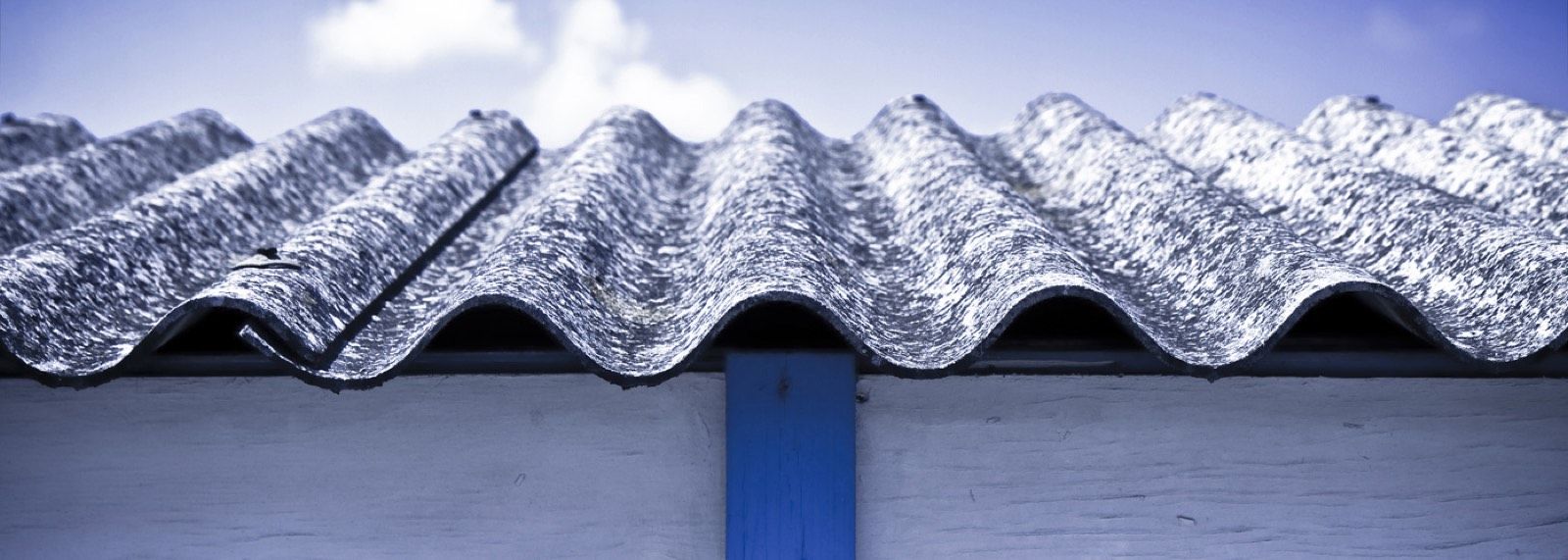
Asbestos Roofing Removal in Sunbury
Roofs take the weather first in Sunbury, and the old cement ones tell on themselves. We strip asbestos roof sheets, soffits, gutters and fascia boards from the homes and outbuildings around Lower Sunbury, Sunbury Cross and Kempton.
Why Sunbury roofs are the part that goes first
Sunbury-on-Thames has the river on one side and the M3 on the other, and a lot of housing in between that went up between the wars and after. Walk up from the old village core at Lower Sunbury towards Sunbury Cross and Kempton and you pass street after street of interwar and postwar semis and detached houses. A good number of the bigger places have been split into flats. It is solid, ordinary stock, and on plenty of it the roof line still carries the materials it was built with.
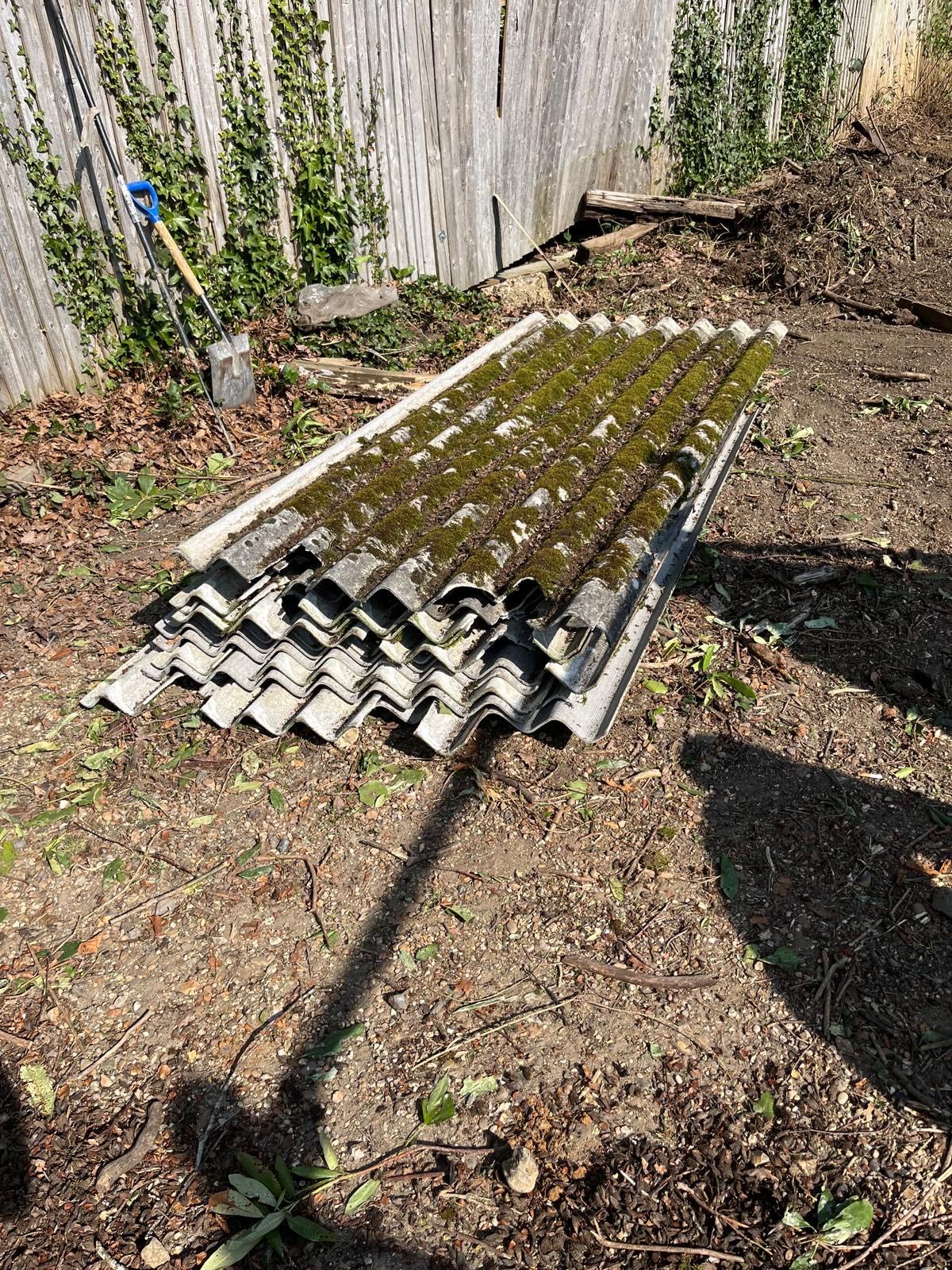
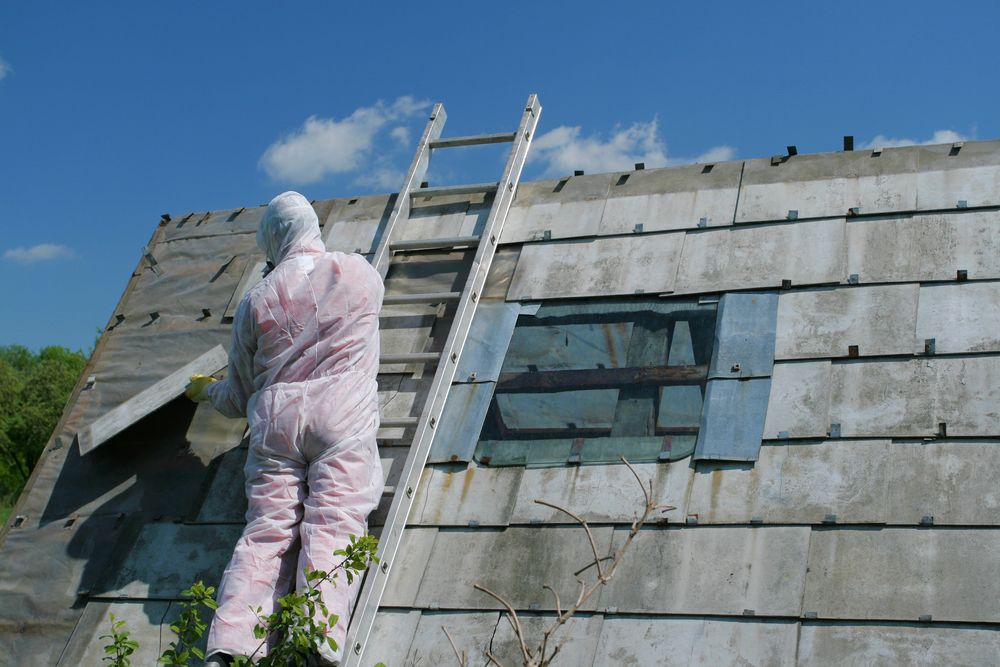
The roof is the part of a house that takes the weather first, so it tends to be the first part to fail. On a lot of this stock that means cement asbestos. You find it on the corrugated sheets over sheds and outbuildings, on the lean-tos tacked onto the back, on flat-roof extensions, and in the cement soffits, gutters and fascia boards running along the eaves of the semis. It sat there fine for forty or fifty years. The trouble starts when it starts to break down.
This page is about those roofs and roof edges, not the lock-up garage at the side, which is a job of its own. The principle is the same throughout. Asbestos that is whole and painted and left alone is low risk. Asbestos that is cracked, crumbling or being knocked about is the problem, and a high roof in poor condition is exactly that. A flat extension roof that has started to let water in, a lean-to sheet that has slipped, a fascia run that is coming away from the brackets, these are the things that tip a quiet material into one worth dealing with.
How weather turns a sound roof risky
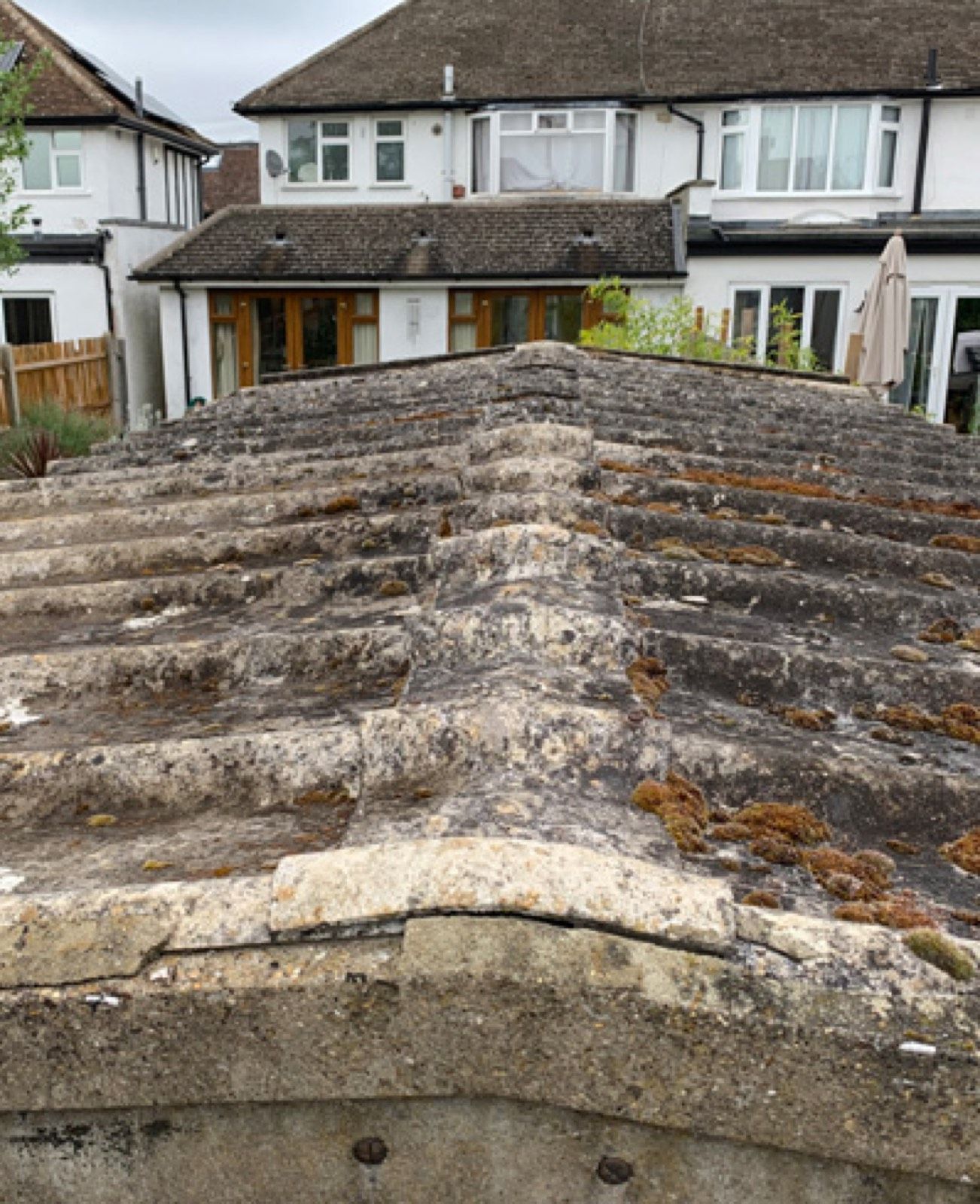
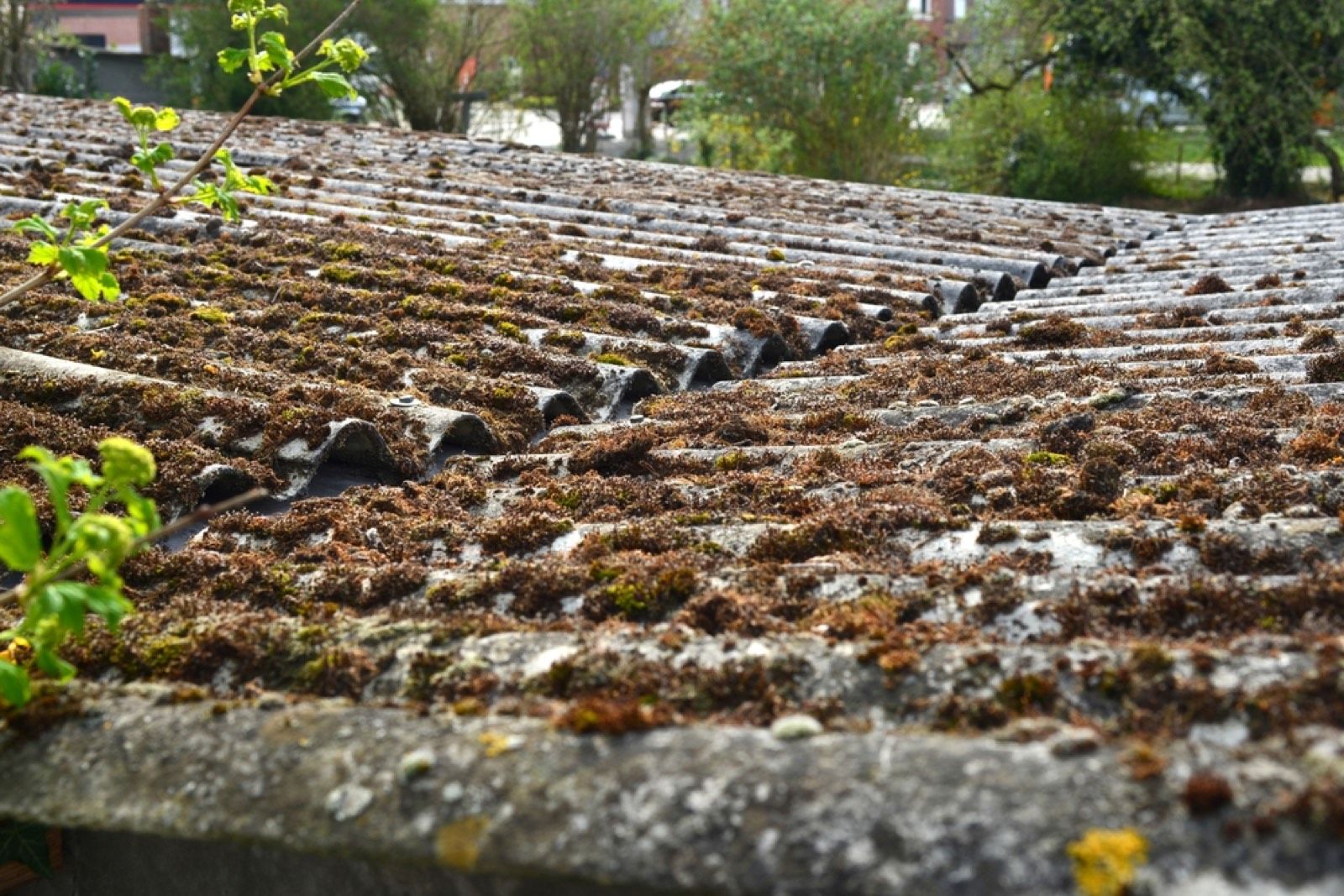
Cement roof sheets are a mix of cement and asbestos fibres, and they age the way you would expect on the side of the Thames. Sun bakes them, frost gets into the surface, moss holds water against them, and after enough winters the cement face starts to powder and flake. Once that surface is gone the fibres underneath are no longer locked in. A cracked sheet on a shed, a split fascia board, a gutter that has gone brittle and snapped at the bracket, all of it can shed fibres when it is disturbed or in a strong wind.
Height is what makes a roof worse than most finds. A garage roof you can reach off a low step. A two-storey extension, a tall outbuilding behind one of the larger houses, or the soffits and fascias along the eaves of a semi all mean working at height over a job that is already controlled. That is why a roof in poor shape ranks higher for risk than the same material sitting flat and undamaged elsewhere on the plot.
The other thing about a failing roof is that it rarely waits for you. People tend to call when a sheet has already cracked or a fascia has come loose, which is the worst moment to start poking at it from a ladder. Cleaning moss off, drilling a fixing, walking a flat roof to clear a gutter, all of it disturbs a surface that may already be past its best. The safer order is to look at it before it gets worse, confirm what it is, and take it down properly rather than patch it and hope it holds another winter.
Taking the sheets down whole, not breaking them up
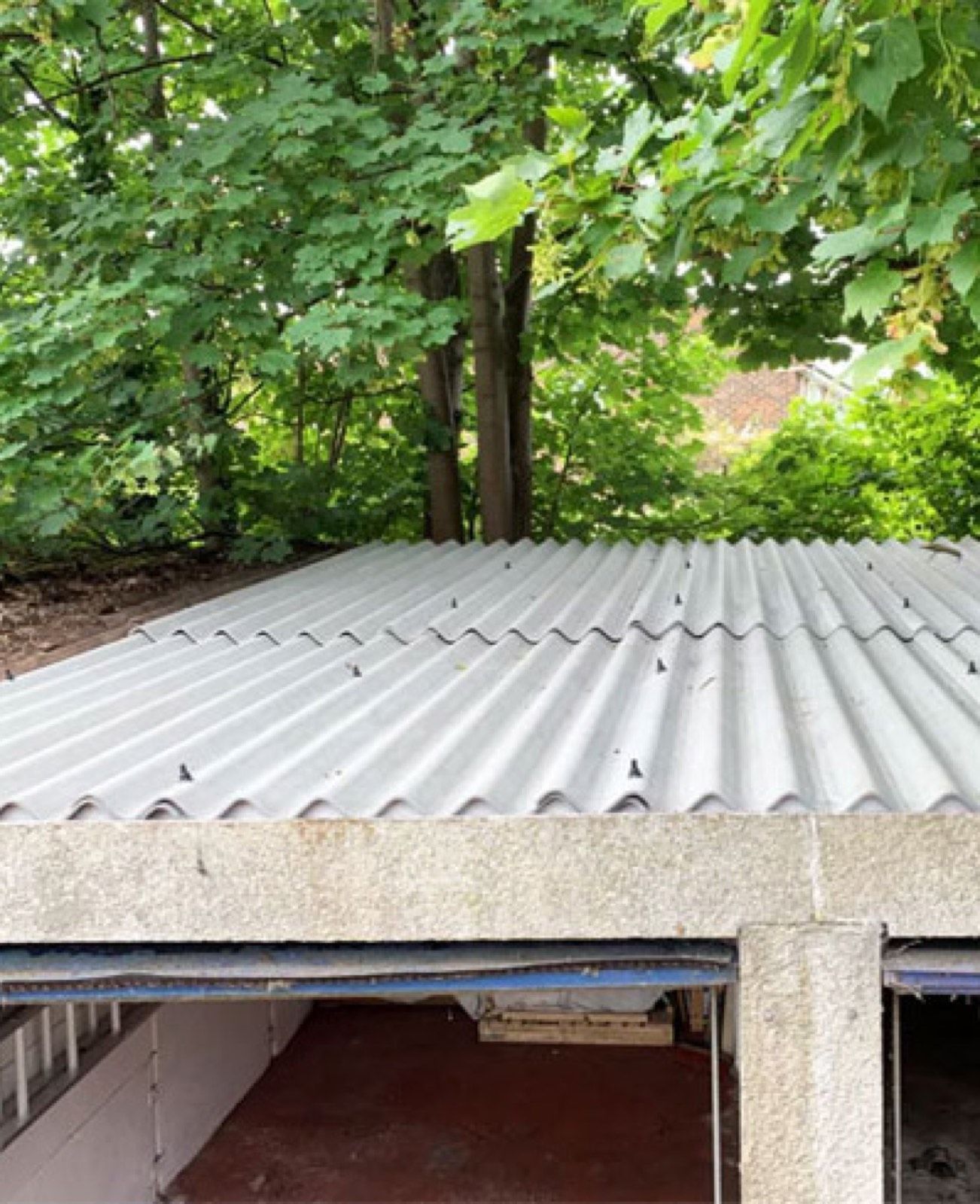
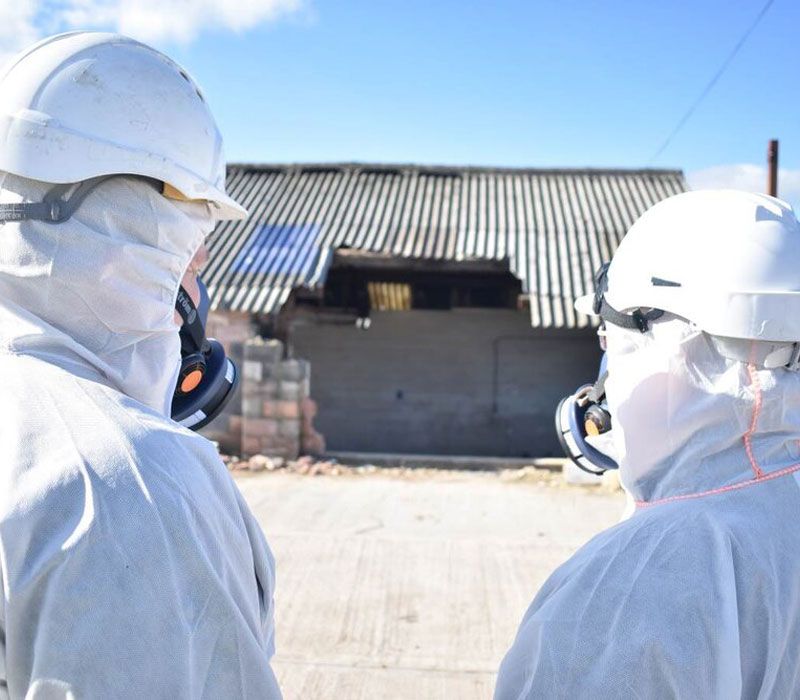
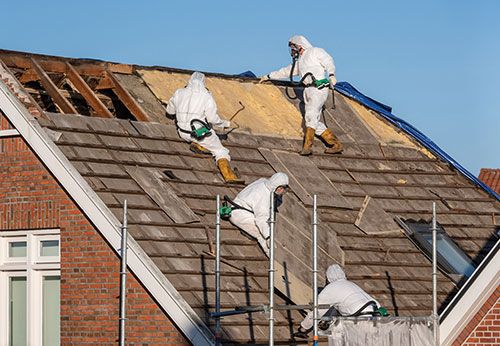
The way you keep a roof job clean is to take the material down in one piece wherever you can. Cement roof sheets are unbolted and lifted off whole rather than smashed, because breaking them is what throws fibres into the air. The same goes for soffit and fascia boards, which come away in lengths, and for cement gutters, which are unhooked from their brackets and lowered rather than dropped. Everything is double wrapped and taken off site, and on most domestic roofs there is no need for a skip on the drive, so the road and the front stay clear.
A single garage-sized roof of corrugated sheets runs to a half-day or a day once access is sorted, and a small lean-to or shed can be quicker. A run of soffits and fascias along a semi, or a larger outbuilding roof behind one of the bigger Sunbury houses, takes longer because of the height and the access more than the material itself. The condition matters too. A roof that is already breaking up has to be handled with more care than one that is sound, which adds time. None of that changes the method, only how long it takes and how much scaffolding or tower the eaves need.
With the old roof gone you are left with a clean structure to recover. Replacement options on a shed, outbuilding or extension include galvanised steel box-profile sheeting, three-layer torch-on felt for a flat roof, a tiled finish, or asbestos-free fibre cement that matches the look of the original without the risk. Soffits and fascias go back in modern uPVC. Graham, who owns Clearaway and runs the jobs himself, will tell you on the visit which makes sense for the building and what the roof underneath actually needs.
What licensed roof work involves
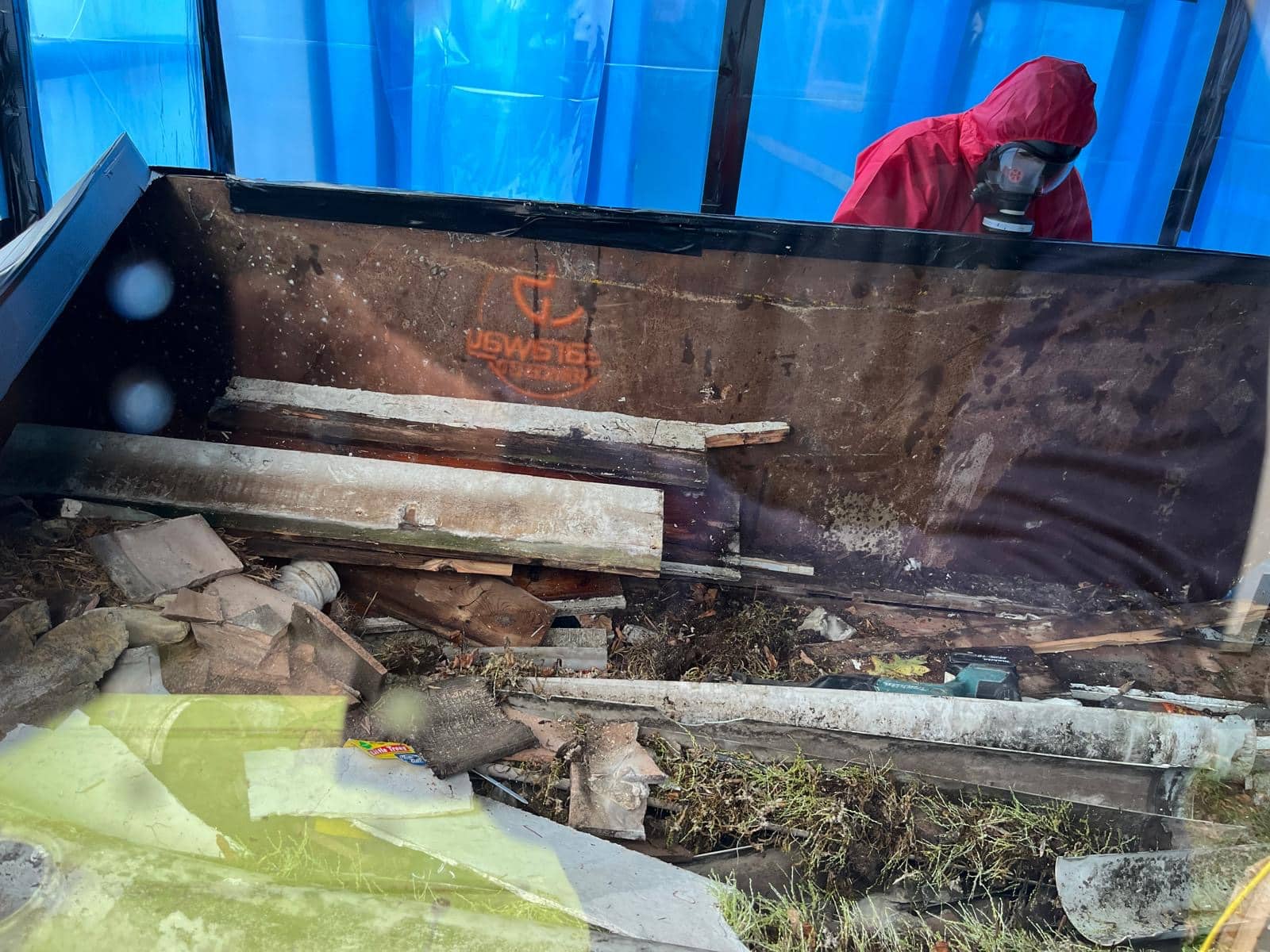
Most external roof sheeting, soffits and gutters falls under non-licensed work, which means it can be removed under controlled conditions without HSE notice, though it is still sampled and handled to the proper standard. Some materials sit in the higher-risk band, and the rule of thumb is that the worse the condition and the more friable the material, the more likely it crosses into licensed territory. Where licensed work is needed, the rules are strict and they are followed to the letter. That means 14 days notice to the HSE before a hand is laid on it, full enclosure of the working area, air monitoring throughout, and four-stage clearance testing signed off by an independent analyst before the space is handed back. Every sample, licensed or not, goes to a UKAS-accredited laboratory, because you cannot tell what a roof sheet, a fascia or a gutter is made of by looking at it.
The sampling step is also what keeps the cost sensible. A small piece is taken under controlled conditions and the result comes back in a few working days, which tells you whether the material is asbestos at all and which standard the removal has to meet. There is no point gearing up for a licensed strip on a roof that turns out to be plain cement, and no sense treating a genuine higher-risk material as if it were ordinary. The lab result settles it either way.
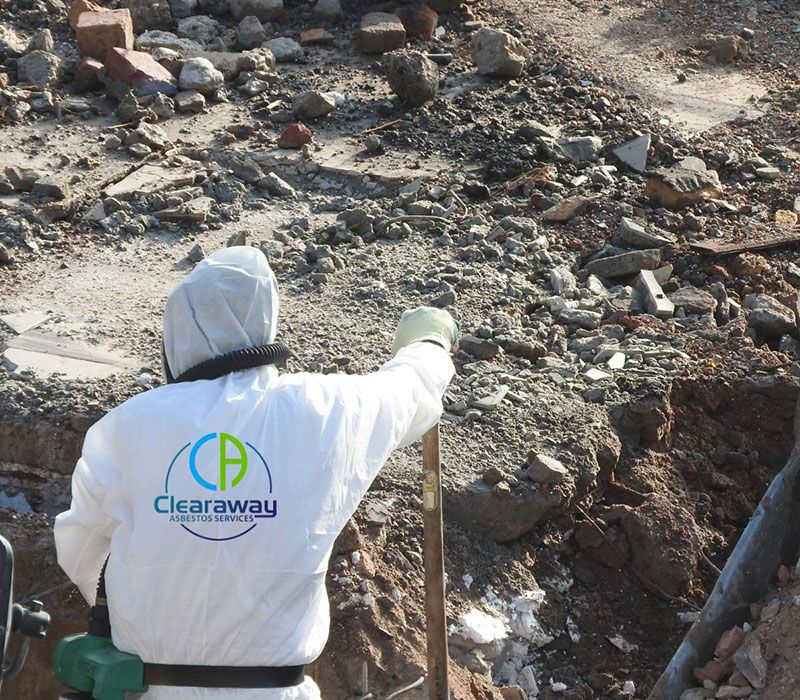
Clearaway is based in Chessington, KT9, a reasonable run over to Sunbury, and the same person who prices the job is the one who carries it out. There is no chain of subcontractors and no guessing on site, just one person who has seen these roofs many times before. The work is covered by Spectra licence number 142305706, and the company has more than seven years removing asbestos from roofs, outbuildings and extensions across this part of Surrey. If you have a cracked roof sheet, a sagging fascia or a brittle cement gutter on a Sunbury property and you want it looked at before it gets any worse, call 0800 024 6168.
Licensed Asbestos Removal, Weybridge
Weybridge, Surrey · Licensed Removal
View this project"Graham has organised two jobs for me, both of which ran smoothly and on time. Clive and the team are really great, they completed the work in the agreed time and left the site spotless. Would recommend using Clearaway if you need any work done."
Our Removal Process
From first call to final certificate, every job follows the same clear four-step process.
Survey
We inspect the property and confirm the material. Sampling available if required.
Quote
Fixed written price covering removal, disposal and any replacement work.
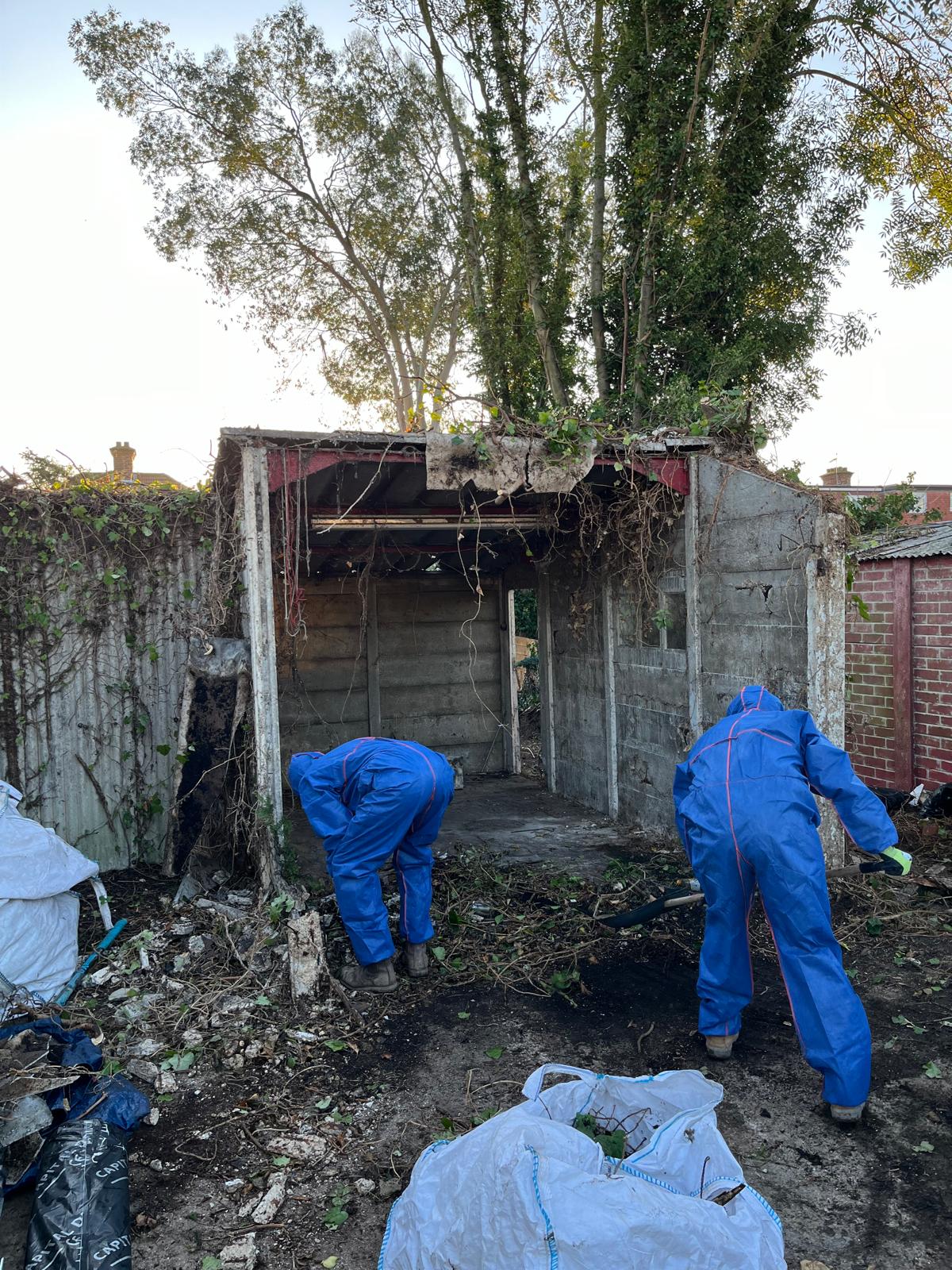
Removal
Material is removed safely, double-wrapped and taken to a licensed disposal facility.
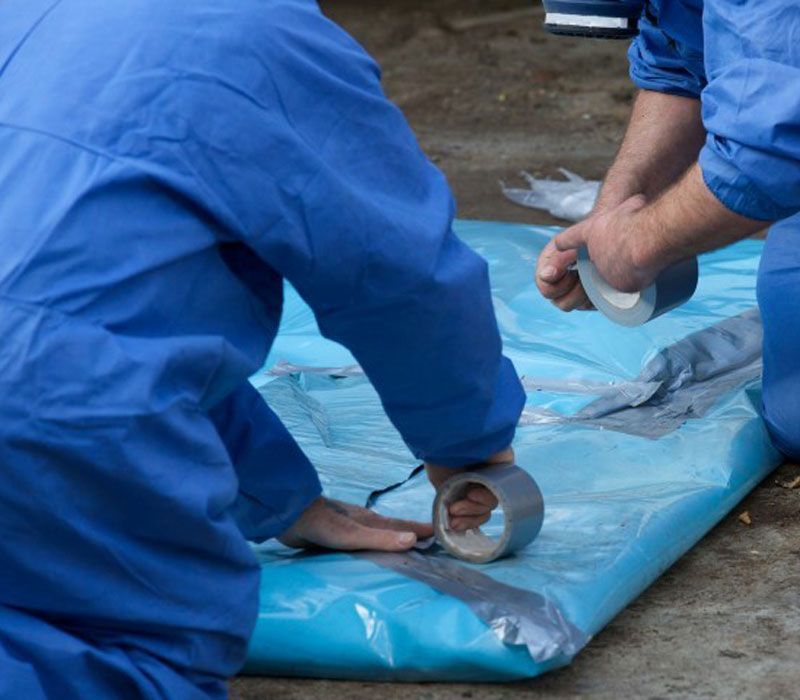
Certificate
You receive a waste consignment note and disposal certificate confirming legal handling.
Frequently Asked Questions
Why Choose Clearaway
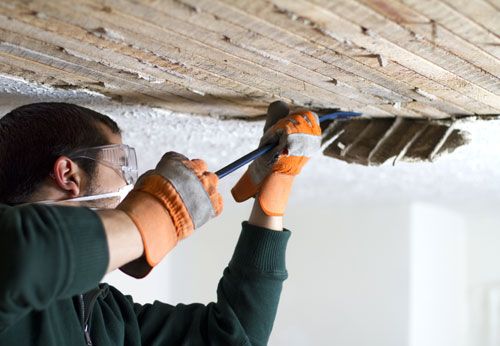
Specialist Crew
Asbestos work is all we do, every day, across the South East.
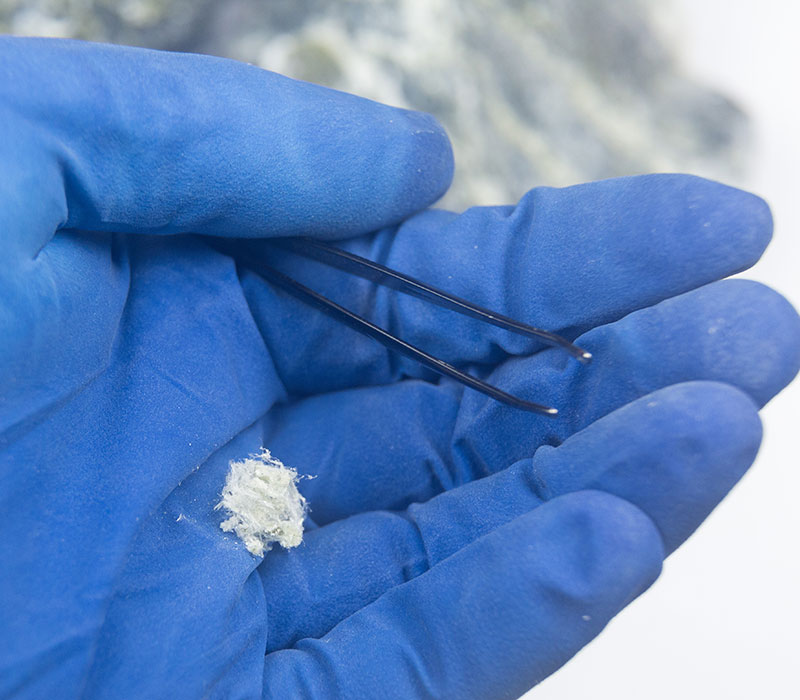
Fully Licensed
Licensed asbestos removal contractor (Licence No. 142305706). Full public liability insurance on every job.
Local & Fast
Surrey-based. Most domestic jobs are booked in and finished within a week.
Our Own Team
We never subcontract. The people who quote your job are the people who do it.
Get in Touch
Send a few details about your project and we will come back the same working day with a fixed price. We cover Surrey, London and the South East, including Esher, Cobham, Kingston, Richmond, Epsom, Guildford, Woking and Croydon.