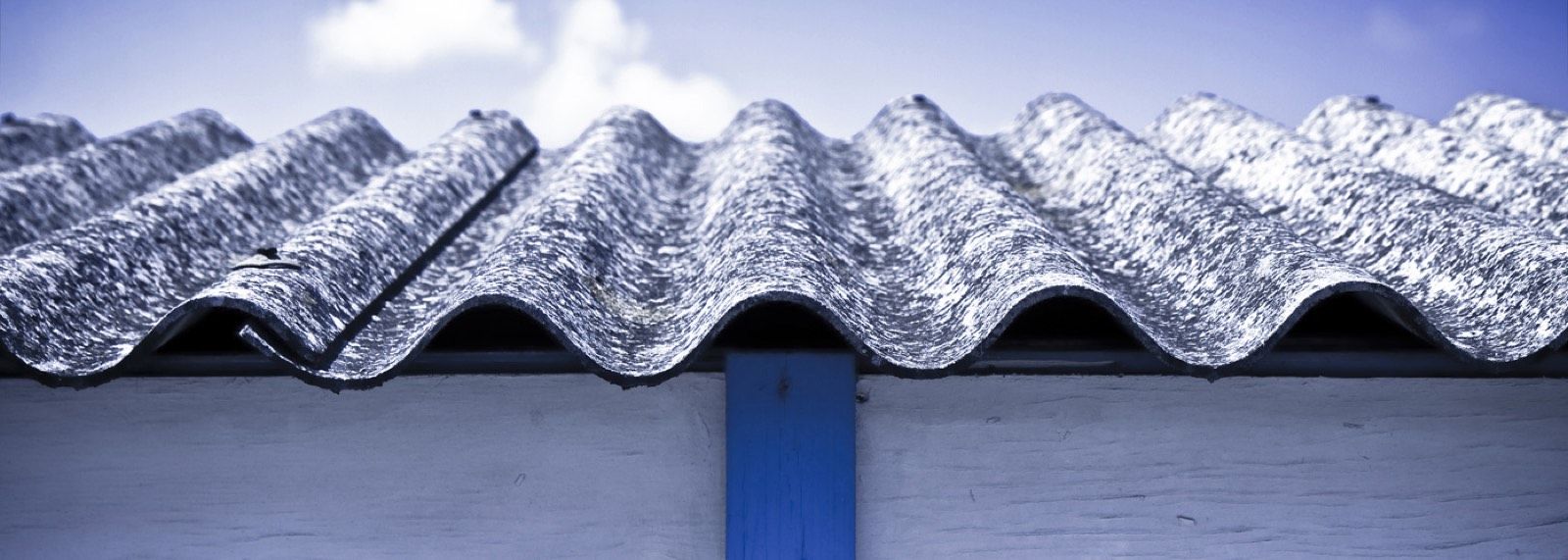
Asbestos Roofing Removal in Reigate
Asbestos roof removal across Reigate, from the flat-roof extensions around Woodhatch and South Park to the cement-sheet outbuildings and lean-tos behind the larger houses on the Reigate Hill and Wray Park side. Licensed work, whole-sheet removal, certificates at the end.
Where The Old Cement Sheet Sits in Reigate
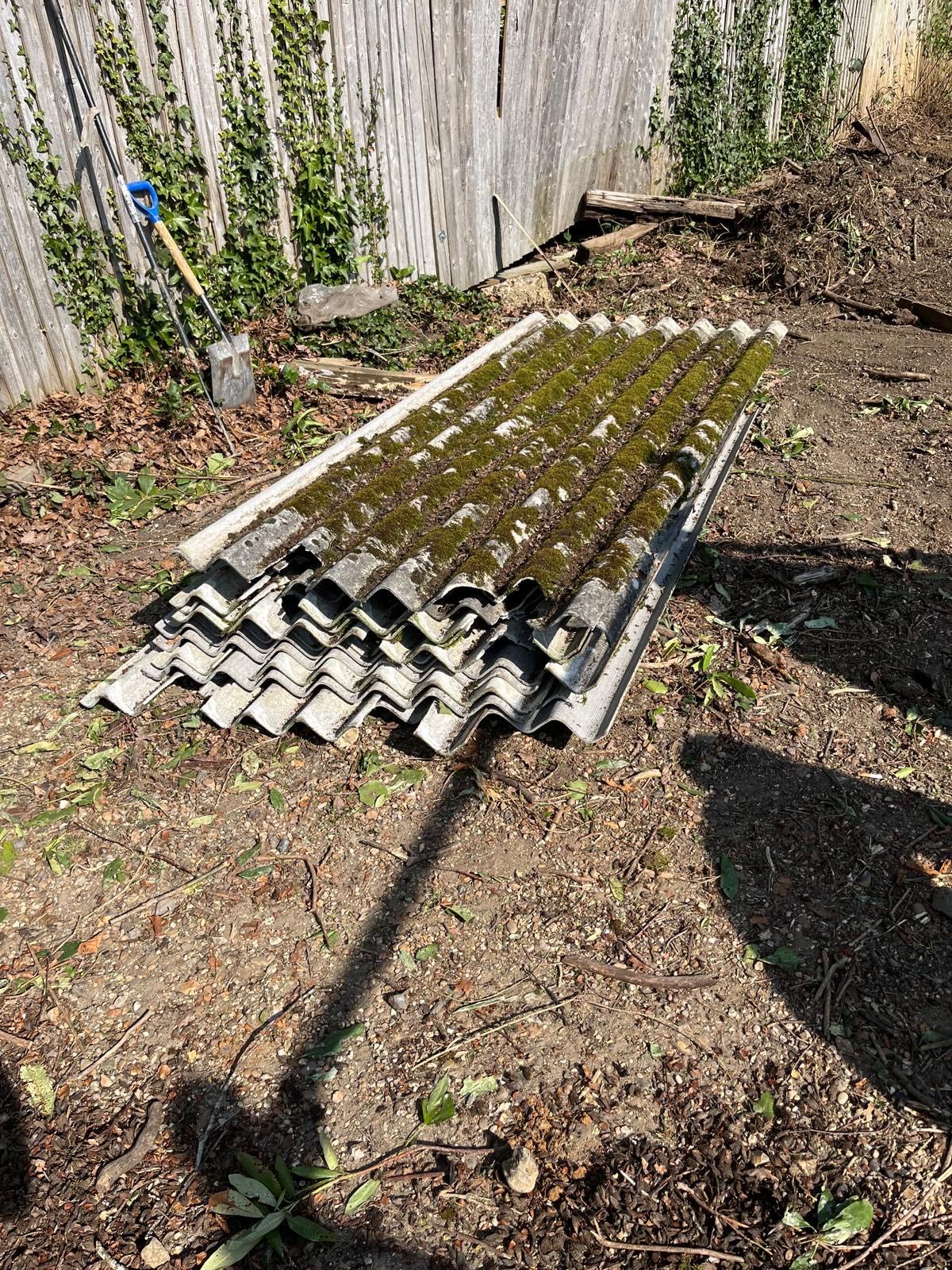
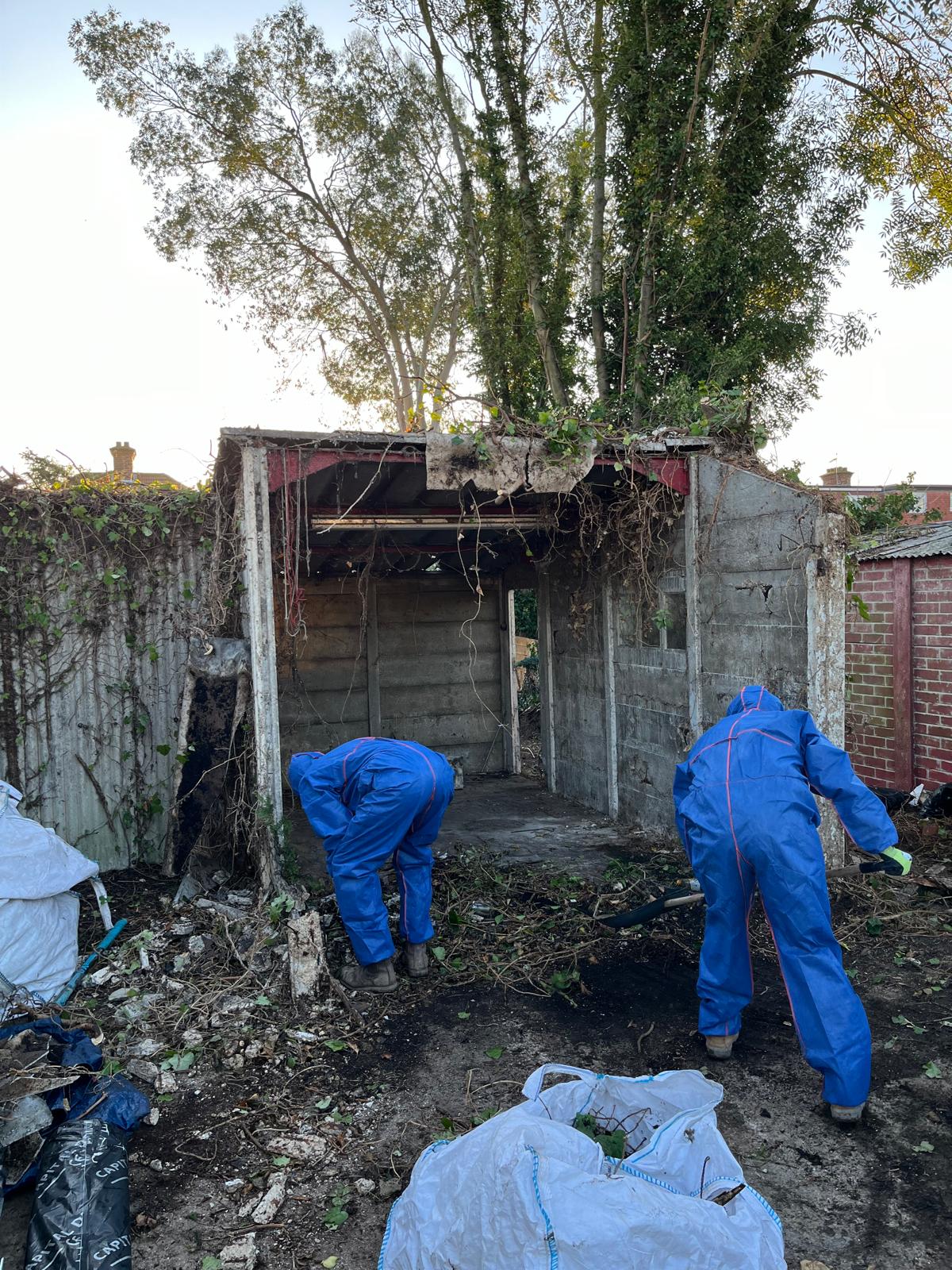
Walk the roads behind the larger Reigate houses and you start to see it. A flat-roof extension off the back of a 1960s house near South Park, a long lean-to running down the side return, a workshop or store at the bottom of a Woodhatch garden, all of it topped with corrugated or flat cement sheet. The interwar semis carry it in a quieter form, up at the eaves, where the soffits, gutters and fascia boards were often made from the same material. Reigate grew in waves, climbing the slopes towards Reigate Hill and the Wray Park side and spreading out across the lower ground, and the postwar decades that filled out the edges towards Redhill are exactly the decades when asbestos cement was the cheap, fireproof default.
Roofing is broader than the lock-up garage, and that is the part people miss. The garage roof is the obvious one. The bigger picture is everything else the sheet ended up on: extensions, outbuildings, sheds, the canopy over a back door, a porch roof, the panel at the side of a carport, and the trim tucked under the eaves of half the 1930s housing in the RH2 postcode. Larger and higher roofs change the job again, because access matters as much as the material. A single-storey lean-to is one thing, a sheet roof two floors up at the back of a tall Victorian villa is another, and both turn up around here.
None of it was a problem when it went up. Most of it is no real problem now, while it stays whole and undisturbed. The risk lives in what age and the Surrey weather have been doing to it ever since, and on a roof that weather never stops.
Why a Weathered Roof Is the Higher Risk
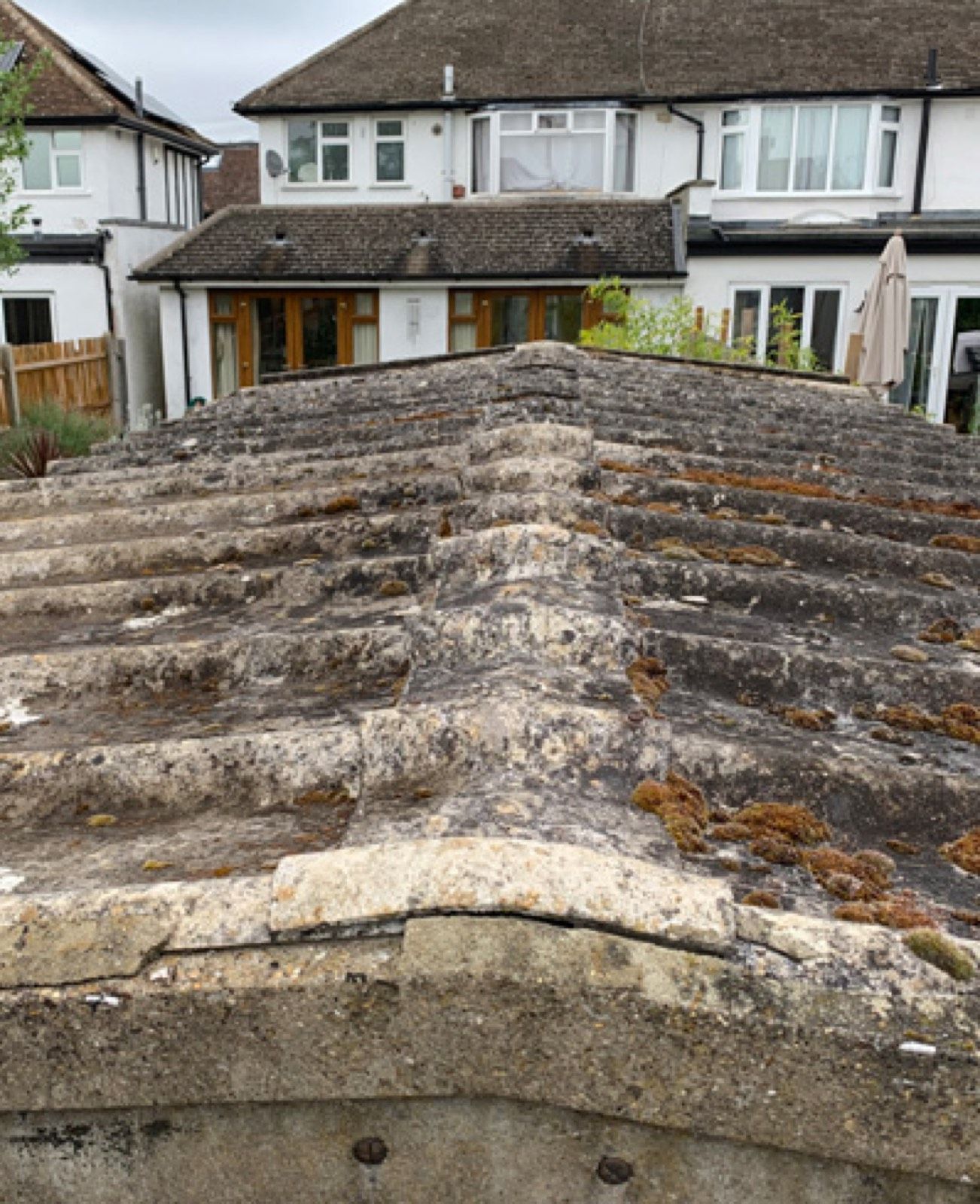
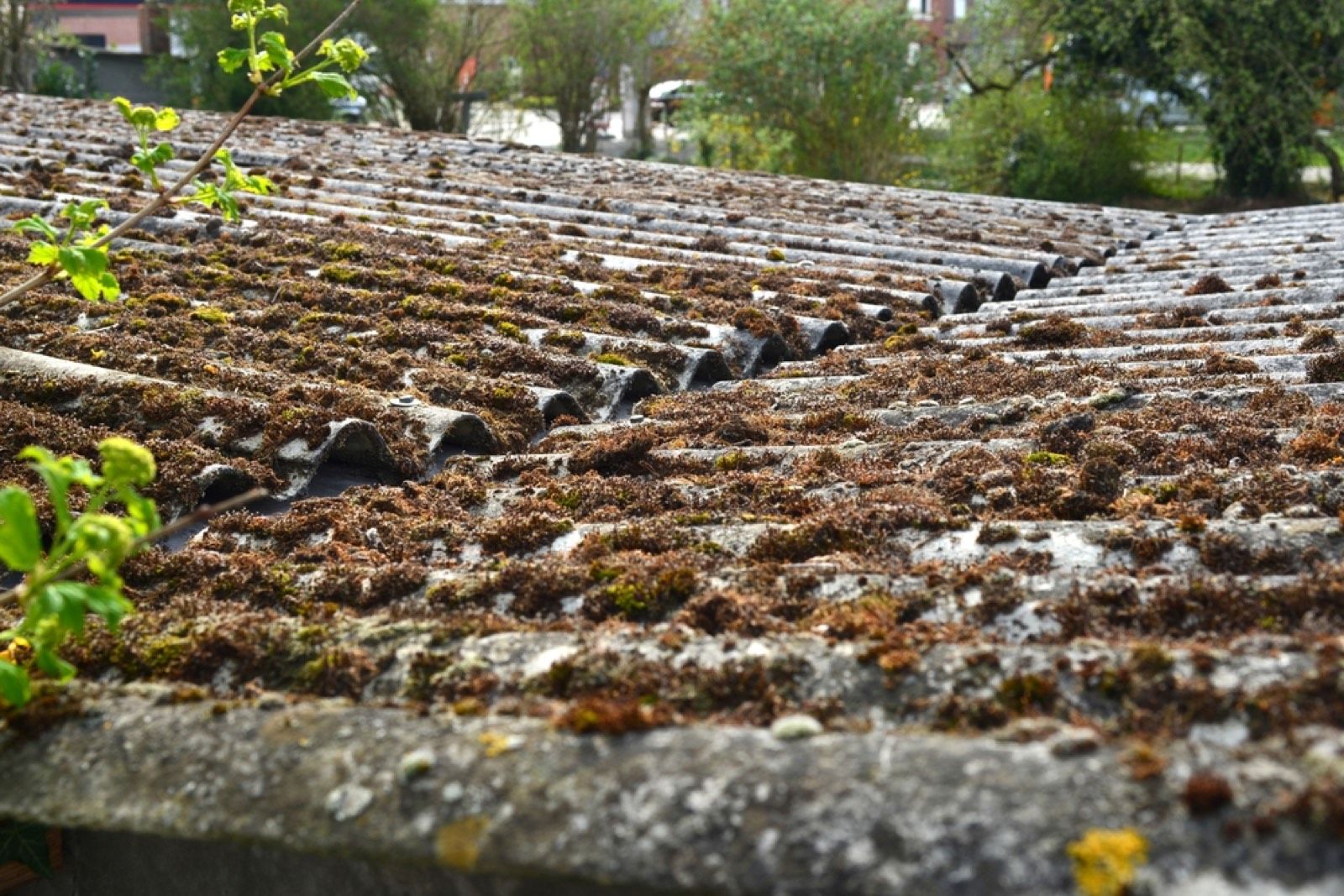
A roof takes more punishment than anything else on a building. Decades of rain rolling off the North Downs, frost working into the surface through the winter, sun beating on the south-facing pitches, and moss holding damp against the sheet all year round. Slowly the outer skin of an old cement sheet breaks down. The hard surface that once held the fibres in goes chalky and soft, hairline cracks open along the corrugations, the fixing screws rust and pull, and a sheet that was sound twenty years ago turns brittle enough to crack under a careful footstep. Soffits and fascia boards on the older semis go the same way, swelling and splitting where the paint has long since failed and the timber behind them has let in water.
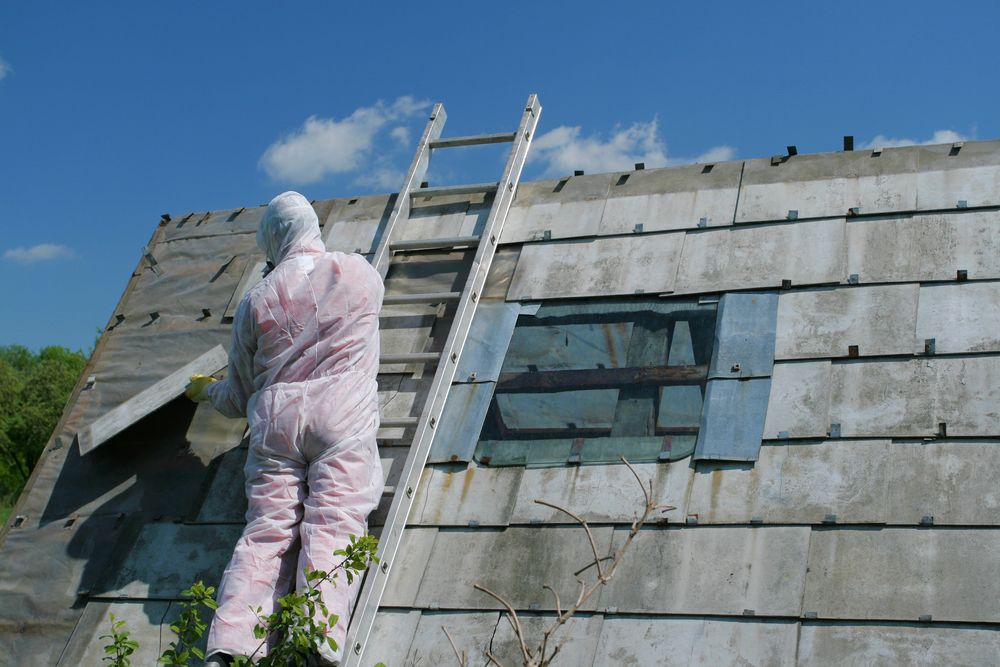
That decay is the reason a deteriorating roof matters more than a sealed material sitting quietly indoors. Once the surface is breaking up, loose fibres can wash off in the rain into the gutters and down the drains, or lift in the wind off an exposed ridge, and any attempt to patch it, clean it, jet-wash it or simply walk across it to clear leaves can release a great deal more. This is why we tell people in Reigate not to climb up and have a look for themselves.
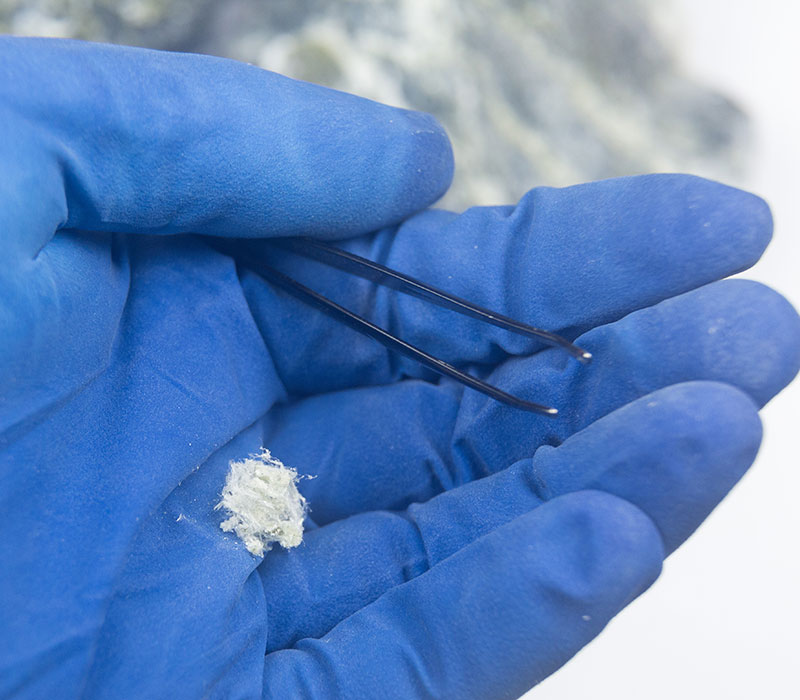
You cannot tell a cement roof's exact makeup by looking at it, and two sheets that look identical can return opposite lab results. So anything we suspect is sampled first and sent to a UKAS-accredited laboratory, with results back in a few working days, before a single sheet comes down. Knowing the precise material and how far gone it is decides whether the job is straightforward or needs the full licensed treatment.
How We Take a Roof Off Cleanly
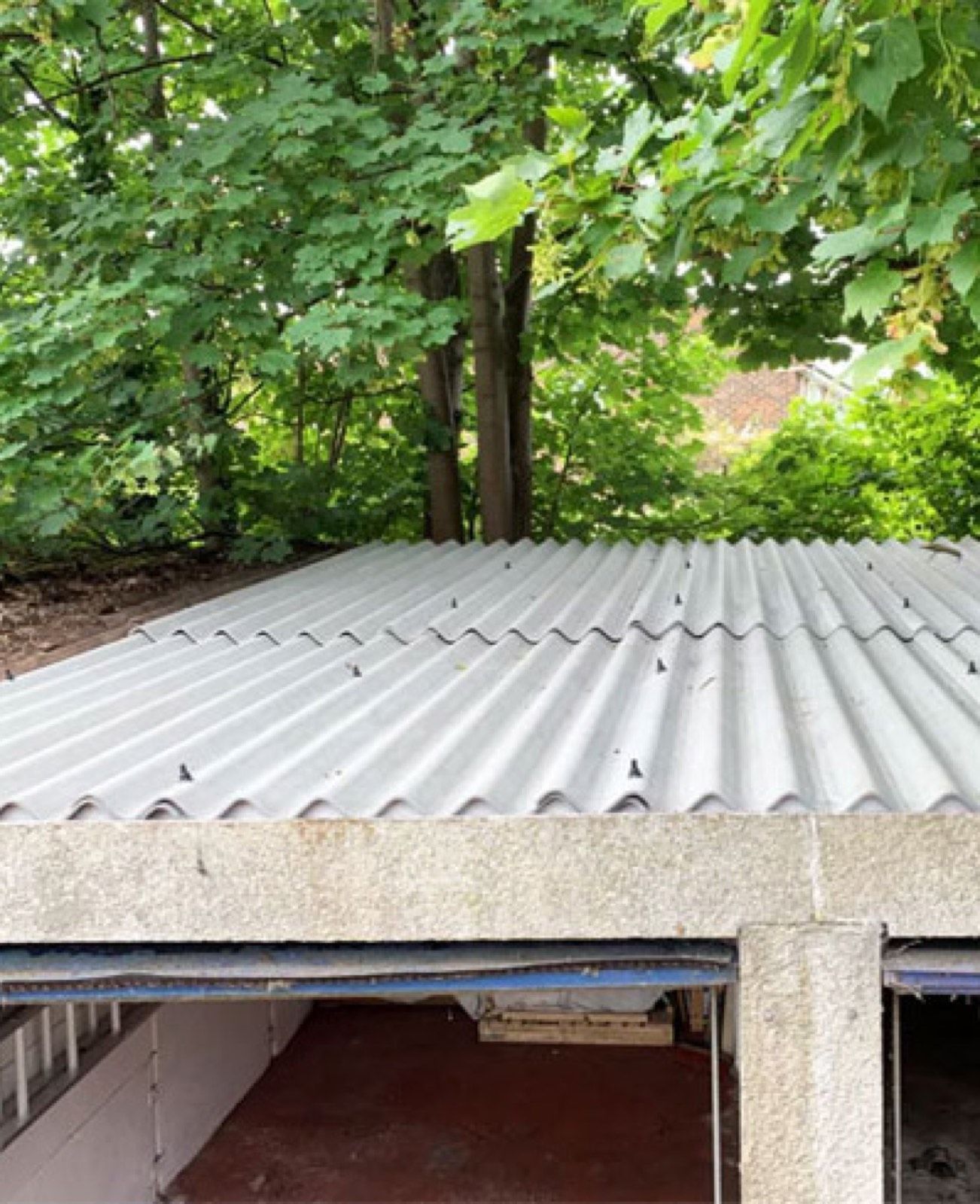
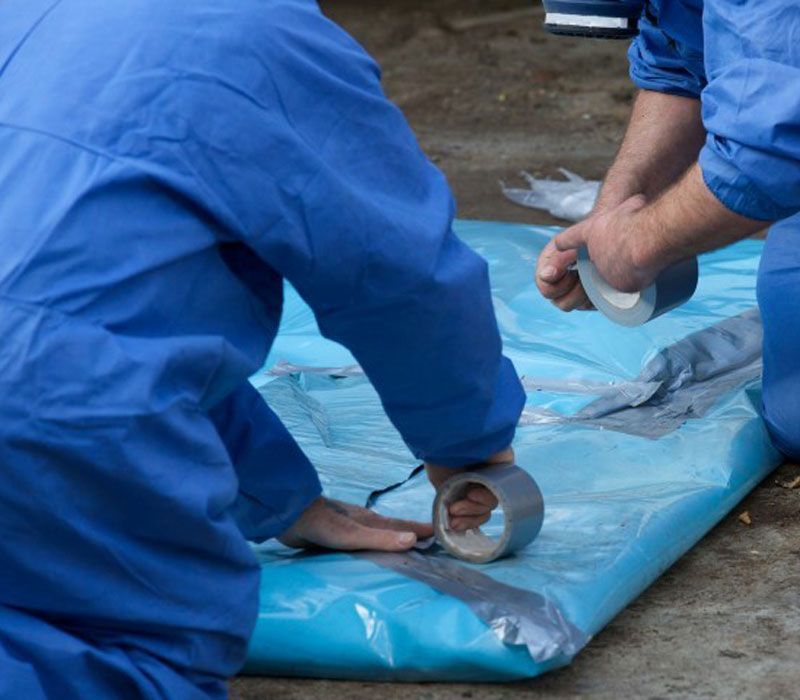
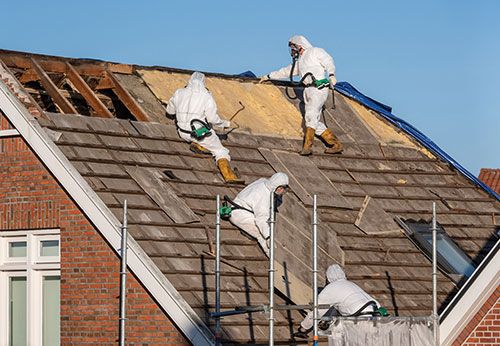
The aim on every roof is the same: keep each sheet in one piece. Whole-sheet removal holds the fibres where they are, which is the whole point. We unfix the sheets rather than break them, ease them off their fixings and lower them down by hand, then double-wrap each one in heavy-gauge sheeting and take it directly to a licensed disposal site. On a flat-roof extension we lift the covering off in full sections instead of chopping it up. On soffit and fascia runs we take the boards off the eaves intact rather than ripping them down, which is exactly where careless work throws up most of its dust. Higher roofs and awkward access get scaffold or a tower so the team can work safely and keep control of every sheet on the way down. Most domestic roofs come off in a day or two depending on the size of the run and the access down the side of the house.
For lower-risk cement sheet this is non-licensed work, but it is still done under proper controls, with the area kept clear and the waste handled correctly. Where the material is a higher-risk type, the law steps up and so do we. We give the HSE the 14 days of notice the regulations require, work under full enclosure with air monitoring running throughout, and finish with four-stage clearance testing carried out by an independent analyst before the area is signed off and handed back. Either way you get the waste consignment notes and the certificates that show the roof was taken off and disposed of legally, the paperwork that matters if you ever sell the house.
Replacement Options and Putting It Right
Stripping a roof is only half the job for most people in Reigate. Once the asbestos has gone and the area is clear, you usually want something back over the extension, the outbuilding or the eaves, and you want it done in the same visit rather than left open to the weather. We fit the replacement to suit the building rather than forcing one answer onto every job. On a pitched outbuilding or workshop roof that means galvanised steel box-profile for a hard-wearing finish, or asbestos-free fibre cement that looks like the original without the hazard, which often suits the older properties on the Wray Park side where the look matters. On a flat-roof extension it is more often three-layer torch-on felt, with a flat or tiled finish where that sits better against the main house.
Soffits, fascia boards and gutters come back in modern uPVC, which suits the interwar semis well and does away with the painting and rot the old cement and timber boards always needed. Boxing the old material in is an option in some cases, where the sheet is sound and access is genuinely difficult, but on a roof that is already weathering it tends to delay the work rather than settle it, so clearing it outright is usually the cleaner answer over time. We talk through the choices on the site visit and put the lot in the written quote so there are no surprises later.
We hold Spectra licence number 142305706, we have spent more than seven years working across Surrey, Sussex and south-west London, and a roof in Reigate starts with one call to 0800 024 6168 for a free site visit and a fixed written quote.
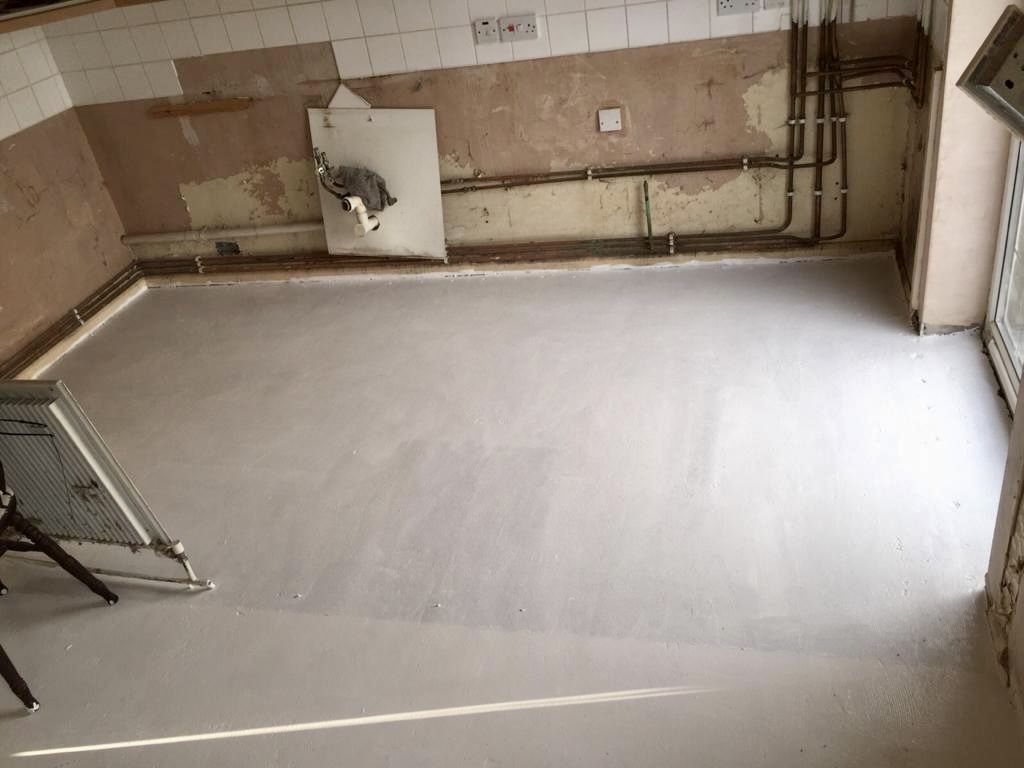
Asbestos Vinyl Floor Tile Removal & Bitumen Sealing, Surbiton
Surbiton, Surrey · Floor Tile Removal
View this project"Graham and his staff done a great job of removing my concrete and asbestos garage thank you"
Our Removal Process
From first call to final certificate, every job follows the same clear four-step process.
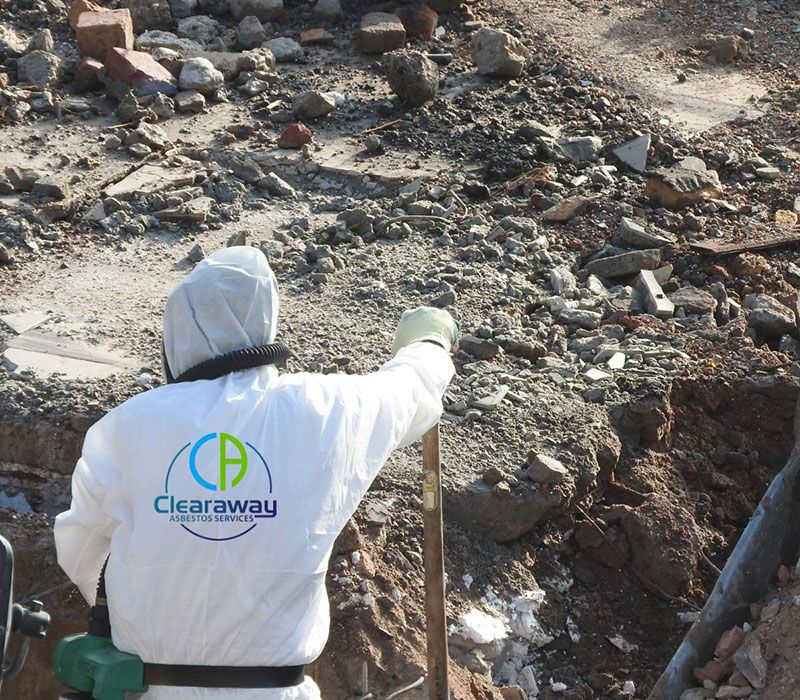
Survey
We inspect the property and confirm the material. Sampling available if required.
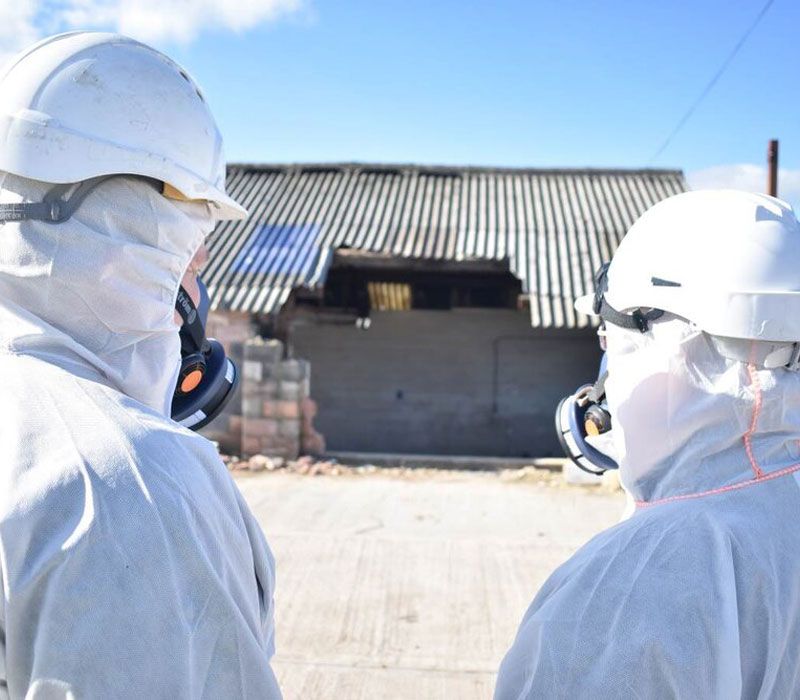
Quote
Fixed written price covering removal, disposal and any replacement work.
Removal
Material is removed safely, double-wrapped and taken to a licensed disposal facility.
Certificate
You receive a waste consignment note and disposal certificate confirming legal handling.
Frequently Asked Questions
Why Choose Clearaway
Specialist Crew
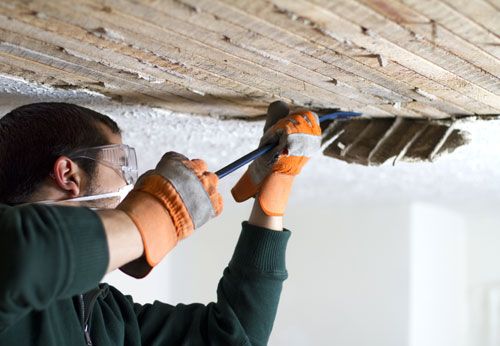
Asbestos work is all we do, every day, across the South East.
Fully Licensed
Licensed asbestos removal contractor (Licence No. 142305706). Full public liability insurance on every job.
Local & Fast
Surrey-based. Most domestic jobs are booked in and finished within a week.
Our Own Team
We never subcontract. The people who quote your job are the people who do it.
Get in Touch
Send a few details about your project and we will come back the same working day with a fixed price. We cover Surrey, London and the South East, including Esher, Cobham, Kingston, Richmond, Epsom, Guildford, Woking and Croydon.