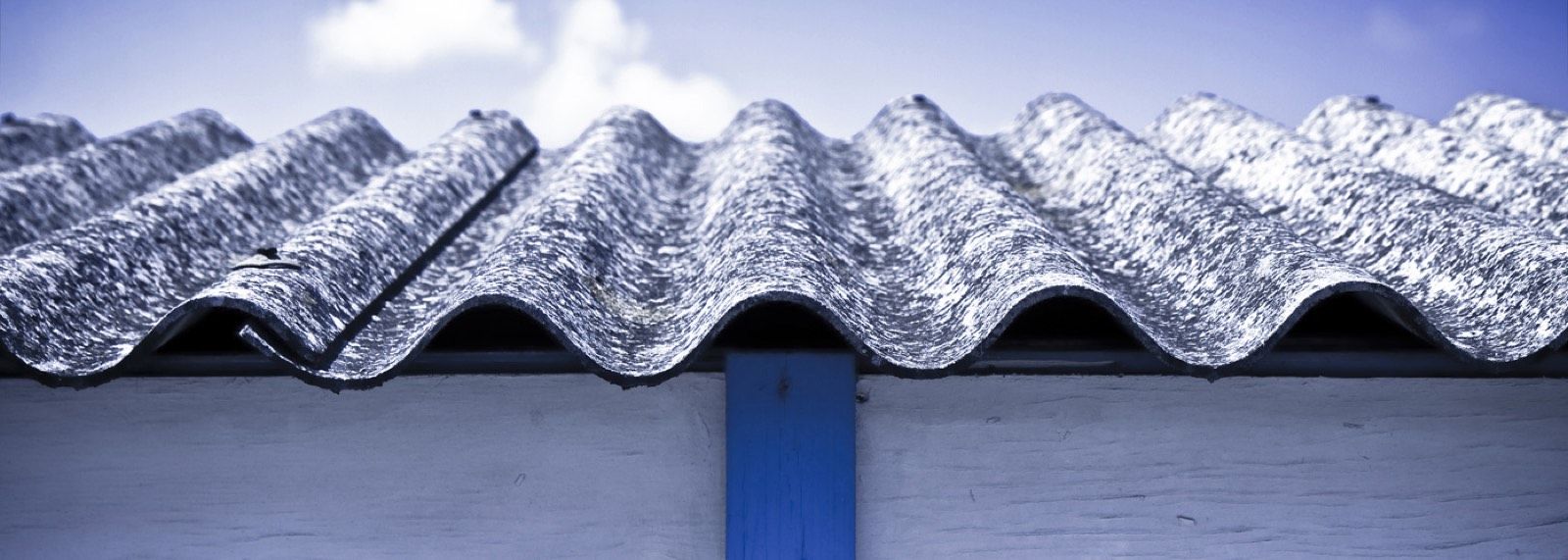
Asbestos Roofing Removal in Hove
Out past the seafront, the interwar and postwar semis around Hangleton and Portslade carry cement roofs on extensions, sheds and lean-tos, plus soffits and gutters made of the same material. We take it down whole and replace it properly.
Roofing in the Hangleton and Portslade semis
The grand part of Hove faces the sea. Brunswick Town, Adelaide Crescent and the Palmeira squares are Regency and early Victorian stucco, most of it split into flats now. Roofing asbestos is not really their story. Head inland though, out towards Hangleton and Portslade, and the picture changes. This is suburban Hove, street after street of interwar and postwar semis with gardens, garages and the small outbuildings that come with them. That is where the cement roofs are.
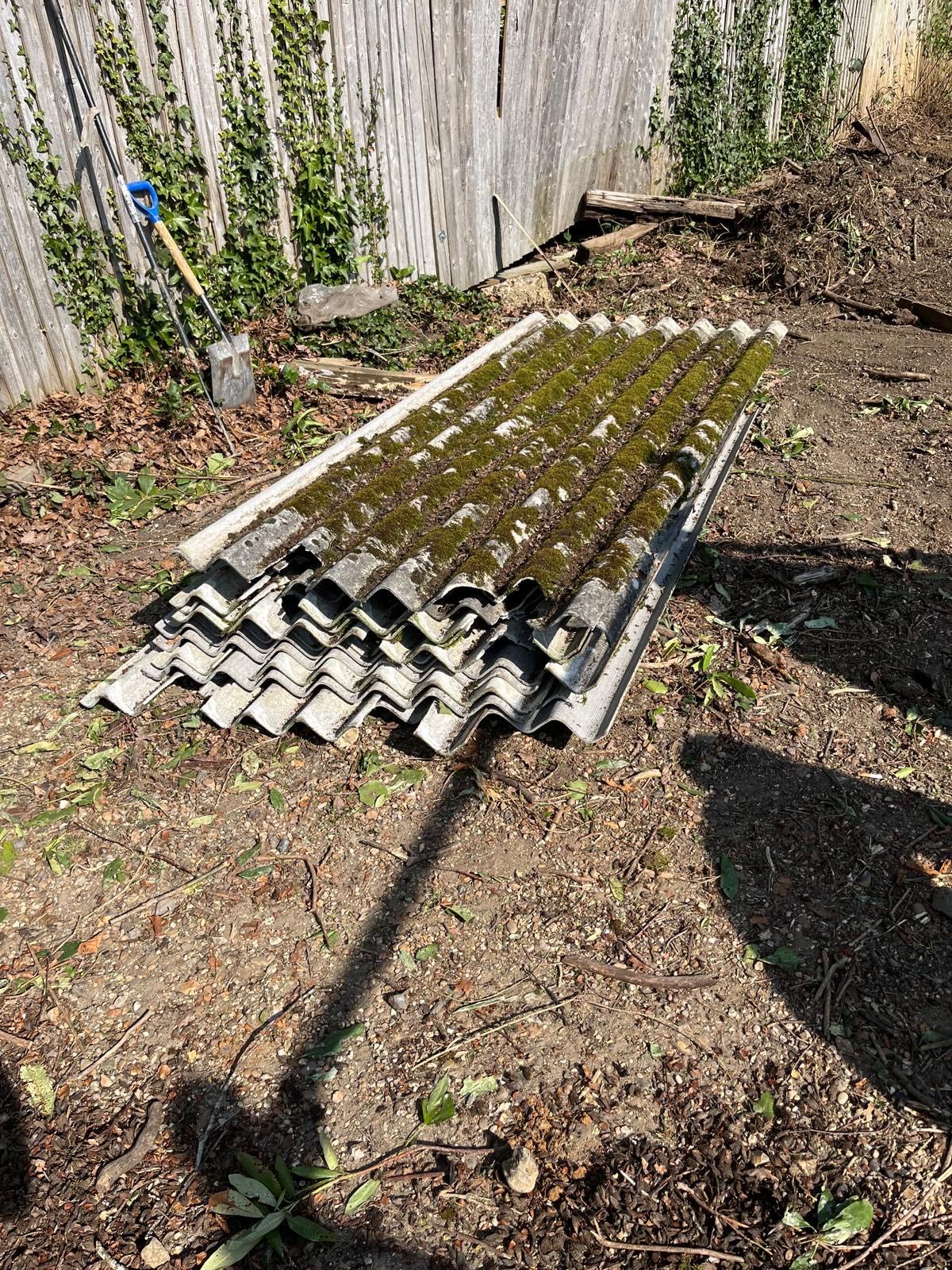
The material went into roofs from the 1950s into the 1980s, so most of these houses had it added at some point in their first few decades. It turns up on rear extensions, on lean-to additions tacked onto the back of the kitchen, on garden sheds and workshops, and on the larger outbuildings behind the bigger semis. The same grey corrugated sheeting that covers a shed roof also shows up as soffits, gutters and fascia boards tucked under the eaves of these houses, where most people never look twice at it. Asbestos cement was the cheap, fireproof choice for a roof nobody wanted to spend money on, so it ended up on the parts of the house no one looked at: the lean-to over the back door, the workshop at the bottom of the garden, the flat-roofed addition built on later to gain a downstairs room. Forty, fifty, sixty years on, those are exactly the roofs now reaching the end of their life all at once.
This page is about those roofs and roofline pieces, not the standalone lock-up garage that so many of these streets also have. The garage is its own job. Here the focus is everything else with a cement roof or a cement board under the gutter line.
Why a weathered cement roof is the risk
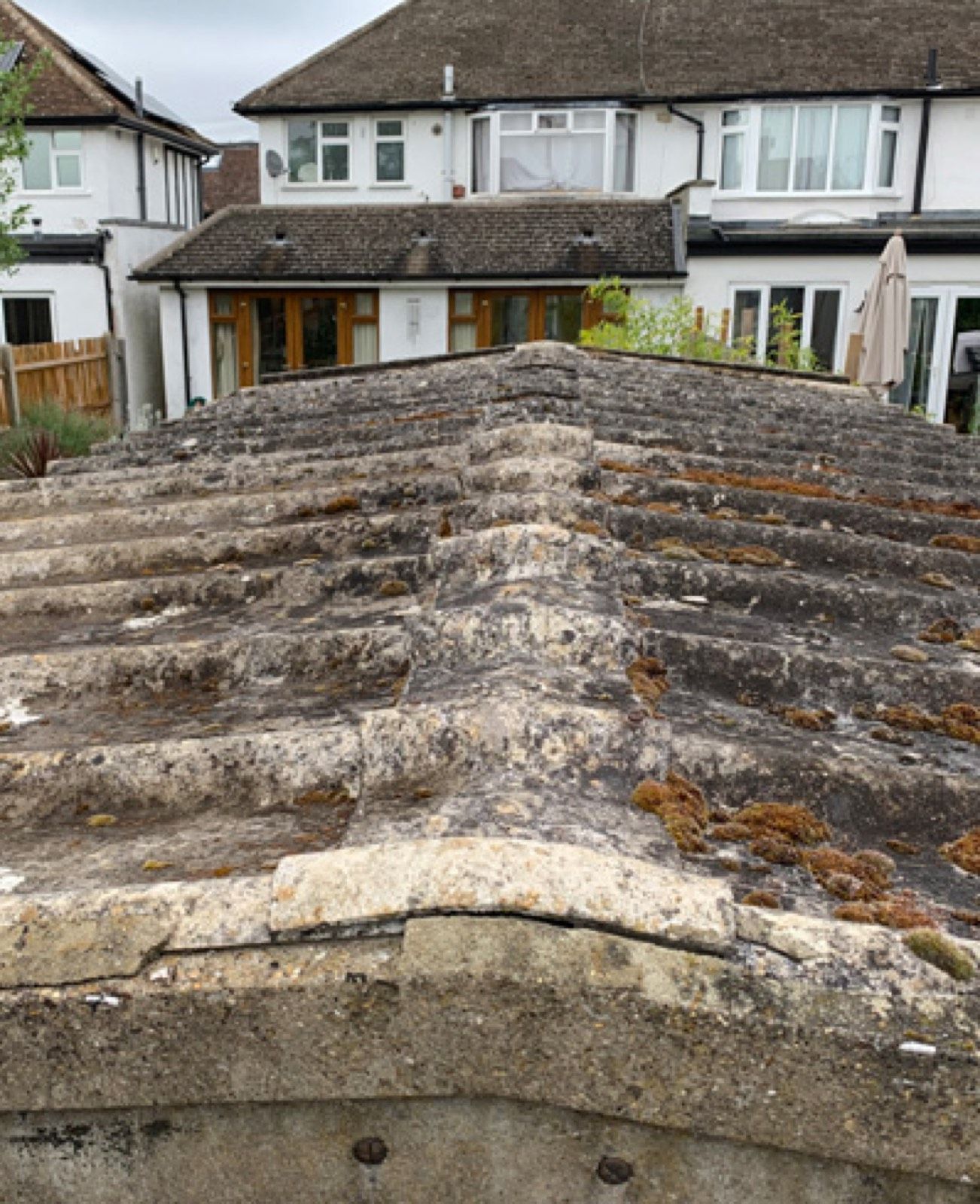
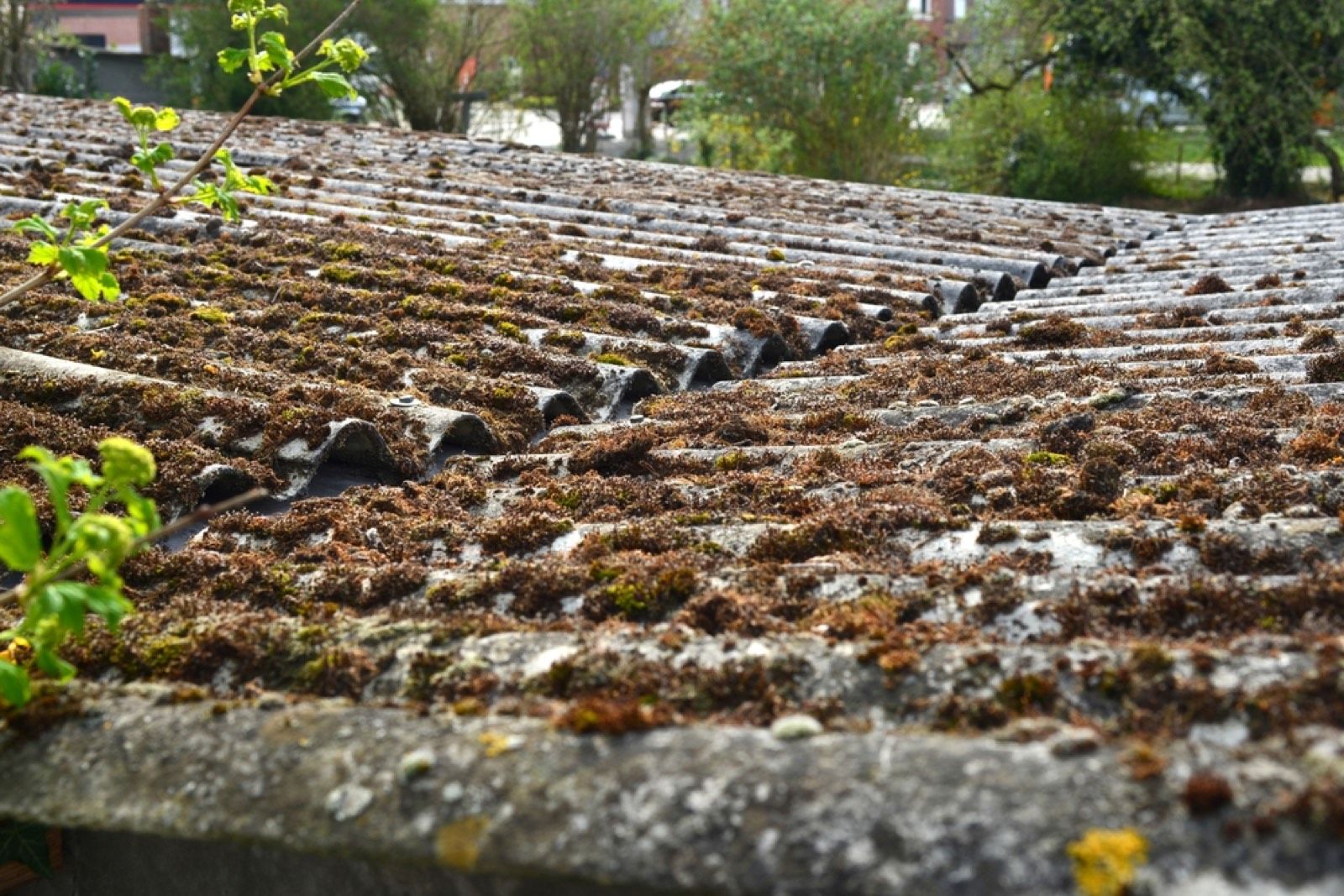
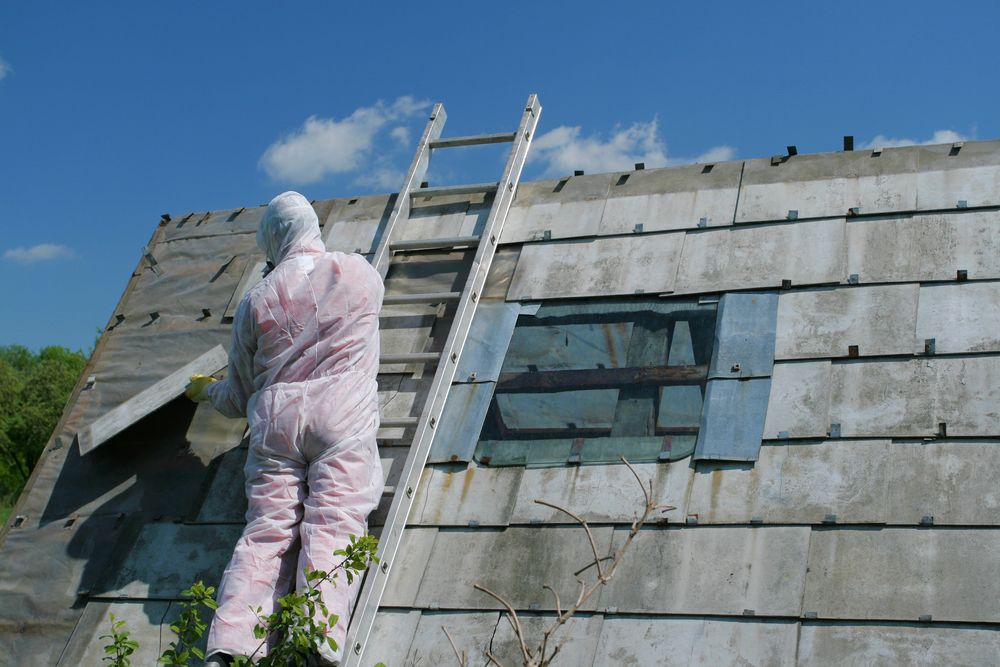
Cement sheeting is dangerous when it breaks down. Whole and painted and sound, it mostly leaves the fibres locked in the cement. The problem is age and weather. A sheet that went up in 1965 has had sixty years of Sussex coastal weather on it: salt air off the Channel, frost, sun, the constant freeze and thaw that opens up hairline cracks. The surface goes chalky and starts to shed. Moss takes hold in the grooves. Once a sheet is cracked or crumbling, it is releasing fibres every time the wind catches it or someone walks the roof.
That is why a deteriorating roof matters more than one that still looks solid. People often leave a leaking extension roof for years because patching it feels cheaper than dealing with it. By the time the leak is bad enough to act on, the sheet is well past its safe life and breaking up. Soffits and fascia boards go the same way, softening and flaking behind the guttering where damp sits and rarely dries out, and a board breaking up at gutter height sheds straight onto the path below.
You cannot tell asbestos cement from a modern fibre-cement replacement by eye, and the two were sold side by side for years. The colour, the corrugation profile and the weathering can look identical. A small sample taken under controlled conditions settles it. The sample goes to a UKAS-accredited laboratory and the result comes back in a few working days, which tells us exactly what we are taking off before anyone touches the roof. It also tells us whether the work is non-licensed or needs the stricter licensed standard, and that decides how the whole job is set up.
Taking the roof down whole
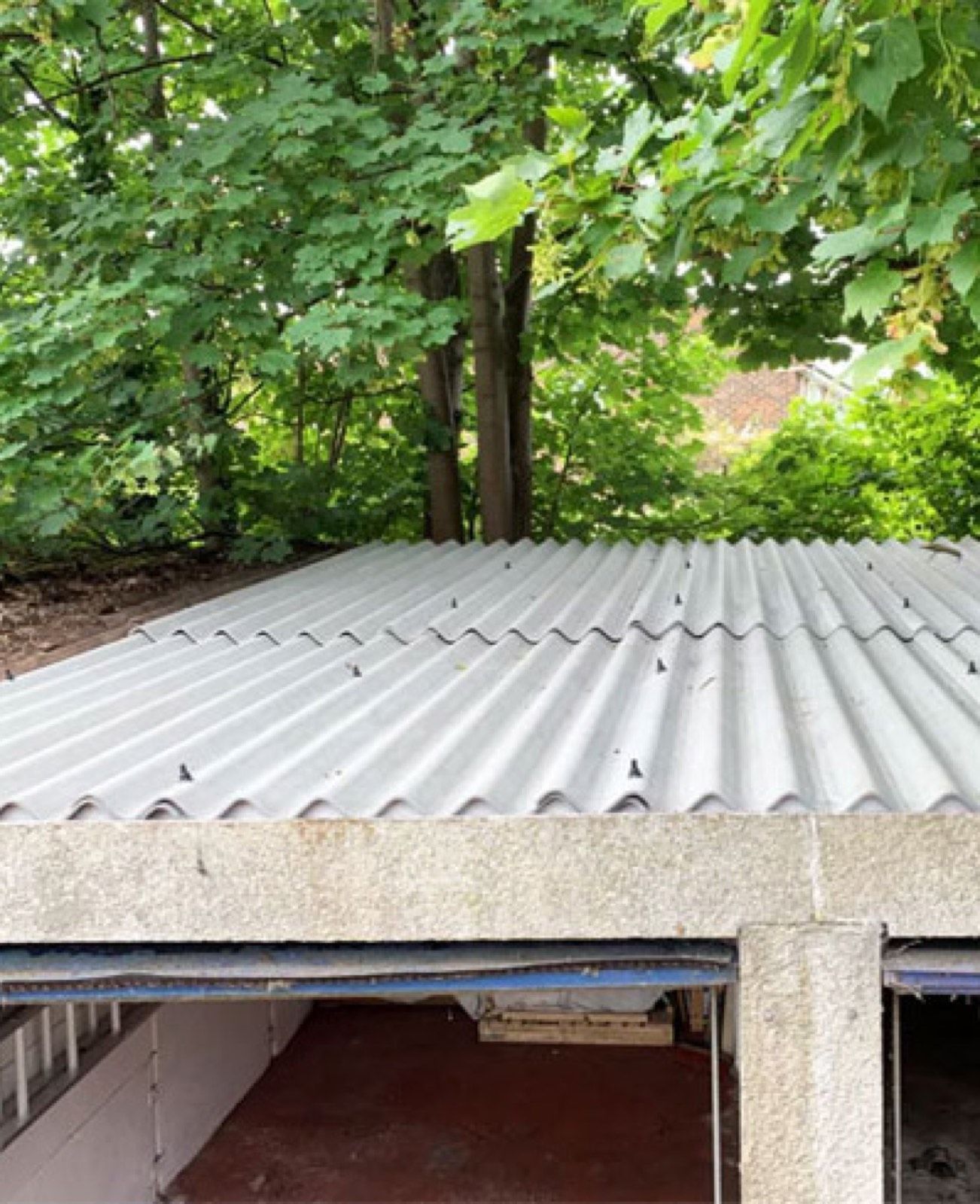
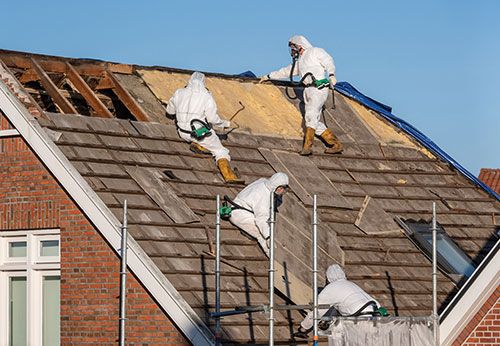
The method is the opposite of a normal strip-out. Cement sheeting is removed in one piece wherever the fixings allow it, never smashed or dropped. Breaking a sheet is what fills the air with fibres, so each one is unbolted, lifted down by hand and wrapped before it goes anywhere. A typical rear extension or lean-to runs somewhere between 8 and 20 sheets depending on its size, and a roof that size comes off in most of a working day rather than dragging across a week.
Larger and higher roofs change the planning rather than the method. A two-storey extension roof, a tall workshop or a flat-roof addition behind one of the bigger Hangleton houses needs proper access, which usually means a tower or scaffold and a safe edge before any sheet moves. The Regency and conservation streets near the front bring their own version of this, where listed-building care and tight access have to be sorted before the job runs. Soffits, gutters and fascias are taken down in the same controlled way, board by board.
With the asbestos cleared, the roof gets put back. Galvanised steel box-profile is the common swap for a shed or extension, light and quick to fit over the existing timbers. A flat-roof extension is better suited to three-layer torch-on felt, which gives a sealed finish on a low pitch. Asbestos-free fibre cement is there if you want to keep the original look on a period outbuilding, and a tiled finish works where the pitch is steep enough to carry it. Soffits and fascias go back in modern uPVC that needs no painting. Most jobs need no skip, since the wrapped sheets go straight onto the van and off to a licensed disposal site, so the drive and the road stay clear throughout.
Why bring Clearaway down to Hove
We are based in Chessington in Surrey, postcode KT9, so Hove is a long run for us, much the same trip as Brighton next door. We are straight about that. This is not our local patch and we are not the cheapest van five minutes away. What we are is the firm worth the drive for the jobs where the licence and the paperwork actually count, the bigger residential and commercial roofs, the full strip-outs, the flat and house clearances where everything has to be documented. The owner, Graham, runs the jobs himself.
Most roofing cement is non-licensed work, which keeps a single extension or shed roof straightforward. Higher-risk material is held to a stricter standard. That means 14 days of written notice to the HSE before the work starts, full enclosure of the area, and four-stage clearance testing signed off by an independent analyst before the space is handed back. We work to that standard when the material calls for it, and we explain which side of the line your roof falls on once it has been sampled.
We have worked across this stretch of the coast for more than seven years, and we hold Spectra licence 142305706. If you have a cement roof on an extension, a shed, a lean-to or an outbuilding around Hangleton or Portslade, or soffits and gutters you suspect are the same material, call 0800 024 6168 and we will tell you what is involved.
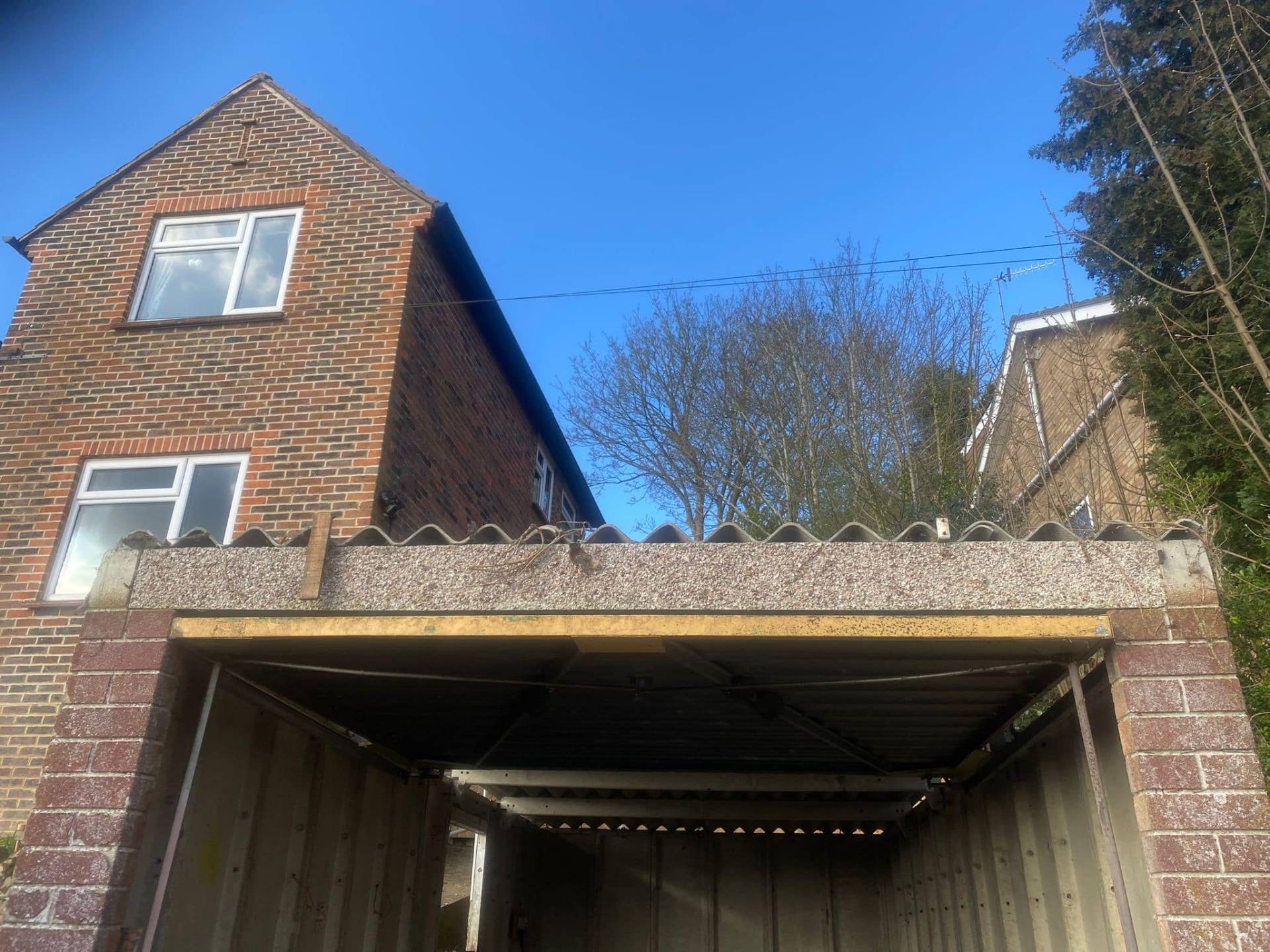
Concrete Asbestos Garage Removal, Guildford
Guildford, Surrey · Garage Removal
View this project"Graham has organised two jobs for me, both of which ran smoothly and on time. Clive and the team are really great, they completed the work in the agreed time and left the site spotless. Would recommend using Clearaway if you need any work done."
Our Removal Process
From first call to final certificate, every job follows the same clear four-step process.
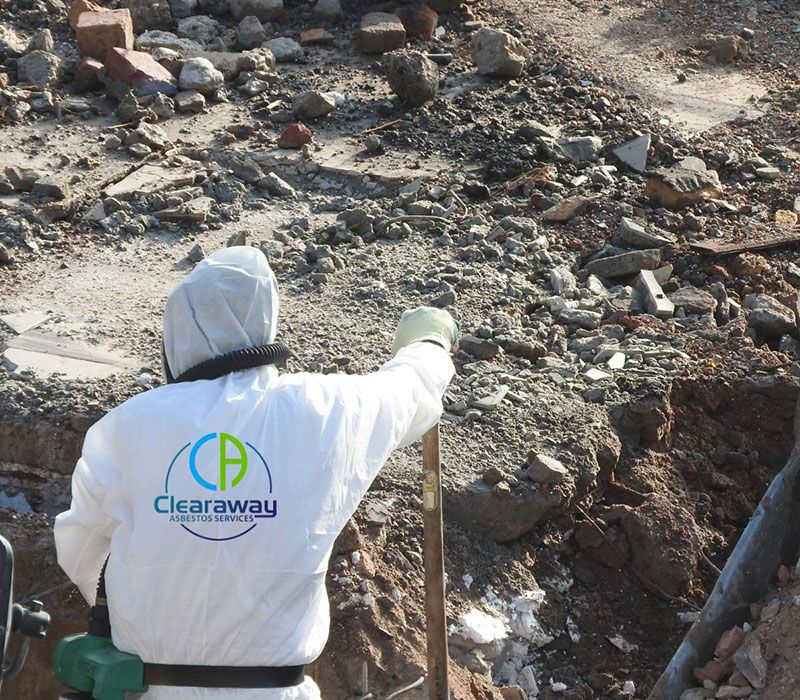
Survey
We inspect the property and confirm the material. Sampling available if required.
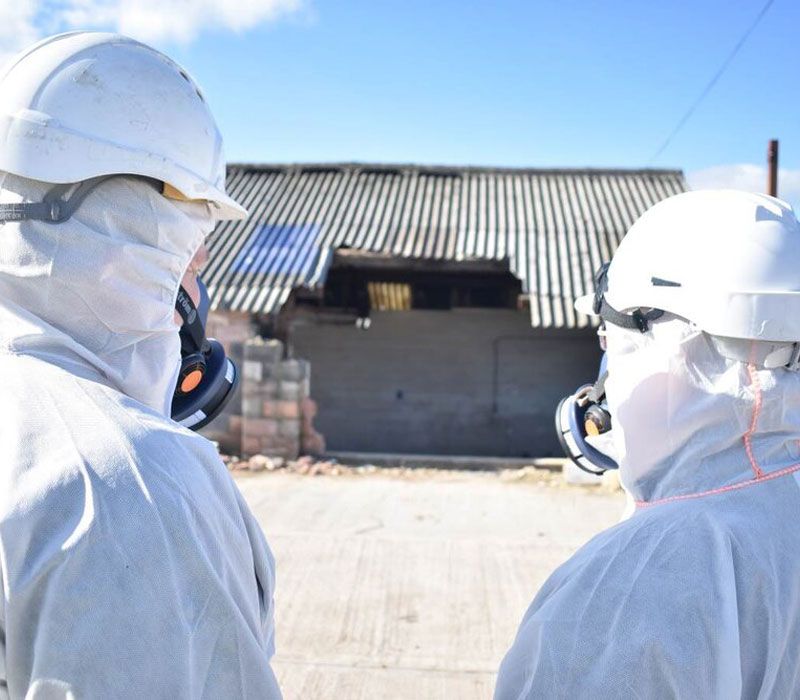
Quote
Fixed written price covering removal, disposal and any replacement work.
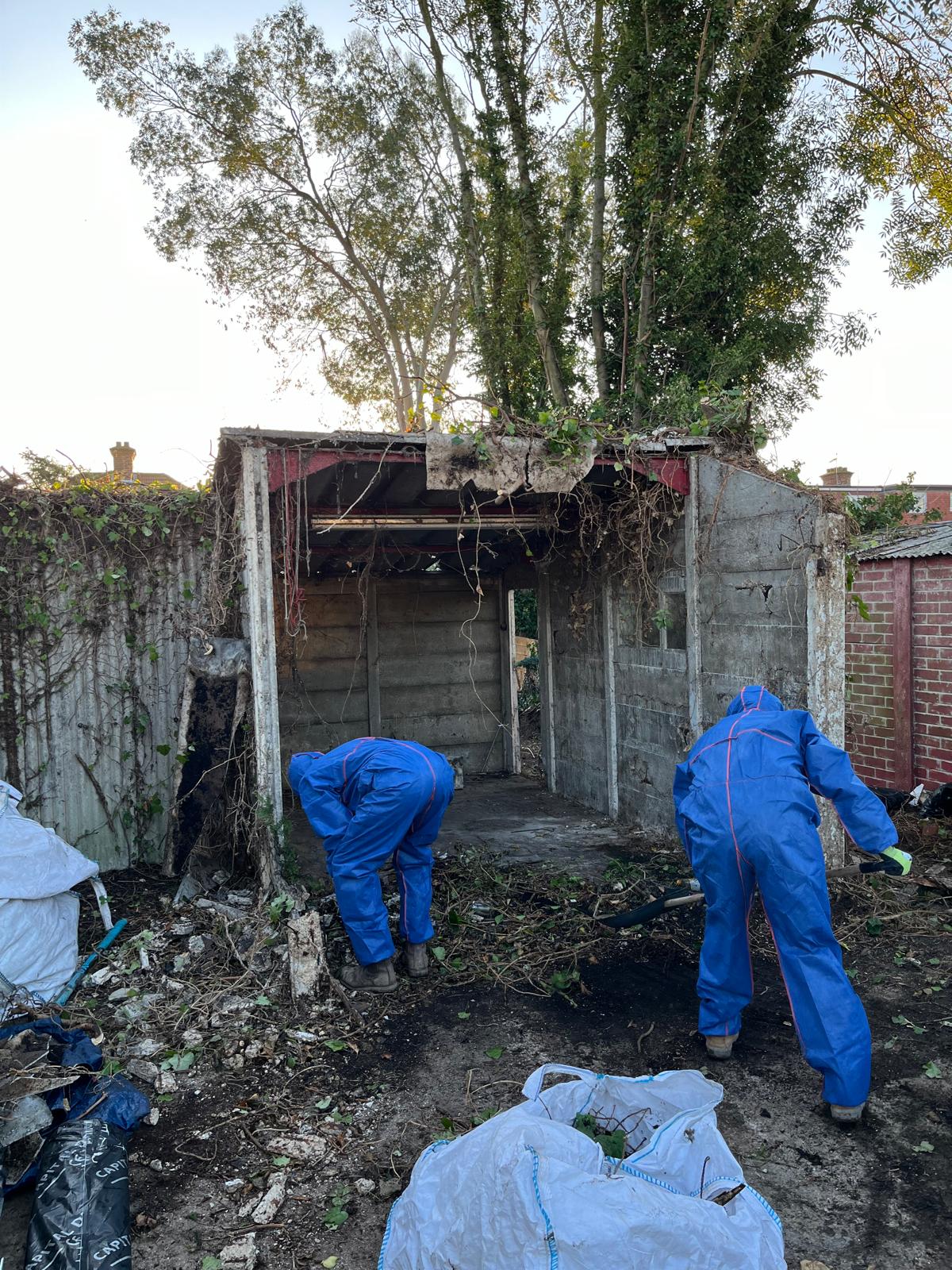
Removal
Material is removed safely, double-wrapped and taken to a licensed disposal facility.
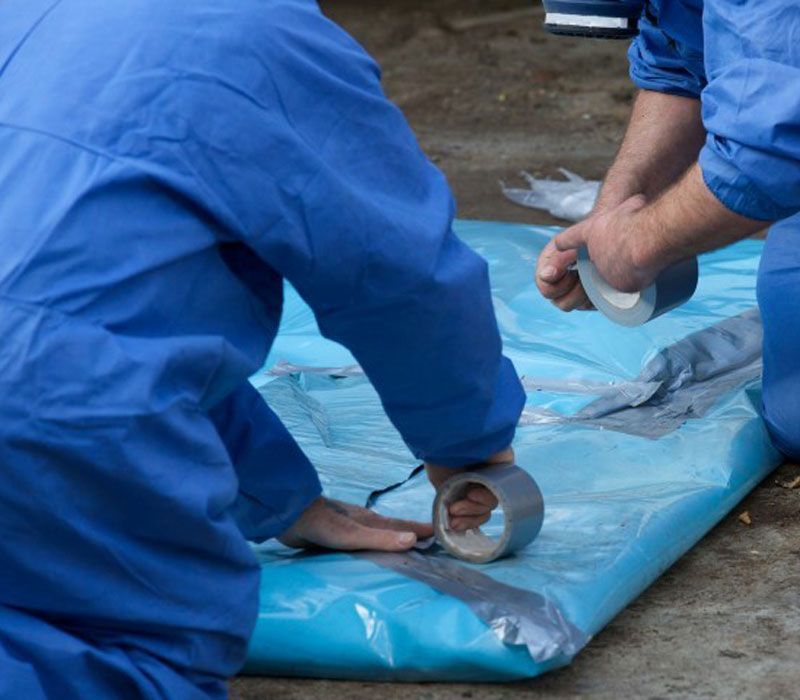
Certificate
You receive a waste consignment note and disposal certificate confirming legal handling.
Frequently Asked Questions
Why Choose Clearaway
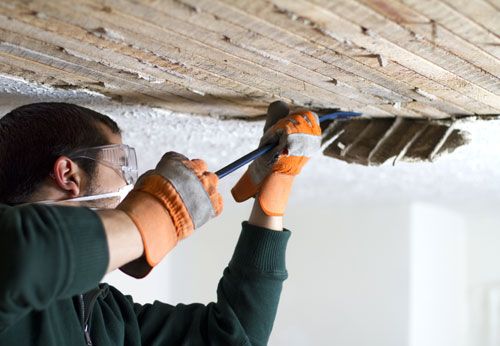
Specialist Crew
Asbestos work is all we do, every day, across the South East.
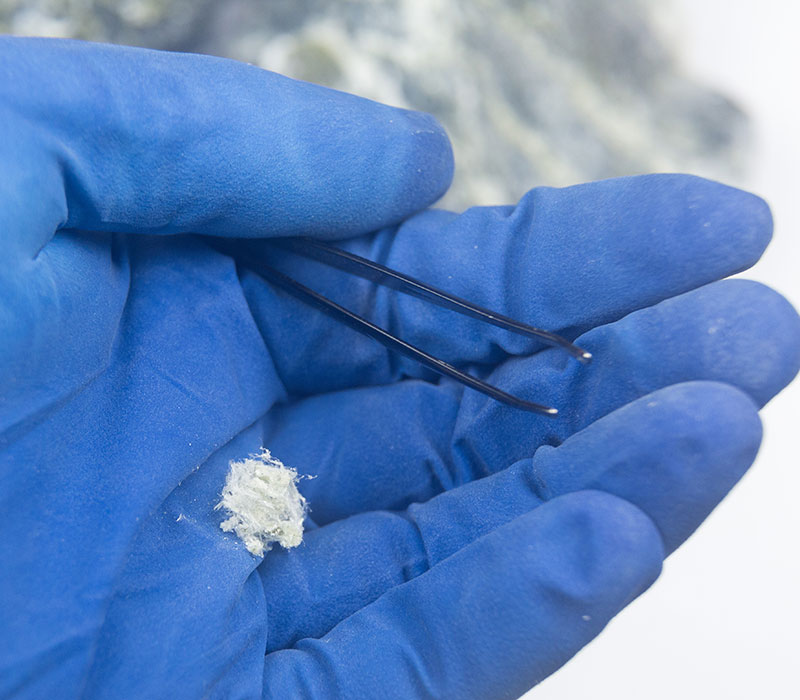
Fully Licensed
Licensed asbestos removal contractor (Licence No. 142305706). Full public liability insurance on every job.
Local & Fast
Surrey-based. Most domestic jobs are booked in and finished within a week.
Our Own Team
We never subcontract. The people who quote your job are the people who do it.
Get in Touch
Send a few details about your project and we will come back the same working day with a fixed price. We cover Surrey, London and the South East, including Esher, Cobham, Kingston, Richmond, Epsom, Guildford, Woking and Croydon.