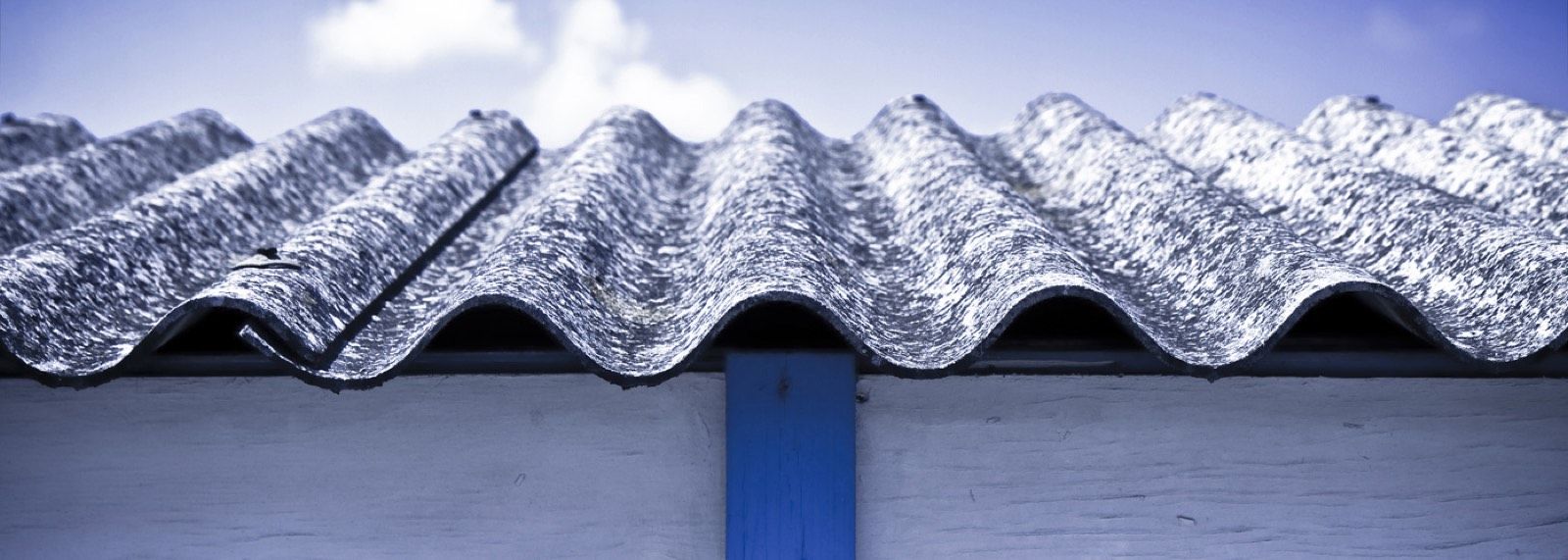
Asbestos Roofing Removal in East Grinstead
East Grinstead spreads out from its medieval High Street into street after street of interwar and postwar semis, and the cement roofs behind them are aging. We strip asbestos sheeting from extensions, outbuildings and lean-tos across RH19.
The cement roofs behind East Grinstead's semis
Walk away from the timber-framed High Street, past Sackville College, and East Grinstead turns into the housing that actually fills the town. Victorian and Edwardian rows give way to interwar and postwar semis running out towards Felbridge, Forest Row and Ashurst Wood. Behind a lot of those houses sits a rear extension, an outbuilding or a lean-to, and the grey corrugated sheeting on those roofs is where asbestos shows up most on this kind of work.
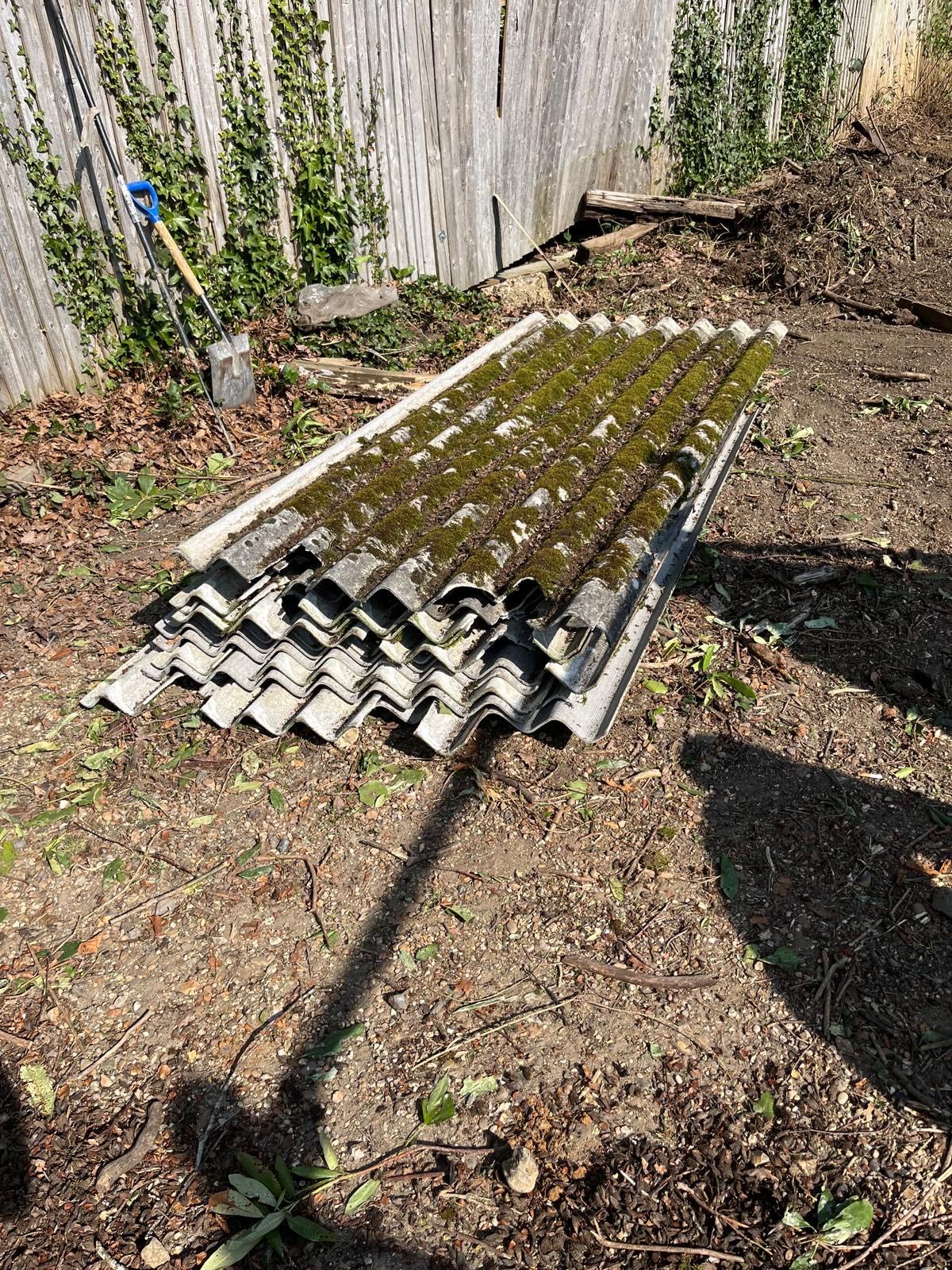
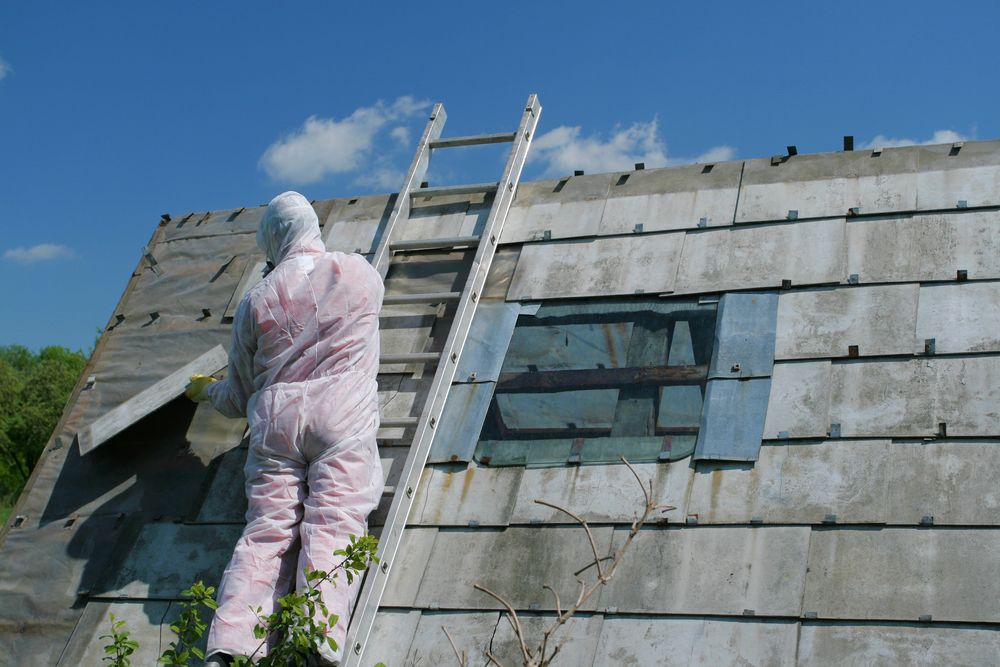
The roofs went on between the 1950s and the 1980s, when cement sheet was the cheap, quick cover for anything that was not the main house. A small outbuilding or lean-to roof of around 12 square metres might carry 10 to 12 sheets, each one roughly 3 metres long, lapped and bolted down to timber purlins. On a wider rear extension you can be looking at a roof closer to 20 square metres and a good deal more sheeting than that.
The genuinely old buildings on the High Street predate all of it. Cement sheet was not banned outright in the UK until 1999, so almost everything grey and corrugated on a roof in this town went on while it was still standard building practice. The medieval timber frames came up centuries before anyone made the stuff, but the repairs done to them since, and the rows of housing packed in around the centre and out towards Felbridge and Ashurst Wood, are exactly where it sits. A roof that has been up for forty or fifty years has had a long time to weather, and that is the part that matters more than the material on its own.
Why a tired roof is the higher risk
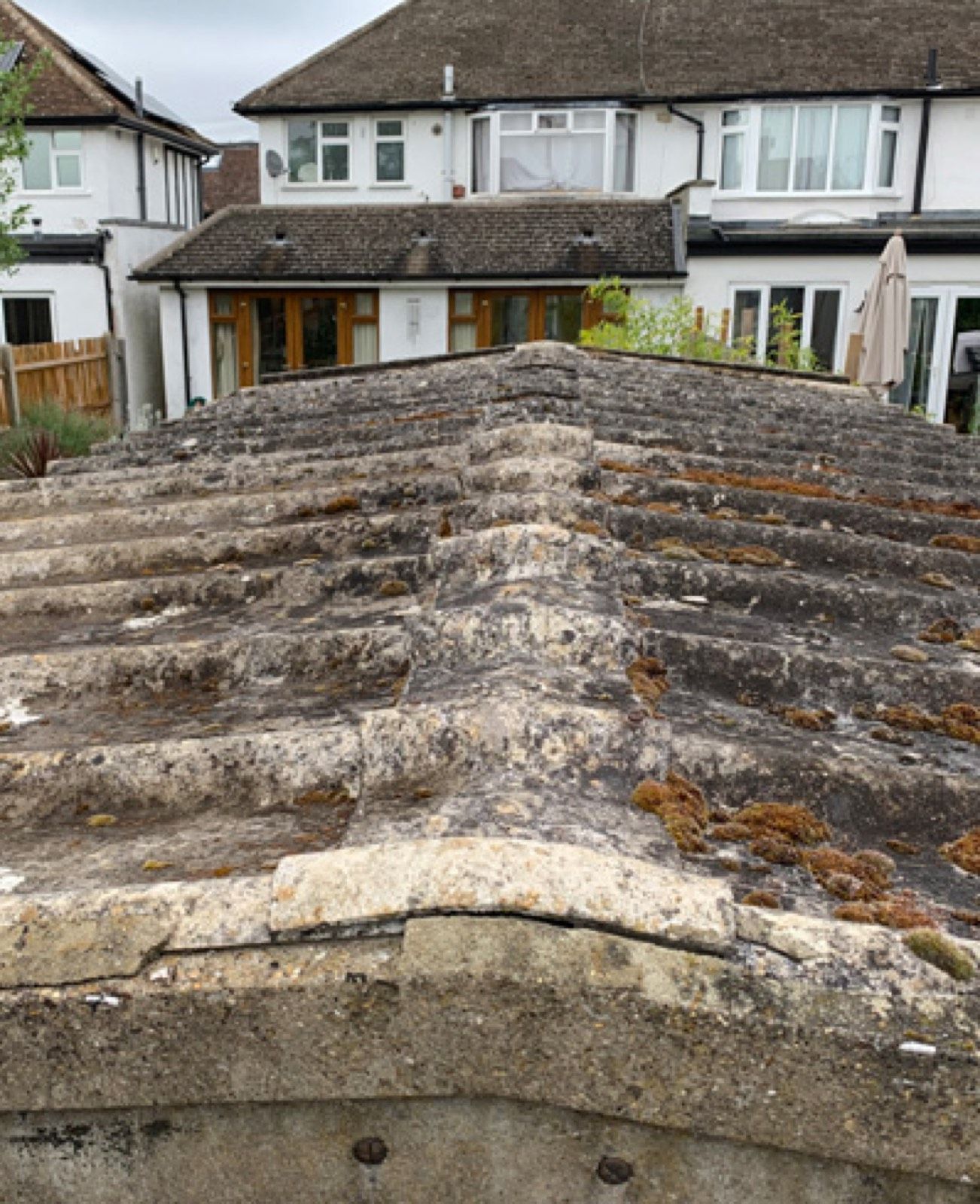
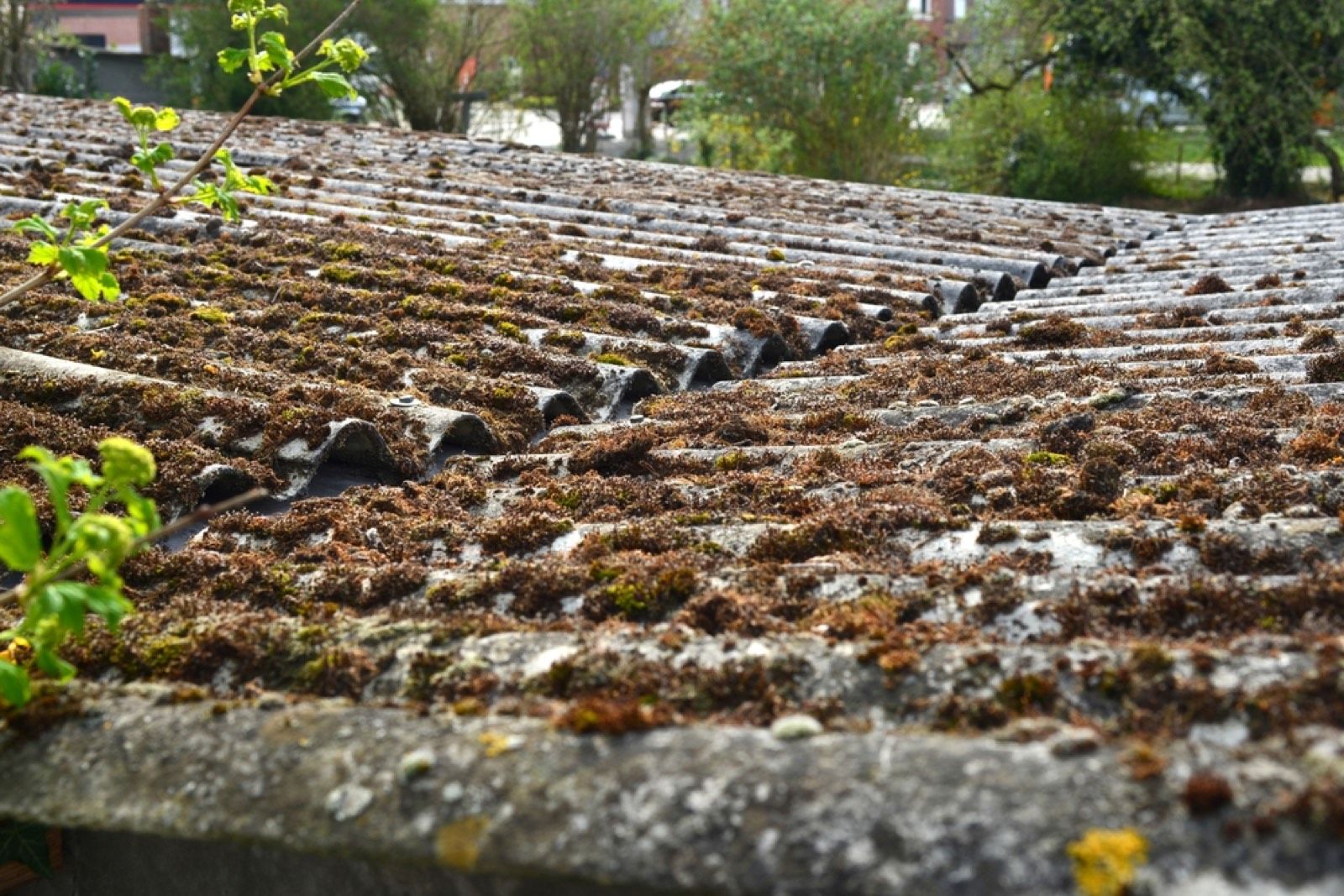
Up on the High Weald the weather works on a roof every winter. East Grinstead sits where Surrey, West Sussex, East Sussex and Kent meet, exposed enough that frost, rain and moss get into old cement sheet and break the surface down over the years. A sheet that is cracked, flaking or going soft around the bolt holes is the one that worries us, because that is the point at which loose fibres can lift off the surface and travel on the wind.
A roof you can reach from inside a shed is one thing. The cement soffits, gutters and fascia boards tucked up under the eaves of an interwar semi are another, and so are the bigger, higher roofs on extensions behind the larger houses out towards Forest Row. A fascia or soffit run of 8 metres sitting at first-floor height is awkward to get at safely, and weather hits those boards as hard as it hits the roof above them. Gutters that have sat full of leaf and rainwater for years are often the first part to go soft, and once one length of fascia is breaking up the rest of the run rarely sits far behind.
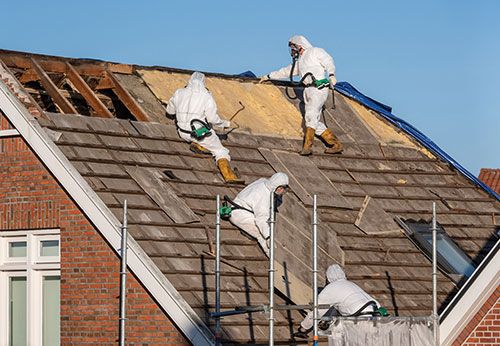
That height and access is a large part of why this is a different job from a single ground-level garage. A worn extension roof three or four metres up needs proper edge protection and a safe way down for every sheet. The state of the material, the height, the run length and how close the roof sits to a neighbour all change how we plan it, which is why we look at a roof in person before we put a price on it rather than quoting blind. A semi shares a boundary on at least one side, so the work has to be set up to keep dust off the house next door as well as your own.
How we take a roof off in one piece
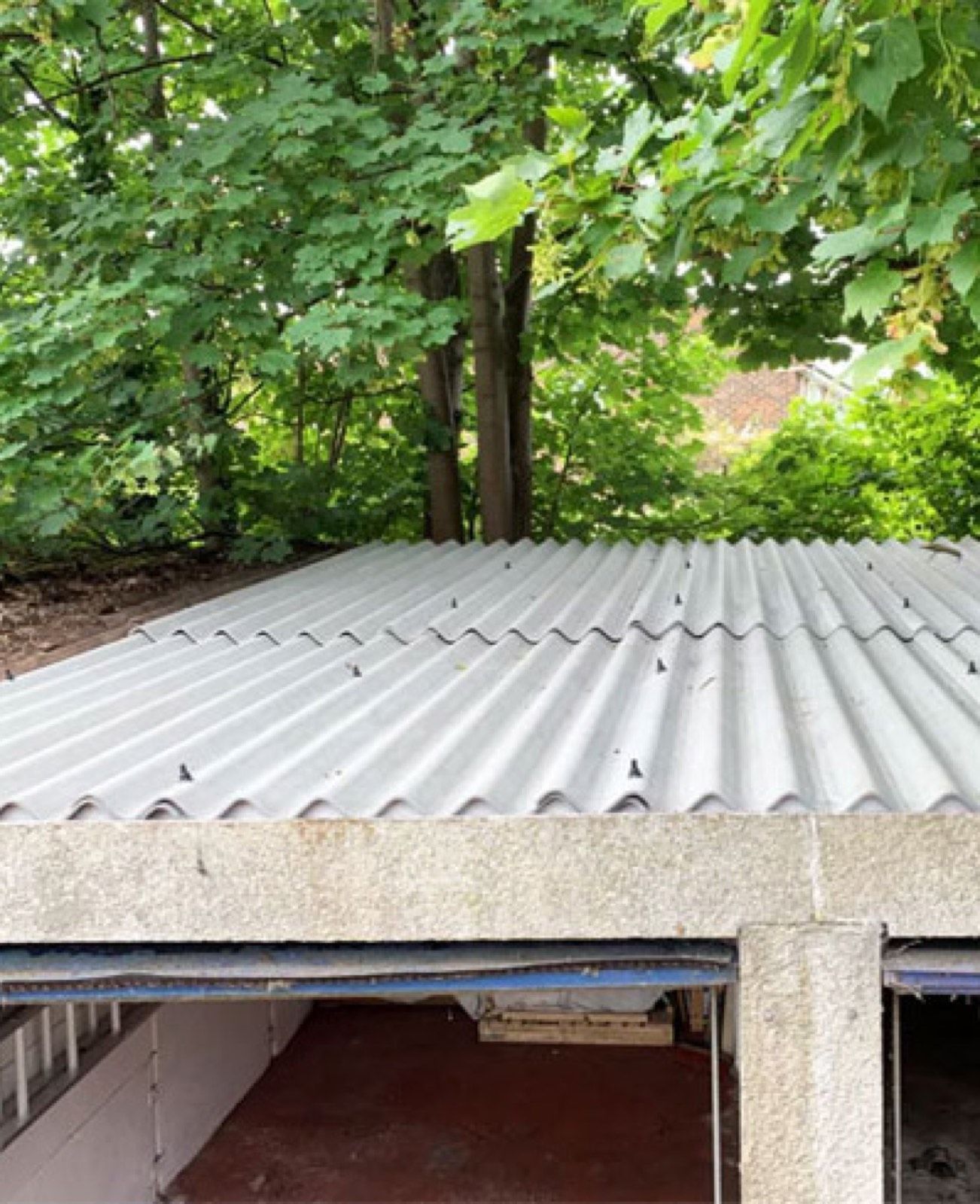
The point of the work is to keep the sheets whole. Asbestos cement is only a real problem once it is broken, drilled or snapped, so we ease the fixings out and lift each sheet off the purlins intact, wrap it and take it away to a licensed facility rather than cutting it up on the ground. A small outbuilding roof of 10 to 12 sheets can come off in about two to three hours once the area is set up and protected. A higher extension roof with a long soffit and fascia run takes longer, because every board has to come down by hand and be double-wrapped at height before it goes anywhere near the ground.
Much of this is non-licensed work, which means no 14-day notice to the HSE before we start, and a roof like that can be booked in quickly. Where we find higher-risk material the licensed standard applies instead: 14 days written notice to the HSE, full enclosure of the area and four-stage clearance testing by an independent analyst before anyone uses the space again. Those two routes run on very different timescales, so which one a roof falls under is worth knowing early. It is not always obvious from the ground, which is why we work it out before any sheet is touched.
We cannot tell asbestos content by eye, and neither can anyone else. A suspect sheet, soffit or fascia board is sampled first under controlled conditions and sent to a UKAS-accredited laboratory, with results back in a few working days. That small step settles what you are dealing with before a single sheet comes off, and it means the removal is planned around what the material actually is, not a guess.
Replacing the roof and getting it booked
Once the old sheeting is gone you are left with the timber frame and a decision about the new cover. For a shed, lean-to or extension most people go for galvanised steel box-profile sheet at around 0.7mm gauge, which is light, quick to fix and lasts well in the weather. A flat extension roof is better finished in three-layer torch-on felt instead. Soffits and fascia boards come back in asbestos-free fibre cement or a modern composite board, and we can box out the eaves so the new work matches the rest of the run rather than standing out.
Graham runs every East Grinstead job himself. The team travels south from Chessington into Sussex and takes on the larger residential and commercial roofs as well as the everyday domestic ones, so a long fascia run on a big semi, a 20 square metre extension roof or a single lean-to behind a terrace are all part of the same day's work. We work clean, keep the road and the garden clear, take every sheet off whole and leave the frame ready for whatever cover you have chosen.
Clearaway has worked across this part of Sussex for more than seven years and holds Spectra licence number 142305706. If you have a cement roof, a run of soffit or fascia, or an extension or outbuilding in RH19 that needs looking at, call 0800 024 6168.
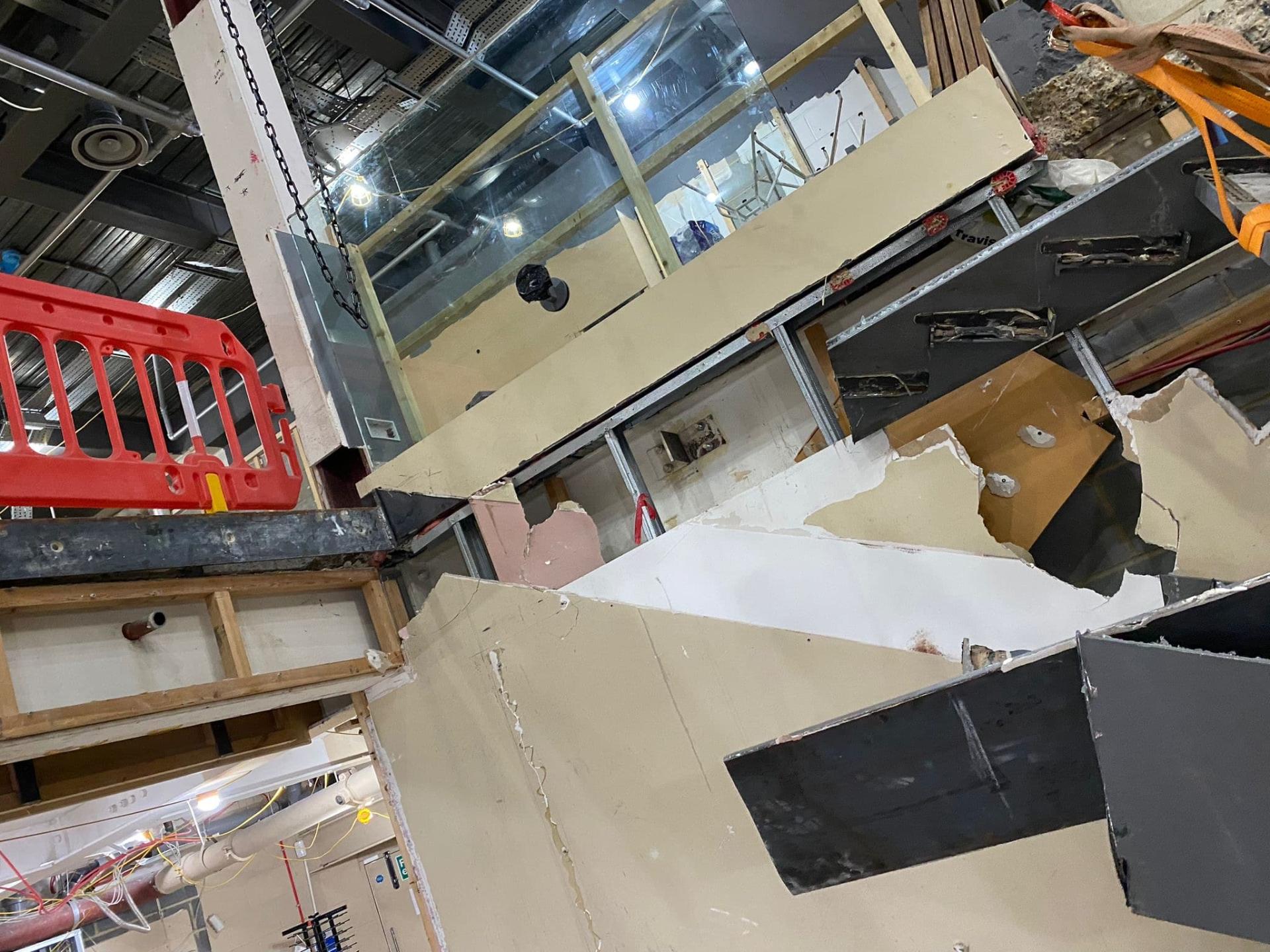
Commercial Building Strip-Out, Kensington
Kensington, South London · Strip-Out
View this project"I used Clearaway Asbestos recently for an asbestos garage removal in my home. The staff were really friendly and professional and put me at ease the whole time they were working. I would recommend Clearaway Asbestos to anyone who needs asbestos removal services!"
Our Removal Process
From first call to final certificate, every job follows the same clear four-step process.
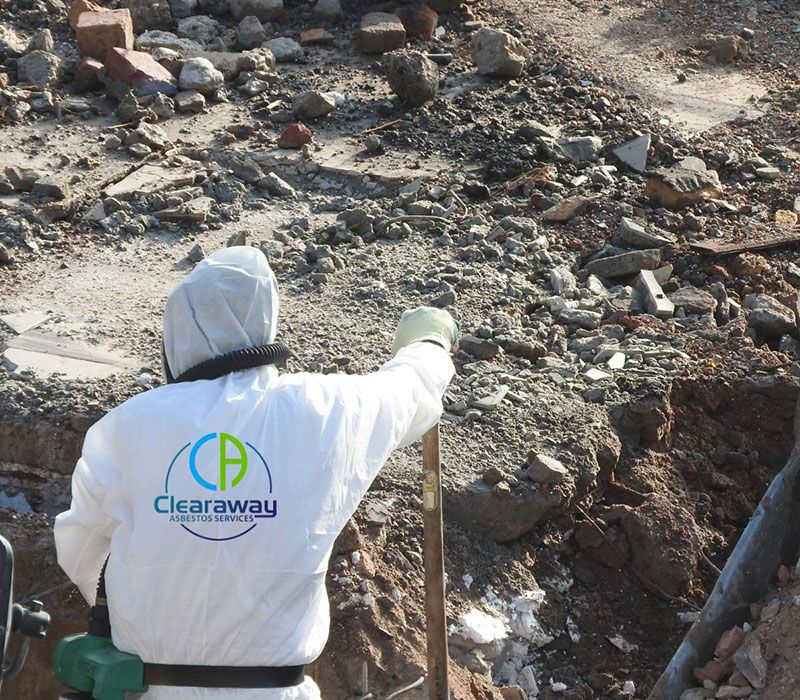
Survey
We inspect the property and confirm the material. Sampling available if required.
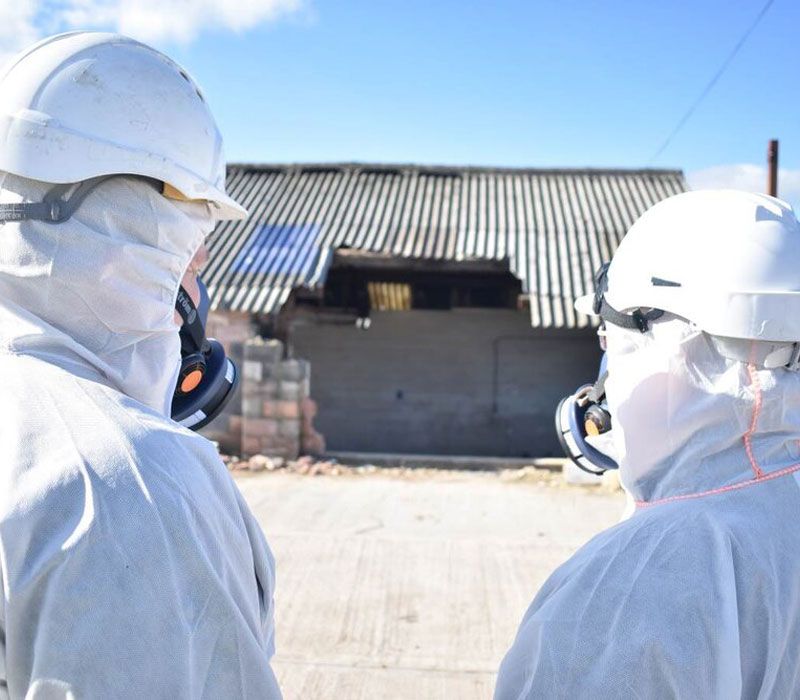
Quote
Fixed written price covering removal, disposal and any replacement work.
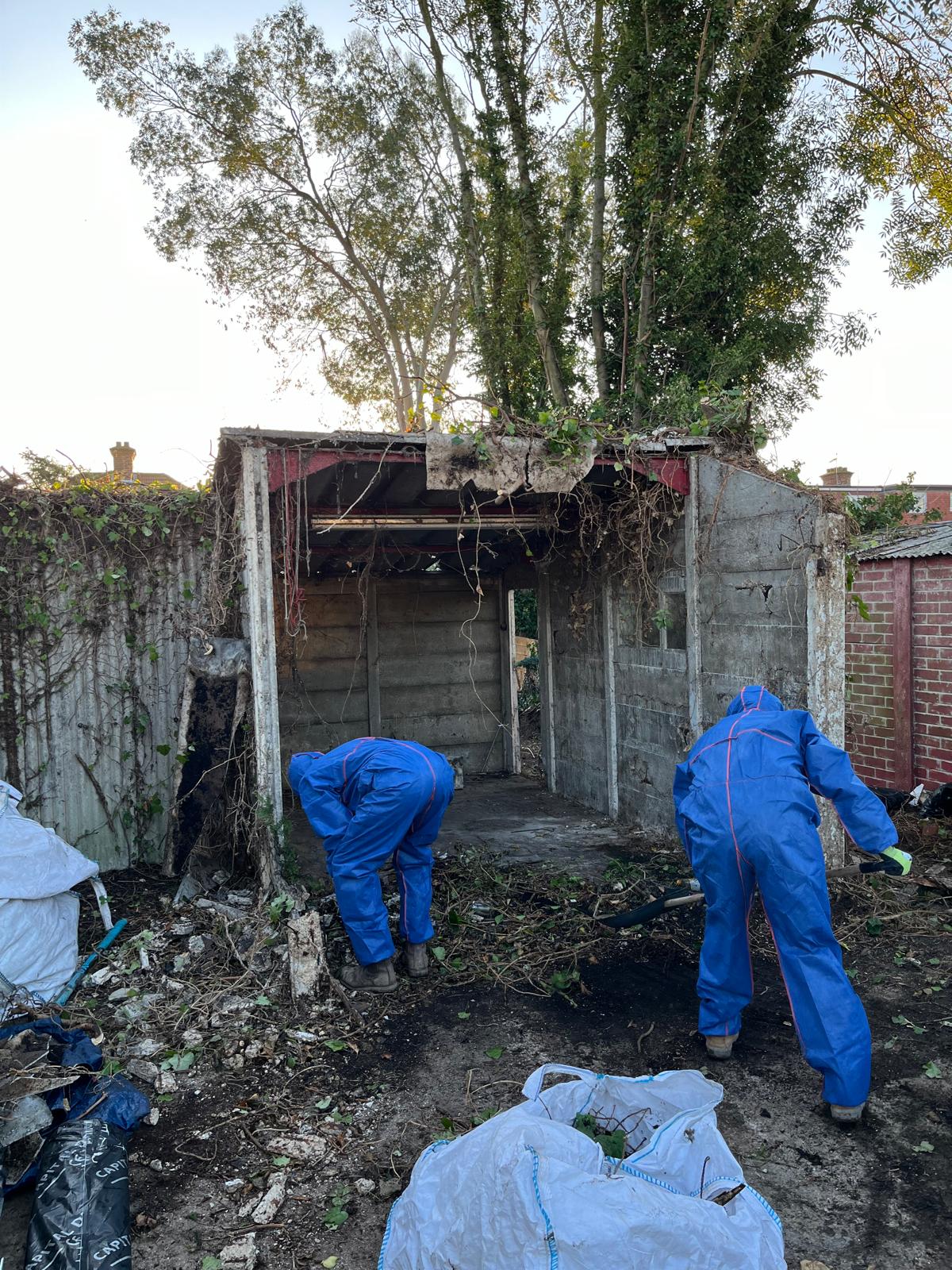
Removal
Material is removed safely, double-wrapped and taken to a licensed disposal facility.
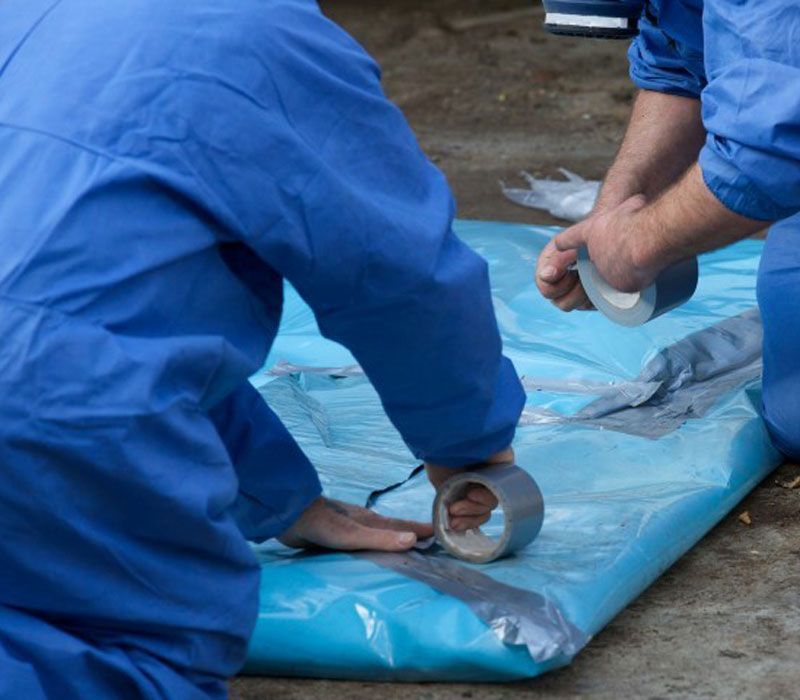
Certificate
You receive a waste consignment note and disposal certificate confirming legal handling.
Frequently Asked Questions
Why Choose Clearaway
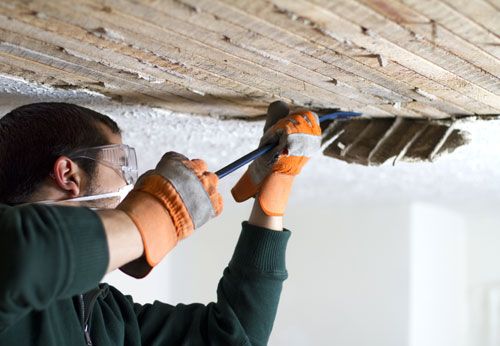
Specialist Crew
Asbestos work is all we do, every day, across the South East.
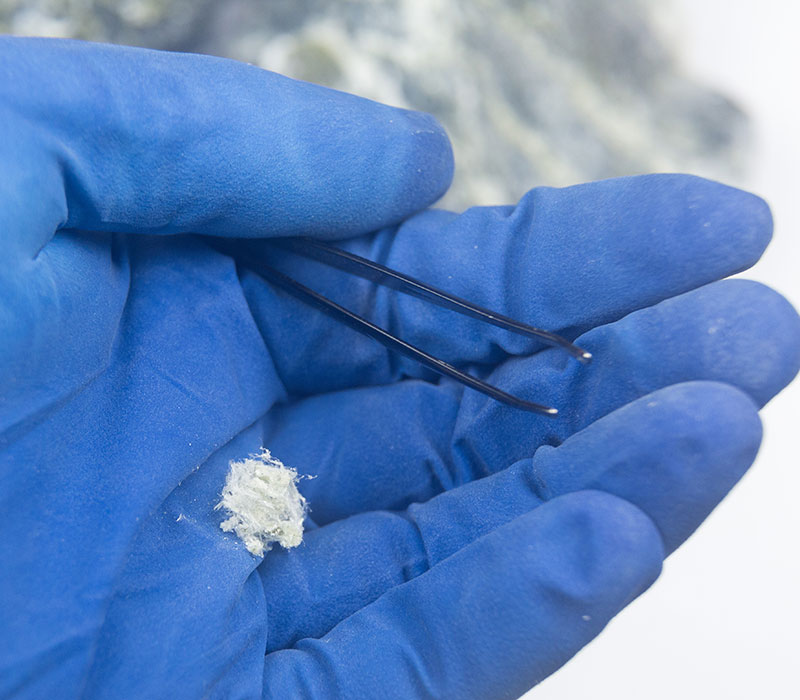
Fully Licensed
Licensed asbestos removal contractor (Licence No. 142305706). Full public liability insurance on every job.
Local & Fast
Surrey-based. Most domestic jobs are booked in and finished within a week.
Our Own Team
We never subcontract. The people who quote your job are the people who do it.
Get in Touch
Send a few details about your project and we will come back the same working day with a fixed price. We cover Surrey, London and the South East, including Esher, Cobham, Kingston, Richmond, Epsom, Guildford, Woking and Croydon.