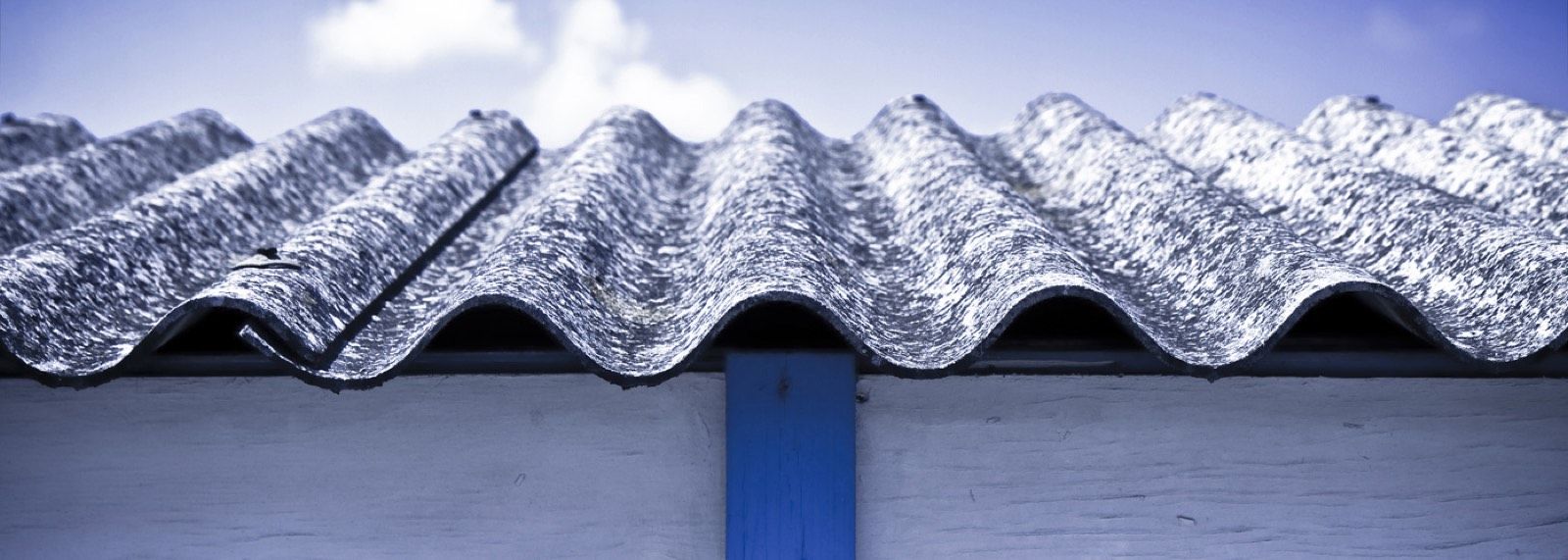
Asbestos Roofing Removal in Croydon
Croydon spread out with the railways, and behind nearly all of it sit flat-roofed extensions, outbuildings and lean-tos. Many still carry cement roof sheets and cement soffits. Once the weather gets into them, they need taking down properly.
Roofs and outbuildings behind Croydon's houses
Croydon is a town in its own right, not a suburb, and it has been rebuilt again and again. The Victorian and Edwardian streets in Addiscombe, Thornton Heath and South Norwood followed the railways out, and behind the houses they left a long tail of yards and back gardens. That is where you find the outbuildings. Workshops, lean-tos against a boundary wall, flat-roofed kitchen extensions tacked onto the back of a terrace, larger sheds at the bottom of a longer garden. A good number of them were roofed in corrugated cement at a time when nobody thought twice about it.
The interwar and postwar housing carried the same material higher up. Cement soffits under the eaves, cement gutters and downpipes running off the roof, the odd boxed-in detail where the roof meets the wall. None of it announces itself. People live alongside it for years without knowing, because a cement sheet sits there quietly until something disturbs it or the weather wears it down. The big estates laid down between and after the wars, places like New Addington and Fieldway, added their own share of outbuildings and flat roofs to the count, and the older industrial units near the centre did the same on a larger scale.
This page is about those broader roofs and the bits around them. The lock-up garage roof is its own job and has its own page. Here the focus is extensions, outbuildings, the bigger sheds, and the soffits and fascias on the older semis, which is a different scale of work and often a higher one off the ground. A flat-roofed extension across the back of a terrace covers a fair span, and soffits run the full length of the eaves, so there is more material in play and more of it out of easy reach than on a single small garage.
Why a weathered roof is the bigger risk
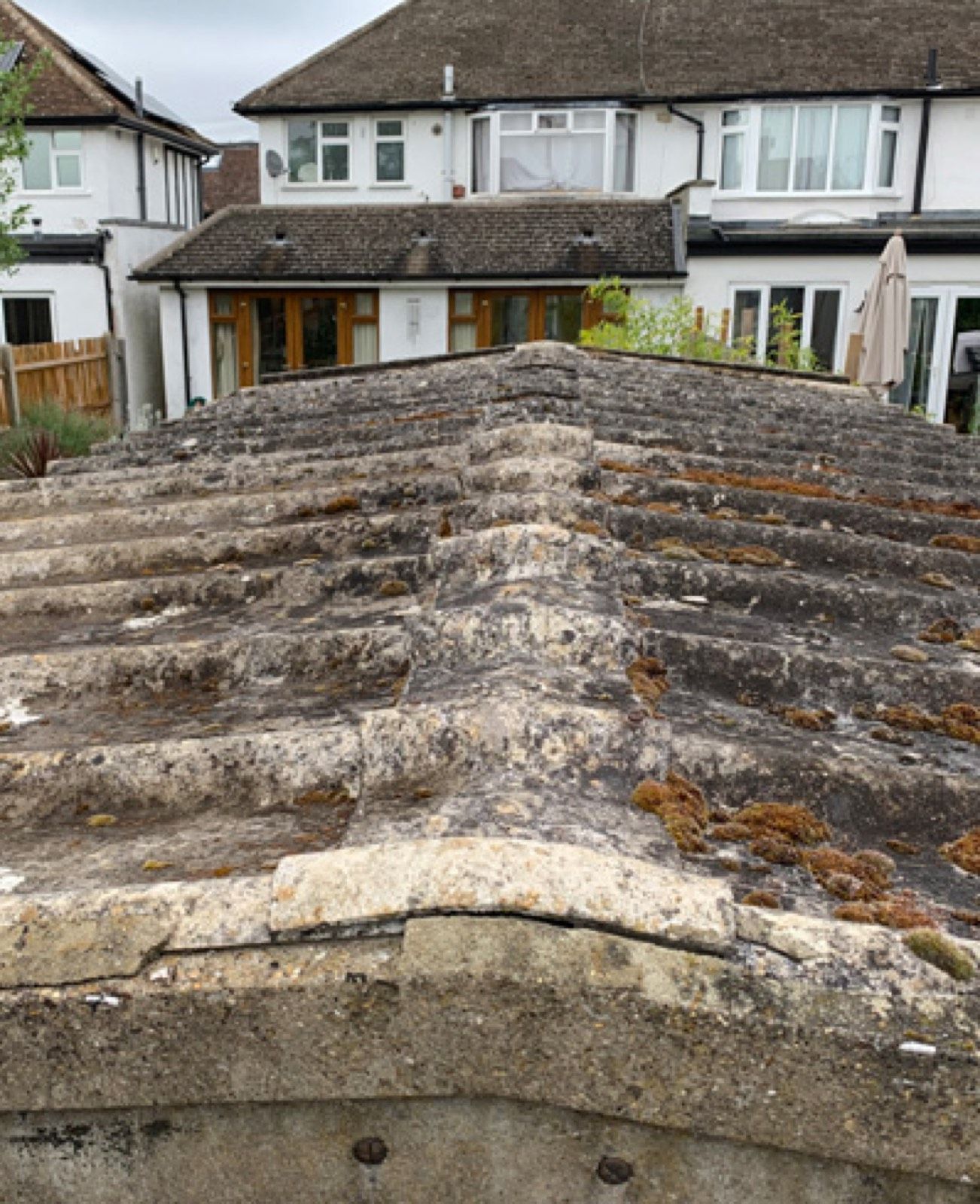
Asbestos cement is fairly stable while it is sound. The fibres are bound into the sheet, and a roof in good order is not throwing them into the air. The problem in Croydon is age. Most of these roofs went on decades ago, and decades of south London weather take a toll. Rain, frost and sun break down the surface bit by bit. The sheet goes chalky and soft on top, hairline cracks open up, edges crumble where the fixings have rusted through.
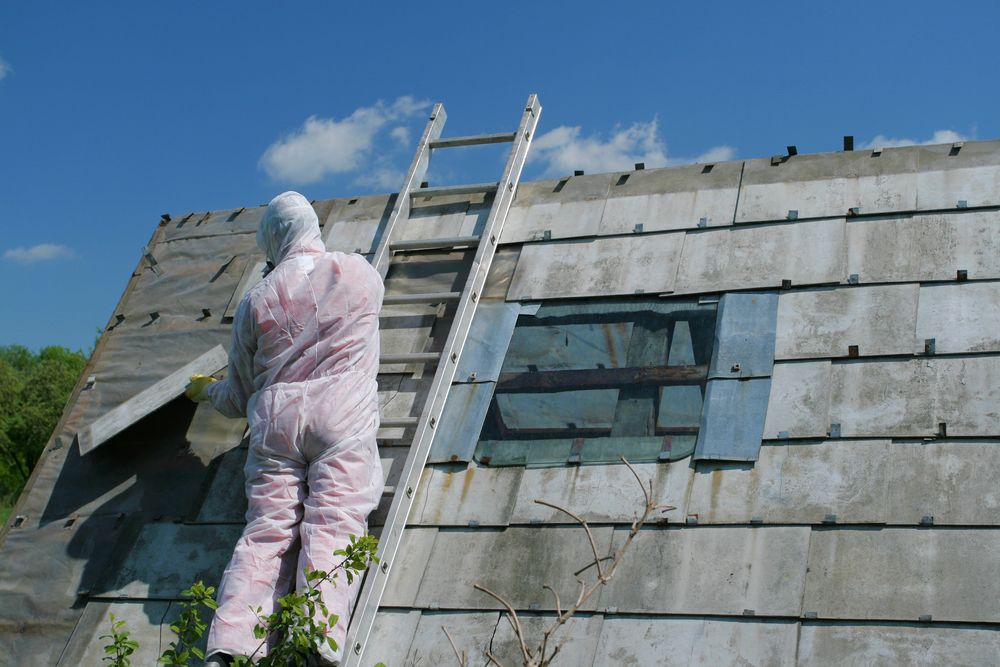
A roof in that state is the one to worry about. Once the surface is breaking down, handling it carelessly or letting it shed under foot can release fibres. Walking on an old cement roof is the other danger, because a weathered sheet will not take a person's weight and gives way without warning. That is true of an extension roof or a shed roof as much as anything else.
So the rule is the same whether it is a lean-to or a longer span at the back of one of the bigger houses. The older and more worn the roof looks, the less it should be touched before someone who works with the material has had a look. A roof that is cracking and flaking is past the point of leaving alone, and trying to patch or pressure-wash it only makes the surface worse. The higher work brings its own care too. Soffits and fascias sit at the eaves, gutters and downpipes run down off the roof, and getting to them safely matters as much as handling the material once it is down. None of this needs rushing. A worn roof that has stood for forty years will stand another fortnight while it is looked at and the right way in is worked out.
How the work is done across the area
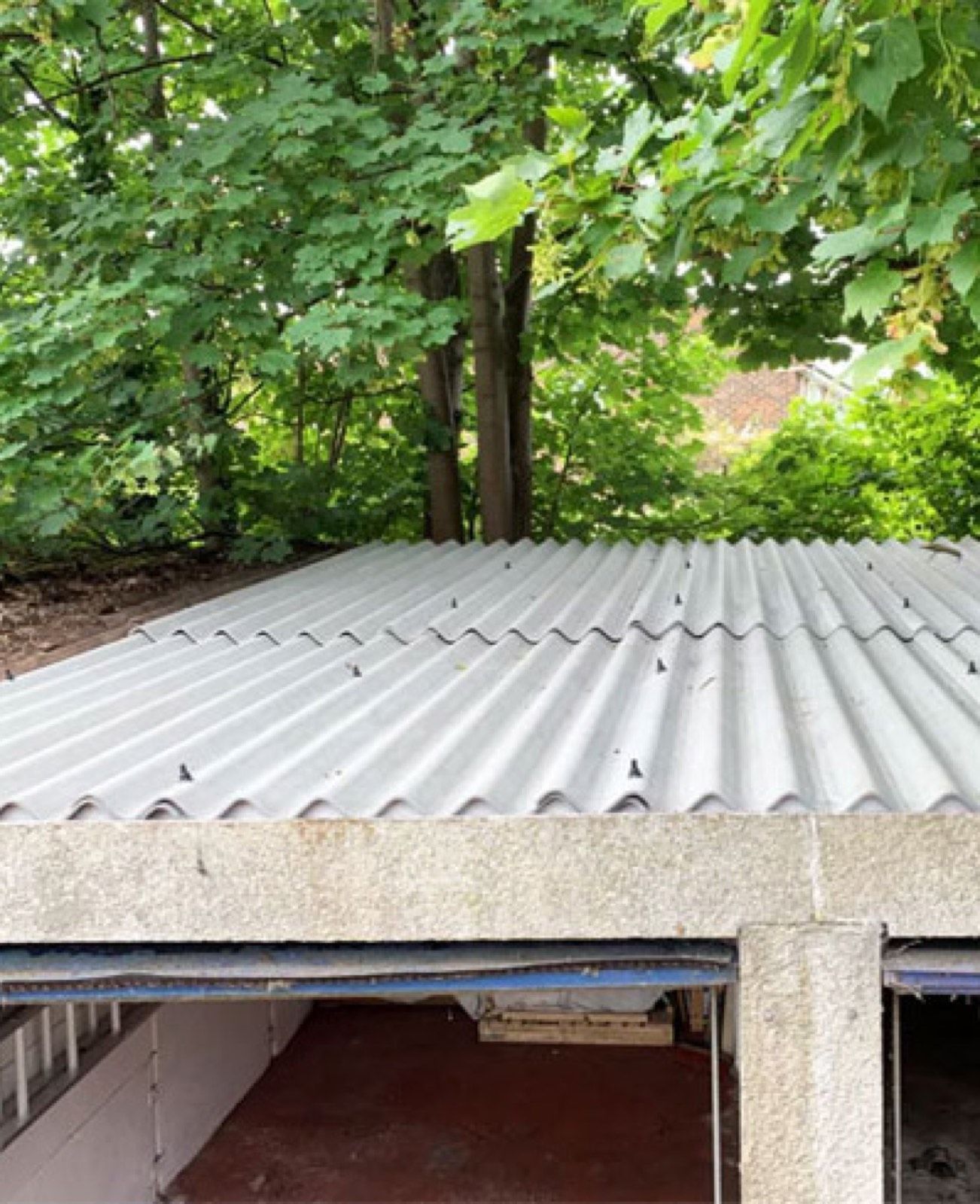
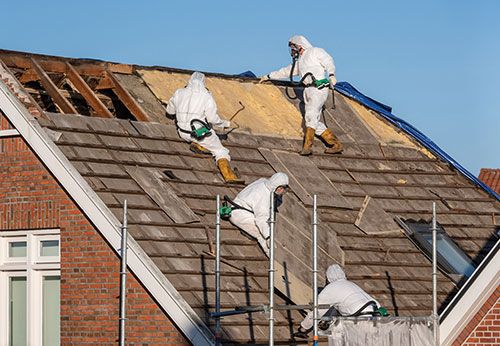
The aim on a cement roof is to take it down in whole sheets. Each one is lifted off intact rather than broken or smashed, kept damp so nothing comes off it, and lowered down and wrapped for disposal. Soffits, gutters and fascia boards come away the same way, unscrewed and removed in one piece where the fixing lets them. Breaking material up is what spreads fibres, so the slow, whole-sheet method is the safe one and it keeps the mess off the garden and the path.
Most cement roof sheeting and soffit work is non-licensed, which means it does not carry the heavier controls. For anything that turns out to be higher risk, the licensed process applies. That means fourteen days of notice to the HSE before work starts, a full sealed enclosure around the area, and four-stage clearance testing signed off by an independent analyst before anyone goes back in. Clearaway holds Spectra licence number 142305706, so both routes are covered under one roof.
Once the old roof is off, the structure needs covering again. On an extension or outbuilding the usual options are galvanised steel box-profile sheeting, a three-layer torch-on felt for a flat roof, a tiled or flat finish to match the house, or modern asbestos-free fibre cement that looks like the original without the fibres. Graham, who owns Clearaway and runs the local jobs himself, will talk through which suits the building and the budget rather than fitting whatever is quickest.
Croydon landlords, HMOs and getting it sorted
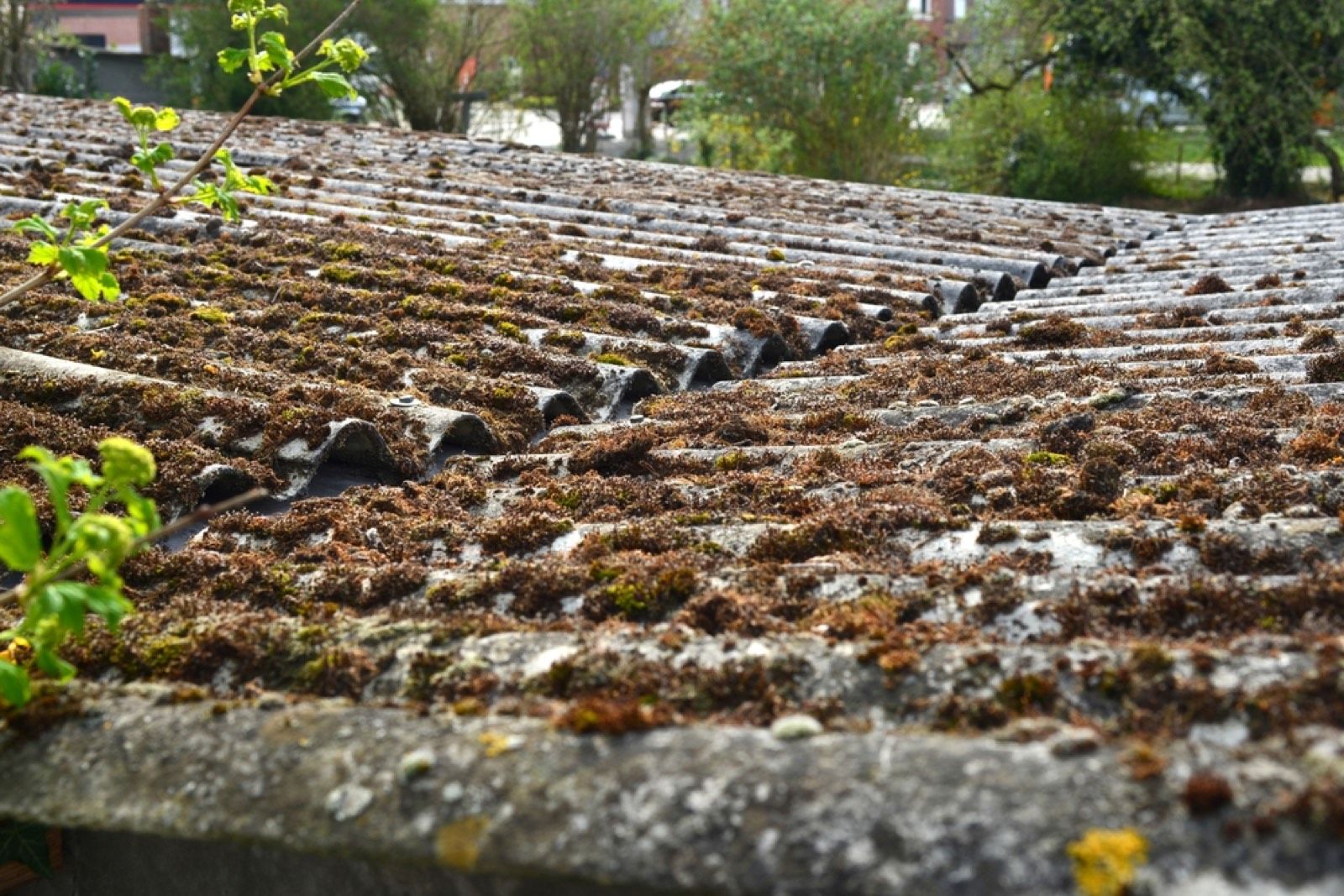
Thornton Heath, South Norwood and Selhurst hold street after street of converted Victorian houses let room by room. That makes for a lot of HMOs and a lot of landlords, and these are exactly the properties with older outbuildings and tired soffits that get noticed during a refurbishment or a tenancy change. If you manage one of these houses and there is a flat-roofed extension or a shed roof that has seen better days, it is worth dealing with before it deteriorates further or a survey flags it.
The town centre is one of the biggest commercial cores south of the river, with shops, offices and older industrial units, and many of those carry the same cement roofing and cladding on a larger scale. The method does not change with the size of the building. The sheets still come off whole, the higher-risk work still goes through the full licensed route with HSE notice and clearance testing, and the area is left clear at the end.
Clearaway is based in Chessington, just over in KT9, and covers Croydon and the CR postcodes regularly. For more than seven years the work has been the same kind across this part of Surrey and south London, samples to a UKAS-accredited laboratory when something needs confirming, whole-sheet removal when it comes off, and the garden, path and road left as they were found. Spectra licence number 142305706 sits behind every job. To talk through a roof, an extension or the soffits on your house, call 0800 024 6168.
You may also need our asbestos removal in Croydon (CR0) service.
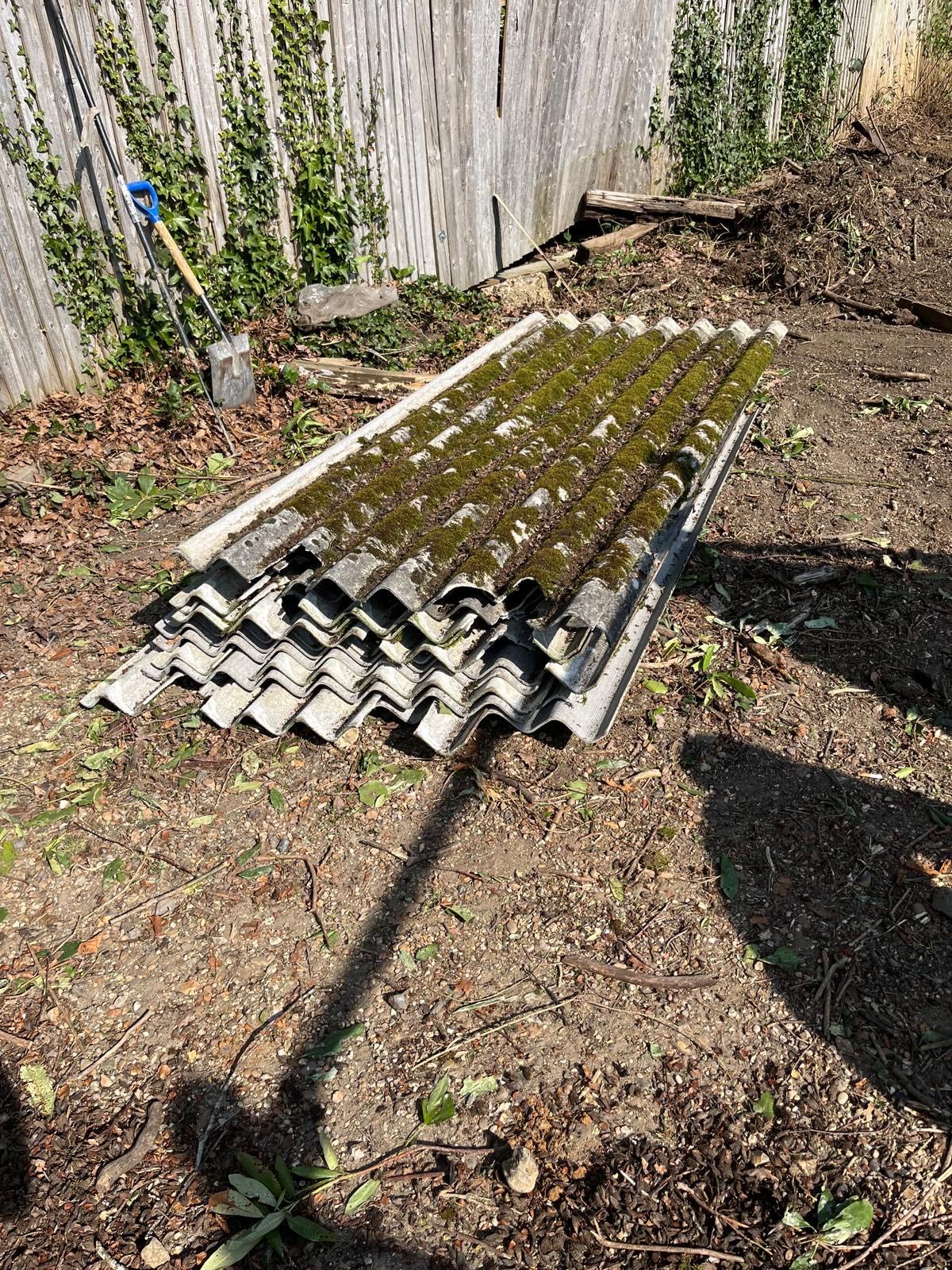
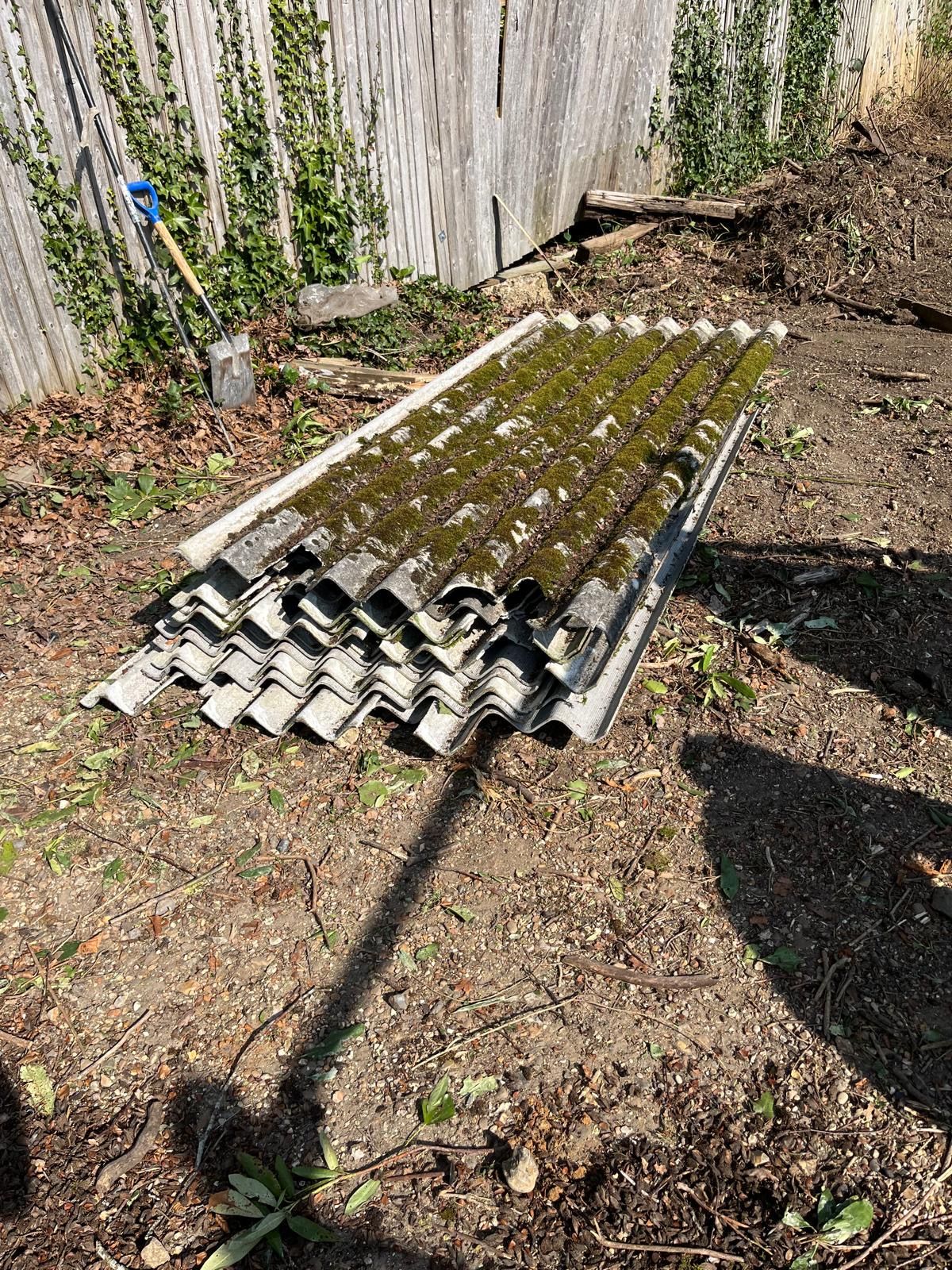
Corrugated Asbestos Sheet Removal, Esher
Esher, Surrey · Sheet Removal
View this project"Graham and his team done an excellent job of removing and replacing my asbestos garage roof and I wouldn't hesitate in recommending them"
Our Removal Process
From first call to final certificate, every job follows the same clear four-step process.
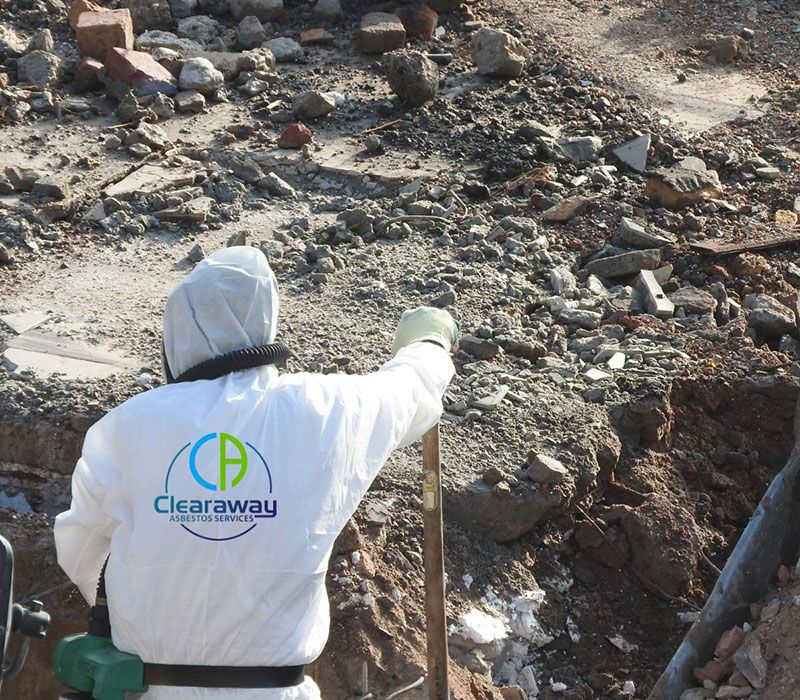
Survey
We inspect the property and confirm the material. Sampling available if required.
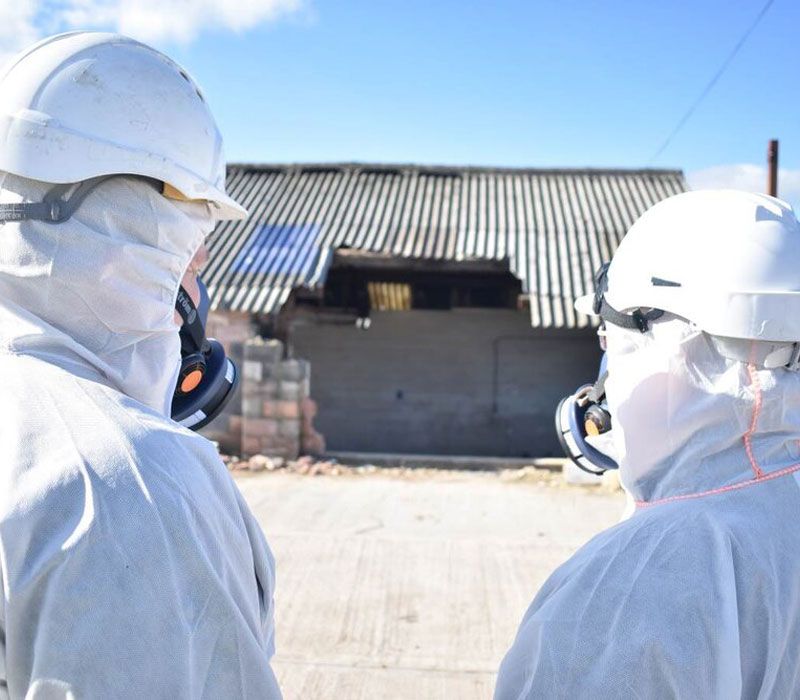
Quote
Fixed written price covering removal, disposal and any replacement work.
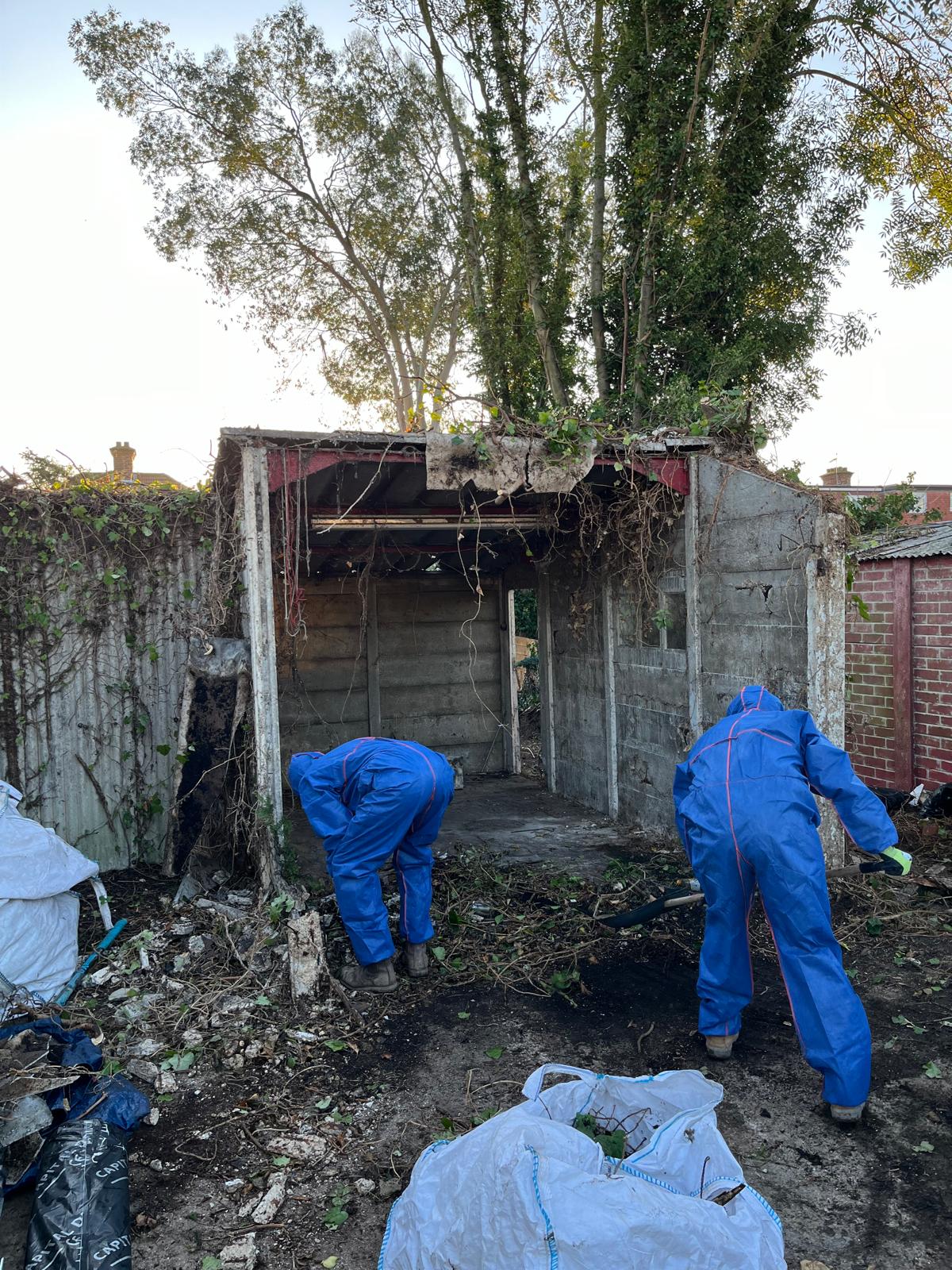
Removal
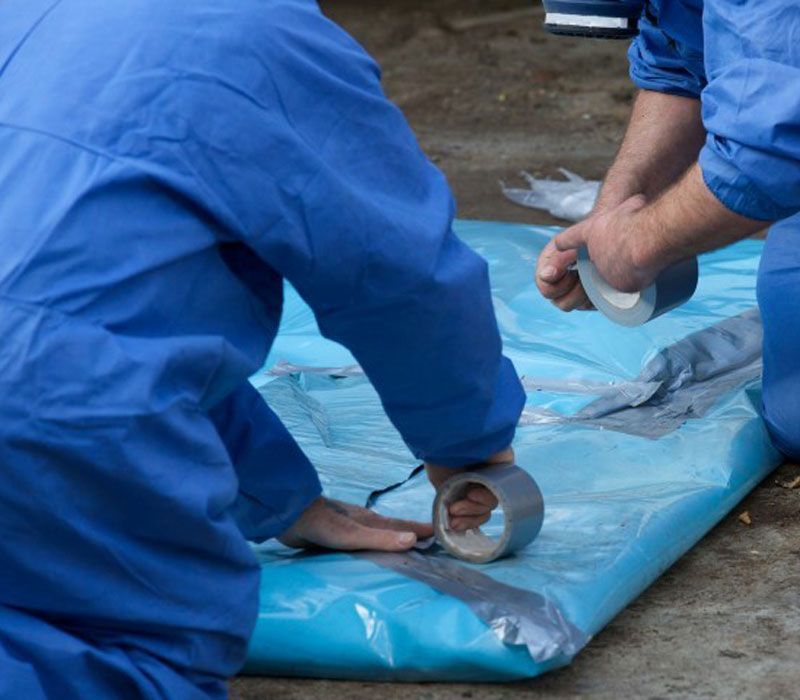
Material is removed safely, double-wrapped and taken to a licensed disposal facility.
Certificate
You receive a waste consignment note and disposal certificate confirming legal handling.
Frequently Asked Questions
Why Choose Clearaway
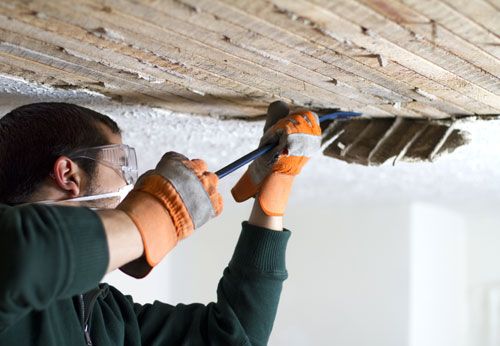
Specialist Crew
Asbestos work is all we do, every day, across the South East.
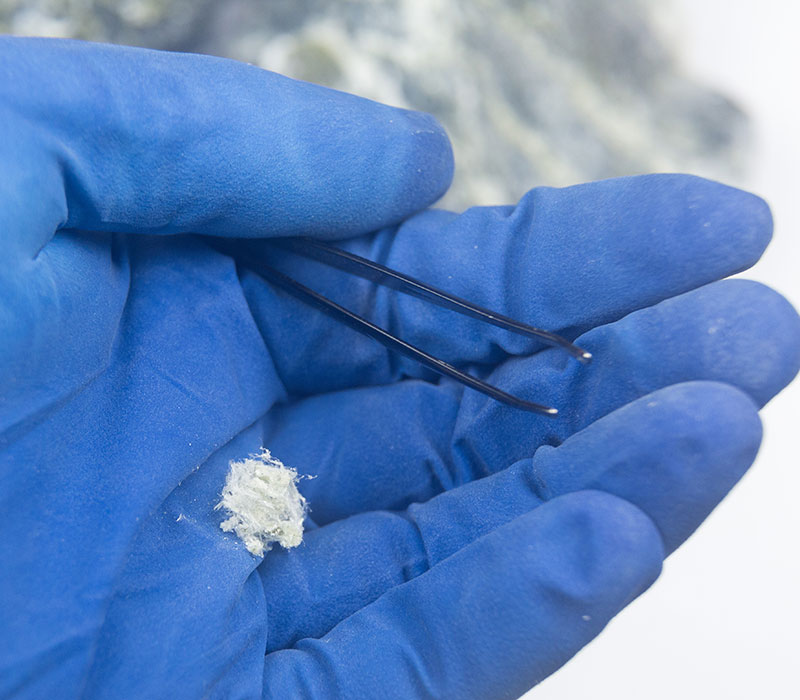
Fully Licensed
Licensed asbestos removal contractor (Licence No. 142305706). Full public liability insurance on every job.
Local & Fast
Surrey-based. Most domestic jobs are booked in and finished within a week.
Our Own Team
We never subcontract. The people who quote your job are the people who do it.
Get in Touch
Send a few details about your project and we will come back the same working day with a fixed price. We cover Surrey, London and the South East, including Esher, Cobham, Kingston, Richmond, Epsom, Guildford, Woking and Croydon.