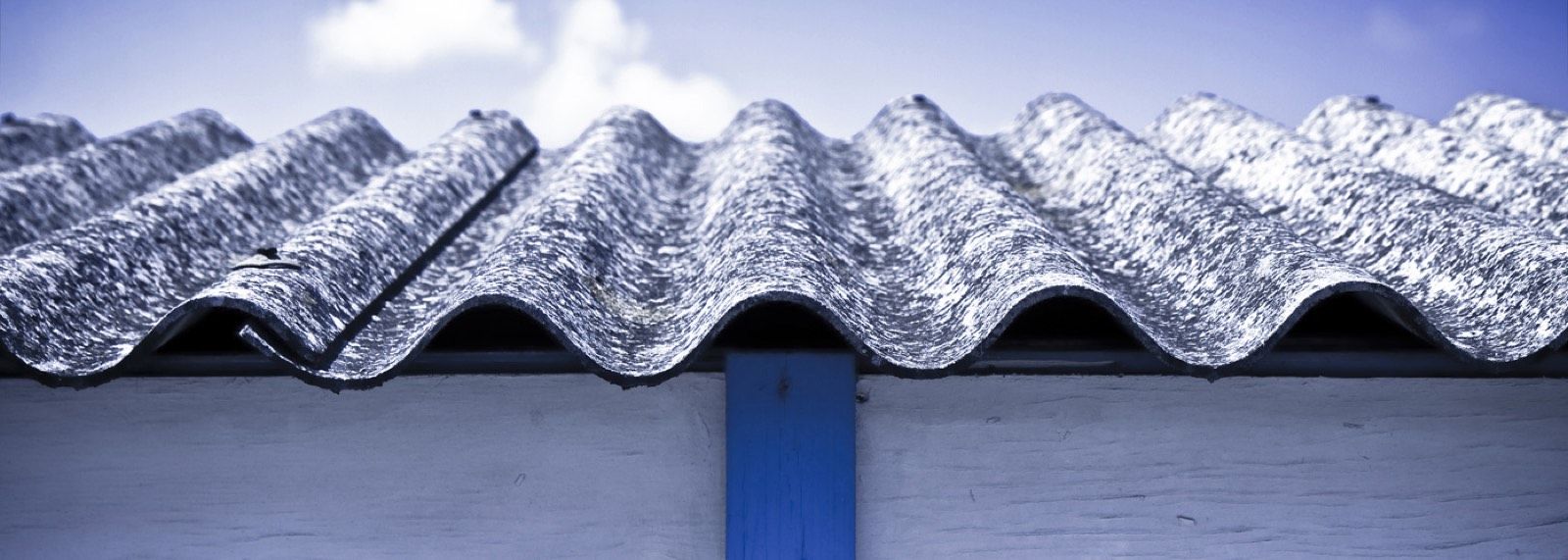
Asbestos Roofing Removal in Chertsey
Out past the centre of Chertsey, the interwar and postwar semis carry cement roofs on their extensions and outbuildings, with soffits, gutters and fascia boards to match. We take that roofing material down whole and clear it properly.
The Roofs Behind Chertsey's Older Houses
The centre of Chertsey is Victorian and Edwardian, the terraces around Guildford Street and Windsor Street. Push out from there into the interwar and postwar semis and detached houses and the roofs start to tell a different story. Cement roof sheets went over the extension, the lean-to, the workshop at the bottom of the garden. The fascia boards under the gutter line are often the same cement material, and so are the soffits tucked under the eaves. None of it looked dangerous when it went up. Most of it predates the 1999 UK asbestos ban by decades.
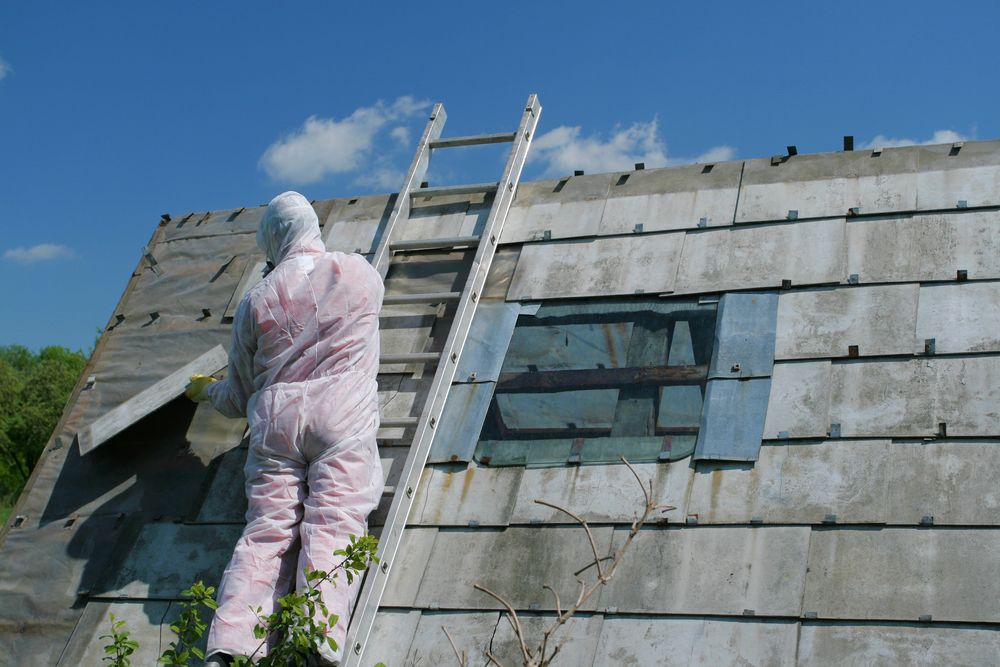
This is the roofing material across the back of a Chertsey home, not the lock-up garage at the kerb. A flat-roof extension built in the 1960s. A shed roof behind one of the larger houses that has since been split into flats. A pitched outbuilding standing two storeys up against an older terrace near the town centre. Some of the riverside properties carry the same sheeting on a garden room or a boat store. The higher and the larger the roof, the more it matters who takes it apart and how, and the harder it is to reach safely from the ground.
Clearaway is run out of Chessington, so KT16 is a steady drive across, and the owner Graham runs each job on site himself rather than sending a crew. He has worked across this part of Surrey for more than seven years, which means the housing around Chertsey, Addlestone, Ottershaw, Thorpe and the streets near the river is familiar ground. He knows what these roofs were built from and what tends to be hiding under the felt and the paint by now.
Why A Weathered Roof Is The Higher Risk
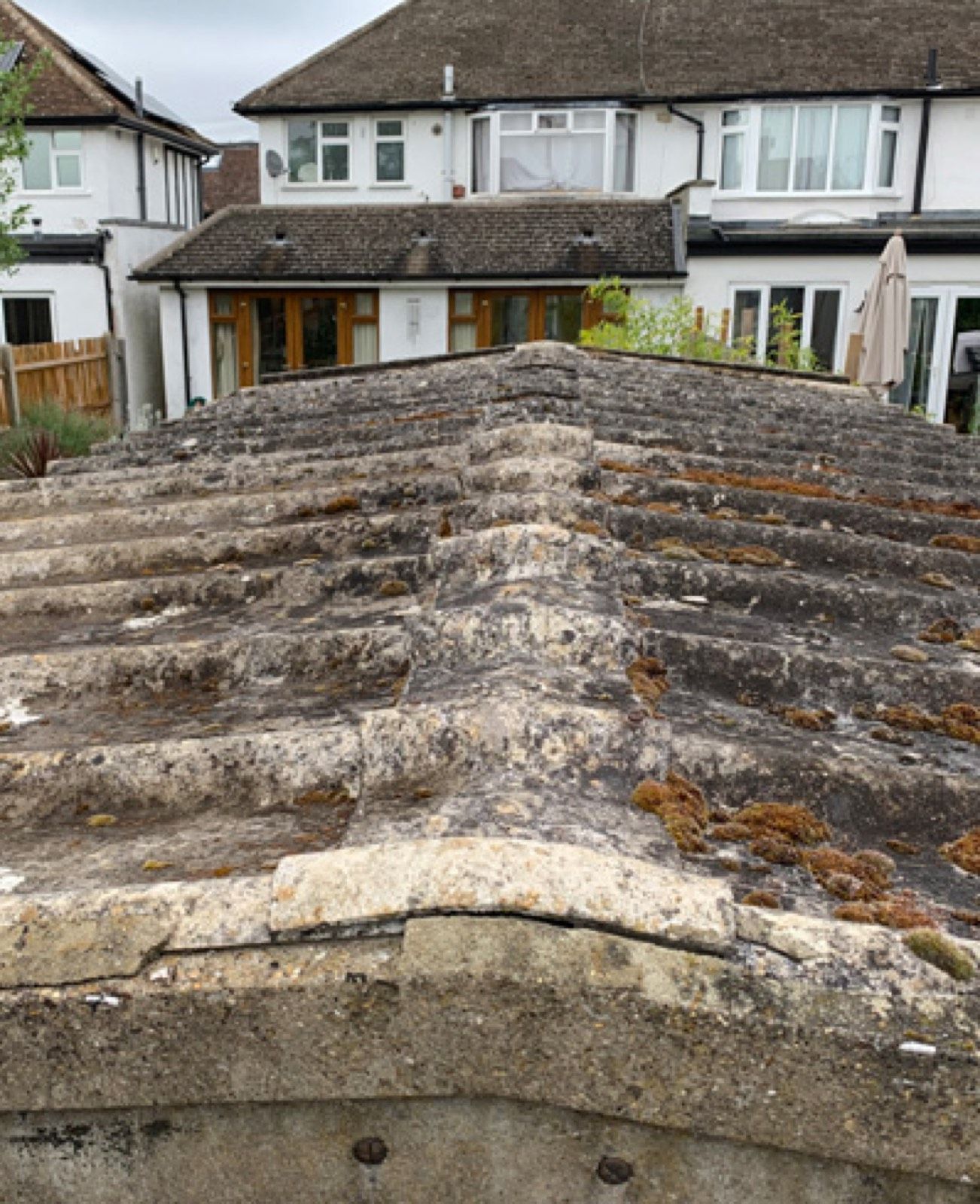
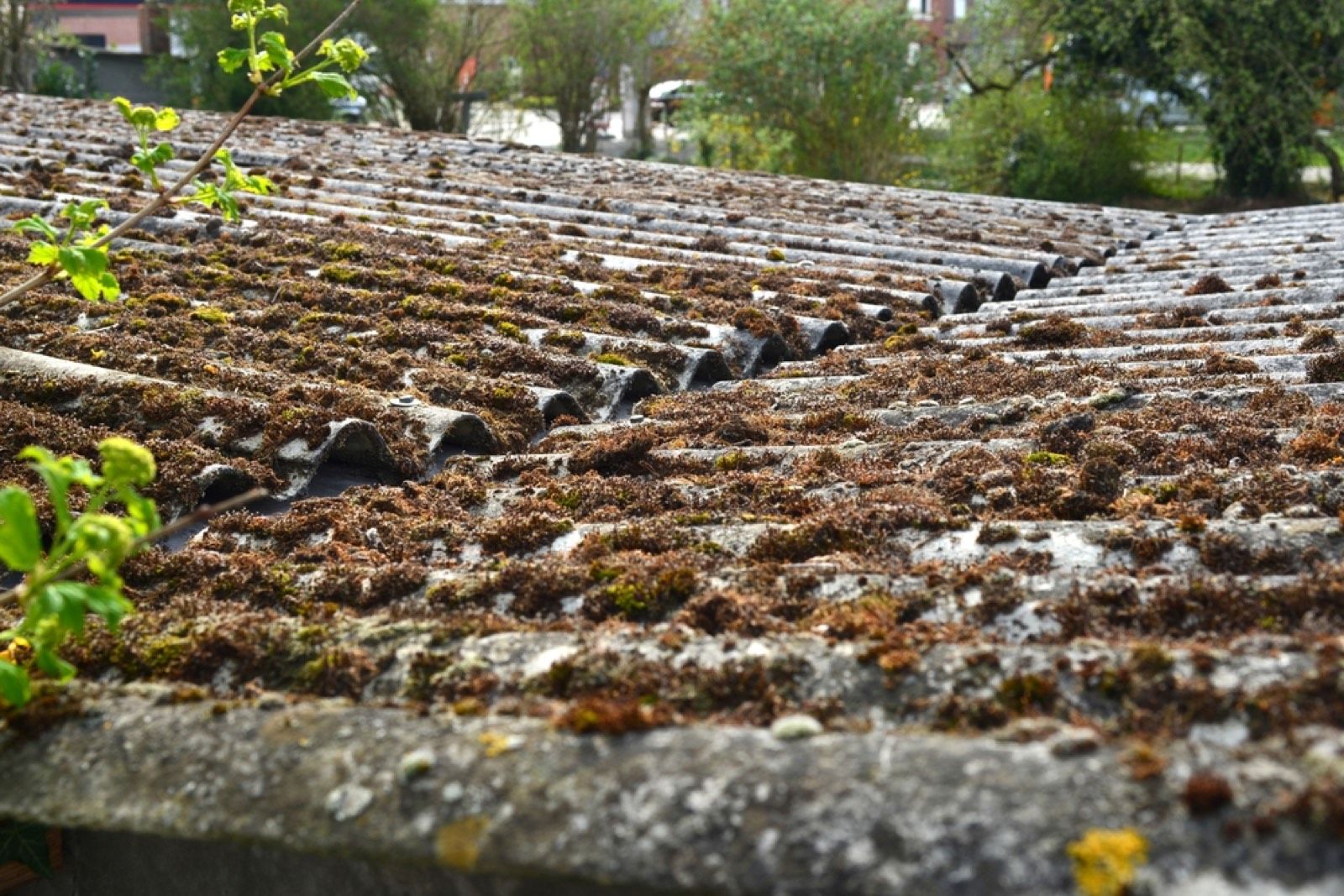
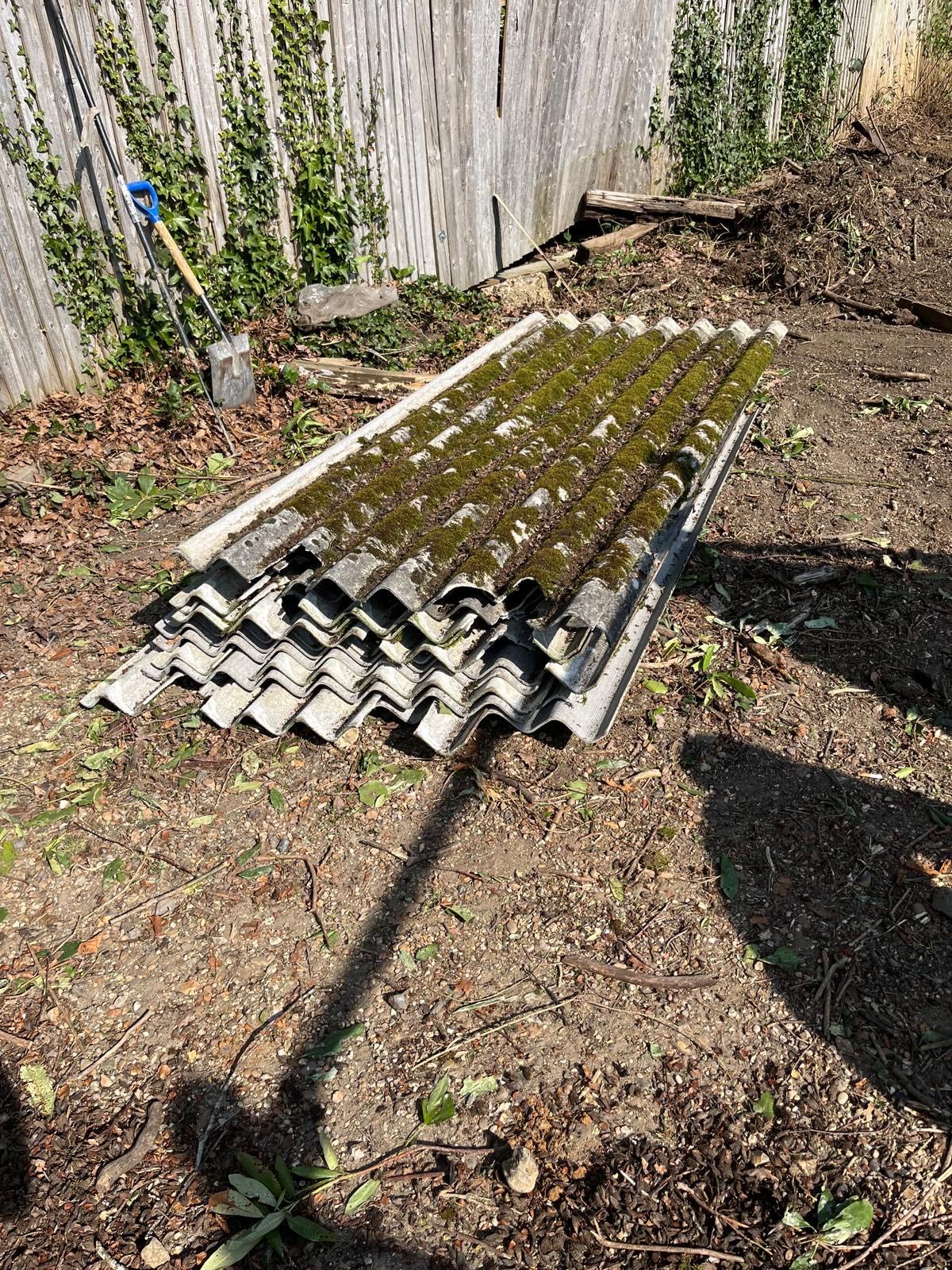
A cement roof sheet is reasonably stable while it stays whole and painted. The trouble is time. Fifty or sixty winters of frost, rain and sun break down the surface, the sheet goes brittle, and hairline cracks open across it. Once that happens the fibres are no longer locked in. A roof is exposed to far more weather than a wall ever sees, which is exactly why a tired roof on a Chertsey extension is more of a worry than the same material sat indoors.
The damage shows up first along the ridge and the overlaps, where two sheets meet and water gets in. Moss holds the wet against the surface and speeds the breakdown. Soffits and fascia boards rot from the back where you cannot see them, behind the guttering, so the first sign is paint lifting or a board sagging away from the wall. By the time a sheet is flaking or a corner has snapped off in the wind, the material is shedding fibres into the garden and down the gutter run below, and a pressure washer or a well-meant repair only makes it worse.
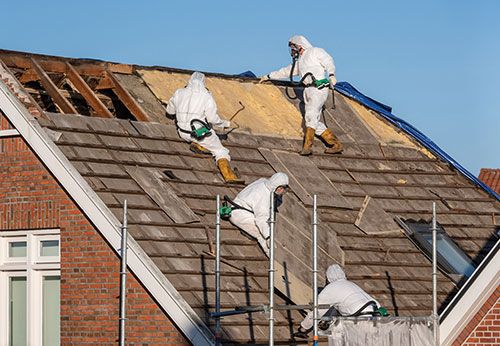
That is the reason we take roof sheets down whole rather than breaking them up on the roof. Each one is unbolted or unscrewed at the fixings, lifted off intact, wrapped and double-bagged on the spot, then stacked and loaded for removal to a licensed disposal facility. Nothing is dropped or smashed to fit a bag. A single-storey extension roof might carry eight to twelve sheets and come off inside a day. A larger or higher run, or a roof with soffits and fascia to clear at the same time, takes longer and means proper access, but the method does not change one bit.
Soffits, Gutters And The Replacement Roof
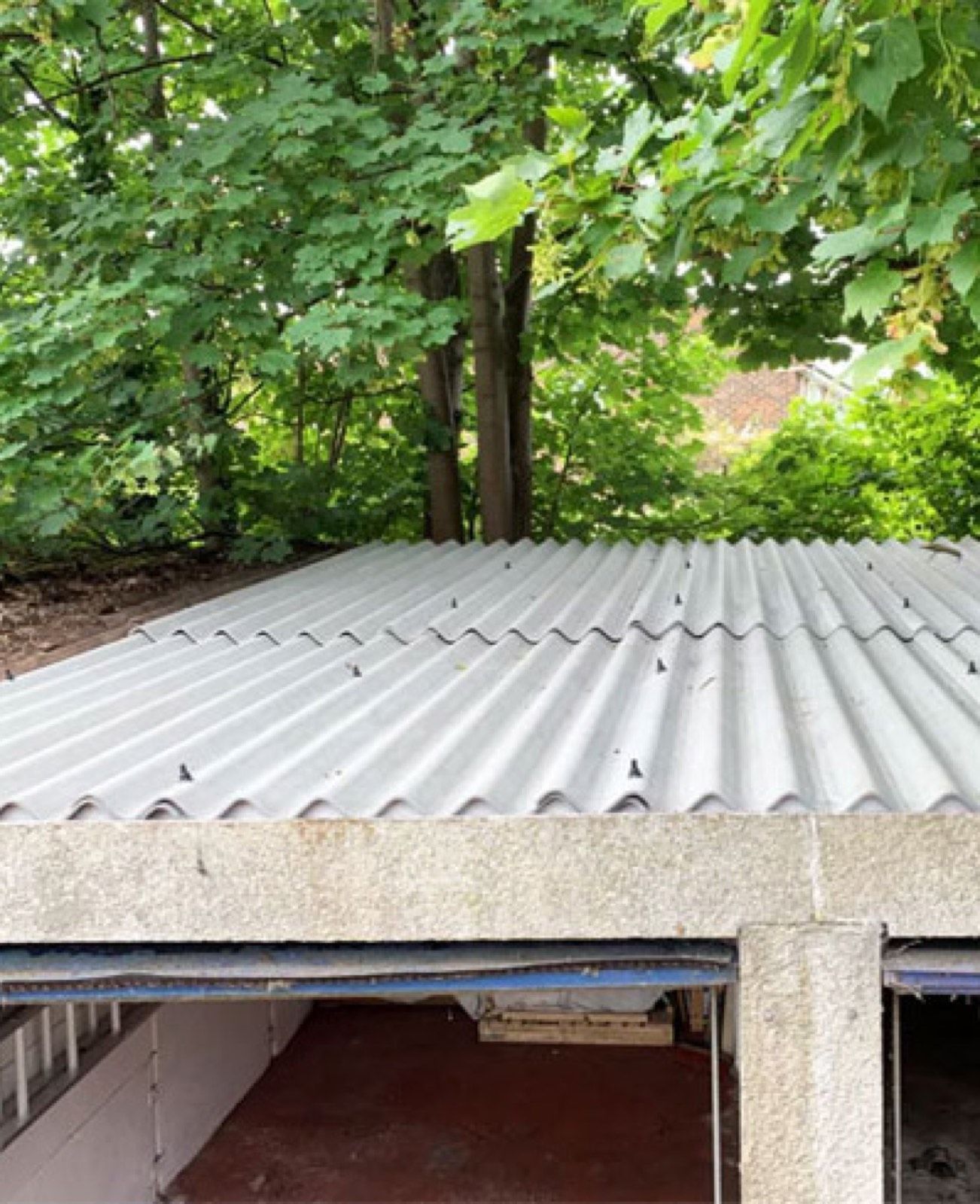
Roofing work around a Chertsey semi rarely stops at the sheets. The soffits, gutters and fascia boards along the same elevation are frequently the same cement product, fitted by the same builder at the same time, so it makes little sense to take the roof and leave the boards underneath it. Pulling them down without disturbing the dust around them is its own job. We take the boards off in full lengths where we can rather than snapping them, keep them wrapped, and clear the gutter line so new fascia and guttering have a clean run to fix back to.
What goes back up is your choice. For a flat extension roof, a three-layer torch-on felt system is a common pick, with galvanised steel box-profile for a pitched outbuilding or shed. Where you want the cement look without the asbestos, modern fibre cement sheets are made to the same profile and screw straight back to the existing timbers. A flat or a tiled roof is on the table too, depending on the pitch of the run and what sits next door on a shared boundary. We can leave the structure ready for your own roofer or sort the replacement at the same time, whichever suits.
We will not pretend a roof comes off without any mess. Sheets are heavy, old fixings seize and shear, and access at height needs a scaffold or a tower rather than a ladder balanced against the gutter, which adds a day on the bigger jobs. But there is no skip parked on the road for most of them, because the material leaves wrapped in the van. The drive and the street stay clear while the work is done, which counts for a lot on the narrower roads near the centre of town.
How A Roofing Job Runs In Chertsey
It starts with knowing what you have got. We cannot tell cement sheet from a modern lookalike by eye, and neither can anyone else, so a small piece goes to a UKAS-accredited laboratory before any roof comes off. The result comes back inside a few working days and decides how the job is run. That one step keeps the rest of it honest, because the testing drives the method rather than a guess from the ground.
Most domestic roof sheeting, soffits and fascia is non-licensed work and can be removed once we know what it is. Higher-risk material is held to a stricter standard. That means 14 days of notice to the HSE before a hand is laid on it, the work area put under full enclosure, and four-stage clearance testing signed off by an independent analyst before the space is handed back. We will tell you which side of that line your roof sits on once the sample is back, and what each route costs and how long it adds, with no guessing in between.
A Chertsey roof job done this way leaves you with the old material gone to a licensed facility, a clean structure ready for its new covering, and paperwork that says what came off and where it went. Clearaway carries Spectra licence number 142305706 and has spent more than seven years on roofs, outbuildings and extensions across Chertsey and the rest of this corner of Surrey. If the roof on your extension or outbuilding is cracking, or the soffits and fascia have started to flake, call Graham on 0800 024 6168 and he will come and look at it himself.
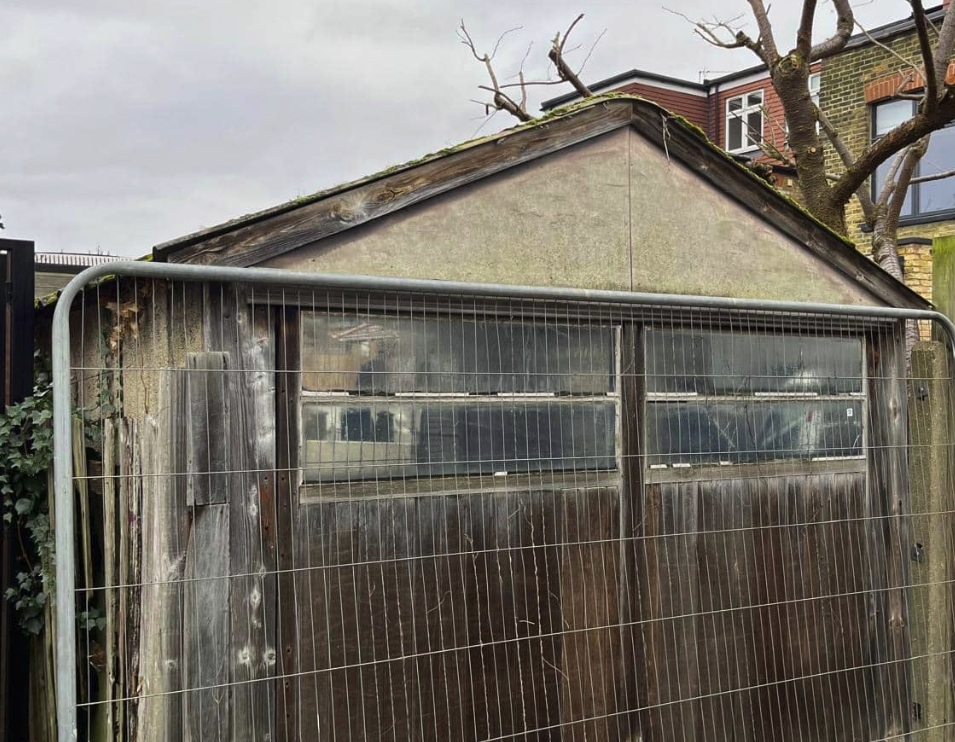
Full Asbestos Garage Demolition, Surrey
Surrey · Garage Demolition
View this project"I used Clearaway Asbestos recently for an asbestos garage removal in my home. The staff were really friendly and professional and put me at ease the whole time they were working. I would recommend Clearaway Asbestos to anyone who needs asbestos removal services!"
Frequently Asked Questions
Our Removal Process
From first call to final certificate, every job follows the same clear four-step process.
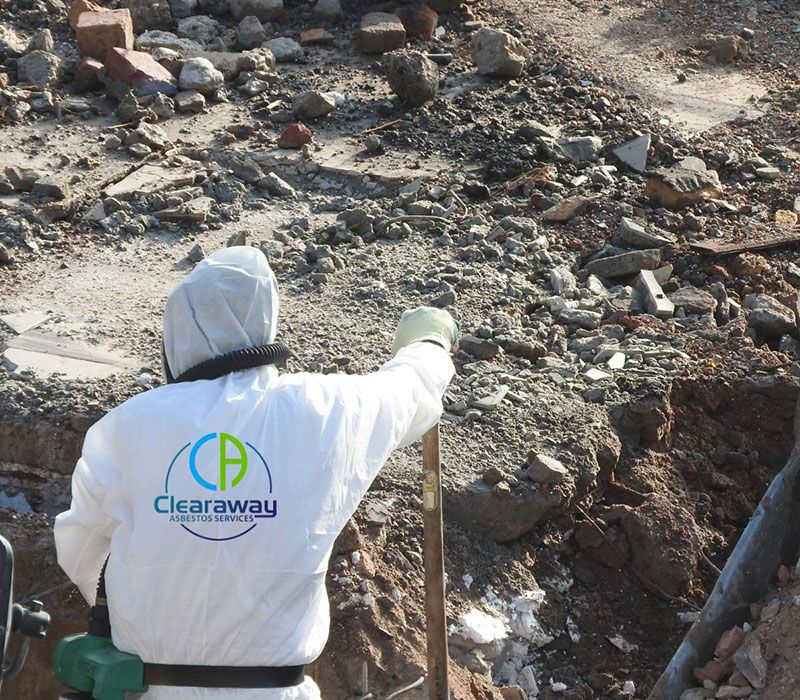
Survey
We inspect the property and confirm the material. Sampling available if required.
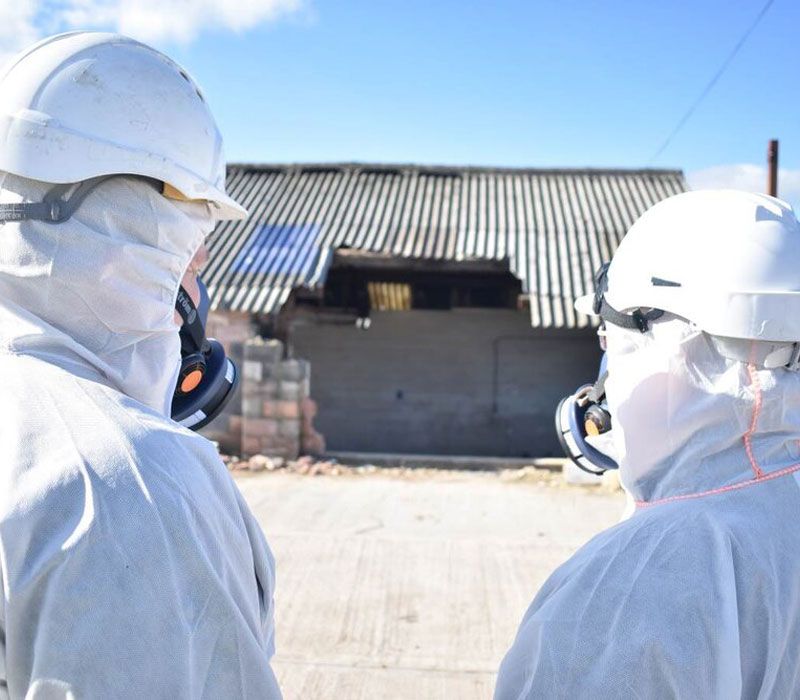
Quote
Fixed written price covering removal, disposal and any replacement work.
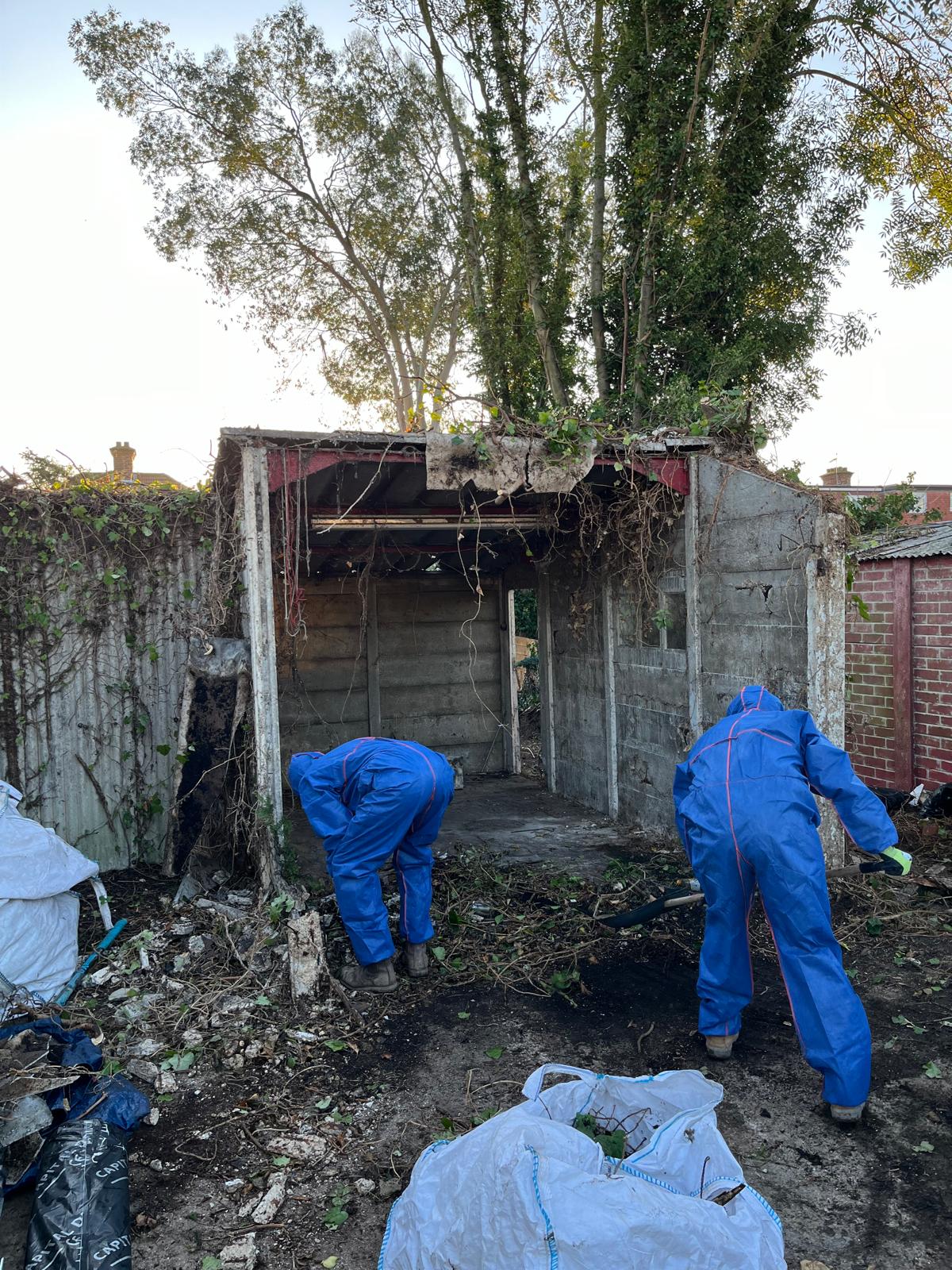
Removal
Material is removed safely, double-wrapped and taken to a licensed disposal facility.
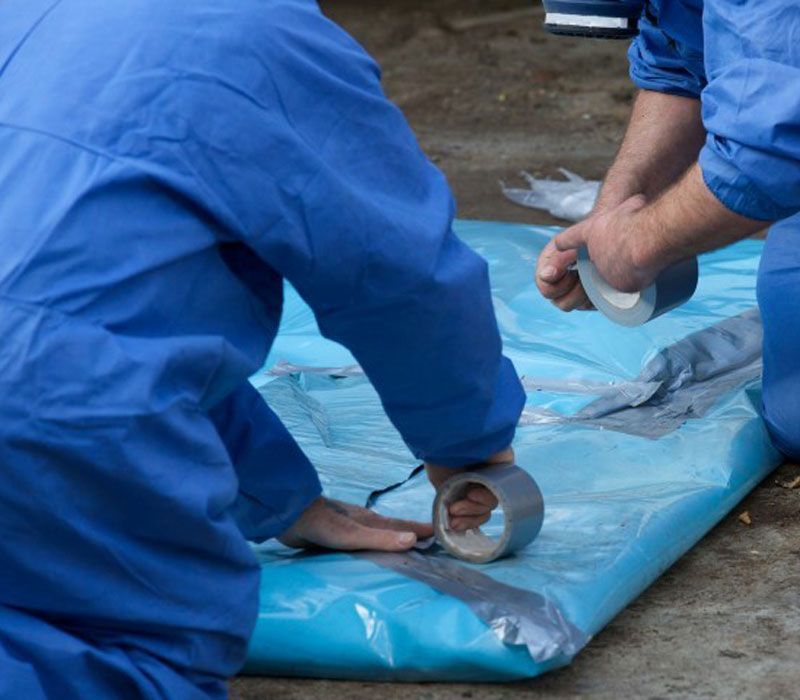
Certificate
You receive a waste consignment note and disposal certificate confirming legal handling.
Why Choose Clearaway
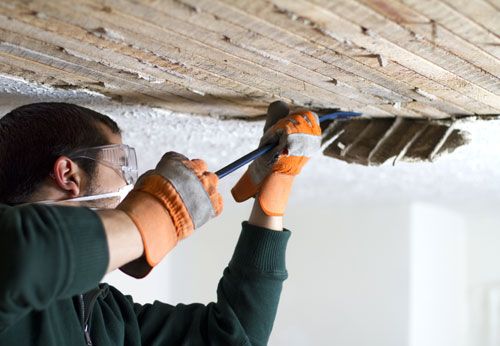
Specialist Crew
Asbestos work is all we do, every day, across the South East.
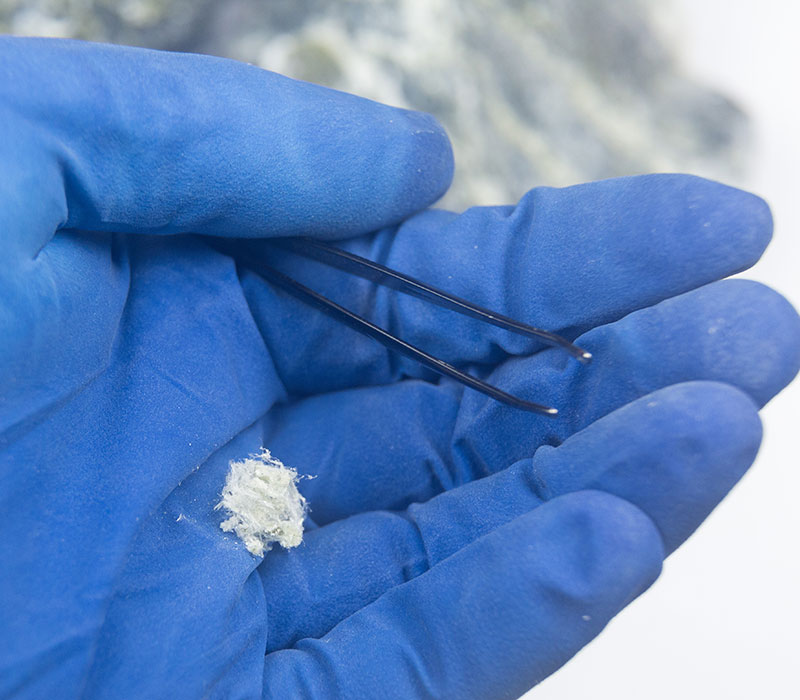
Fully Licensed
Licensed asbestos removal contractor (Licence No. 142305706). Full public liability insurance on every job.
Local & Fast
Surrey-based. Most domestic jobs are booked in and finished within a week.
Our Own Team
We never subcontract. The people who quote your job are the people who do it.
Get in Touch
Send a few details about your project and we will come back the same working day with a fixed price. We cover Surrey, London and the South East, including Esher, Cobham, Kingston, Richmond, Epsom, Guildford, Woking and Croydon.