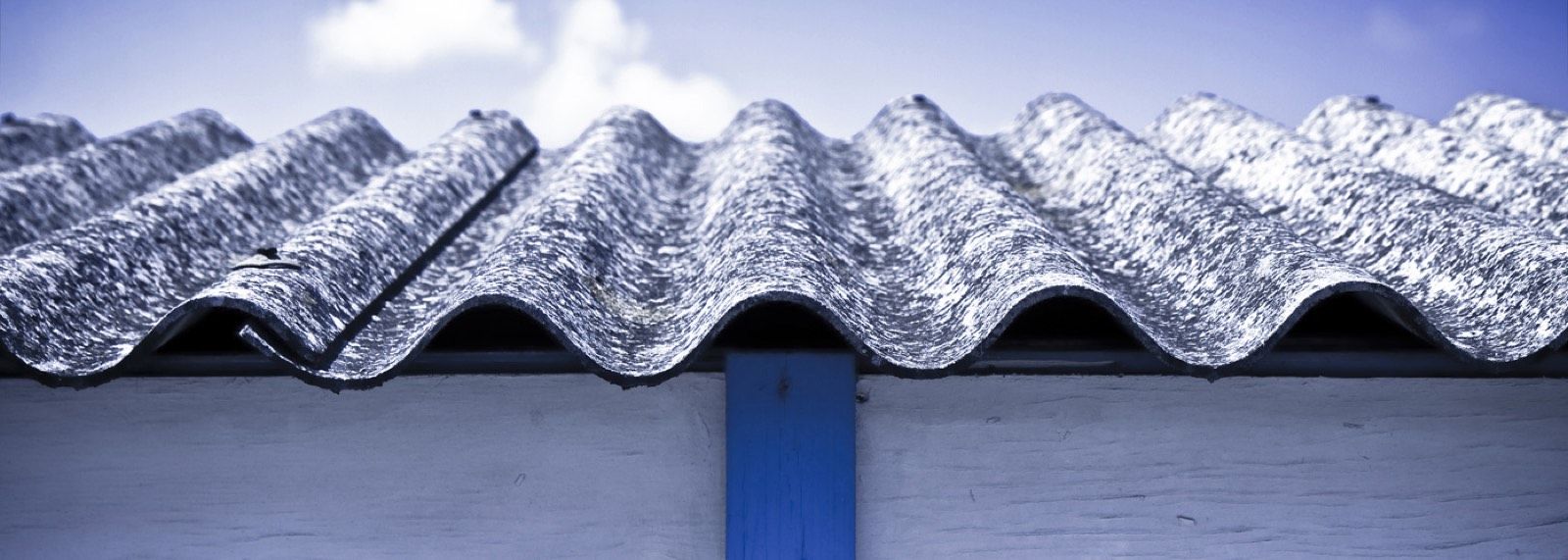
Asbestos Roofing Removal in Camberley
Camberley spreads across the heath in 1930s and postwar semis, and behind them sit cement-roofed extensions, sheds and lean-tos. Where those roofs have weathered for decades, we take the sheets down whole and clear the asbestos safely.
The cement roofs behind Camberley's heath houses
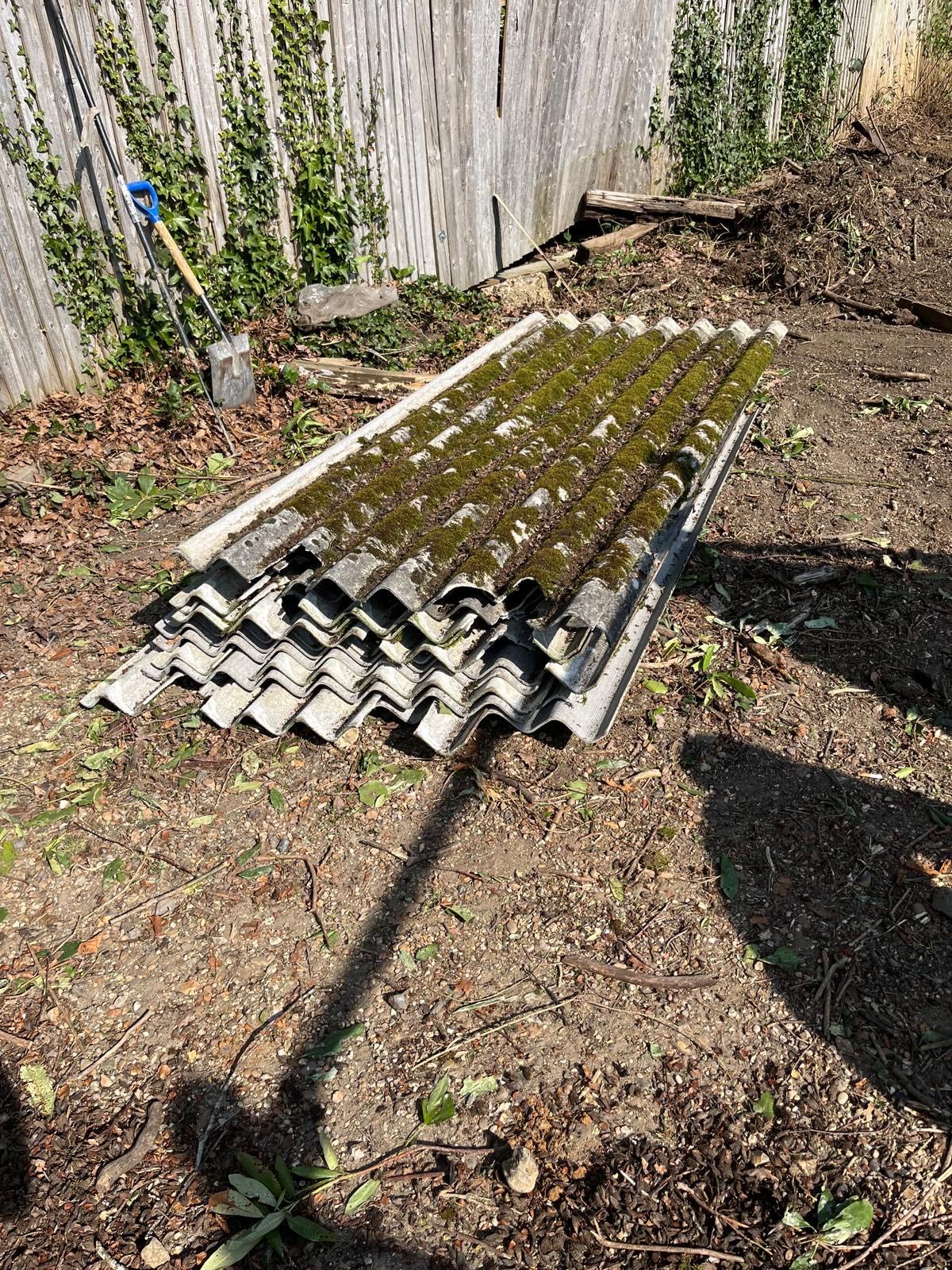
Drive out from the centre towards Yorktown, Old Dean or the streets running on towards Frimley and you pass row after row of 1930s, postwar and later semis and detached houses, spread thinly across the old pine and heath country. A large share of those homes have picked up a single-storey extension, a lean-to off the back, a workshop or a garden shed somewhere along the way. Where that building went up before 1999, the roof is very likely corrugated cement sheet, and a fair amount of it contains asbestos.
The military growth around Sandhurst and the Staff College pushed the town outward in waves, so the housing here is mixed in age but heavy on the interwar and postwar years. That is exactly the period when cement sheeting was the cheap, quick way to cover anything that was not the main house. The same material turns up on detached garages with a room built over them, on the flat roof of a 1960s rear extension, and on the long ranges of outbuildings behind some of the bigger plots out towards Lightwater and Bagshot. On the older Victorian and Edwardian villas nearer the centre you also find cement soffits, gutters and fascia boards tucked up under the eaves, and those count too. They are easy to miss because they sit high and painted, but the cement underneath is the same age and the same material as a shed roof from the same era.
We are based over in Chessington, so for Camberley the team travels out to the western edge of Surrey. Graham runs the jobs himself and takes on the larger residential and commercial roofs as readily as a single garden outbuilding.
Why a weathered roof is the bigger risk
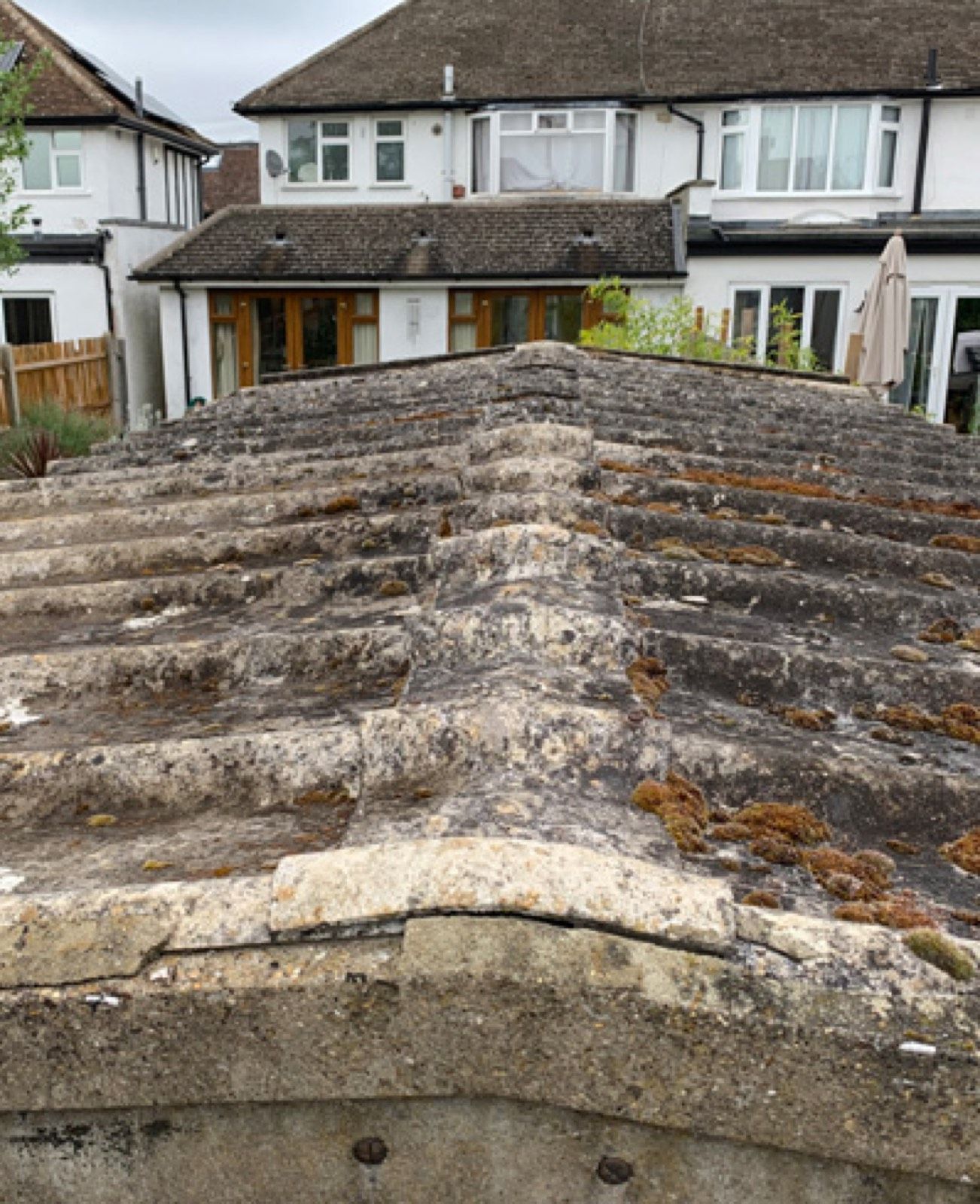
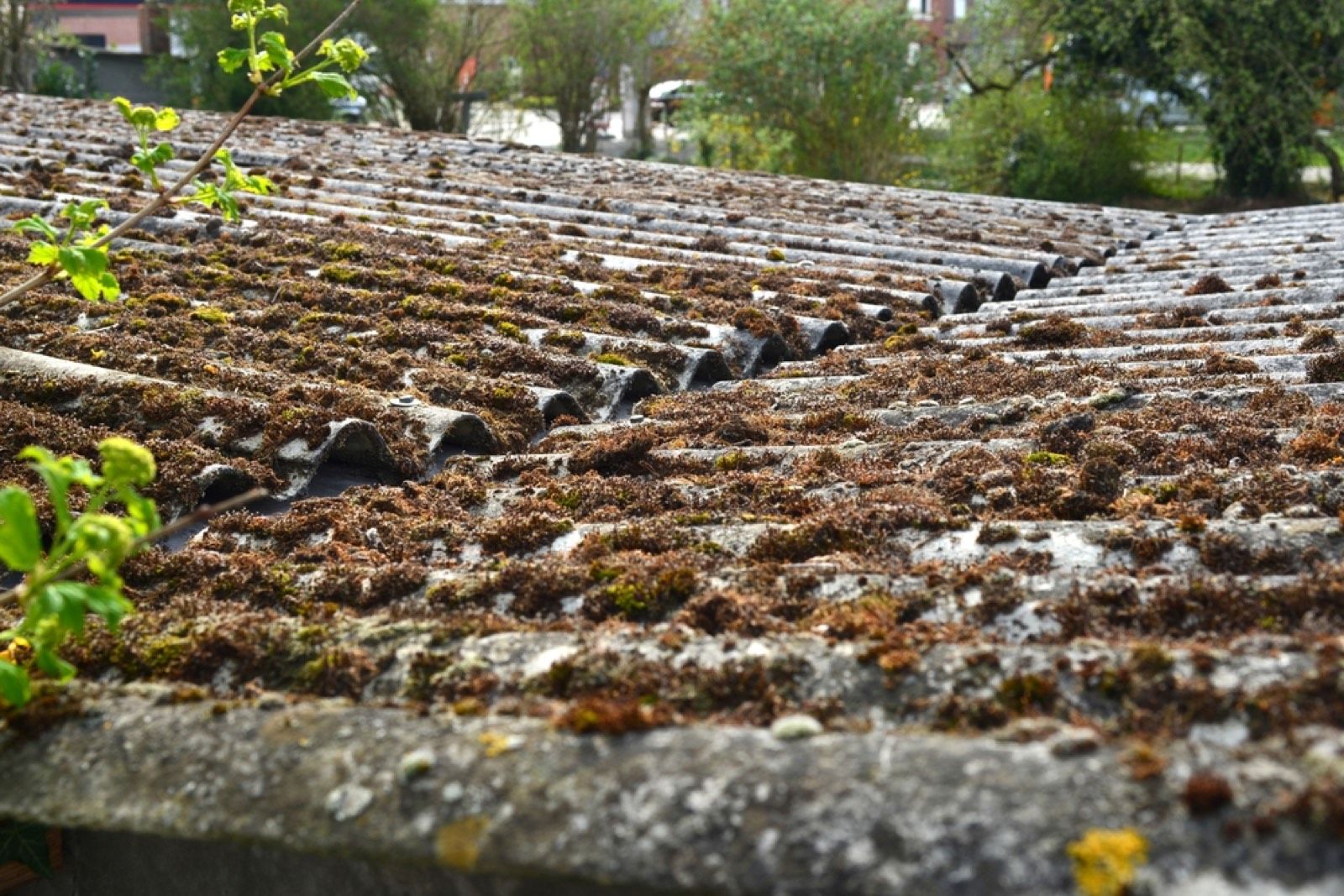
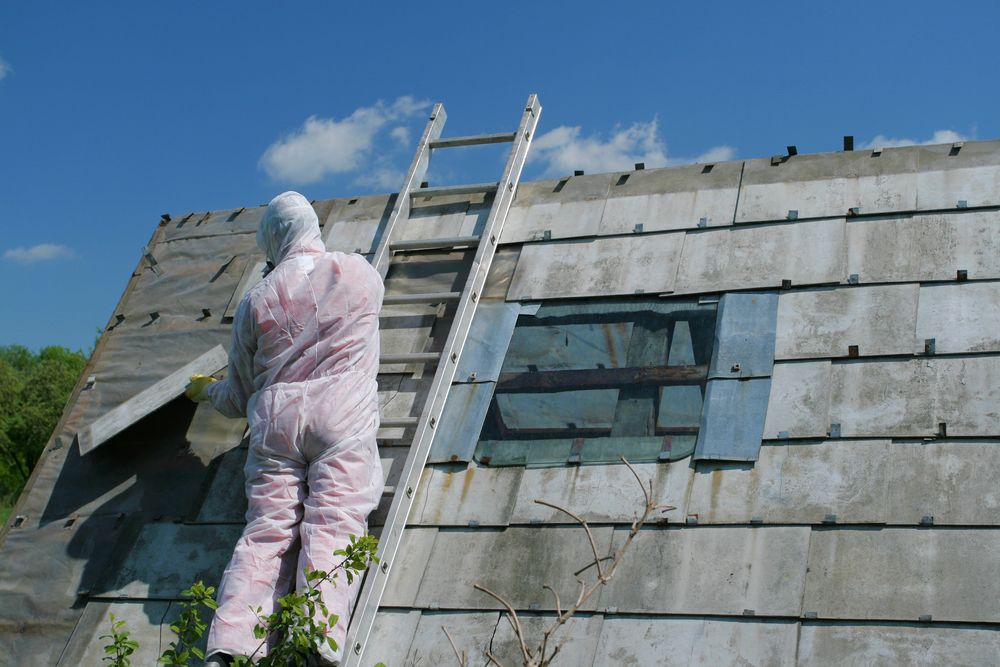
Asbestos cement is most dangerous once it starts to break down. A sheet that has sat through 40 or 50 winters on the heath goes brittle. Frost gets into hairline cracks, moss holds water against the surface, and the cement face slowly powders and flakes. As that happens the fibres bound inside the sheet are no longer held tight, and they can lift off as dust when the roof is knocked, walked on, drilled or hit by a falling branch.
That is the difference between a roof and a wrapped pipe or a sealed board indoors. A roof is out in the weather, fully exposed, and degrading the whole time. A cracked, mossy, soft cement roof on an extension or shed is a higher concern than the same material sitting dry and undisturbed inside the house. It is also the reason these jobs are worth doing properly rather than letting an owner climb up at the weekend and smash the sheets apart, which is the single quickest way to release fibres across a garden and into a neighbour's. Higher roofs add a second problem on top of the first. A two-storey rear pitch, a tall workshop or a roof reached only by ladder over a fragile surface needs real edge protection and safe access before anyone goes near it, because a fall through brittle cement is a danger in its own right.
There is no safe amount of breathing in those fibres, and the damage from them shows up decades later, so the whole point of the controlled approach is to keep the dust out of the air on the day. You cannot reliably tell asbestos cement from a modern fibre-cement replacement by eye, especially once both have weathered to the same dull grey. So if there is any doubt about a roof, a small sample goes off to a UKAS-accredited laboratory and confirms it before a single sheet comes down.
How we take the roof down
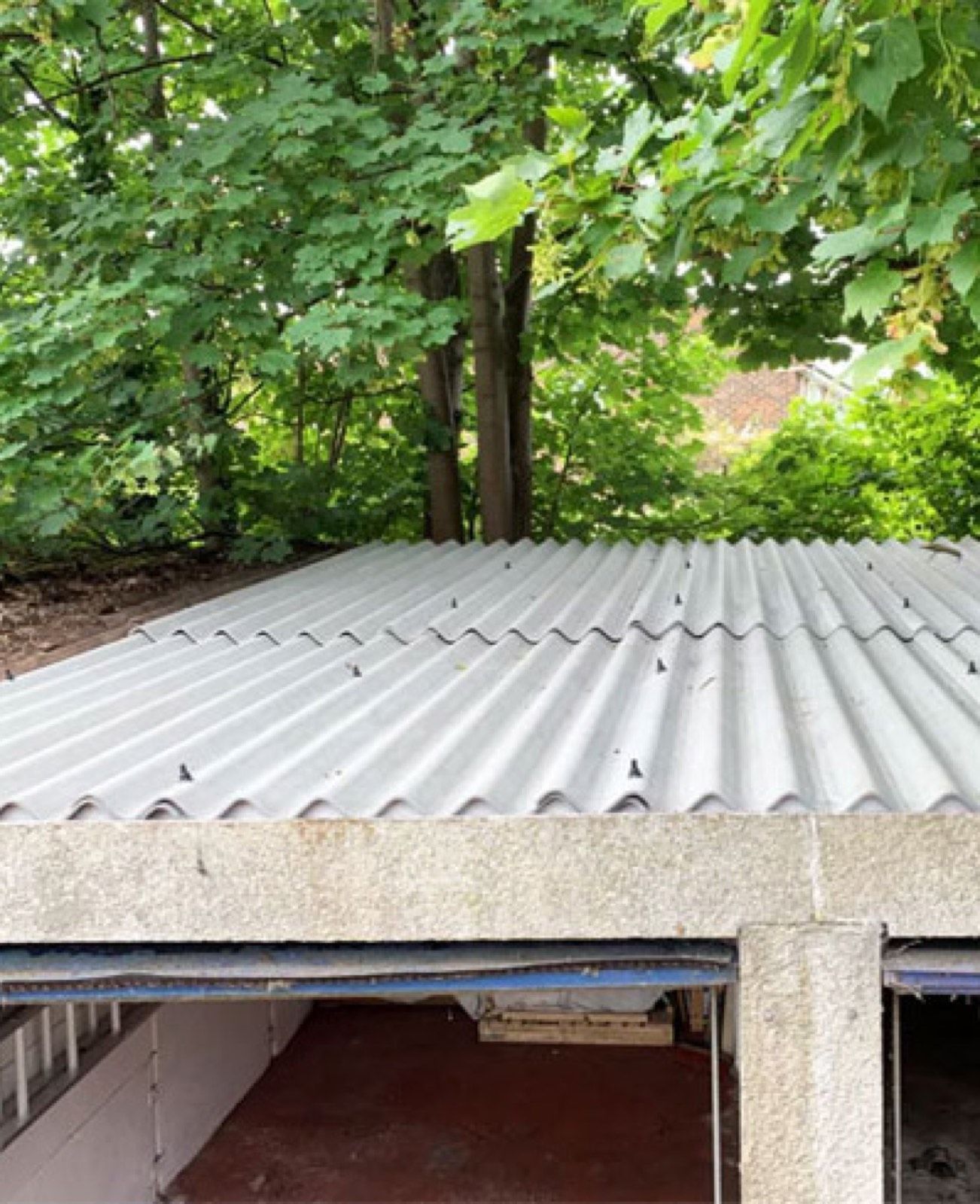
Cement roof sheets come off in one piece wherever the job allows it. Whole-sheet removal keeps the material intact and stops the breaking and dust that turn a clean job into a messy one. The sheets are unbolted or unscrewed at their fixings, lifted down by hand, wrapped and labelled on site, and taken away to a licensed disposal facility rather than thrown into a builder's skip. The drive and the road stay clear, which matters on the tighter postwar streets around Yorktown and Old Dean where there is rarely much room to leave a skip standing.
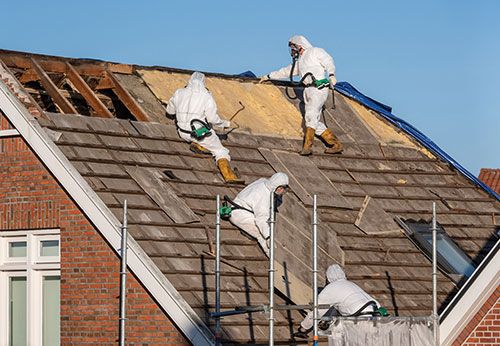
A single-storey extension or a decent garden workshop might carry somewhere between 10 and 30 sheets depending on its size, and a roof like that comes off inside a day on most domestic jobs. Larger or higher roofs, a long range of outbuildings behind one of the bigger houses, or a steep two-storey pitch take longer and need scaffold, proper access and edge protection, but the method does not change. Soffits, gutters and fascia boards are removed in their own runs, taken off in lengths and double-bagged the same way as the sheets.
Most of this is non-licensed work that we can carry out directly, with the area kept clear of other people and the waste removed the same day. Where a roof turns out to be higher-risk material, the licensed standard applies in full: 14 days written notice to the HSE before work starts, the area put under full enclosure, and four-stage clearance testing signed off by an independent analyst at the end, so the space is proven clean before normal use resumes.
Replacing the roof and what happens next
Once the old sheets are gone the structure underneath is in most cases sound enough to take a new roof straight away. For an extension, outbuilding or workshop the common replacements are galvanised steel box-profile sheet, which is light and quick to fit over an existing frame, a three-layer torch-on felt for a flat or shallow roof, asbestos-free fibre-cement sheet that keeps the original look on a more visible building, or a tiled finish where the roof can be seen from the house and the owner wants it to match. We can also box out and reline soffits and fascias once the cement runs have come off, so the eaves are left finished rather than open.
Getting an old cement roof off an extension or shed is not a job to rush or to do yourself. Booked in properly it is quick, contained and tidy, the garden is left clear, and the waste is gone the same day on most domestic roofs. If you have a cement roof on an outbuilding, a lean-to, a flat-roof extension or a higher pitch anywhere around Camberley, Frimley, Frimley Green, Lightwater or Bagshot and you are not sure what it is, the sensible first move is a sample and a proper look before anything is touched.
Clearaway works under Spectra licence number 142305706 and has spent more than seven years on roofs, outbuildings and older villas across this western side of Surrey. To talk through a roof in Camberley and get it looked at, call 0800 024 6168.
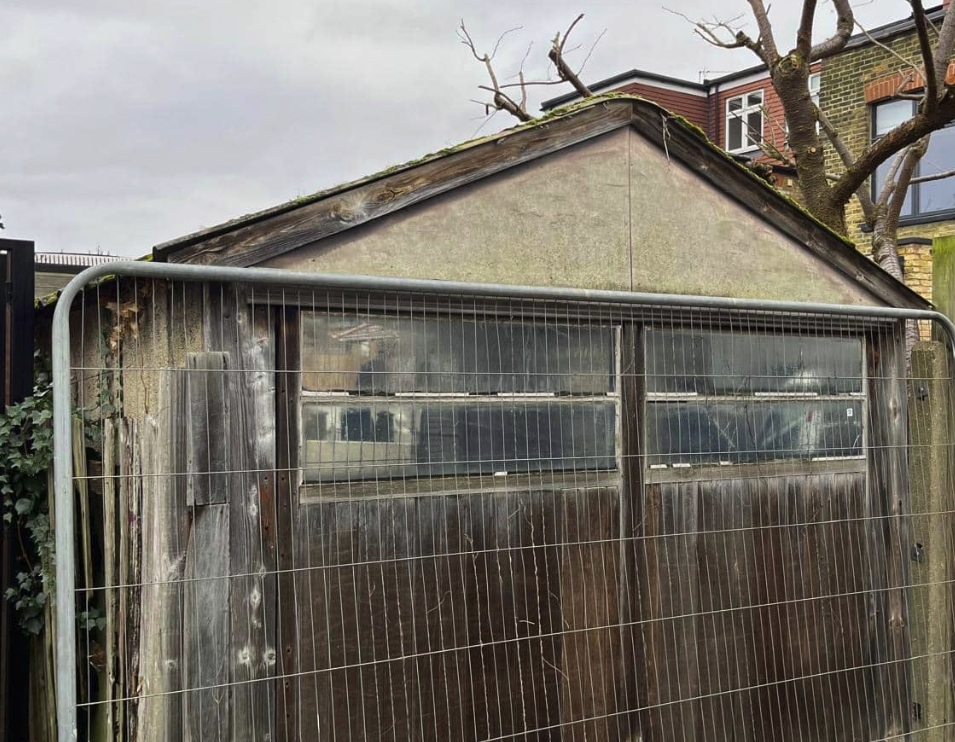
Full Asbestos Garage Demolition, Surrey
Surrey · Garage Demolition
View this project"Clearaway Asbestos did a brilliant job coming out to survey our old garage roof for asbestos. They were professional and we were impressed with the job they did replacing the garage roof"
Our Removal Process
From first call to final certificate, every job follows the same clear four-step process.
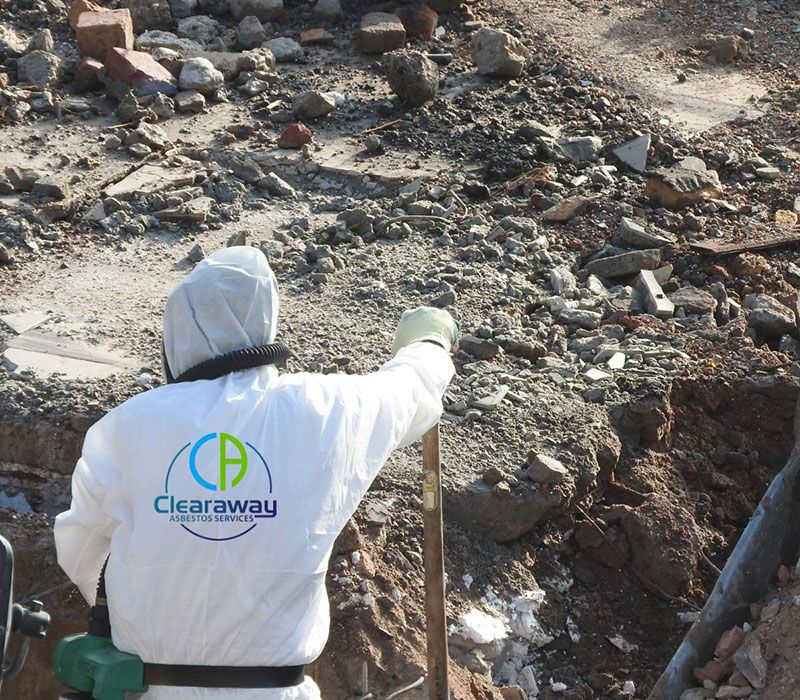
Survey
We inspect the property and confirm the material. Sampling available if required.
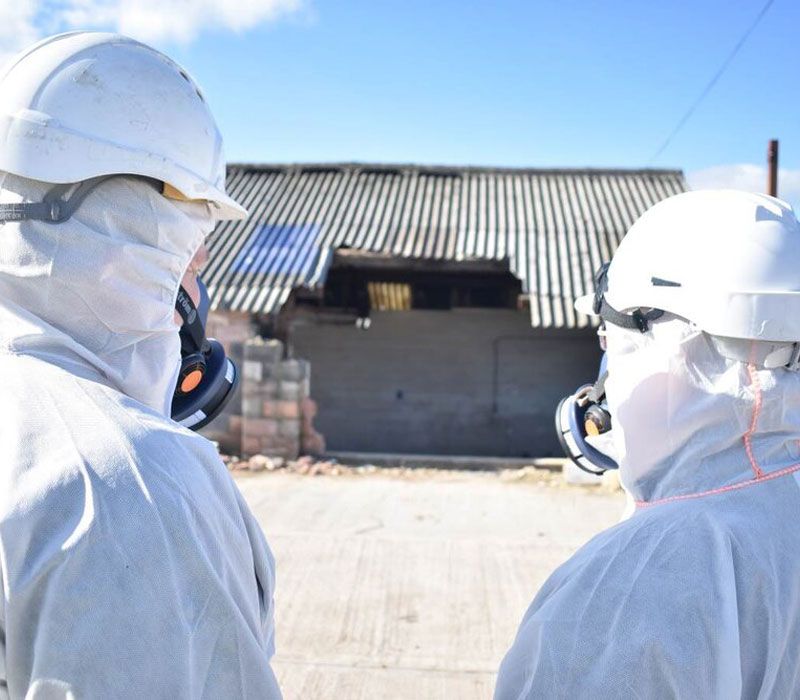
Quote
Fixed written price covering removal, disposal and any replacement work.
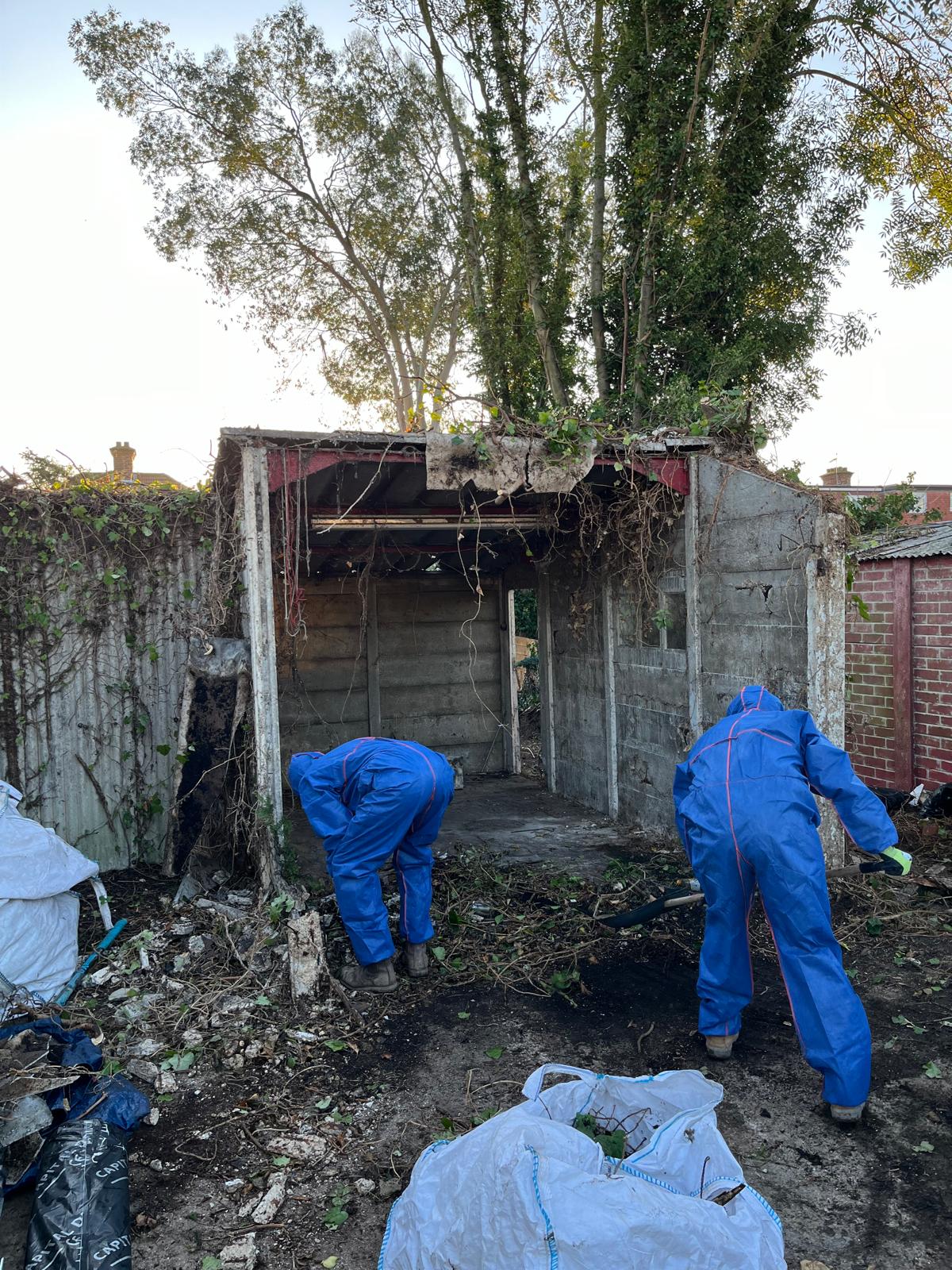
Removal
Material is removed safely, double-wrapped and taken to a licensed disposal facility.
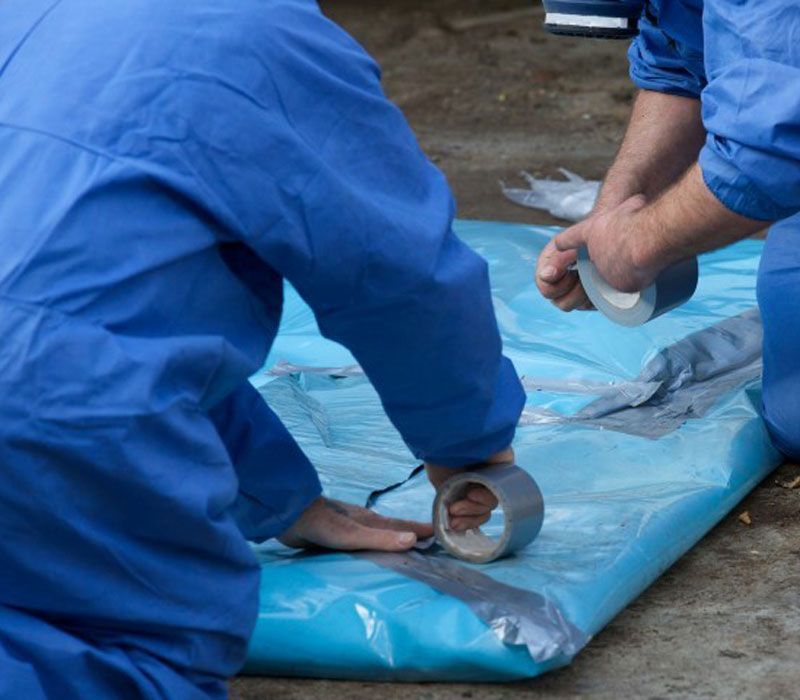
Certificate
You receive a waste consignment note and disposal certificate confirming legal handling.
Frequently Asked Questions
Why Choose Clearaway
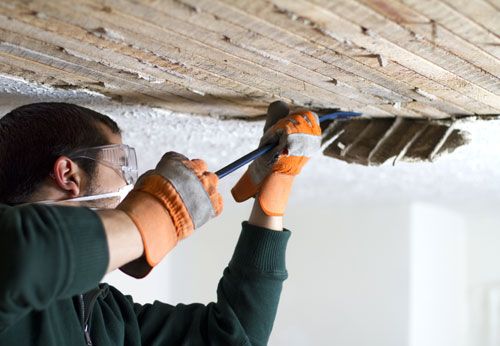
Specialist Crew
Asbestos work is all we do, every day, across the South East.
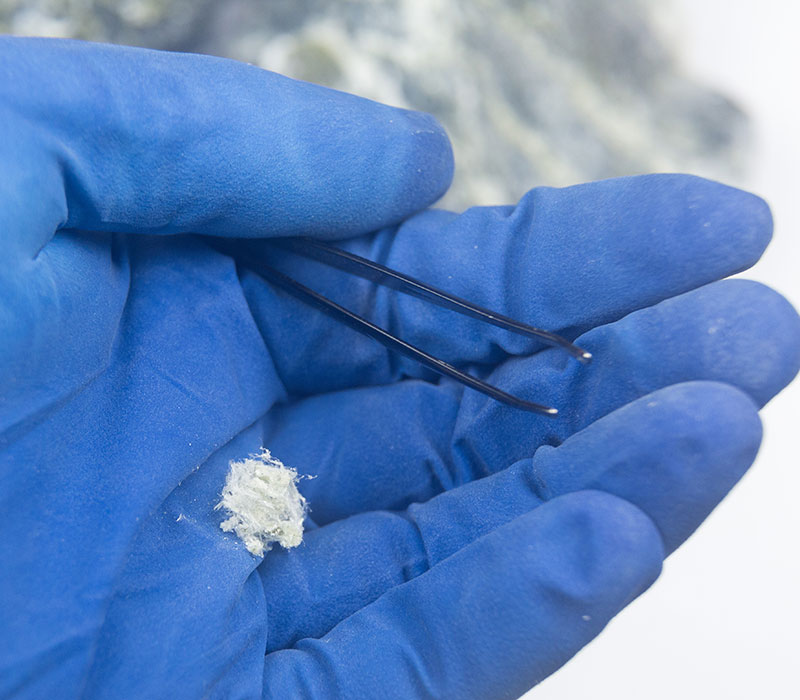
Fully Licensed
Licensed asbestos removal contractor (Licence No. 142305706). Full public liability insurance on every job.
Local & Fast
Surrey-based. Most domestic jobs are booked in and finished within a week.
Our Own Team
We never subcontract. The people who quote your job are the people who do it.
Get in Touch
Send a few details about your project and we will come back the same working day with a fixed price. We cover Surrey, London and the South East, including Esher, Cobham, Kingston, Richmond, Epsom, Guildford, Woking and Croydon.