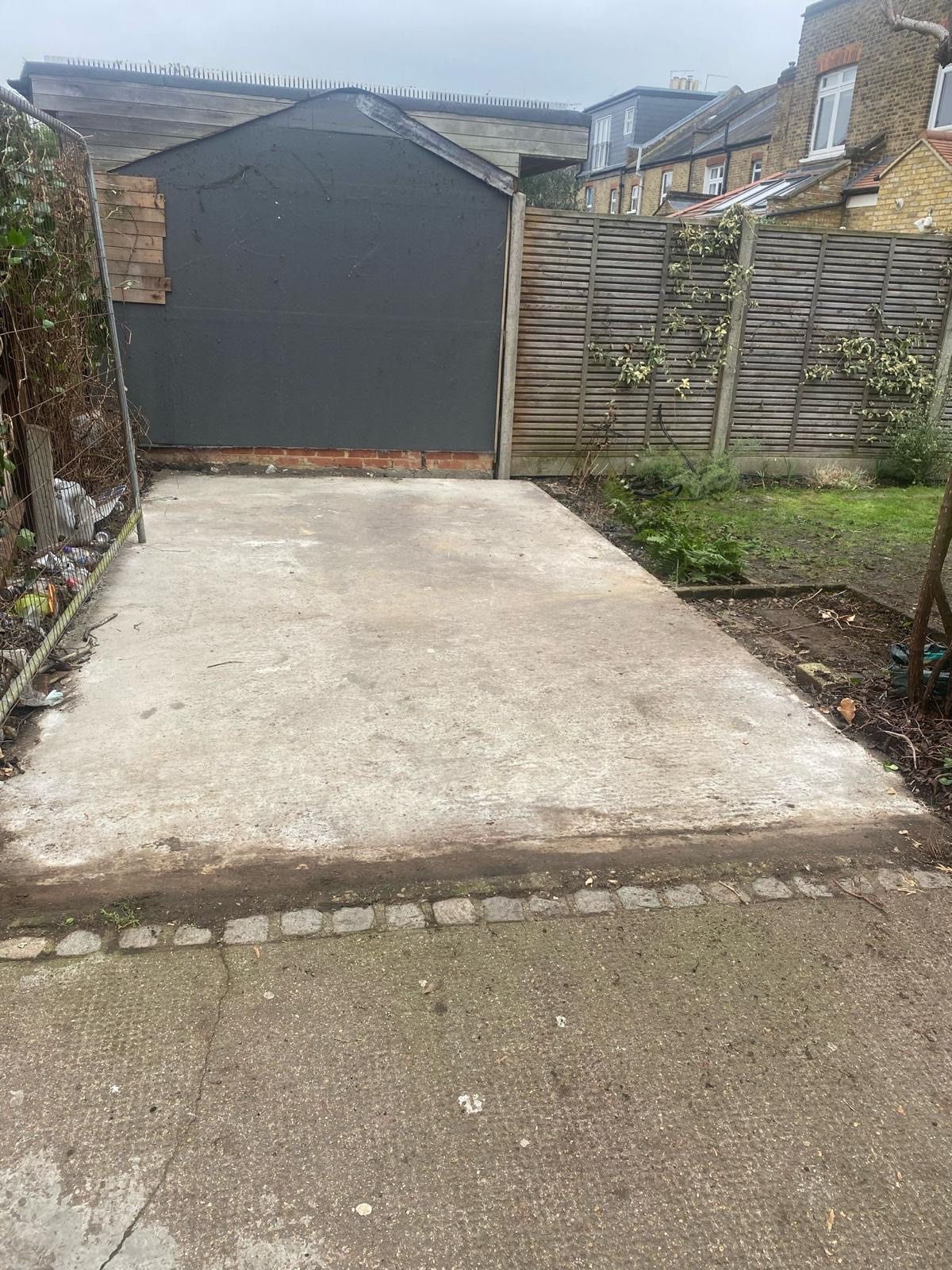
Asbestos Garage Removal in Chelsea
Chelsea hides its garages out of sight, in the cobbled mews and coach houses behind the King's Road and Cheyne Walk. Where a cement roof or old panel turns out to hold asbestos, we take it down whole and clear the lane.
The garages behind the grand frontages
Drive down most streets in SW3 and you will not see a garage. Chelsea is white stucco terraces and red-brick mansion blocks, garden squares and tall period houses split into flats, and almost none of it came with the suburban driveway and pitched garage you find further out. The honest answer is that the classic detached garage is rare here. What you do find is tucked away. The cobbled mews behind the grand frontages were built for carriages and horses, and many still carry a coach house or a lock-up at ground level, with living space above.
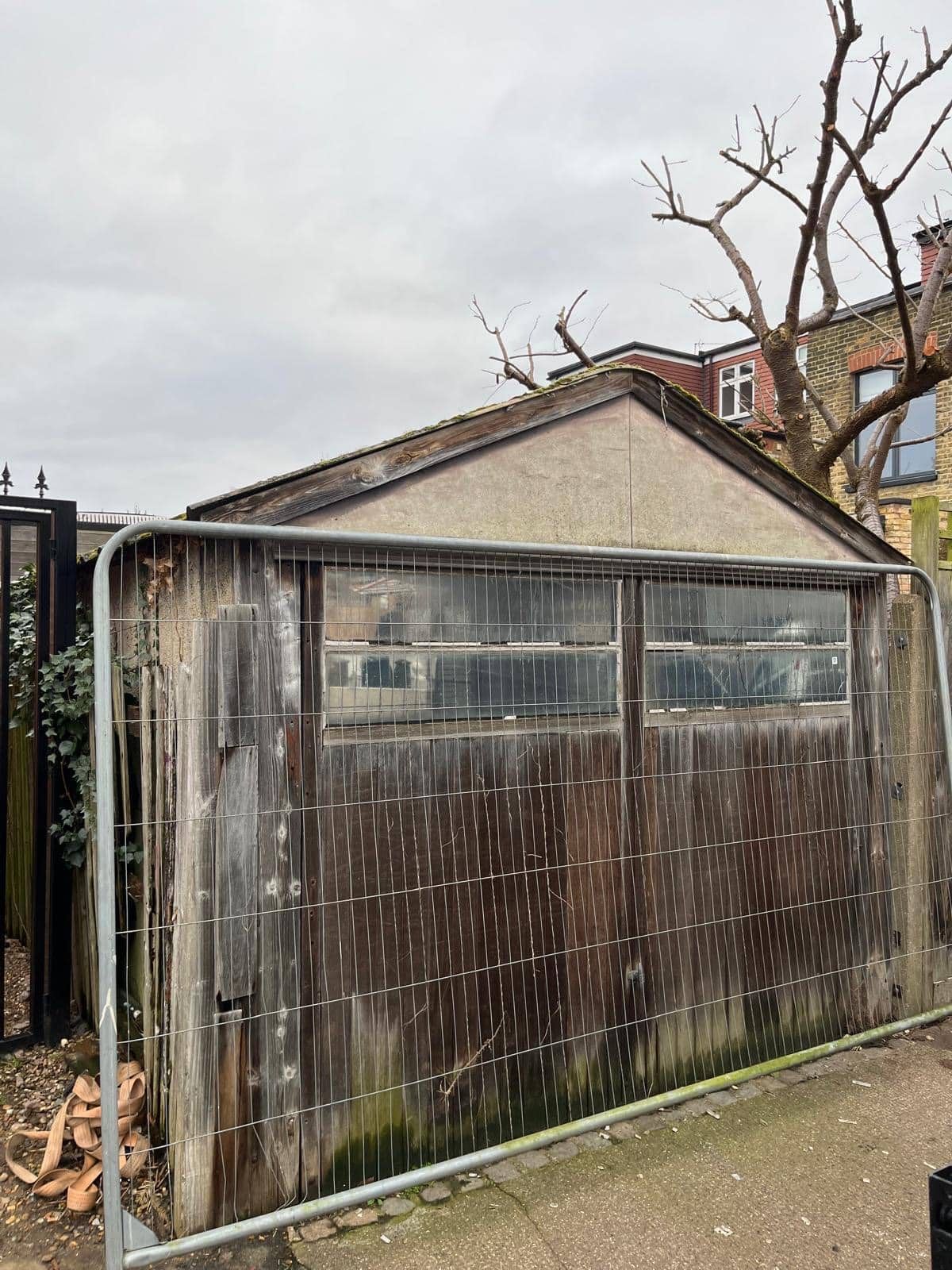
Those older mews structures and the small outbuildings dotted around the back of larger houses are where any external asbestos tends to sit. A lock-up might have a corrugated cement roof. A coach house could have cement sheet on a lean-to at the rear, or asbestos panels boxing in an old store. These were practical materials, cheap and fireproof, fitted between roughly the 1950s and the 1980s and weathered ever since. The Chelsea twist is that most of these spaces stopped being garages long ago. A mews lock-up is now a studio, a store or part of a house, and the cement roof above it has often just been left in place and forgotten.
Most owners have no idea what is over their head until something forces the question. A roof starts leaking into the room below. A survey for a sale or a refinance flags the material. Or the wider house is being worked on and the old outbuilding finally gets attention. That is usually the point at which someone in SW3 picks up the phone about a garage roof, and almost always the first thing they want to know is whether it contains asbestos at all.
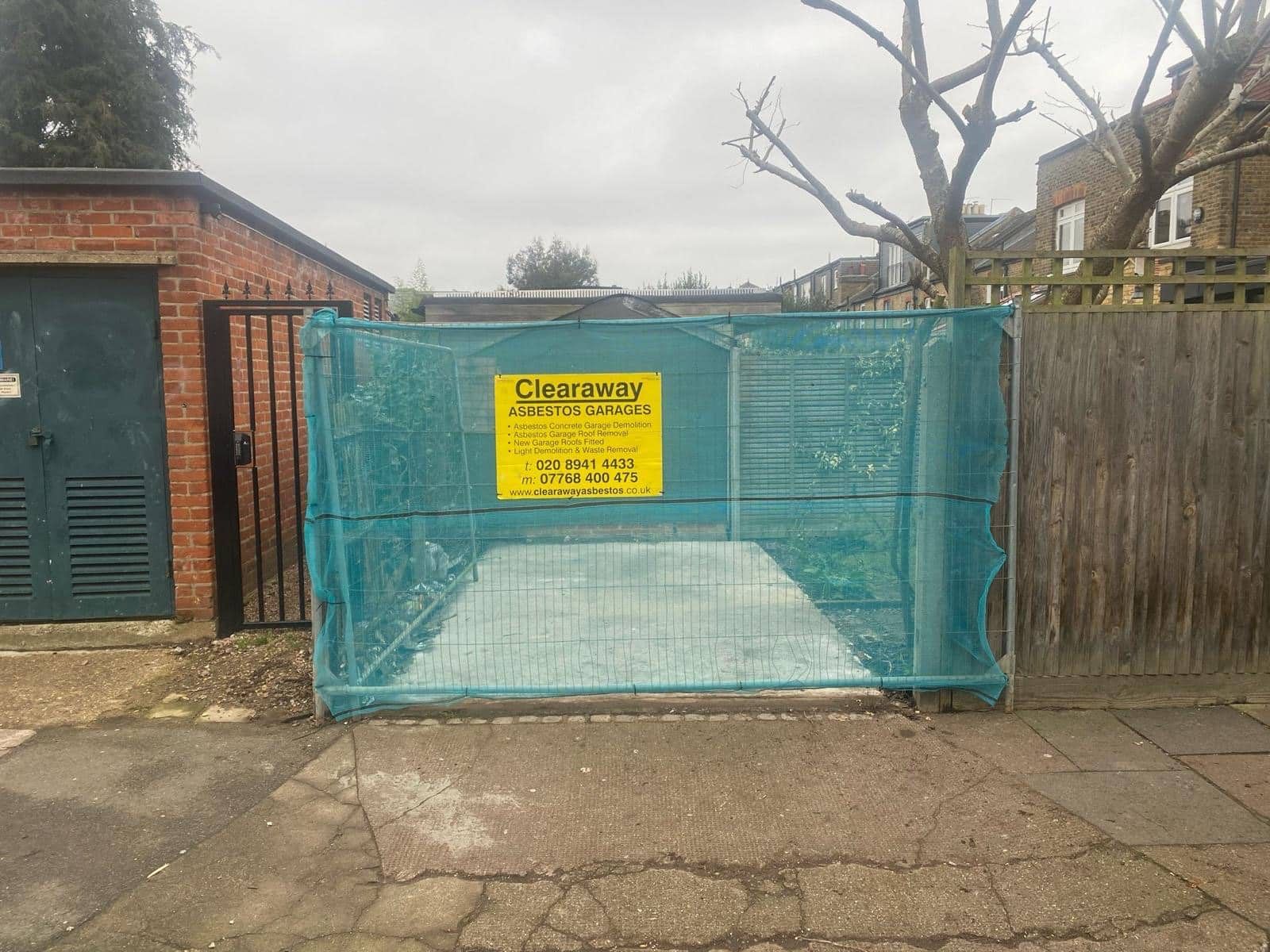
What a small cement roof actually involves
A typical mews lock-up or coach house roof is a modest run of corrugated cement sheet. As a rough guide, a single-bay garage roof is around six to ten standard sheets, and a sheet is usually about 1.8 metres long. That is a small job by any measure. A single roof of that size normally comes down in three to five hours, start to finish, on the same day.
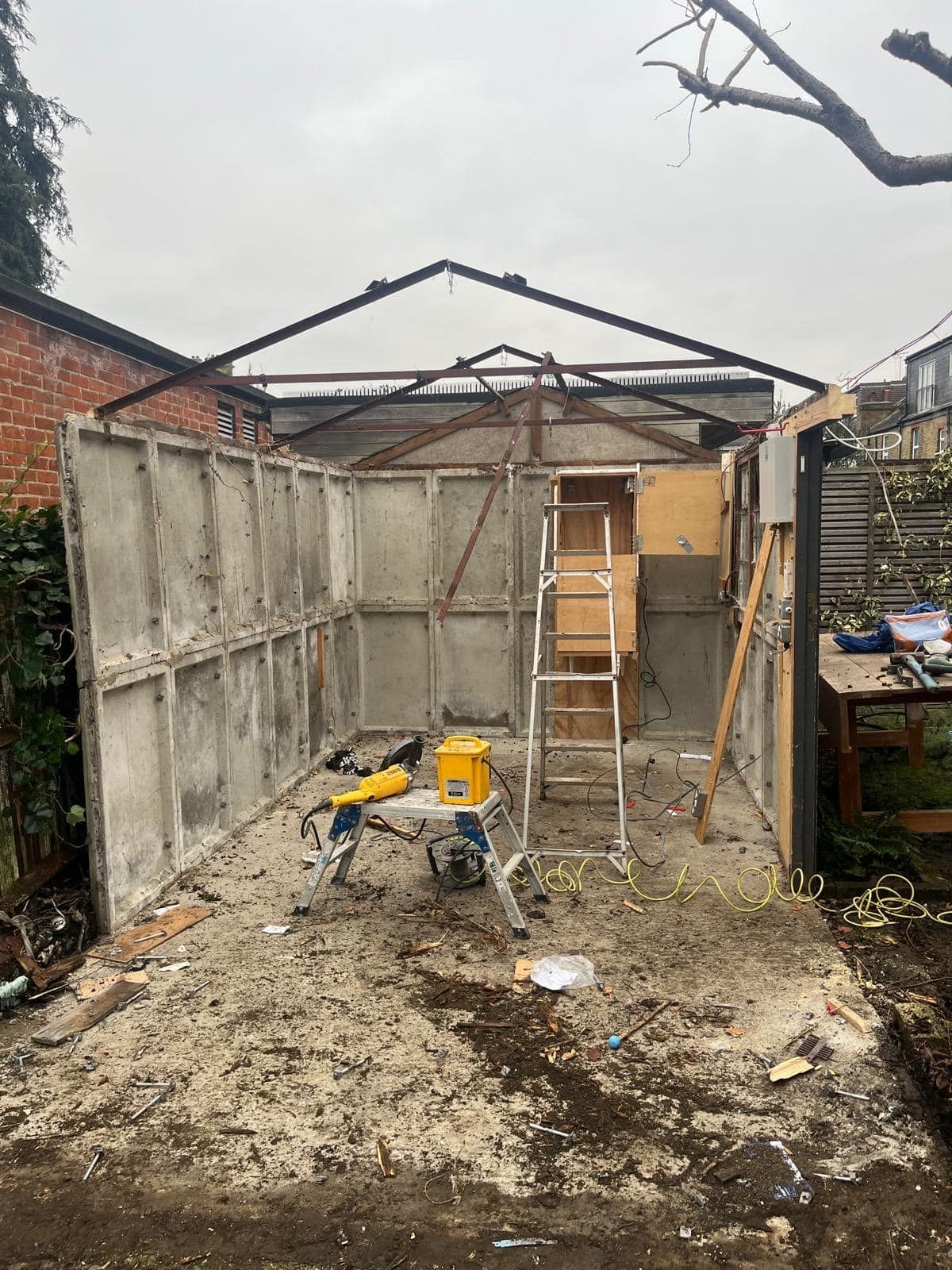
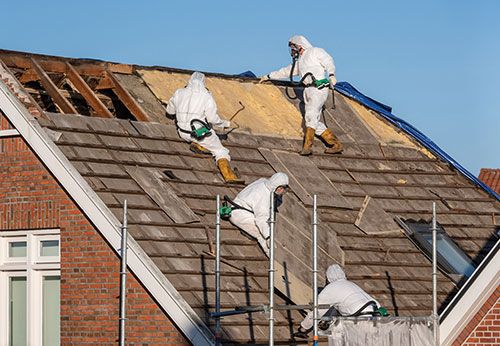
The method is the part that matters. Old cement sheet is brittle and the fibres are bound into it, so the work is about not breaking the material. We unbolt and lift each sheet down whole rather than smashing it, keeping each one intact, then double-wrap it and take it off site to a licensed facility. A small roof of six to ten sheets is light, manageable work, and it leaves the lane clean afterwards. There is usually no need for a skip sitting in the mews, which keeps a narrow cobbled lane passable for neighbours and deliveries while we are there.
Where the sheet sits low to the ground and the material is in reasonable condition, this is non-licensed work and does not need the longer notice period. The corrugated roof is the usual find, but the same approach covers cement panels boxing in an old store or a short cement lean-to against the back of a coach house. A weathered sheet that has started to crack or flake needs more care than a sound one, because broken edges are where loose fibres come from, so the condition of the roof drives how the area is set up. The complication in Chelsea is rarely the roof. It is access. Mews lanes are tight, parking is at a premium, and a coach house roof at first-floor level may need a tower or scaffold to reach safely. We plan that before the van arrives so the removal itself stays quick.
Listed buildings, mews access and replacement
Much of Chelsea sits inside a conservation area, and a great many houses, coach houses and mansion blocks are listed. That changes how an external job is set up. Scaffold and access have to be planned, a parking suspension is often needed in a narrow mews, and original brickwork, plasterwork and joinery have to be protected while the old roof comes off. If the wider project already has listed building consent, the asbestos work has to fit around it rather than cut across it.
Once the asbestos sheet is gone, the structure needs a new roof. The common replacements on a small mews garage or outbuilding are galvanised steel box-profile, which is light and quick to fit, three-layer torch-on felt for a flat or near-flat roof, a tiled or flat roof to suit the setting, or modern asbestos-free fibre cement that looks close to the original. On a listed coach house the choice often comes down to what reads correctly from the lane and what any consent allows. Where panels rather than a full roof are involved, boxing the area back out in a non-asbestos board is usually the tidiest finish.
Clearaway works to that detail because in Chelsea the paperwork and the look both have to hold up. A roof that suits a quiet residential mews is not the same as a quick industrial fix, and on a listed building the wrong choice can mean doing it twice. Neighbours are close in a mews, the lane is shared, and the work sits in full view of the houses around it, so a clean site and a tidy finish are part of the job rather than an afterthought. We are happy to talk through which replacement suits a particular mews before any sheet comes down.
Why owners here use a licensed firm
Asbestos removal in this part of London is not the high-volume work it is in the suburbs. There are fewer garages, and the ones that exist are usually attached to listed mews property or sit behind a managed mansion block, so a documented job with the right cover matters more than speed. Clearaway is based in Chessington in KT9, so for Chelsea we travel in, and we take on the larger flat and house clearances, full strip-outs and the external mews and coach house work where the licence and the records carry weight. The owner Graham runs the jobs.
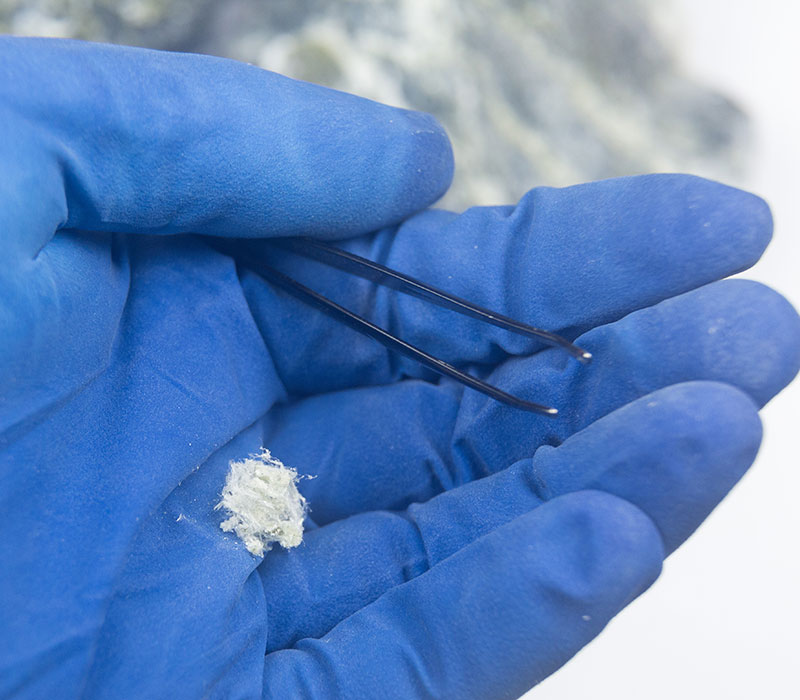
For straightforward, low-lying cement roofs in sound condition, the work is non-licensed and runs quickly. Where the material is higher risk, the standard is stricter: 14 days of notice to the HSE before work starts, full enclosure of the area, and four-stage clearance testing signed off by an independent analyst before anyone uses the space again. Either way, suspect material is sampled first and sent to a UKAS-accredited laboratory, because you cannot tell by eye whether a sheet or panel actually contains asbestos.
If you have a mews garage, a coach house roof or an old outbuilding in SW3 and you want it checked or cleared, Clearaway holds Spectra licence number 142305706 and has spent more than seven years working across this area. Call 0800 024 6168 and we will talk it through.
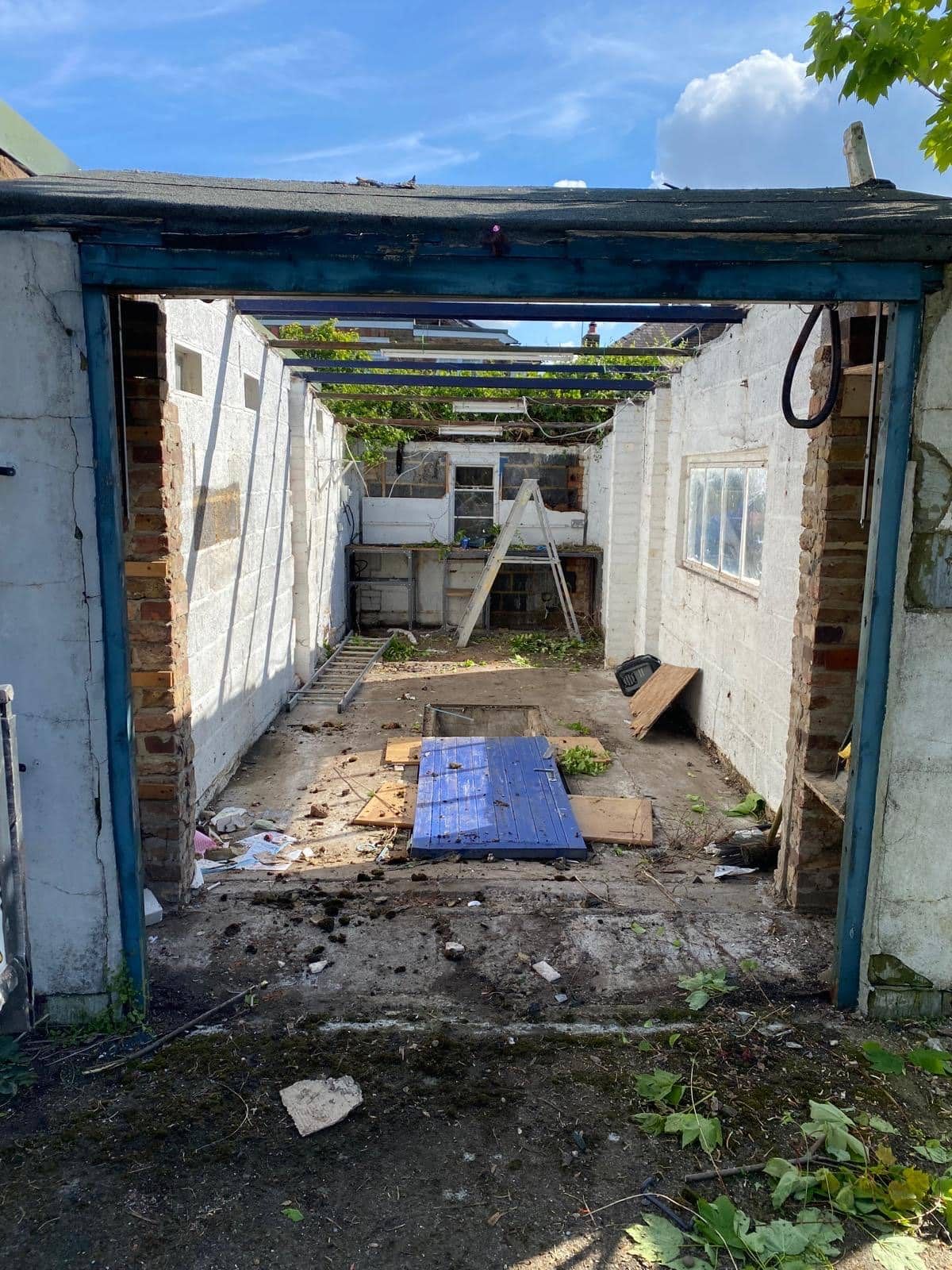
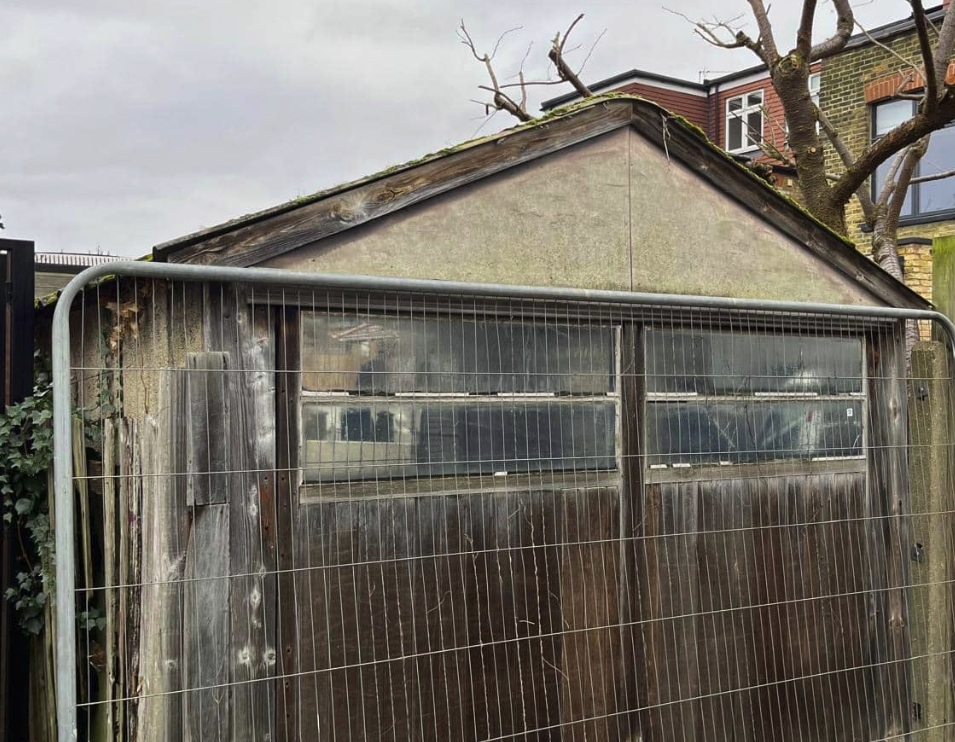
Full Asbestos Garage Demolition, Surrey
Surrey · Garage Demolition
View this project"Graham and his team done an excellent job of removing and replacing my asbestos garage roof and I wouldn't hesitate in recommending them"
Our Removal Process
From first call to final certificate, every job follows the same clear four-step process.
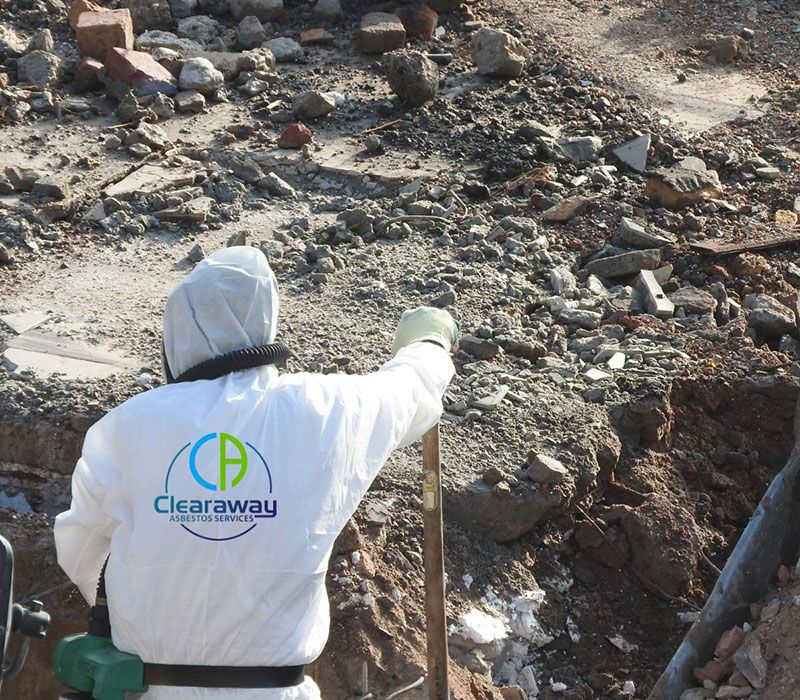
Survey
We inspect the property and confirm the material. Sampling available if required.
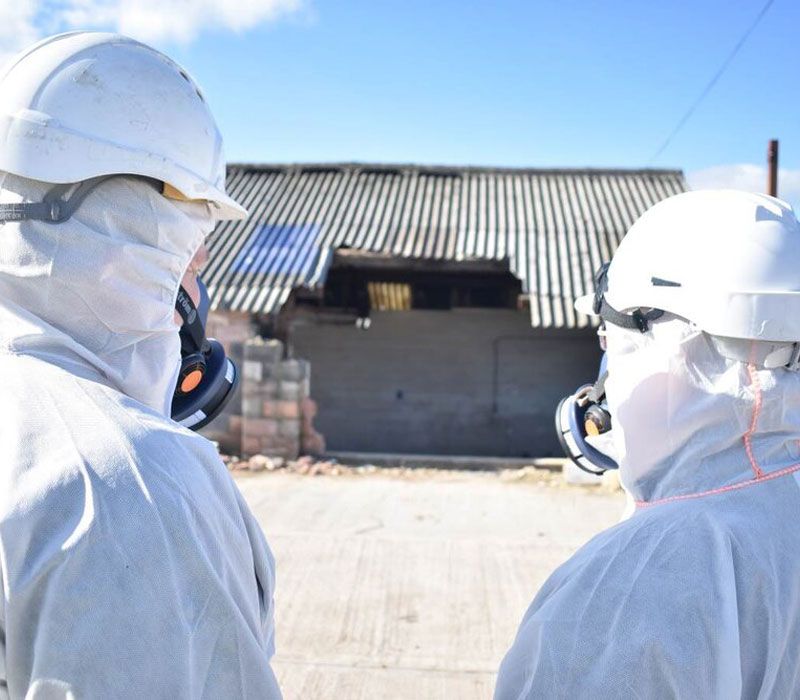
Quote
Fixed written price covering removal, disposal and any replacement work.
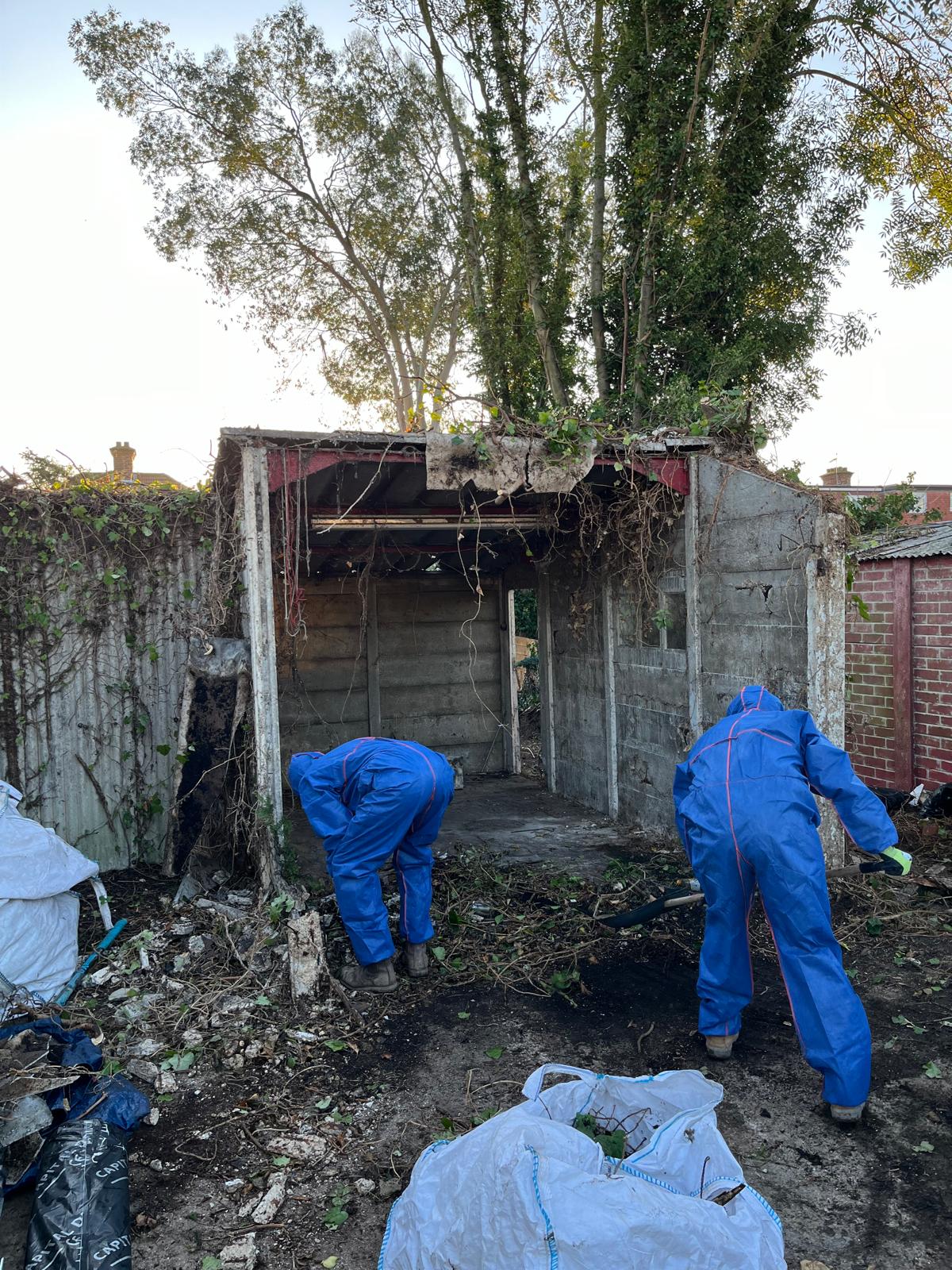
Removal
Material is removed safely, double-wrapped and taken to a licensed disposal facility.
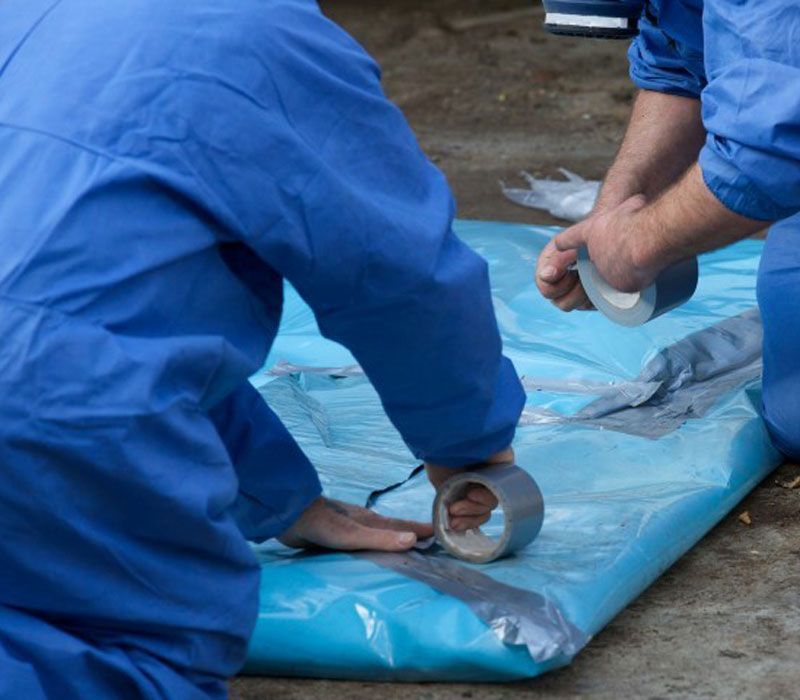
Certificate
You receive a waste consignment note and disposal certificate confirming legal handling.
Frequently Asked Questions
Why Choose Clearaway
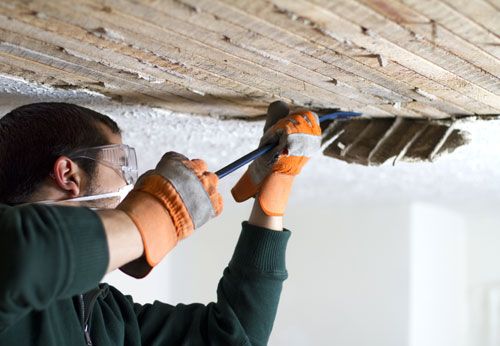
HSE Licensed Removal
Higher-risk material handled under full enclosure, with the 14 days of HSE notice the law requires and independent clearance testing.
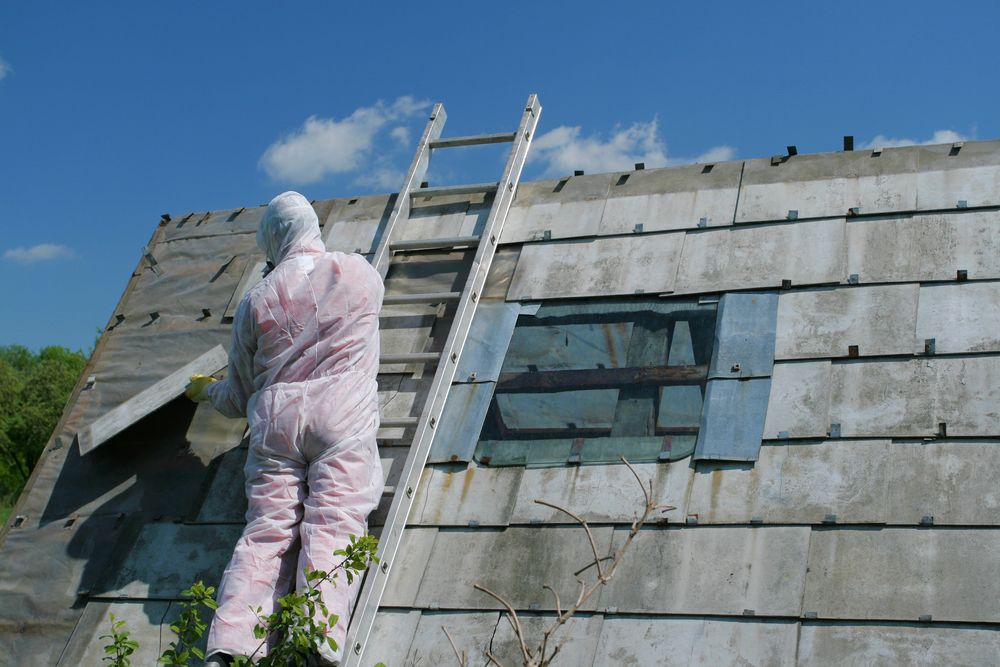
Planning Aware
Used to conservation areas and listed buildings: scaffold and access planned around the restrictions, original fabric protected.
Fully Licensed
Licensed asbestos removal contractor (Licence No. 142305706). Full public liability insurance on every job.
Our Own Team
We never subcontract. The people who quote your job are the people who do it.
Get in Touch
Send a few details about your project and we will come back the same working day with a fixed price. We cover Surrey, London and the South East, including Esher, Cobham, Kingston, Richmond, Epsom, Guildford, Woking and Croydon.