Asbestos Floor Tile Removal in Wimbledon
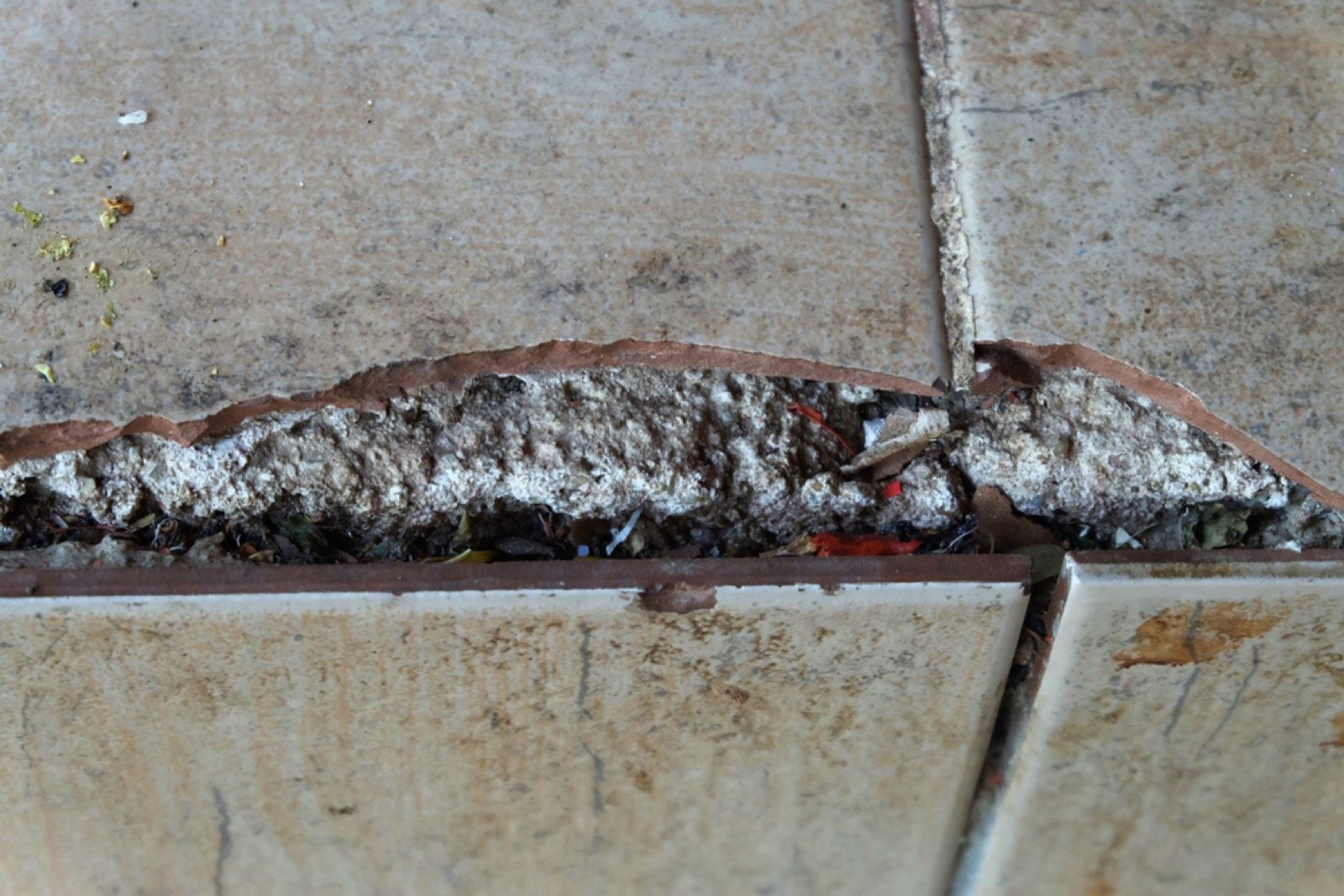
Pull up the old lino in a Wimbledon Park terrace or a Raynes Park semi and you often find small floor tiles set in black adhesive. Those tiles, and the glue under them, can hold asbestos.
What lies under the kitchen floor
Most floor tile work in Wimbledon starts the same way. Someone strips out a tired kitchen, lifts a carpet in a back room, or takes a worn sheet of lino off a hallway, and underneath sits a layer of small square tiles. Down the hill, in the Victorian and Edwardian terraces around the centre and Wimbledon Park, those tiles often date from a mid-century floor that was simply covered over rather than removed. The same shows up in the 1930s semis running towards South Wimbledon and Raynes Park, where back kitchens and sculleries were retiled decades ago and then forgotten about under whatever went down next.
The tiles themselves are usually thermoplastic or vinyl, roughly nine inches square, in muted browns, greens and greys. They were a cheap, hard-wearing floor for a kitchen or a hallway, which is why so many south-west London homes ended up with them. On their own they are fairly stable. The part that catches people out is the black bitumen adhesive bedded into the screed beneath them. That glue is where asbestos was often added, and it stays stuck to the floor long after the tiles have lifted or cracked.
You cannot tell by looking whether either the tile or the adhesive contains asbestos. The colour, the size and the smell of old bitumen are not proof of anything. That is why a small sample of both the tile and the glue goes off to a laboratory before anyone takes a scraper to the floor. It is a cheap, quick step that settles the question, and it stops a routine kitchen refit in a Wimbledon terrace turning into a problem halfway through the morning.
The black glue is the real job
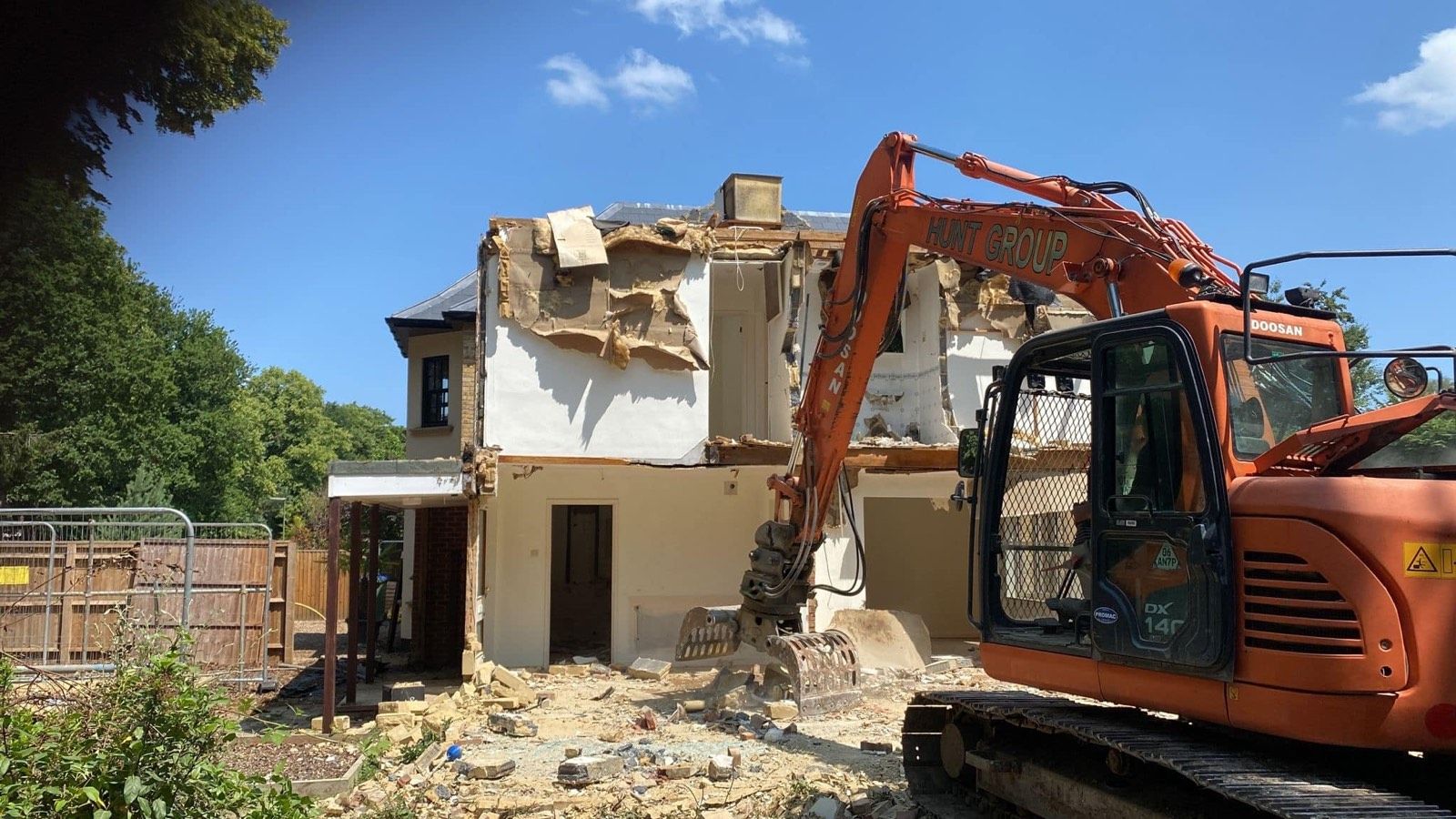
Homeowners tend to think the tiles are the problem. More often it is the adhesive. A tile can pop up in one piece if the bond has already failed, and a stack of loose tiles looks like an easy afternoon. The black bitumen layer is a different matter. It has had decades to key into the screed, and on a Wimbledon floor that has carried furniture and footfall since the 1950s it can be hard, brittle and stubborn. Lift one tile and the glue often stays welded to the floor below.
That is the bit that tempts people into trouble. Hacking at dried bitumen with a chisel, taking an angle grinder to it, or hiring a floor sander to take it back flat all break the material up and put fibres into the air of the room. None of those shortcuts can be undone once the dust is up. The right approach is the opposite of brute force. The tiles come up whole where they can, the adhesive is lifted in a controlled way rather than ground or sanded, and the floor is kept damp throughout so nothing dries out and turns to dust.
Where the glue genuinely refuses to shift, it is sometimes better to seal it and cover it than to keep fighting it, especially under a new floor that will sit flat over the top. That call is not made on the day with a crowbar. It depends on what the sample comes back as and on what is going down afterwards, whether that is new tiles, a poured levelling layer or boards. The aim is a floor that is safe to build on, not one that has been attacked until it gives way.
Working in an occupied Wimbledon home
Floor tiles sit in the busiest rooms of the house. Kitchens, hallways, the floor by the back door. These are not spare rooms that can be shut away for a fortnight, they are the parts of the home people walk through every day. That changes how the work has to be done, because the floor cannot simply be ripped out and dealt with later.
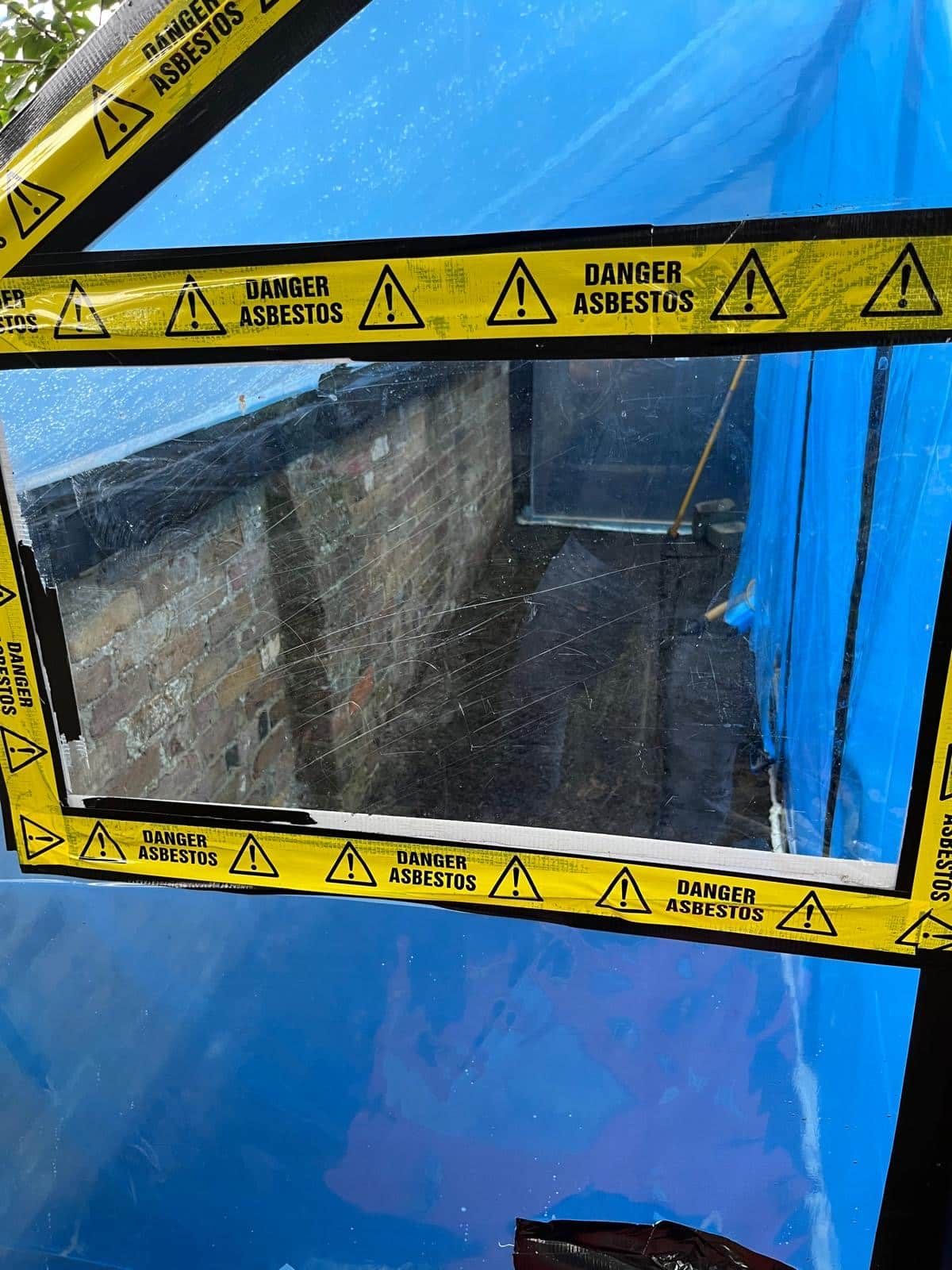
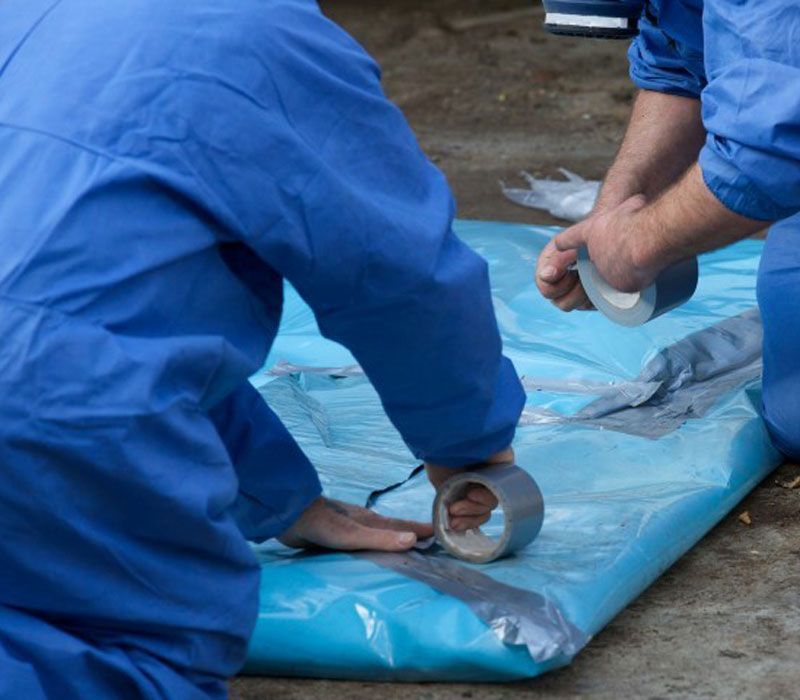
In the rented terraces near the station and around South Wimbledon, a tenant may still be living in the property while a refit happens around them, and a landlord wants the disruption kept short and the place clean at the end. None of that works if fibres are allowed to drift through the rest of the home. So the room is sealed off from the rest of the house before anything is lifted. The floor is worked wet, the tiles and adhesive go straight into the correct waste rather than into a general skip outside, and the area is cleaned down properly once the floor is clear.
Most domestic floor tile work falls under non-licensed removal, which keeps the job to a sensible length, often a day or so depending on the size and state of the floor. Air testing follows once the floor is up and the room has been cleaned, so there is written confirmation the air is clear before the kitchen or hallway goes back into use. On a tight terraced layout, where one room opens straight onto the next and there is no spare space to seal off, that containment matters more than anything. Get it right and the rest of the house carries on as normal while one room is dealt with.

Local removal you can rely on
Wimbledon splits in two. Up the hill the Village keeps its Georgian and early Victorian houses around the green and the wide common, parts of it inside a conservation area. Down below is the denser town the railway built, Victorian and Edwardian terraces around the centre and Wimbledon Park, then 1930s semis spreading out towards Raynes Park and South Wimbledon. The houses differ from one end to the other, but the same mid-century tiles and black adhesive turn up across both, usually the moment a floor refit begins and the old covering comes up.
Clearaway is based just over in Chessington, in KT9, so a job in SW19 or SW20 is a short run rather than a long haul. The owner, Graham, runs local jobs himself, which means the person who looks at the floor and quotes it is the same person doing the work. There is no chain of subcontractors and no one passing the job along. Samples go to a UKAS-accredited laboratory before anything is disturbed, and the results decide how the floor is handled rather than a guess on the day.
Most domestic floor tile work stays at the non-licensed end of the scale. If a particular job ever reaches the higher-risk, licensed end, that means 14 days of notice to the HSE, a full enclosure around the work and four-stage clearance testing signed off by an independent analyst before the room is handed back. That is rare for a household floor, but it is there when a floor needs it. Clearaway holds Spectra licence number 142305706 and has spent more than seven years working across this part of south-west London. To talk through a floor in Wimbledon, call 0800 024 6168.
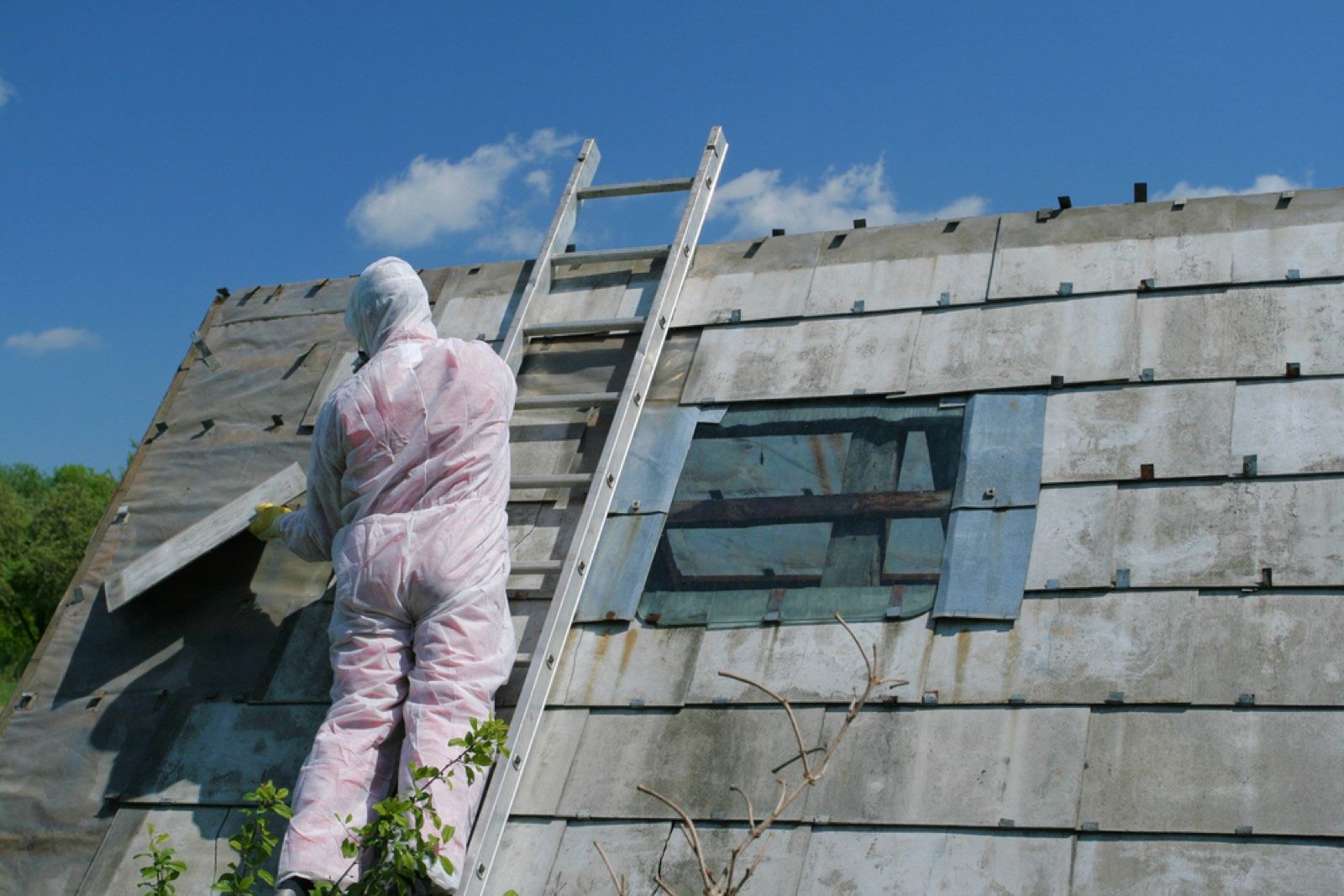
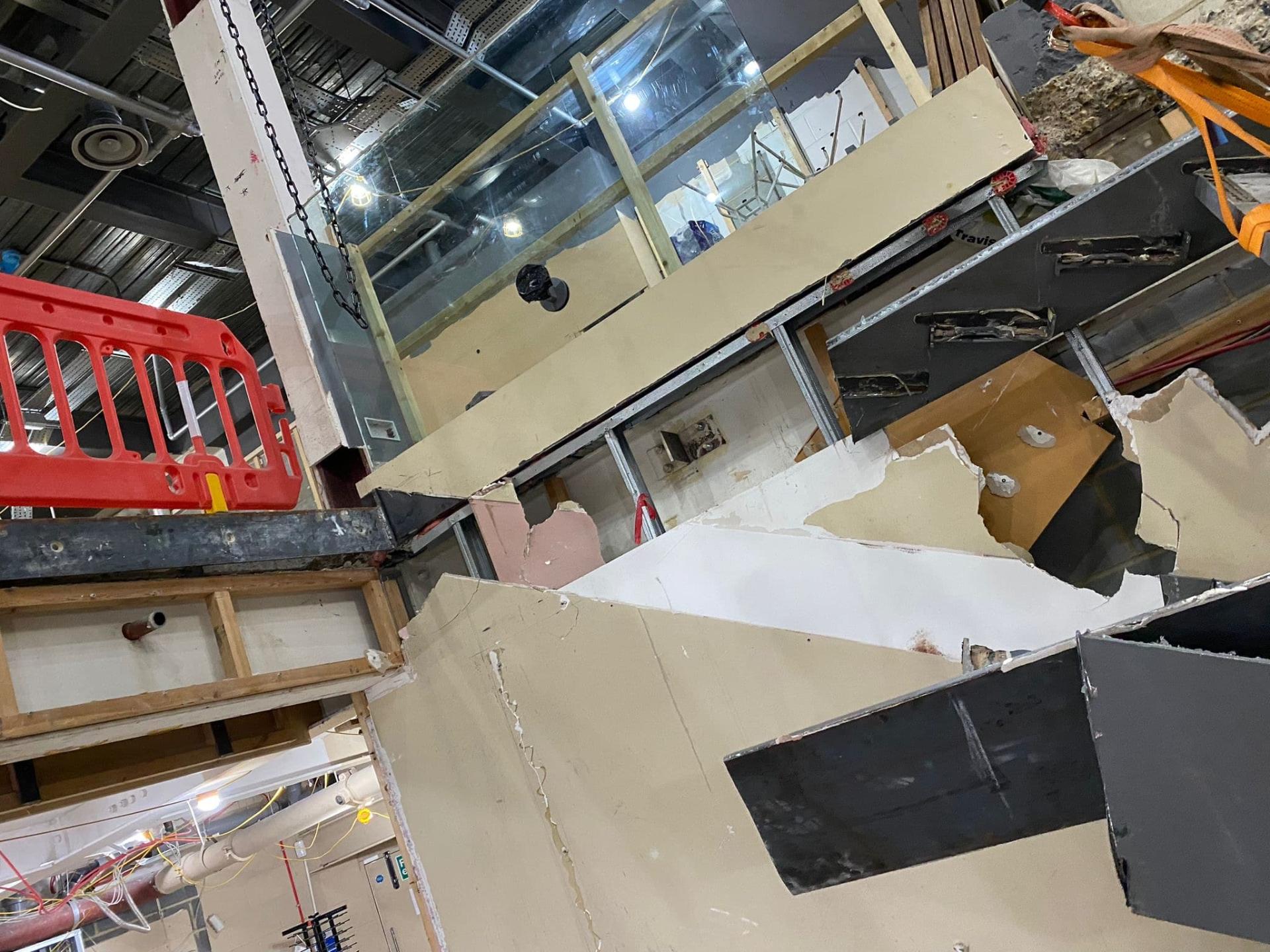
Commercial Building Strip-Out, Kensington
Kensington, South London · Strip-Out
View this project"Graham has organised two jobs for me, both of which ran smoothly and on time. Clive and the team are really great, they completed the work in the agreed time and left the site spotless. Would recommend using Clearaway if you need any work done."
Why Choose Clearaway
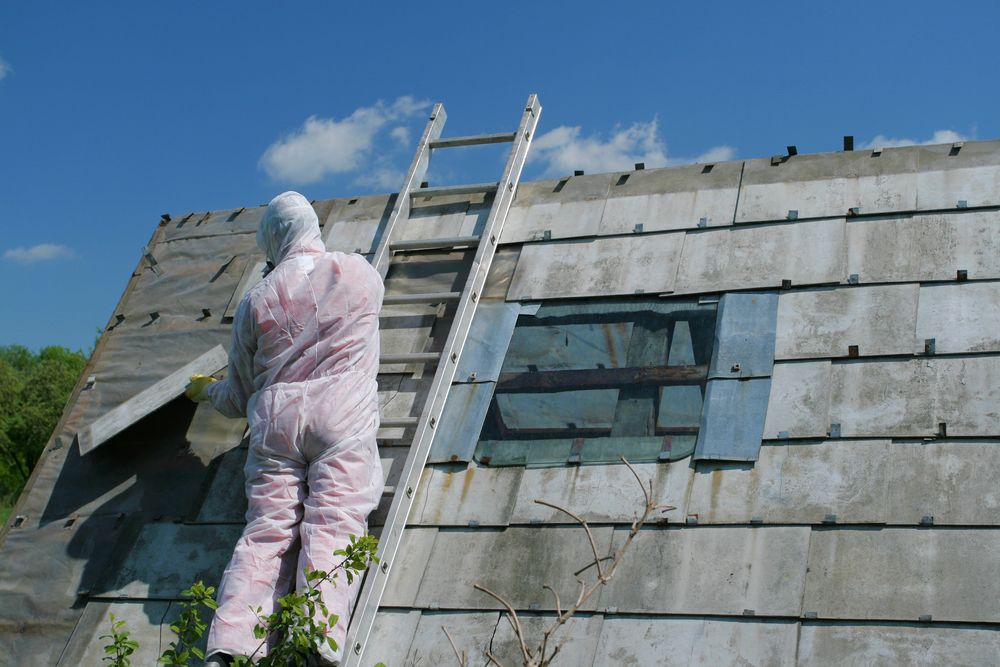
Landlord Compliant
Survey reports and waste consignment notes that satisfy managing agents, lenders and a tenant's right to a safe home.
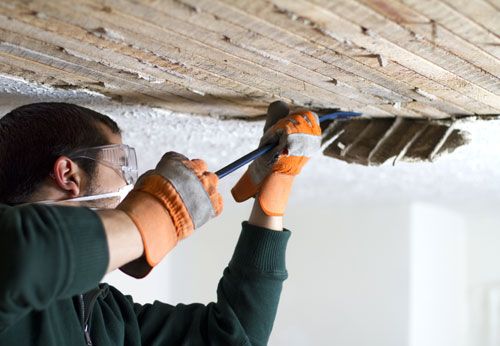
UKAS Accredited Testing
Every suspect material sampled and confirmed by a UKAS-accredited laboratory before any removal begins.
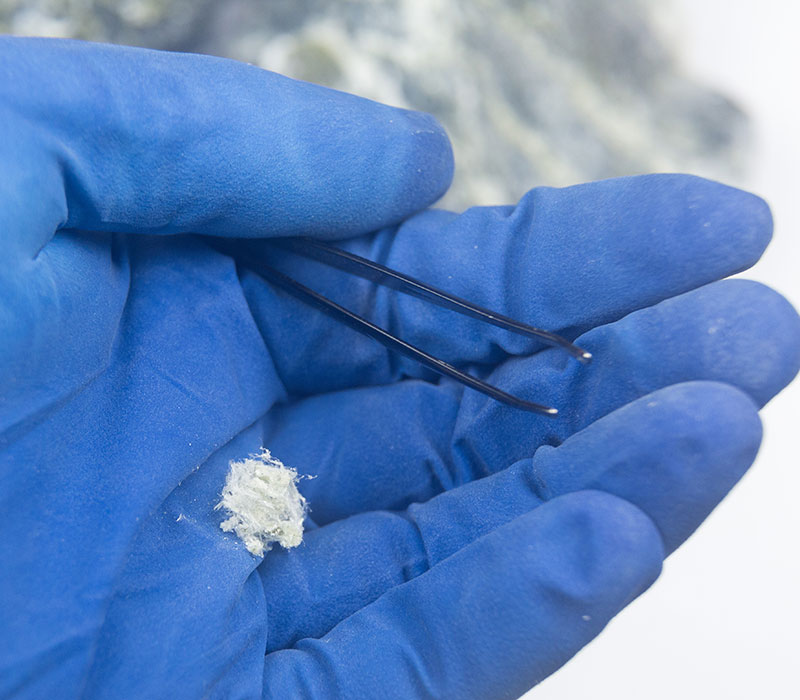
Fully Licensed
Licensed asbestos removal contractor (Licence No. 142305706). Full public liability insurance on every job.
Our Own Team
We never subcontract. The people who quote your job are the people who do it.
Frequently Asked Questions
Our Removal Process
From first call to final certificate, every job follows the same clear four-step process.
Survey
We inspect the property and confirm the material. Sampling available if required.
Quote
Fixed written price covering removal, disposal and any replacement work.
Removal
Material is removed safely, double-wrapped and taken to a licensed disposal facility.
Certificate
You receive a waste consignment note and disposal certificate confirming legal handling.
Get in Touch
Send a few details about your project and we will come back the same working day with a fixed price. We cover Surrey, London and the South East, including Esher, Cobham, Kingston, Richmond, Epsom, Guildford, Woking and Croydon.