Asbestos Floor Tile Removal in Teddington
In Teddington a kitchen refit or a new floor often starts the same way. The old lino or carpet comes up, and under it sit small vinyl tiles stuck down with black adhesive. That is where asbestos in a floor usually hides.
What turns up under a Teddington floor
The Victorian and Edwardian terraces around the High Street, Broad Street and the roads off Waldegrave Road were not built with the floors people want now. Over the decades kitchens and back rooms were relaid more than once, and a popular mid-century choice was the small thermoplastic or vinyl floor tile, laid in squares across a concrete or screed base. The larger period villas towards Bushy Park and the river got the same treatment in their utility rooms and sculleries, and so did the 1930s semis on the outer streets. These tiles went down in their thousands across this part of Richmond upon Thames, in exactly the rooms that get reworked first.
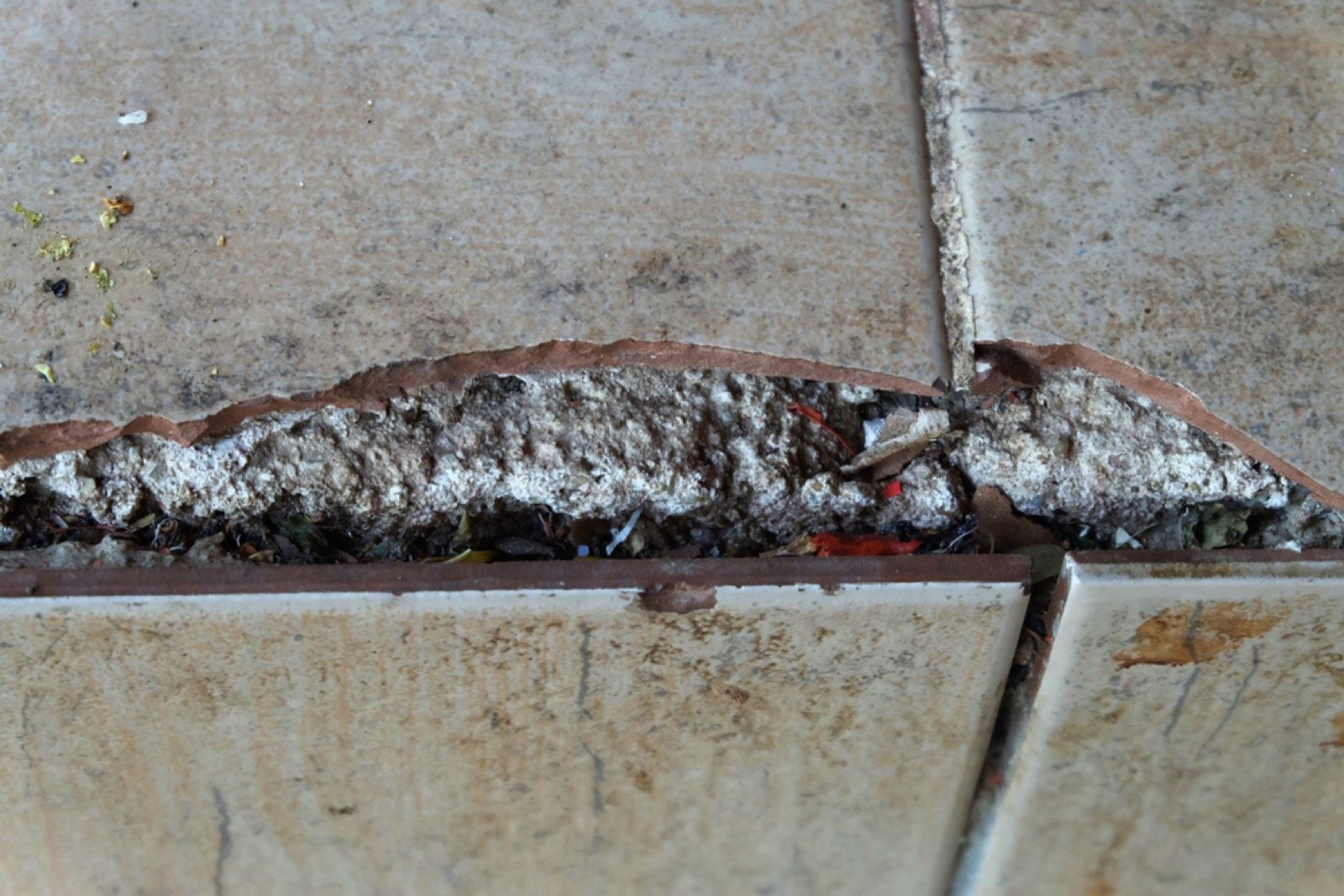
Most owners never know the tiles are there. They sit quietly under newer flooring for years, sometimes under two or three later layers of vinyl, laminate or carpet, and the question only comes up during a refit, when the old covering is pulled back and a grid of dark, brittle tiles appears underneath. They are usually small squares, often nine inches across, in dull greens, browns or near-black, and they crack and lift at the corners with age. The tiles themselves are usually the smaller worry. It is what holds them down that tends to cause the real trouble.
The black adhesive is the bigger problem
Under those old tiles you often find a thick layer of black bitumen adhesive, sometimes called black mastic, bedded straight into the screed. In a good number of Teddington floors this glue contained asbestos, and it is far more stubborn than the tiles sitting on top of it. Tiles can frequently be lifted in whole pieces, even by hand once a few corners are eased up. The bitumen is smeared into the floor and does not want to come away.
This is the bit that catches people out on a kitchen job. The tiles lift, the floor looks nearly clear, and then there is a black, tarry film stuck to the screed that a scraper barely touches. The temptation at that point is to reach for whatever will shift it fastest. Grinding it, sanding it or attacking it with a heat gun is exactly the wrong move, because that is what breaks the adhesive down and releases fibres into the air. You cannot tell by eye whether a particular adhesive contains asbestos, and the tiles and the glue do not always give the same result, so a small sample of each is taken first and sent to a UKAS-accredited laboratory before anyone decides how to deal with it.
Getting the adhesive out properly, rather than skimming over it and hoping, is usually the difference between a floor that is genuinely clear and one that becomes a problem again the next time it is touched. A self-leveller poured over the top is not a fix. It only buries the issue for the next person.
Removing it without spreading fibres
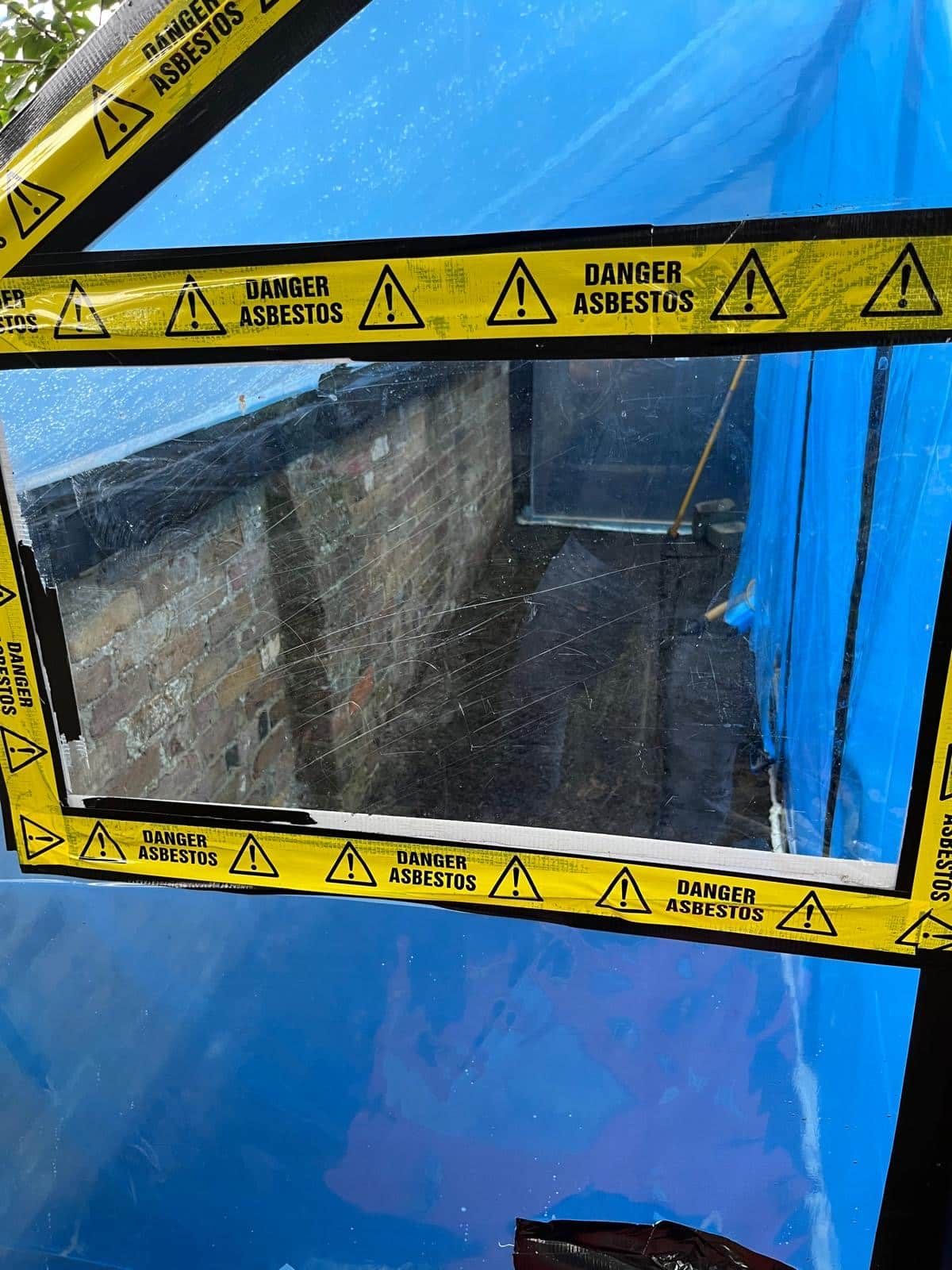
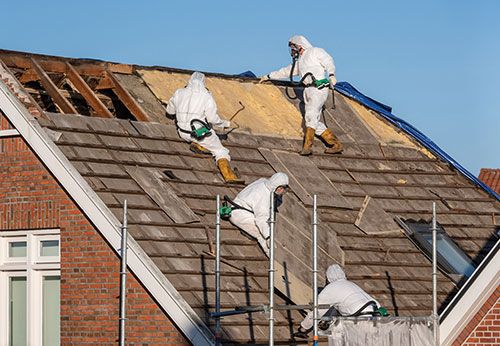
Floor work has a habit of happening in the middle of a busy house. A family is mid-refit, the kitchen is half out, and the rest of the home is still lived in. So the first job is to keep the work where it belongs. The room is sealed off from the rest of the property, the right protective equipment goes on, and the tiles and adhesive are taken up under controlled, damped-down conditions rather than dry and dusty. Damping the surface as the work goes keeps loose material down rather than letting it drift onto the rest of the floor or into the hall.
Much domestic floor tile and bitumen work falls under the non-licensed standard, which still means full containment and care, not a casual job. Where sampling shows higher-risk licensed material, the stricter rules apply: 14 days notice to the HSE, a full enclosure around the work, and four-stage clearance testing signed off by an independent analyst before the room is handed back. Either way the tiles and the scraped adhesive leave as asbestos waste, double bagged and taken to a licensed facility, not put in a builder's skip out on the road with the rest of the rubble.
Graham is based just over in Chessington, a short run from Teddington, and runs these local jobs himself, so the same person who looks at your floor is the one doing the work.

Air testing before the floor goes back
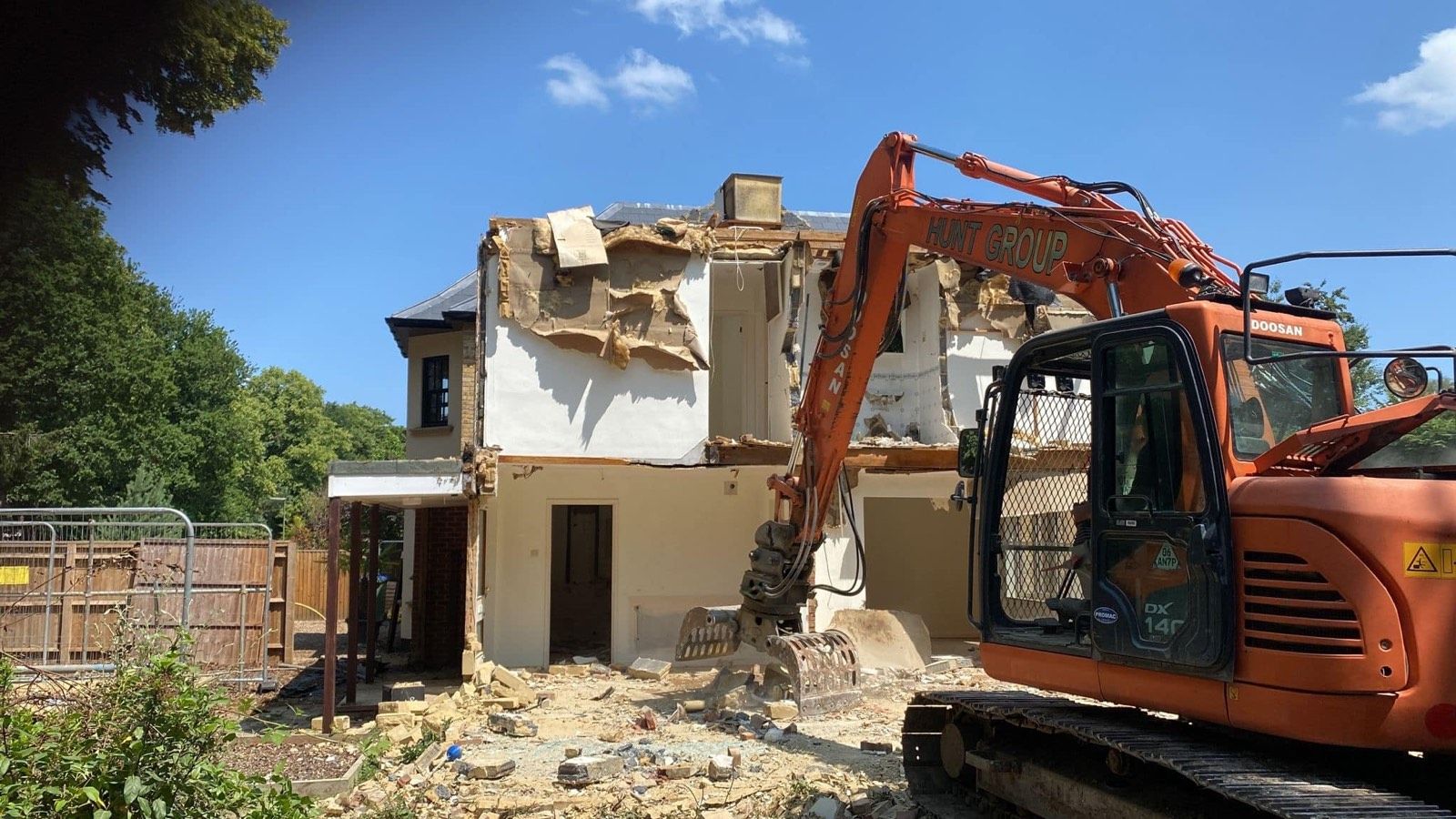
Once the tiles and the black adhesive are out and the screed is clean, the room is not simply handed straight back. The air is tested first, so there is a clear result showing fibre levels are where they should be before anyone walks back in and the new floor goes down. For a household living around the work, that test is the line between the old floor and the new one. It matters more in the flats, and Teddington has plenty, where a good number of the bigger houses off Waldegrave Road and near the river have been split up and neighbours share walls and floors.
It is worth sorting the asbestos before the new kitchen or flooring is fitted, not after. Lifting a brand-new floor to deal with adhesive you skipped is a poor way to spend the money twice. A quick sample at the start tells you what you are dealing with and keeps the refit moving.
Clearaway works across Teddington, Hampton Wick, Bushy Park and the surrounding streets, holds Spectra licence number 142305706, and has been doing this across the area for more than seven years. To talk through a floor that has come up suspect, or to book a sample before a refit starts, call 0800 024 6168.
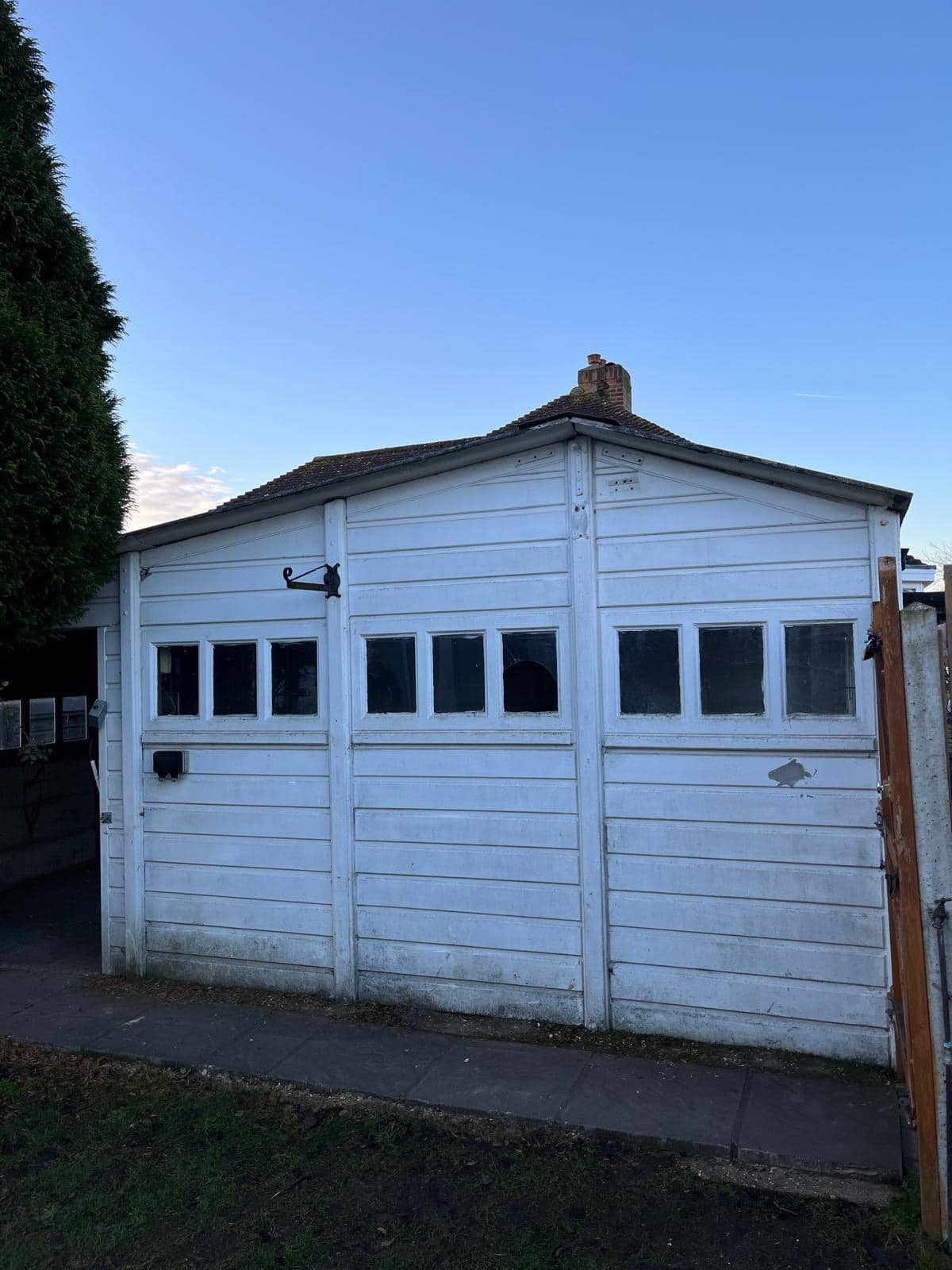
Concrete Asbestos Garage Removal, Epsom
Epsom, Surrey · Garage Removal
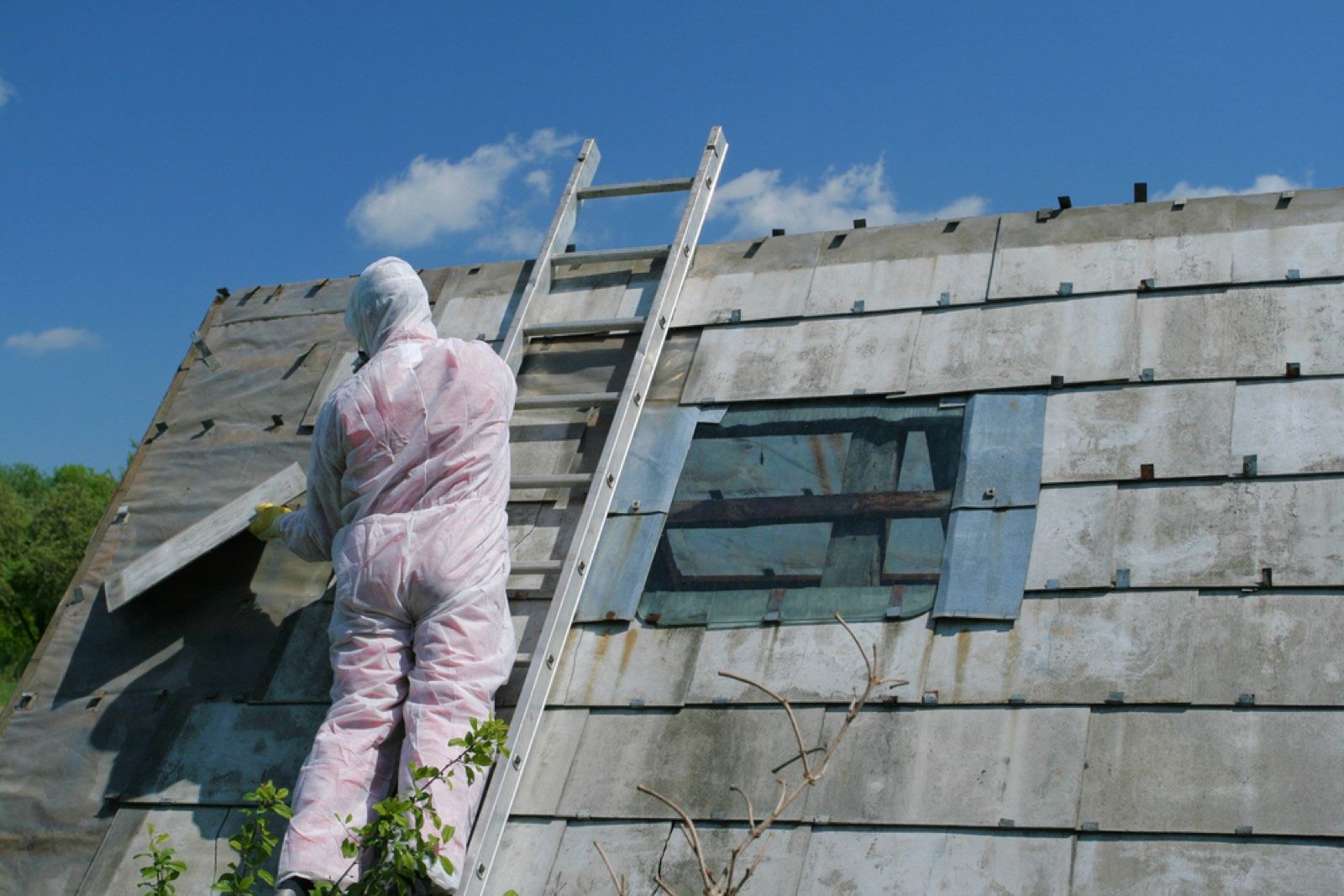
View this project"Graham and his guys picked up some asbestos roof sheets from my property in Chessington. Would highly recommend this company to anyone. Really good service and very professional. Thank you"
Our Removal Process
From first call to final certificate, every job follows the same clear four-step process.
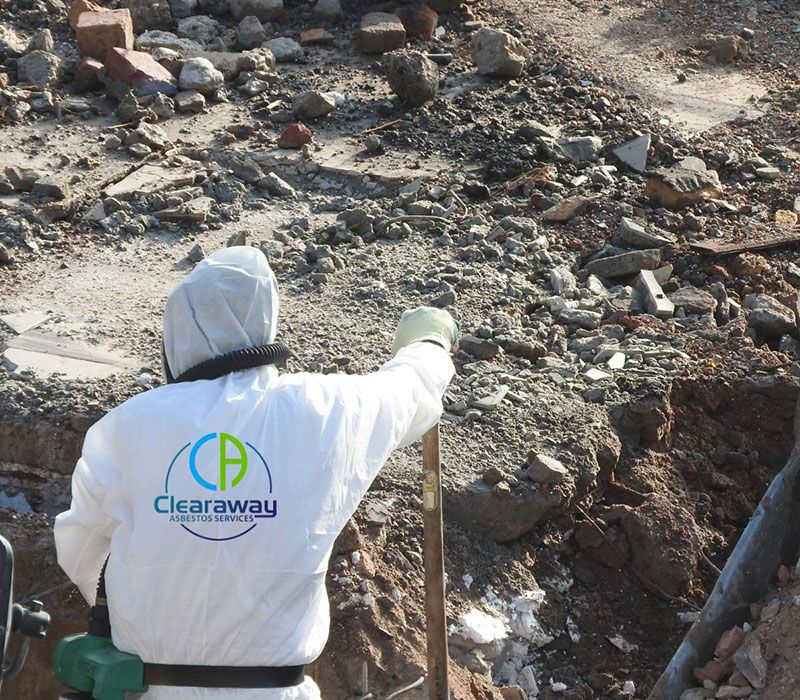
Survey
We inspect the property and confirm the material. Sampling available if required.
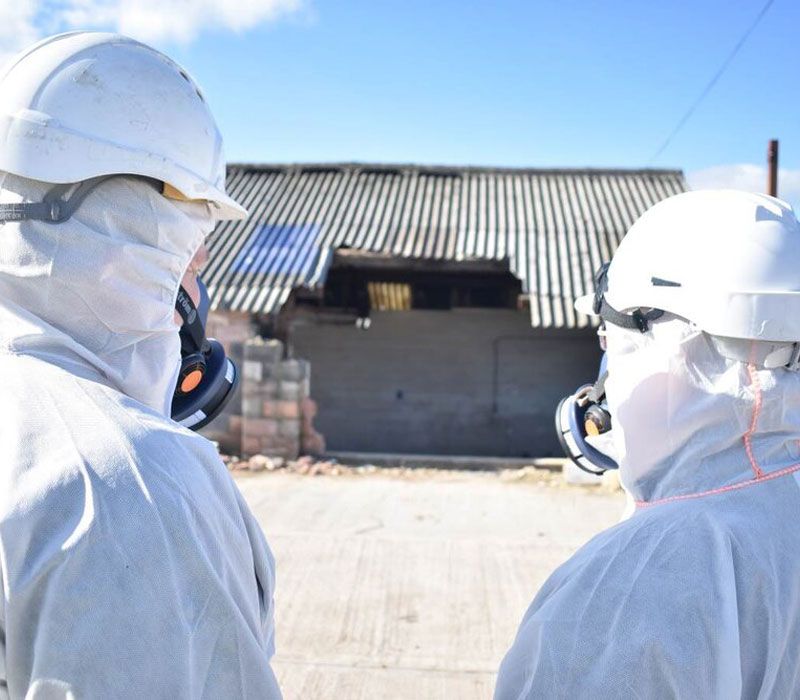
Quote
Fixed written price covering removal, disposal and any replacement work.
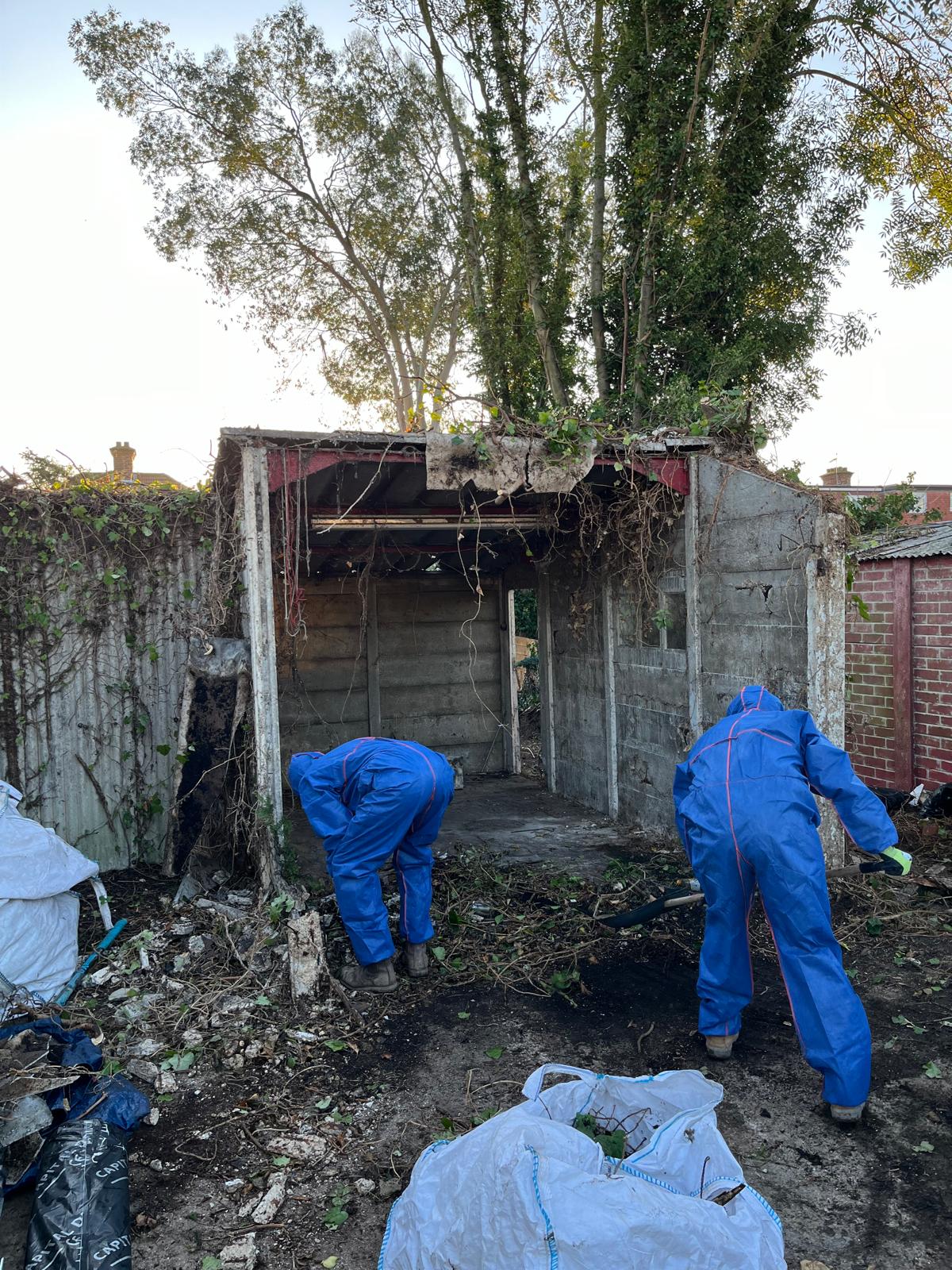
Removal
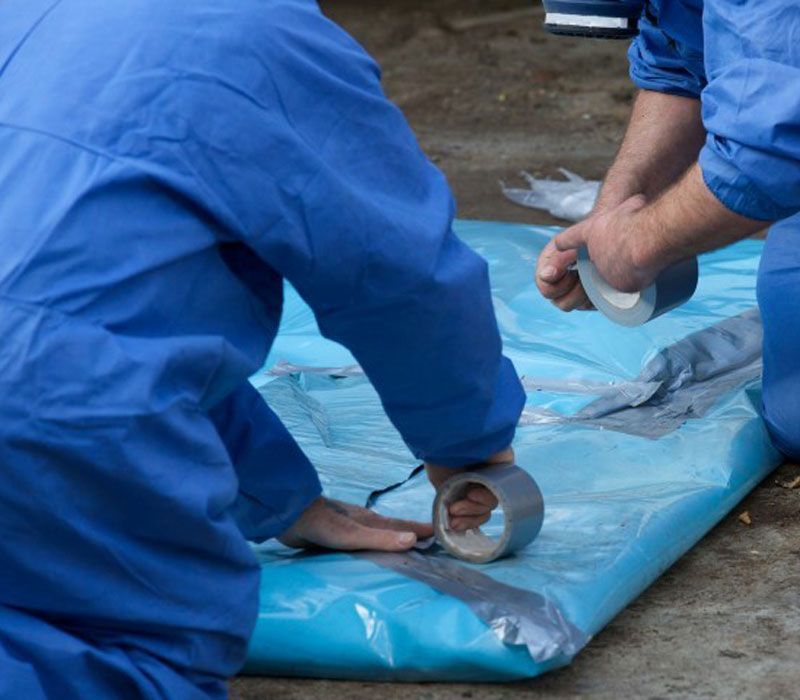
Material is removed safely, double-wrapped and taken to a licensed disposal facility.
Certificate
You receive a waste consignment note and disposal certificate confirming legal handling.
Frequently Asked Questions
Why Choose Clearaway
Specialist Crew
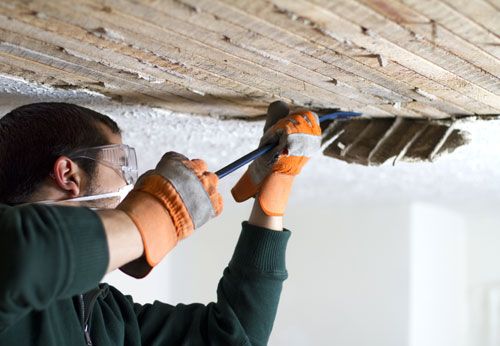
Asbestos work is all we do, every day, across the South East.
Fully Licensed
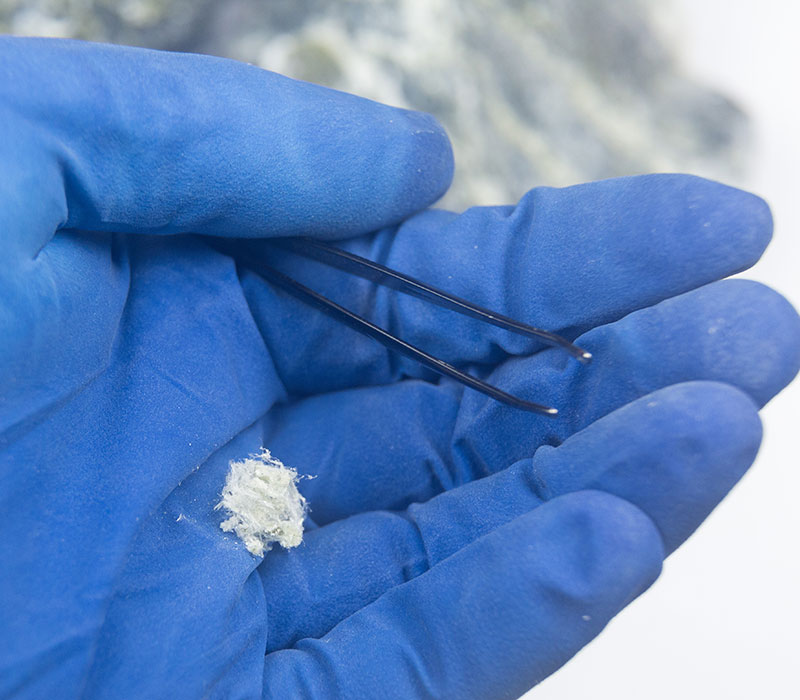
Licensed asbestos removal contractor (Licence No. 142305706). Full public liability insurance on every job.
Local & Fast
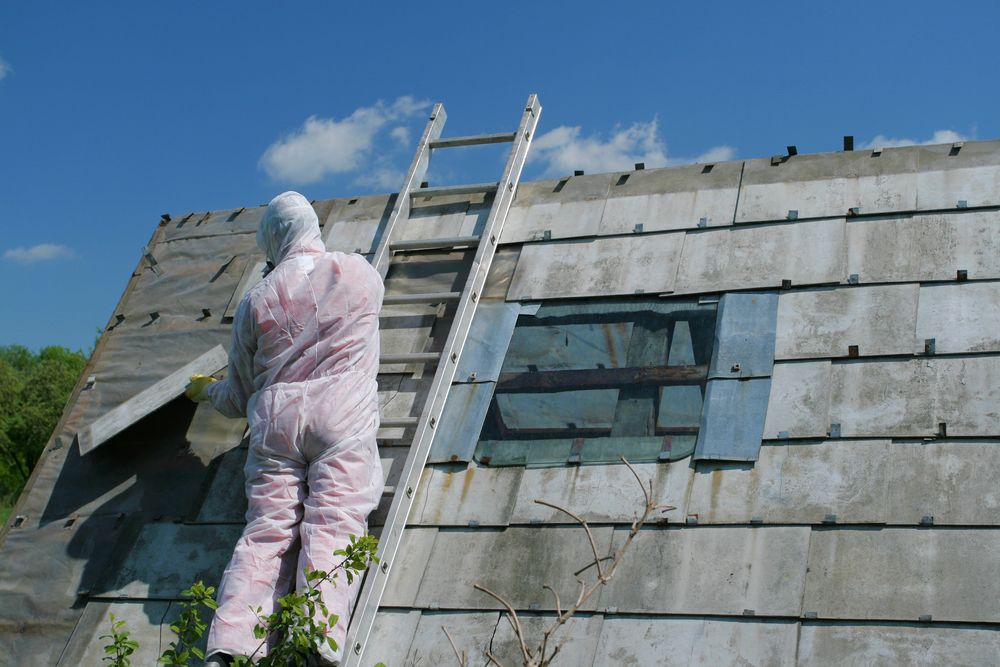
Surrey-based. Most domestic jobs are booked in and finished within a week.
Our Own Team
We never subcontract. The people who quote your job are the people who do it.
Get in Touch
Send a few details about your project and we will come back the same working day with a fixed price. We cover Surrey, London and the South East, including Esher, Cobham, Kingston, Richmond, Epsom, Guildford, Woking and Croydon.