Asbestos Floor Tile Removal in Sutton
Sutton kitchens and back rooms often hide old floor tiles under the lino, and the black adhesive bedded into the screed below them is where the asbestos usually sits. We lift both safely while you stay in the house.
Where old floor tiles turn up in Sutton
Sutton grew quickly once the railway arrived in 1847, and the streets really filled in between the wars. So a lot of the housing here is interwar semi-detached, with the kind of solid ground floors that builders later covered in small thermoplastic or vinyl tiles. You find them in the hall, the kitchen, the back scullery, sometimes a downstairs loo. They were cheap, hard-wearing and went down by the thousand across Cheam, Carshalton and Worcester Park. The same tiles turn up in the postwar estates around those areas, and in Belmont and the higher ground out towards Banstead, where the housing follows the same pattern.
Most people never see the tiles themselves. They have been hidden under lino, then under carpet, then under whatever the last owner laid on top. It is only when a floor comes up that the original surface appears again. In the older Victorian and Edwardian houses near the centre and around Carshalton's village core and ponds, the same thing happens once you get past the suspended timber and reach a later patched-in slab. A square of small, brittle tiles in a regular grid is the usual giveaway, often in a brown, cream or dull green that nobody would choose now.
The tiles are one thing. The black, tar-like glue stuck to the floor underneath them is the part that matters more, and it is the reason this is rarely a simple lift-and-bin job. A floor that looked like a quick afternoon can turn into the bit of the refit nobody planned for, which is why it helps to know what you are looking at before the first tile comes up.
The black bitumen glue is the real problem
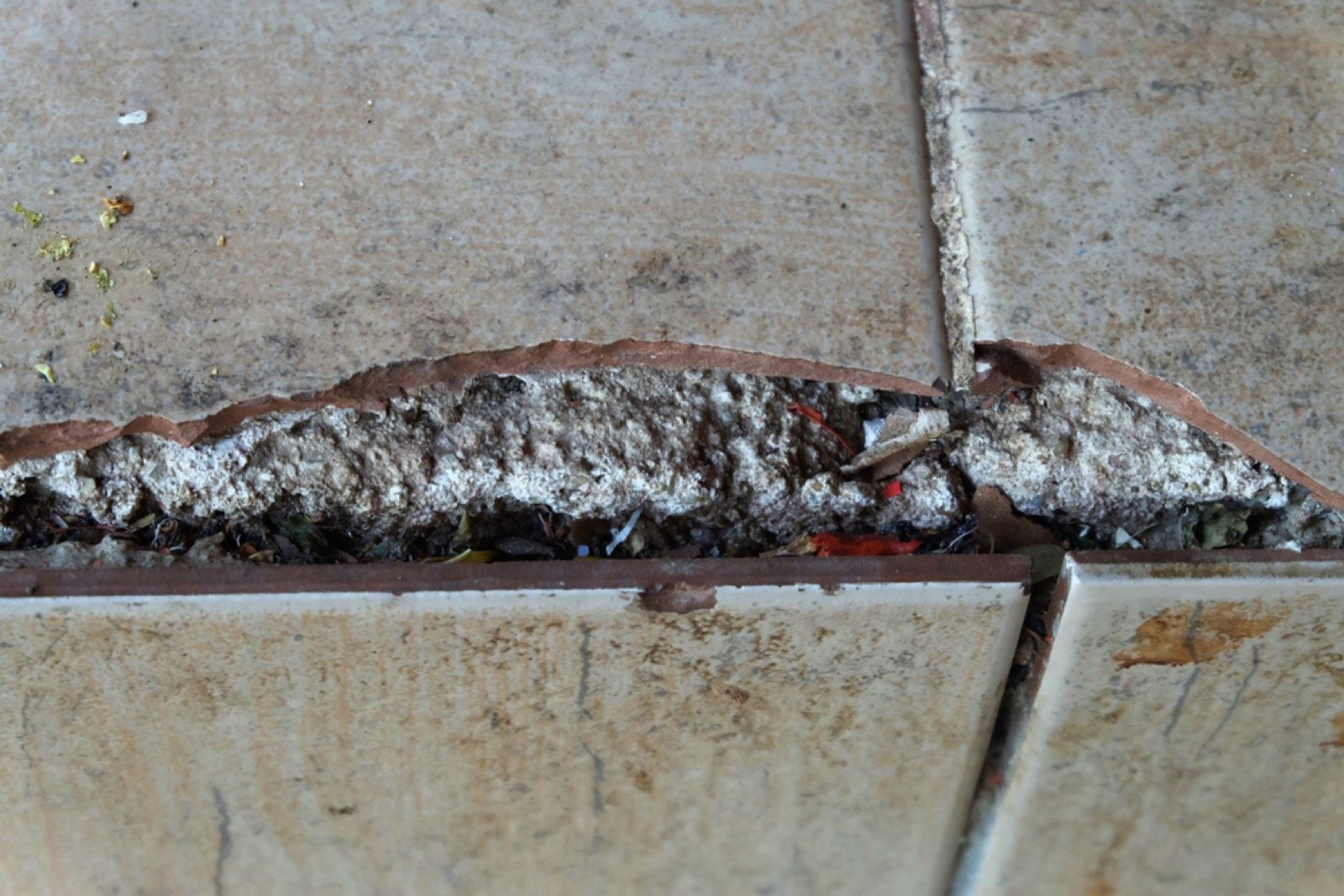
Those small floor tiles can contain asbestos, but they tend to be fairly low risk while they sit there whole and undisturbed. The bigger issue is the black bitumen adhesive bedded underneath. It was used to stick the tiles down, it soaked into the screed, and over the years it has set rock hard. Lifting a few tiles is quick. Getting the glue off the floor afterwards is the slow, stubborn bit, and it is where fibres can be released if someone goes at it with a scraper or a sander.
This catches a lot of Sutton homeowners out mid-refit. The tiles come up in an afternoon, the floor looks nearly clear, and then there is a stuck black layer that will not shift. People reach for a grinder, an angle grinder or a floor sander, which is exactly the wrong move. Grinding or sanding bitumen that contains asbestos turns a contained material into airborne dust through the whole room, and that dust settles on the units, the skirting and everything else in there. A few minutes with the wrong tool can spread fibres around a kitchen that was perfectly safe an hour before.
You cannot tell by eye whether a given floor contains asbestos, in the tile or in the glue. Colour and pattern are not a reliable guide, and neither is the age of the house on its own. A small sample of the tile and the adhesive goes to a UKAS-accredited laboratory first, and the result comes back in a few working days. That tells us what we are dealing with before any of it is lifted, and it means the work is planned around facts rather than guesswork.
Lifting tiles and adhesive in an occupied home
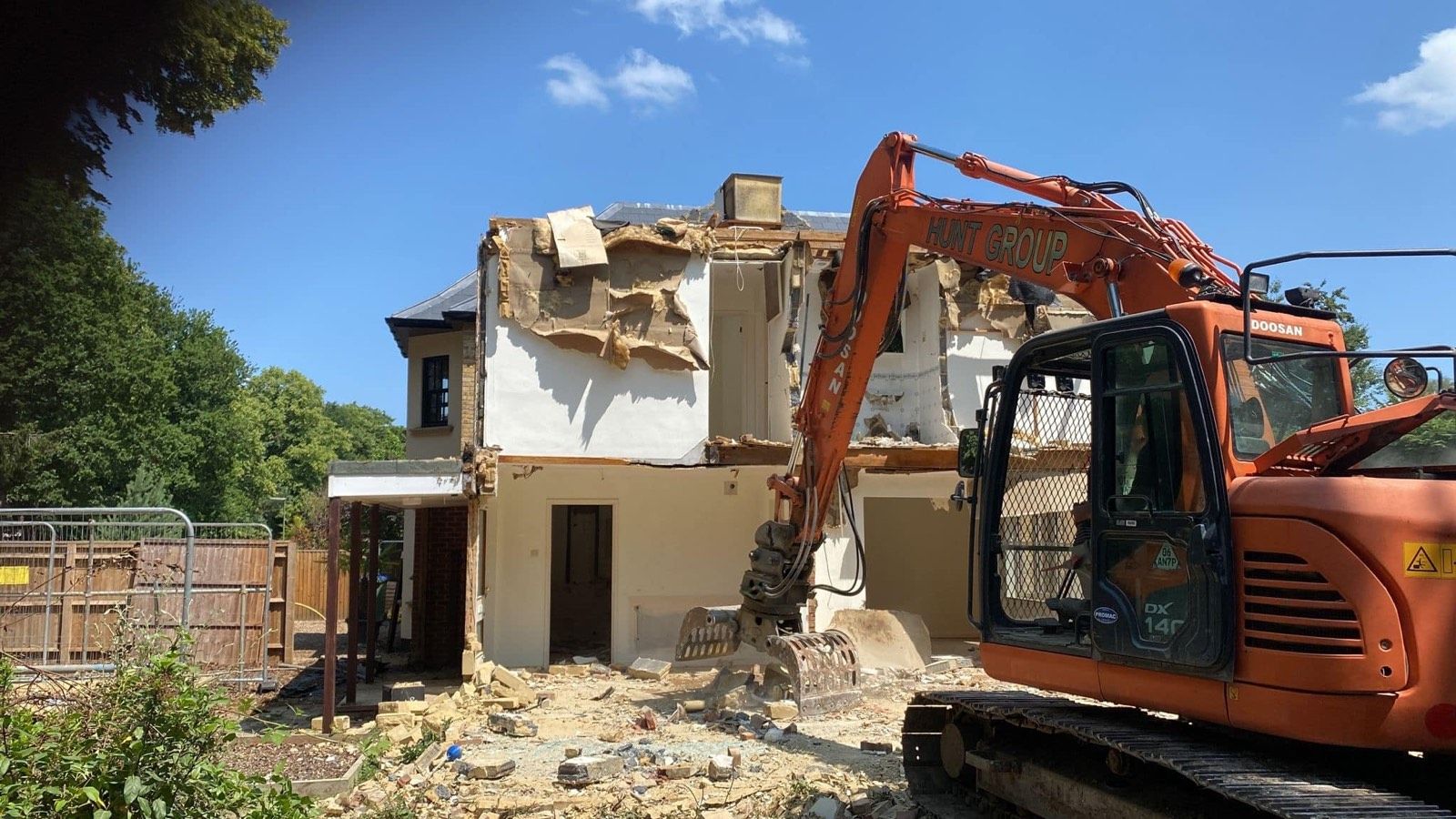
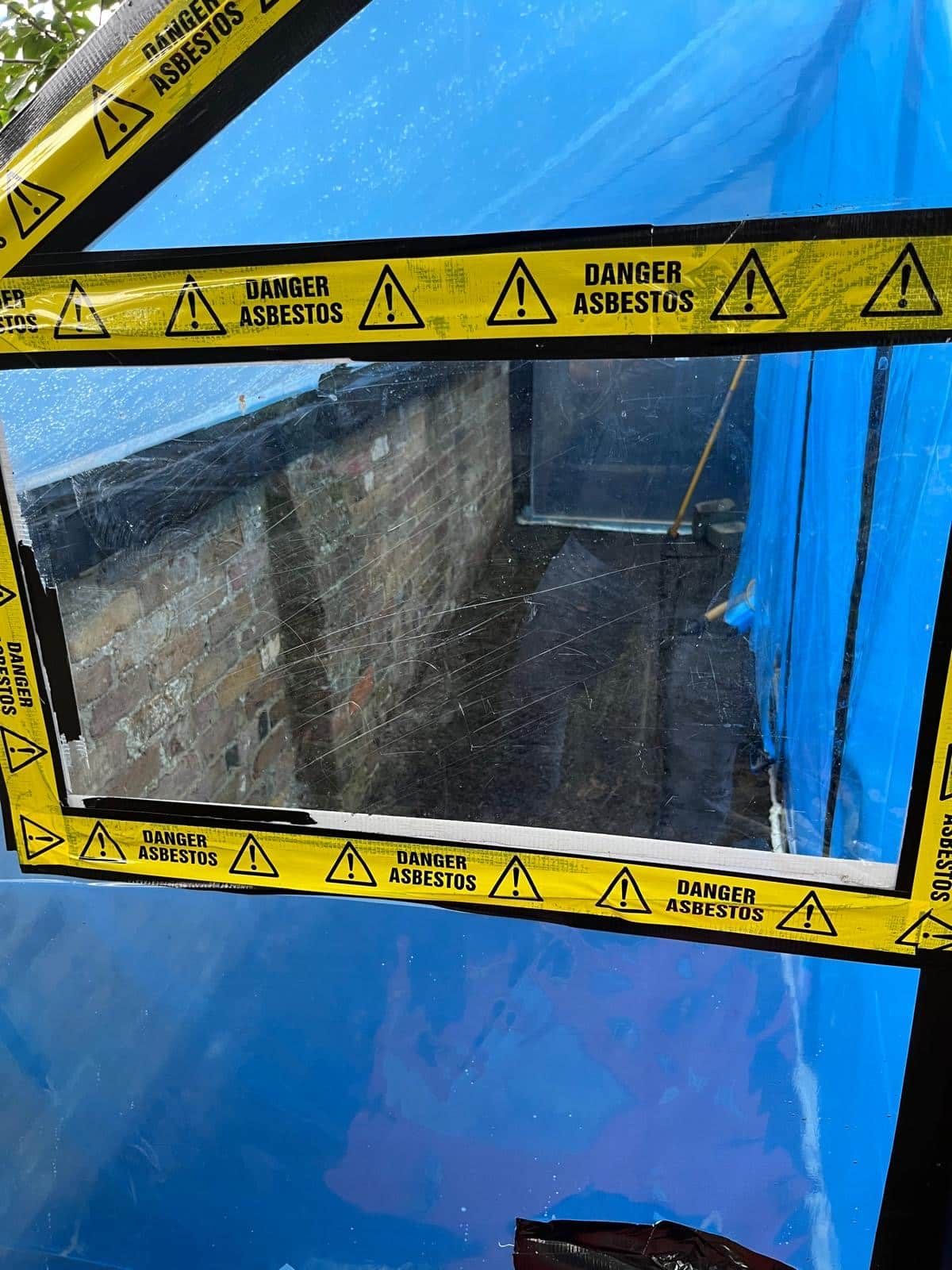
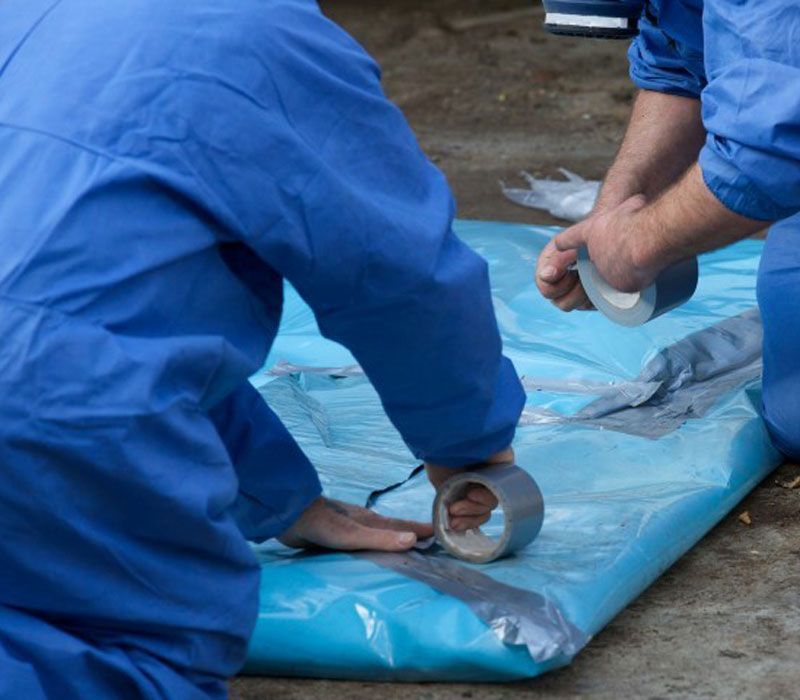
Most Sutton floor jobs happen while the family is still living in the house, so the work has to be contained rather than treated like a building site. We seal the room off from the rest of the home, set up commercial-grade air filtration to keep any dust inside that one space, and work methodically across the floor. The tiles are lifted carefully rather than smashed, and kept whole as far as possible. The bitumen adhesive is taken up using methods that keep it intact instead of grinding it into powder, so the screed underneath is left clean and ready for whatever new floor is going down.
Kitchens and hallways are the usual rooms in these interwar semis, and they tend to be the through-routes everyone uses, so we plan the job to clear the space and hand it back the same way it was found. Nothing is dragged through the living areas, and the work area stays shut off until it has been checked. The tiles and the glue residue are double-bagged as asbestos waste and removed properly, not left by the bins or put out with the household rubbish. A floor in one of these semis is rarely huge, so a single room is often a day or so of work rather than a drawn-out job.
Once the floor and glue are out, the room is air tested before anyone uses it again. That is the step that confirms the air is clean and the seals did their job, and it is not something to take on trust. Only when the result is clear does the room come back into normal use, ready for the new flooring to go down on a sound, clean screed.

Local, licensed, and straight with you
Clearaway is based just up the road in Chessington, KT9, and the owner Graham runs the Sutton jobs himself, so you are dealing with the person doing the work rather than a call centre. For a floor of tiles and bitumen, the first question is always what the material actually is, which is why sampling to a UKAS-accredited lab comes before anything is touched. That keeps the cost sensible too, because there is no point setting up for a licensed job if the lab comes back and says the floor does not need one. Where testing shows a higher-risk material that falls under licensed work, the proper controls apply: 14 days notice to the HSE, full enclosure of the room, and four-stage clearance testing signed off by an independent analyst before the space is released back to you.
Much of this is non-licensed work that can be done cleanly in a day or so, and we will tell you plainly which side of that line your floor sits on once the result is back. No upsell, no scare talk, and no pressure to do more than the floor in front of us actually needs. If you are part way through a kitchen or hall refit and the builder has downed tools over a black layer they will not touch, we can pick it up from there. Clearaway holds Spectra licence number 142305706 and has spent more than seven years working across Sutton and the surrounding Surrey towns. If you have lifted a floor and found old tiles or a stuck black layer underneath, call 0800 024 6168 and we will talk you through it.
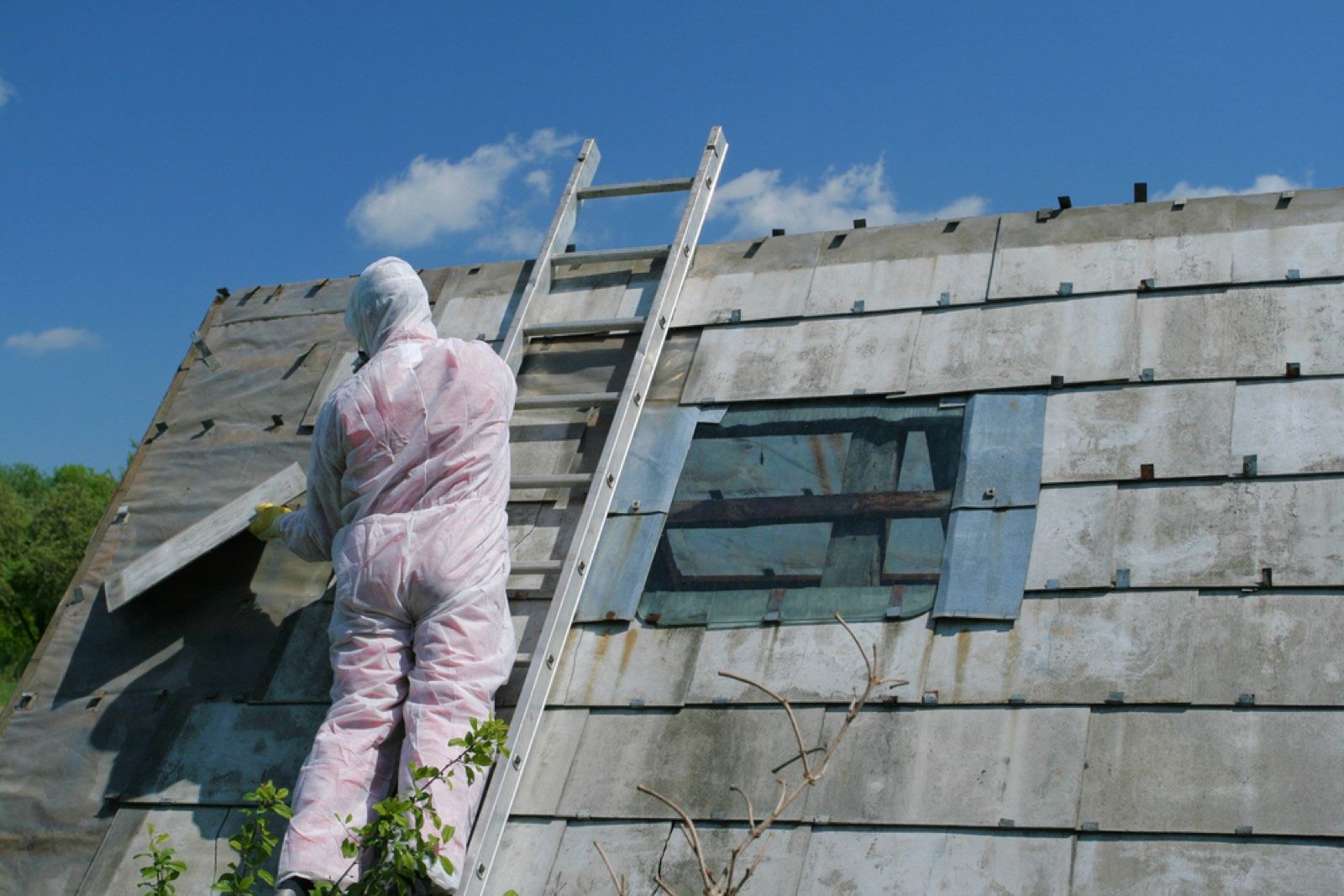
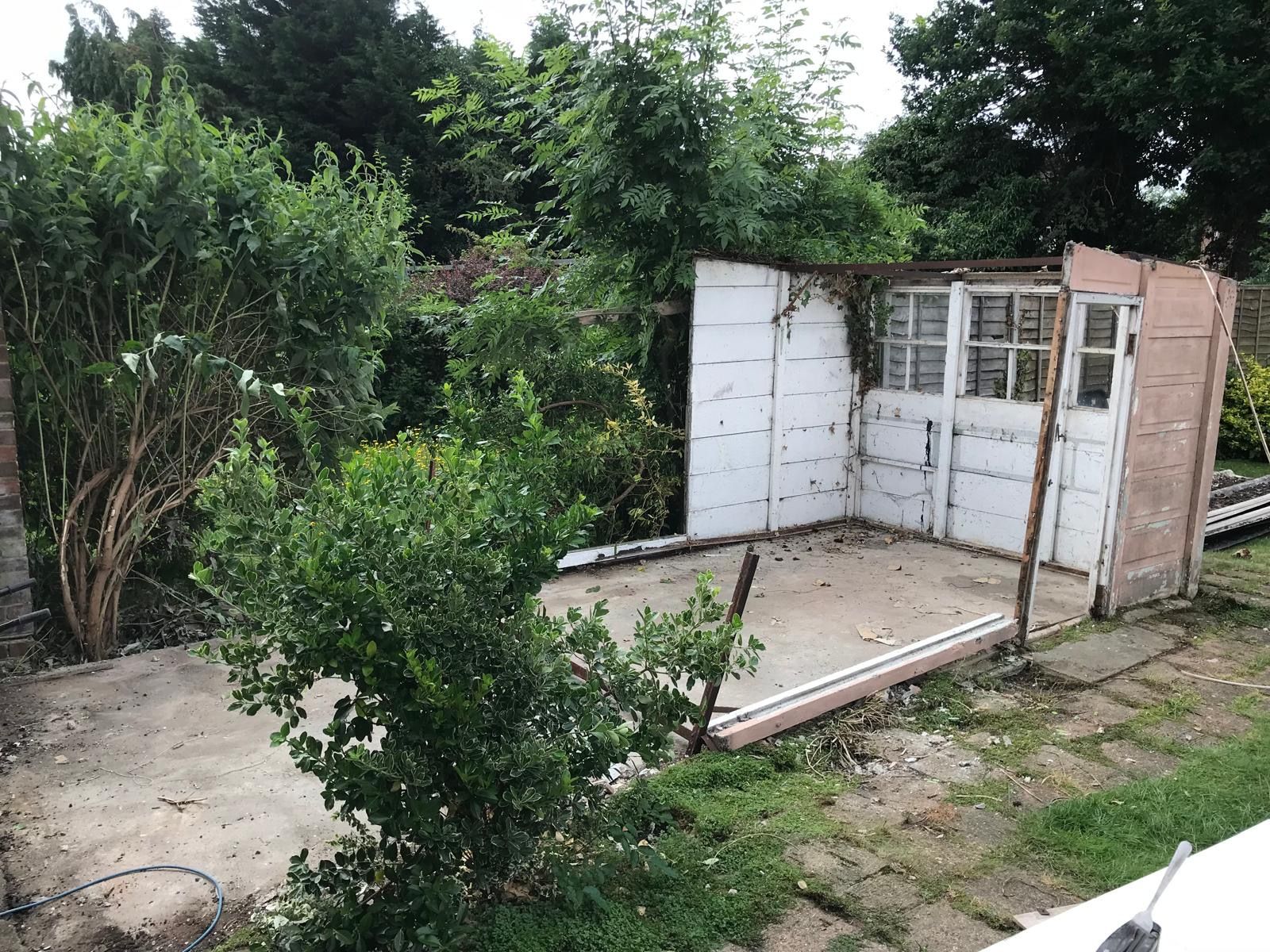
Concrete Asbestos Garage Removal, Cobham
Cobham, Surrey · Garage Removal
View this project"Clearaway Asbestos did a brilliant job coming out to survey our old garage roof for asbestos. They were professional and we were impressed with the job they did replacing the garage roof"
Why Choose Clearaway
Specialist Crew
Asbestos work is all we do, every day, across the South East.
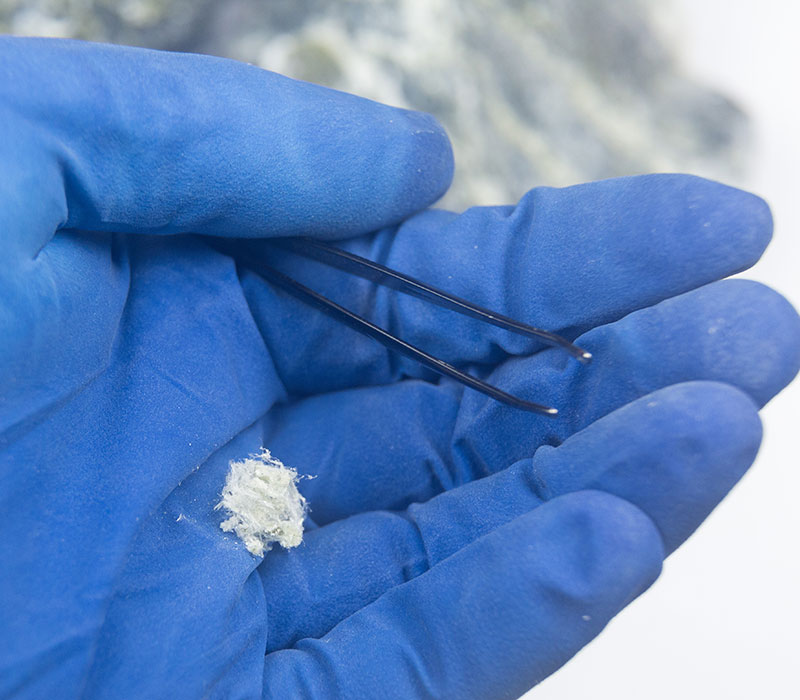
Fully Licensed
Licensed asbestos removal contractor (Licence No. 142305706). Full public liability insurance on every job.
Local & Fast
Surrey-based. Most domestic jobs are booked in and finished within a week.
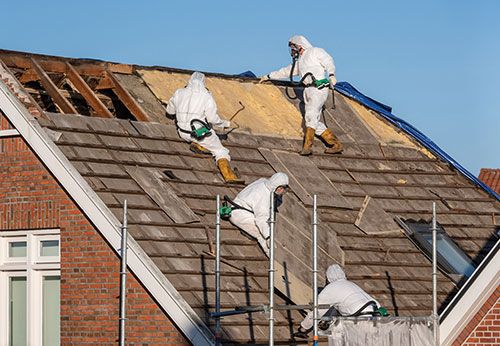
Our Own Team
We never subcontract. The people who quote your job are the people who do it.
Frequently Asked Questions
Our Removal Process
From first call to final certificate, every job follows the same clear four-step process.
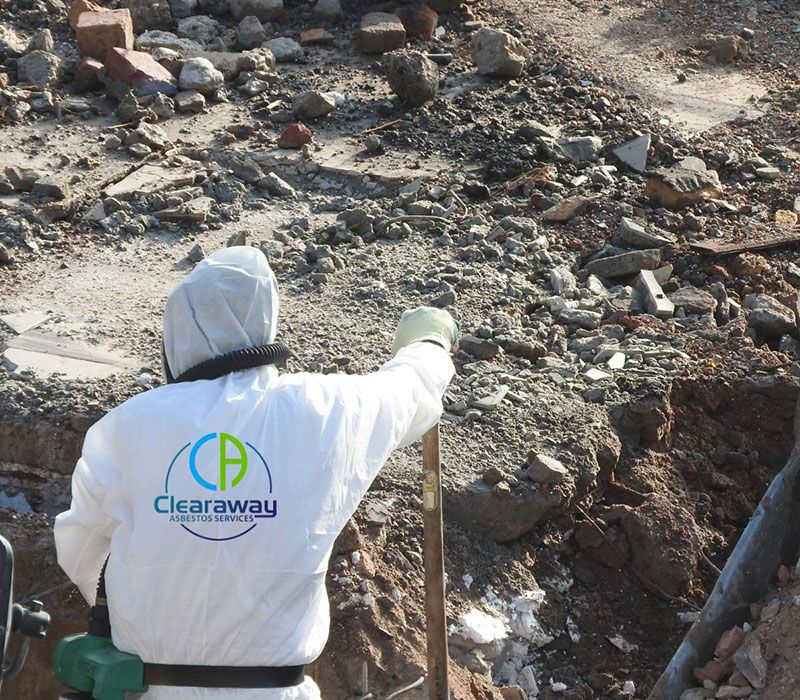
Survey
We inspect the property and confirm the material. Sampling available if required.
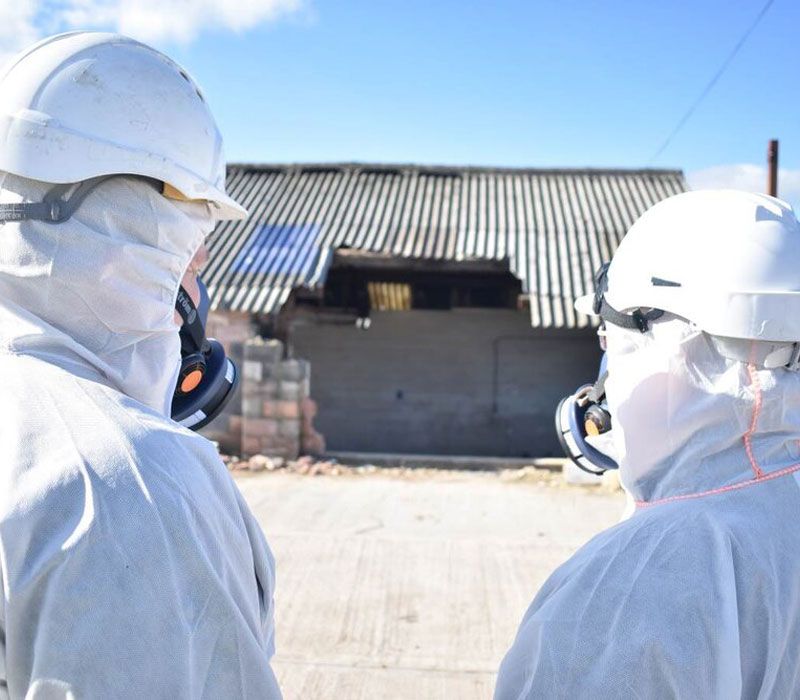
Quote
Fixed written price covering removal, disposal and any replacement work.
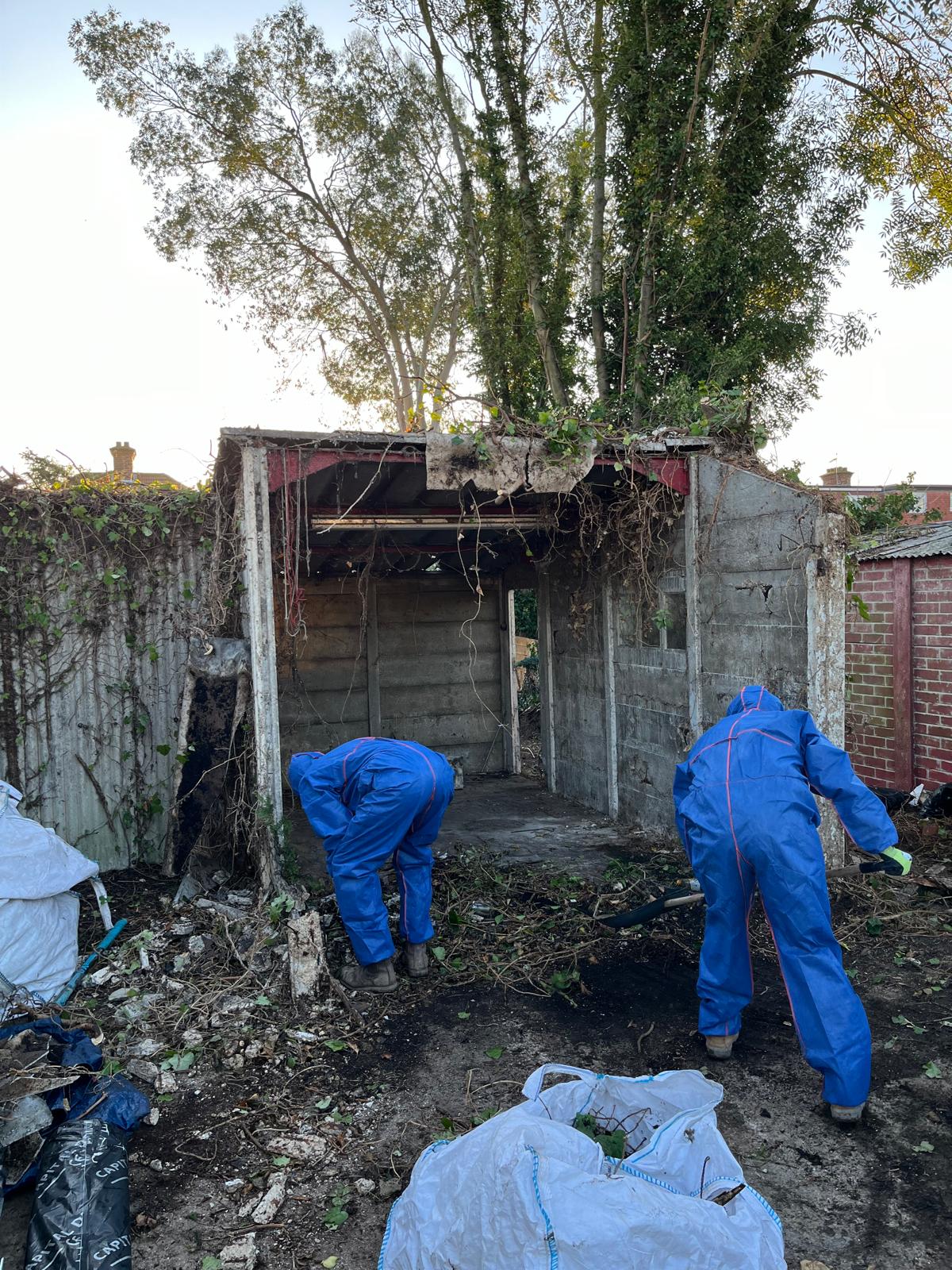
Removal
Material is removed safely, double-wrapped and taken to a licensed disposal facility.
Certificate
You receive a waste consignment note and disposal certificate confirming legal handling.
Get in Touch
Send a few details about your project and we will come back the same working day with a fixed price. We cover Surrey, London and the South East, including Esher, Cobham, Kingston, Richmond, Epsom, Guildford, Woking and Croydon.