Asbestos Floor Tile Removal in Richmond
Richmond floors hide their history under lino and carpet. Lift an old kitchen covering in a house off Richmond Green and you can find vinyl tiles, and the black bitumen glue beneath them is the part that matters most.
What turns up under a Richmond floor
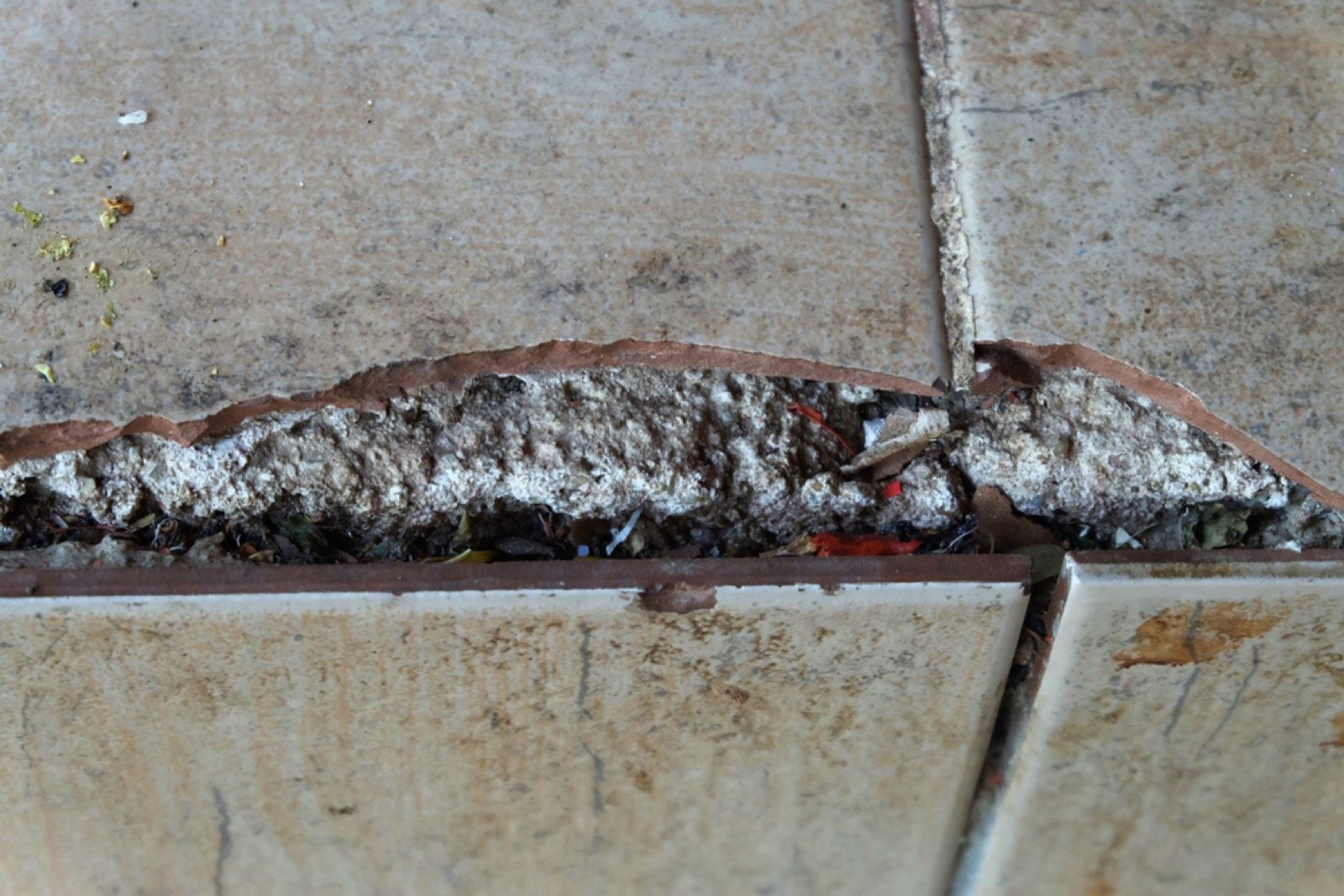
Floor tiles are rarely the reason anyone calls. They surface during something else, a kitchen being ripped out in a Victorian terrace by the riverside, a hallway in an Edwardian villa towards East Sheen, a back room in a 1930s semi on the way to Kew. Someone pulls up tired carpet or cracked lino and finds a layer of small square tiles set into the floor underneath. They are usually thermoplastic or vinyl, often a brown, grey or buff colour, and they were laid in their thousands across this kind of housing in the middle of the last century. The size gives them away as much as anything, neat squares roughly nine inches across, butted up tight in long runs across a kitchen or scullery floor.
The tiles themselves are bound tight, so on their own they sit fairly low on the risk scale. The trouble is almost always what is stuck to the back of them and the floor below. A black, tar-like adhesive was used to bed these tiles down, and that bitumen often contains asbestos. It is the bigger and more stubborn problem, not the tiles you can see. You can sometimes spot it at the edges where a tile has lifted, a dark smear that has gone hard and brittle and refuses to come away with a scraper.
Nobody can tell by eye whether a floor like this is a job or a nothing. Colour and age are hints, not answers, and two floors that look identical can come back from the lab with different results. The sensible first move on any Richmond floor that looks original is to have the material checked rather than guessed at, because once a tile cracks or the glue is scraped, fibres are already in the air and the moment to do it carefully has gone.
Why the black bitumen glue is the real job
When people picture asbestos they think of roof sheets and old pipe lagging. Floors are quieter and easier to miss. A vinyl tile can look like an ordinary period feature, and plenty of Richmond owners have lived over one for years without a thought. The risk only really arrives when the floor is disturbed, and a refit disturbs it completely. Lifting tiles, chiselling at glue, sanding a subfloor flat for new boards, every one of those is the kind of action that turns a settled floor into airborne dust.
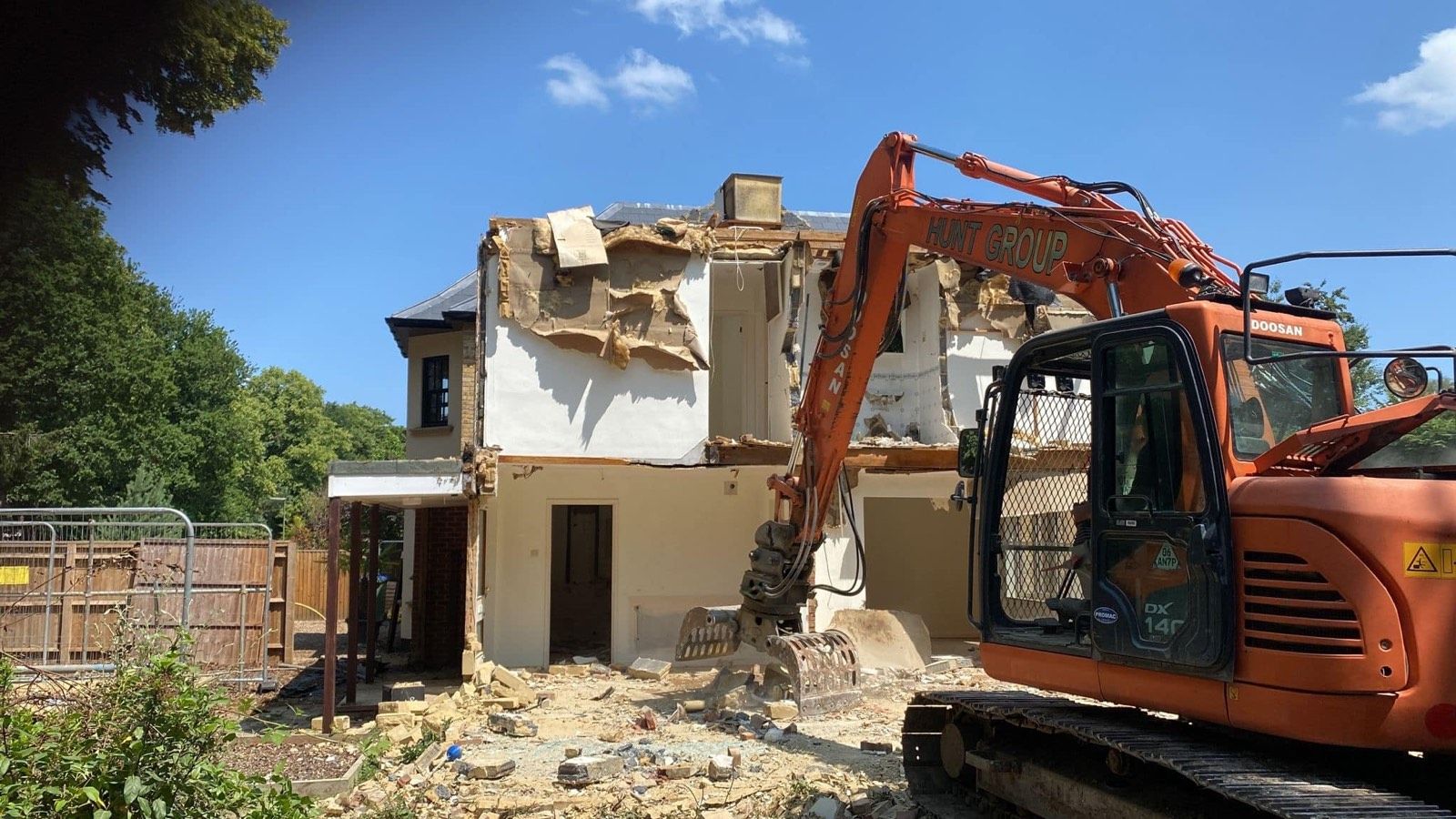
The black bitumen adhesive is the part that makes this a controlled job. It was spread thick to hold the tiles, and over decades it has bonded hard into the screed beneath. Lifting the tiles is the quick part. Getting the glue residue off the subfloor is slow, and it is exactly the stage where dry scraping and grinding would throw fibres around a room. So the adhesive is treated as the main event, not an afterthought once the tiles are up. How much there is varies, a small bathroom is one thing, a through kitchen and hallway in a riverside terrace is another, and the bitumen is what sets the pace either way.
It also explains why a floor cannot simply be tiled or boarded straight over in a rush. The residue stays under whatever goes on top, and the next person to renovate inherits the same problem with less idea it is there. Dealing with the bitumen properly at the point the floor is opened up is the cleaner answer, even though it is the harder one. It costs more attention now and saves a nastier surprise later, which on a house someone plans to keep is usually the trade worth making.
Removing a floor without spreading it through the house
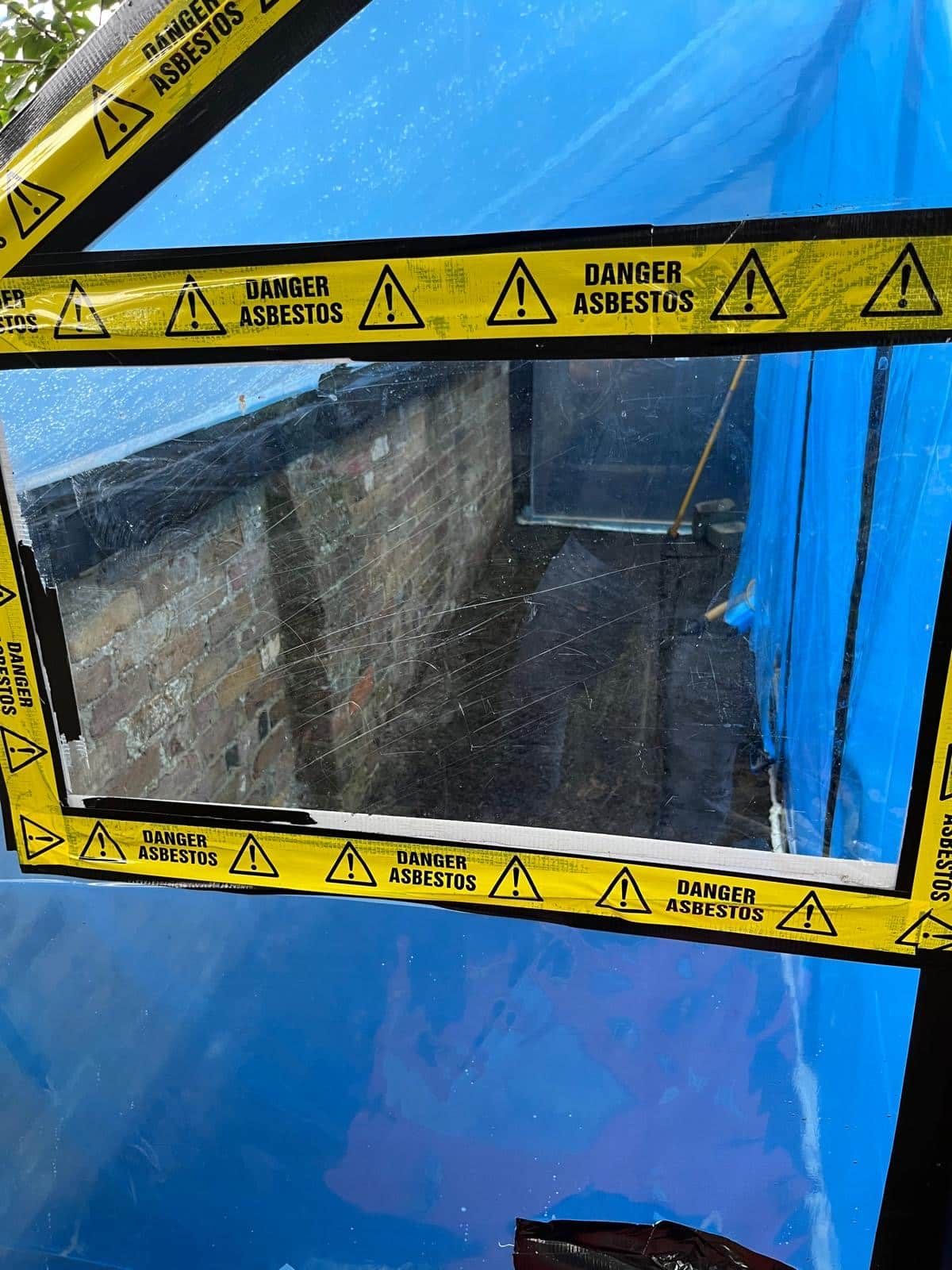
Most of these floors are in homes people are still living in, or in a property mid-renovation with other trades waiting. So the work is contained rather than left open. The room or area is sealed off from the rest of the house, the tiles are taken up, and the bitumen residue is worked off the screed under controlled conditions so the dust stays in one place and does not drift into hallways, stairs or the rooms above. Keeping it to the one room matters most in a terrace or a flat, where the next family along share a wall and a staircase.
When the floor is clear, the air in the space is tested before the room is handed back and before anyone moves furniture in or carries on with the refit. That air test is the point of the whole exercise. It is the difference between a floor that has genuinely been cleared and one that merely looks clean. On a kitchen or a single room, this is often a quick job rather than a drawn-out one, but it is done properly each time regardless of size. The tiles and glue are bagged and taken away as the waste they are, so nothing is left in a corner of the garden or the skip for someone to handle later.
Richmond adds its own wrinkle. Large parts of the town are conservation areas, and many of the Georgian and Victorian houses are listed, which brings tight planning conditions. A floor in a listed house rarely comes up in isolation, so the removal is planned around the wider project and around protecting original fabric like cornices, panelling and joinery nearby. Access, parking and any skip permits get sorted in advance so the work fits inside the restrictions rather than fighting them.

Booking a floor check in Richmond
If you are about to pull up a floor in Richmond and you find small tiles and a black tarry glue underneath, the useful thing is to stop and have it looked at before the breaker bar comes out. Most floor tile work like this is non-licensed, but the only way to know what you are dealing with is to sample the tile and the adhesive first and let a UKAS-accredited laboratory confirm it. The results come back in a few working days and tell you whether it is a straightforward lift or a contained removal. A short pause at that point is far cheaper than putting a floor back wrong.
Graham is based in Chessington, just down the road in KT9, and runs the local jobs himself, so a floor in TW9 or TW10 is handled by someone who knows the housing around Richmond Green, the riverside terraces and the semis out towards Petersham. That matters when the floor sits inside a listed building or a conservation street and the timing has to slot around the rest of the work, the scaffold, the joinery, the order other trades come in. A floor is one piece of a bigger job on these houses, and it is treated that way.
Clearaway holds Spectra licence number 142305706 and has spent more than seven years working on this kind of property across the area, floors included. If a Richmond refit has just turned up tiles and black glue and you want to know what it is before you go any further, call 0800 024 6168.
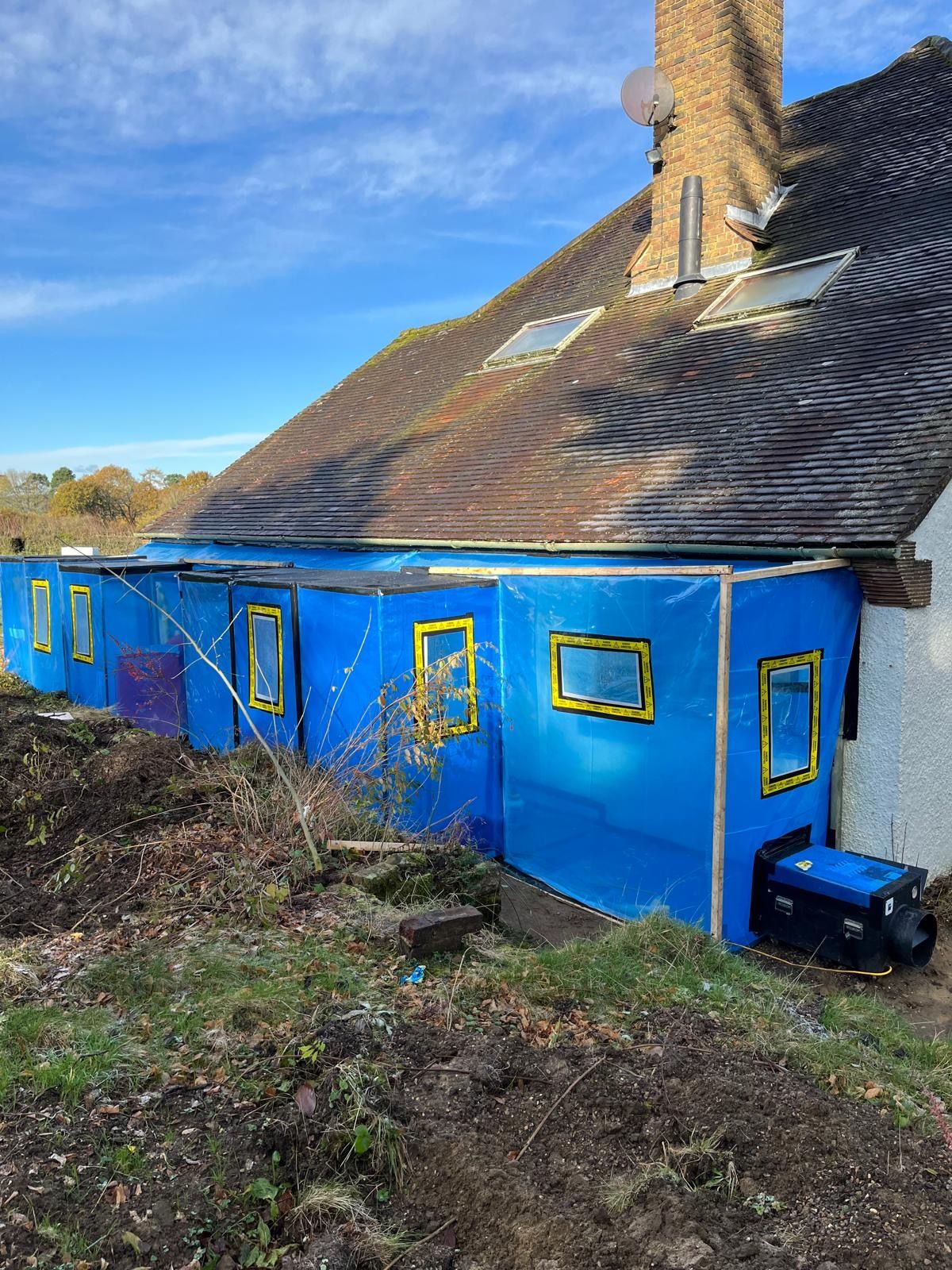
Licensed Asbestos Removal, Woking
Woking, Surrey · Licensed Removal
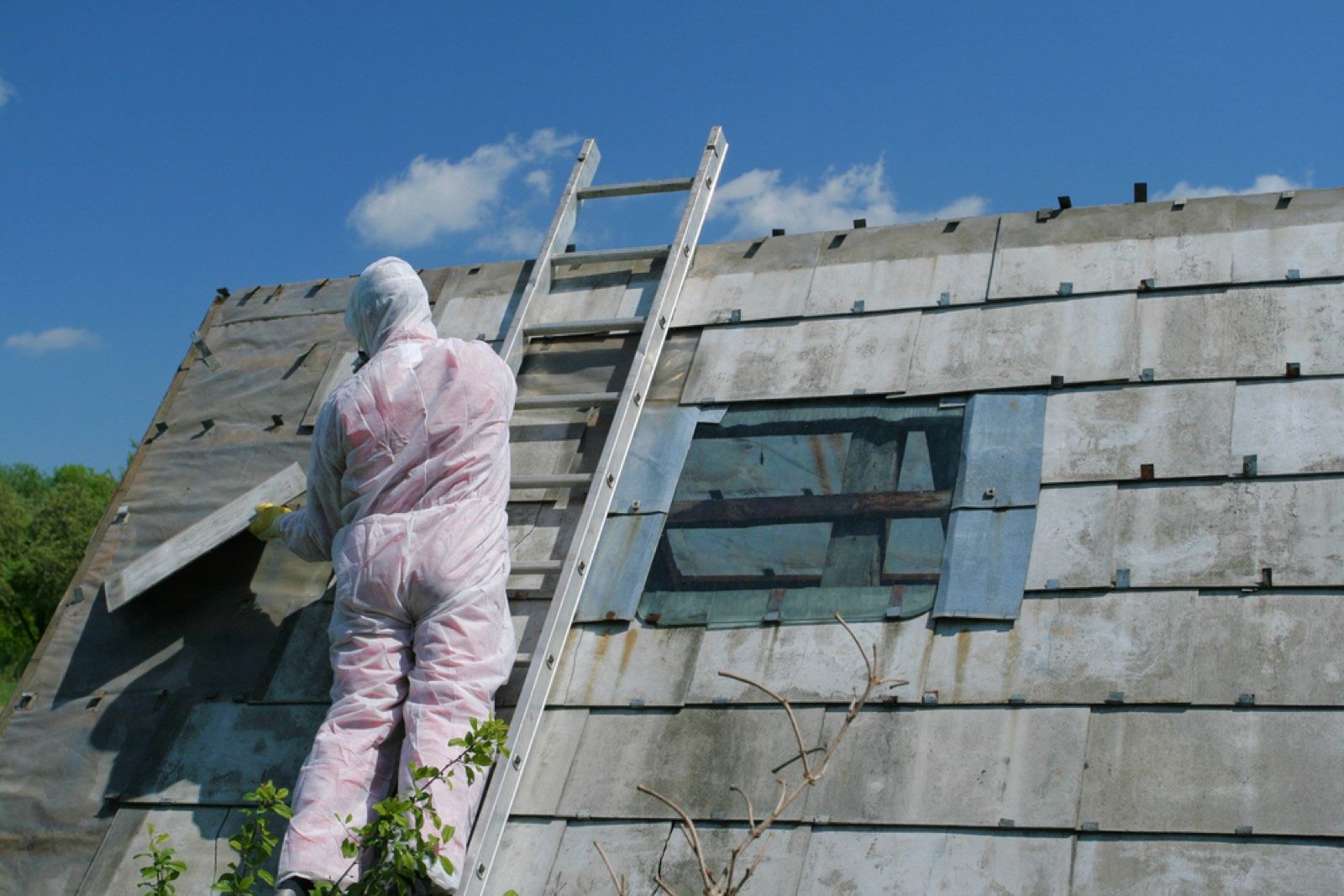
View this project"Graham and his guys picked up some asbestos roof sheets from my property in Chessington. Would highly recommend this company to anyone. Really good service and very professional. Thank you"
Our Removal Process
From first call to final certificate, every job follows the same clear four-step process.
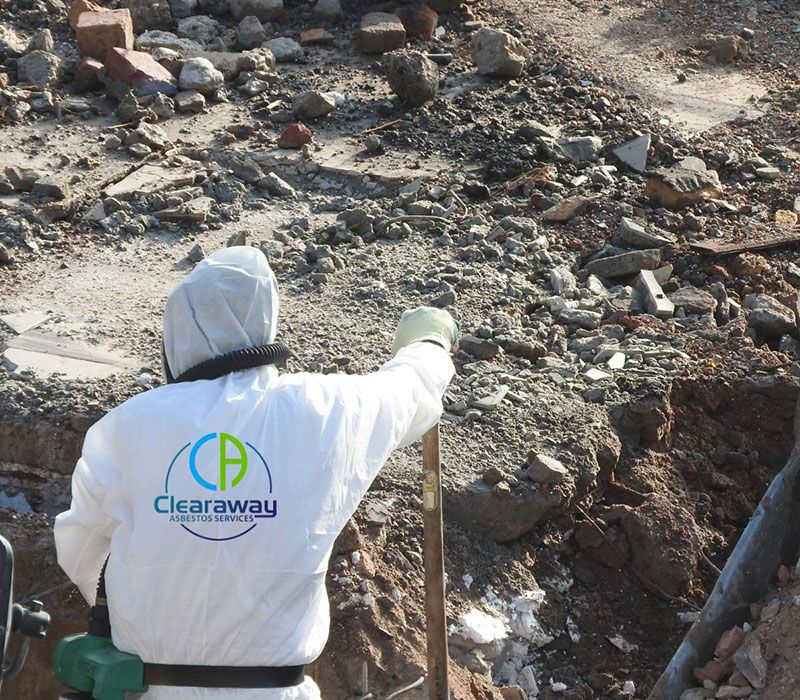
Survey
We inspect the property and confirm the material. Sampling available if required.
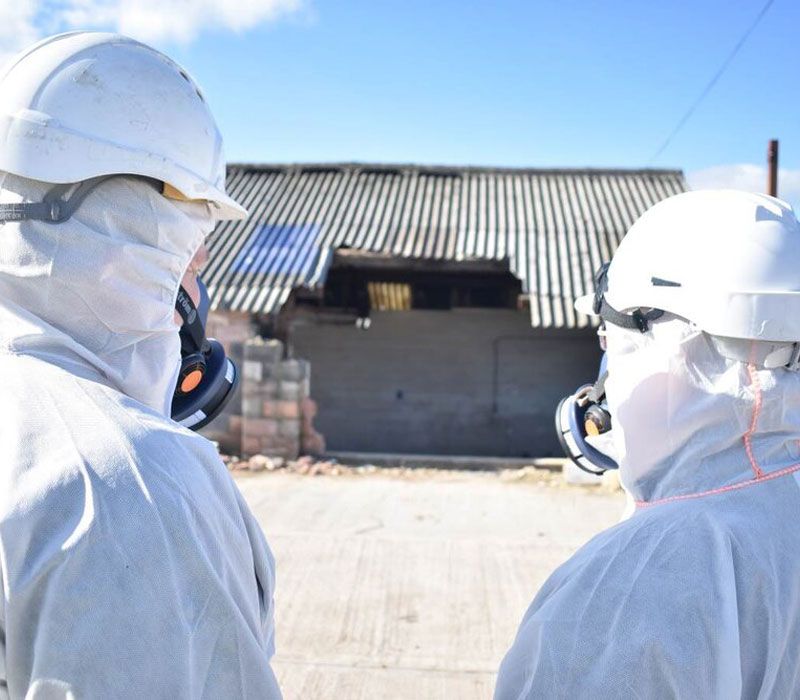
Quote
Fixed written price covering removal, disposal and any replacement work.
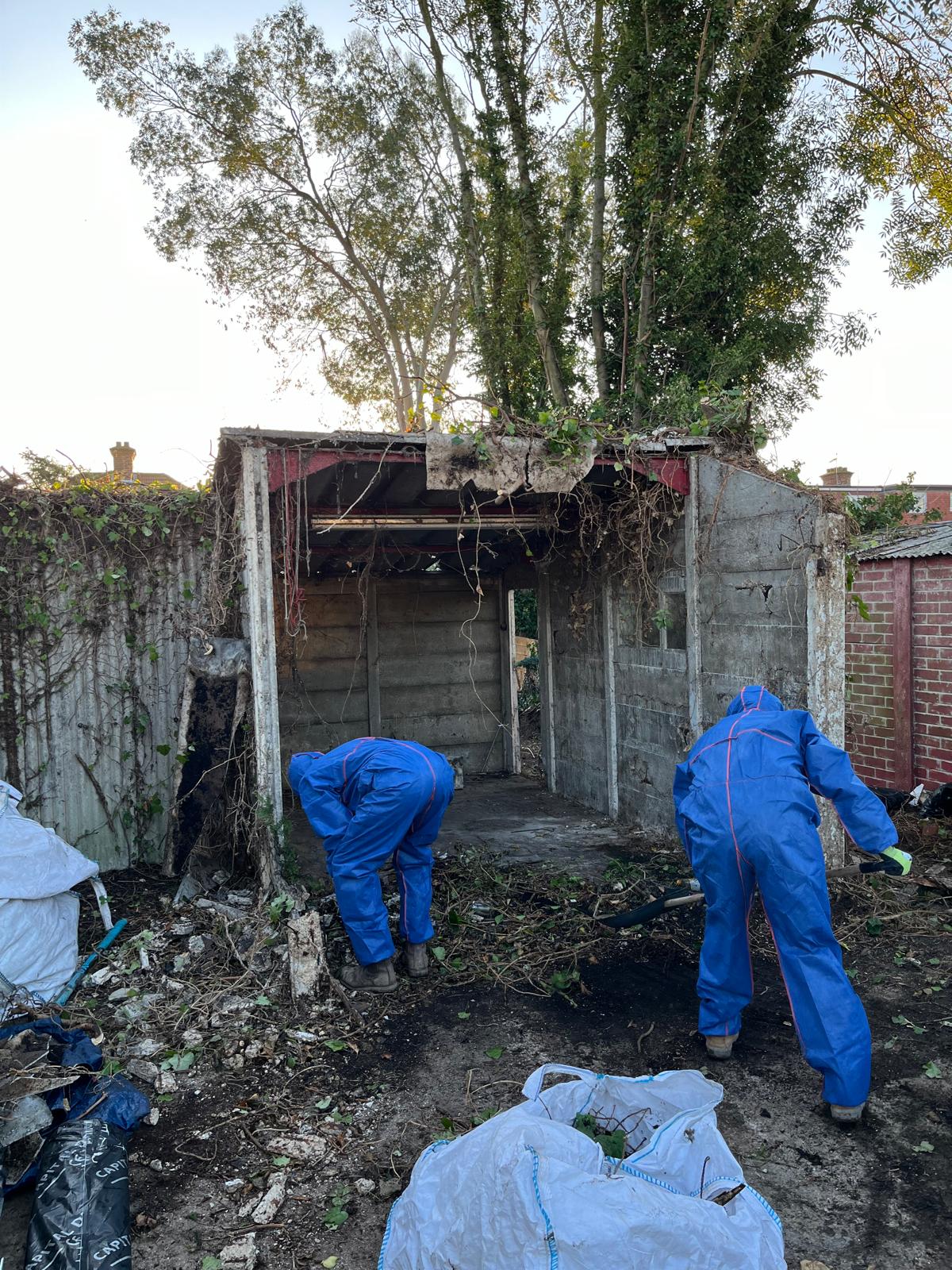
Removal
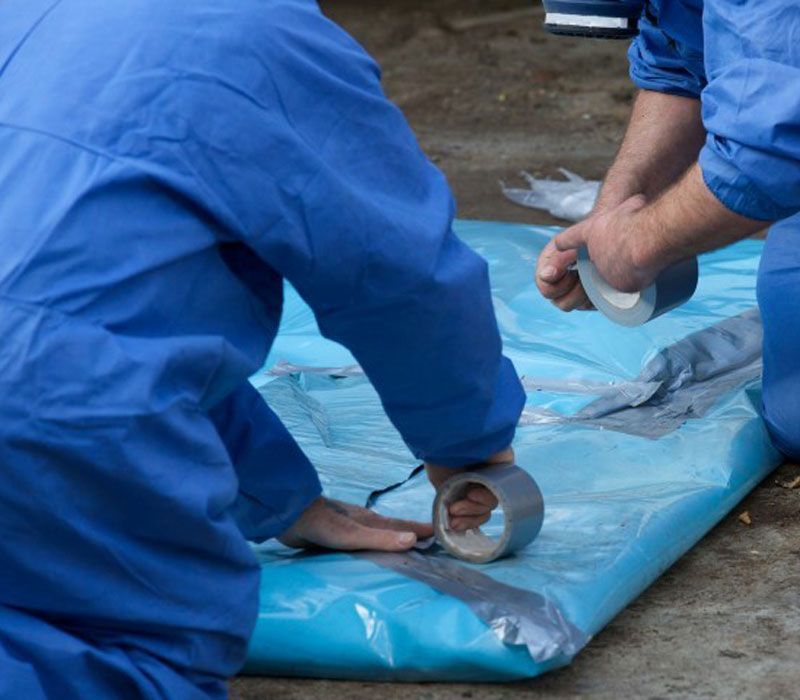
Material is removed safely, double-wrapped and taken to a licensed disposal facility.
Certificate
You receive a waste consignment note and disposal certificate confirming legal handling.
Frequently Asked Questions
Why Choose Clearaway
HSE Licensed Removal
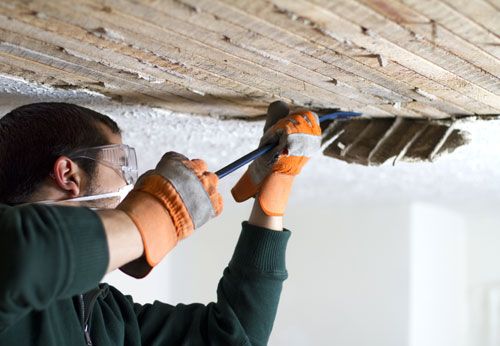
Higher-risk material handled under full enclosure, with the 14 days of HSE notice the law requires and independent clearance testing.
Planning Aware
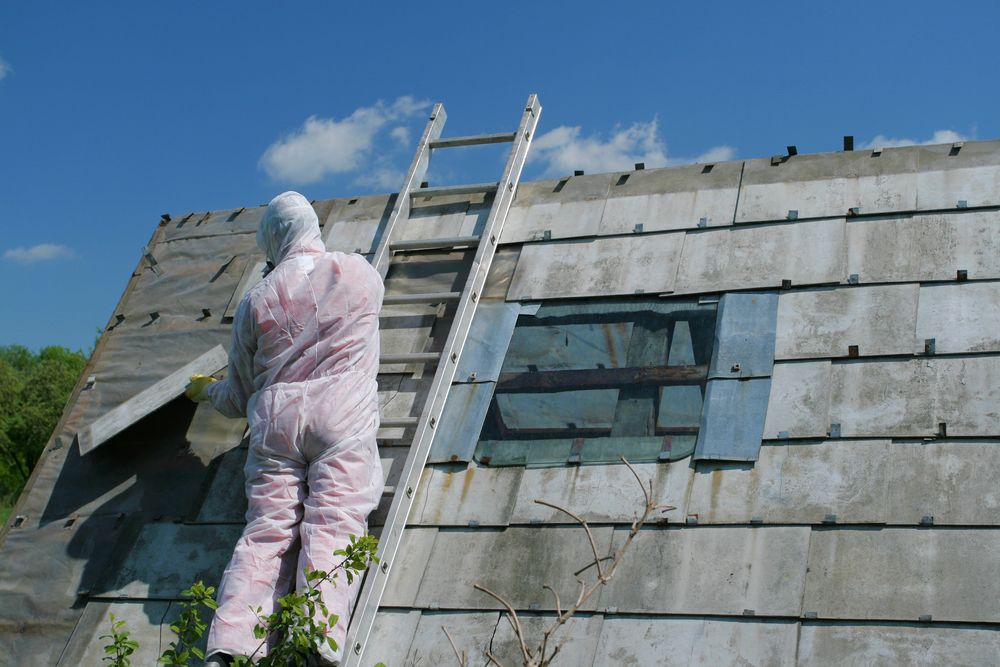
Used to conservation areas and listed buildings: scaffold and access planned around the restrictions, original fabric protected.
Fully Licensed
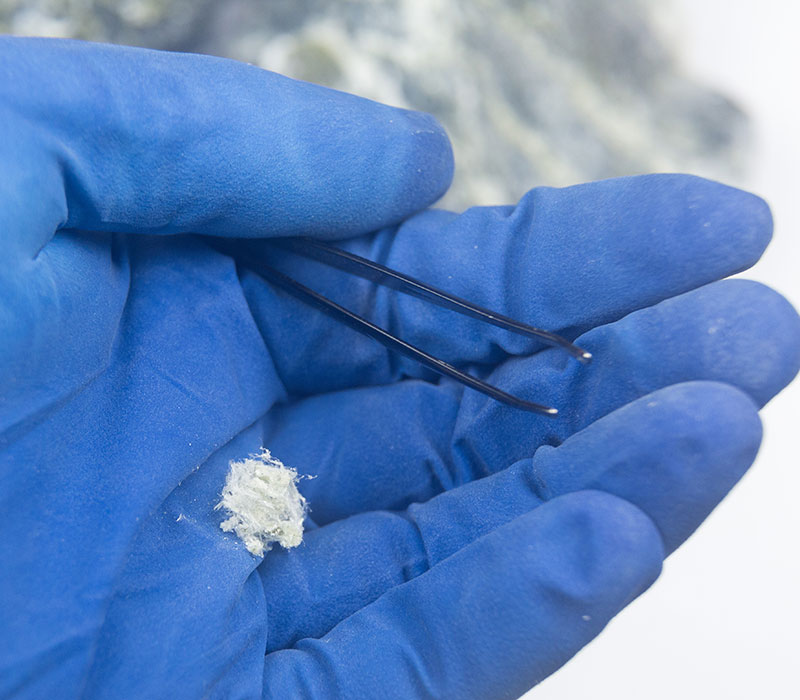
Licensed asbestos removal contractor (Licence No. 142305706). Full public liability insurance on every job.
Our Own Team
We never subcontract. The people who quote your job are the people who do it.
Get in Touch
Send a few details about your project and we will come back the same working day with a fixed price. We cover Surrey, London and the South East, including Esher, Cobham, Kingston, Richmond, Epsom, Guildford, Woking and Croydon.