Asbestos Floor Tile Removal in Putney
Floor tile removal for the terraces, conversions and flats of Putney, where old thermoplastic tiles and the black bitumen glue beneath them surface during a kitchen or floor refit. Contained removal, air tested afterwards, with the paperwork to prove it.
What Comes Up When the Floor Comes Up
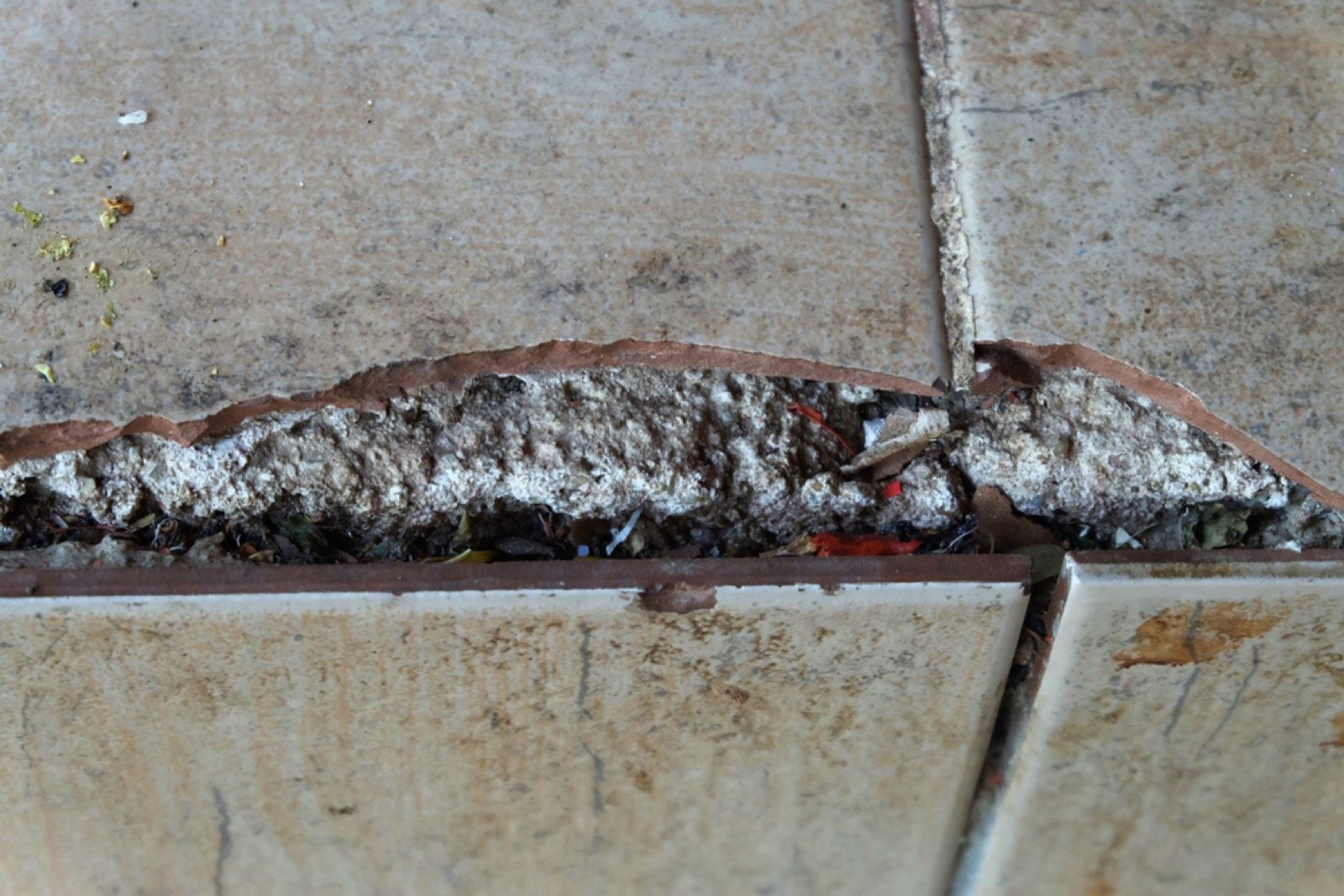
Most of the asbestos we deal with in Putney never shows itself until a floor is lifted. A household pulls up tired carpet or old lino in a Victorian terrace off the Lower Richmond Road, planning a new kitchen or a fresh floor, and underneath sits a layer of small, hard tiles. Thermoplastic and vinyl floor tiles like these were laid in homes across SW15 for decades, in kitchens, hallways, utility rooms and downstairs WCs, and a great many of them went down before asbestos was banned in the UK in 1999. They were cheap, hard-wearing and easy to lay, which is exactly why so many ended up under the later flooring you are standing on today.
The tiles themselves are only half the story. Bedded into the screed beneath them is very often a black, tarry adhesive, and that black bitumen glue is the part people do not expect. It was used to stick the tiles down, it has had years to harden into the floor, and it is frequently the bigger and more stubborn issue than the tiles sitting on top of it. Even after every tile has been chipped away, a thin black skin of it stays welded to the screed, and that residue can be just as much of a concern as the tiles were.
Left alone under a carpet, none of this does any harm. Asbestos floor materials sitting undisturbed are not releasing anything into the room. The problem starts the moment a refit begins and someone takes a scraper, a chisel or a floor sander to it, because that is when fibres can break loose into the air of an occupied home. Those fibres are what cause asbestosis and mesothelioma, often decades after the exposure, and that long delay is exactly what makes a dusty floor so easy to underestimate.
Why the Glue Is the Real Job
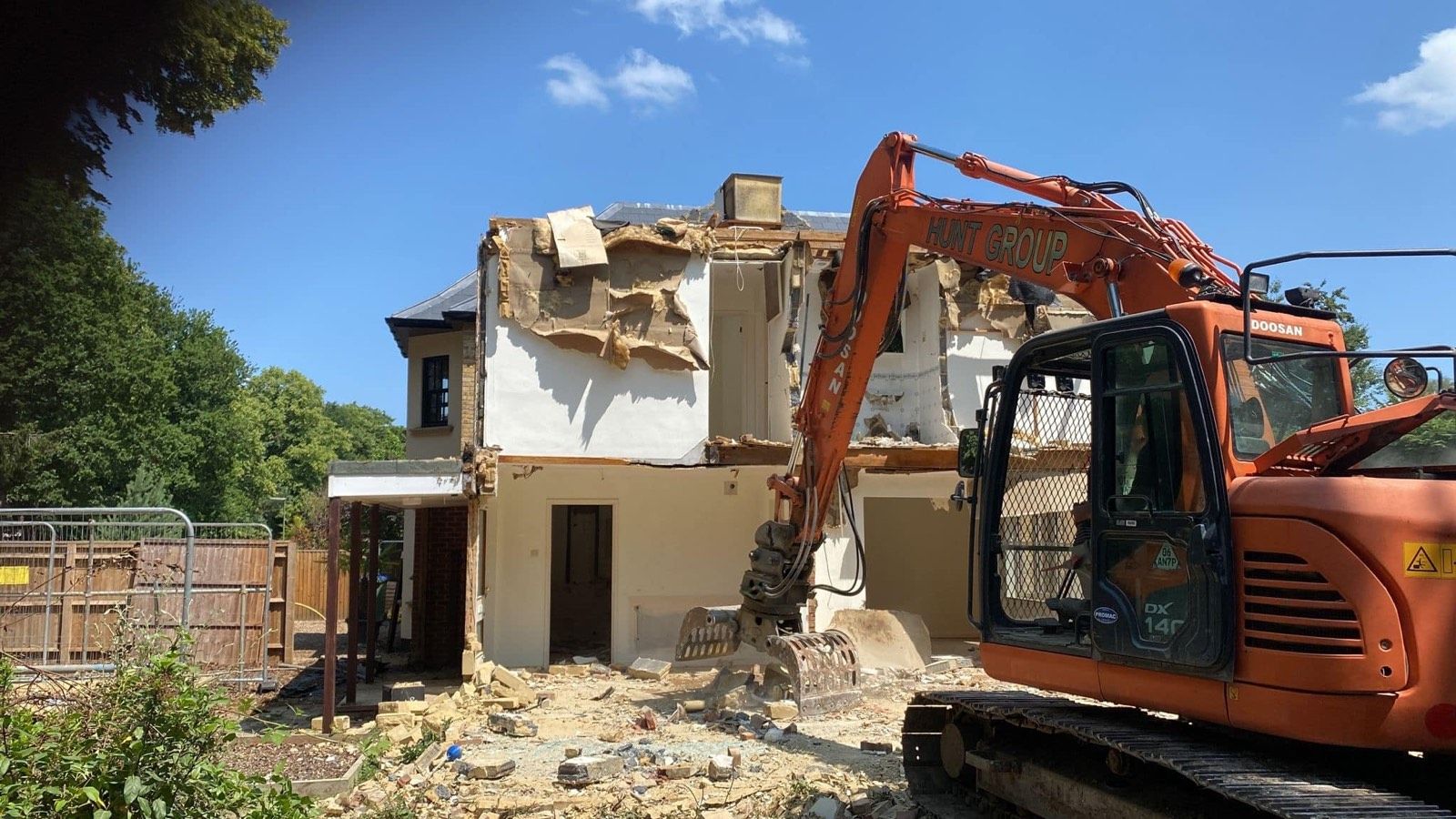
Lifting a few loose tiles is the easy part. The work that takes the time, and the part that needs handling properly, is the black bitumen adhesive welded to the screed. It does not lift away in neat pieces the way the tiles often do. People reach for heat, solvents or an aggressive sanding disc to shift it, and any of those can turn a quiet floor into a dust problem in minutes. Dry grinding the residue off is the single worst thing to do, because that is what puts the finest fibres into the air, and once they are airborne in a closed-up Putney kitchen they settle on every surface in the room.
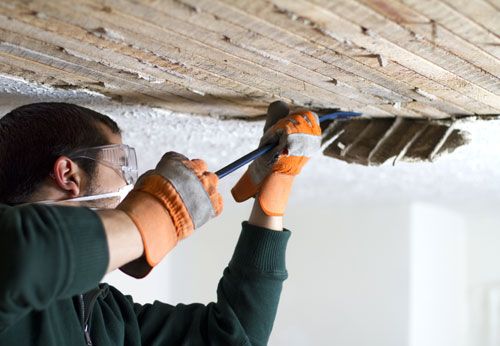
The tiles and the adhesive can also hold different materials, and you cannot tell what is in either of them by eye. Two floors that look identical can come back from the laboratory with very different results, and the glue can test positive even where the tiles above it do not. Anything we suspect is sampled and sent to a UKAS-accredited laboratory before any work begins, and the results normally land within a few working days. We will not start lifting a floor until we know exactly what the tiles and the adhesive are made of.
In a Putney conversion or a flat in a shared block this matters even more, because there is rarely a driveway to work from and a neighbour on the other side of the wall or the ceiling. A floor that runs from the kitchen through to a hallway shared with the rest of the building leaves very little room for error. Knowing exactly what the floor is made of decides how we approach it, what containment we set up and whether the job needs to be notified at all, so we wait for the lab before we lift anything that counts.
Contained Removal in an Occupied Home
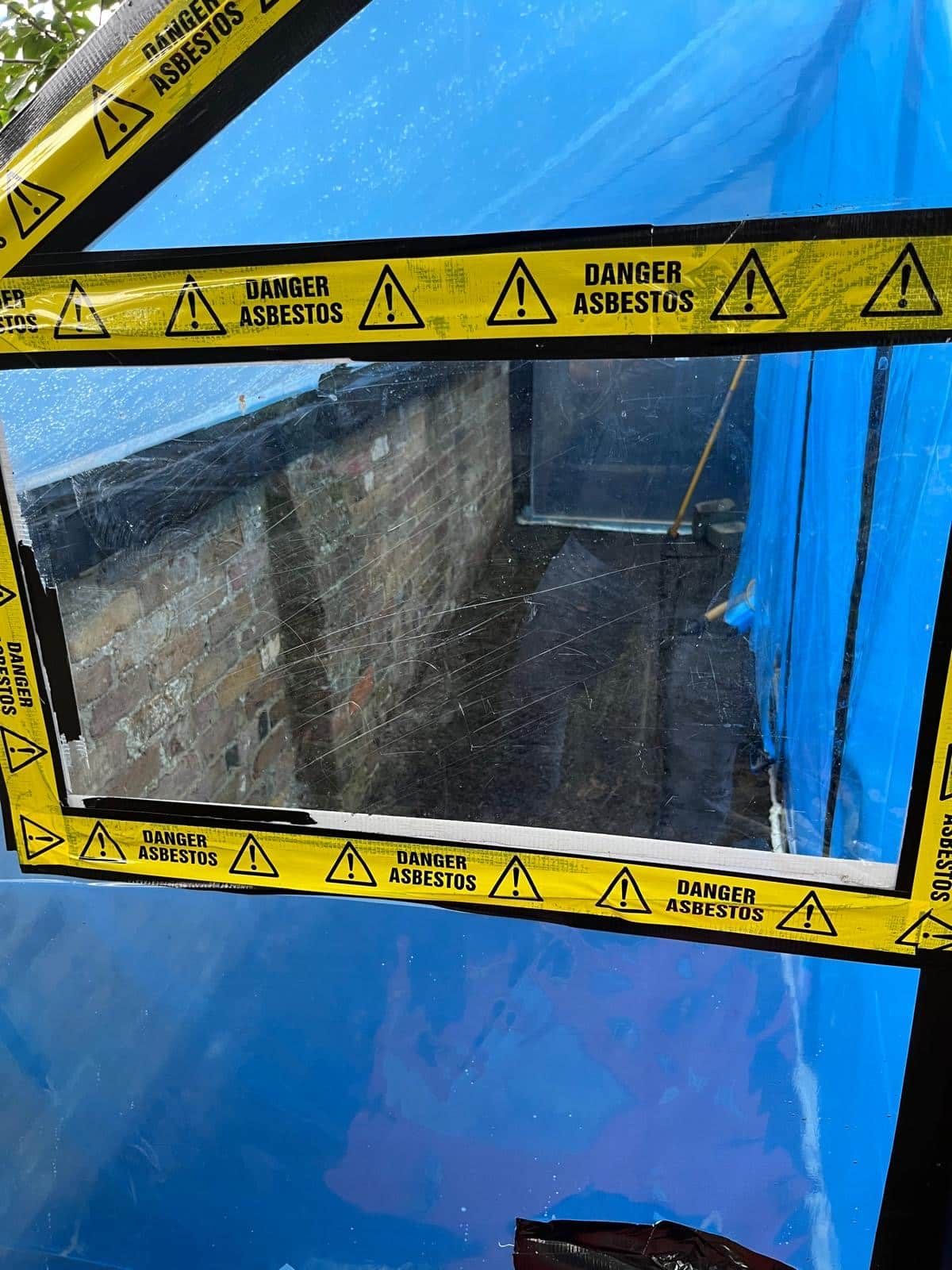
Taking a floor up in a lived-in Putney home means keeping the rest of the place clean while we do it. We seal off the room being worked on, run commercial-grade air filtration throughout, and keep the area under negative pressure so dust from the tiles and the bitumen cannot drift into the hallway, the kitchen or a neighbouring flat in the block. The doorways are sealed, the extraction runs the whole time we are in there, and the household carries on in the rest of the home while the floor is dealt with behind the screens.
The tiles come up first, lifted whole wherever they will, and then the adhesive is dealt with in a controlled way rather than ground off dry. Everything we take out, tiles and glue residue alike, goes straight to a licensed disposal facility so the fibres stay locked in and the floor is left ready for whatever finish is going down next. On the narrow streets between the river and Putney Heath, where parking is tight and there is often no skip space, working clean and tidy is part of the job, and we leave the floor swept and the room safe to walk back into rather than a mess for someone else to deal with.
When the floor is out, we test the air before anyone moves back in, so the room is signed off on a clear result and not just a tidy look. Floor tile work like this is usually finished within a single day for a typical room, which keeps the disruption to a kitchen or hallway short. The household gets the room back knowing it has been cleared properly and that the screed is ready for the new floor.

Floor Tiles Across SW15
Floor tiles and their adhesive turn up right across Putney, from the Victorian and Edwardian terraces running down towards Putney Bridge to the purpose-built blocks and mansion flats behind the High Street, and out along the Upper Richmond Road. Any home last floored before 2000, whether a terrace near the Heath or a conversion towards West Hill, can be hiding a tiled layer and a bed of black bitumen under the carpet you are about to pull up. The bigger period houses towards West Hill often have the most floor to deal with, with tiles run through kitchens, sculleries and back hallways that were last touched a long time ago.
If a refit is on the cards, the cleanest path is to have the floor sampled before the old covering comes off, so you know what you are dealing with rather than finding out halfway through with the dust already up. That one step decides everything that follows, from how the room is sealed to whether the job has to be notified at all. Some floor tile and adhesive work can be done without HSE notice, and where the result calls for licensed work we give the HSE its 14 days of notice, work under full enclosure with air monitoring, and finish with four-stage clearance testing by an independent analyst before the room is signed off. Either way the floor is left clean and the result is on paper.
We hold Spectra licence number 142305706, we have worked across Putney and the wider south-west London and Surrey area for more than seven years, and every floor we clear ends with the certificates that prove the material was removed and disposed of legally. To book a free site visit, call us on 0800 024 6168.
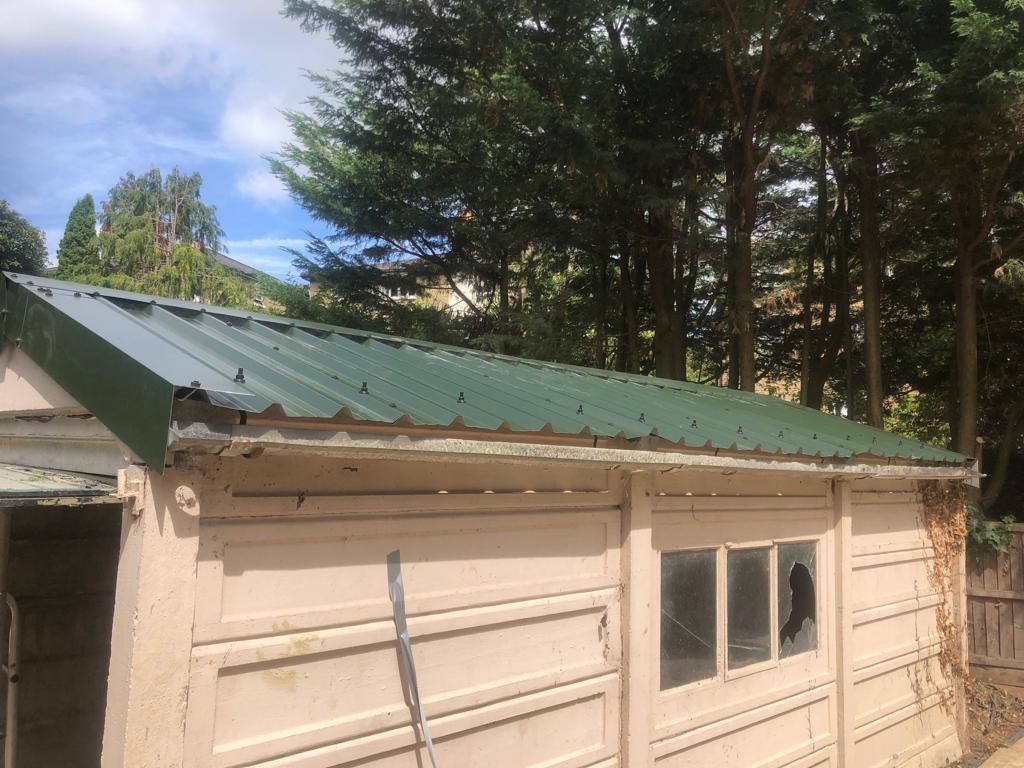
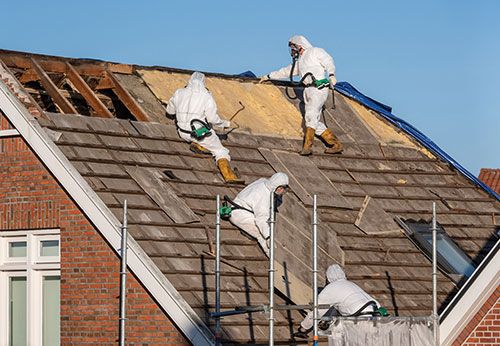
Asbestos Roof Removal and Steel Box Profile Renewal, Putney
Putney, South West London · Roof Removal & Renewal
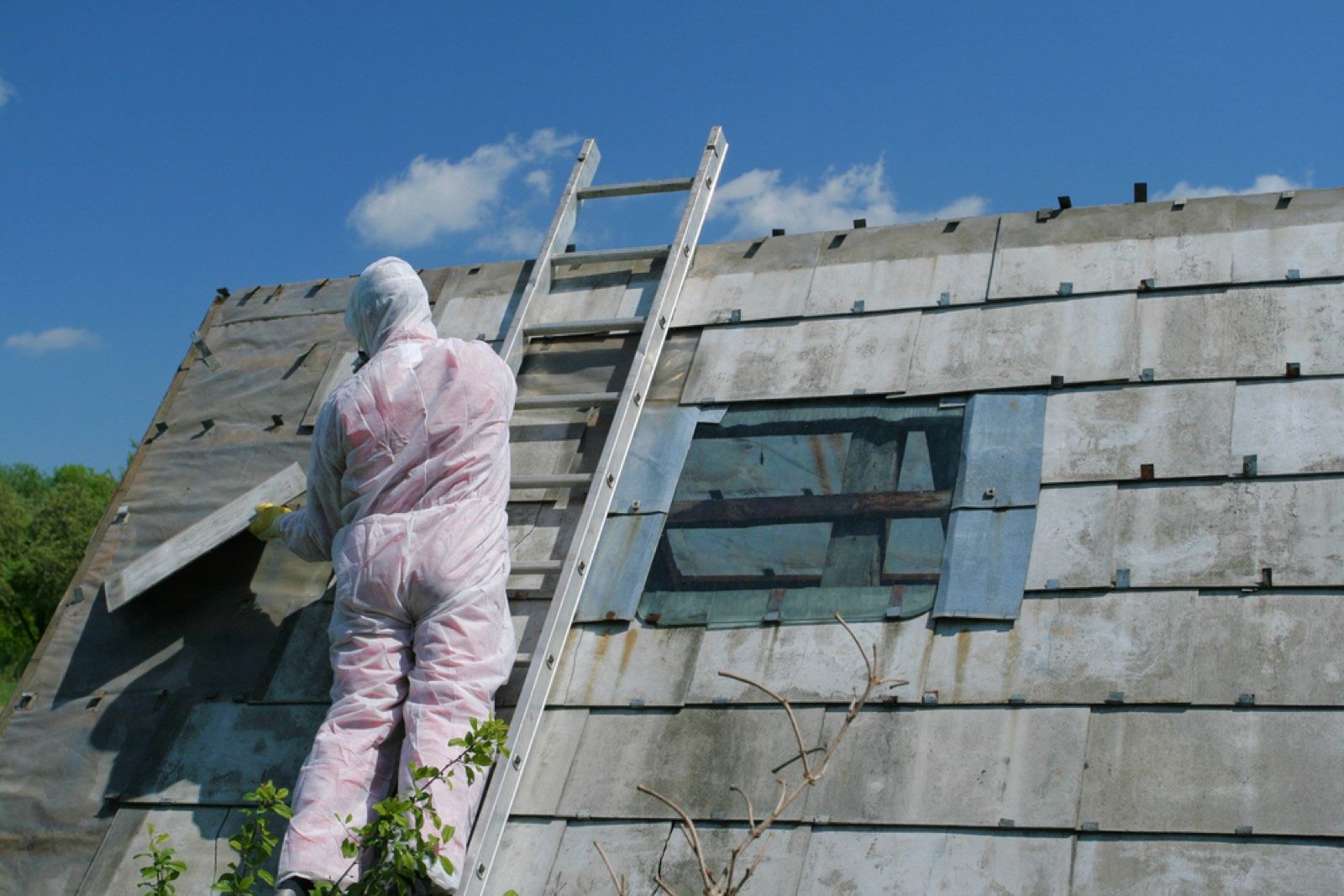
View this project"Graham and his team done an excellent job of removing and replacing my asbestos garage roof and I wouldn't hesitate in recommending them"
Our Removal Process
From first call to final certificate, every job follows the same clear four-step process.
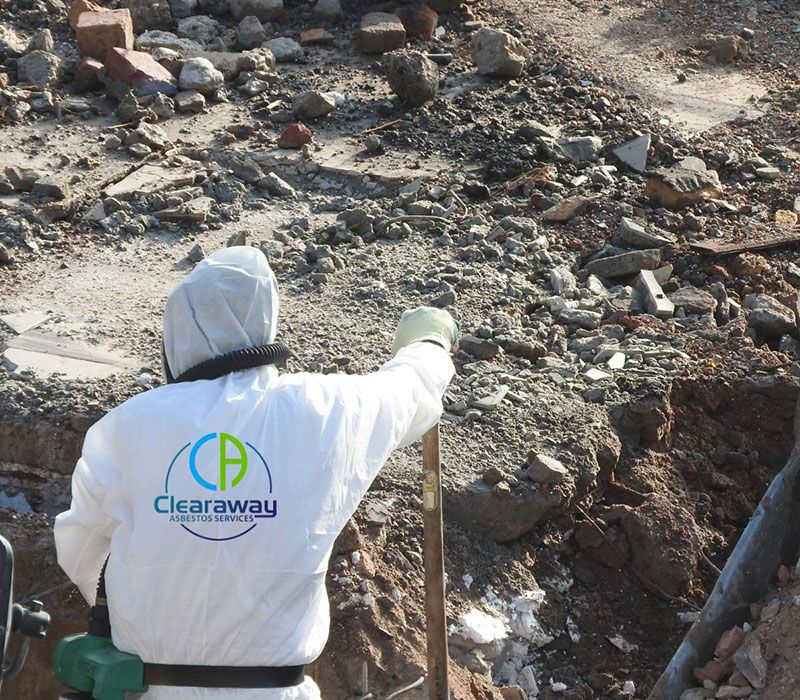
Survey
We inspect the property and confirm the material. Sampling available if required.
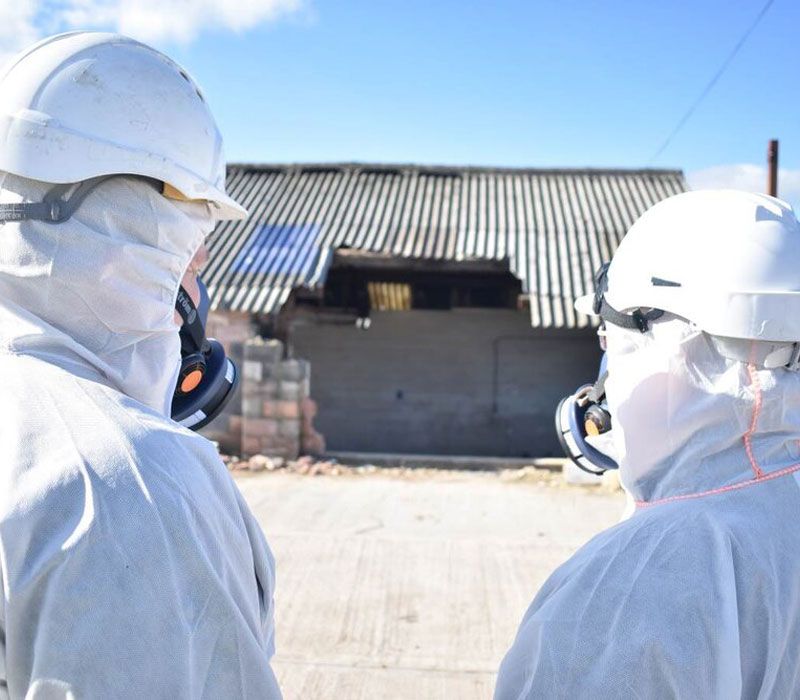
Quote
Fixed written price covering removal, disposal and any replacement work.
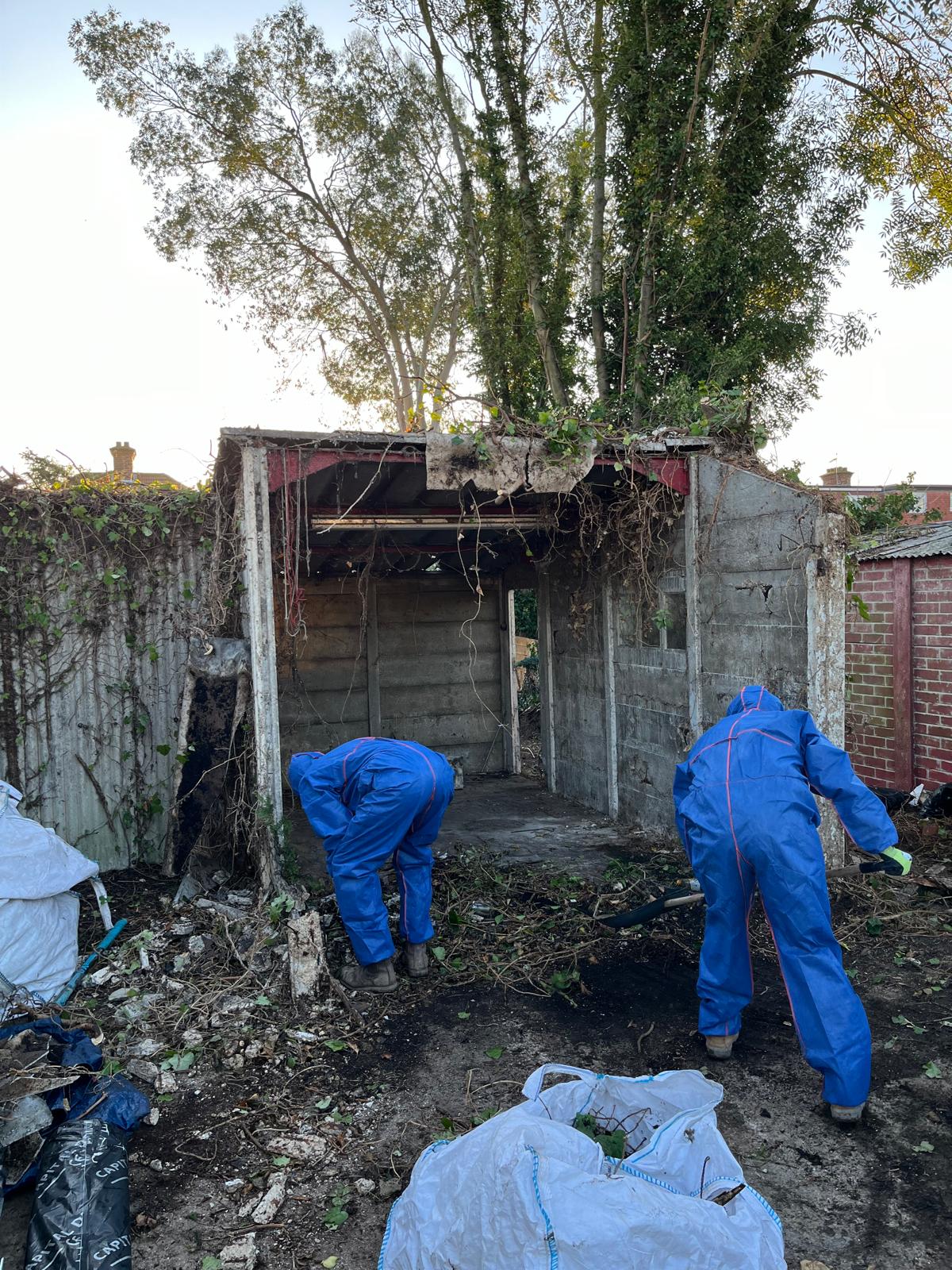
Removal
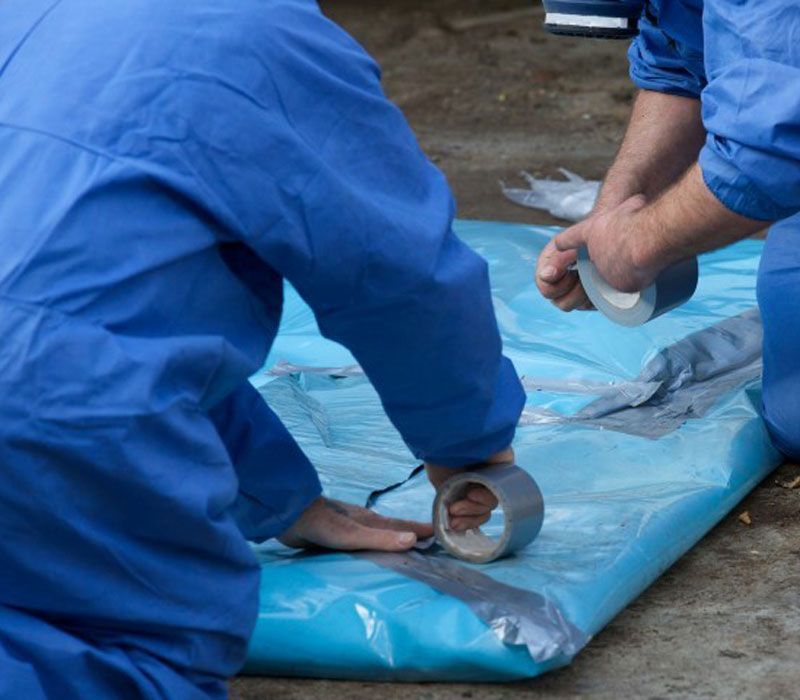
Material is removed safely, double-wrapped and taken to a licensed disposal facility.
Certificate
You receive a waste consignment note and disposal certificate confirming legal handling.
Frequently Asked Questions
Why Choose Clearaway
Landlord Compliant
Survey reports and waste consignment notes that satisfy managing agents, lenders and a tenant's right to a safe home.
UKAS Accredited Testing
Every suspect material sampled and confirmed by a UKAS-accredited laboratory before any removal begins.
Fully Licensed
Licensed asbestos removal contractor (Licence No. 142305706). Full public liability insurance on every job.
Our Own Team
We never subcontract. The people who quote your job are the people who do it.
Get in Touch
Send a few details about your project and we will come back the same working day with a fixed price. We cover Surrey, London and the South East, including Esher, Cobham, Kingston, Richmond, Epsom, Guildford, Woking and Croydon.