Asbestos Floor Tile Removal in Kensington
Kensington kitchens and hallways often hide old floor tiles under newer flooring, and a routine refit in a W8 flat or mansion block can lift the carpet and expose them. We remove the tiles and the black adhesive below.
What turns up under a Kensington floor
Pull up the carpet or worn lino in a flat off Kensington Square or a maisonette on Earls Court Road, and the layer underneath is rarely the original. Somewhere in the stack you often find small square floor tiles, the thermoplastic and vinyl sort laid through the middle of the last century, when these tall houses were being carved into flats and the floors were redone to suit. They sit there, covered and forgotten, until a kitchen refit or a new wood floor brings them back into the light. A buyer pulls back a rug in a Stanford Road flat, a builder lifts the old kitchen vinyl, and there they are.
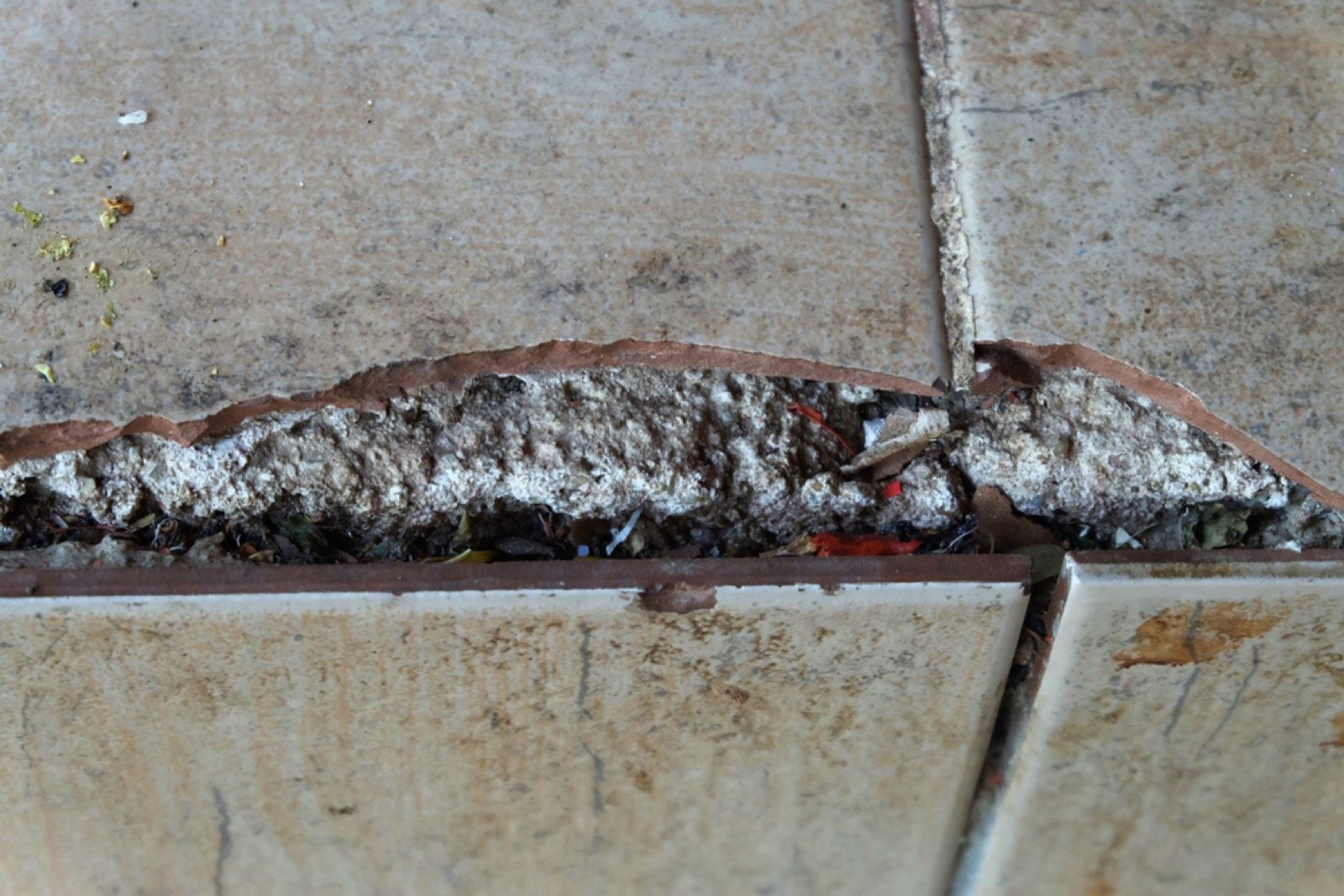
The tiles themselves are usually the easy part. It is the black, tarry adhesive bedded into the screed beneath them that tends to be the real job. That bitumen glue can hold asbestos, it grips hard, and it does not lift cleanly. On a floor in a Cromwell Road mansion block we often find the tiles come away in minutes while the adhesive stays stuck fast across the whole room. The original layers in these conversions sit one on top of another, so what looks like a single old floor can be tiles over adhesive over screed, with a newer covering on top hiding the lot.
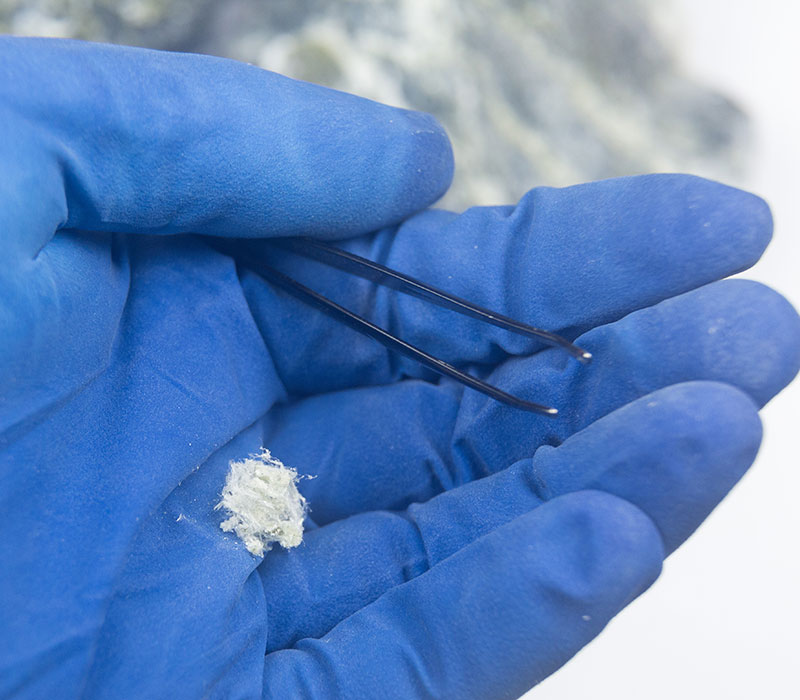
You cannot tell by eye whether either layer contains asbestos. The colour and the age are hints, not proof, so the right first move is a sample sent to a UKAS-accredited laboratory before anyone takes a scraper to the floor. We take a small piece under controlled conditions, the tile and a scrap of the adhesive both, and wait for the result rather than guessing from the look of it. That short pause at the start saves a lot of mess later.
Why the adhesive is the bigger problem
Most people expect the tiles to be the issue and are surprised when the work shifts to the floor itself. Thermoplastic tiles can often be eased up in whole pieces, which keeps dust down, and a clean lift is the best outcome on any floor. The black bitumen adhesive is another matter. It was spread thin and left to set into the screed, and decades on it has gone hard and brittle, so scraping or grinding it is exactly the sort of disturbance that releases fibres.
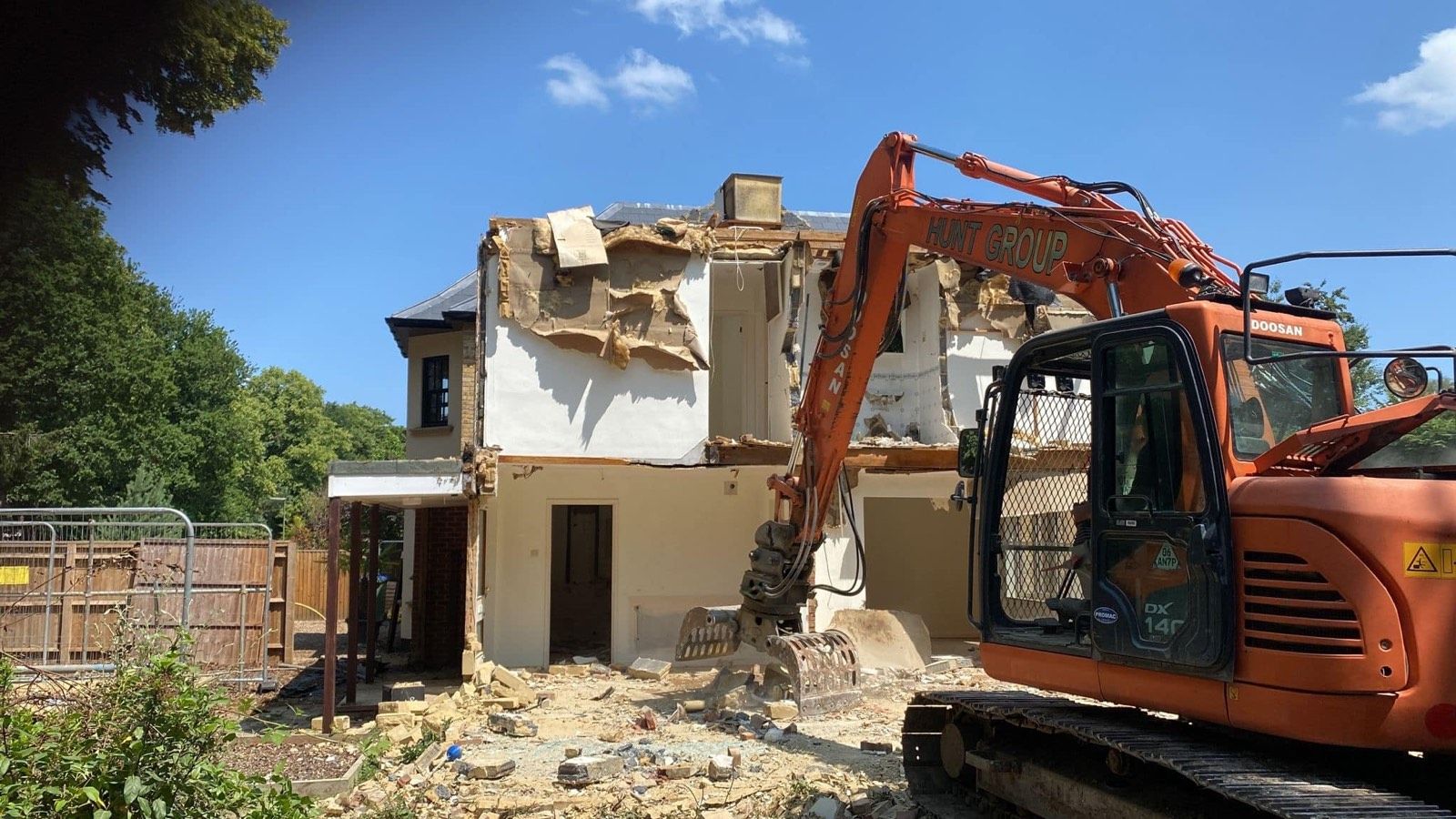
That is the part of a Kensington floor refit that needs proper handling. In a ground-floor flat near Stanford Road the tiles might cover ten or twelve square metres, and the adhesive sits under every one of them, which means the messier half of the job is the half people did not plan for. The screed underneath is rarely flat in a house of this age, so the glue has worked into every dip and gap. Rushing it with a power tool and an open window is how fibres end up through the rest of a lived-in home, on the worktops, in the hall and on the landing outside the door.
How we take it up depends on what the sample shows and how the adhesive is behaving. Where the suspect material is non-licensed, the work can go ahead without HSE notice. Higher-risk floors are different. For licensed removal we give the HSE 14 days notice, work inside a full enclosure, and finish with four-stage clearance testing signed off by an independent analyst before the floor is handed back. Either way the aim is the same, to get the tiles and the adhesive off the screed without spreading them around the flat.
Keeping the dust out of an occupied flat
Almost every floor we lift in Kensington is in a home someone is still living in. These are flats and mansion blocks with shared stairwells, a front door onto a common landing, and no driveway to stage the work from. There is no spare wing to move into while the kitchen is out, so the job has to be sealed off from the rest of the flat and from the neighbours on the same stair. A floor that runs from the kitchen straight into the living room makes that containment the whole job, not a detail.
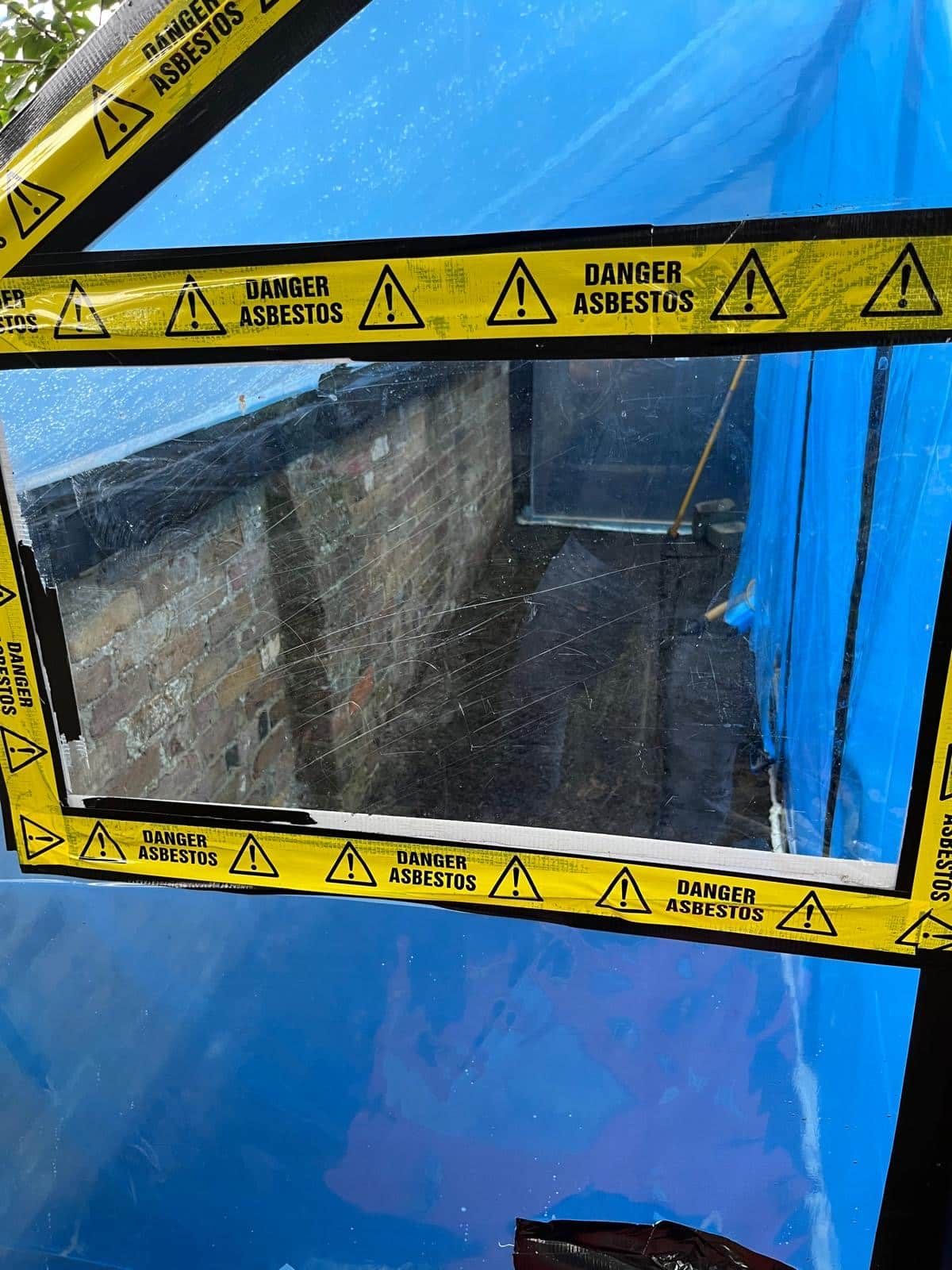
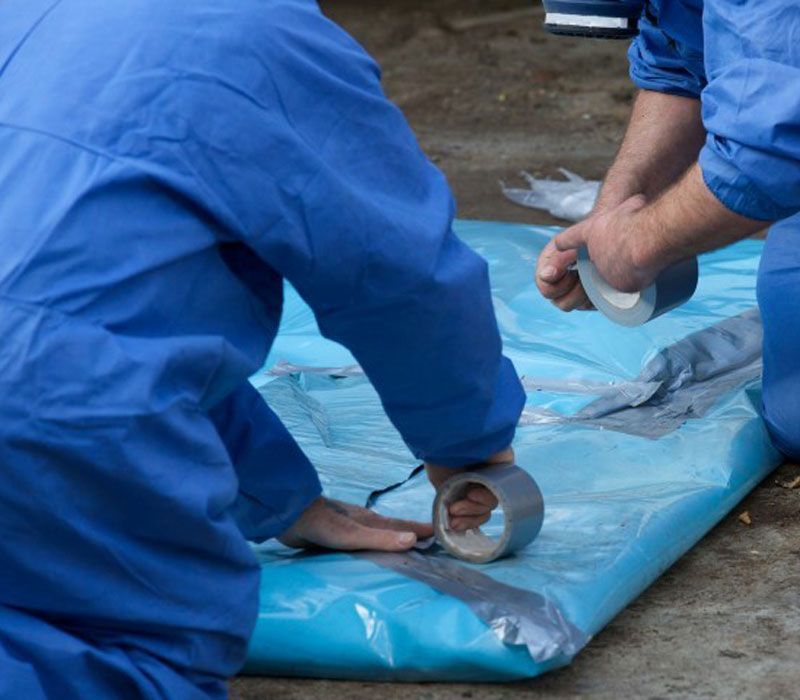
We close off the room and tape the doorways, run the floor work under controlled conditions, and keep the dust from the tiles and the adhesive contained rather than letting it drift down the hall or out to the landing. The floor is the one surface you cannot avoid walking back over, so we keep a clean route in and out and change the way we move through the flat to match. Waste goes into sealed, labelled bags and is carried out the way we came in, which on a tall converted house can mean several flights down a narrow stair. None of that works without planning the route first.
In many of these blocks the lift is small or out of bounds for building work, and parking is suspended rather than assumed, so access is agreed before the day. When the floor is clear of tiles and adhesive and cleaned down, the air is tested before anyone moves back into the room. That last check matters most in a flat where the kitchen and the living space sit only a door apart, because the people living there are the ones who use the floor the moment the work is signed off.

Living with conservation rules and listed flats
Most of Kensington sits inside a conservation area, and a good number of the houses and mansion blocks are listed. A floor refit on its own rarely needs consent, but it is often one step in a wider job that does, so the timing has to fit around any listed building consent and the rest of the works rather than cut across them. We plan the floor stage so it lands in the right order, after the strip-out and before the new floor and the units go back in.
There is original fabric to think about even at floor level. Skirtings, door thresholds and old joinery sit right at the edge of the work, and on a period floor the screed may run over something worth keeping. Lifting tiles and chasing the adhesive out of the corners is where edges get knocked, so we work carefully against the skirting line and protect what is there. The room is left ready for the new floor to go down, whether that is boards, tiles or a poured finish, with the old asbestos layers gone rather than sealed over and left for the next owner to find.
Clearaway is based in Chessington and the owner Graham runs these local jobs himself, so the person quoting the floor is the person on site. We hold Spectra licence number 142305706 and have spent more than seven years working across this part of London, from converted flats to mansion blocks. If you have lifted a carpet and found old tiles, or you are planning a refit and want the floor checked first, call 0800 024 6168.
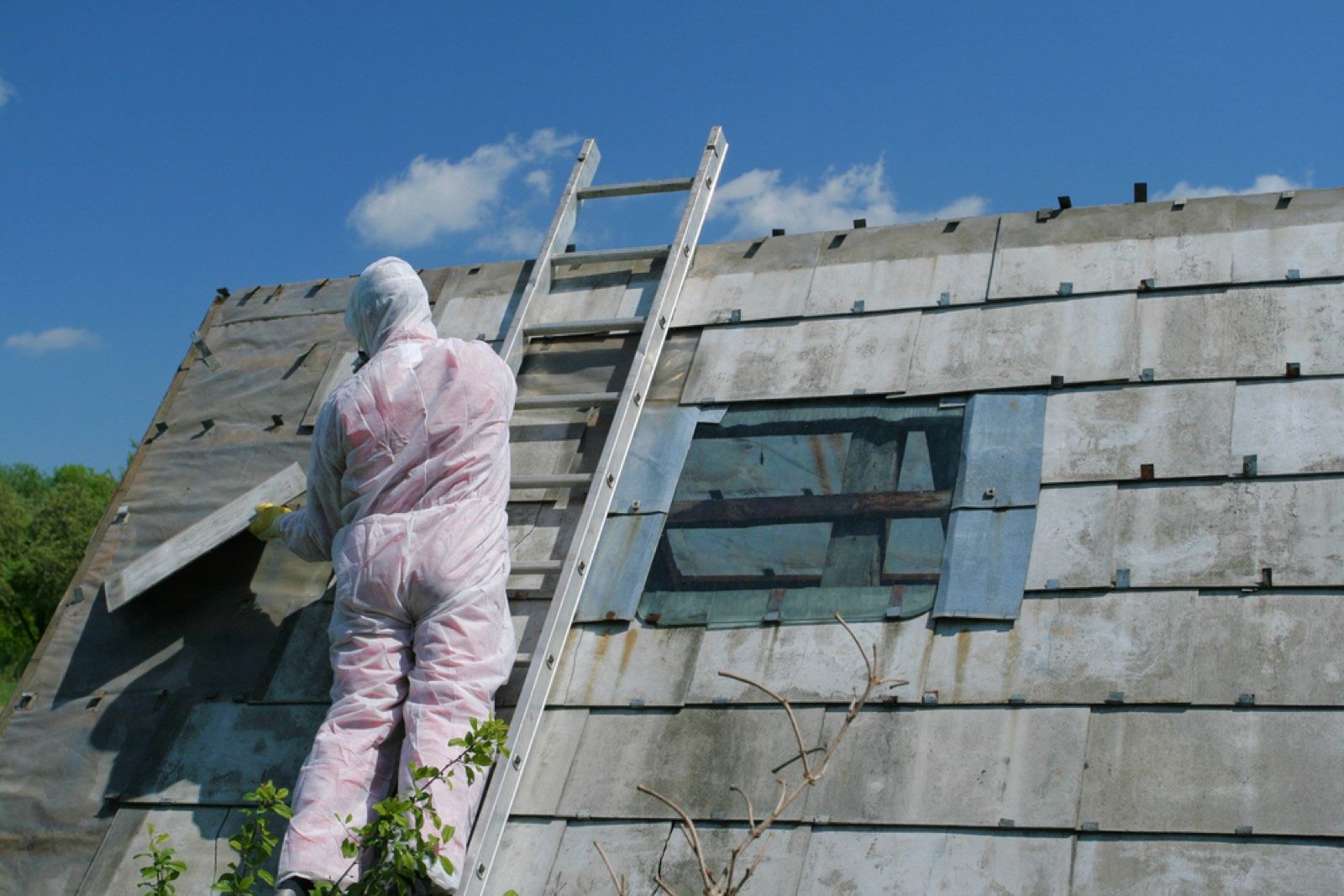
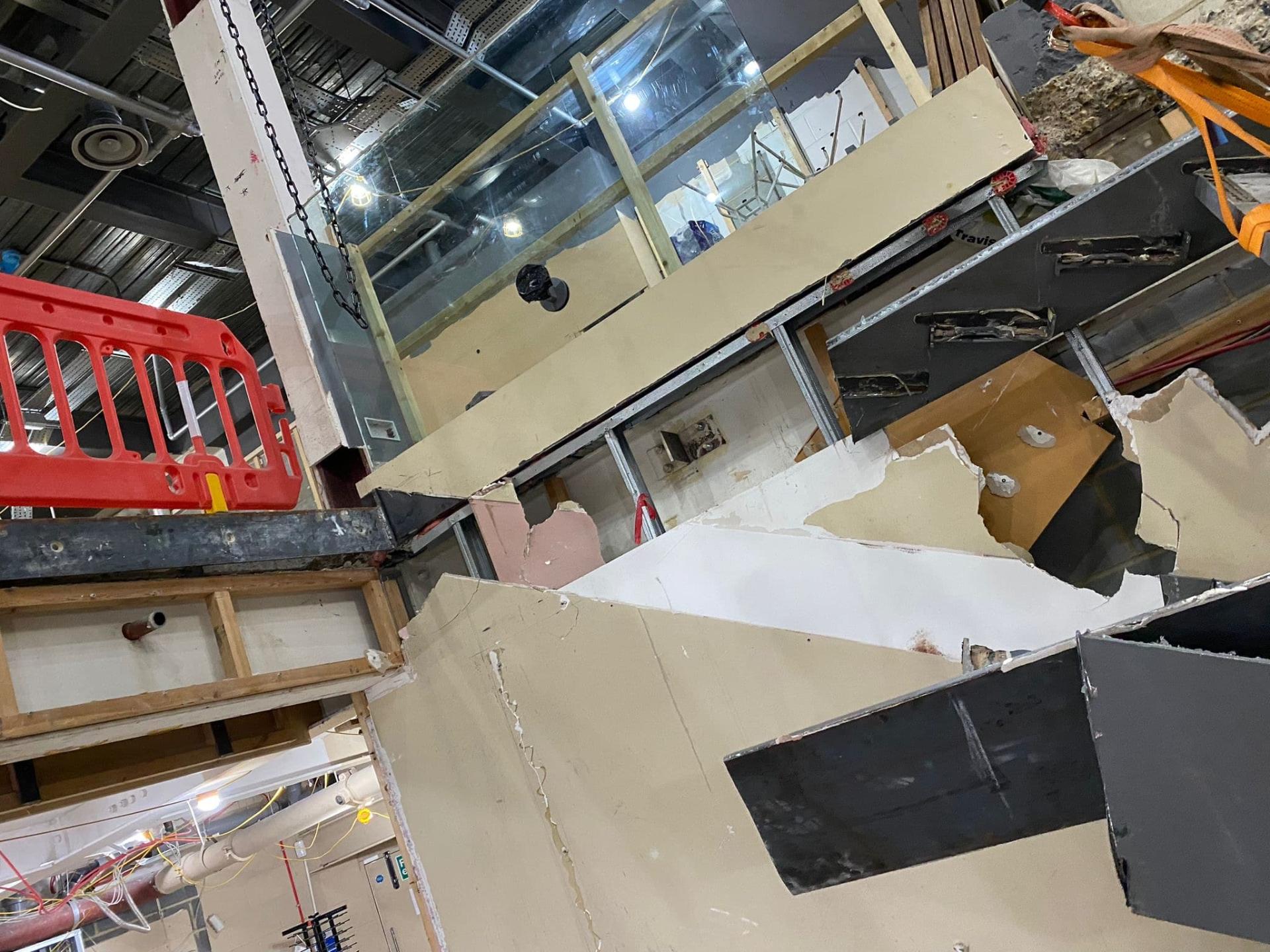
Commercial Building Strip-Out, Kensington
Kensington, South London · Strip-Out
View this project"I used Clearaway Asbestos recently for an asbestos garage removal in my home. The staff were really friendly and professional and put me at ease the whole time they were working. I would recommend Clearaway Asbestos to anyone who needs asbestos removal services!"
Our Removal Process
From first call to final certificate, every job follows the same clear four-step process.
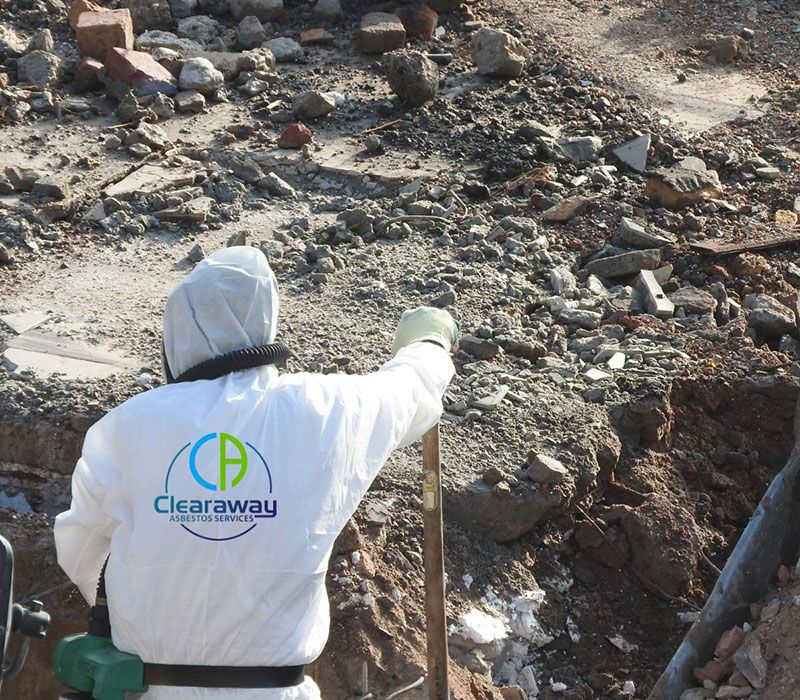
Survey
We inspect the property and confirm the material. Sampling available if required.
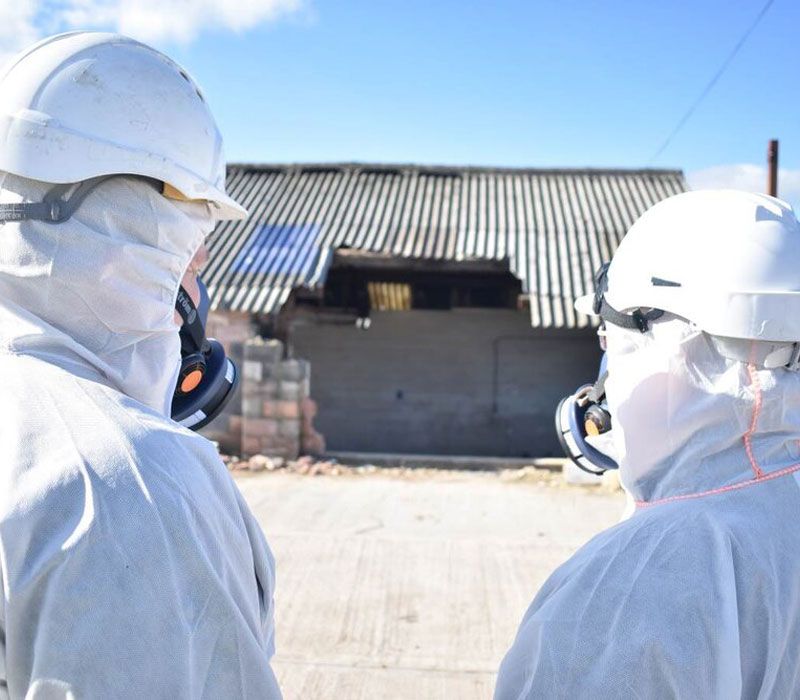
Quote
Fixed written price covering removal, disposal and any replacement work.
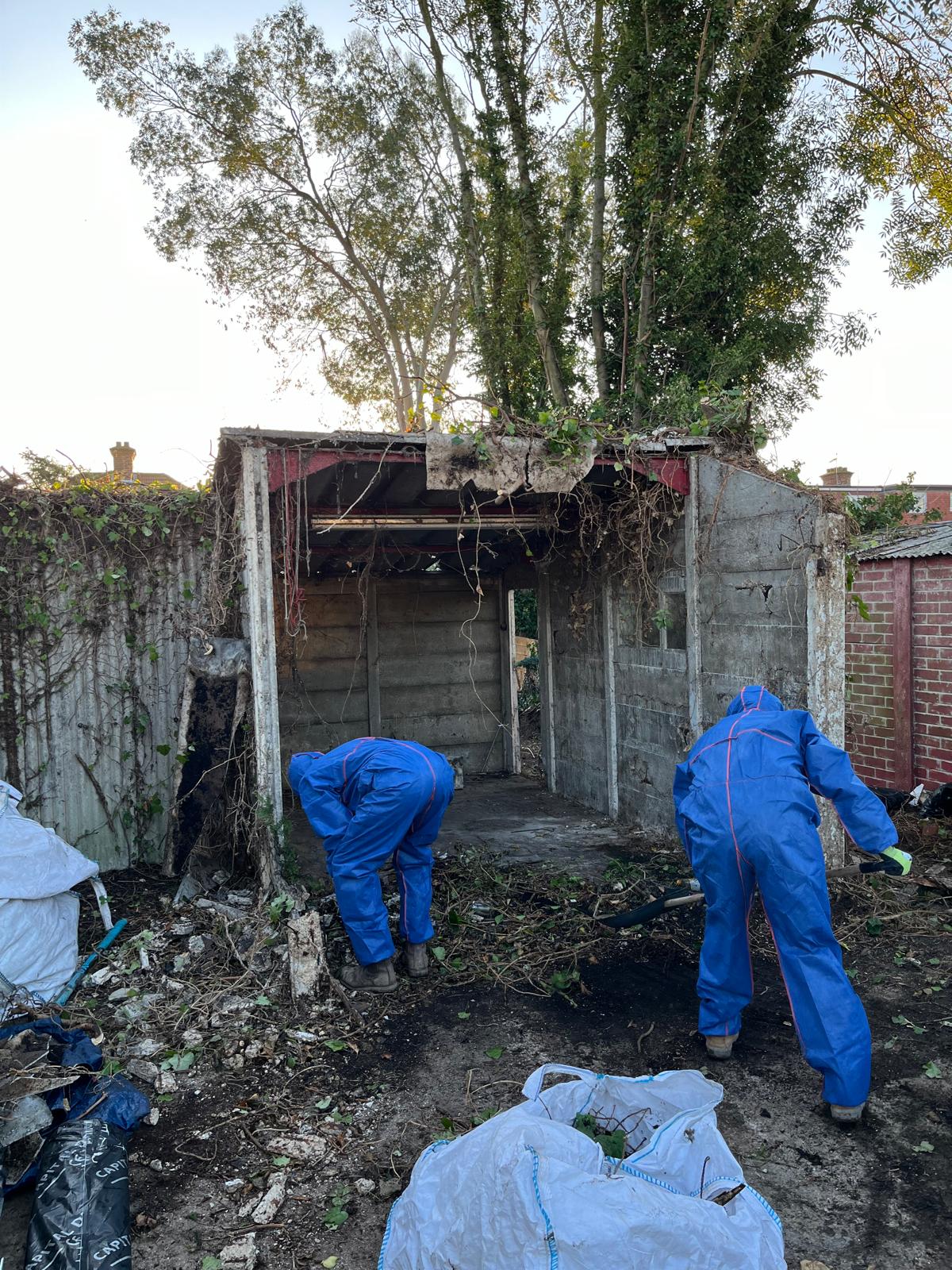
Removal
Material is removed safely, double-wrapped and taken to a licensed disposal facility.
Certificate
You receive a waste consignment note and disposal certificate confirming legal handling.
Frequently Asked Questions
Why Choose Clearaway
HSE Licensed Removal
Higher-risk material handled under full enclosure, with the 14 days of HSE notice the law requires and independent clearance testing.
Planning Aware
Used to conservation areas and listed buildings: scaffold and access planned around the restrictions, original fabric protected.
Fully Licensed
Licensed asbestos removal contractor (Licence No. 142305706). Full public liability insurance on every job.
Our Own Team
We never subcontract. The people who quote your job are the people who do it.
Get in Touch
Send a few details about your project and we will come back the same working day with a fixed price. We cover Surrey, London and the South East, including Esher, Cobham, Kingston, Richmond, Epsom, Guildford, Woking and Croydon.