Asbestos Floor Tile Removal in Guildford
In Guildford the floors give the game away. Lift the carpet or old lino in a Charlotteville terrace or a Merrow semi and you find small hard tiles set in a sticky black layer. That black layer is the asbestos worth checking.
What turns up under a Guildford floor
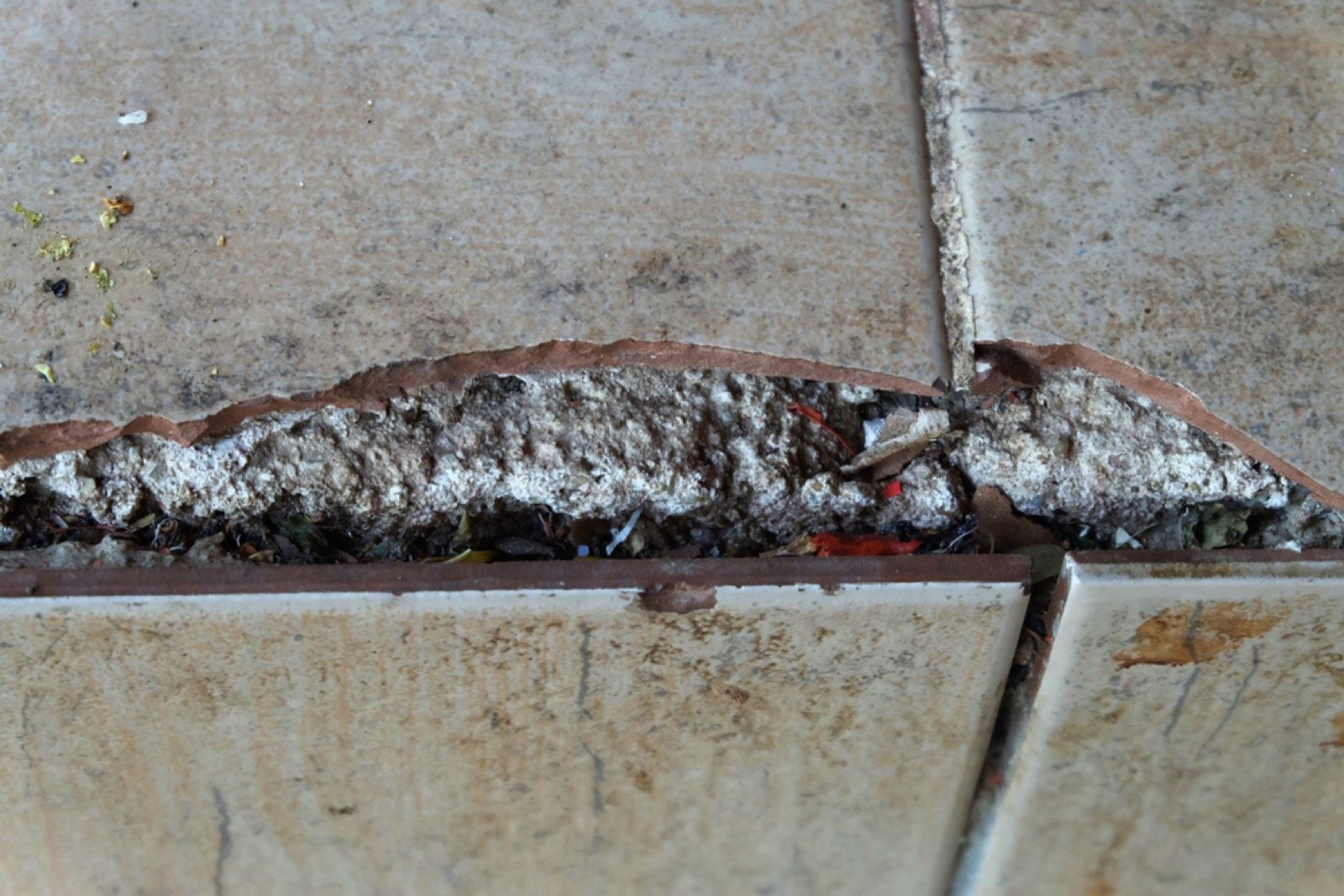
Most floor work in Guildford starts the same way. Someone is redoing a kitchen in a Stoughton terrace, or pulling up tired carpet in a 1930s semi out towards Burpham, and underneath sits a layer of small square tiles. Thermoplastic and vinyl tiles like these went down in mid-century homes from the 1950s to the 1970s, before the 1999 ban, and the steep Victorian and Edwardian terraces of Charlotteville saw plenty of them added later as ground floors were updated. They hide easily. A carpet or a sheet of lino goes over the top, and the tiles sit there forgotten until the day someone decides to change the floor.
The tiles themselves are usually the easy part. They are hard, nine inches square and two to three millimetres thick, and they lift in whole pieces once they are warmed or eased away from the floor. The problem is what they were stuck down with. Underneath sits a black bitumen adhesive, sometimes called black mastic, bedded into the screed. That adhesive can contain asbestos, and on a Guildford floor it is the bigger headache, more than the tiles sitting on top of it. People expect the tiles to be the worry. More often it is the black layer they have never really looked at.
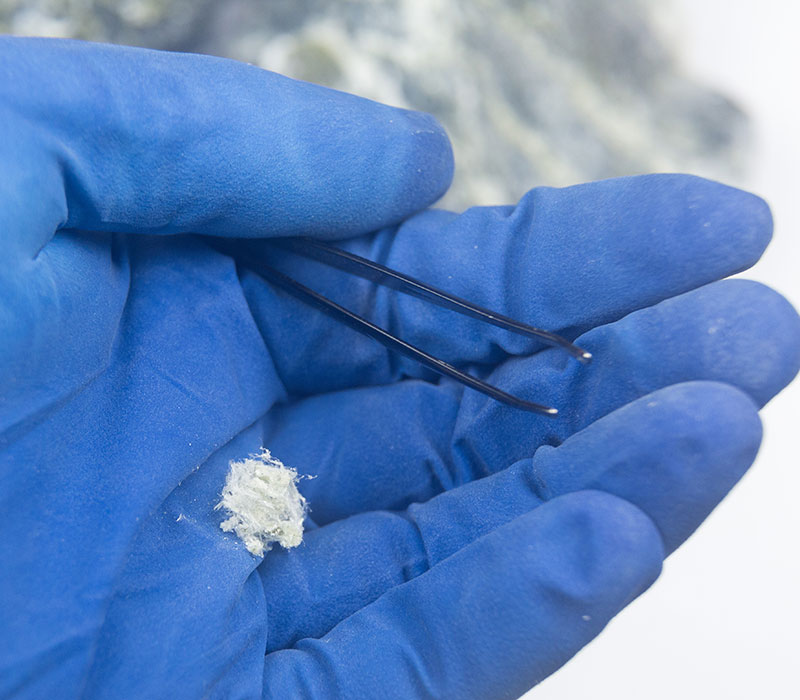
You cannot tell by looking. Black bitumen adhesive looks like ordinary old glue, and the only way to know what is in it is to take a small sample under controlled conditions and send it to a UKAS-accredited laboratory. Until that result comes back, the sensible thing is to leave the floor alone rather than start scraping at it. A floor that has sat quietly for forty years will wait a few more days for a lab result.
Why the adhesive is the stubborn bit
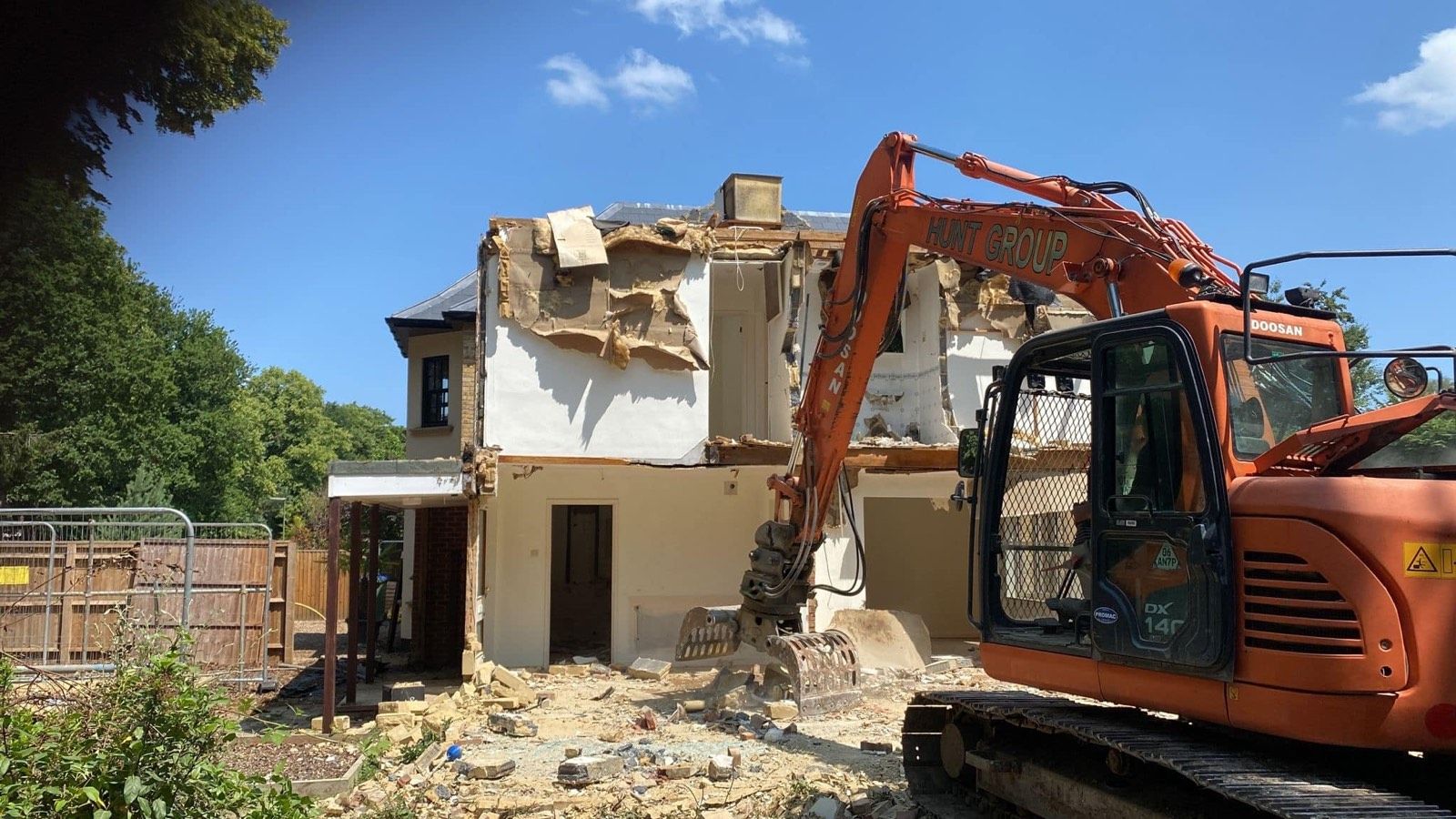
Tiles release the floor fairly willingly. The black bitumen layer beneath them does not. It was spread hot when the floor was first laid, it soaked into the surface of the screed, and decades on it has gone hard and brittle in places and still tacky in others. Scraping it dry is exactly the wrong approach, because that is what sends fibres into the air of an occupied home. The same goes for a grinder or a floor sander, which turn a contained problem into a cloud of dust in seconds.
In a lot of Guildford houses the floor being lifted is in the most lived-in room of all, the kitchen or a downstairs hallway that the whole family walks through. That changes how the work has to be done. The point is not just to get the tiles and the adhesive off the screed. It is to do it without spreading dust into the rest of the house, which is harder with a stuck-down black layer than with the loose tiles above it. Once fibres are in the air they settle on shelves and skirting and travel on shoes, so the work has to keep them where they start.
So the adhesive sets the pace of the job. The tiles might come up in an hour. The black bitumen underneath, worked over carefully and kept damp, is what takes the time and the care, and it is the reason a floor like this is treated as proper asbestos work rather than a quick rip-out. A floor refit that looked like a weekend job on paper is really two different tasks, and the second one is the one that has to be done properly.
How the floor is taken up safely
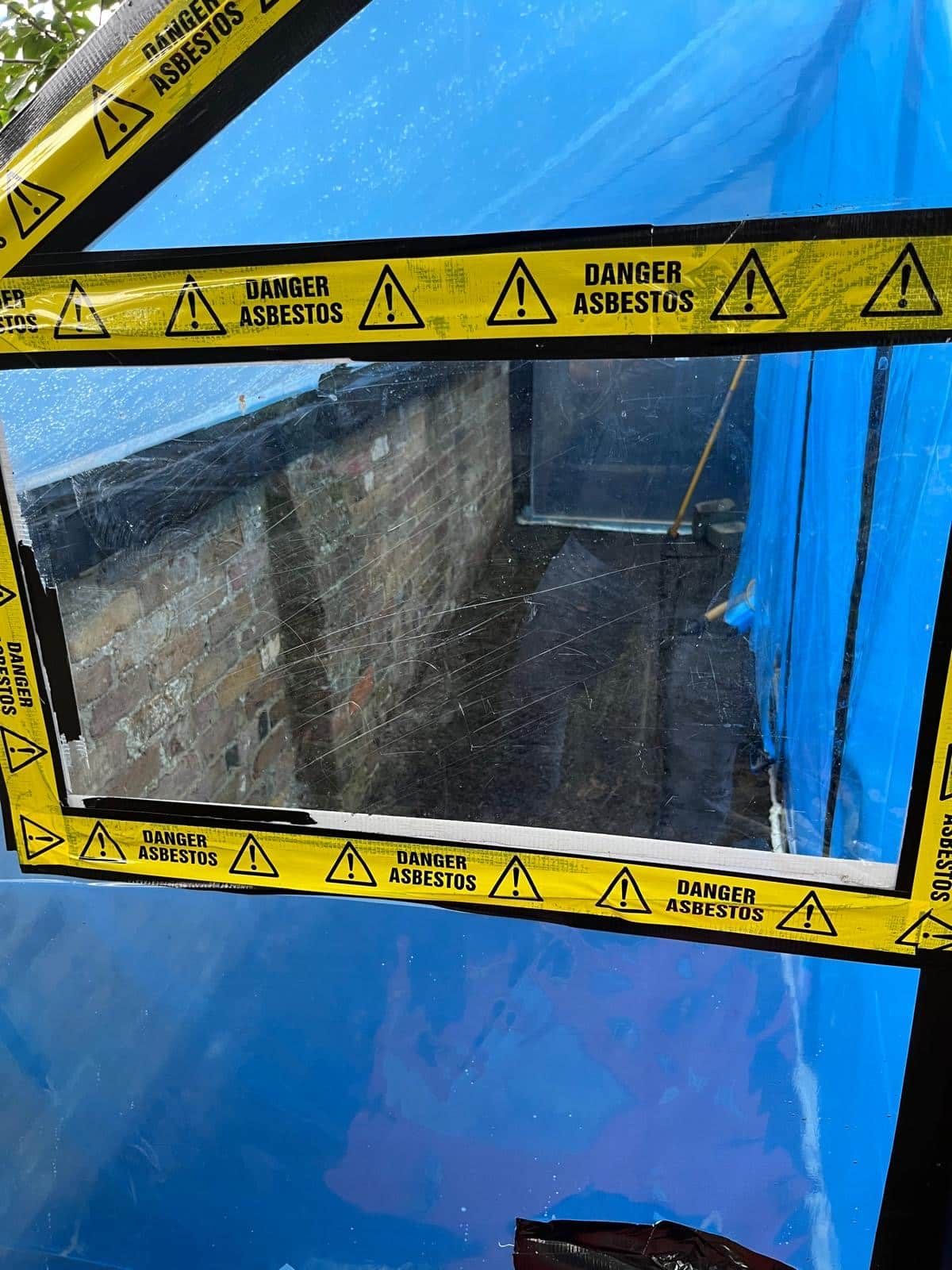
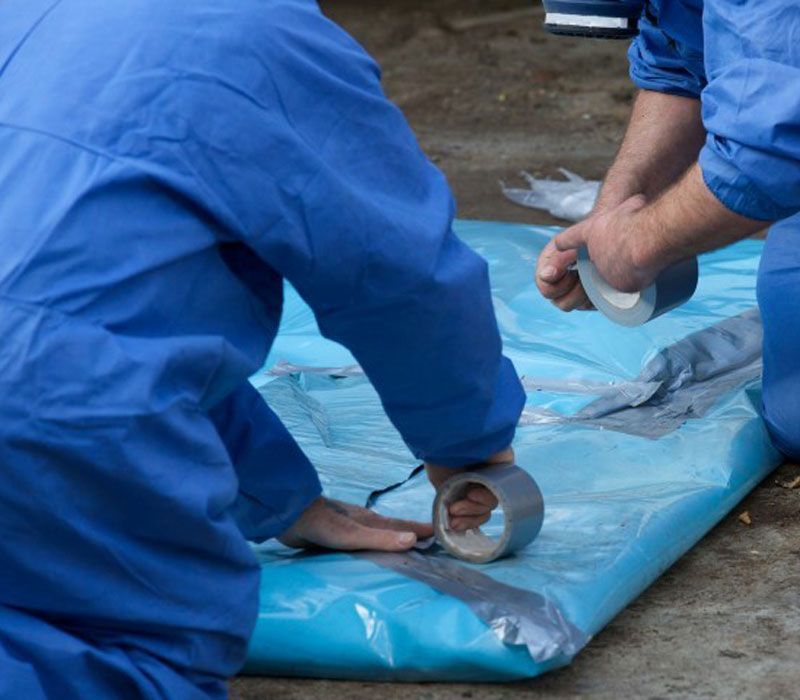
The work area is sealed off from the rest of the home first. For a kitchen or a hallway in an occupied Guildford house, that means closing the room off so dust cannot drift into living rooms and bedrooms while the floor is lifted. Doorways are covered and the space is kept under control before a single tile is touched. The tiles, often several hundred across a single floor, are taken up whole wherever they will come, kept damp, and bagged as they go rather than left to break up underfoot. Broken tiles make more dust and more mess, so the work is steady rather than rushed.
The black bitumen adhesive is then dealt with on the screed. It is kept wet and worked off rather than ground or sanded dry, and everything that comes off the floor is double-bagged and taken away as controlled waste, so nothing is left in a skip on the drive for the neighbours to wonder about. The aim throughout is to keep the dust down where the work is and out of the rest of the house. A typical Guildford kitchen or hallway floor runs to around eight to twelve square metres, and most are lifted and cleared inside a day or two. The screed is left clean enough for whatever new floor is going on top, whether that is tile, board or a poured finish.
The job is not finished when the floor is clear. Air testing is carried out afterwards so there is a written check that the air in the room is clean before anyone moves back in and before the new floor goes down. In a house that is still being lived in, that test is the part that matters most, because it is the difference between assuming the room is safe and knowing it. For a family with young children using that kitchen every day, that written result is worth having.

Booking floor work in Guildford
Clearaway is based in Chessington, a short run from Guildford, and the owner Graham runs the local jobs himself rather than sending an unfamiliar crew. With a tiled floor and black bitumen adhesive, the first step is almost always a sample, because confirming what is in that black layer tells you whether you are dealing with asbestos at all and shapes everything that follows. Most floor refits can then be planned around the result rather than held up by a nasty surprise once the carpet is already up.
Guildford has a lot of rented houses and student lets around the university and the older terraces, and a tiled floor that has been hidden under lino or carpet for years is a common find when one of those is being turned around between tenancies. It is the same story in the period cottages and converted barns out towards Shalford and Albury, where old ground floors have been covered over more than once. The same approach works whether it is a family kitchen in Onslow Village or a let being refreshed in the town centre. Seal the room, lift the tiles, clear the adhesive off the screed, test the air.
Clearaway holds Spectra licence number 142305706 and has spent more than seven years working across this part of Surrey on exactly these kinds of floors. If you have lifted a carpet in Guildford and found tiles set in a black sticky layer, the number to call is 0800 024 6168.
You may also need our asbestos removal in Guildford service.
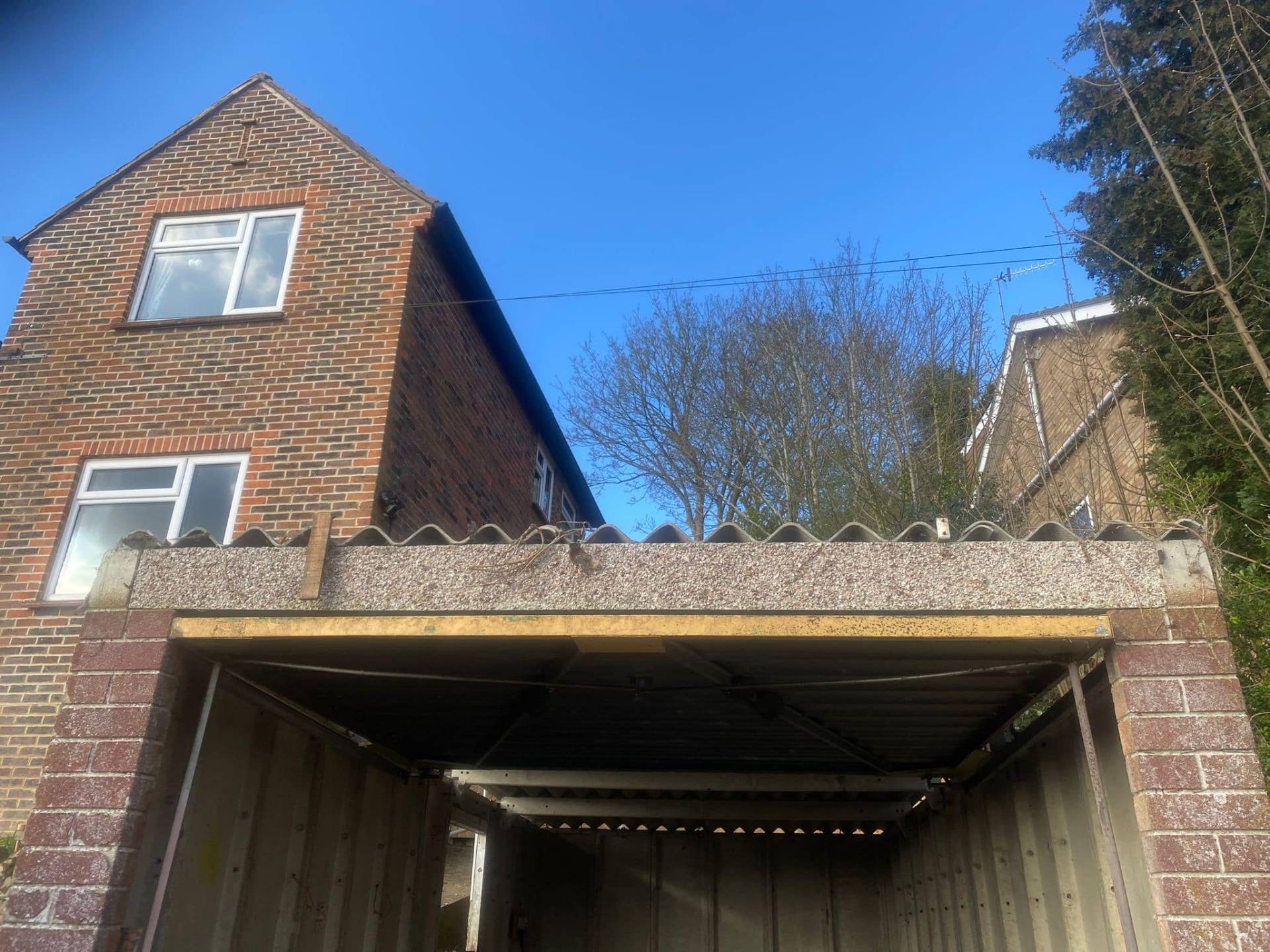
Concrete Asbestos Garage Removal, Guildford
Guildford, Surrey · Garage Removal
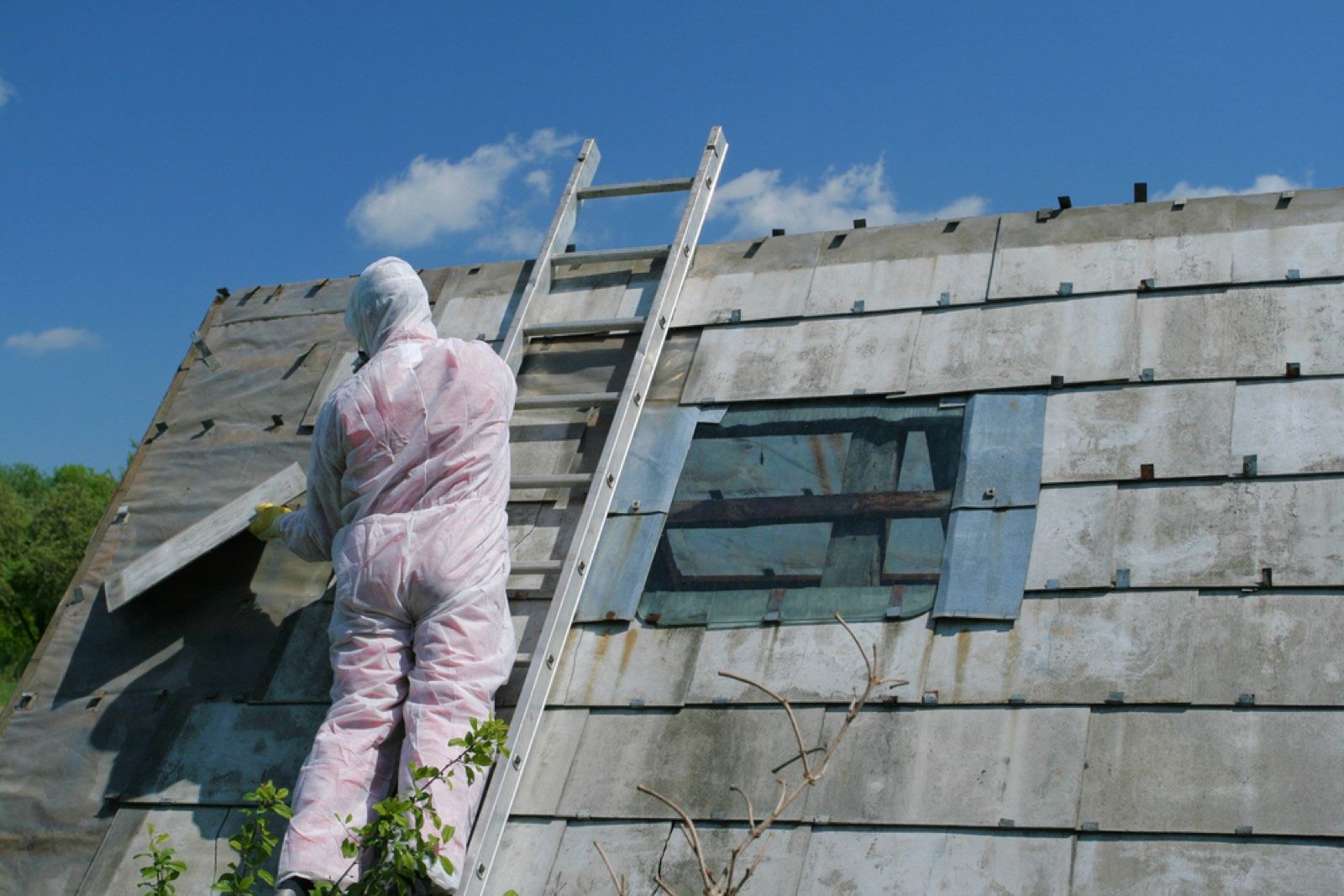
View this project"I used Clearaway Asbestos recently for an asbestos garage removal in my home. The staff were really friendly and professional and put me at ease the whole time they were working. I would recommend Clearaway Asbestos to anyone who needs asbestos removal services!"
Our Removal Process
From first call to final certificate, every job follows the same clear four-step process.
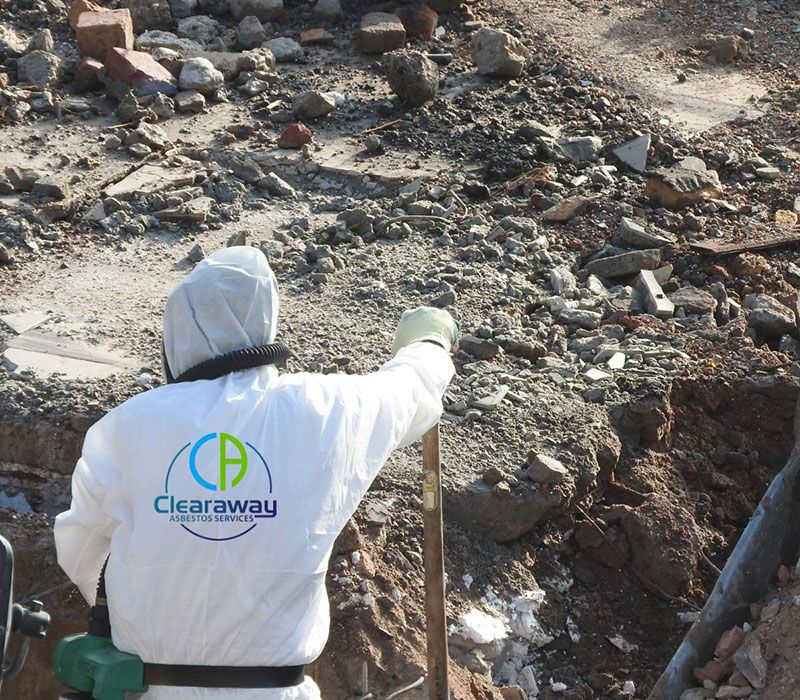
Survey
We inspect the property and confirm the material. Sampling available if required.
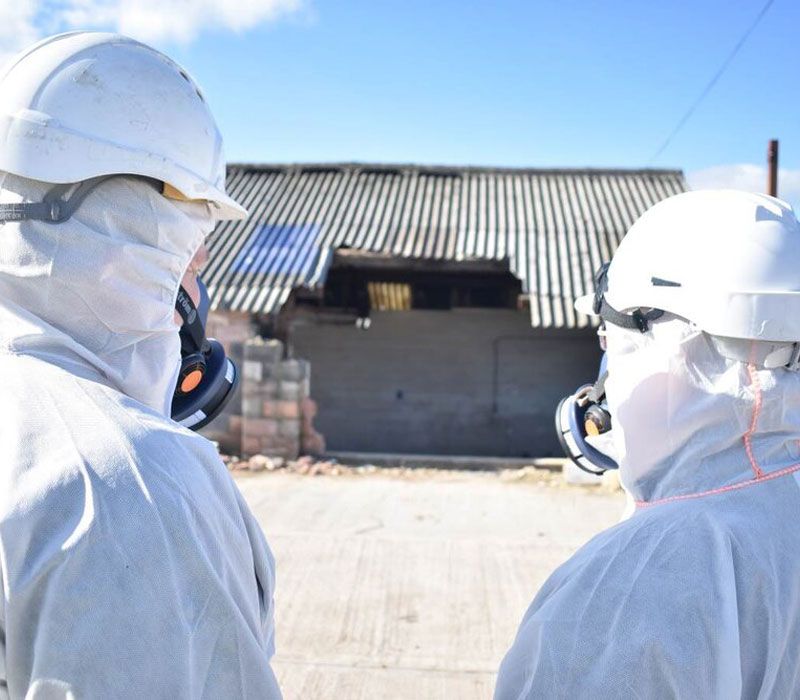
Quote
Fixed written price covering removal, disposal and any replacement work.
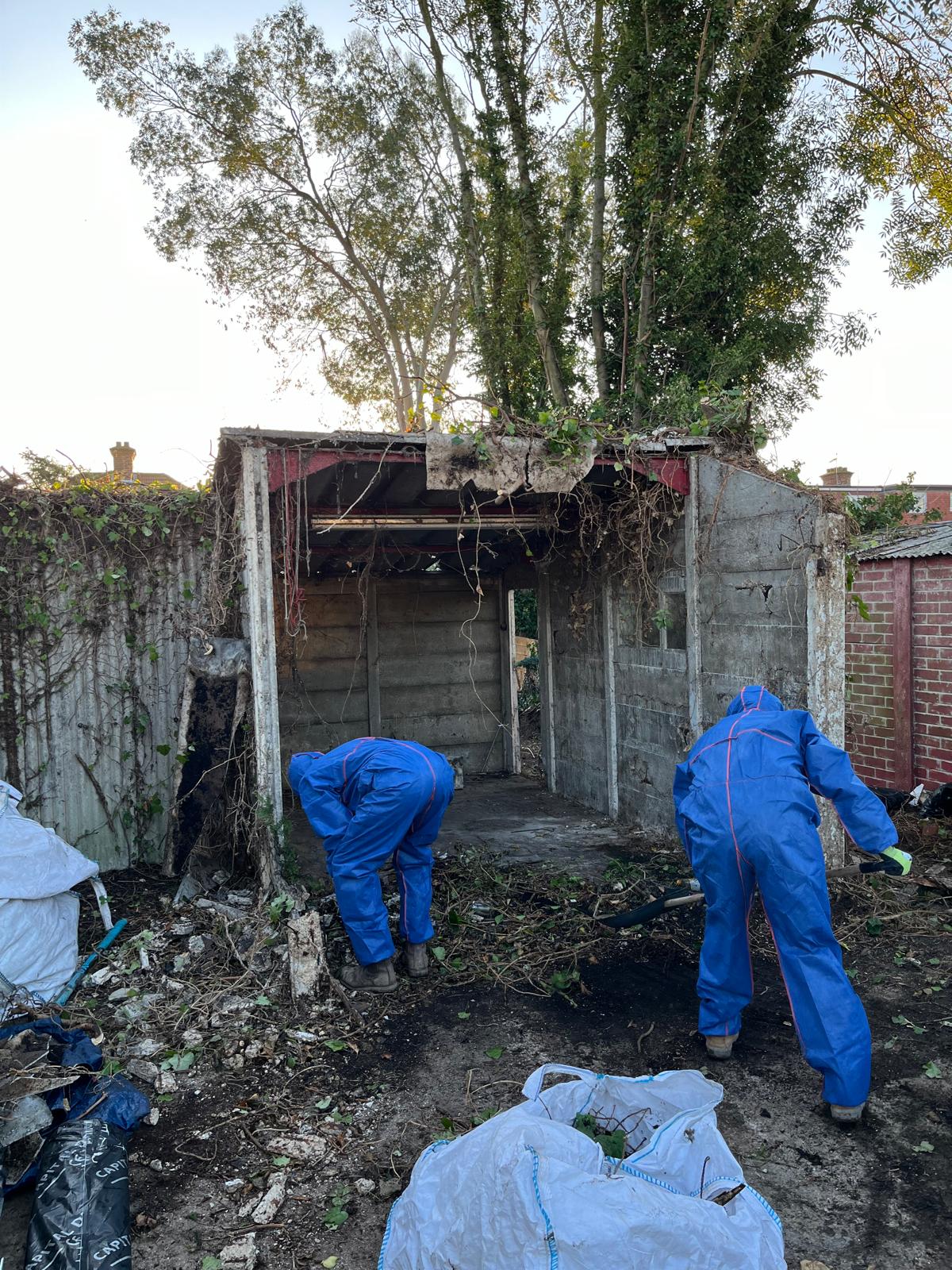
Removal
Material is removed safely, double-wrapped and taken to a licensed disposal facility.
Certificate
You receive a waste consignment note and disposal certificate confirming legal handling.
Frequently Asked Questions
Why Choose Clearaway
Specialist Crew
Asbestos work is all we do, every day, across the South East.
Fully Licensed
Licensed asbestos removal contractor (Licence No. 142305706). Full public liability insurance on every job.
Local & Fast
Surrey-based. Most domestic jobs are booked in and finished within a week.
Our Own Team
We never subcontract. The people who quote your job are the people who do it.
Get in Touch
Send a few details about your project and we will come back the same working day with a fixed price. We cover Surrey, London and the South East, including Esher, Cobham, Kingston, Richmond, Epsom, Guildford, Woking and Croydon.