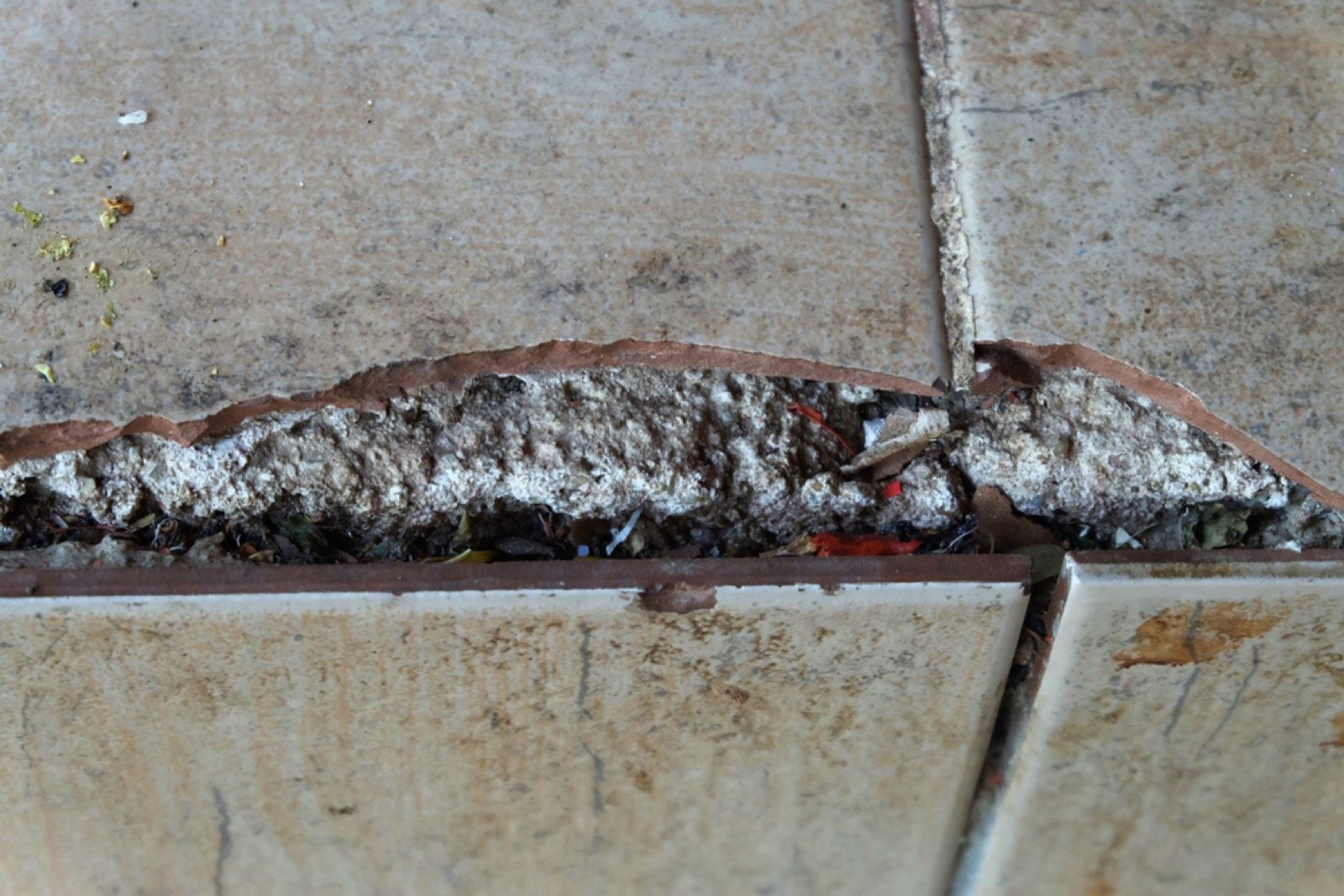
Asbestos Floor Tile Removal in Epsom
Lift the carpet or old lino in an Epsom kitchen and you often find the original tiled floor underneath. In homes around Stamford Green, Woodcote and the Wells Estate, those tiles and the black adhesive below them can hold asbestos.
Under the Carpet in an Epsom Refit
Most floor asbestos in Epsom never gets noticed until something else prompts it. A kitchen is being ripped out around Woodcote, a hallway carpet finally comes up in a 1930s semi near Stamford Green, an old vinyl runs out of life in a flat closer to the town centre. Underneath sits a layer people forget is even there: small square floor tiles, often nine inches across, in muted greens, browns or greys, bedded onto the concrete on a layer of black glue. They were laid to last, and in a lot of houses they have, sitting quietly under one covering after another for half a century.
Epsom has a lot of housing from exactly the era this turns up in. The town spread fast between the wars, street after street of semis going down across the Wells Estate and out towards Ewell, and the postwar decades filled in behind them. Thermoplastic and vinyl floor tiles were a normal flooring choice through those years, fitted in kitchens, hallways, porches and the back rooms of those semis, and the black bitumen adhesive that held them down was a standard product on the same floors. Both can contain asbestos, and almost any floor laid before 2000 is worth checking, because asbestos was not banned in the UK until 1999.
Left flat and covered, that floor causes nobody any harm. The fibres are bound into the tile and the glue and go nowhere while the surface is whole. It is the lifting, scraping and breaking of a refit that disturbs it, and that is the point at which a quiet job needs handling properly rather than rushed with a bolster and a bin bag.
The Tiles, and the Glue That Matters More
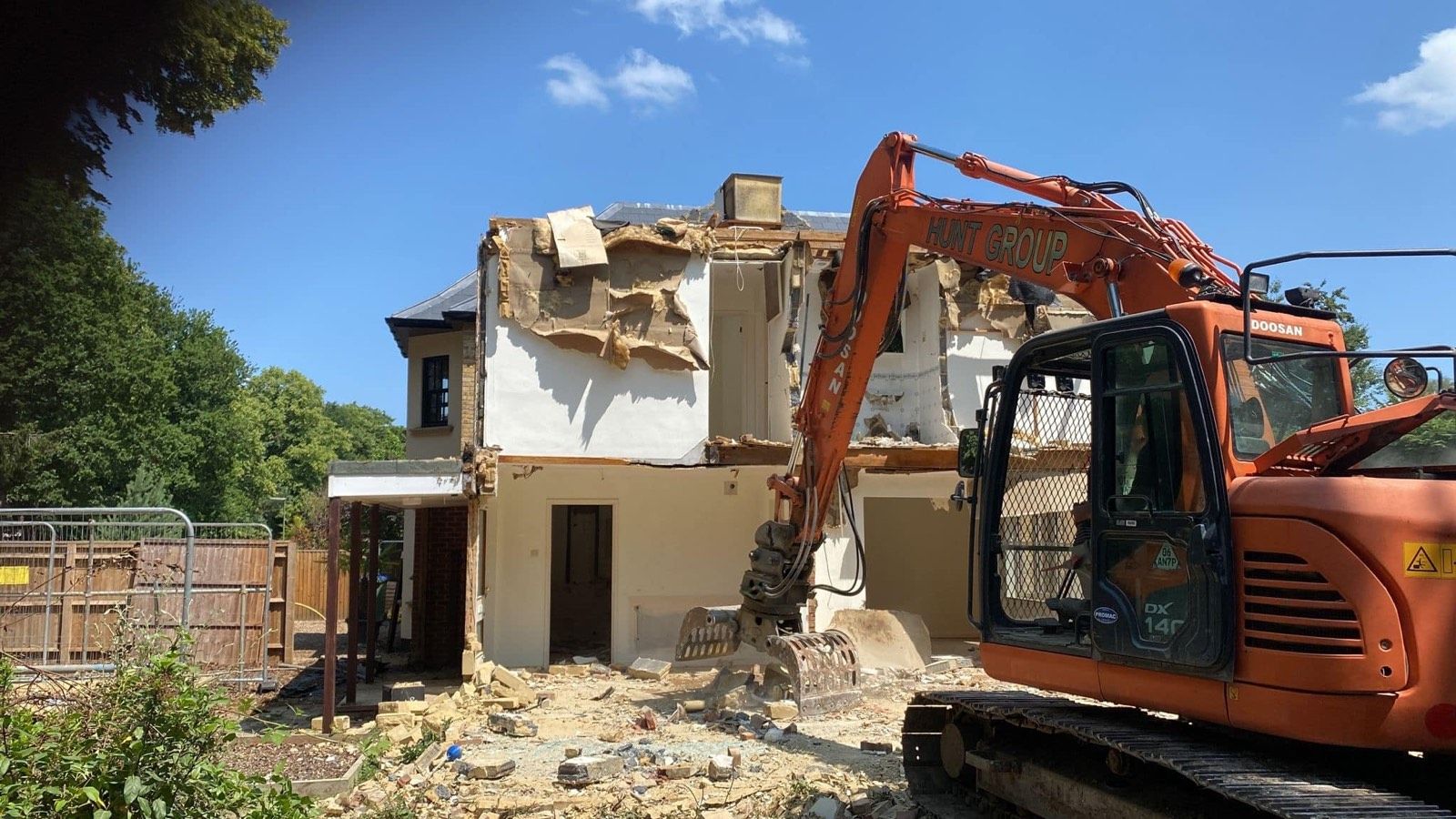
There are two materials in play on an Epsom floor, and people tend to worry about the wrong one. The tiles themselves are usually the easier part. They are a hard, set material, and where they have not bonded too firmly they often lift in whole pieces, which keeps any fibres locked inside the tile rather than thrown into the air. Lifted carefully and kept intact, a tiled floor can come up with very little fuss. The trouble starts when a tile cracks or snaps as it is prised off, because a broken edge is where the fibres get out, so the aim is always to keep each piece whole.
The black bitumen adhesive underneath is the bigger and more stubborn problem. It was spread straight onto the screed and has had decades to grip, so it rarely comes away cleanly when the tiles are pulled. More often it stays welded to the concrete in a thin black skin that resists the scraper. Chipping at it, sanding it back or grinding it off to lay a new floor is exactly the kind of disturbance that releases fibres, and a black residue smeared across the concrete is what we most often get called to deal with after someone has already pulled the tiles themselves and hit a wall with the glue.
Neither the tile nor the glue can be judged by eye. Colour, age and condition tell you nothing reliable, and the same pattern of tile turns up with and without asbestos in it. Two floors that look identical can come back from the laboratory with completely different results, so we sample the material and send it to a UKAS-accredited lab before any of it is touched. Findings usually return within a few working days, and we will not start lifting a floor until we know exactly what is bedded into it.
Lifting a Floor in a Lived-In Home
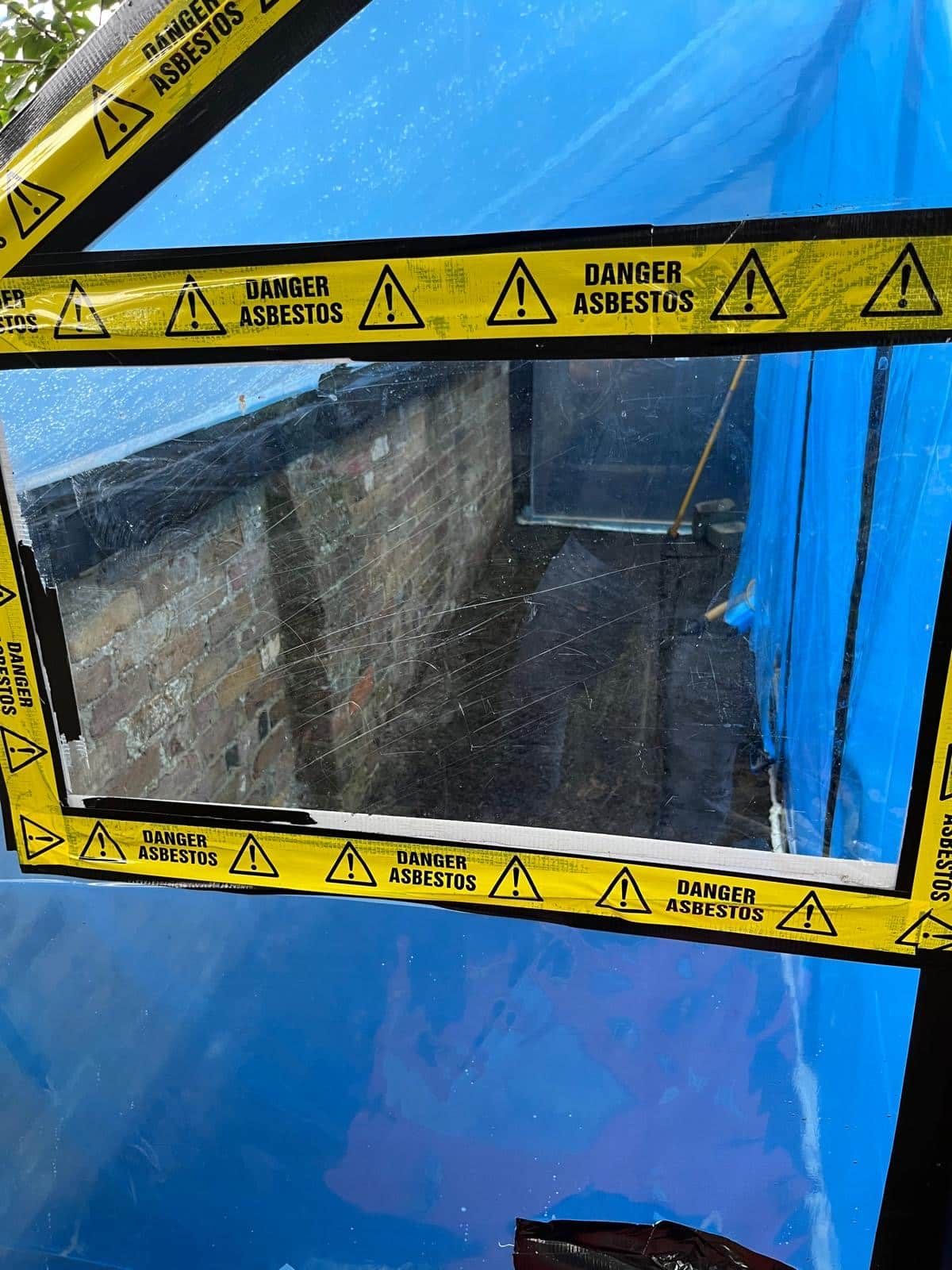
Floors are awkward because they sit in the busiest rooms of the house. A kitchen, a hallway, a back room: these are spaces the family is still walking through, so the work has to be contained rather than left open while dust drifts into the rest of the home. In a lot of the terraced and semi-detached homes around Epsom that hallway is also the only route to the stairs, which makes keeping the dust in one place all the more important.
We seal the room off before anything comes up, keeping the work behind a barrier so fibres cannot travel down the hall or up the stairs. Commercial-grade air filtration runs throughout, pulling the air through filters rather than letting it settle around the house. The tiles are lifted as whole as the floor allows, and the black adhesive is taken off the screed under control, kept damp and worked carefully rather than dry-scraped into a cloud. Everything that comes up, the tiles, the glue residue and the sheeting we used to contain the room, is double-bagged and run to a licensed disposal facility.
When the floor is clear, we test the air before the room goes back into use, so the space is proven clean rather than just swept and assumed safe. For most domestic floors that is a contained, methodical job rather than a major upheaval, and the kitchen or hallway is handed back ready for the new floor to go down.

A Clean Screed Across KT17 and KT18
Floor tiles and their adhesive are usually lower-risk, non-licensed work, which means the job does not carry the fourteen-day notice and full enclosure that licensed materials demand. That does not make it a job for a scraper and an open window. The controlled removal, the contained area and the air test at the end are what stop a straightforward floor refit turning into a problem spread through the whole house, and they are what we bring to every floor across Epsom and the surrounding KT postcodes. It is also what gives a builder or a new flooring fitter a clean, tested screed to start from, rather than a black layer they are wary of touching.
If a sample does come back as a higher-risk material, the rules change and we step the job up accordingly, with the proper notice to the HSE, full enclosure and four-stage clearance testing by an independent analyst before the room is signed back into use. Most floors do not need that, but it is there if the laboratory says so, and that is the whole reason we sample first rather than guess from the look of a tile. Whether your floor is in a town-centre flat, a Woodcote semi or a 1930s terrace near the Wells Estate, the same care goes into it.
We hold Spectra licence number 142305706, we have spent more than seven years working across Epsom and the surrounding KT postcodes on exactly this kind of job, and every floor closes with the paperwork that proves the material was removed and disposed of legally. To arrange a free site visit before you lift a floor, call us on 0800 024 6168.
You may also need our asbestos removal in Epsom service.
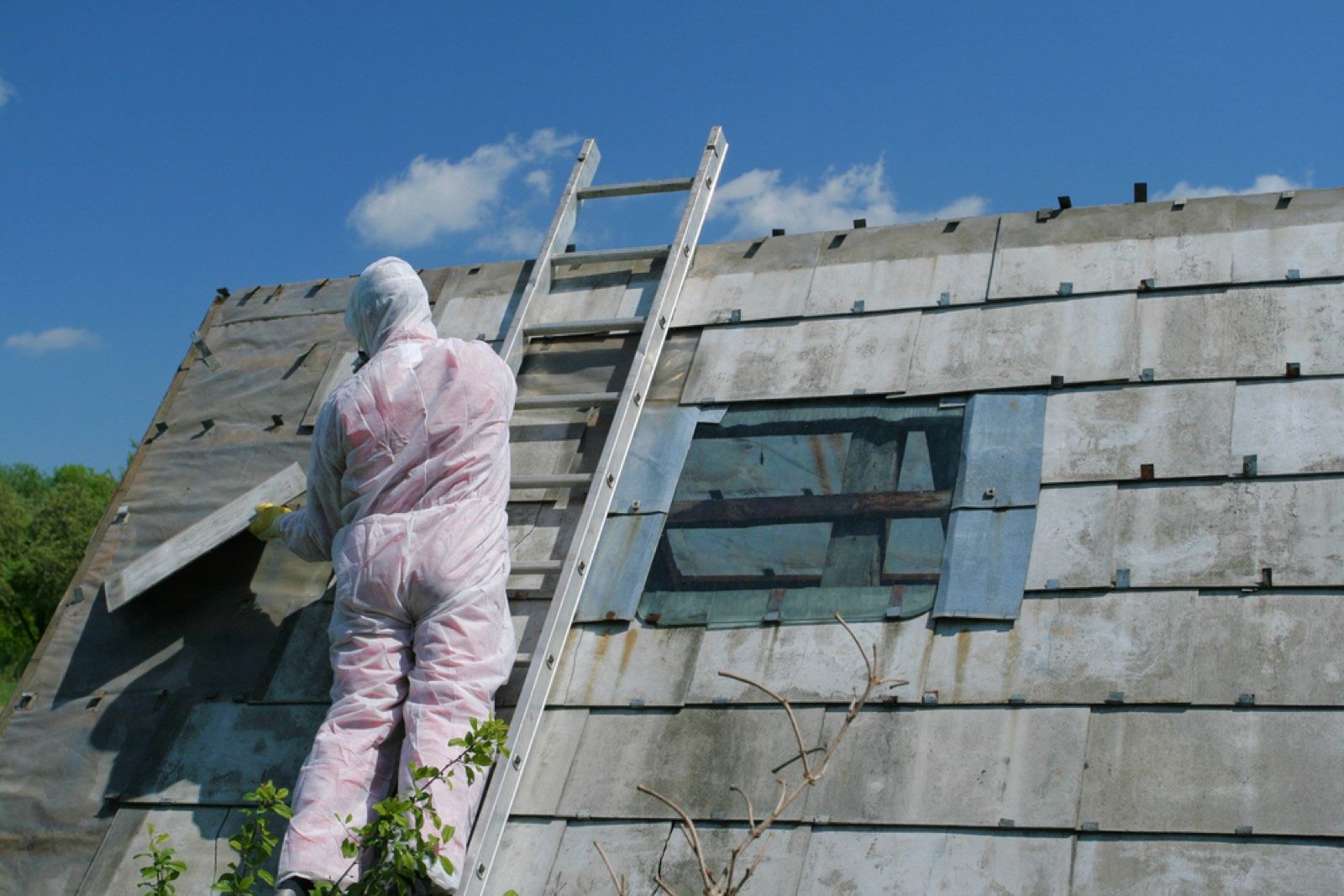
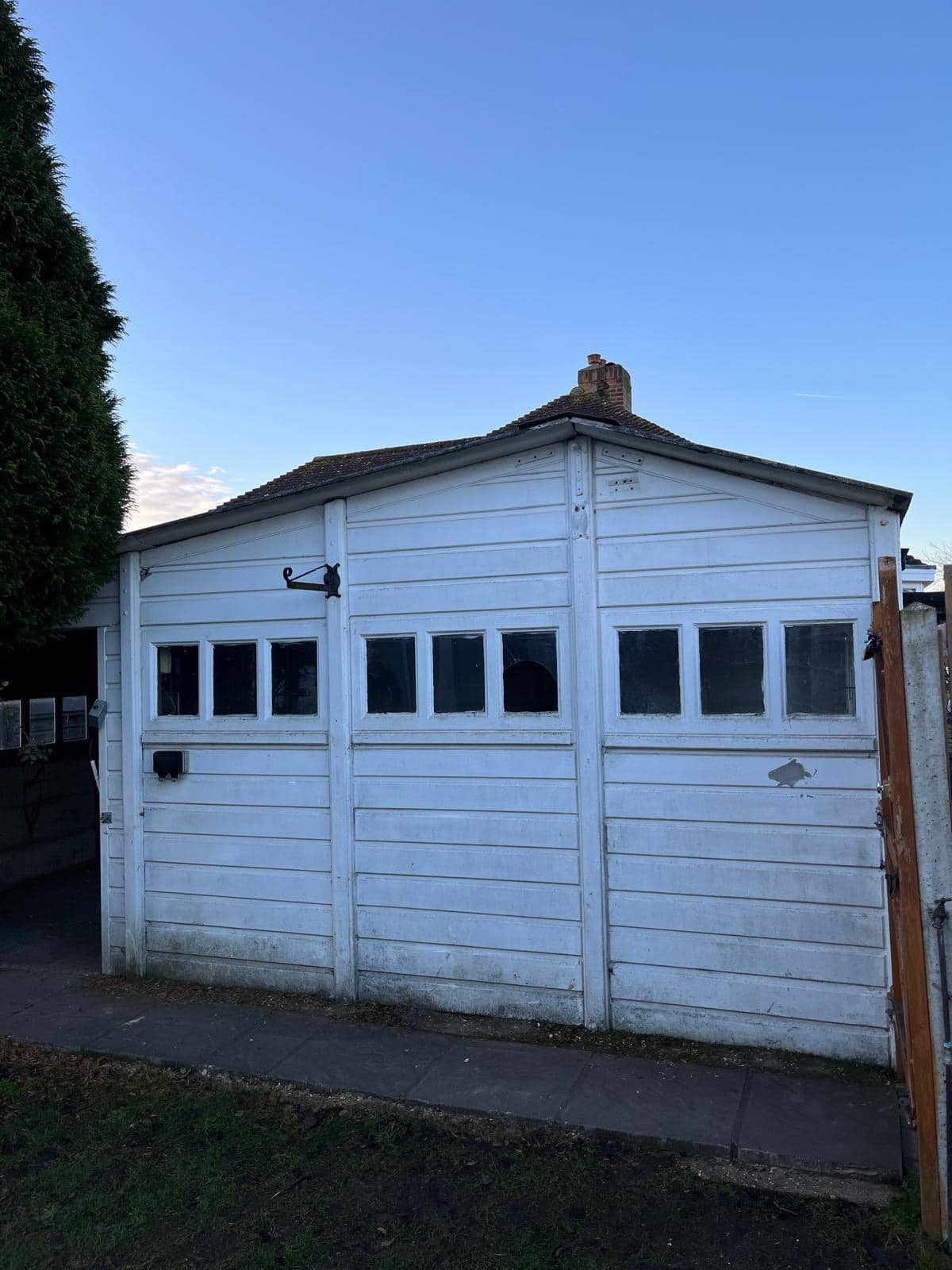
Concrete Asbestos Garage Removal, Epsom
Epsom, Surrey · Garage Removal
View this project"I used Clearaway Asbestos recently for an asbestos garage removal in my home. The staff were really friendly and professional and put me at ease the whole time they were working. I would recommend Clearaway Asbestos to anyone who needs asbestos removal services!"
Frequently Asked Questions
Our Removal Process
From first call to final certificate, every job follows the same clear four-step process.
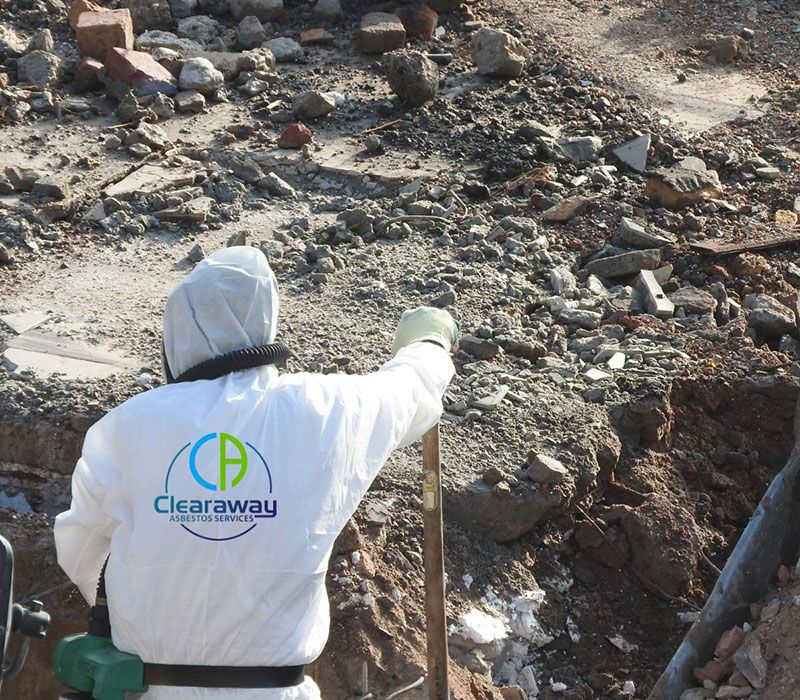
Survey
We inspect the property and confirm the material. Sampling available if required.
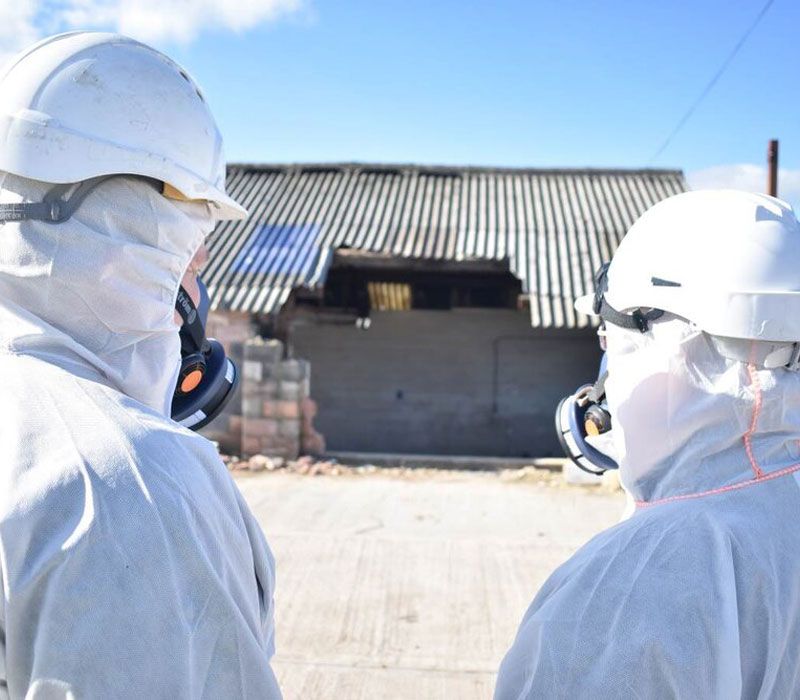
Quote
Fixed written price covering removal, disposal and any replacement work.
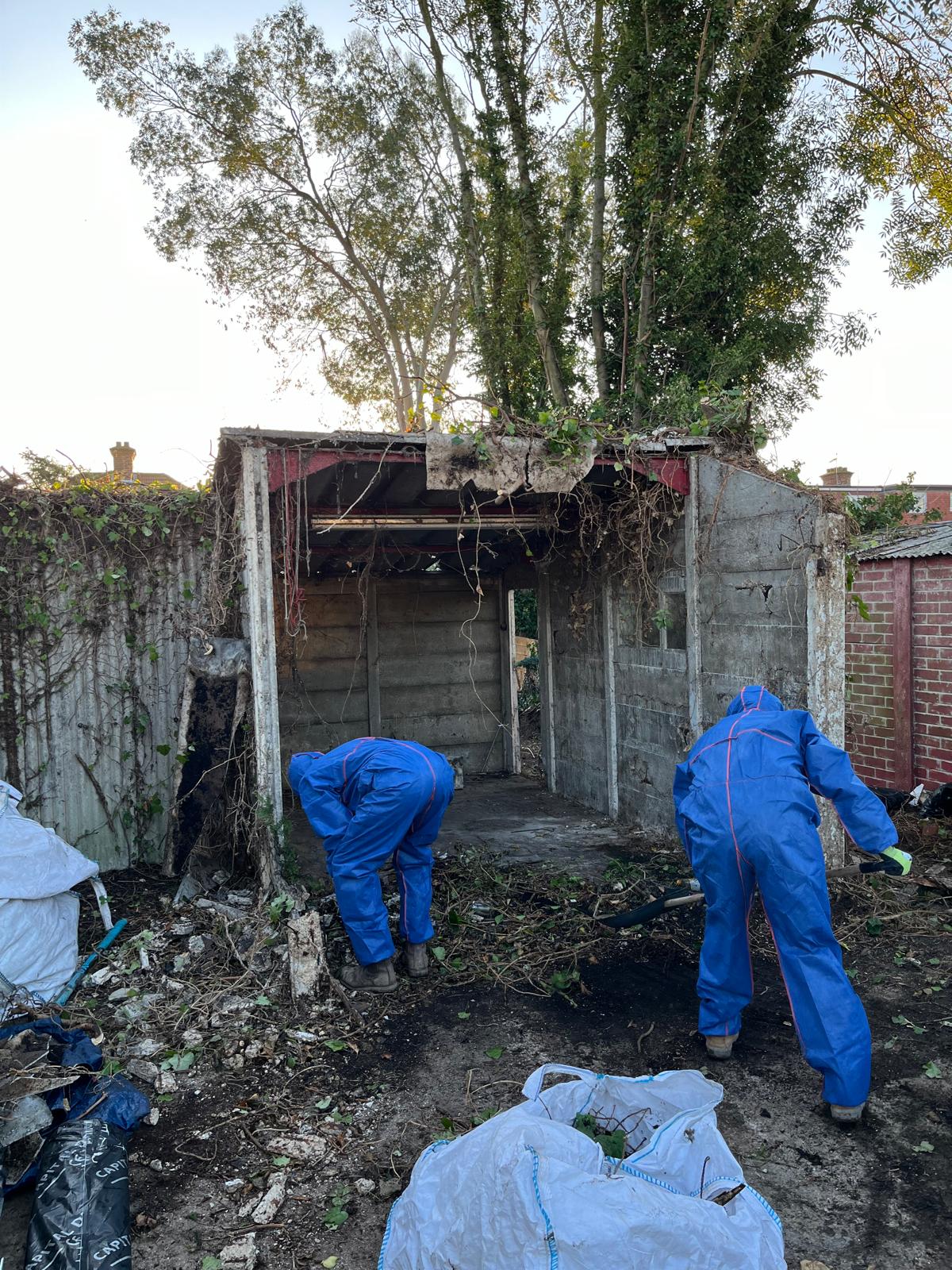
Removal
Material is removed safely, double-wrapped and taken to a licensed disposal facility.
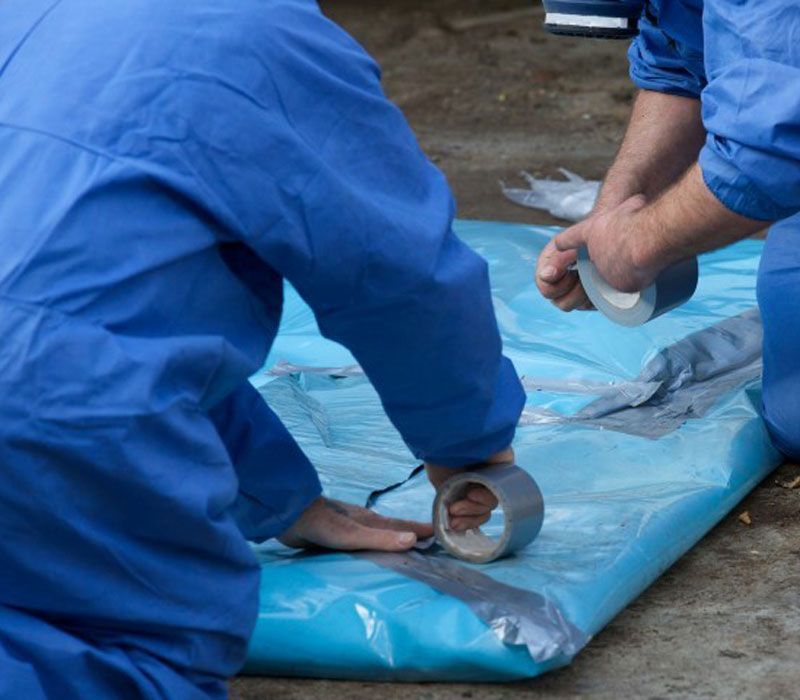
Certificate
You receive a waste consignment note and disposal certificate confirming legal handling.
Why Choose Clearaway
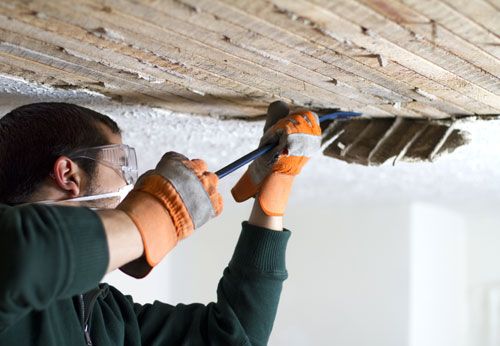
Specialist Crew
Asbestos work is all we do, every day, across the South East.
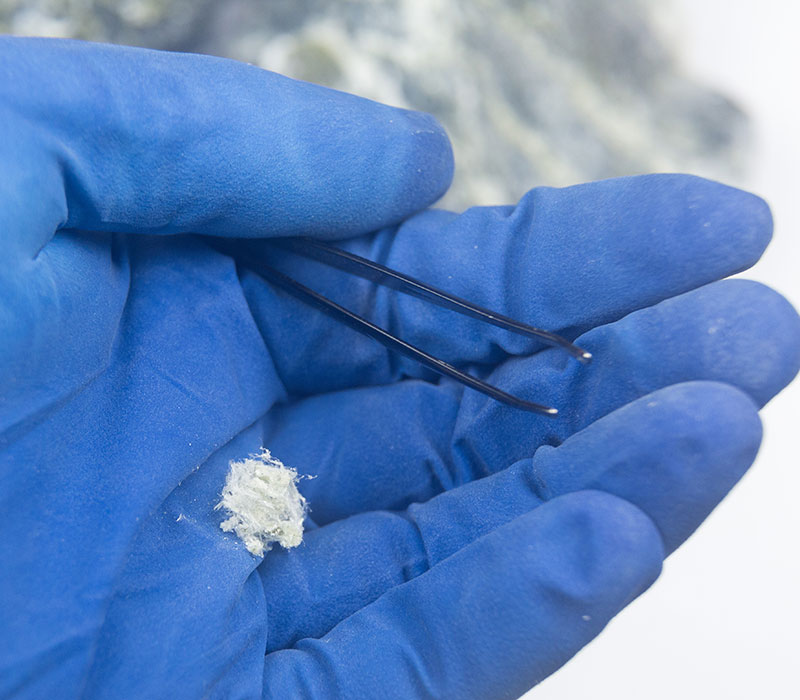
Fully Licensed
Licensed asbestos removal contractor (Licence No. 142305706). Full public liability insurance on every job.
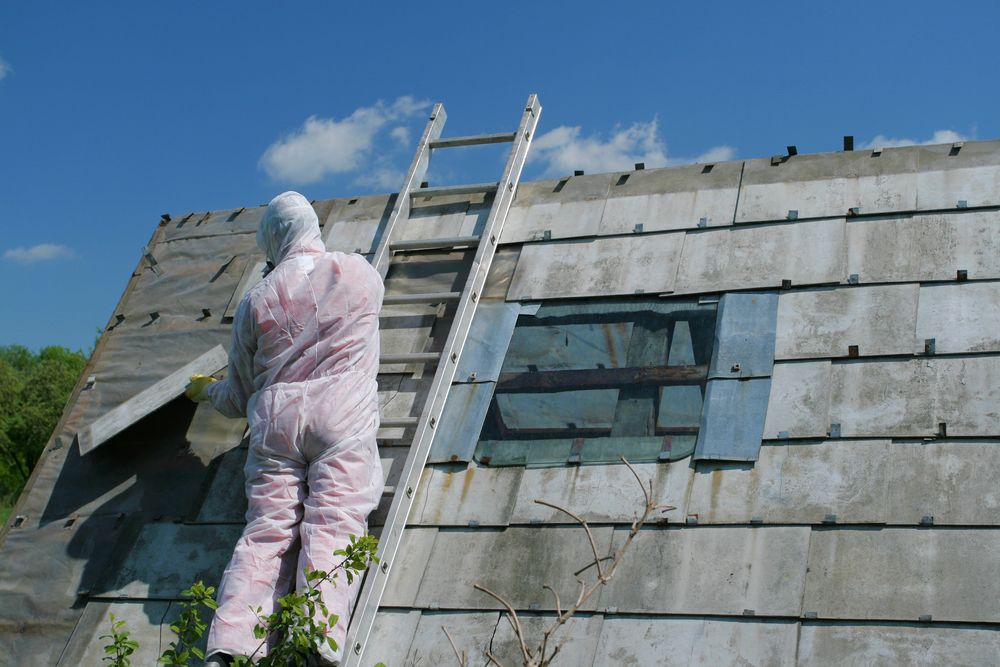
Local & Fast
Surrey-based. Most domestic jobs are booked in and finished within a week.
Our Own Team
We never subcontract. The people who quote your job are the people who do it.
Get in Touch
Send a few details about your project and we will come back the same working day with a fixed price. We cover Surrey, London and the South East, including Esher, Cobham, Kingston, Richmond, Epsom, Guildford, Woking and Croydon.