Asbestos Floor Tile Removal in Dorking
Safe removal of old floor tiles and the black bitumen adhesive beneath them, for kitchens and ground floors across Dorking, from the High Street and South Street terraces out to Pixham, North Holmwood and the Deepdene side of town.
What the Old Floor Hides in Dorking
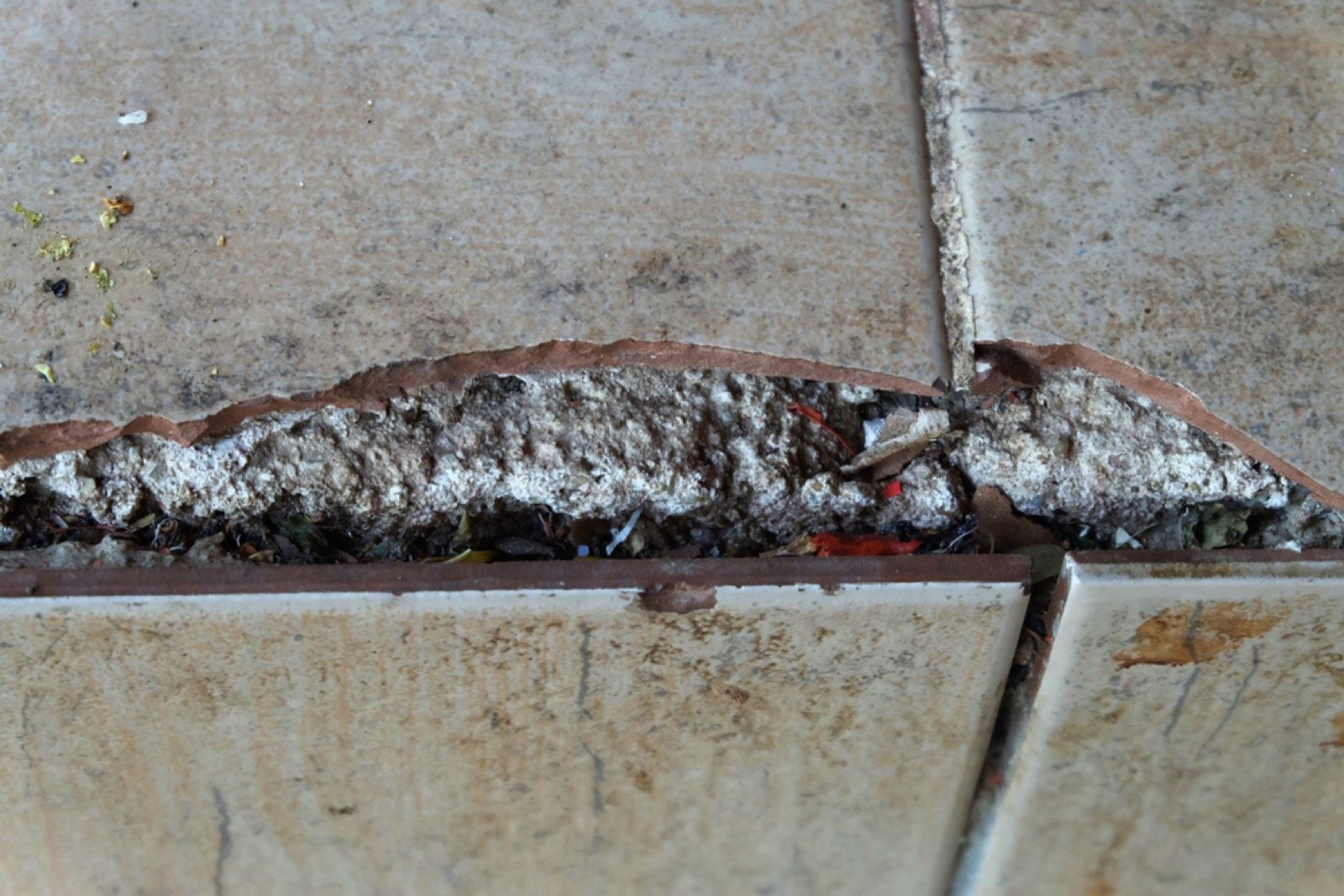
It almost always starts with a refit. A Dorking kitchen comes out, a hallway carpet is pulled up, an old layer of lino is lifted in a terrace off South Street, and underneath sits a grid of small, hard floor tiles in a dull colour. Thermoplastic and vinyl floor tiles like these were laid in homes for decades, and in a town where most of the housing predates the 1999 asbestos ban they turn up often. The tiles themselves are one part of it. The black, tar-like adhesive bedded underneath is usually the bigger concern.
These floors are everywhere in the local stock for a reason. The Victorian and Edwardian terraces near the centre were refloored at various points across the twentieth century, the interwar and postwar houses out towards North Holmwood and Pixham often had tiled kitchens and utility rooms from new, and tiling over an older solid floor was a cheap, hard-wearing finish that suited a kitchen, a scullery or a back hall. Decades on, that work is exactly what a modern renovation disturbs.
The tiles are easy to miss until you are right on top of them. They are small, usually around nine inches square, laid tight in a regular grid, and often hidden under newer flooring that was simply laid straight over the top. Colours tend to be muted, browns, greens, greys and off-whites, sometimes with a faint marbled pattern through them, and they feel hard and brittle rather than soft like a modern vinyl. A Dorking floor can carry two or three generations of covering, with the original tiles sitting at the very bottom against the screed where nobody has looked in fifty years. The floor that has sat quietly under a carpet since the 1970s becomes a live job the moment someone takes a scraper to it, which is why we would rather look at it before the lifting starts than after.
The Bitumen Adhesive Is the Real Job
People expect the tiles to be the problem. In practice the black bitumen adhesive holding them down is what makes the work slow and worth taking seriously. It was spread straight onto the screed or concrete subfloor, and over the years it has set rock hard and gripped tight. Lifting the tiles is often the quick half. Getting the adhesive off the floor beneath them, without scraping, grinding or sanding it into dust, is the part that needs care.
This is also where most DIY floor jobs go wrong. The tiles pop up with a bolster and a bit of effort, the homeowner feels they are nearly there, and then they meet a thick black skin of adhesive welded to the concrete. The instinct is to reach for a floor sander or a grinder to take it back to a clean surface. That is the worst thing you can do, because aggressive abrasion on bitumen that contains asbestos is exactly what puts fibres into the air.
The danger only appears when the material is disturbed. Left whole and sealed under a finished floor, an old tile and its adhesive sit there doing nothing. Attack it with a heat gun, an angle grinder or a floor sander, and you risk releasing fibres so fine you cannot see them. Breathed in, asbestos fibres can cause asbestosis, lung cancer and mesothelioma, often twenty to forty years later. That long delay is why the law treats the material so seriously, and why a determined afternoon with the wrong tools is how a settled floor becomes a contaminated room.
Testing Before Anything Comes Up
You cannot tell whether a floor contains asbestos by looking at it. Two kitchens in two near-identical RH4 houses can have tiles that look the same and test completely differently, so anything we suspect goes to a UKAS-accredited laboratory before a single tile is lifted. We take a small sample of both the tile and the adhesive under controlled conditions, send it off, and have the results back within a few working days. Sampling the adhesive as well as the tile matters here, because the two are not always the same and the bitumen is the part most likely to be disturbed.
That first step is quick and it shapes everything after it. If the floor is clear, your refit carries on as normal and you have it in writing. If it contains asbestos, we know exactly what we are removing and how to plan it, rather than finding out halfway through a demolition with dust already in the air and a stalled job on your hands.
For anyone in Dorking weighing up a new kitchen, a utility room or a ground-floor knock-through, having the floor checked first is far cheaper than dealing with a contaminated subfloor once the work is underway. It is the kind of check worth doing on the older RH4 and RH5 housing in particular, where tiled solid floors are common and the covering on top can be hiding the original layer completely.

Clean Removal in a Lived-In Home
Most floor tile jobs are in houses people are still living in, so the work has to be contained from start to finish. We seal off the room before anything is lifted, run commercial-grade air filtration to hold the air clean while we work, and keep the dust where it is generated rather than letting it travel through the rest of the house. A ground-floor kitchen or hallway opens onto everywhere else, so that containment is the whole point. The tiles and the adhesive are lifted together, double-wrapped, and taken to a licensed disposal facility, and the floor is left as a sound base ready for whatever goes down next.
Before we hand the room back, the air is tested, so nobody returns to a space that still carries fibres. You also get the waste consignment notes proving the material went where it should, which is paperwork that matters every time a Dorking home changes hands or comes under the eye of a surveyor. Most domestic floors of this kind are handled as a contained removal rather than full licensed work, but it depends entirely on what the laboratory finds, which is the other reason we test before we touch anything.
Where a floor sits alongside higher-risk licensed materials elsewhere in the property, that work runs by the book: the 14 days of notice the HSE requires, full enclosure with air monitoring, and independent four-stage clearance testing by an analyst before the space is signed off. We hold Spectra licence number 142305706 and have spent more than seven years removing this kind of flooring across Surrey, Sussex and south-west London. To have a Dorking floor sampled or cleared before your refit gets going, call 0800 024 6168 and we will arrange a free site visit and a fixed written quote.
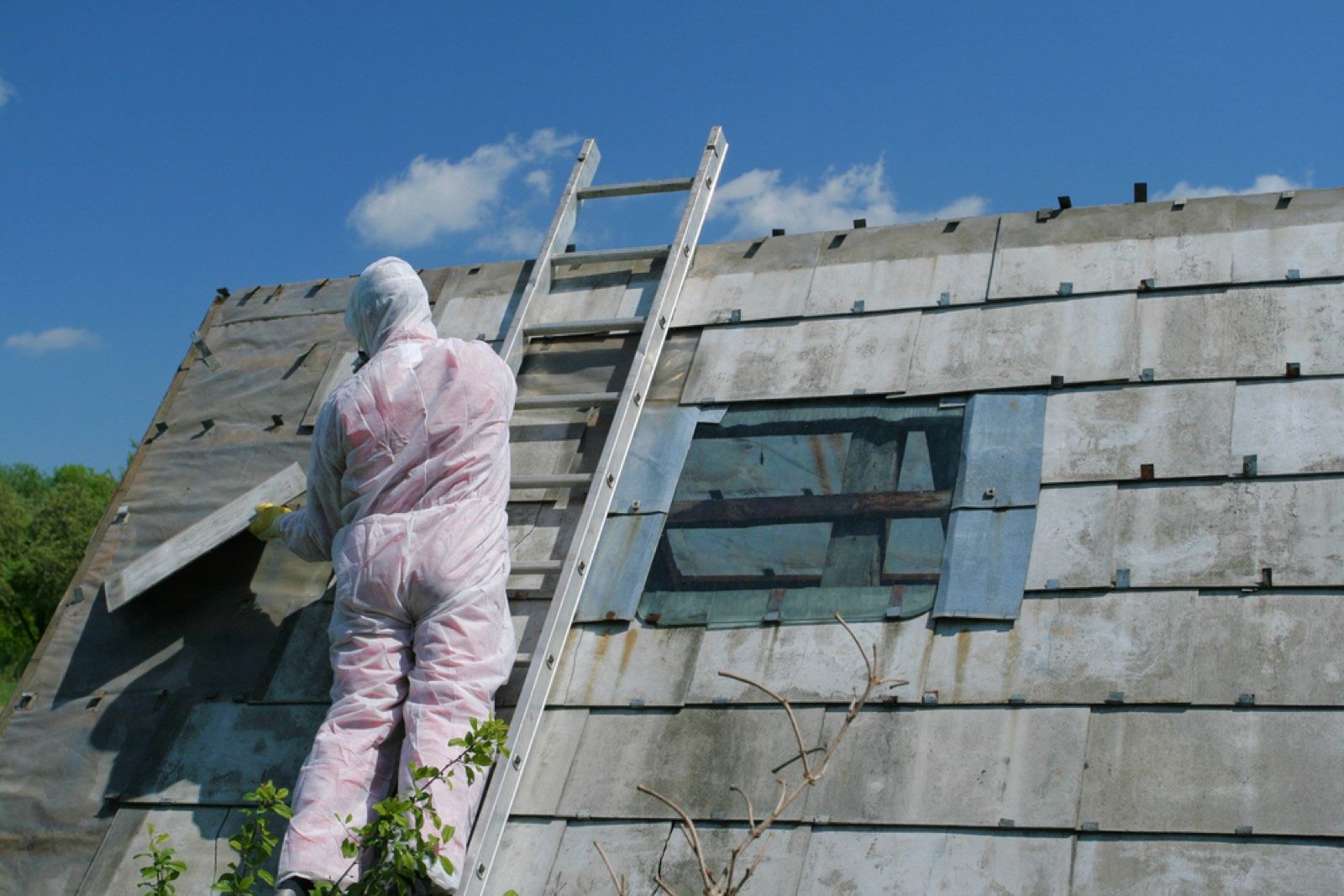
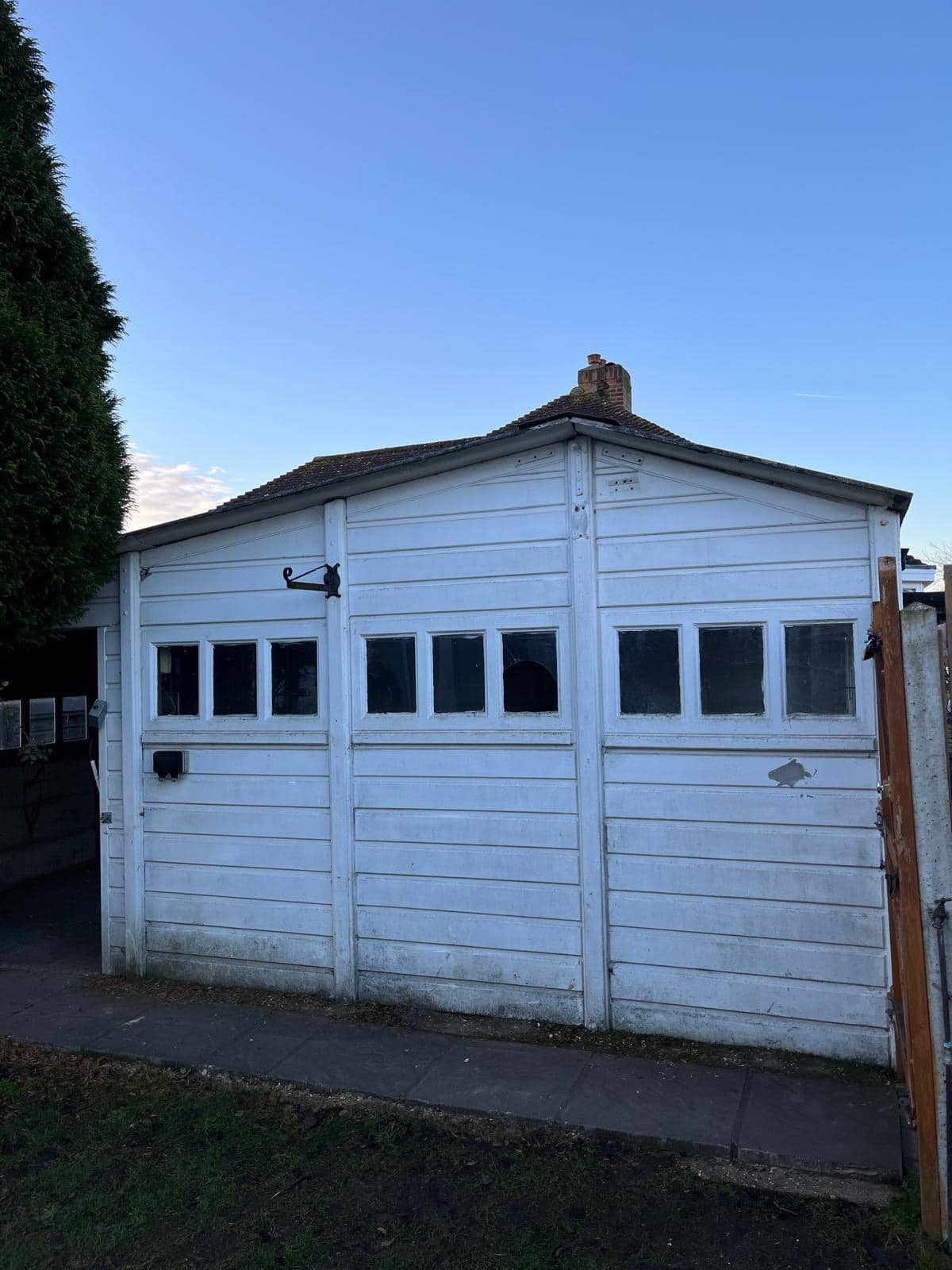
Concrete Asbestos Garage Removal, Epsom
Epsom, Surrey · Garage Removal
View this project"I used Clearaway Asbestos recently for an asbestos garage removal in my home. The staff were really friendly and professional and put me at ease the whole time they were working. I would recommend Clearaway Asbestos to anyone who needs asbestos removal services!"
Our Removal Process
From first call to final certificate, every job follows the same clear four-step process.
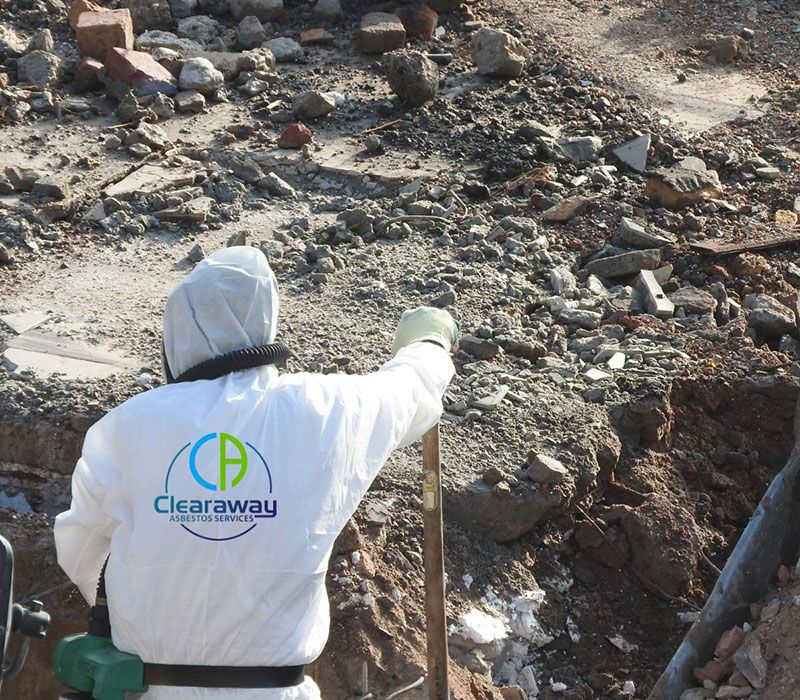
Survey
We inspect the property and confirm the material. Sampling available if required.
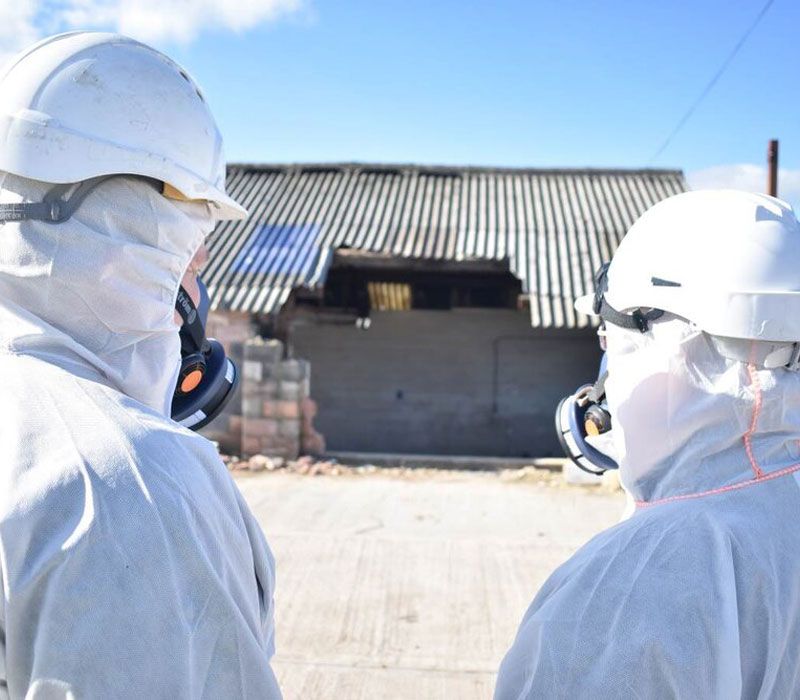
Quote
Fixed written price covering removal, disposal and any replacement work.
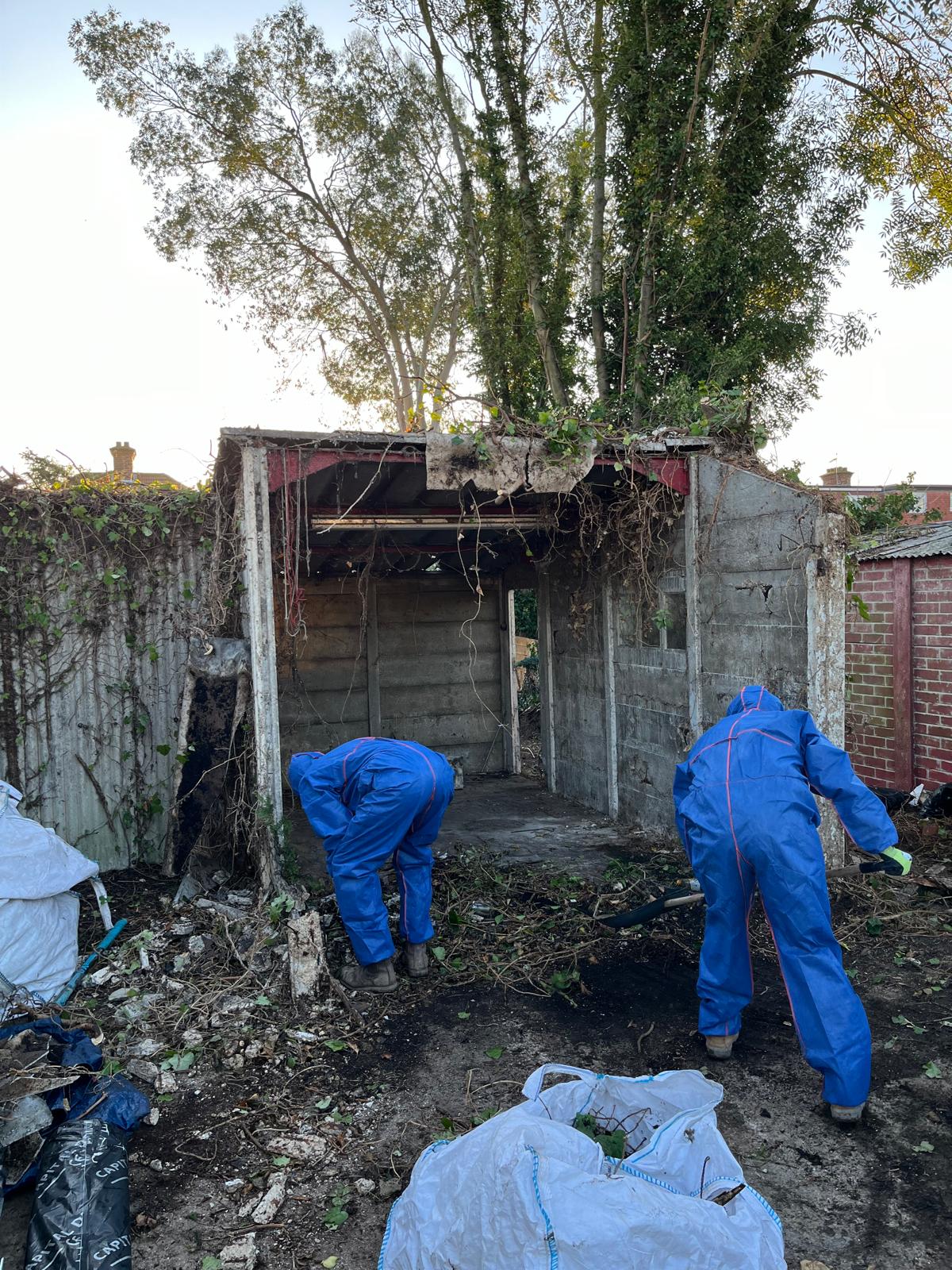
Removal
Material is removed safely, double-wrapped and taken to a licensed disposal facility.
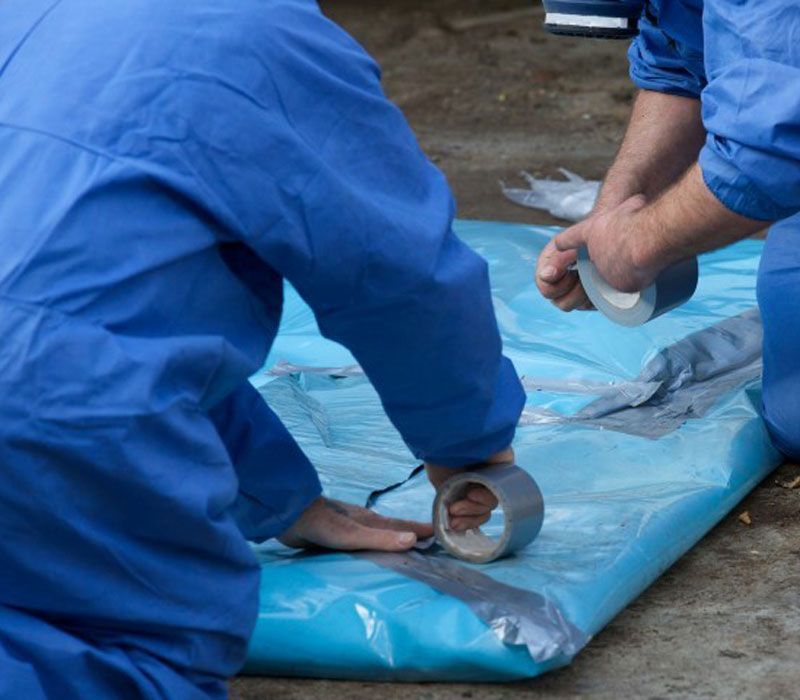
Certificate
You receive a waste consignment note and disposal certificate confirming legal handling.
Frequently Asked Questions
Why Choose Clearaway
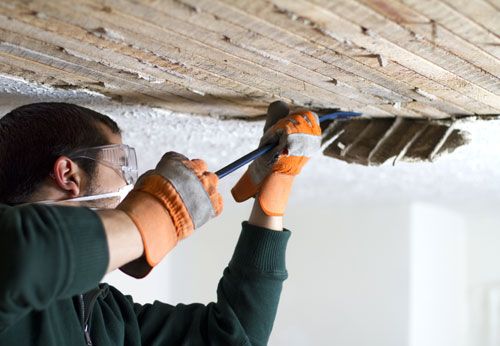
Specialist Crew
Asbestos work is all we do, every day, across the South East.
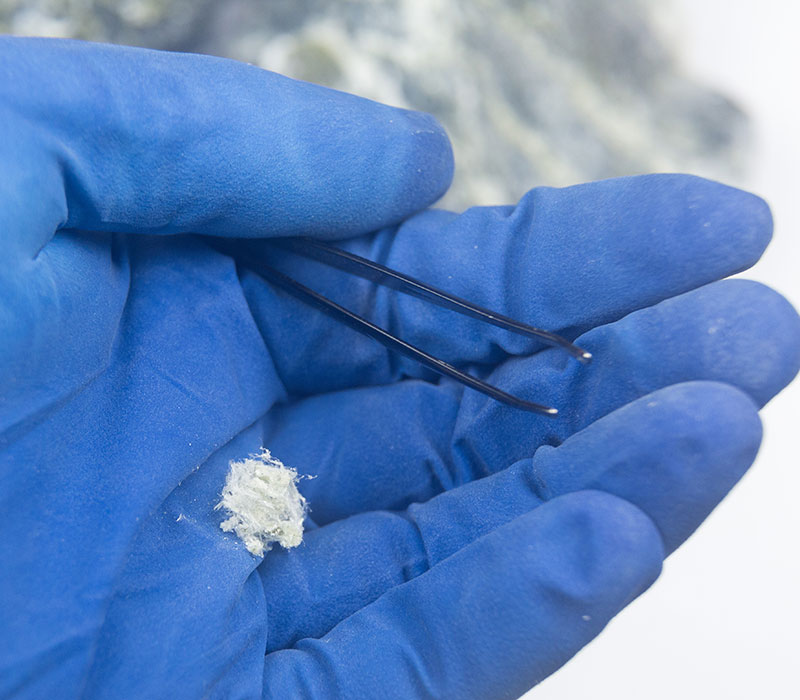
Fully Licensed
Licensed asbestos removal contractor (Licence No. 142305706). Full public liability insurance on every job.
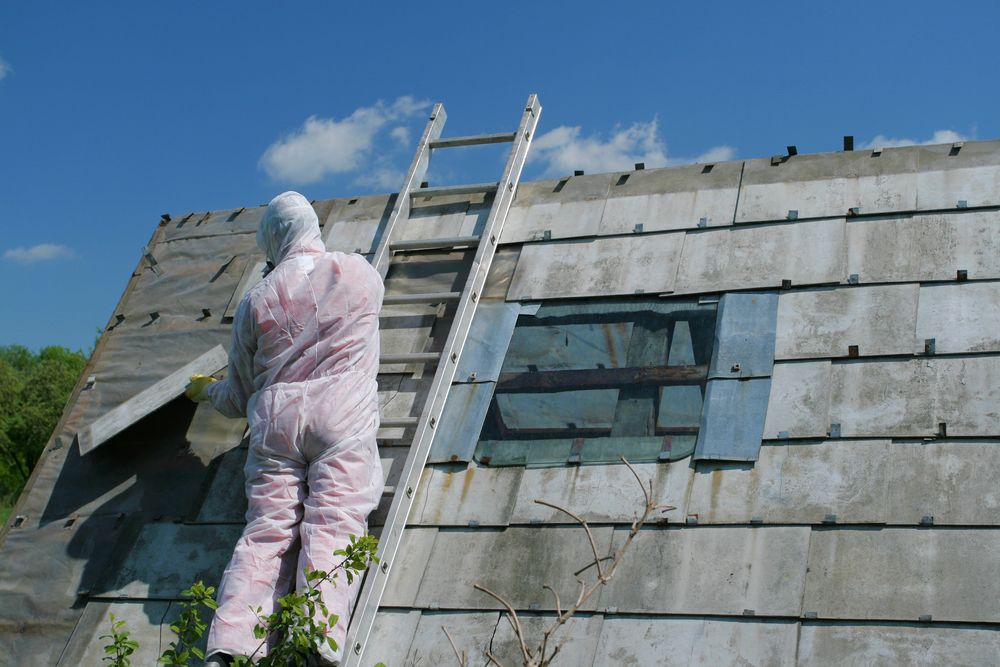
Local & Fast
Surrey-based. Most domestic jobs are booked in and finished within a week.
Our Own Team
We never subcontract. The people who quote your job are the people who do it.
Get in Touch
Send a few details about your project and we will come back the same working day with a fixed price. We cover Surrey, London and the South East, including Esher, Cobham, Kingston, Richmond, Epsom, Guildford, Woking and Croydon.