Asbestos Floor Tile Removal in Croydon
Pull up old lino or worn carpet in a Croydon kitchen and you often find old floor tiles, with a black tar-like glue stuck to the screed underneath. That glue, not the tiles, is usually where the asbestos sits.
What turns up under a Croydon floor
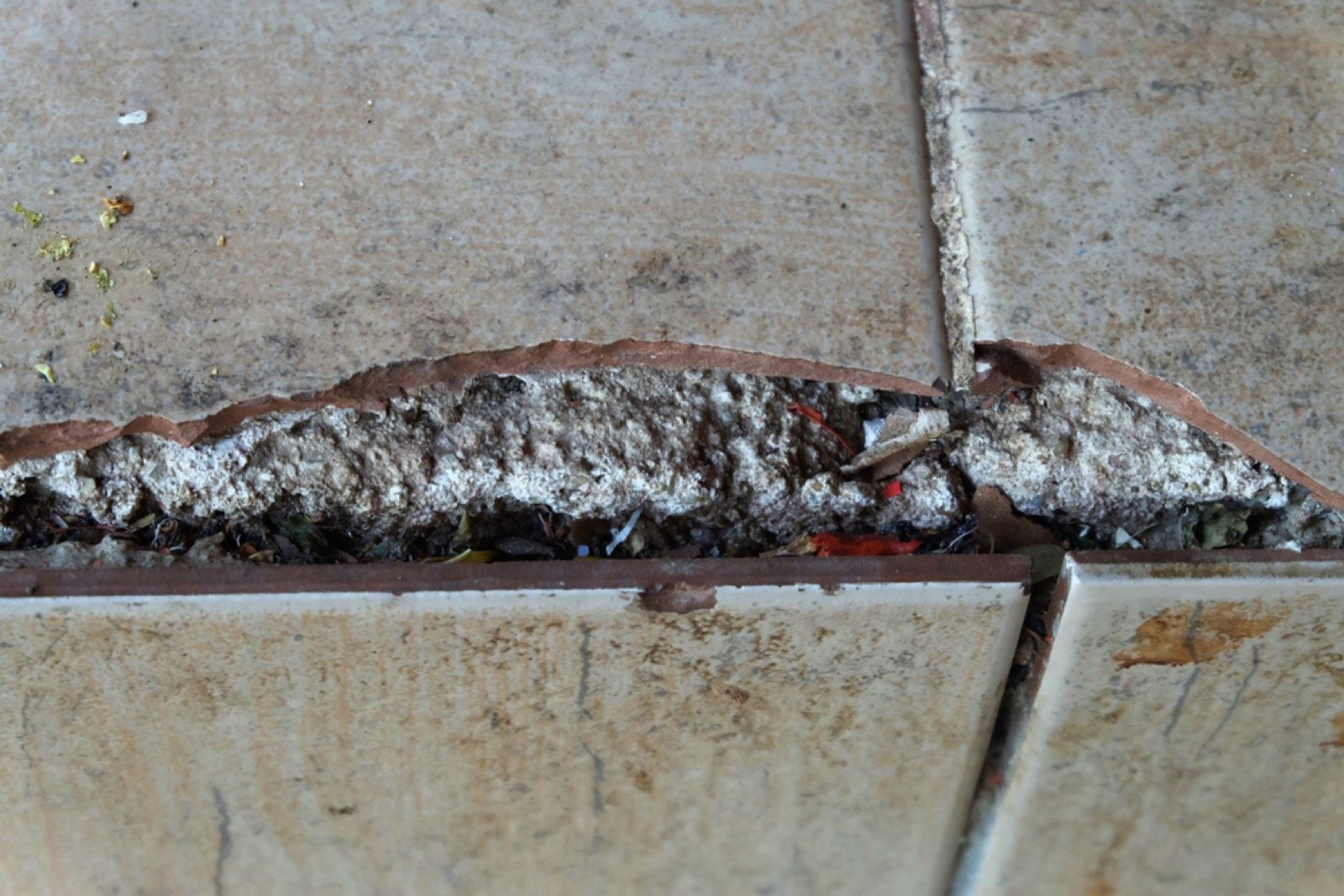
Floors are where this one hides. Across the CR postcodes, in the converted Victorian houses around Thornton Heath, South Norwood and Selhurst, and in the kitchens of the postwar estates at New Addington and Fieldway, the same thing keeps surfacing during a refit. A floor that has been carpeted or covered in vinyl sheet for decades comes up, and underneath are square floor tiles bedded in a dark glue. The tiles are usually thermoplastic or vinyl. The glue is a black bitumen adhesive, and that is the part worth taking seriously.
The tiles themselves tend to be low risk while they are whole and flat. They were made hard, the asbestos is locked into the material, and lifting one or two intact does not throw much into the air. They come in a few familiar sizes, the small nine-inch squares in the older houses and larger ones in the later flats, often in muted reds, browns and greens that give their age away. The adhesive is the awkward part. It was spread straight onto the concrete screed, it has had fifty or sixty years to set, and it does not want to come up. People scrape at it, heat it, sand it, and that is exactly the moment fibres can be released. So the job is less about the tiles you can see and more about the black layer welded to the floor beneath them.
You cannot tell by eye whether a given floor contains asbestos. Plenty of later tiles and glues are perfectly clean. The only way to know is to take a small sample and have it tested at a UKAS-accredited laboratory before any of it is lifted. In an HMO or a let flat, where landlords across this part of Croydon manage a lot of older stock, that check is worth doing before a tenant moves out and the floor gets ripped up in a hurry.
Tiles lift, the adhesive fights back
A tiled floor and the glue under it are two separate problems, and the second is almost always the bigger one. The tiles can often be eased up whole or in large pieces if they are warmed gently and worked with a flat blade. Kept intact, they stay easy to handle and easy to bag. Smashing them is what you avoid, because broken edges and dust are how a straightforward floor turns into a mess.
The black bitumen adhesive is where the time goes. Bedded into the screed in a Croydon terrace or a flat in one of the central towers, it has gone hard and brittle and bonded to the concrete. Dry scraping it, grinding it or taking a sander to it is the wrong approach, because that is precisely how the fibres held in the glue get airborne. It is removed under control instead, kept damp, worked off in sections, and what comes up is double-bagged as asbestos waste rather than swept into the household bin. On many floors the residue is thinner than people expect once the tiles are off, but on others it is a thick, stubborn skin that takes real patience.
How long a floor takes depends on its size and on how well the glue lets go. A small kitchen or hallway is often a day. A larger through-floor, or one where the adhesive is thick and clinging, runs longer. None of it is rushed, because the controlled, slower method is the whole point of doing it properly rather than going at it with a power tool over a weekend. The screed underneath is left sound and ready for whatever new floor is going down, which matters when the room is going straight back into use.
Keeping the dust out of an occupied home
Most of these floors are in homes people are still living in. A family in an Addiscombe terrace, tenants in a Selhurst conversion, someone in a flat in the centre of town. The floor often runs through a kitchen, a hall or a living room, the busiest rooms in the place, so the work has to be contained or fibres will drift everywhere.
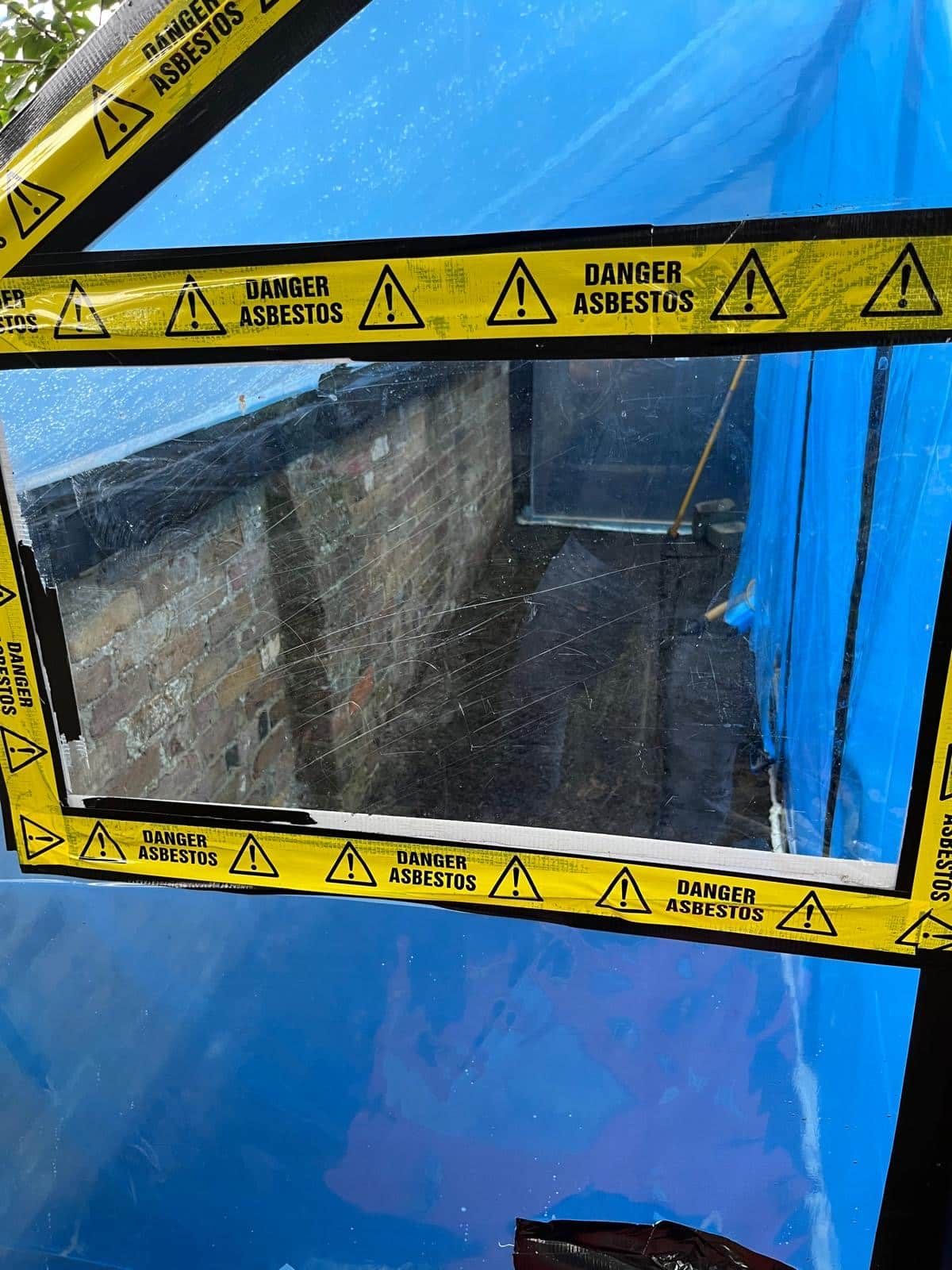
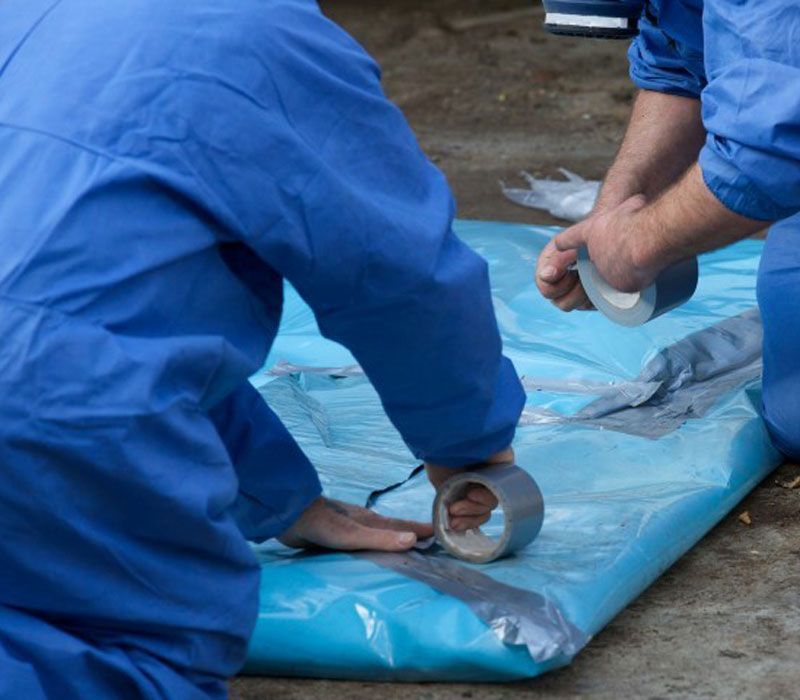
The room is sealed off before anything is lifted. Doorways and any gaps are closed up, surfaces are protected, and air movement is controlled so dust cannot travel into the rest of the house. The tiles come up first, then the adhesive is taken off the screed under the same containment. Waste is bagged as it goes rather than left in a heap. When the floor is clear and the area has been cleaned down, an air test is carried out before the seals come off, so nobody steps back into the room until the air has been checked and is clear. That last step matters most in a busy household or a let property, where the kitchen and hallway cannot stay out of use for long and you need to know the space is genuinely safe to walk back into.
Much of this floor tile work sits in the non-licensed category, which keeps a single room manageable without weeks of notice. Where a job tips into higher-risk licensed work, the rules step up: fourteen days of notice to the HSE before it starts, a full sealed enclosure, and four-stage clearance testing signed off by an independent analyst who does not work for us. The category is decided by what the lab finds and what is actually being disturbed, never guessed on the day.

Local floors handled the careful way
Croydon has been rebuilt over and over, and its floors carry the evidence. The railway-era streets, the postwar towers around the centre, the big estates laid down between and after the wars, all of it was floored in an age when these tiles and this glue were ordinary. Whenever one of those floors comes up for a new kitchen or a fresh covering, the question of what is underneath is worth asking before the crowbar comes out.
The sensible order is simple. Sample first, find out what the tiles and the adhesive actually are, and only then decide how to lift them. That keeps the cost down on the clean floors and keeps everyone safe on the ones that are not. A small test up front is far cheaper than dealing with spread fibres after a floor has been torn up blind.
Clearaway is based just up the road in Chessington, and Graham runs the local jobs himself, so the person quoting your floor is the person doing it. The work is covered by Spectra licence number 142305706, and we have spent more than seven years on the floors, garages and roofs of this part of Surrey and south London. To talk through a suspect floor in Croydon, or to book a sample before a refit starts, call 0800 024 6168.
You may also need our asbestos removal in Croydon service.
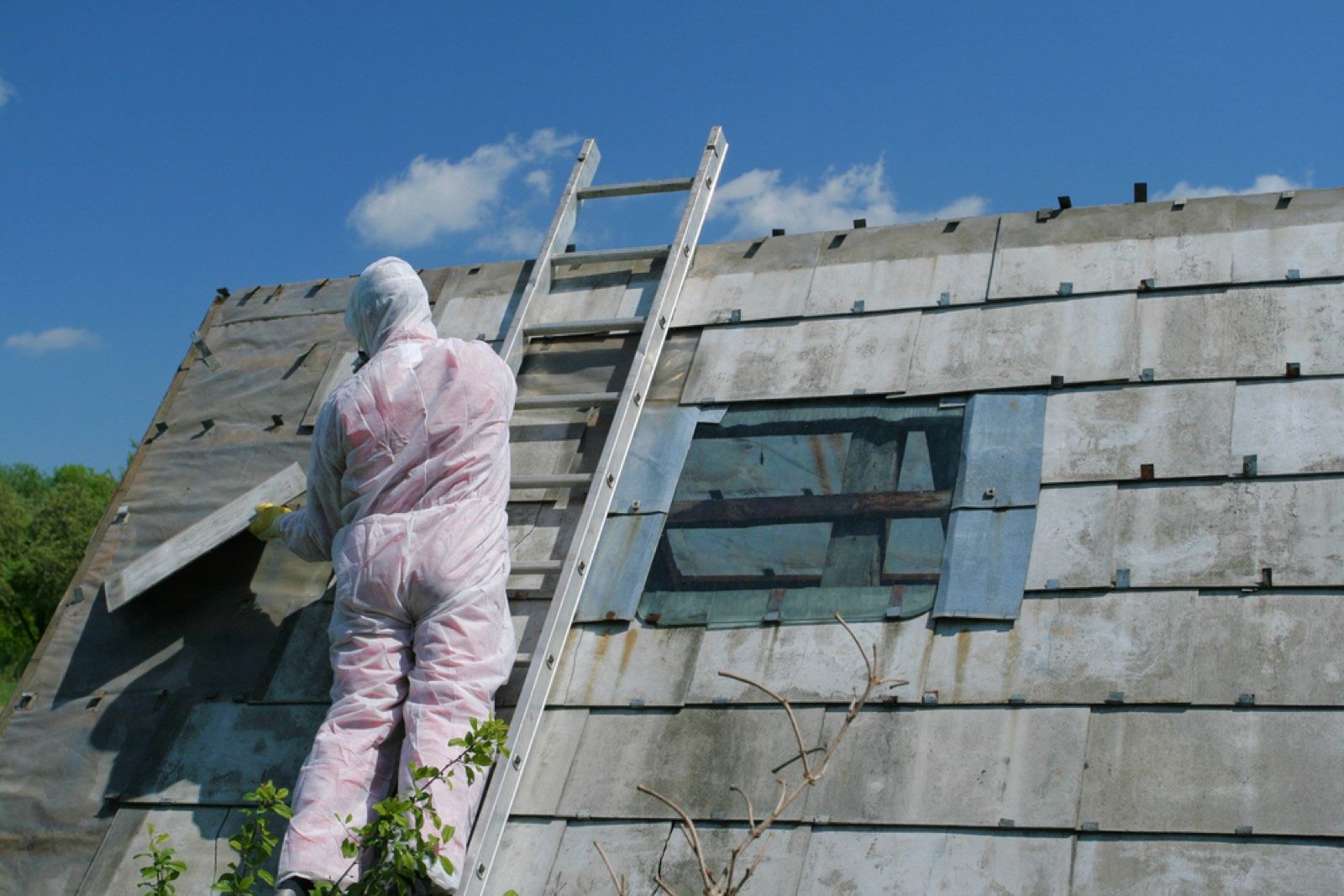
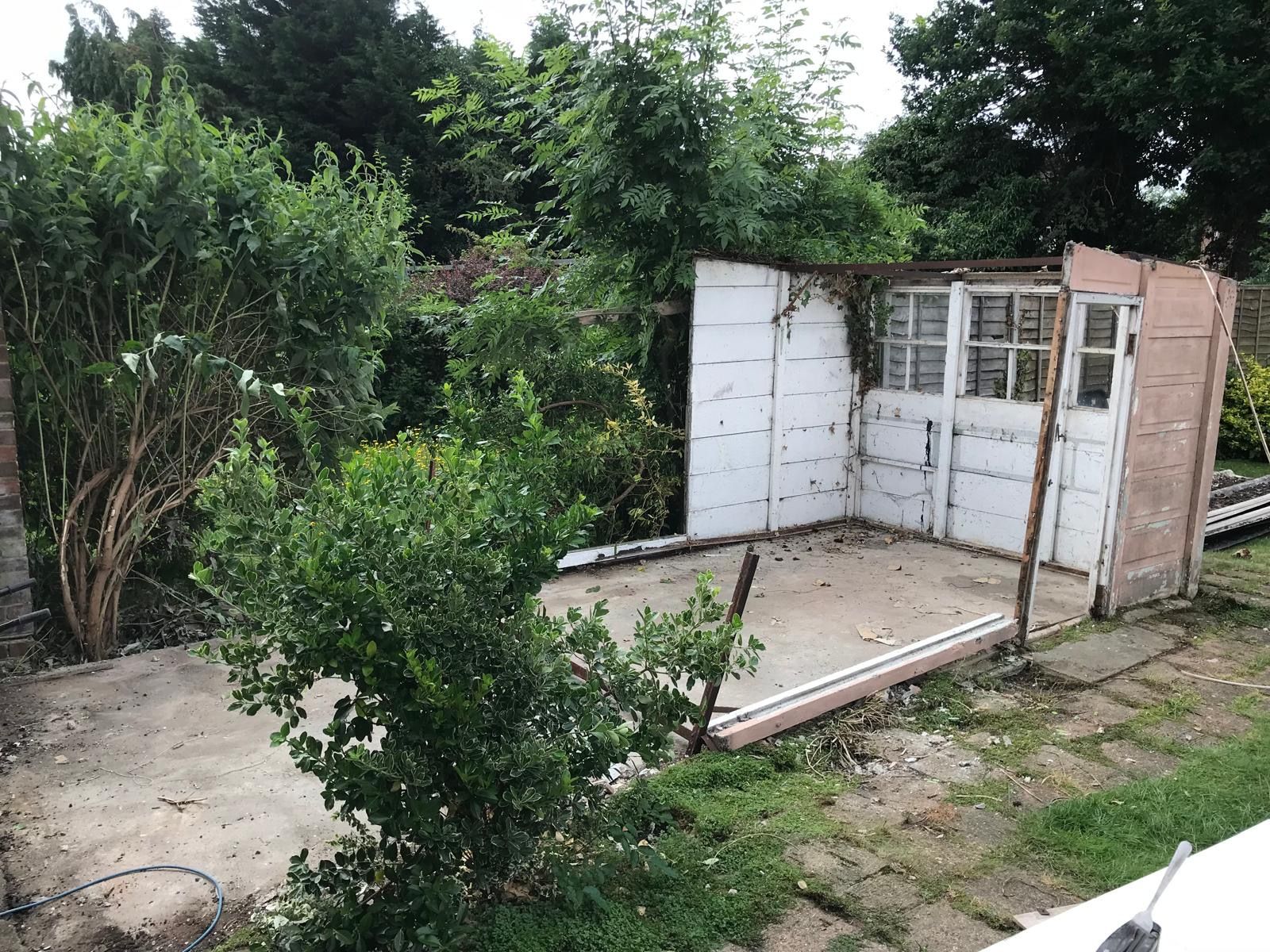
Concrete Asbestos Garage Removal, Cobham
Cobham, Surrey · Garage Removal
View this project"Graham and his staff done a great job of removing my concrete and asbestos garage thank you"
Why Choose Clearaway
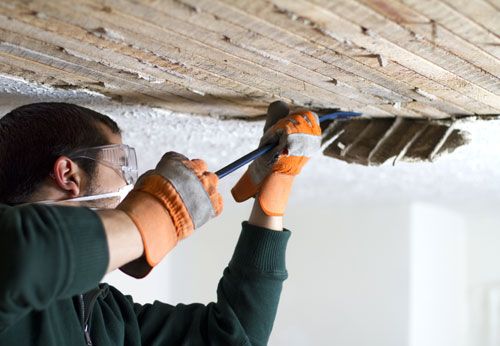
Specialist Crew
Asbestos work is all we do, every day, across the South East.
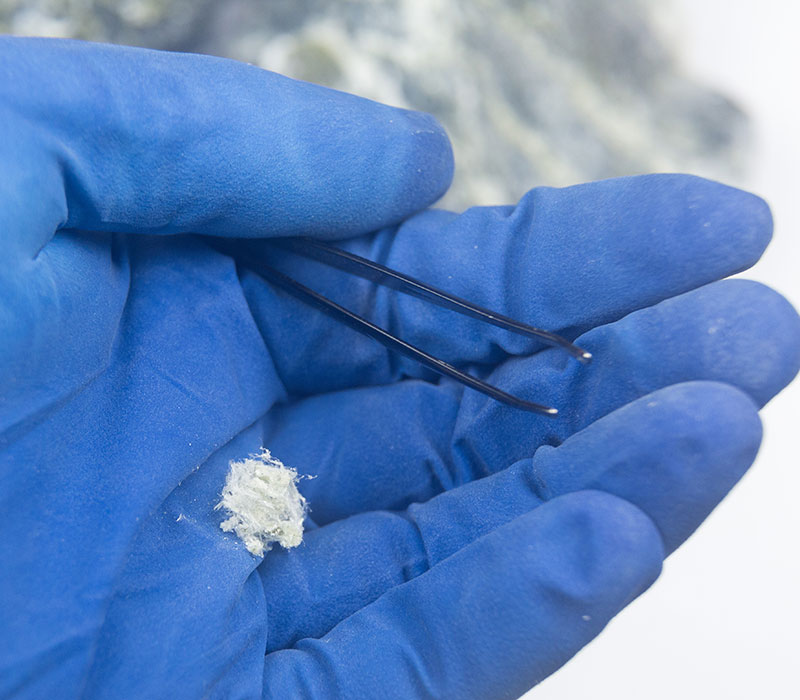
Fully Licensed
Licensed asbestos removal contractor (Licence No. 142305706). Full public liability insurance on every job.
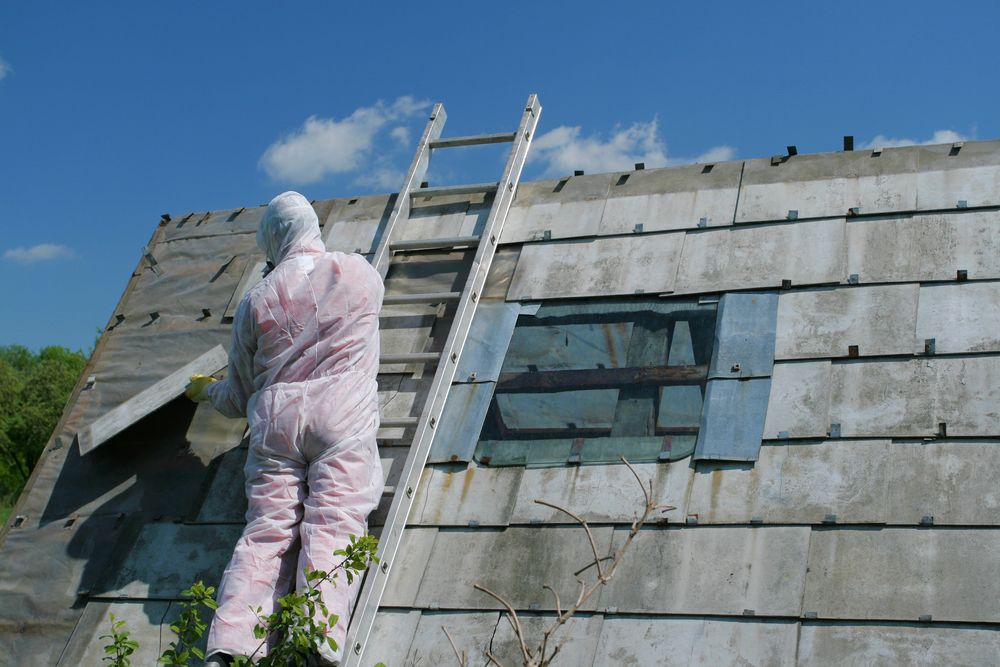
Local & Fast
Surrey-based. Most domestic jobs are booked in and finished within a week.
Our Own Team
We never subcontract. The people who quote your job are the people who do it.
Frequently Asked Questions
Our Removal Process
From first call to final certificate, every job follows the same clear four-step process.
Survey
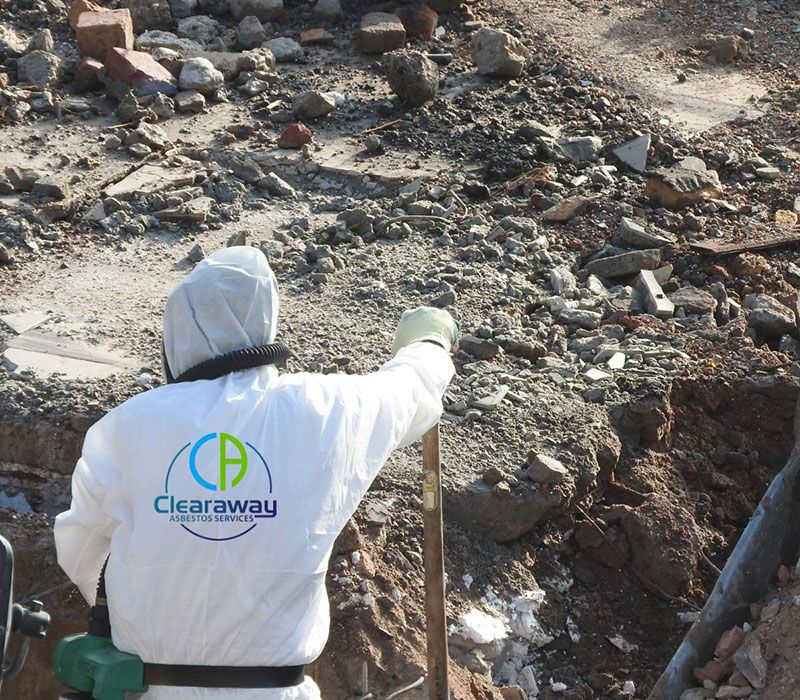
We inspect the property and confirm the material. Sampling available if required.
Quote
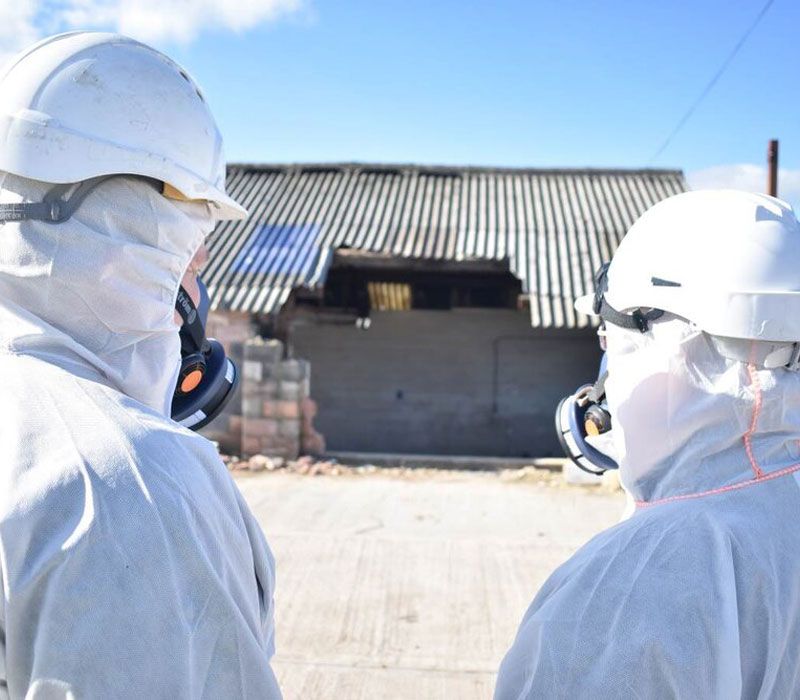
Fixed written price covering removal, disposal and any replacement work.
Removal
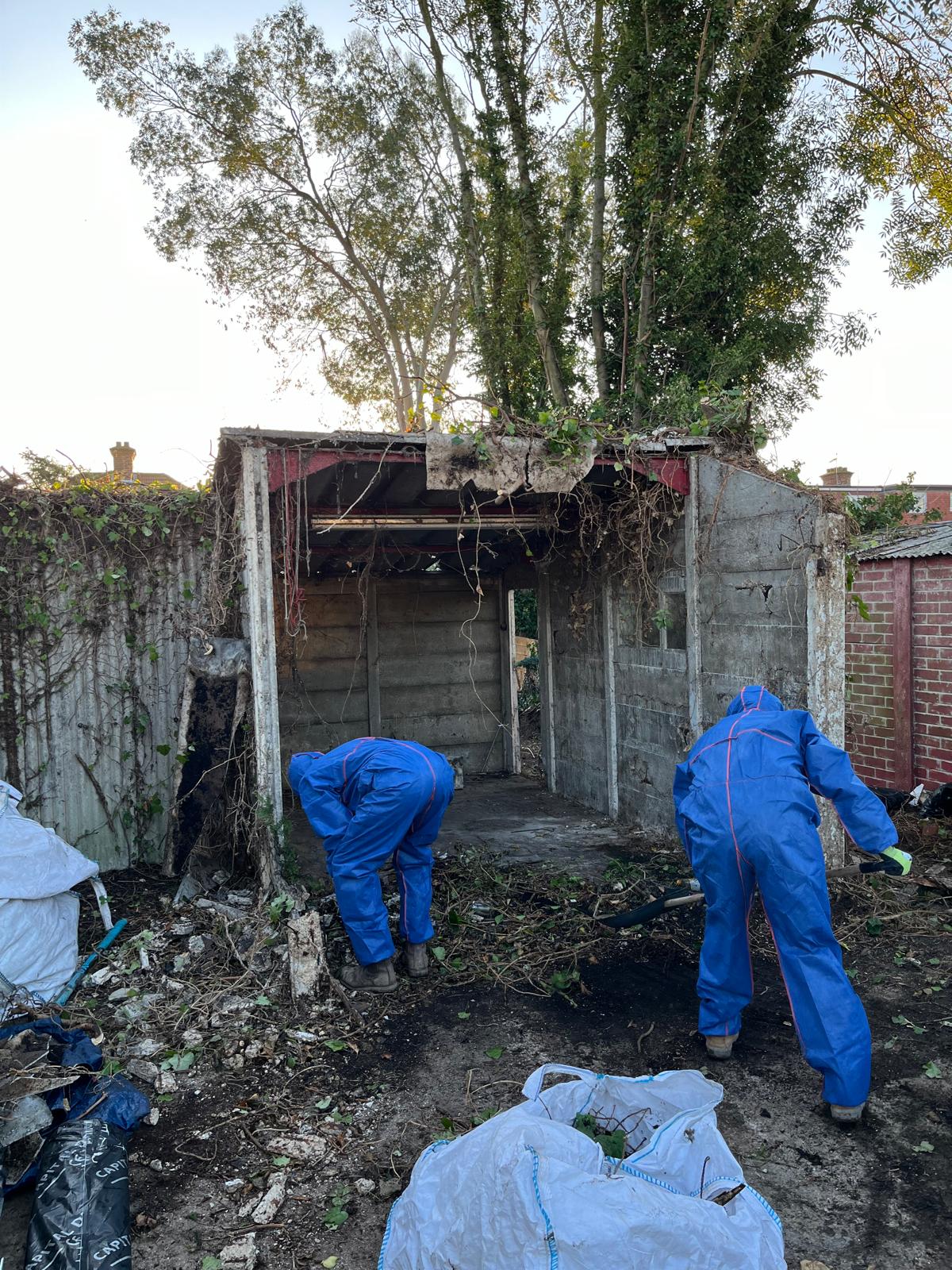
Material is removed safely, double-wrapped and taken to a licensed disposal facility.
Certificate
You receive a waste consignment note and disposal certificate confirming legal handling.
Get in Touch
Send a few details about your project and we will come back the same working day with a fixed price. We cover Surrey, London and the South East, including Esher, Cobham, Kingston, Richmond, Epsom, Guildford, Woking and Croydon.