Asbestos Floor Tile Removal in Chessington, KT9
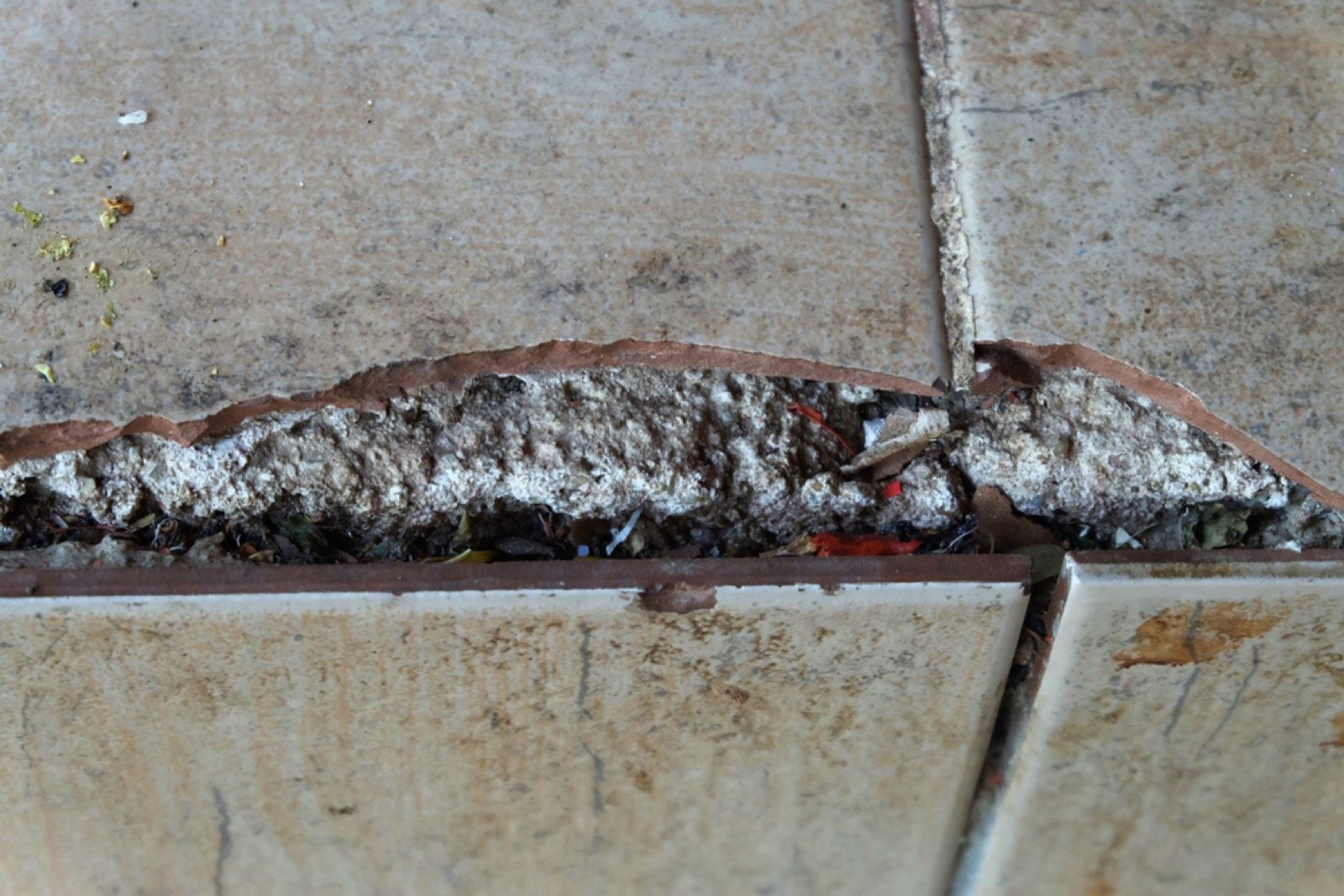
Lift the old lino or carpet in a Chessington kitchen and you can find the original floor underneath. Across the KT9 semis those tiles, and the black glue holding them down, are a common asbestos find during a refit.
What turns up under a Chessington floor
Most of the housing around Chessington, Hook and Chessington South went up between the 1930s and the postwar years, rows of semis and detached houses that spread out along the Leatherhead Road and the A243. A lot of those floors were finished with thermoplastic or vinyl tiles, the small hard squares that were laid by the thousand from the 1950s through to the 1980s. The classic size is the 9 inch tile, 225mm square, set straight onto the concrete screed.
Nobody tends to think about them, because for decades they sat hidden under newer flooring. You only meet them when the lino lifts or the carpet and underlay come up during a kitchen or hallway refit. A small Chessington kitchen of around four square metres can hold the best part of eighty of these tiles, so it is rarely a case of one or two odd squares.
The tiles themselves are the easier part. The real issue is what they were bedded into.
The black bitumen glue is the stubborn bit
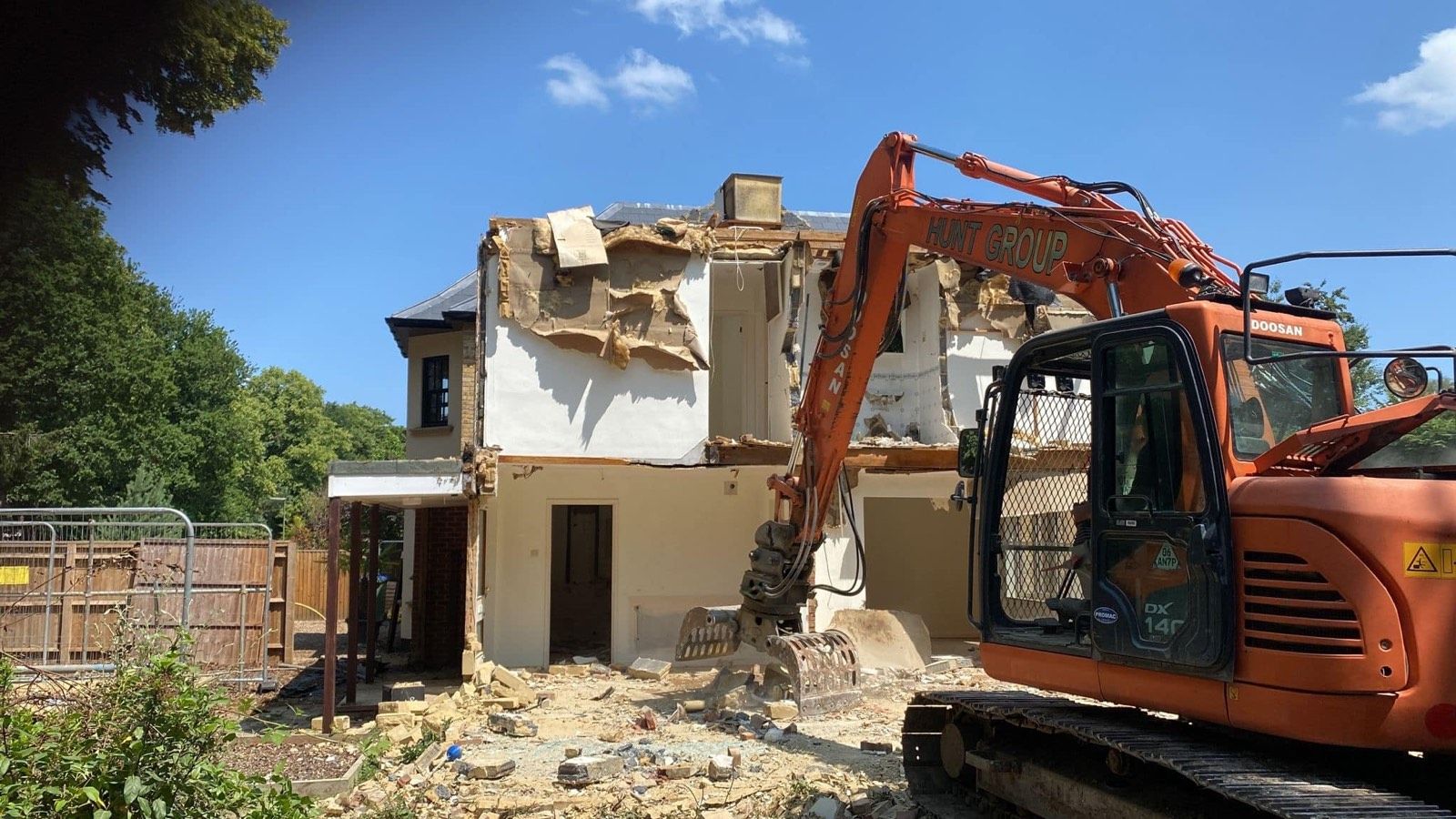
Underneath the tiles is a layer of black bitumen adhesive, the dark tarry glue that fixed them to the screed. In many of these older Chessington floors that adhesive contained asbestos, and it is the more stubborn problem of the two. The tiles can lift in whole pieces. The bitumen does not. It is bedded hard into the top of the screed in a skin a few millimetres thick, and scraping at it dry is exactly what releases fibres.
This is why a floor that looks like a quick afternoon job is not. The tiles might come up in an hour, but the glue layer is the part that has to be taken back carefully and fully, because leaving it means leaving the asbestos behind. A single room is a one to two day job once the glue is accounted for, not the morning a tiler would quote for new flooring.
You cannot tell by eye whether a given floor is one of the affected ones. We take a small sample first and send it to a UKAS-accredited laboratory, and the lab confirms it in a few working days before any lifting starts.
Keeping the dust out of a lived-in home
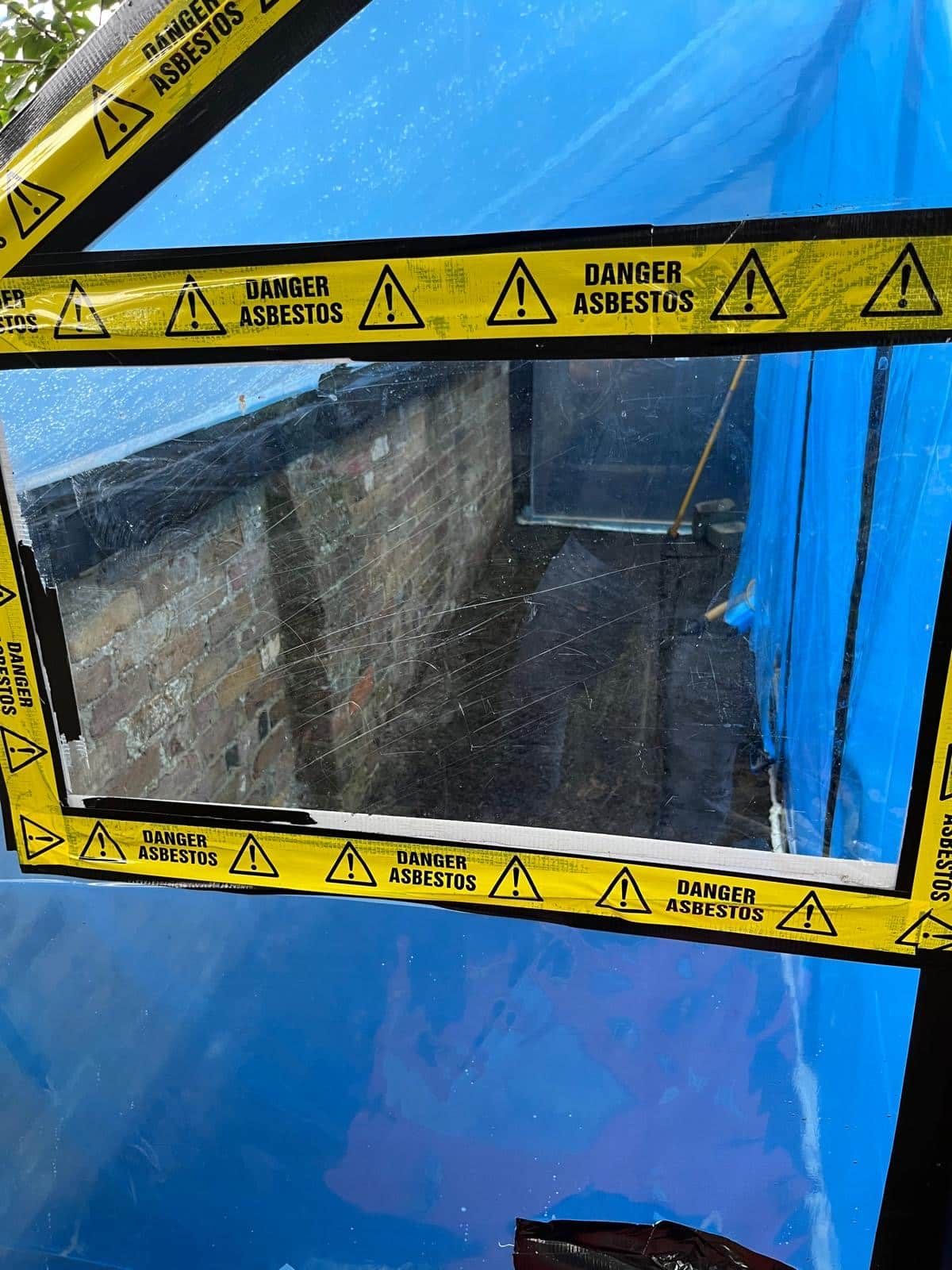
Floor work has a particular problem in an occupied house. The floor runs under your feet through the busiest rooms, the kitchen, the hall, often the whole ground floor, so dust from a disturbed floor will spread everywhere if it is not contained. The point of the work is to keep fibres inside the room being worked on and out of the rest of the home.
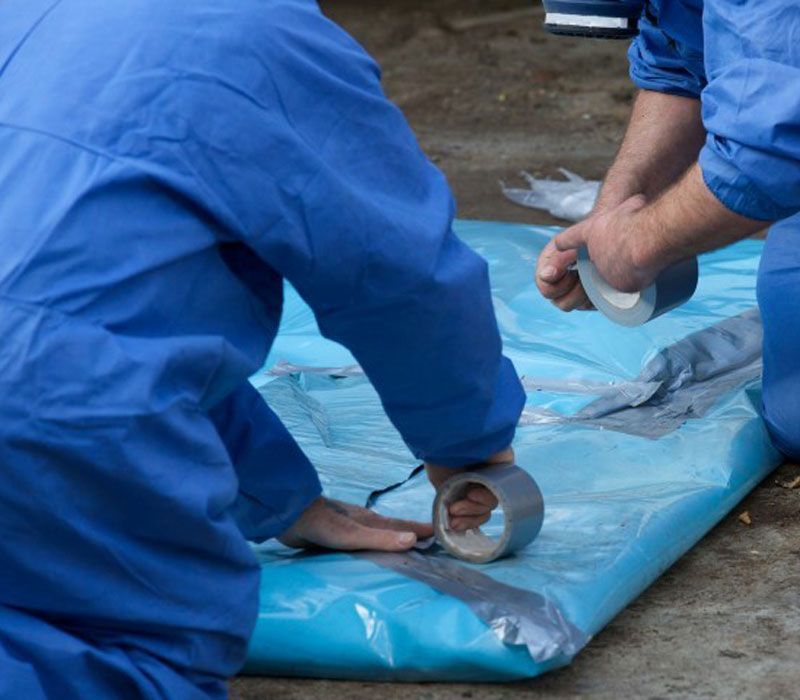
That means sheeting the room off and sealing the doorways, keeping the surface damp rather than dry so nothing becomes airborne, and lifting the tiles and the bitumen in a controlled way instead of grinding at them. The waste goes into sealed, labelled bags and out to a licensed facility. There is no skip sitting on the drive collecting loose debris.
When the floor is up and the room has been cleaned down, an independent analyst carries out air testing before anyone moves back in. The published reassurance figure is a clearance of 0.01 fibres per millilitre of air, and the room is not handed back until the air sits at or below that. For the higher-risk licensed jobs there is a stricter standard again, with 14 days notice to the HSE, full enclosure of the work area, and four-stage clearance testing signed off by that independent analyst.

A local team that knows these floors
Asbestos in flooring is on the list because of when these houses were built. The UK did not ban asbestos outright until 1999, and the tiles and bitumen across Chessington predate that by decades. It does not make a floor dangerous to walk on. It does mean that lifting one during a refit is the moment to handle it properly rather than chase the dust around the house afterwards.
Chessington is our home base. We are based right here in KT9, so this is the local patch and not a job we travel across the county for. Graham, the owner, quotes and runs the local work himself, and the team knows this 1930s and postwar housing stock and these streets first-hand. A survey here in the same week is the normal way of things, not a special arrangement, and that makes booking a floor in around a kitchen fitter or a sale far easier.
The work is carried out under Spectra licence number 142305706, and we have spent more than seven years working across this area, so the floors in these homes hold few surprises for us. If you have lifted a floor in Chessington and found old tiles and black glue underneath, call us on 0800 024 6168 and we will talk you through it.
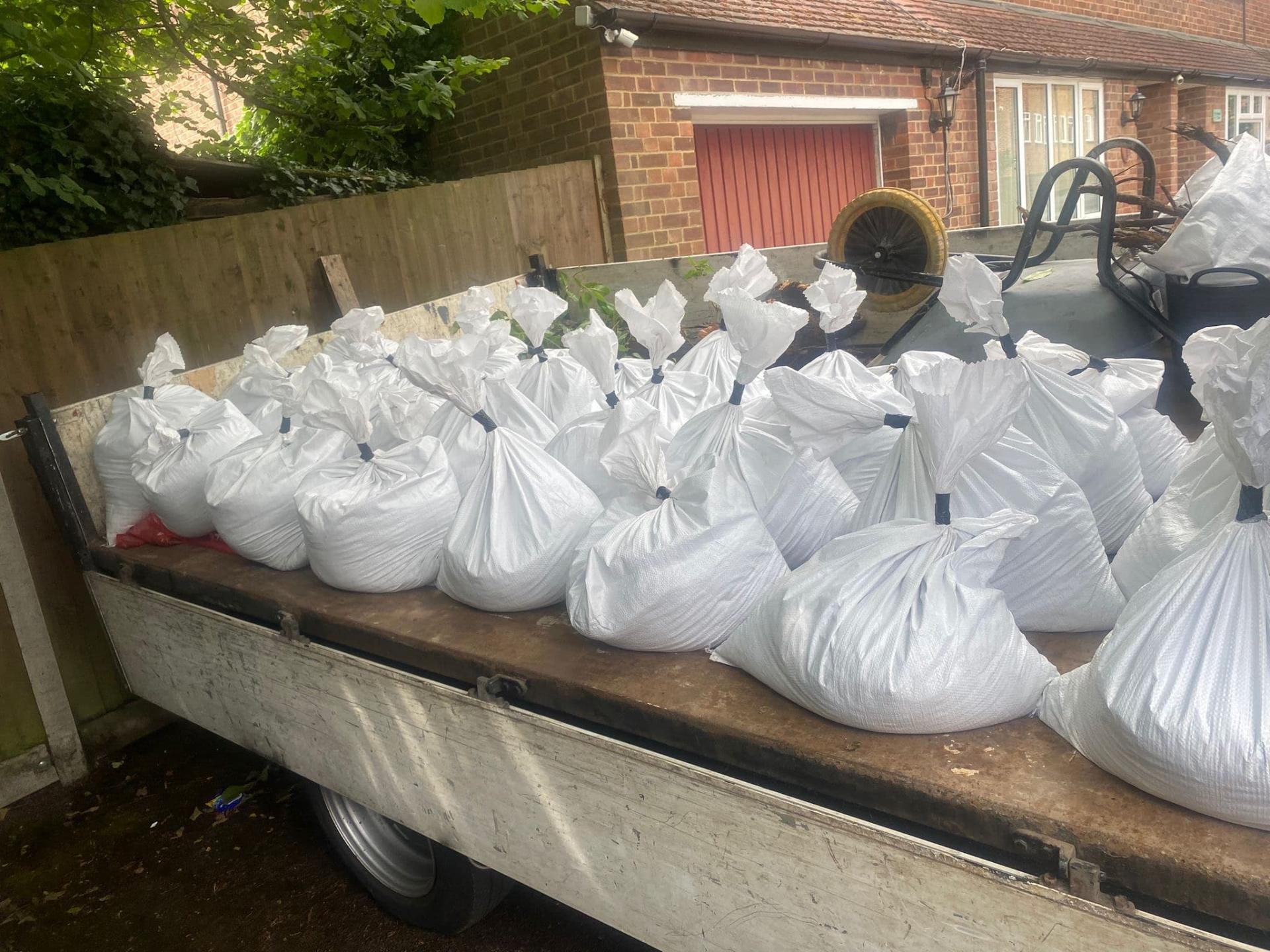
Asbestos Soil Fragments Clearance, Chessington
Chessington, Surrey · Soil Clearance
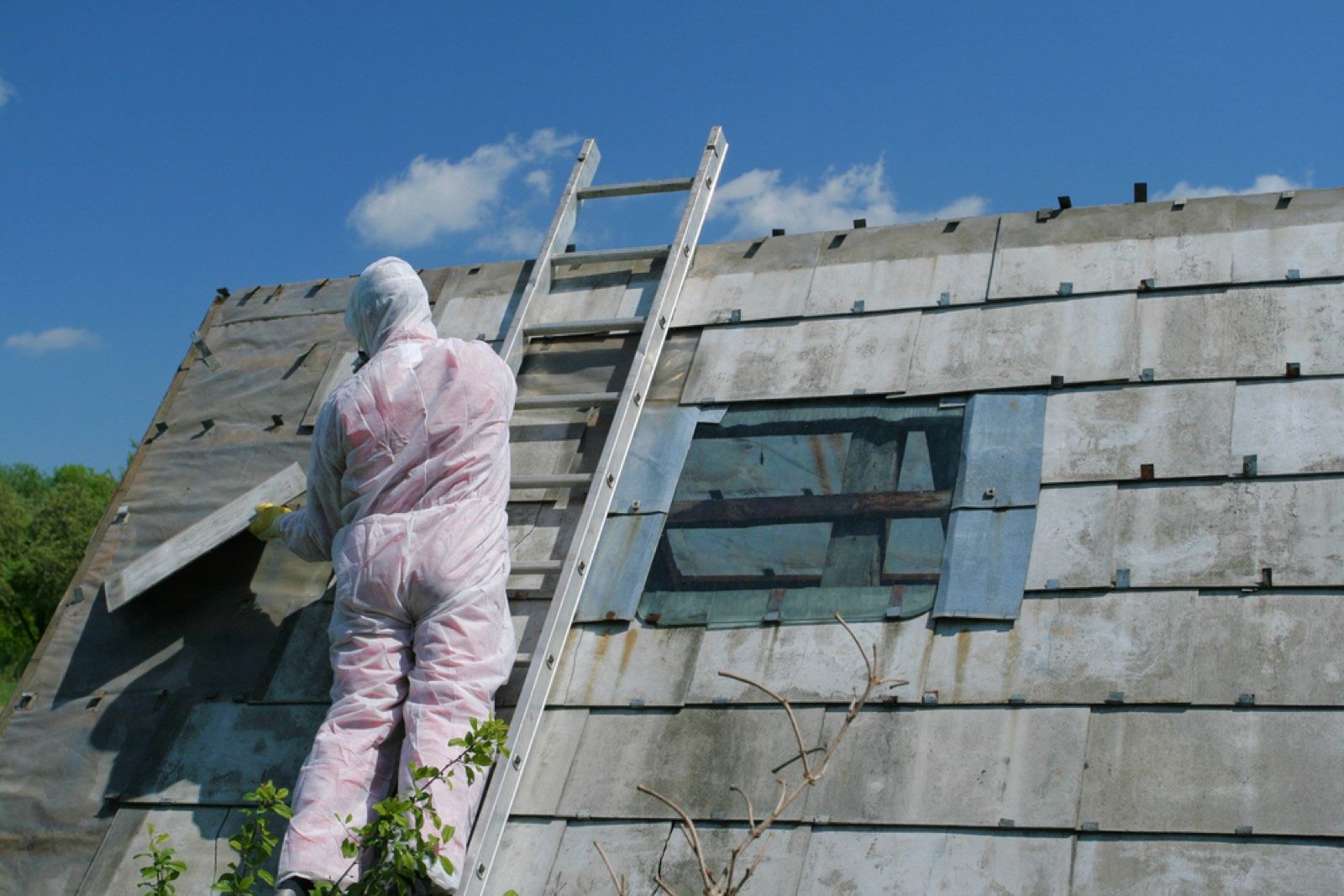
View this project"Graham and his guys picked up some asbestos roof sheets from my property in Chessington. Would highly recommend this company to anyone. Really good service and very professional. Thank you"
Why Choose Clearaway
On Our Home Patch
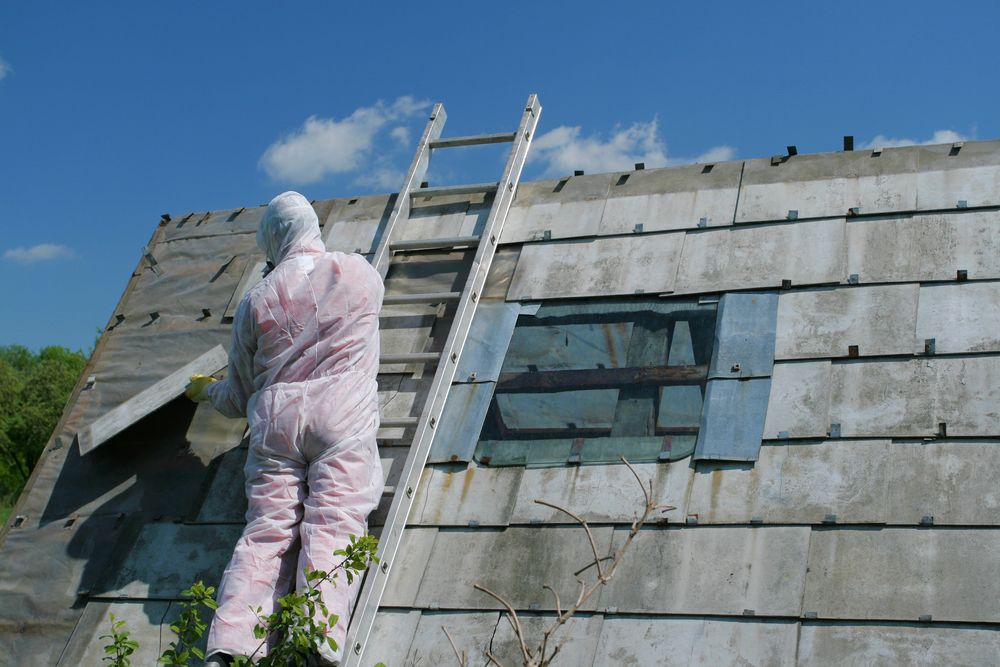
We work out of Chessington, right on the edge of the KT postcodes, so a same-week survey here is the norm, not the exception.
The Owner On The Job
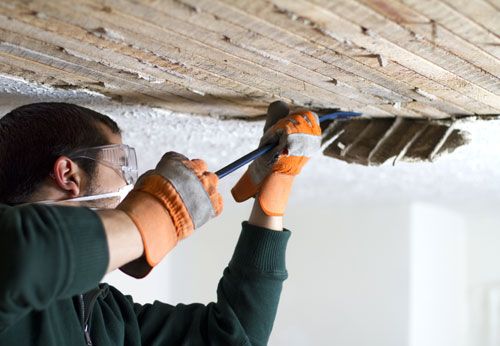
On local work Graham quotes and runs the job himself. You deal with the person doing the work from first call to final certificate.
Fully Licensed
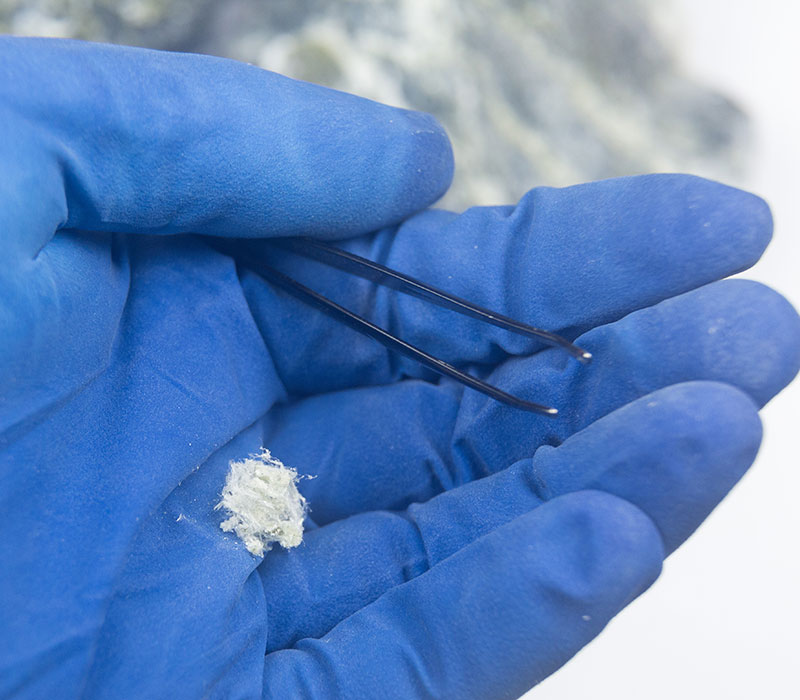
Licensed asbestos removal contractor (Licence No. 142305706). Full public liability insurance on every job.
Our Own Team
We never subcontract. The people who quote your job are the people who do it.
Frequently Asked Questions
Our Removal Process
From first call to final certificate, every job follows the same clear four-step process.
Survey
We inspect the property and confirm the material. Sampling available if required.
Quote
Fixed written price covering removal, disposal and any replacement work.
Removal
Material is removed safely, double-wrapped and taken to a licensed disposal facility.
Certificate
You receive a waste consignment note and disposal certificate confirming legal handling.
Get in Touch
Send a few details about your project and we will come back the same working day with a fixed price. We cover Surrey, London and the South East, including Esher, Cobham, Kingston, Richmond, Epsom, Guildford, Woking and Croydon.