Asbestos Floor Tile Removal in Chertsey
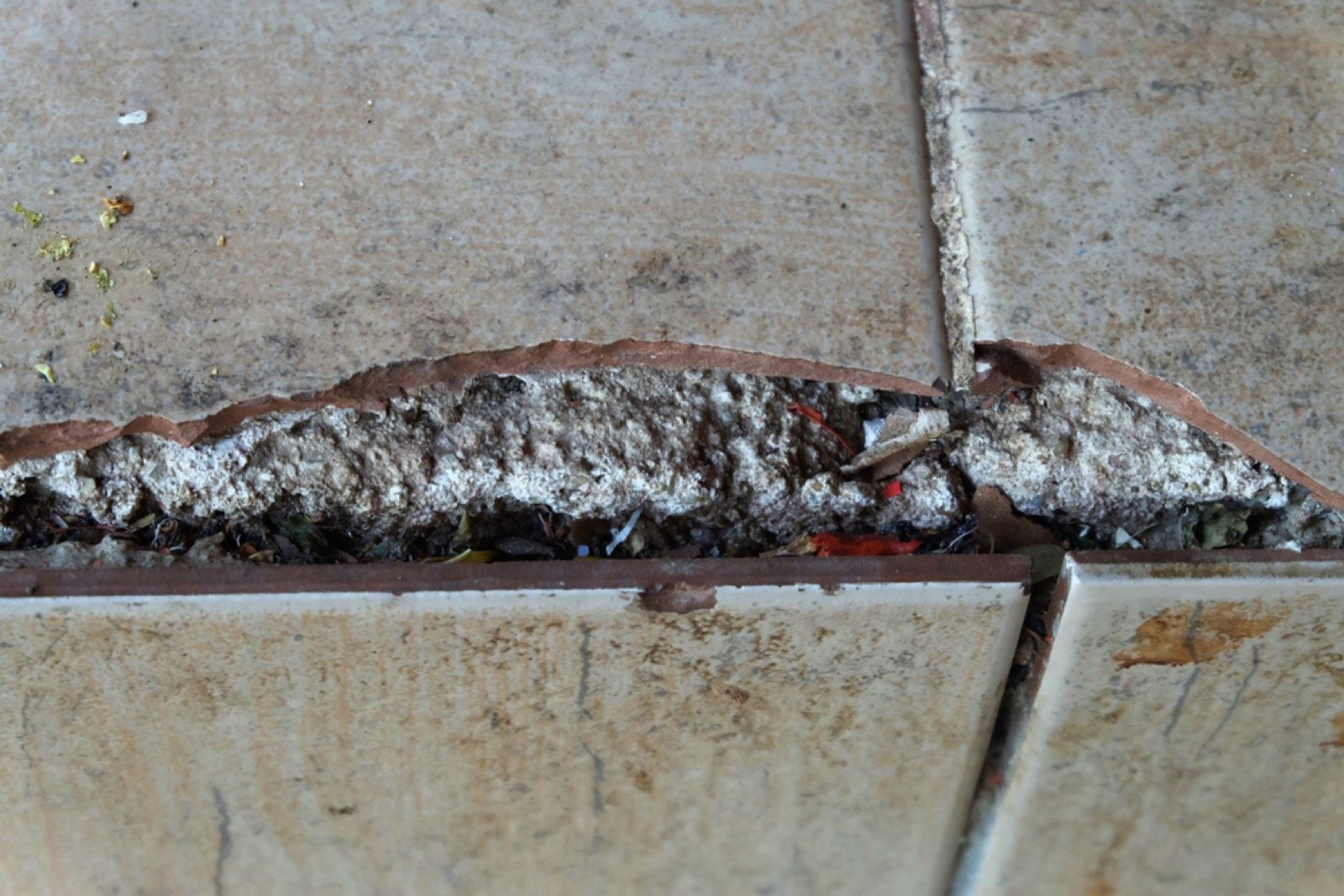
Lift the old lino or carpet in a Chertsey kitchen and you often find the original floor underneath: small thermoplastic tiles set in a layer of black bitumen. Plenty of the town's interwar homes still have it, and the adhesive is the real question.
Why old floors hide asbestos in Chertsey
Chertsey grew outward in the decades when these floors were standard. The Victorian and Edwardian terraces sit around the centre, along Guildford Street and Windsor Street, and then the interwar and postwar semis and detached houses spread out from there towards Addlestone, Ottershaw and the river. A good number of the larger houses were later carved up into flats. In the kitchens, hallways and downstairs rooms across that whole spread, the original covering was the 9 inch thermoplastic or vinyl tile, bedded onto a concrete screed with a black bitumen adhesive.
The tiles themselves are the smaller part of the problem. They sit flat and solid, and left alone they give off very little. It is the black sticky layer beneath, the bitumen, that tends to carry the asbestos and grips hard onto the screed. Over the years carpet went down on top, or a sheet of vinyl, and the tiles and their adhesive stayed put and got forgotten. They only come back into view when something disturbs them, which on a domestic floor means a tool, not time.
That moment is nearly always a refit. The lino comes up, or the carpet and underlay are lifted out for a new kitchen, and there is the old tiled floor staring back. Some of the older properties down near the Thames and Chertsey Bridge have had damp to deal with as well, and a floor that has softened or started to lift brings the same two materials, the tile and the bitumen, straight to the surface where someone has to make a decision about them.
How a floor refit turns it up
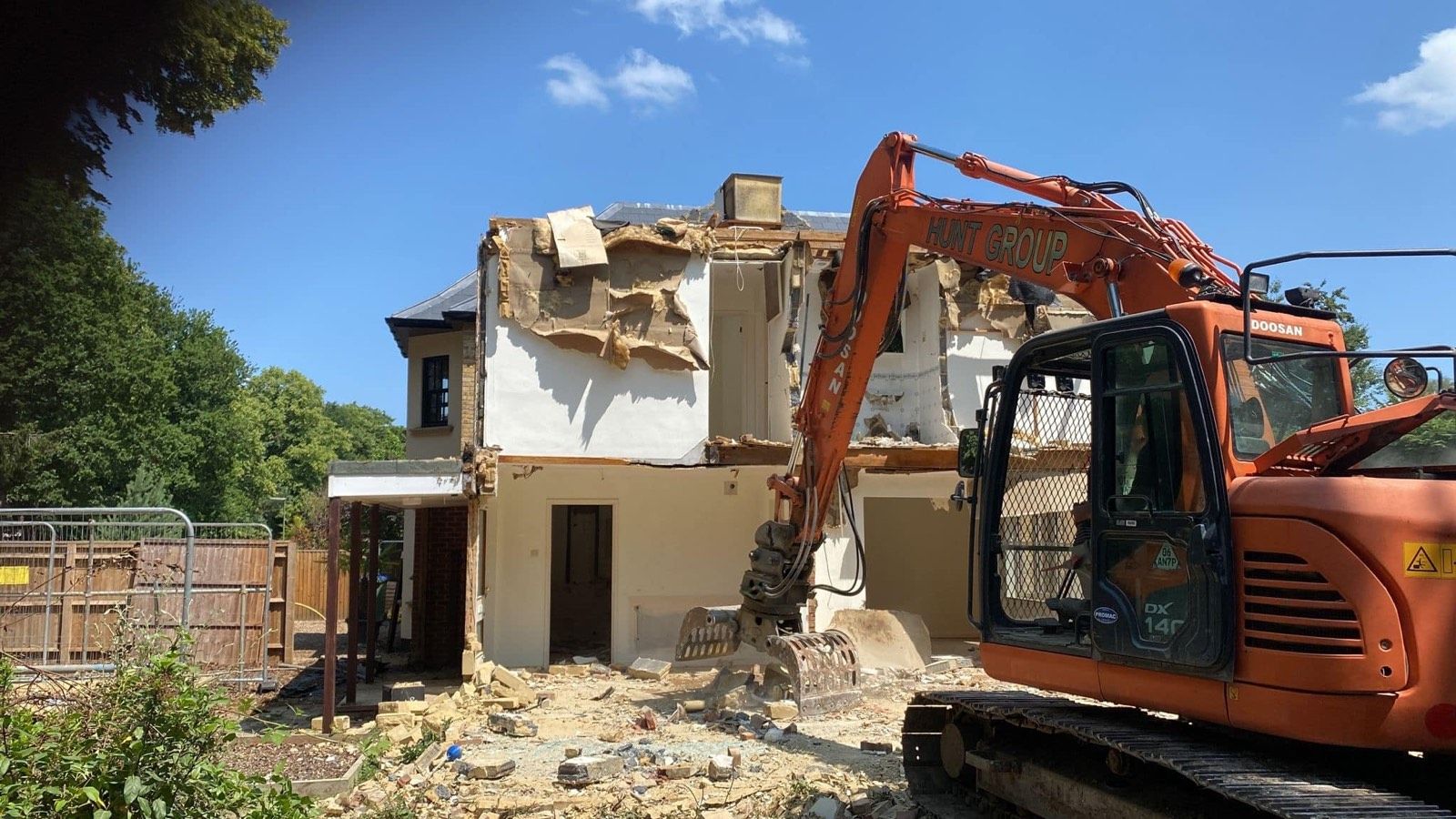
Most people in Chertsey meet these tiles the hard way, halfway through a job. A fitter starts pulling up the kitchen floor on a Monday morning, finds tiles cracking and an unfamiliar black layer stuck fast beneath them, and stops. That is the right call to make. Going at black bitumen with a heat gun or a power scraper, with no containment in a room people cook and eat in, is one of the surer ways to put fibres into the air of a lived in home.
The tiles can lift fairly cleanly in places, two or three at a time, where the bond has aged and let go. The adhesive is the stubborn one. It does not peel away in sheets; it has to be worked off the screed bit by bit, and that grinding and scraping is exactly the part that needs to be sealed in. A Chertsey kitchen or hallway floor tends to run somewhere between 8 and 15 square metres, and the bitumen can cover the whole of it in a thin, continuous skin that bonds to every inch of the screed.
Before any of that begins, a sample settles what you are actually dealing with. Asbestos bitumen looks no different to the plain sort, so the eye is no help here. A small piece of the tile and the adhesive together goes off to a UKAS-accredited laboratory, and the result comes back in two or three working days. That turnaround is quick enough to slot in before a kitchen fitter is due, as long as the sample is taken early rather than left until the floor is already half up and the room is out of action.
Removing the tiles and the bitumen safely
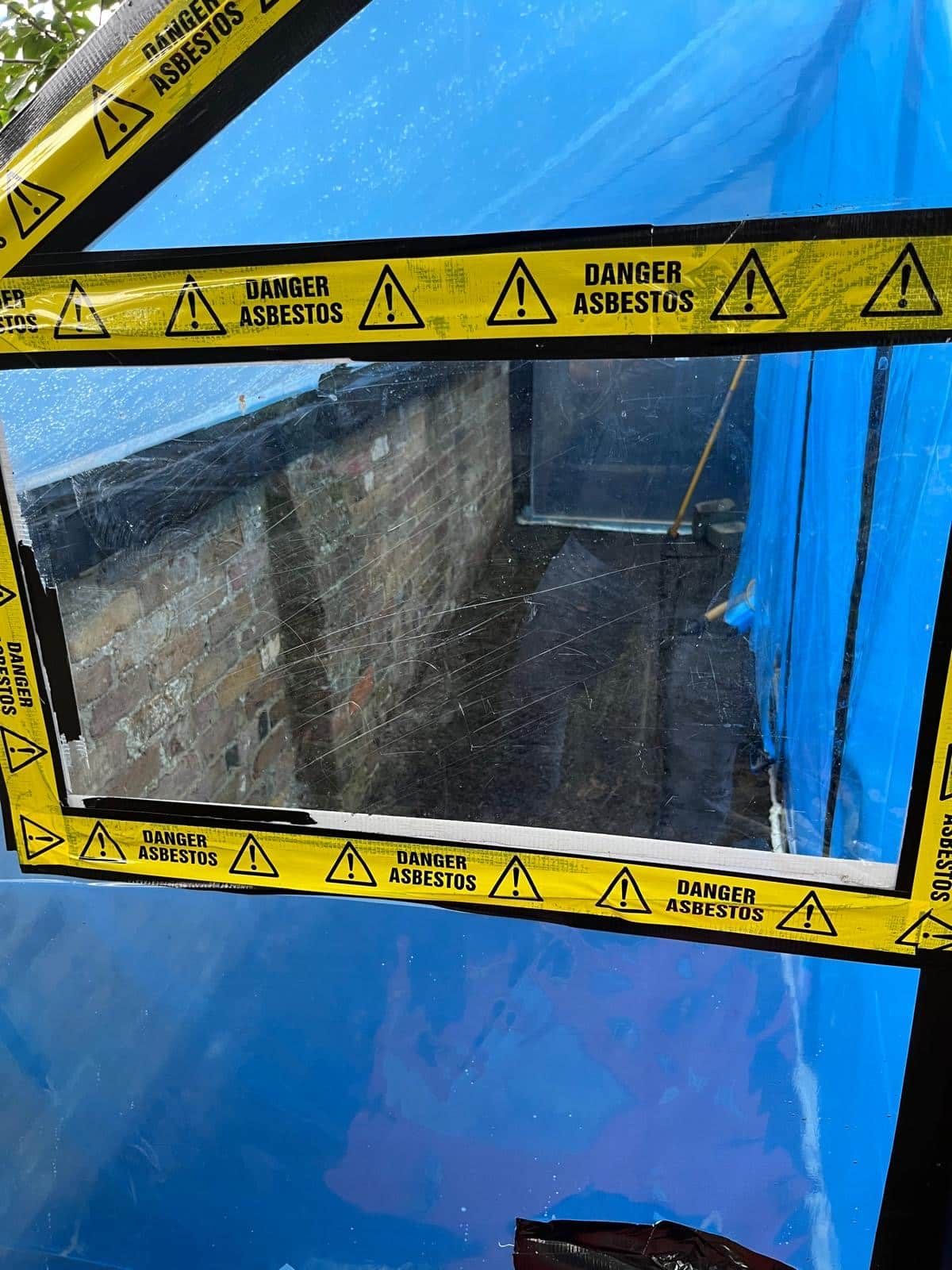
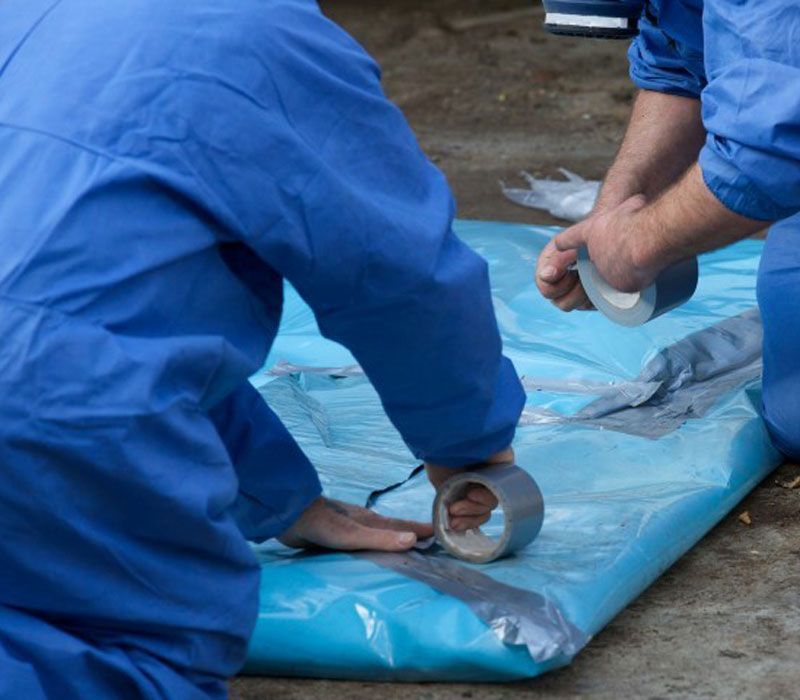
The work stays on the floor and it stays inside one room. That room is sealed off from the rest of the house with sheeting taped over the doorways, and a vent runs to the outside so the working space sits under negative pressure and air is drawn inward rather than leaking out. Anyone living in the house keeps clear of that room from the moment the floor goes up. The materials come out whole or in manageable sections wherever the floor allows, double bagged as they go, and carried off to a licensed disposal site rather than dropped in a skip on the drive, so the front of the house and the road stay clear throughout.
The tiles come up first. Then the bitumen, the part that takes the real time, is taken back off the screed under those same controlled conditions, scraped and cleaned down until the slab is bare. A single kitchen or hallway floor is frequently a few hours of work once the enclosure is built and the air is moving, while a longer run of connected rooms, or a floor that has been patched and re-covered more than once, will take a full day or more. The screed is left clean and dry and ready for whatever new floor is going down on top.
With the floor clear, the air in the room is tested before the enclosure is taken down and before anyone moves back in. Bitumen adhesive on a domestic floor is in many cases non-licensed work, but that is something the sample decides, never something assumed at the door. If a sample points instead to a higher-risk licensed material, the job steps straight up to the stricter standard: 14 days of notice given to the HSE, a full sealed enclosure built around the work, and a four-stage clearance signed off at the end by an independent analyst who has had no part in the removal itself.

Booking a floor job in Chertsey
Clearaway is based in Chessington, KT9, a reasonable run up to Chertsey past the M25 and round towards Runnymede, and the owner Graham runs the jobs himself rather than sending out a crew he has never met. On a floor that means one person looks at your kitchen, takes the sample, sets the enclosure and is there when the tiles and the bitumen finally come out. You are dealing with the same face from the first visit to the final air test.
The order that works best is a plain one. Sample first if there is any doubt at all, wait for the lab result, then book the removal around your kitchen fitter so the new floor follows on directly. Keeping the two trades in step is what saves you living around a bare, sealed screed in the middle of the house for longer than you have to. A floor that is sampled and planned early rarely holds the rest of the refit up.
Clearaway holds Spectra licence 142305706 and has worked across Chertsey and the wider Runnymede area for more than seven years, on floors as much as on garage roofs, artex ceilings and the rest of it. If you have lifted a carpet or some old lino and found tiles with a black layer set underneath, or a fitter has stopped halfway through a kitchen, call 0800 024 6168 and we will talk you through what the floor needs.
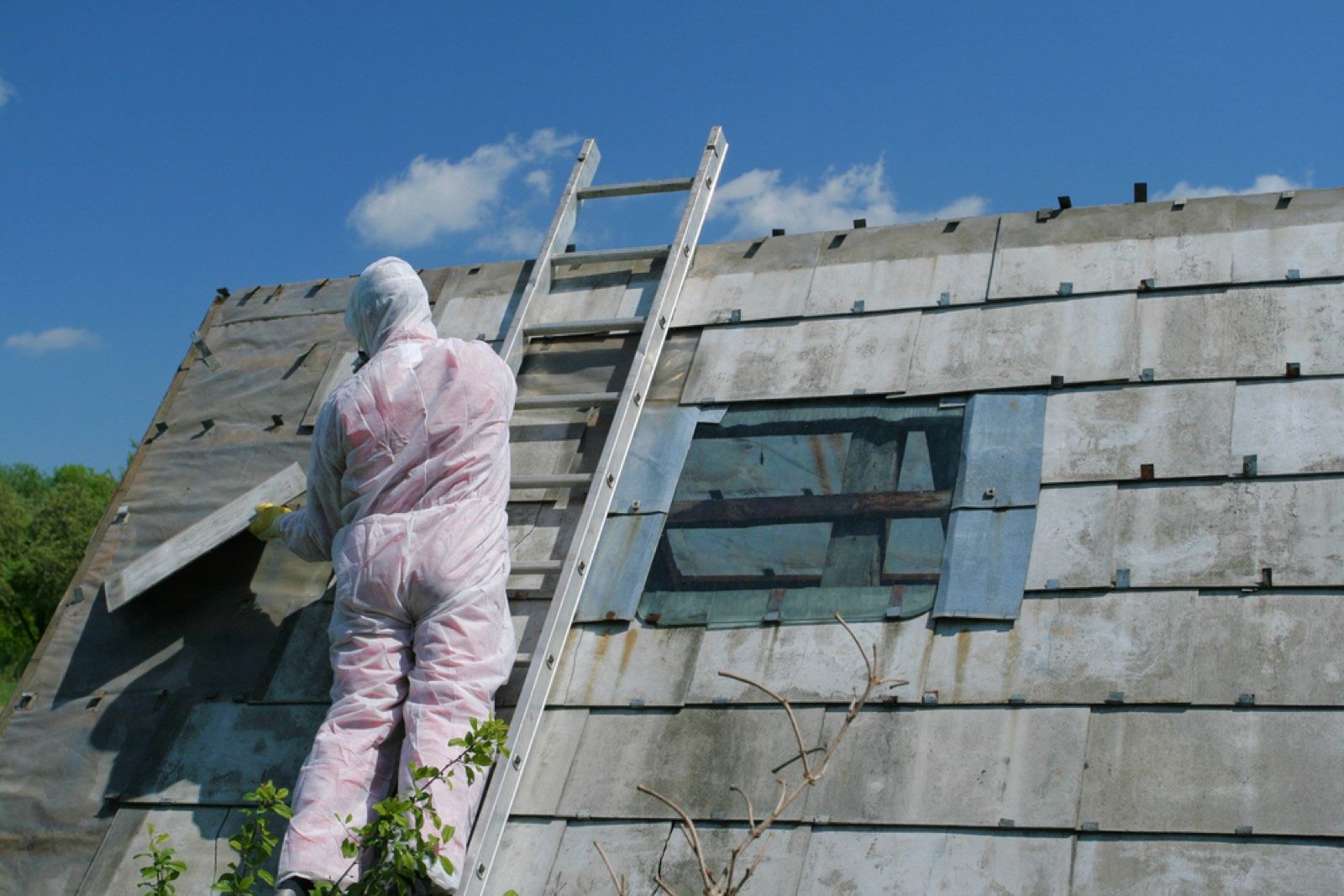
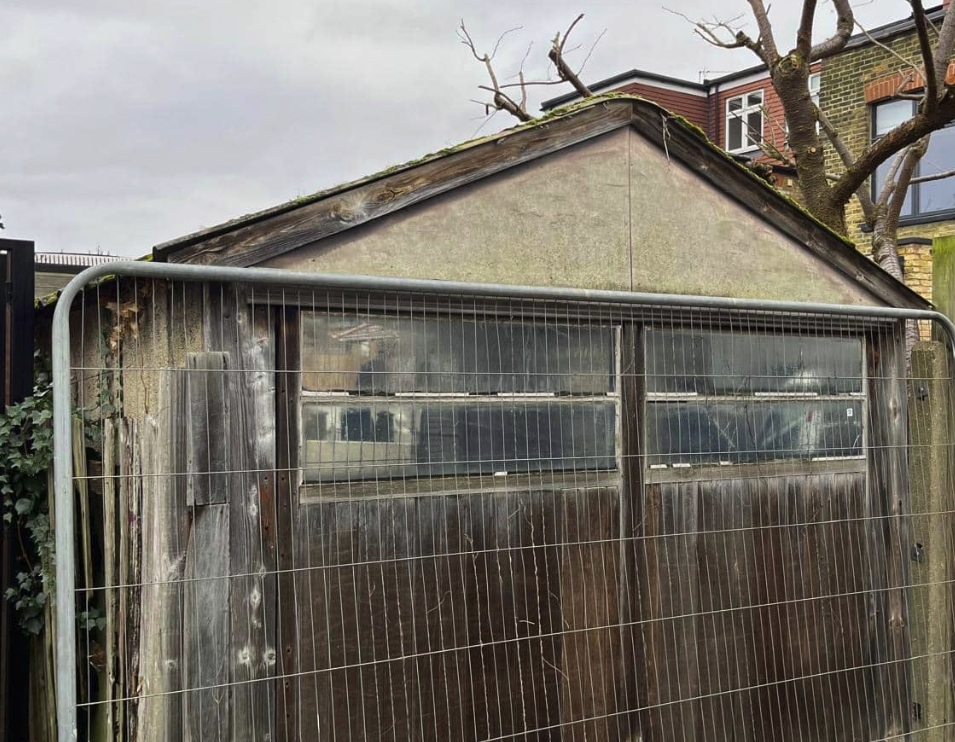
Full Asbestos Garage Demolition, Surrey
Surrey · Garage Demolition
View this project"Graham and his team done an excellent job of removing and replacing my asbestos garage roof and I wouldn't hesitate in recommending them"
Our Removal Process
From first call to final certificate, every job follows the same clear four-step process.
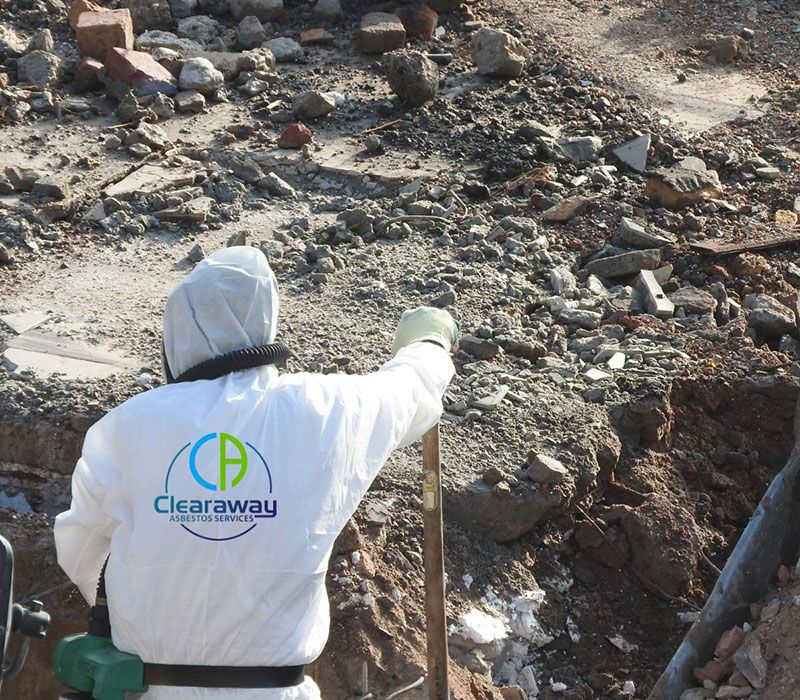
Survey
We inspect the property and confirm the material. Sampling available if required.
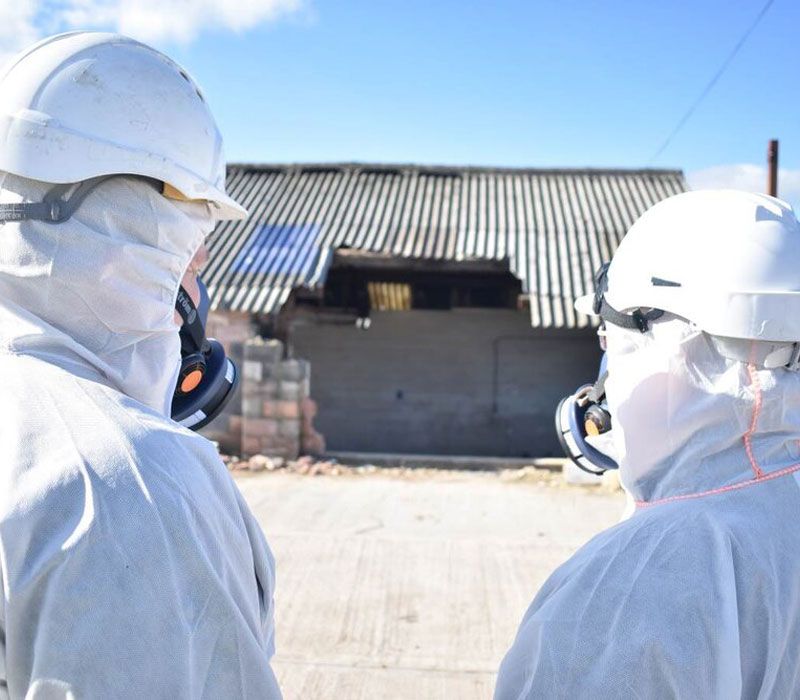
Quote
Fixed written price covering removal, disposal and any replacement work.
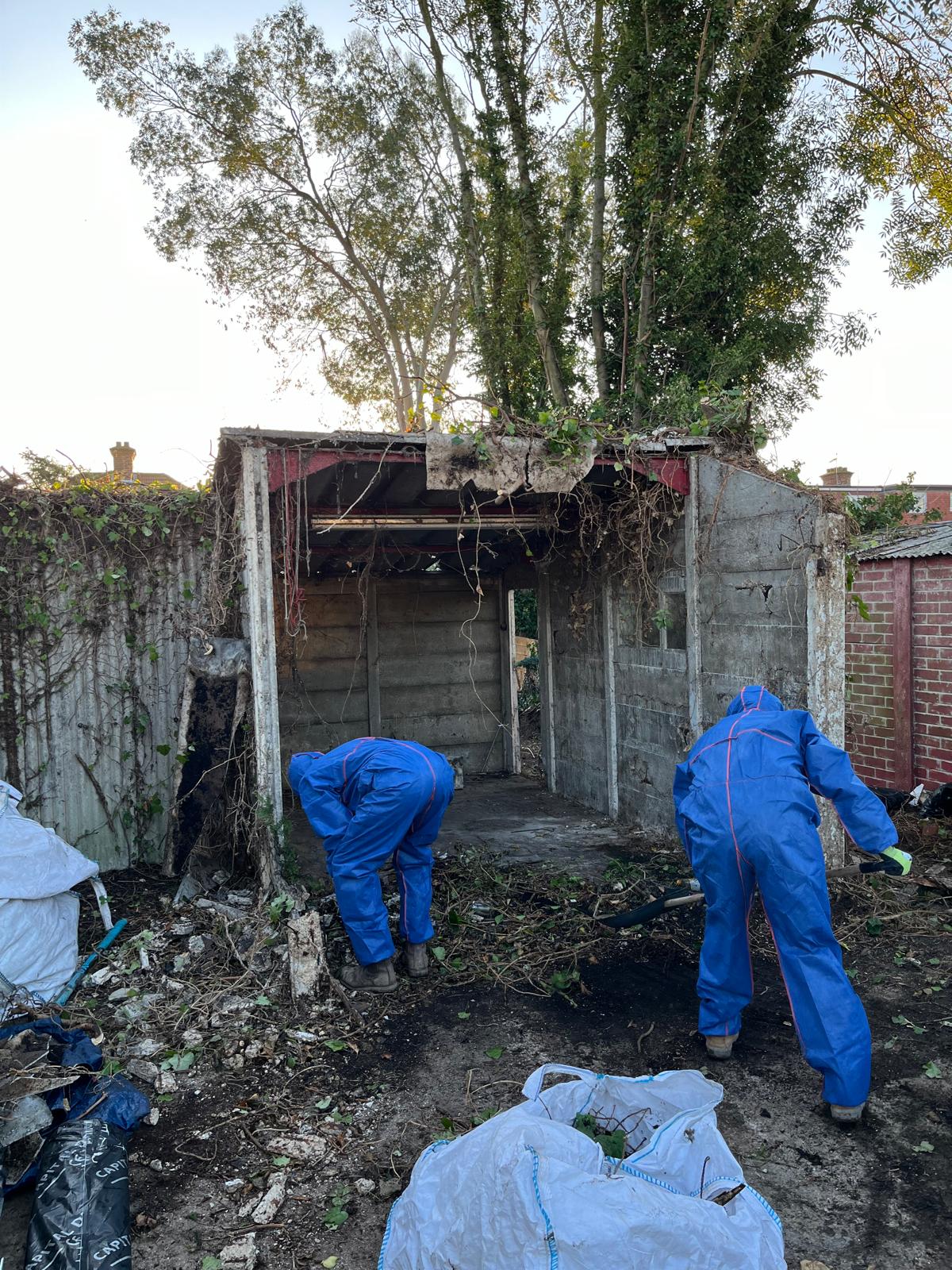
Removal
Material is removed safely, double-wrapped and taken to a licensed disposal facility.
Certificate
You receive a waste consignment note and disposal certificate confirming legal handling.
Frequently Asked Questions
Why Choose Clearaway
Specialist Crew
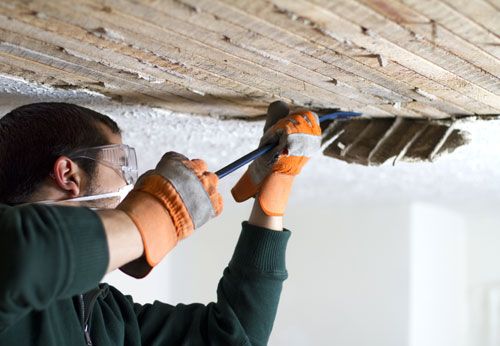
Asbestos work is all we do, every day, across the South East.
Fully Licensed
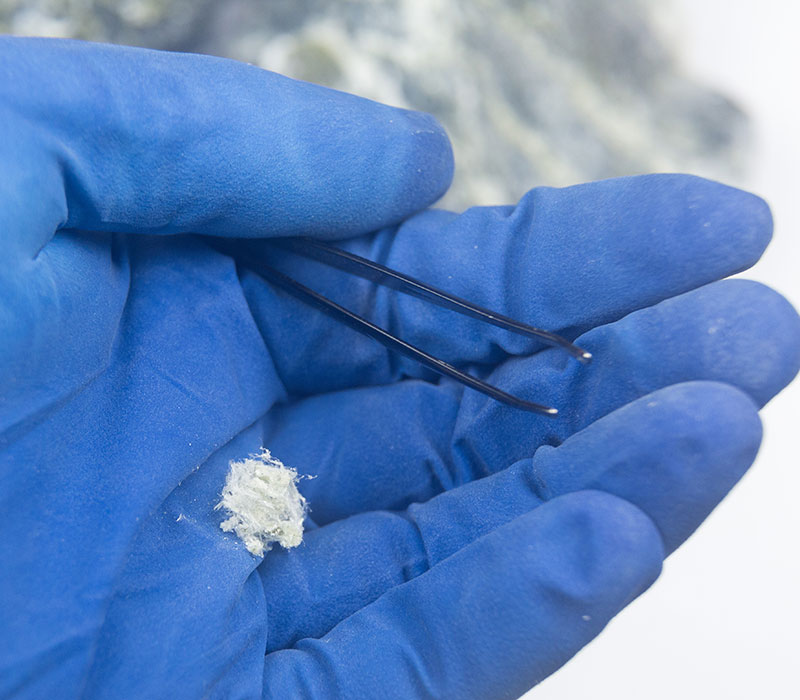
Licensed asbestos removal contractor (Licence No. 142305706). Full public liability insurance on every job.
Local & Fast
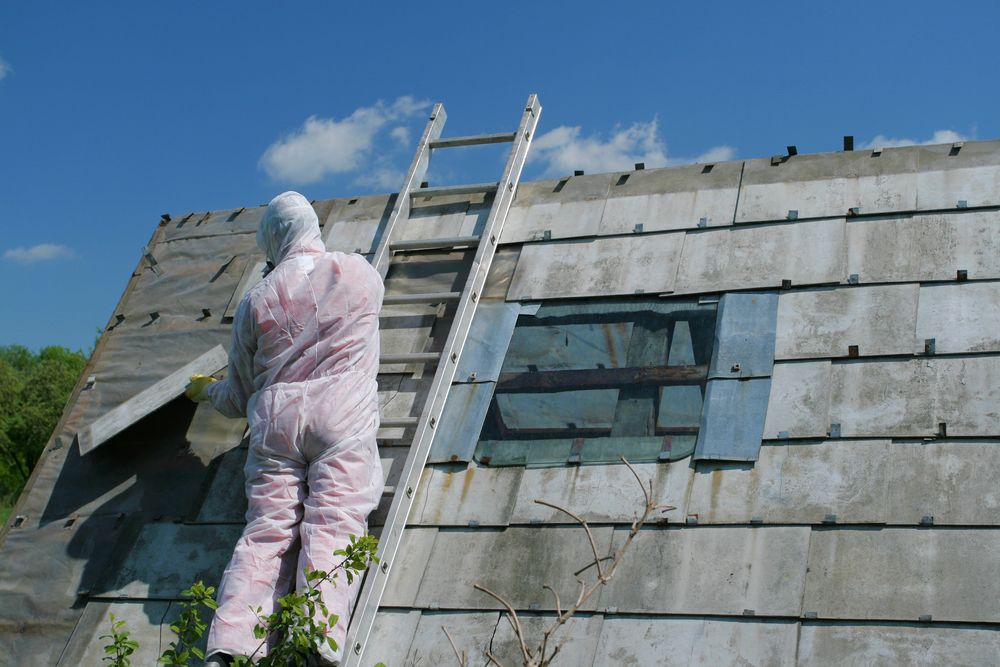
Surrey-based. Most domestic jobs are booked in and finished within a week.
Our Own Team
We never subcontract. The people who quote your job are the people who do it.
Get in Touch
Send a few details about your project and we will come back the same working day with a fixed price. We cover Surrey, London and the South East, including Esher, Cobham, Kingston, Richmond, Epsom, Guildford, Woking and Croydon.