Asbestos Floor Tile Removal in Brighton
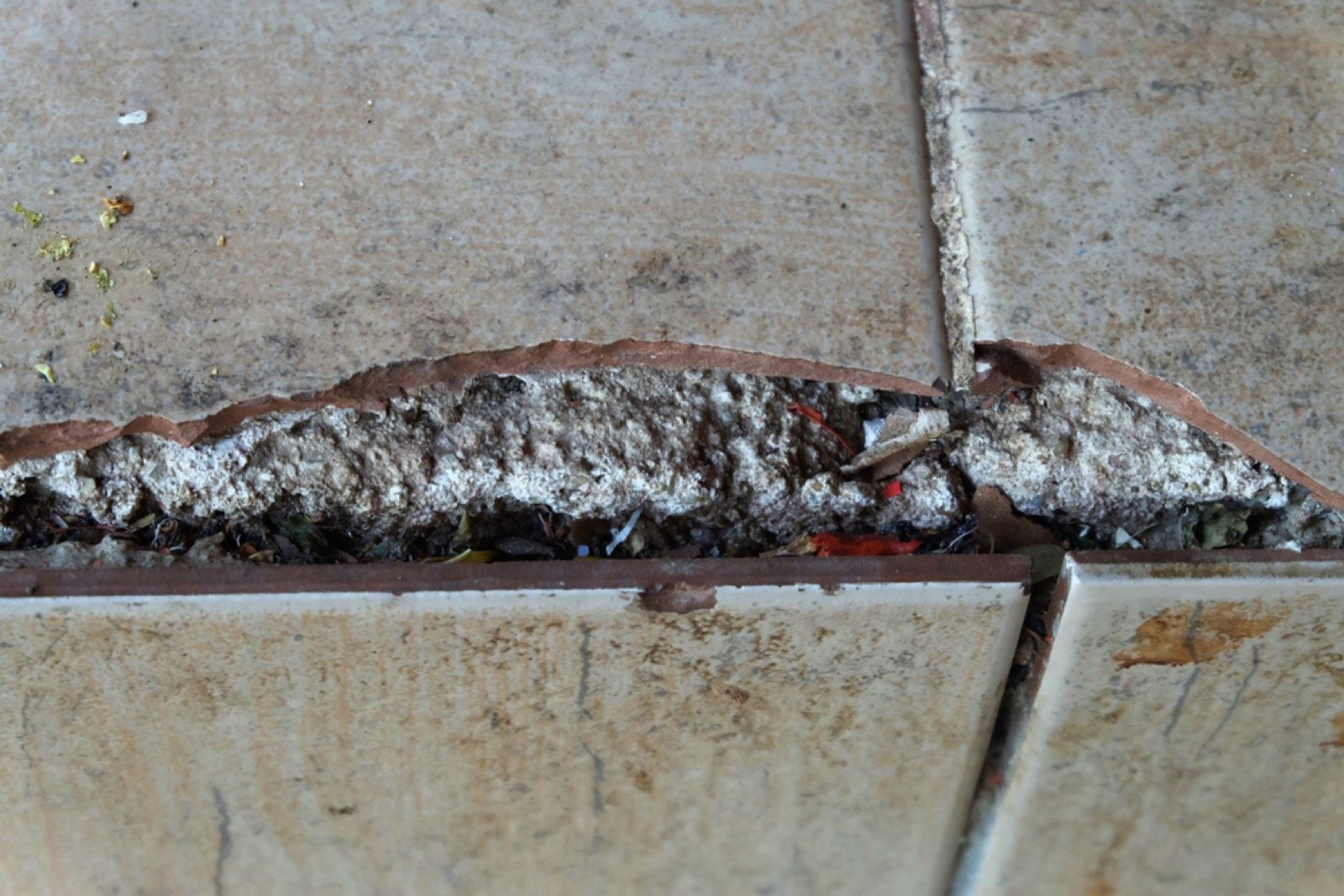
Lift the old lino or carpet in a Brighton kitchen and you often find a floor older than you expected. Under the tiles sits black bitumen adhesive, and that is where the asbestos usually hides.
What turns up under a Brighton floor
Most Brighton floors that hide asbestos do it quietly. A kitchen or hallway gets a refit, someone pulls back tired carpet or sheet lino, and there underneath is a grid of small floor tiles. Thermoplastic and vinyl tiles like these went down in a lot of homes across the city through the middle of the last century. You find them in the Victorian terraces split into flats around Hanover and Hollingdean, in the interwar semis pushing north towards Patcham, and in the postwar housing out at Moulsecoomb. The tiles themselves are usually a lower risk while they sit flat and whole, which is why they often go unnoticed for years under whatever floor covering came after them.
The real problem is what they were stuck down with. The black, tar-like bitumen adhesive bedded into the screed beneath those tiles often contains asbestos, and it is the part people forget. You can lift a tile and barely disturb it, then start scraping the floor flat for new flooring and send fibres into the air without realising. The tile lifts off cleanly enough, but the glue is still there, bonded hard into the screed, and getting it off is what disturbs the material most.
In a converted Victorian house where the flat below is occupied, or in a student let between tenancies, that matters more than people expect. A good floor team treats the adhesive as the main job, not an afterthought once the tiles are up. Whoever is doing the work needs to plan for the glue from the start, because that is usually the bigger, more stubborn half of the job and the half that carries the risk.
Why you cannot tell by looking
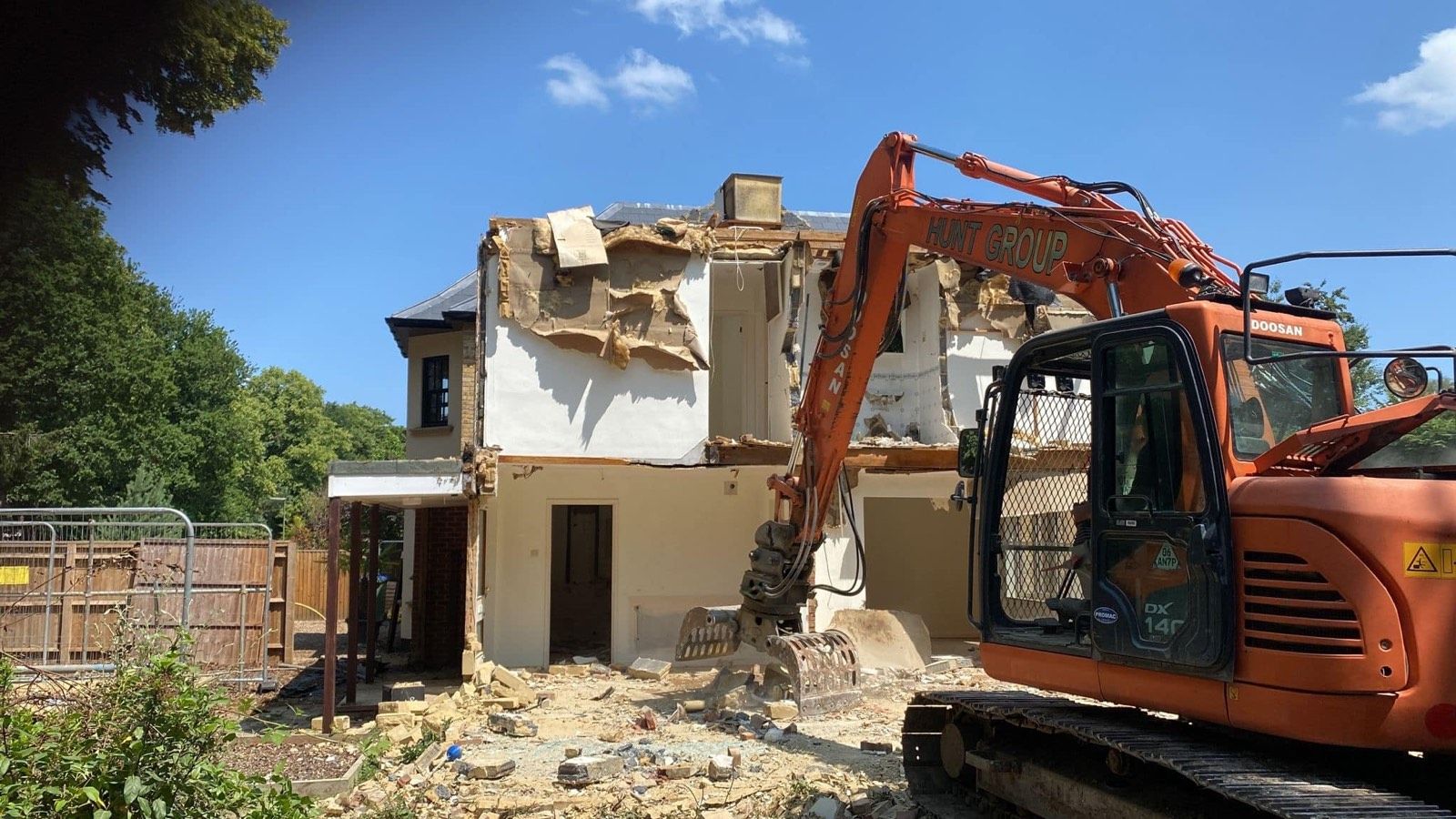
Old floor tiles come in plenty of colours and patterns, and none of it tells you whether asbestos is present. A plain beige tile can contain it and a busier one might not. The bitumen glue underneath is the same story. It looks like ordinary black floor adhesive because that is exactly what it looked like when it went down, decades before asbestos was banned in the UK in 1999. There is no reliable home test, no telltale smell, and no rule of thumb about age or colour that holds up.
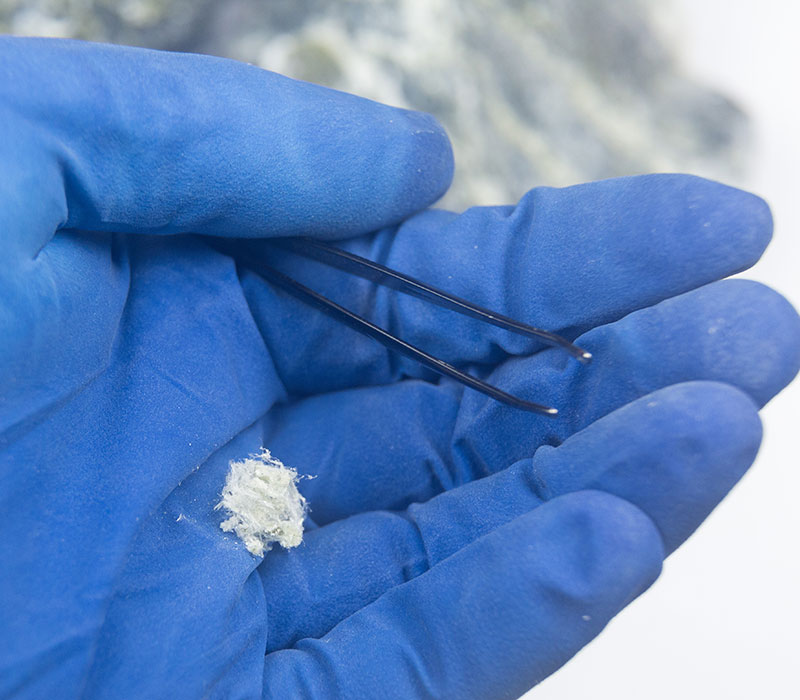
So the honest answer on any Brighton floor is that you sample first. A small piece of tile and a scrape of the adhesive go to a UKAS-accredited laboratory, and the results come back in a few working days. Both go in, because the tile and the glue are different materials and one can contain asbestos while the other does not. It is a cheap step that stops a kitchen refit turning into a problem halfway through.
Only then does anyone know what they are dealing with. The lab result tells the team whether the floor needs a straightforward controlled lift or a fuller contained removal, and it tells you whether the glue is the issue, the tile, or both. Guessing is what gets people into trouble, especially in a rented flat or a shared house where other people use the space. Sampling takes the guesswork out before a single tile is lifted, and it means the plan for the floor is built around what is actually there rather than what someone assumes is there.
Keeping the dust off the rest of the home
Floors are awkward because the work happens low down and right in the middle of a home people are living in. Brighton has a lot of those homes. The big rental market and the two universities mean houses of multiple occupation and student lets all over the city, and plenty of converted houses where one floor sits directly above another. Disturb a floor badly in that setting and the dust does not stay in the room. It travels along the hall, up the stairwell, and into spaces other people are using.
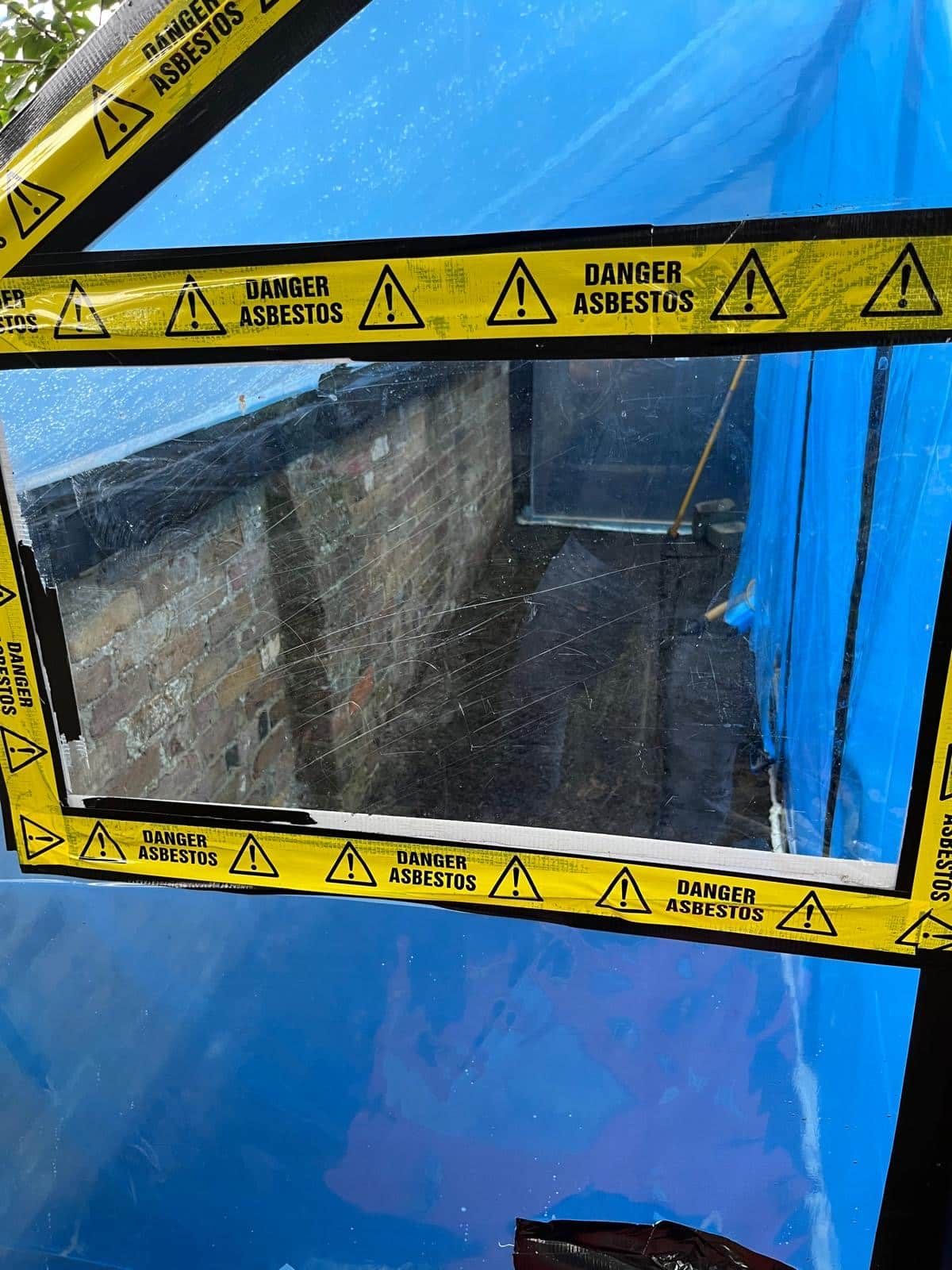
The way round it is containment. The work area is sealed off from the rest of the property before a single tile comes up, so the floor can be lifted and the bitumen adhesive taken back without fibres drifting through the home. Tiles are removed in whole pieces where possible rather than smashed, because breaking them up is what frees fibres. The stubborn adhesive is then worked off the screed under control rather than dry-sanded, since dry-sanding old glue is one of the worst things you can do with this material.
When the floor is clear, the air is tested before anyone moves back in and the room goes back into use. For an occupied flat or a let on a tight changeover, that order matters as much as the removal itself. A landlord turning a student house around between July and September cannot have a floor that is half done and unsafe to walk through, and a family staying put during a kitchen refit needs the rest of the house to stay usable while the floor is dealt with. Sealing the area, lifting carefully, clearing the glue and testing the air is the sequence that makes that possible.

Travelling to Brighton for the bigger floors
We should be straight about where we are. Clearaway is based in Chessington in Surrey, around fifty miles from Brighton, so we are not the firm to call for a single hour of work on one small floor. There are local outfits better placed for a job that size. Where we earn the trip down the A23 is the larger job. A full strip-out of a house or flat before refurbishment, a whole property of tiled floors and adhesive being cleared, a commercial floor, the kind of work where a Spectra licence, proper containment and clearance testing count for far more than a short drive. The owner, Graham, still runs the jobs on site, so the person quoting the floor is the person seeing it through.
Most floor tile and adhesive removal is non-licensed work, handled under control with sampling first and air testing after. That covers the great majority of the tiled floors and black glue we get called about. If sampling turns up a higher-risk licensed material somewhere in the property, that side of the work carries 14 days of notice to the HSE, full enclosure and four-stage clearance testing signed off by an independent analyst, and we treat it that way rather than cutting the corner. We would rather explain why a part of the job takes longer than skip a step that protects the people living there.
Either way the floor is sampled before it is touched, contained while it comes up, and tested before the room goes back to normal. That does not change whether the job is a single kitchen or a full house of floors. Clearaway holds Spectra licence number 142305706 and has spent more than seven years working across this part of the country. If you have lifted a floor in Brighton and found tiles and black glue underneath, call us on 0800 024 6168 and we will talk it through.
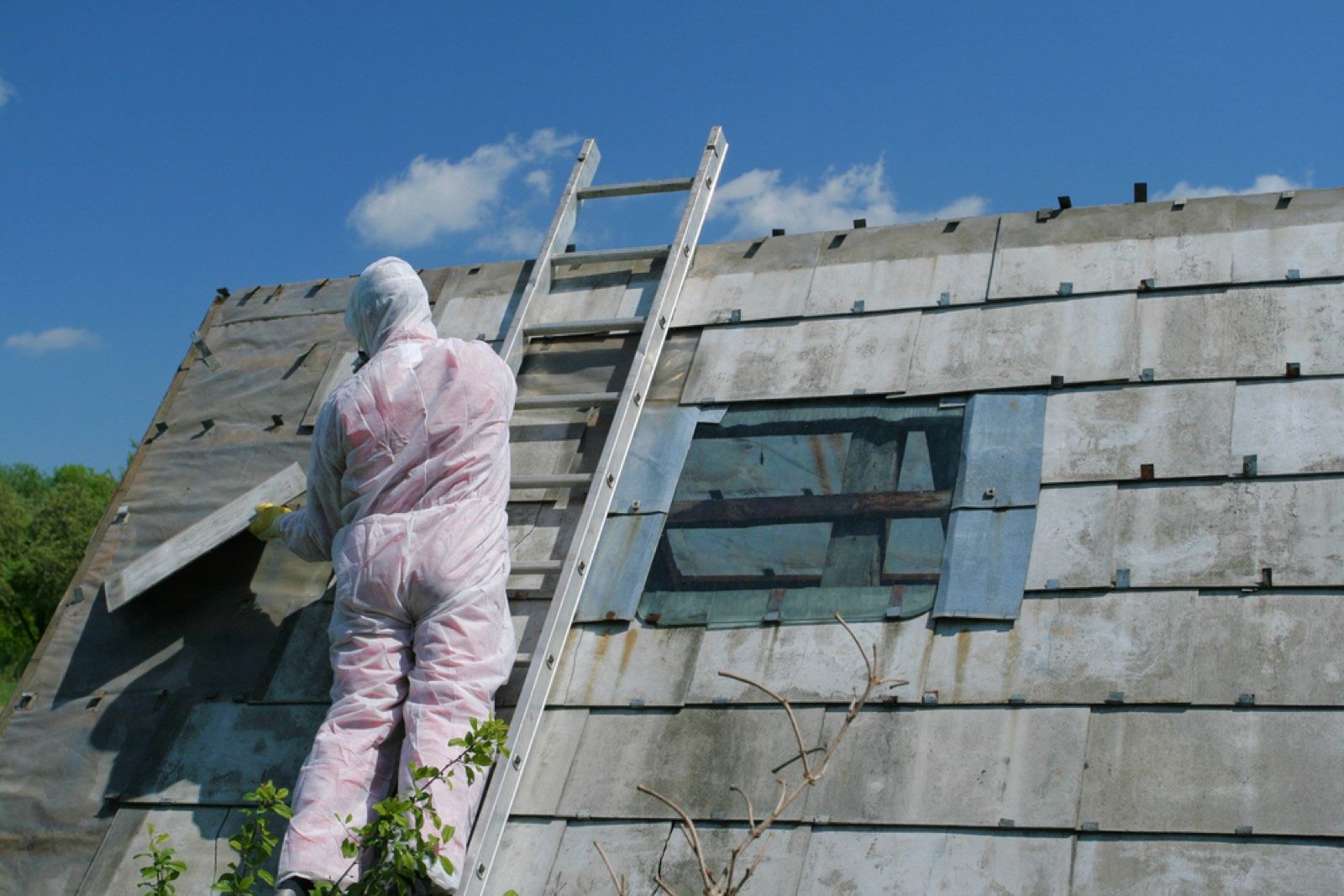
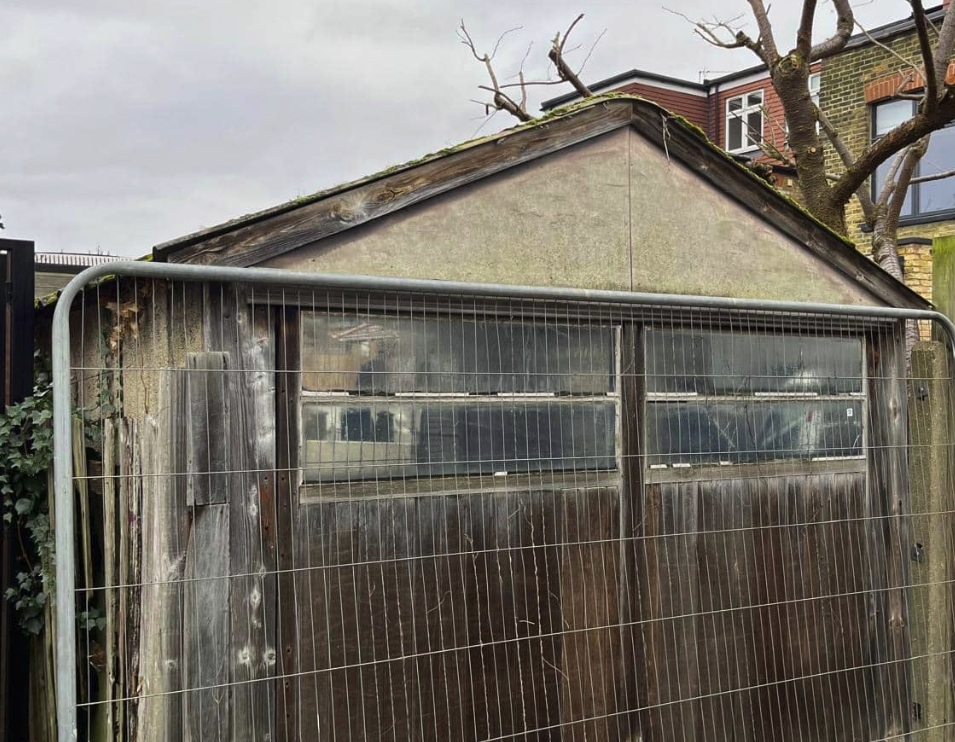
Full Asbestos Garage Demolition, Surrey
Surrey · Garage Demolition
View this project"Graham and his team done an excellent job of removing and replacing my asbestos garage roof and I wouldn't hesitate in recommending them"
Our Removal Process
From first call to final certificate, every job follows the same clear four-step process.
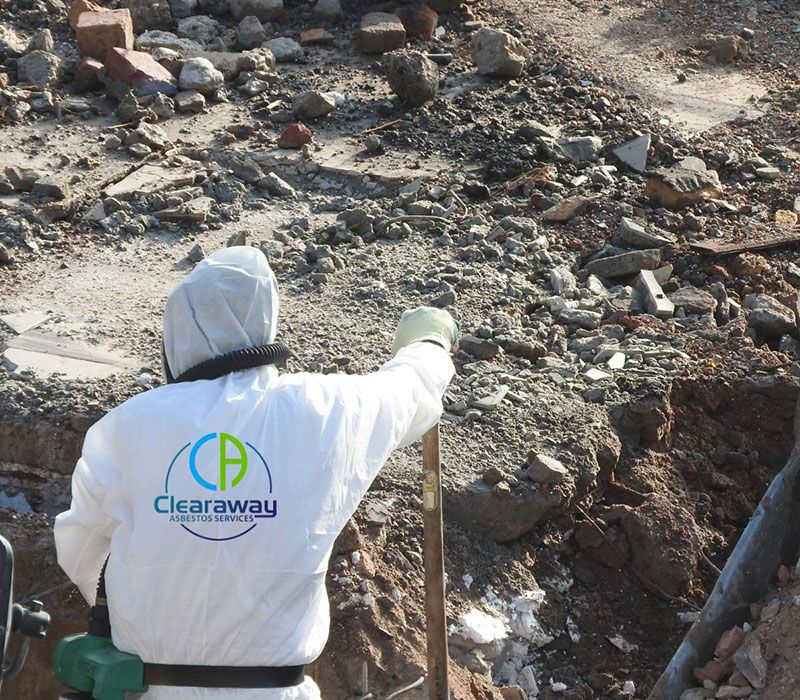
Survey
We inspect the property and confirm the material. Sampling available if required.
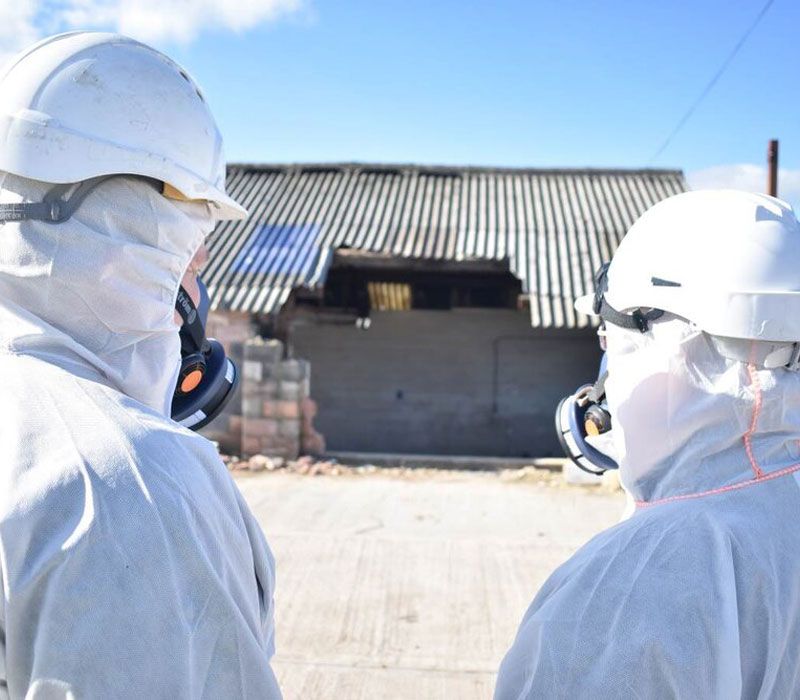
Quote
Fixed written price covering removal, disposal and any replacement work.
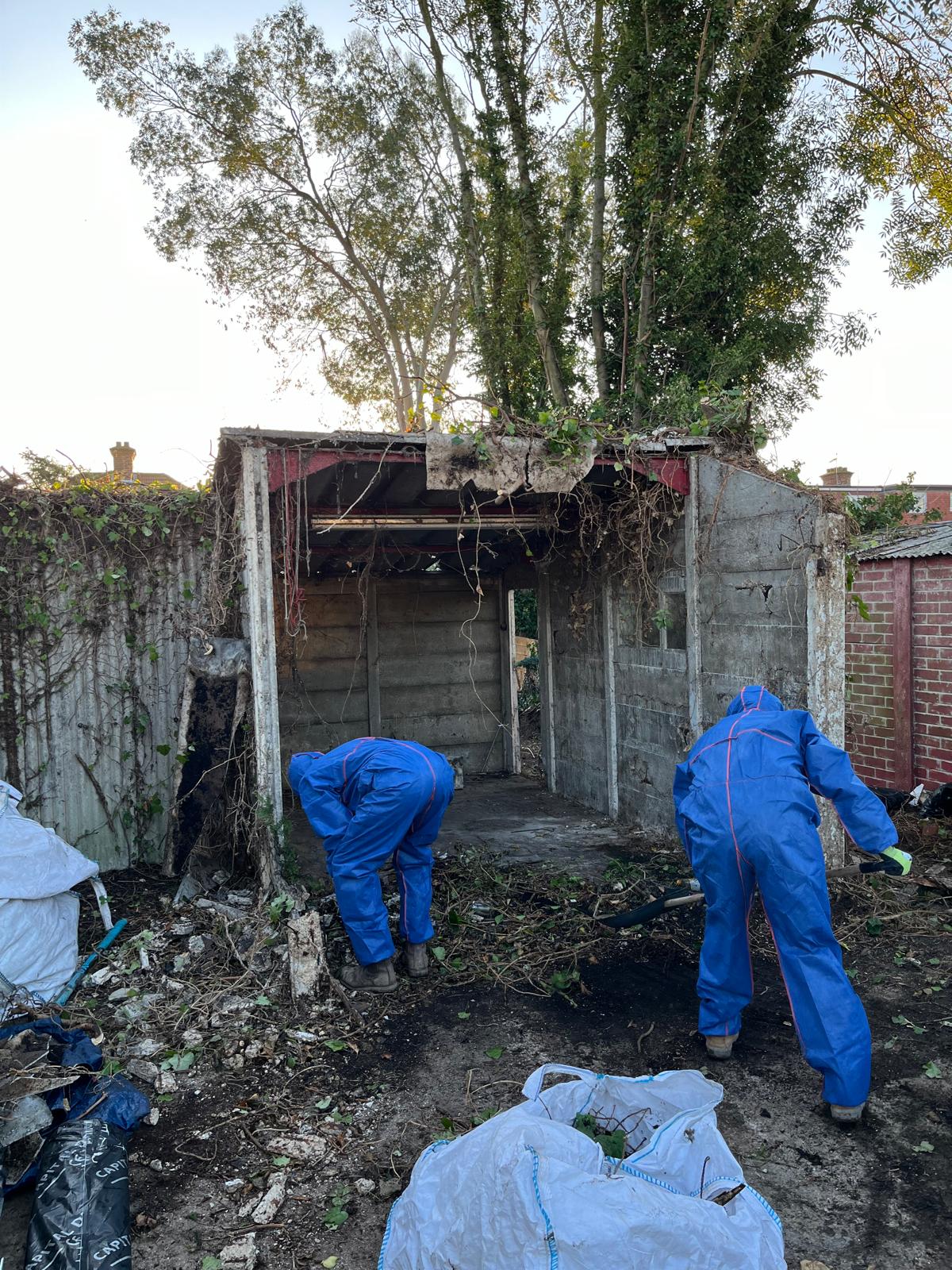
Removal
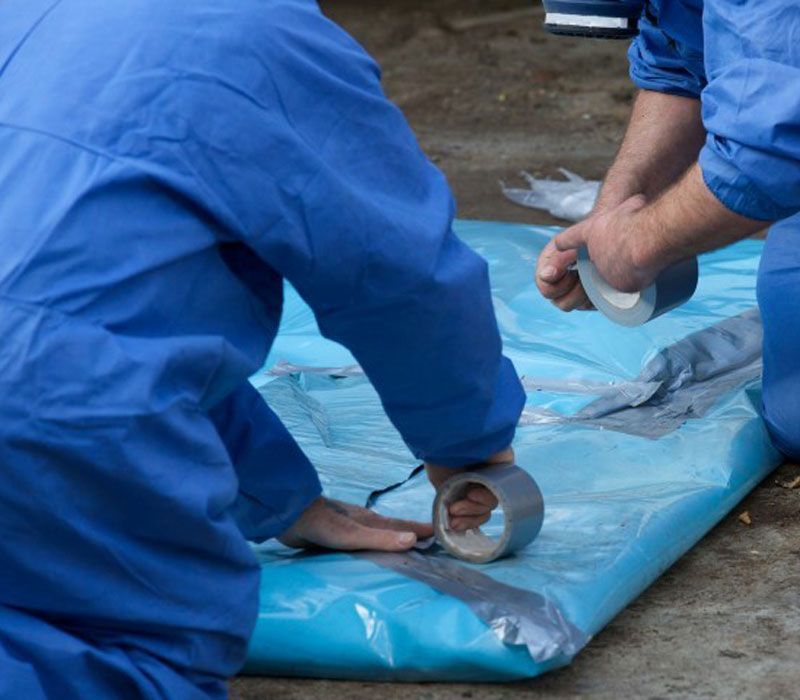
Material is removed safely, double-wrapped and taken to a licensed disposal facility.
Certificate
You receive a waste consignment note and disposal certificate confirming legal handling.
Frequently Asked Questions
Why Choose Clearaway
Specialist Crew
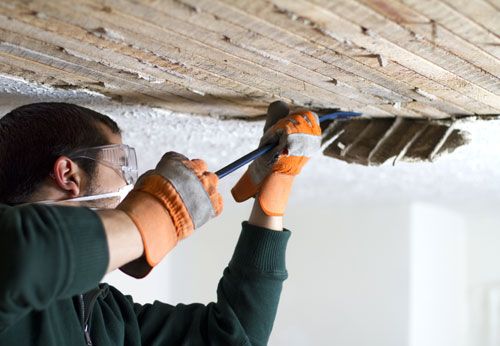
Asbestos work is all we do, every day, across the South East.
Fully Licensed
Licensed asbestos removal contractor (Licence No. 142305706). Full public liability insurance on every job.
Local & Fast
Surrey-based. Most domestic jobs are booked in and finished within a week.
Our Own Team
We never subcontract. The people who quote your job are the people who do it.
Get in Touch
Send a few details about your project and we will come back the same working day with a fixed price. We cover Surrey, London and the South East, including Esher, Cobham, Kingston, Richmond, Epsom, Guildford, Woking and Croydon.