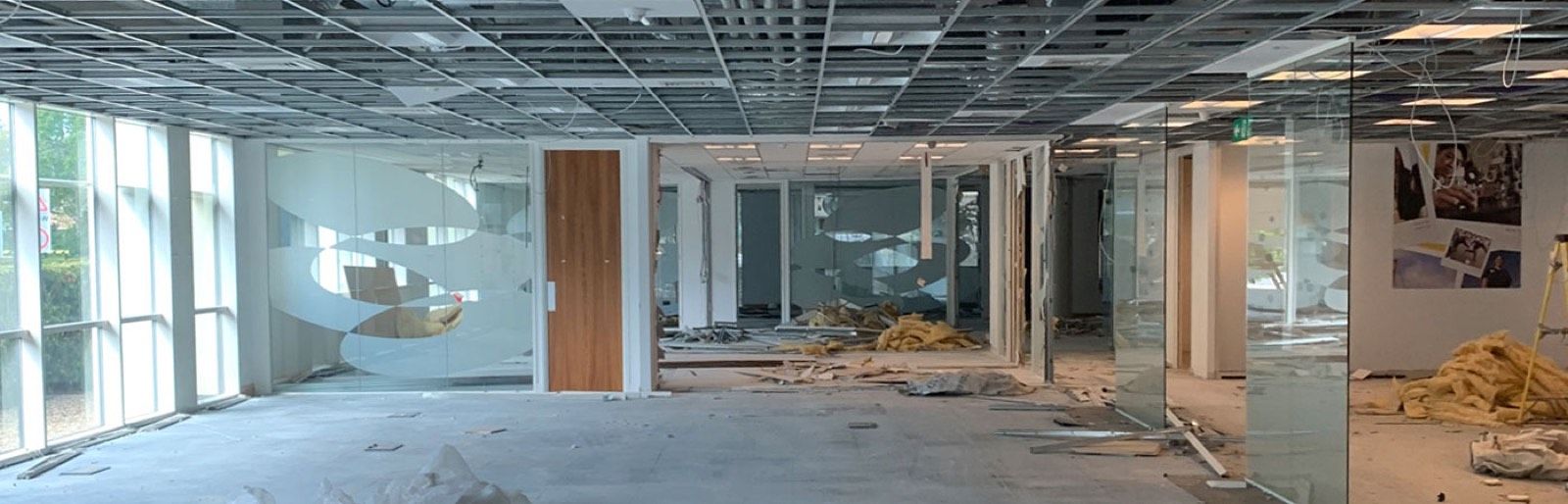
Asbestos Clearance in Sunbury
Sunbury-on-Thames grew from a riverside village into street after street of interwar and postwar homes, and asbestos came with that growth. This is the broad picture of where it hides across TW16 and how it comes out safely.
A Thames-side town built across the asbestos decades
Sunbury-on-Thames sits in Spelthorne, on the river between Walton, Shepperton and Hampton, with the reservoirs and Kempton Park close by and the M3 running past the top of it. The oldest part is Lower Sunbury, the village core around Thames Street, where period cottages and riverside villas still stand. Some of those houses date back well over a century. Walk away from the water and the town changes character quickly. Interwar and postwar semis and detached houses spread up towards Sunbury Cross and Kempton, and a good number of the larger old houses down by the river have since been carved into flats.
That spread is the reason asbestos is so widespread here. Almost all of those homes were built or extended while asbestos was still a normal building material in Britain, and it stayed in everyday use right up to the ban in 1999. A 1930s semi near Sunbury Cross, a postwar detached house, a converted villa off Thames Street and a riverside cottage with a cellar can each hold the material, and each holds it somewhere different. The town reads as one place on a map, but its housing covers sixty or seventy years of building styles.
That mix is exactly why a clearance in Sunbury is never a copy of the last one. The same swirl of artex that turns up on a Sunbury Cross ceiling might sit next to insulating board in the flat two doors down and a bitumen-bedded floor in the house behind. Knowing the town's housing tells you where to look. Confirming what is actually there is the next step, and that is done with a sample, not a guess.
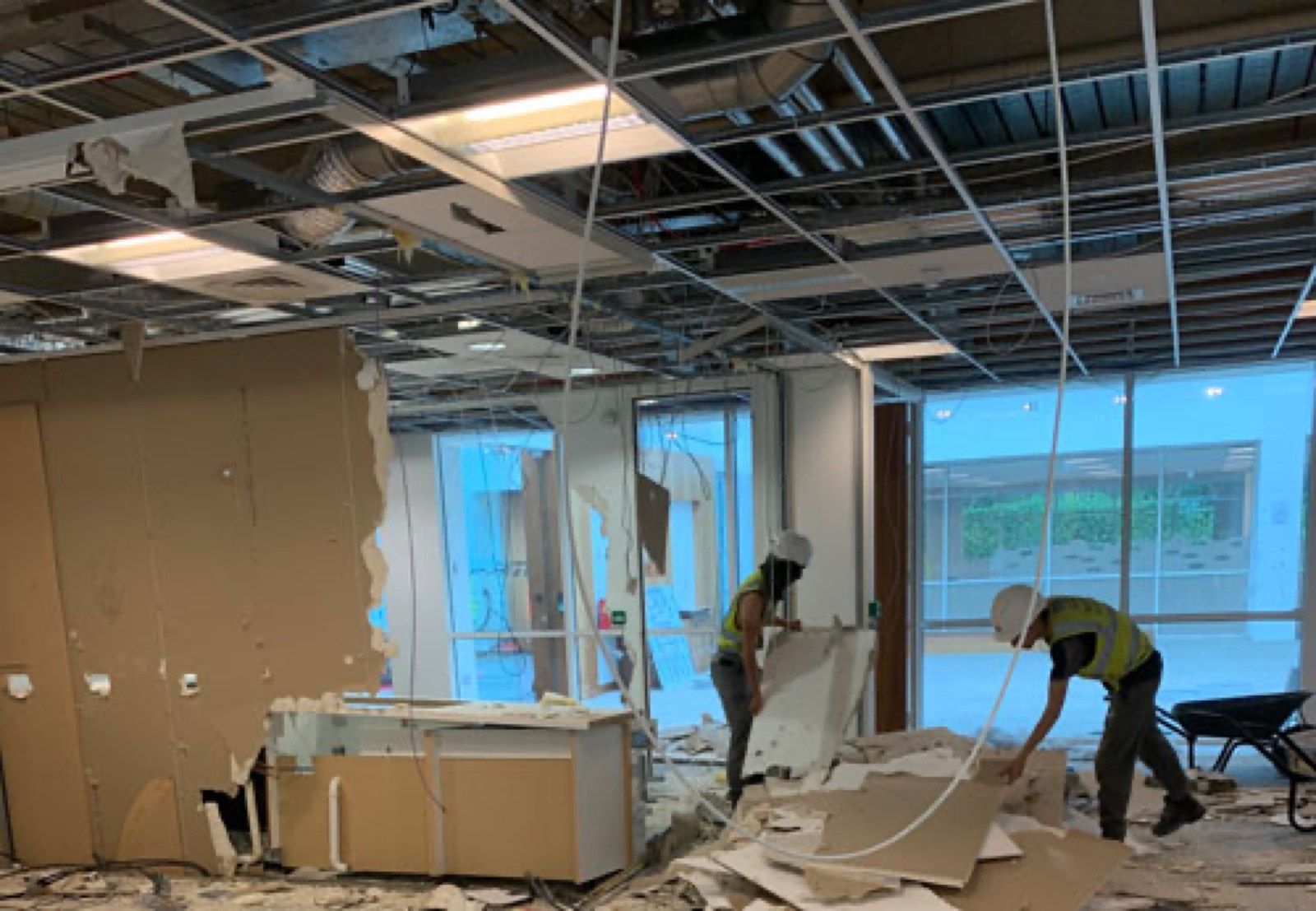
Where asbestos hides in Sunbury homes
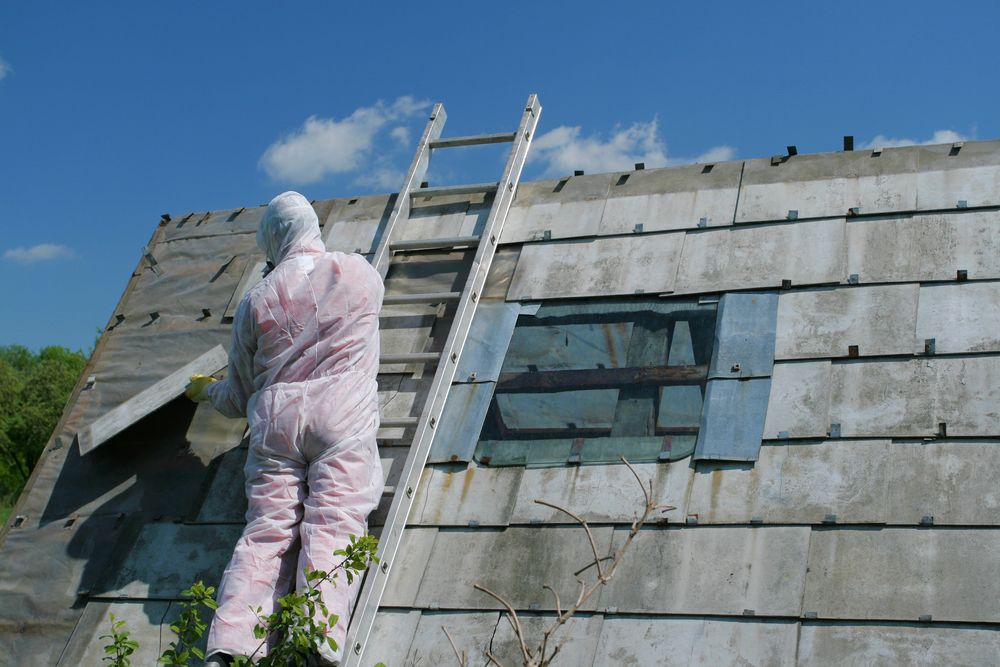
The most common find in Sunbury is the corrugated cement roof on a garage or garden shed, grey sheets that have been weathering quietly for forty or fifty years. Close behind it is textured artex, the swirled or stippled coating that was put on ceilings and sometimes walls for decades. Neither looks dangerous from below, and that is the trouble. The fibres only become a real risk once the material is cracked, drilled, broken or left to crumble, so a roof that has cracked under frost or a ceiling about to be skimmed is the point where it starts to matter.
Inside the house, asbestos insulating board shows up around old boilers, in airing cupboards and tucked into the conversions where larger Sunbury houses were split into flats. Lift old lino or carpet during a kitchen refit and you can find vinyl or thermoplastic floor tiles, with a layer of black bitumen adhesive bedded into the screed beneath them. That adhesive is often the more stubborn half of the job, harder to shift than the tiles on top. The riverside properties at Lower Sunbury bring their own version: pipe lagging wrapped around heating runs in cellars and older basements.
Out on the interwar and postwar semis, the cement reaches the eaves as well, in the soffits, gutters and fascia boards that run along the roofline. None of these materials can be judged safe or dangerous by eye. A bonded cement sheet and a far more friable insulating board can look almost identical from a step ladder, which is exactly why every suspect item gets sampled and tested before anyone lays a hand on it.
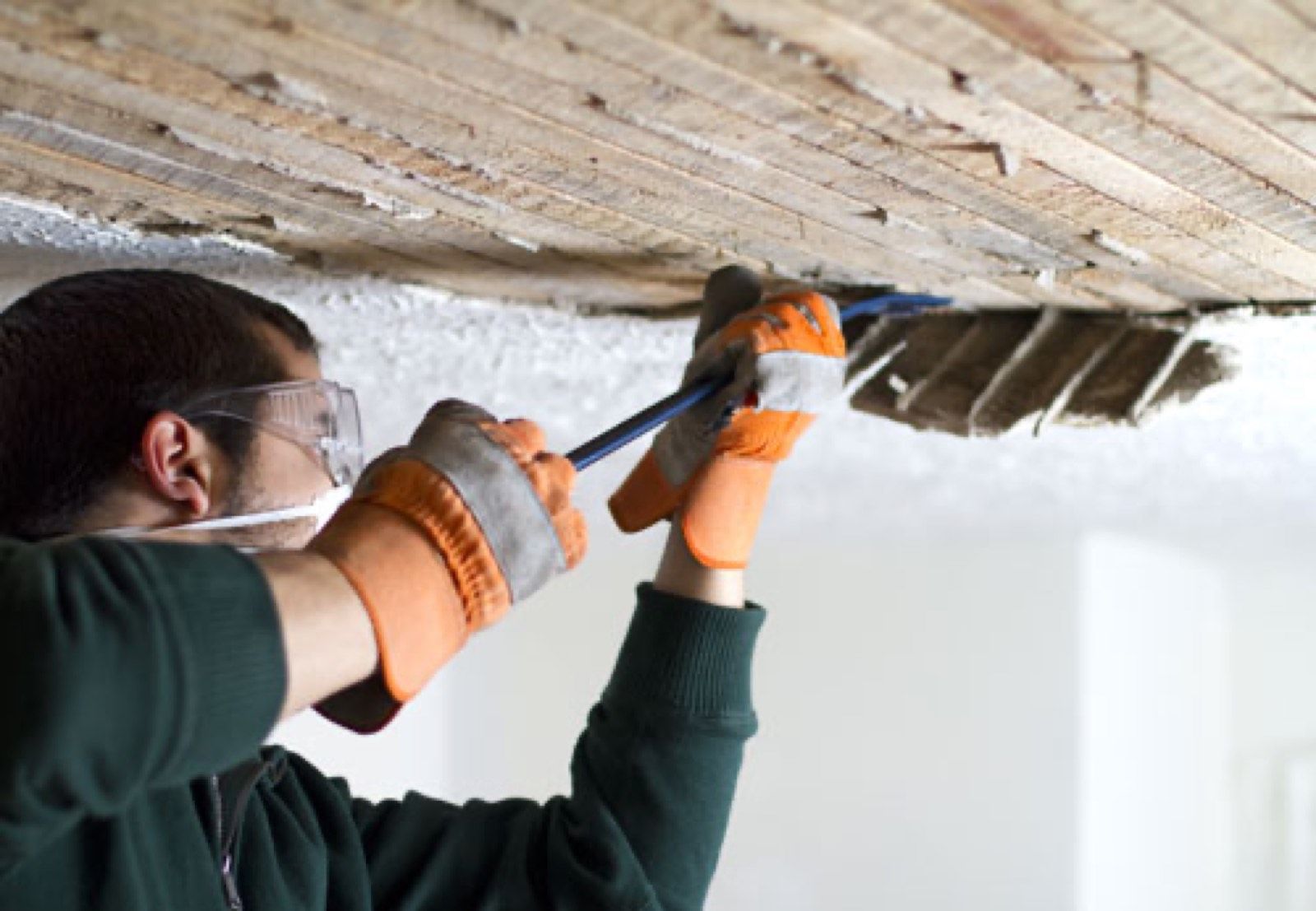
How a clearance actually runs here
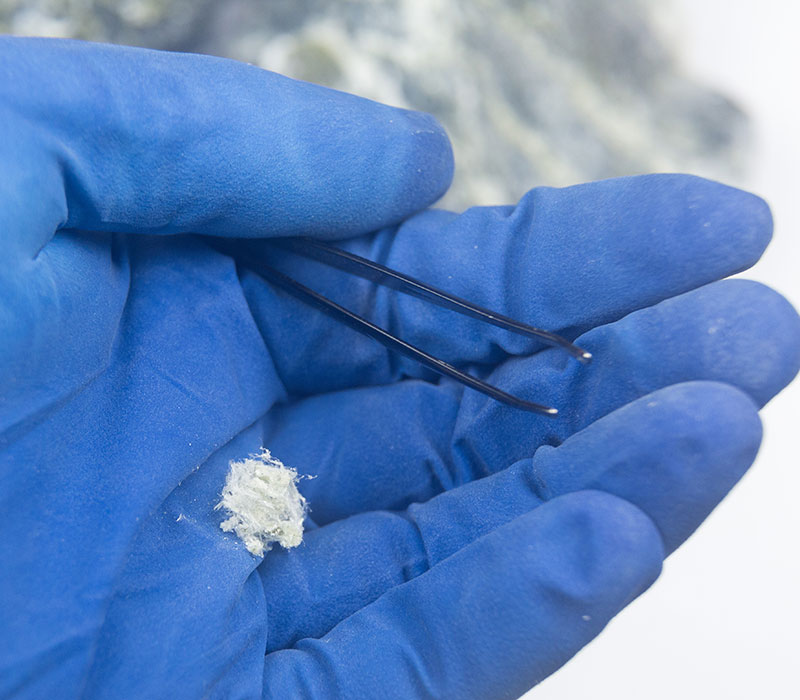
A clearance starts with a sample, not a sledgehammer. A small piece of the suspect material is taken under controlled conditions and sent to a UKAS-accredited laboratory, with results back in a few working days. That tells us precisely what the material is and how it has to be handled, so nothing rests on a guess. It also separates the lower-risk jobs from the licensed ones before any work is booked.
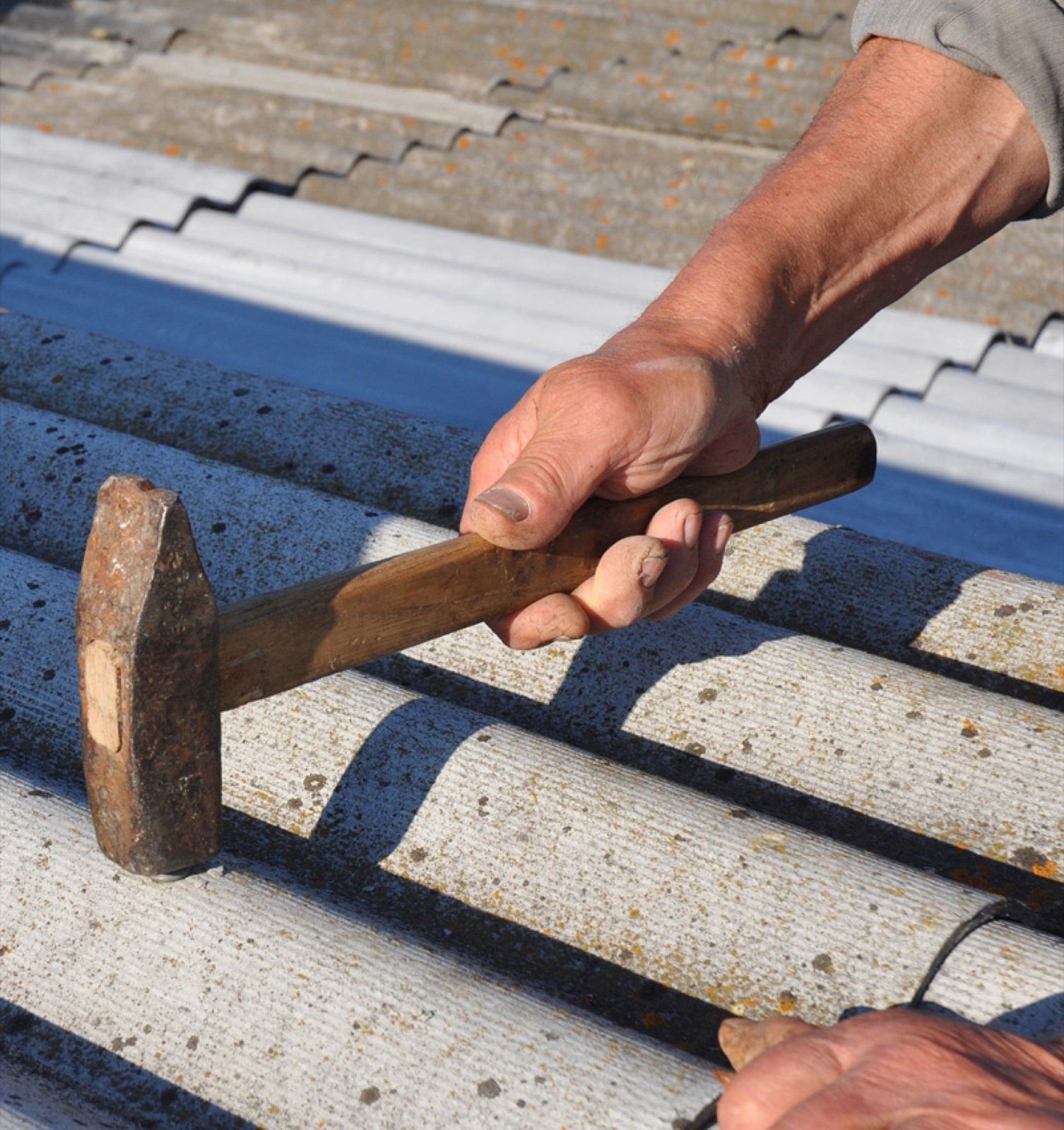
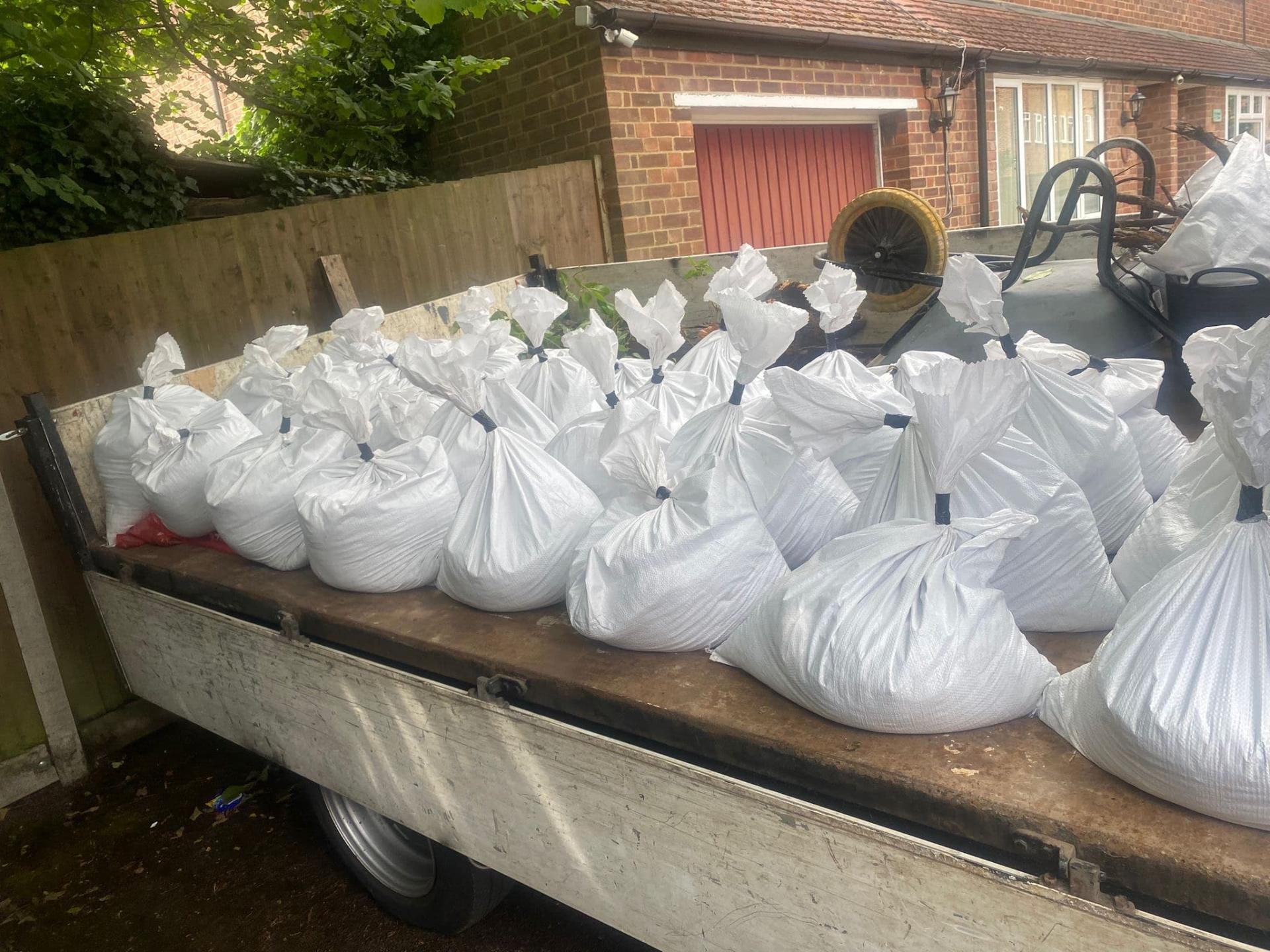
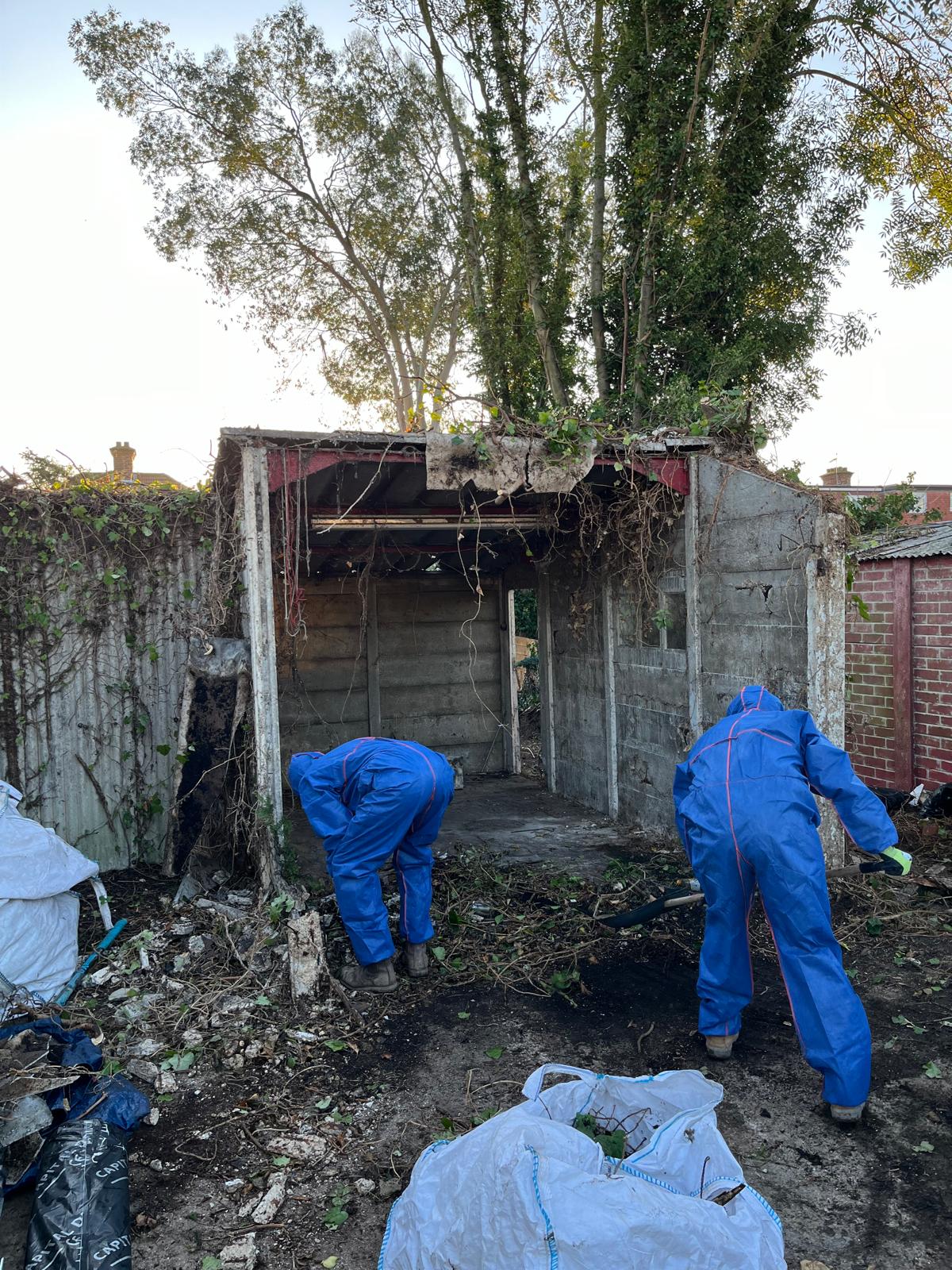
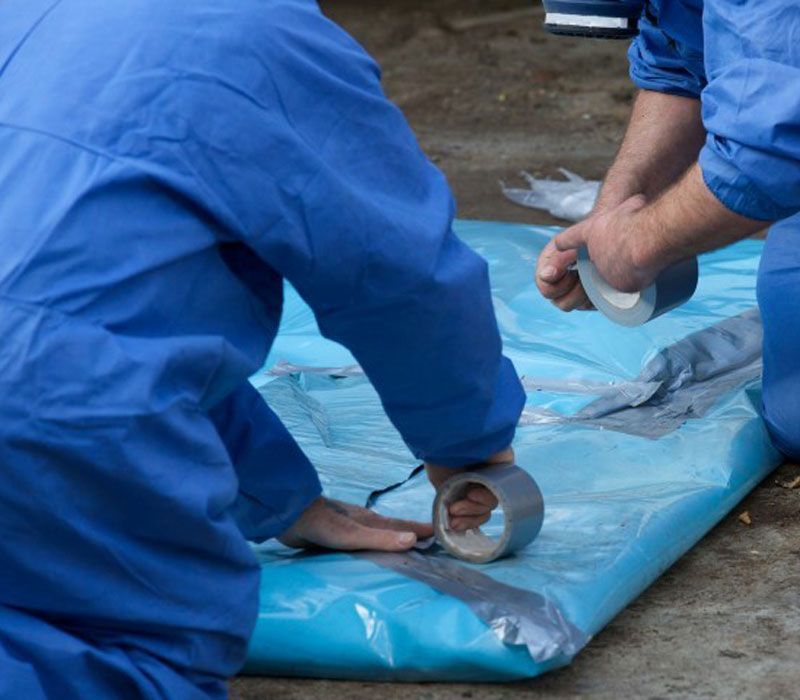
Once the material is confirmed, the aim is always to take it out whole rather than break it up, because intact sheets release far fewer fibres than smashed ones. A weathered garage roof of eight to twelve sheets comes down one sheet at a time, kept intact, double-wrapped in heavy gauge plastic and removed to a licensed disposal facility. Most domestic clearances in Sunbury need no skip at all, so the drive and the road stay clear and the neighbours are none the wiser. A single garage, or a run of soffits along one elevation, is normally finished within a working day, with the waste consigned and a transfer record left with you.
Clearaway is based in Chessington, KT9, a reasonable run over towards Sunbury through Hampton, and the owner Graham runs the jobs himself. The person who comes out to look at the work is the person who carries it out and clears the waste. For a small bungalow garage that means a couple of hours on site. For a larger property with tiles, lagging and soffits all in play, the work is staged so each material is dealt with under the right controls rather than all at once.
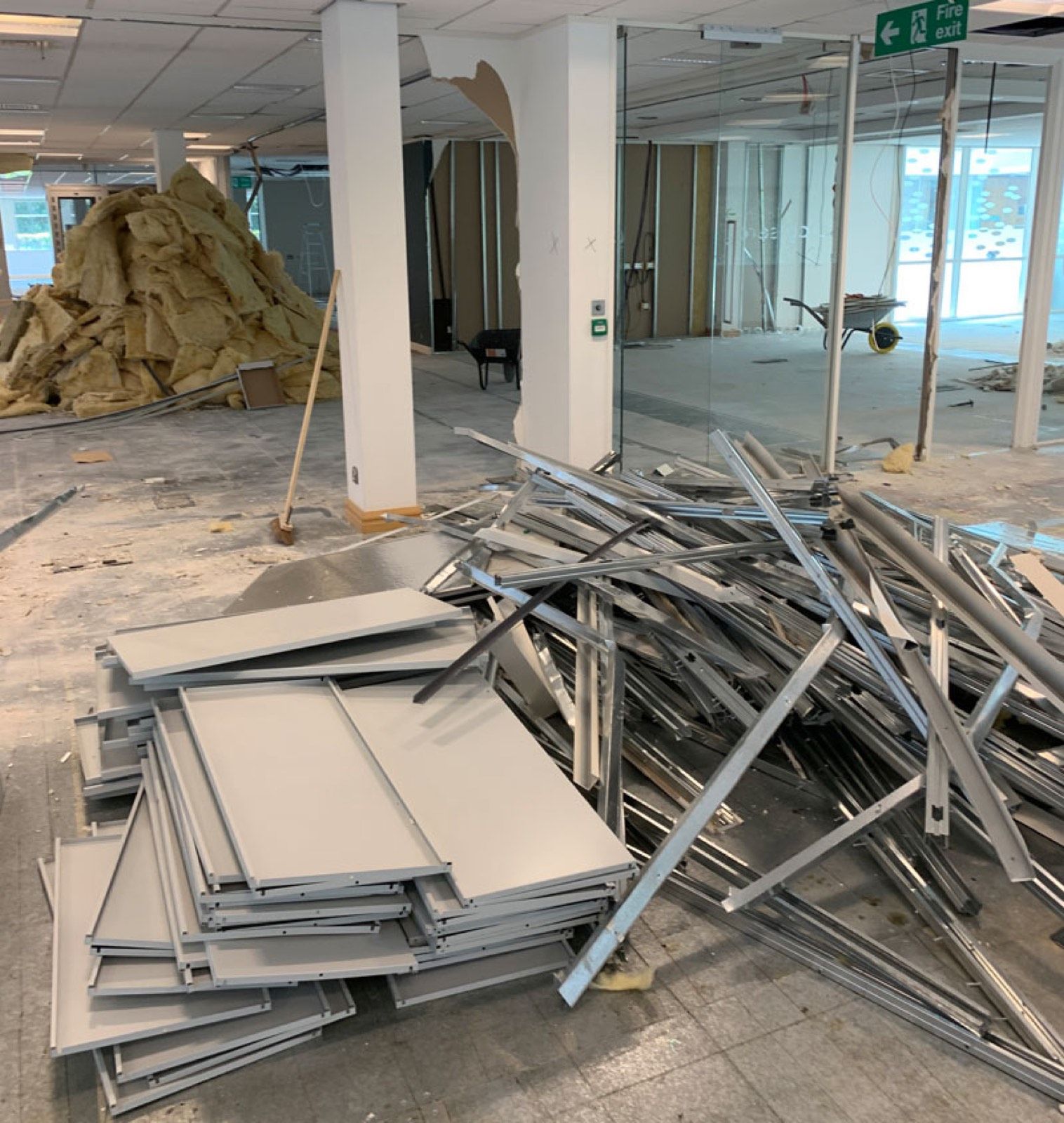
Surveys, sampling and the licensed standard
Not every job is a removal. Before a purchase or a renovation, sampling confirms whether one specific material contains asbestos, and a full survey inspects the whole property and hands you a written record of what is where and what condition it is in. Both have their place in Sunbury, where the housing is so mixed that two homes on the same street can hold completely different materials. Sampling is the quick, low-cost check on a single suspect item. A survey is the document you give a builder, a solicitor or a buyer. Surveys, sampling and full strip-outs are all part of the same service, so one phone call covers whichever you need.
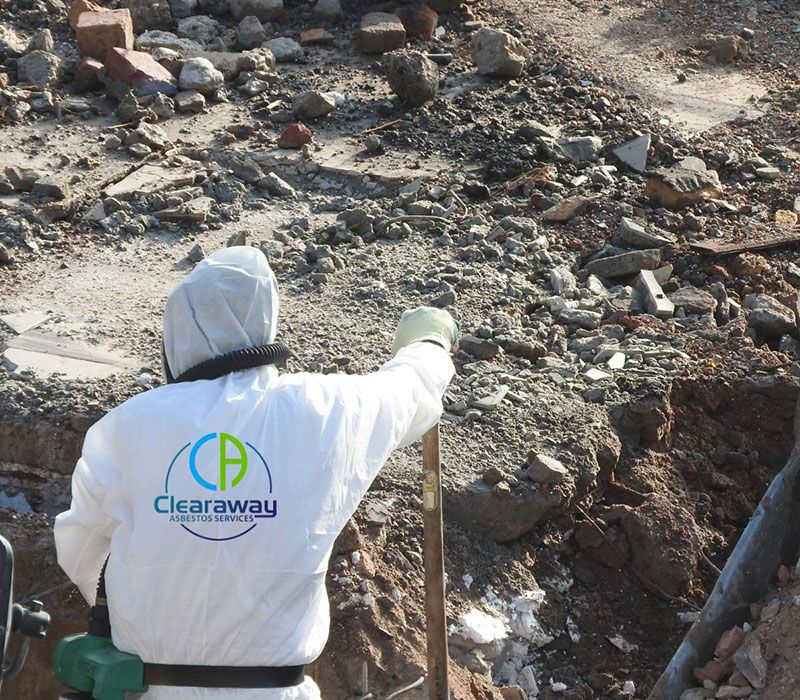
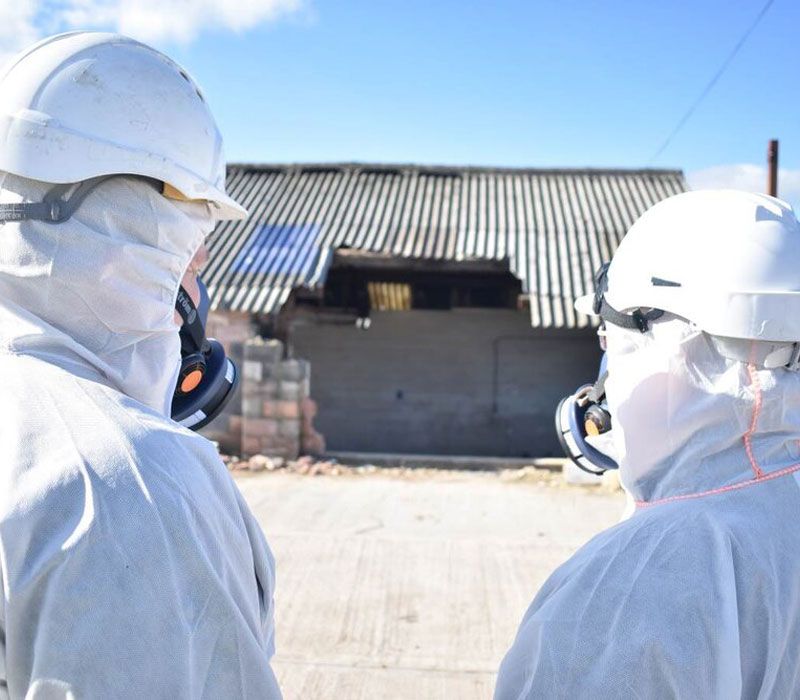
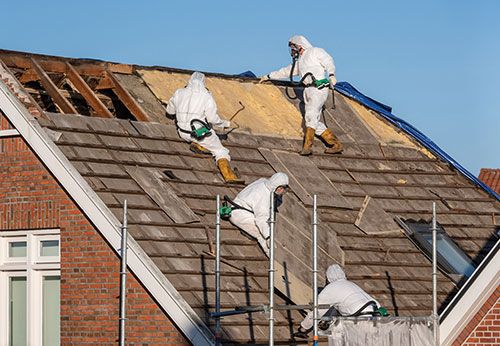
The controls then depend on what the lab finds. Lower-risk materials, such as well-bonded artex, can frequently be handled without a licence. Higher-risk material, insulating board and pipe lagging in particular, is licensed work and follows a much stricter standard. That means 14 days of written notice to the HSE before work begins, a full sealed enclosure built around the work area with the air drawn through filtration, and four-stage clearance testing signed off by an independent analyst before the space is handed back. That final stage confirms the air itself is clean, not merely the surfaces you can see, and it is the part that protects the people who move back in.
Clearaway has been working across Sunbury and the wider Spelthorne towns for more than seven years, holds Spectra licence number 142305706, and sends every sample to an independent UKAS-accredited laboratory. If you have a suspect garage roof near Sunbury Cross, an artex ceiling in a Lower Sunbury conversion, or anything else in a TW16 home you want looked at, call 0800 024 6168.
Asbestos Soil Fragments Clearance, Chessington
Chessington, Surrey · Soil Clearance
View this project"I used Clearaway Asbestos recently for an asbestos garage removal in my home. The staff were really friendly and professional and put me at ease the whole time they were working. I would recommend Clearaway Asbestos to anyone who needs asbestos removal services!"
Our Removal Process
From first call to final certificate, every job follows the same clear four-step process.
Survey
We inspect the property and confirm the material. Sampling available if required.
Quote
Fixed written price covering removal, disposal and any replacement work.
Removal
Material is removed safely, double-wrapped and taken to a licensed disposal facility.
Certificate
You receive a waste consignment note and disposal certificate confirming legal handling.
Frequently Asked Questions
Why Choose Clearaway
Specialist Crew
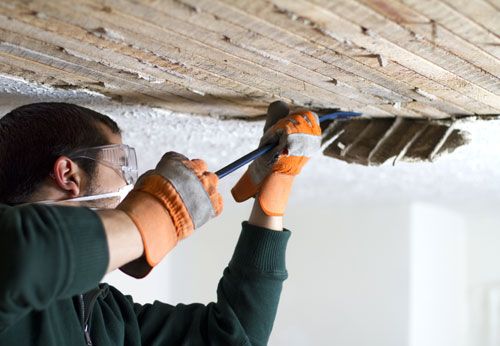
Asbestos work is all we do, every day, across the South East.
Fully Licensed
Licensed asbestos removal contractor (Licence No. 142305706). Full public liability insurance on every job.
Local & Fast
Surrey-based. Most domestic jobs are booked in and finished within a week.
Our Own Team
We never subcontract. The people who quote your job are the people who do it.
Get in Touch
Send a few details about your project and we will come back the same working day with a fixed price. We cover Surrey, London and the South East, including Esher, Cobham, Kingston, Richmond, Epsom, Guildford, Woking and Croydon.