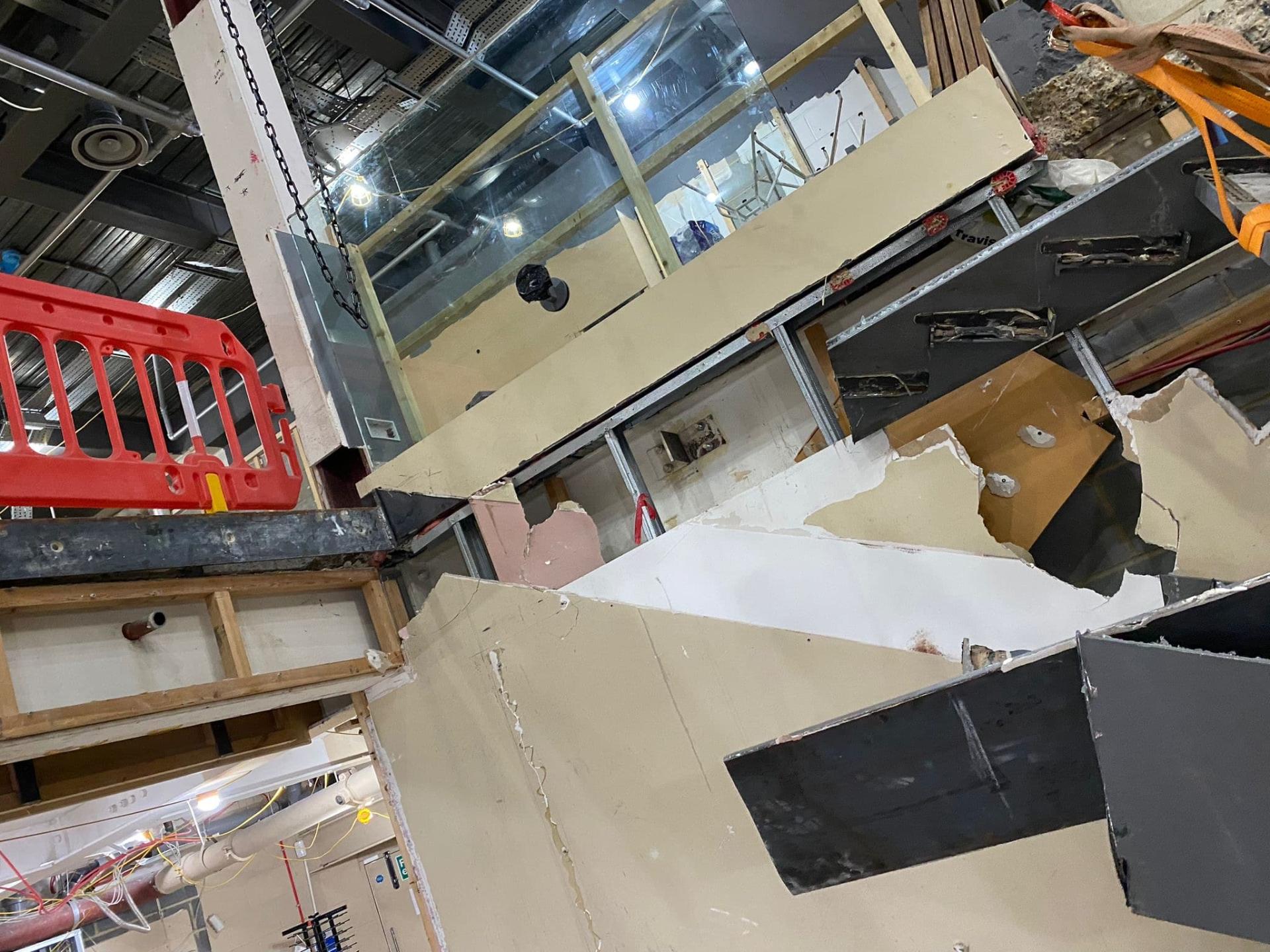
Asbestos Clearance in Kensington
Licensed asbestos clearance for the period flats, conversions and houses of Kensington, from the stucco terraces around Kensington Square to the mansion blocks of Cromwell Road and the mews behind. Free site visit, fixed written quote, and a clean clearance with the paperwork to prove it was done safely.
A Victorian Borough Where the Material Stayed Put
Kensington is one of the most architecturally settled corners of London, a Royal Borough built largely in the nineteenth century and barely touched by the wrecking ball since. White stucco terraces line the streets around Kensington Square and Stanford Road, red-brick mansion blocks rise along Cromwell Road and Earls Court Road, and tucked behind the grand frontages sit cobbled mews, garden squares and the tall conversions of W8 and SW7 that have been carved into flats over the past century. Almost none of this housing is new, and very little of it predates the asbestos era cleanly, which is precisely why the material keeps turning up.
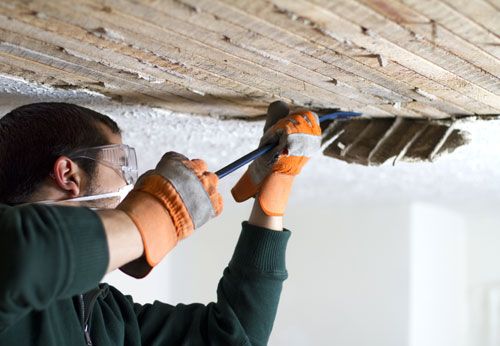
In Kensington the danger rarely looks like a garage roof, because there are barely any garages. It hides instead in the fabric of period flats and houses: textured artex on ceilings and walls, vinyl floor tiles and their black bitumen bedding, pipe lagging wrapped around old heating runs in basements and risers, panelling and asbestos insulating board around boilers and airing cupboards, and loft materials in the upper maisonettes. Anything fitted or refurbished before asbestos was banned in the UK in 1999 can contain it, and a great deal of Kensington's housing stock was last touched well before then.
Undisturbed, most of this material sits quietly and harms no one. The trouble starts when a renovation begins, a wall comes down between two flats, or a tired bathroom gets ripped out. Cut, drilled or broken, asbestos releases fibres that cause asbestosis, lung cancer and mesothelioma decades later, which is why removal is a licensed trade and not a job for a contractor with a skip.
What We Find in Kensington Flats and Houses
The calls we get in W8 and SW5 look different from the suburbs. Most involve artex ceilings in a converted flat, floor tiles surfacing under old carpet during a refit, or lagging discovered around pipework in a basement or communal riser. In the larger period houses around Holland Park and Campden Hill we also come across insulating board behind panels and inside old boiler cupboards, fitted when these places were last modernised.
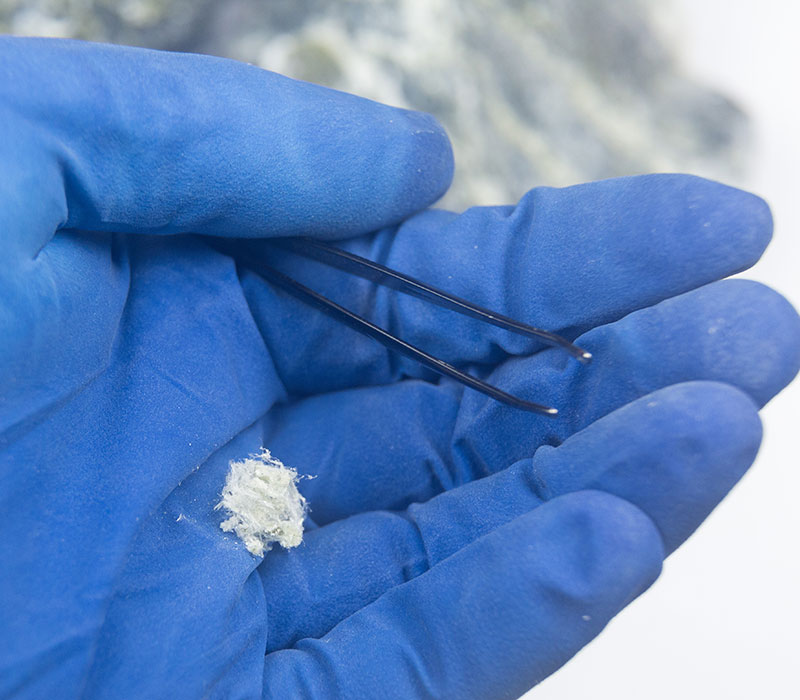
None of it can be judged by eye. Two identical-looking ceilings can return very different laboratory results, so anything we suspect is sampled and sent to a UKAS-accredited laboratory before any work starts. Results usually come back within a few working days, and we will not begin removal until we know exactly what we are dealing with.
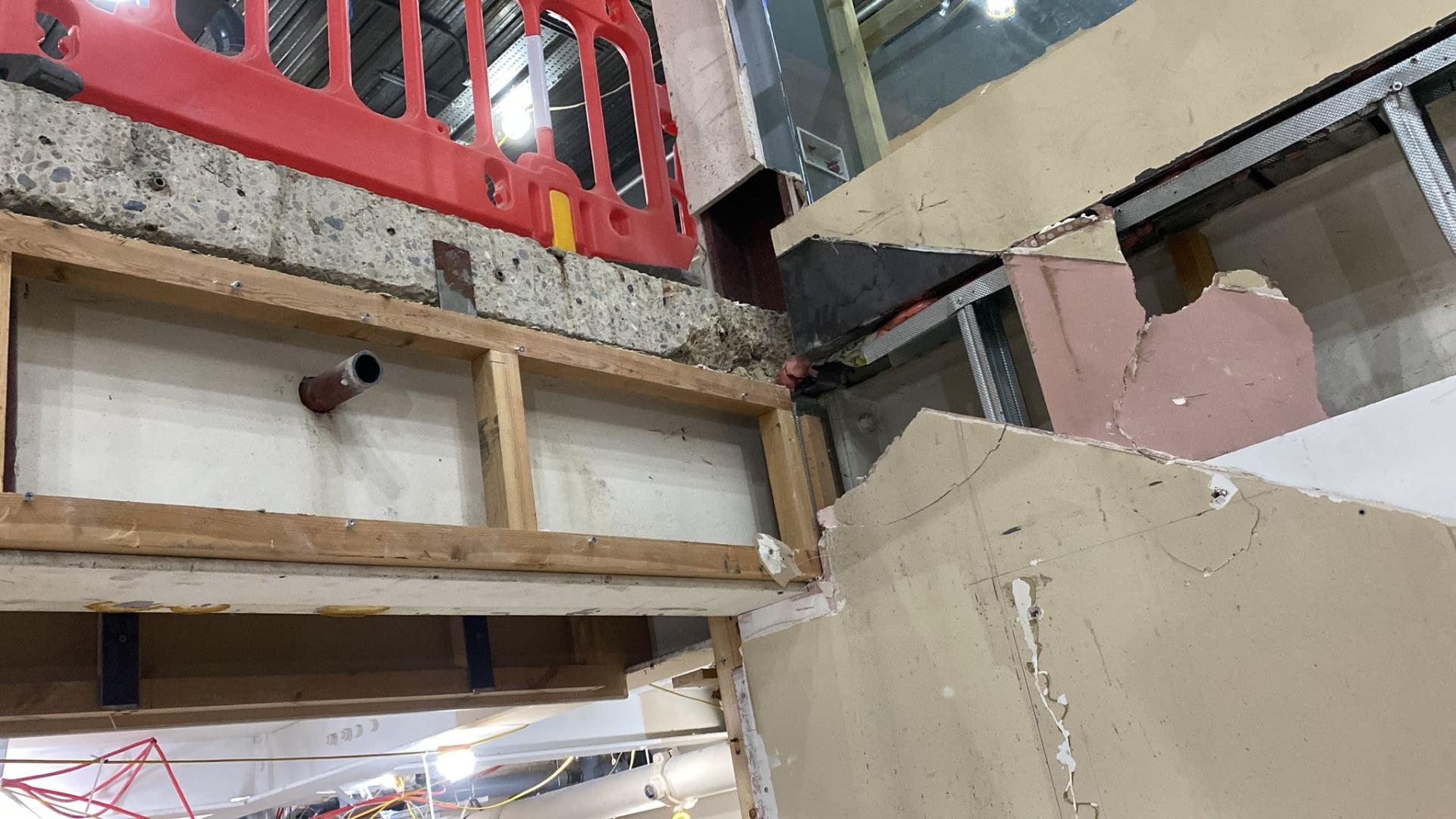
Safe Removal in Occupied Period Homes
Working in a lived-in Kensington flat or a shared mansion block calls for a careful, contained approach. We isolate the affected room, seal it off, and run commercial-grade air filtration throughout the work so fibres cannot drift into the rest of the building or a neighbouring flat. Once the material is out, we test the air to confirm the space is clean before anyone moves back in.
Intact material is removed whole wherever possible and taken straight to a licensed disposal facility, which keeps fibres locked in and the work tidy in tight spaces with shared stairwells and no driveway to stage from. Most domestic clearances are finished within a single day.
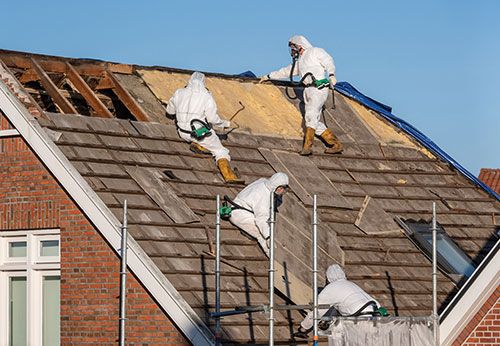
Higher-risk materials such as pipe lagging and insulating board are handled to a stricter standard. Where the law requires licensed work, we give the HSE the 14 days of notice it demands, work under full enclosure with air monitoring throughout, and finish with four-stage clearance testing by an independent analyst before the room is signed off.
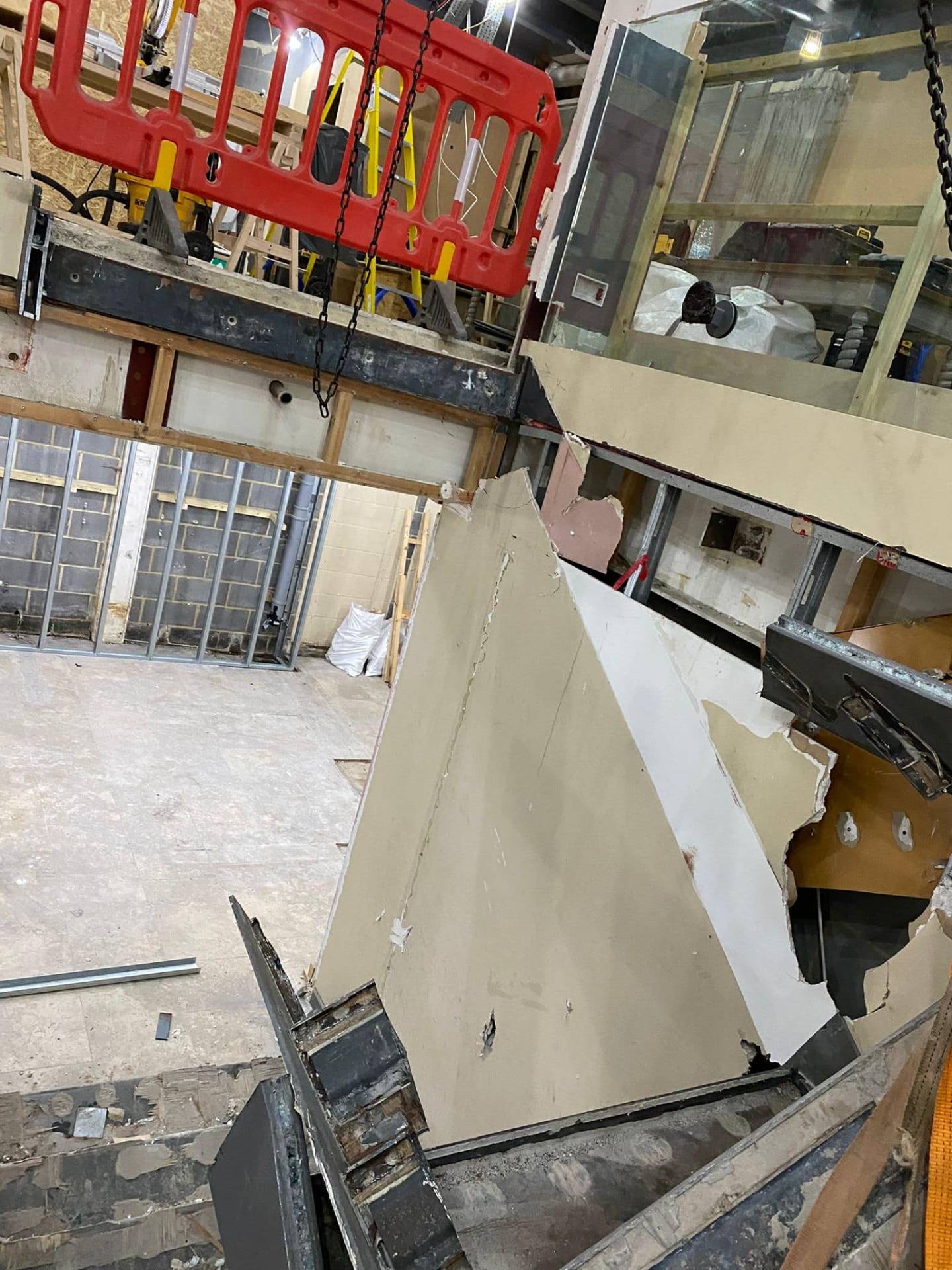
Listed Buildings and Conservation-Area Work in the Royal Borough
Much of Kensington sits within a conservation area, and a great many of its houses and mansion blocks are listed, which shapes how asbestos work is done here even though the removal itself is our responsibility alone. The job almost never stands on its own, so we plan it around the wider refurbishment and the borough's controls from the outset.
On the ground that means several practical things. Access and scaffold are arranged in advance on streets where there is no driveway and often a red route or a controlled parking bay outside, and we organise the permits and parking suspensions the council requires before work starts. Skips and waste collection are timed and licensed rather than left to chance on a narrow Kensington street. We protect the original plasterwork, cornicing and joinery that make these interiors what they are, working around them rather than through them. Where the broader project carries listed building consent or a conservation-area condition, we fit the asbestos stage to those approvals so nothing we do puts them at risk.
None of this loosens the safety standard. Pipe lagging, insulating board and other higher-risk materials are still removed under full enclosure, with the 14 days of HSE notice the law demands and independent four-stage clearance testing before anyone moves back in. What the Royal Borough adds is the planning and the care: getting in and out of a listed building cleanly, and leaving it looking exactly as it did before we arrived.
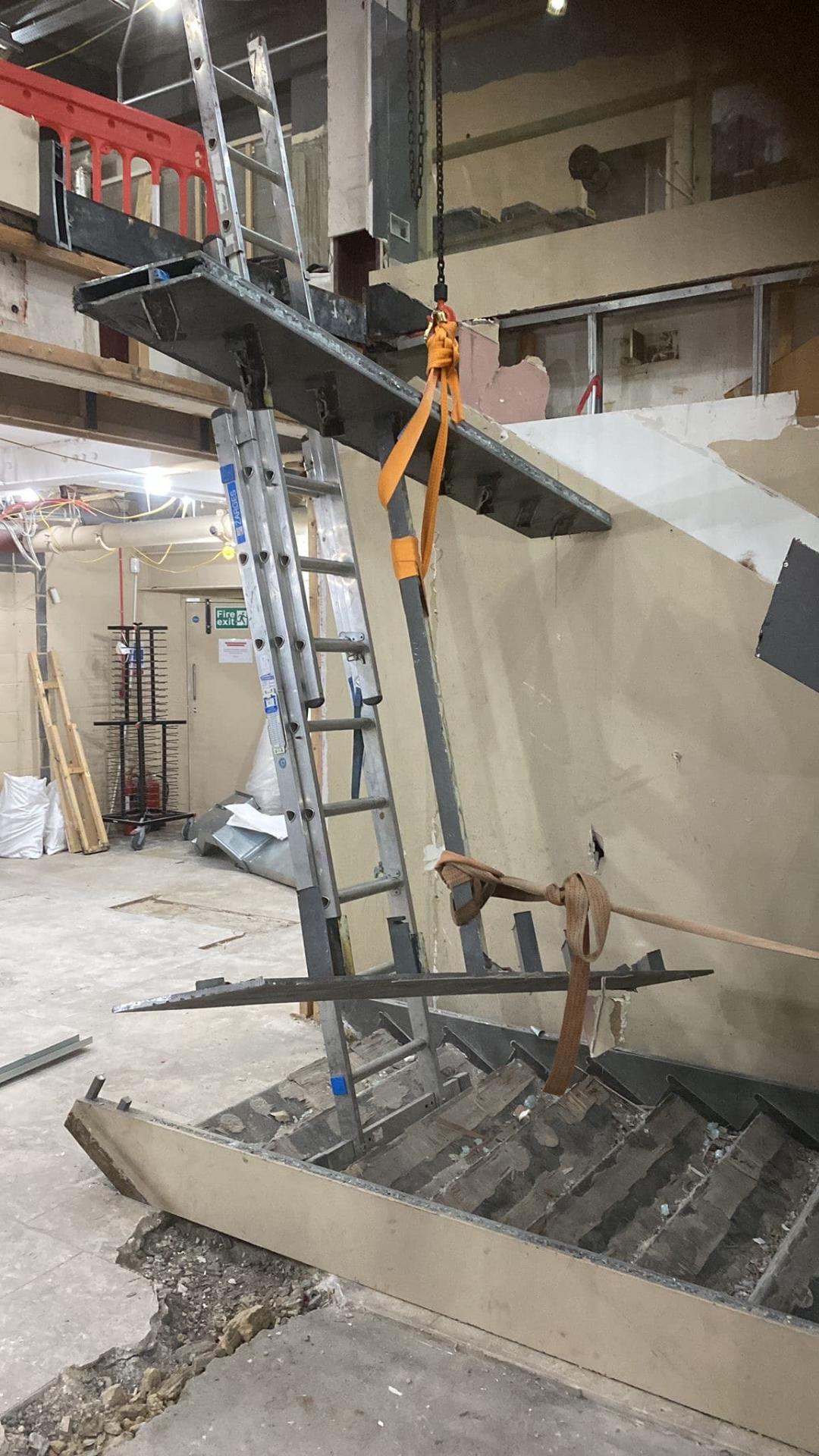
Surveys and Strip-Outs Across the Royal Borough
A lot of Kensington asbestos is found during refurbishment rather than reported in advance. If you are about to disturb artex, lift old tiles, or take out a wall in a conversion, have the area tested first. A management survey finds and assesses material in a home that is staying lived-in, while a refurbishment and demolition survey is the more intrusive inspection needed before building work or a structural change. Both come with a written report you can hand straight to a builder, a managing agent or a buyer, which matters in a market where flats change hands often.
For bigger projects we take on soft strip-outs and full demolition, stripping a property back to its structure ahead of a refurbishment or rebuild while protecting the original fabric that gives these buildings their value. Having one contractor handle the survey, the asbestos and the strip keeps the job moving and the responsibility in one pair of hands.
We hold Spectra licence number 142305706, we have worked across Kensington and the wider south-west London and Surrey area for more than seven years, and every job ends with the certificates that prove it was removed and disposed of legally. To arrange a free site visit, call us on 0800 024 6168.
Commercial Building Strip-Out, Kensington
Kensington, South London · Strip-Out
View this project"Graham and his staff done a great job of removing my concrete and asbestos garage thank you"
Why Choose Clearaway
HSE Licensed Removal
Higher-risk material handled under full enclosure, with the 14 days of HSE notice the law requires and independent clearance testing.
Planning Aware
Used to conservation areas and listed buildings: scaffold and access planned around the restrictions, original fabric protected.
Fully Licensed
Licensed asbestos removal contractor (Licence No. 142305706). Full public liability insurance on every job.
Our Own Team
We never subcontract. The people who quote your job are the people who do it.
Frequently Asked Questions
Our Removal Process
From first call to final certificate, every job follows the same clear four-step process.
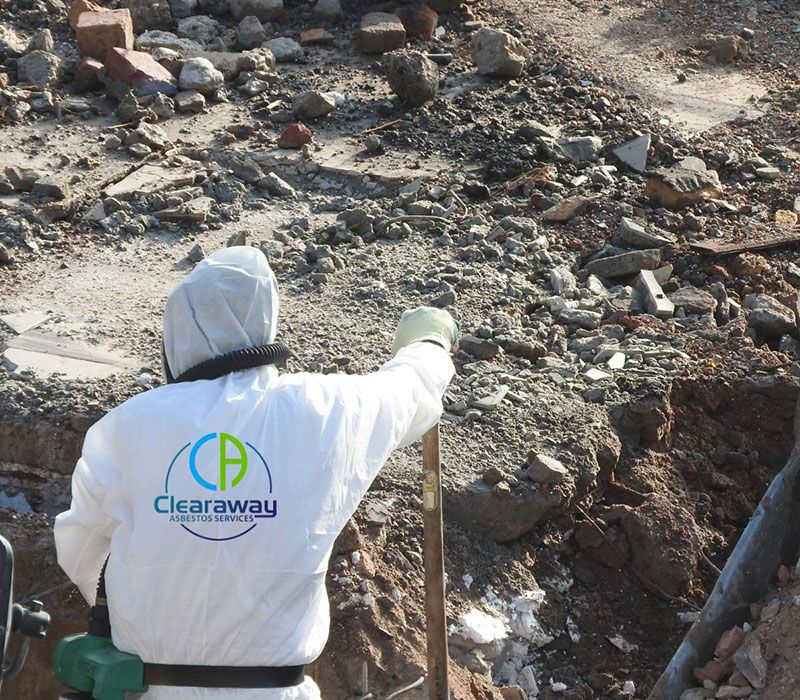
Survey
We inspect the property and confirm the material. Sampling available if required.
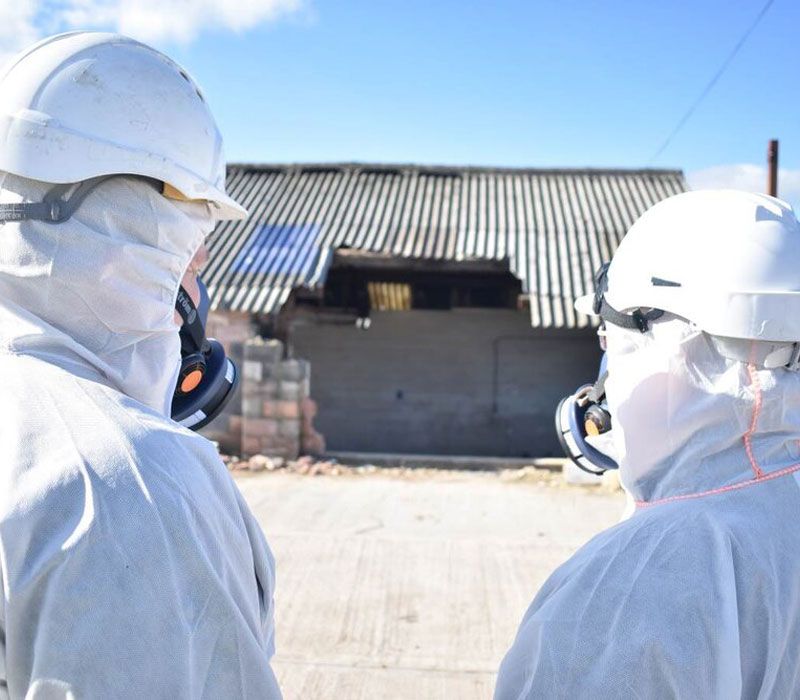
Quote
Fixed written price covering removal, disposal and any replacement work.
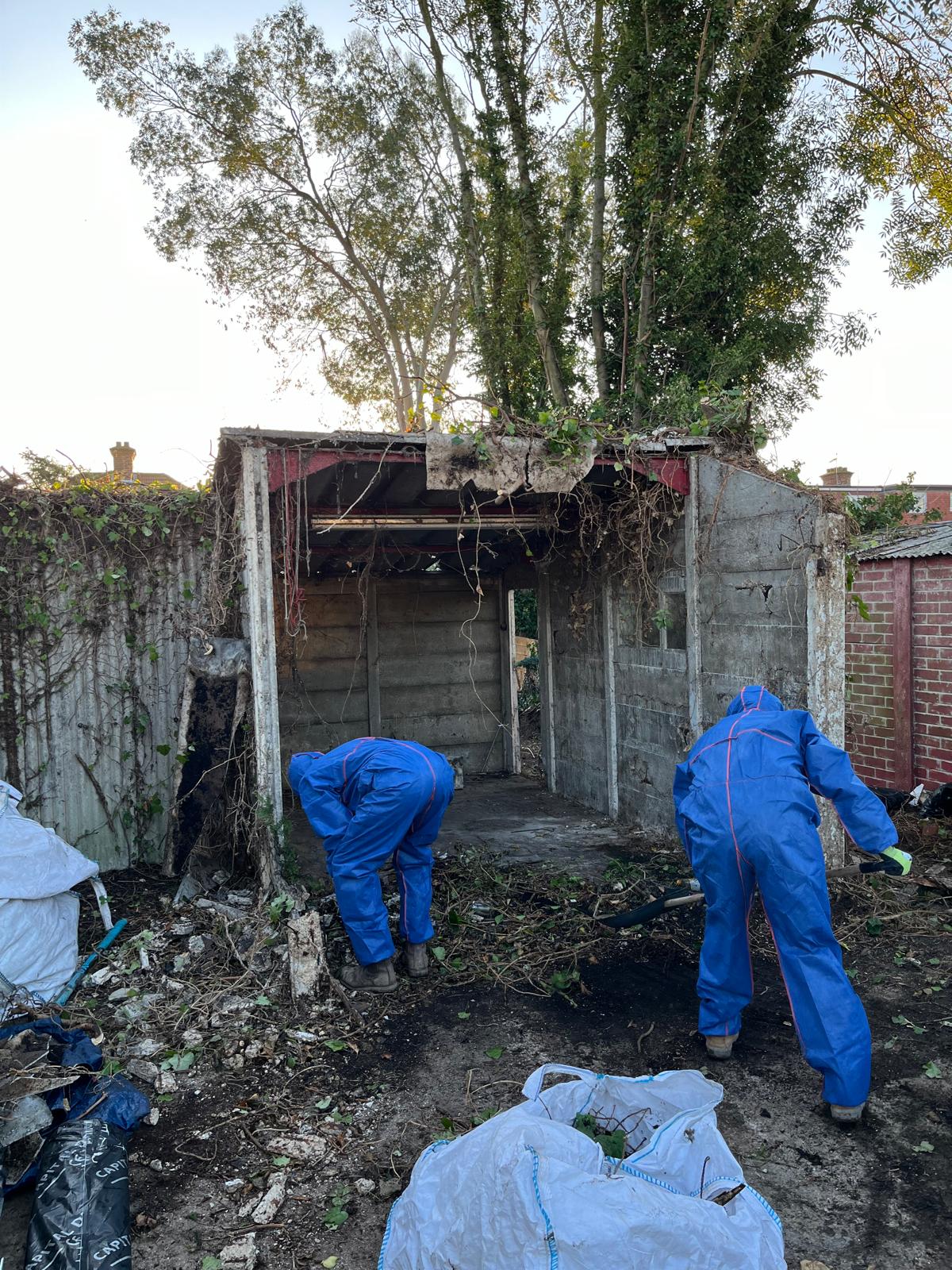
Removal
Material is removed safely, double-wrapped and taken to a licensed disposal facility.
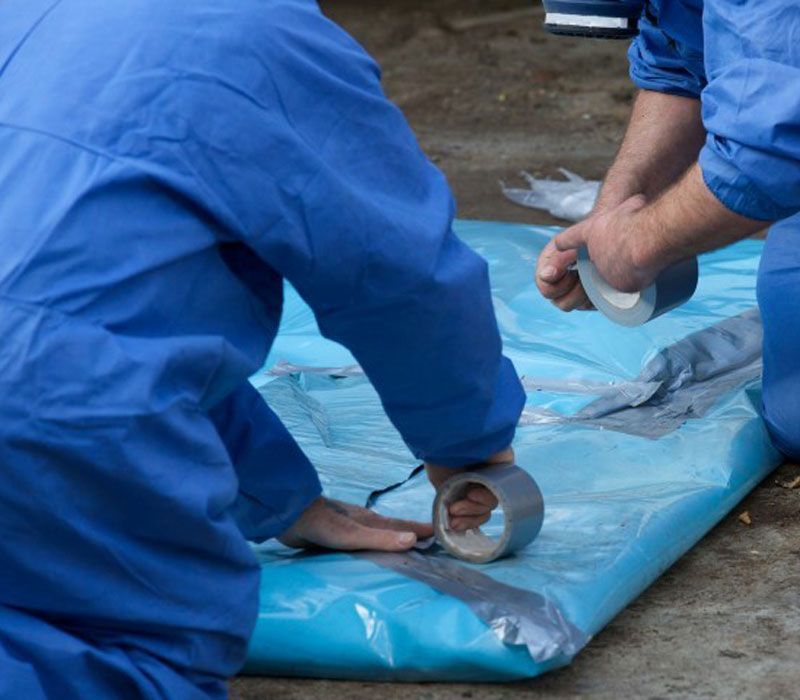
Certificate
You receive a waste consignment note and disposal certificate confirming legal handling.
Get in Touch
Send a few details about your project and we will come back the same working day with a fixed price. We cover Surrey, London and the South East, including Esher, Cobham, Kingston, Richmond, Epsom, Guildford, Woking and Croydon.