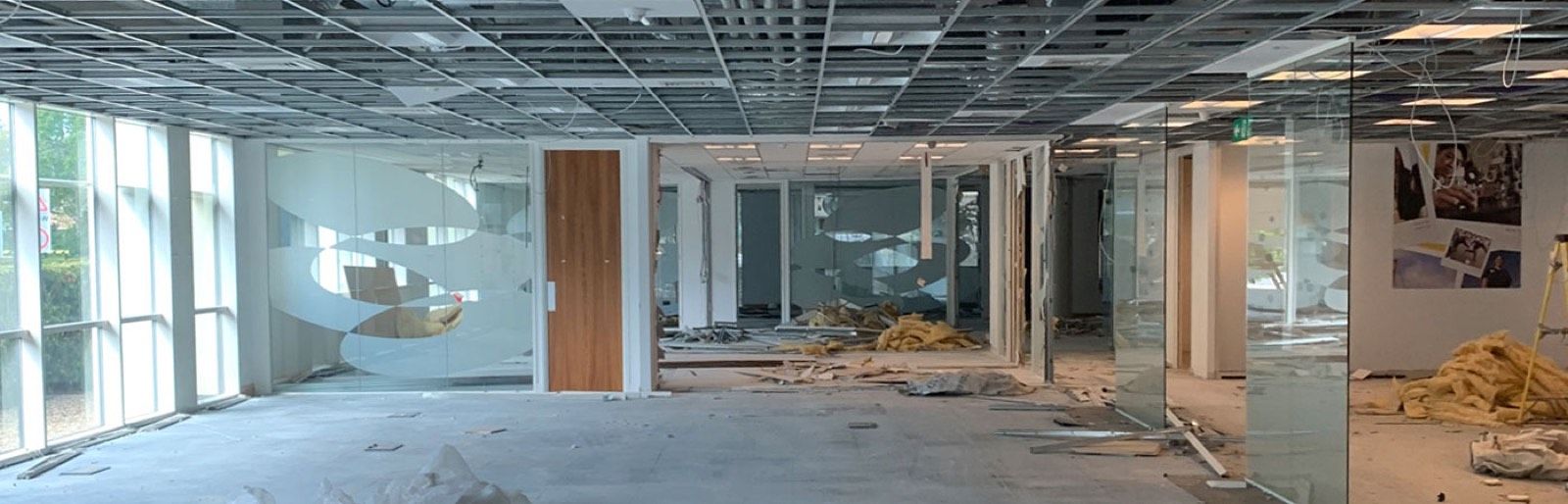
Asbestos Clearance in Chiswick
Chiswick runs from Bedford Park red-brick down to the grand houses on Chiswick Mall, with terraces around Turnham Green and 1930s stock out towards Grove Park. Most of it was built when asbestos was still normal, which is why so much remains.
A west London suburb built before the ban
Chiswick took its modern shape in the late Victorian and Edwardian decades, and the W4 streets still read like a timeline. Bedford Park came first as a garden suburb, rows of Queen Anne style red-brick houses laid out with their own church and pub, and it remains one of the most recognisable corners of west London. Period terraces fan out around Turnham Green and along Chiswick High Road, the kind of solid brick housing that has been lived in and worked on by generations of owners. Down by the river, the older houses on Chiswick Mall sit in a line that has barely changed in a century.
Then the suburb filled in. Edwardian and 1930s housing spread out towards Gunnersbury and Grove Park, larger family homes with the long back gardens and outbuildings that came with that era. Over the years a large share of the bigger houses were split into flats, and that conversion work is part of the story too, because every time a house is divided up someone has opened walls, moved boilers and boxed in pipework. That mix matters here. Asbestos was used in British building from the early twentieth century right up to 1999, so almost everything in Chiswick that predates the ban was put up while the material was still a standard part of the trade.
That is the simple reason it turns up so often. The age of the housing, not bad luck, is why a clearance is such a common job across this part of the borough. A street of identical Bedford Park houses can hide the same handful of materials behind very different decorating, and a flat carved out of a Grove Park semi can carry traces of three or four separate eras of building work all at once.
Where the asbestos actually sits
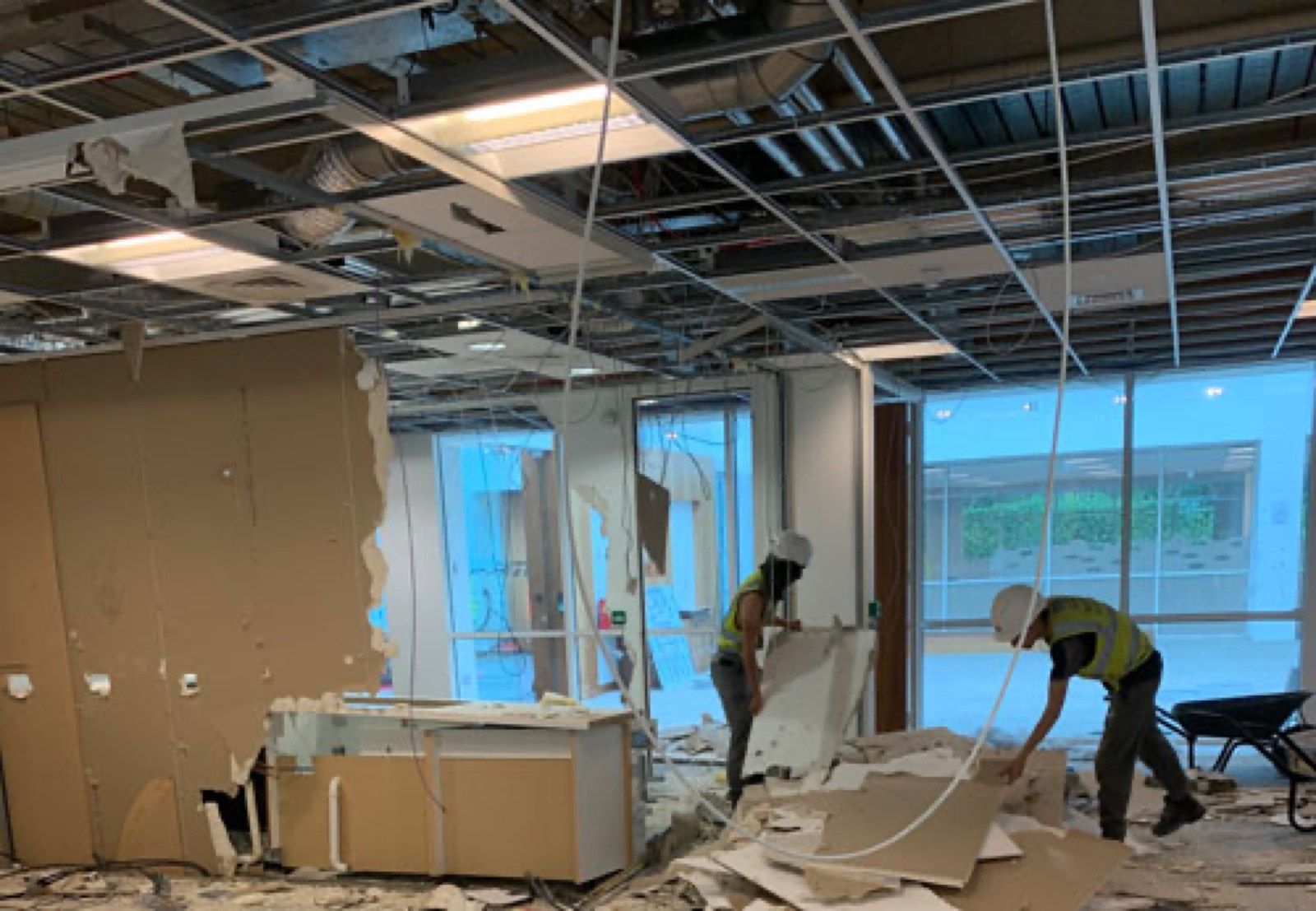
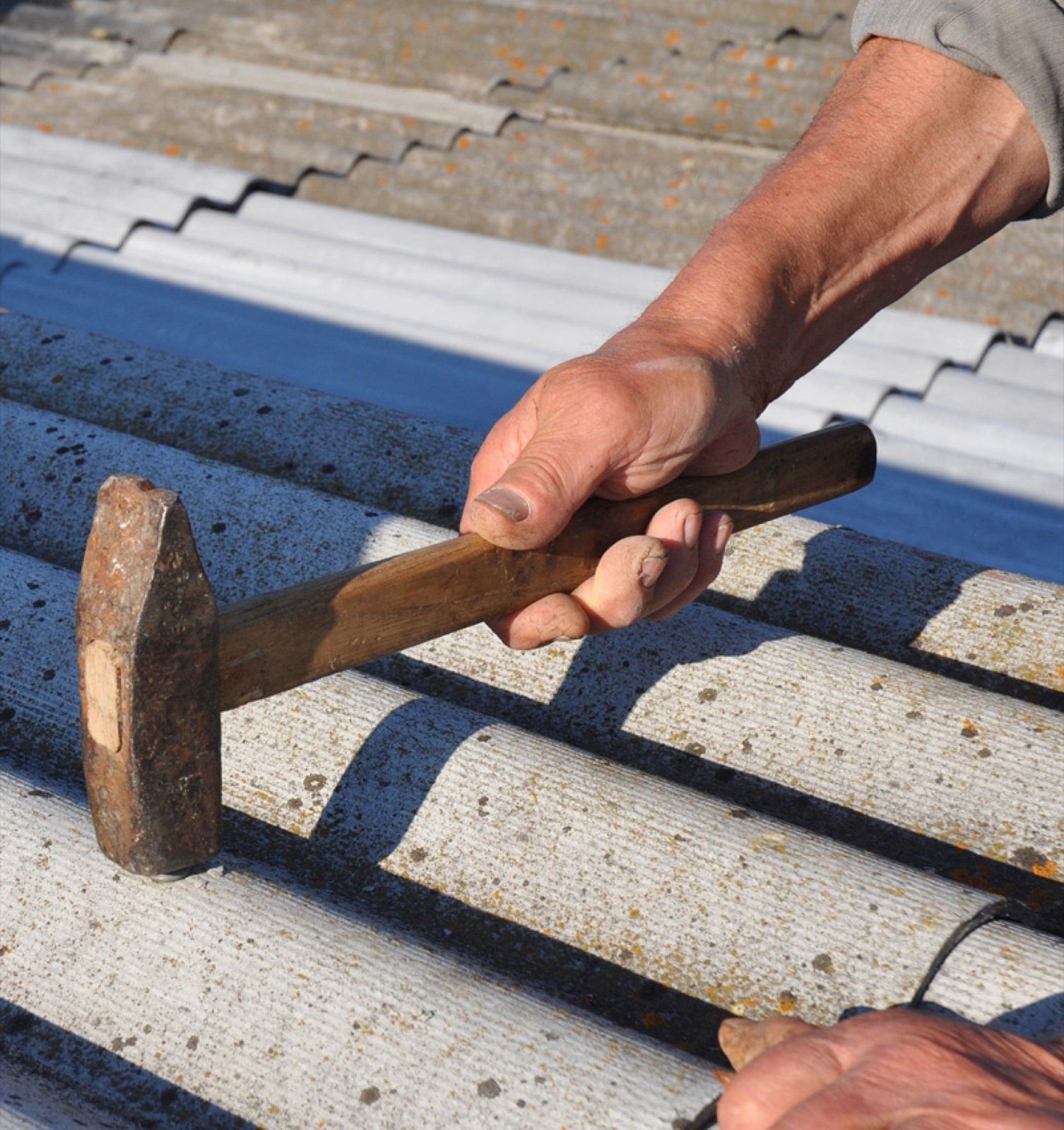
It tends to show up in the same handful of places, and once you know the pattern it stops being a mystery. On the suburban stock the usual find is a corrugated cement roof on a garage or a garden shed, grey sheets that have been weathering quietly for decades and that most people walk past without a second look. Inside the houses, textured artex on ceilings and walls is common, the swirled or stippled finish that was popular for years and that gets painted over again and again until nobody remembers what is underneath it.
The flat conversions throw up their own version. Asbestos insulating board, known as AIB, was fitted around boilers and used as panelling, and it surfaces regularly in the houses that were divided up around Gunnersbury and Grove Park. Under old lino and carpet you find vinyl or thermoplastic floor tiles, often laid on a black bitumen adhesive that is bedded into the floor, and the adhesive is frequently the more stubborn half of the job. In the basements and the older properties, pipe lagging wrapped around heating runs is another one, soft and easily disturbed if it is knocked. On the interwar semis it is the cement soffits and gutters along the roofline, the parts that are out of sight until someone gets up a ladder to clear a blocked downpipe.
None of these can be judged by eye. Two ceilings that look identical can test completely differently, which is why nothing is assumed and nothing is ripped out on a hunch. It is also why the cheaper, slower first step of testing a material is almost always worth it before any tools come out, because guessing wrong in either direction costs more than the test itself.
How a clearance runs, start to finish
The first move is always to find out what you are dealing with. A small sample of the suspect material is taken under controlled conditions and sent to a UKAS-accredited laboratory, and the results come back in a few working days. Only then does anyone decide what needs to happen, and a lot of the time the honest answer is that a particular item is fine and can be left where it is. Knowing that for certain is worth a great deal on its own, especially for anyone buying, selling or renting out a property in W4.
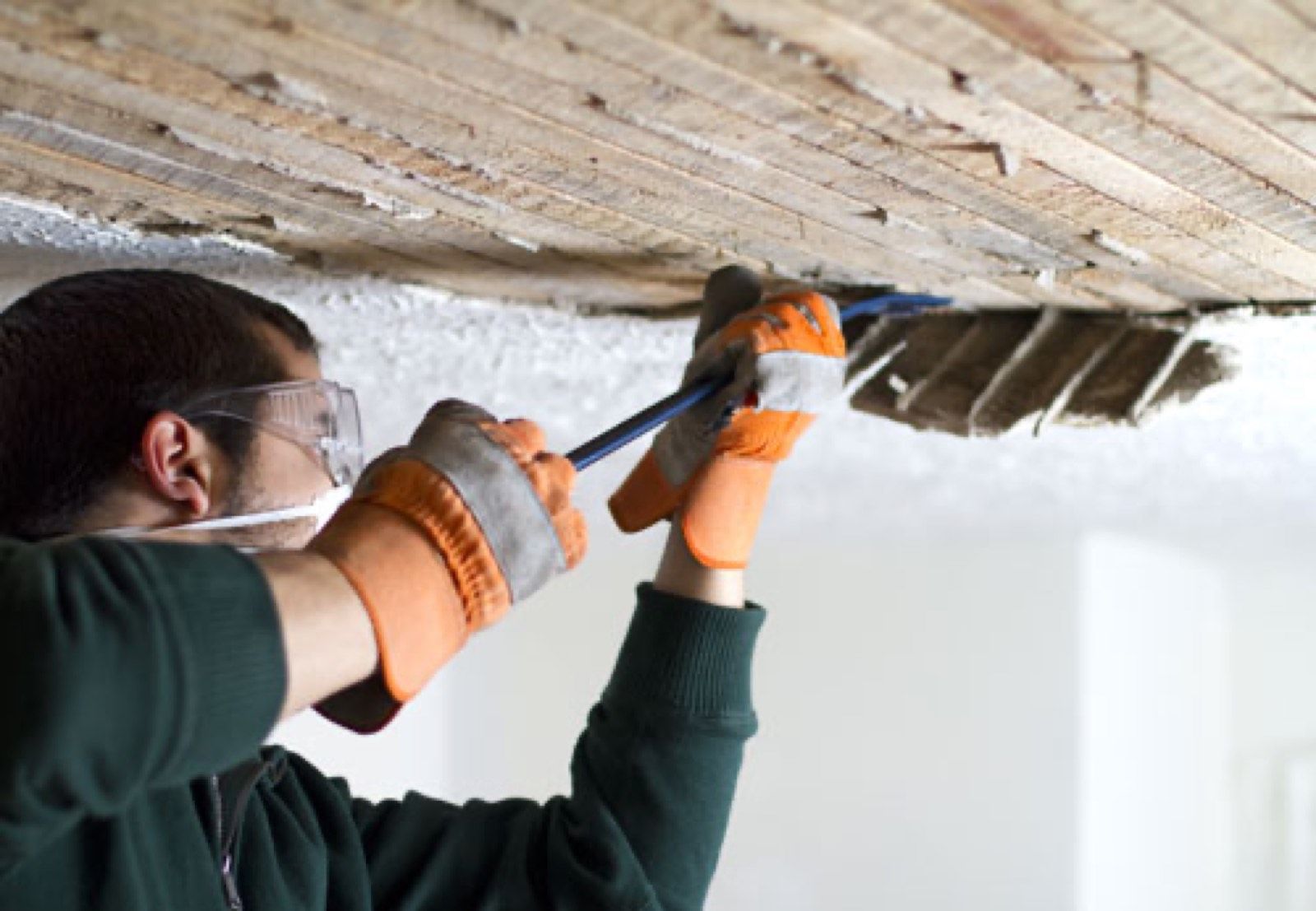
When material does need to come out, the aim is to remove it whole rather than break it up, then carry it away to a licensed disposal facility with the right paperwork at the end. Most domestic work needs no skip, so the kerb and the road stay clear, which matters on the tighter Chiswick streets where parking is already at a premium and a skip permit is a hassle nobody needs. A good number of single jobs are done inside a day, the house left clean and the dust kept out of the rest of the rooms. Surveys, one-off sampling and full strip-outs are all part of the same service, so a clearance can be as small as one garage roof or as broad as a whole property going through a refurbishment before the builders move in.
Graham, who is based over in Chessington, runs the jobs himself rather than passing them to a rotating crew. That means the person who looks at the work is the person who does it, which tends to make the planning more honest, because there is no incentive to take out more than the property actually needs.
Conservation pockets and the licensed standard
Parts of Chiswick come with an extra layer to think about. Bedford Park and Chiswick Mall are conservation areas with listed houses, so on those addresses the work is planned around the restrictions, and the original fabric of the building is protected while the asbestos is dealt with. The point is to leave the period detail untouched and only remove what has to go, which calls for a slower, more careful hand than a standard suburban property. Get it wrong and you have damaged something that cannot simply be replaced, so the planning on these houses matters as much as the removal itself.
Higher-risk material is held to a stricter standard, and that is set by the regulations rather than by preference. For licensed work the Health and Safety Executive is given 14 days notice before anything starts, so this kind of job cannot be rushed through at short notice. The area is sealed inside a full enclosure, and once the removal is finished an independent analyst carries out a four-stage clearance before the space is signed off and handed back. It is slower and more involved than non-licensed work, and it is meant to be, because the whole point is that nobody goes back into the room until it has been independently checked and proven clean.
Clearaway holds Spectra licence 142305706 and has spent more than seven years working across this part of west London, from the garden-suburb terraces of Bedford Park to the riverside houses on the Mall and the converted semis out towards Grove Park. If you have something in a Chiswick home you are unsure about, whether it is one garage roof or a full house being cleared before building work, call 0800 024 6168 and talk it through first.
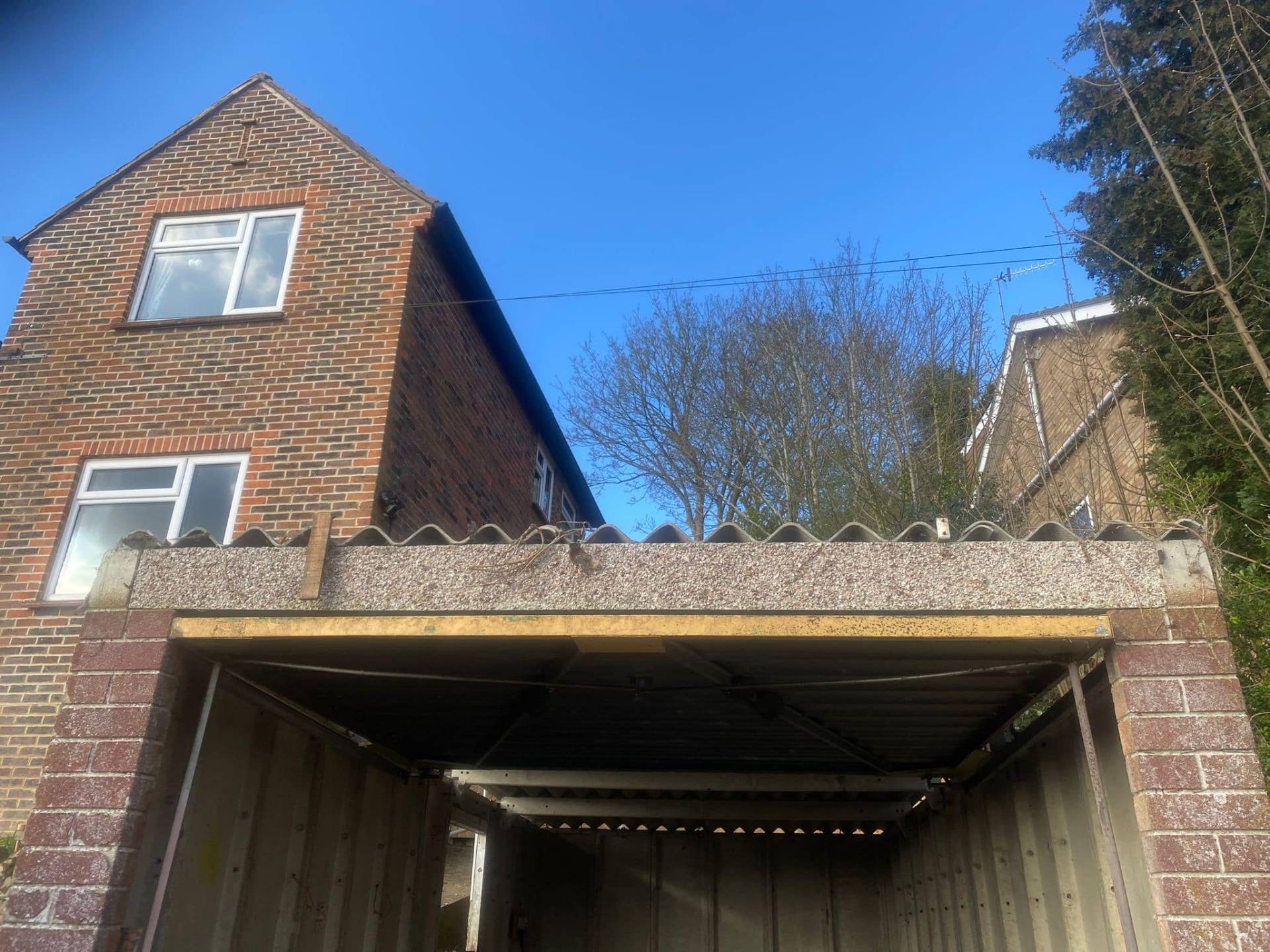
Concrete Asbestos Garage Removal, Guildford
Guildford, Surrey · Garage Removal
View this project"Graham has organised two jobs for me, both of which ran smoothly and on time. Clive and the team are really great, they completed the work in the agreed time and left the site spotless. Would recommend using Clearaway if you need any work done."
Our Removal Process
From first call to final certificate, every job follows the same clear four-step process.
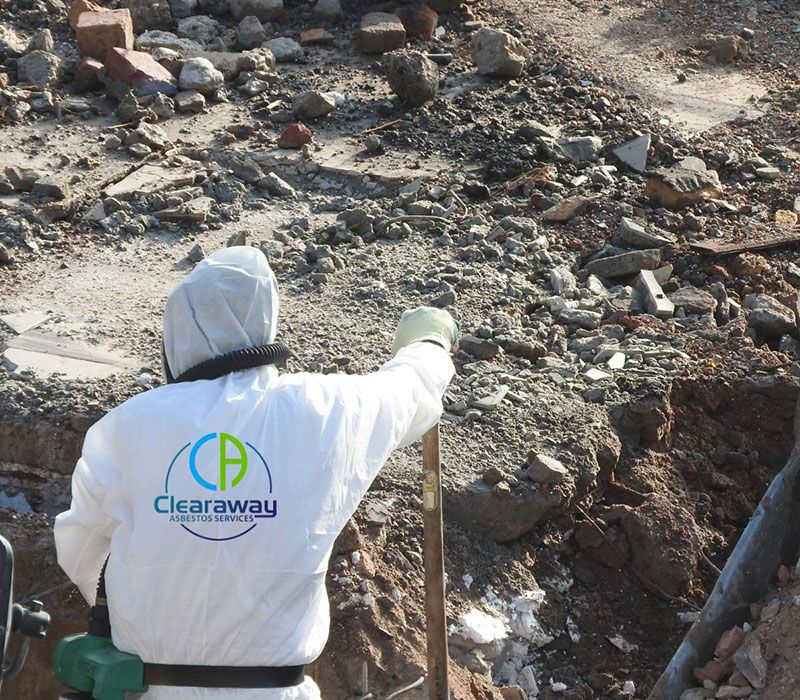
Survey
We inspect the property and confirm the material. Sampling available if required.
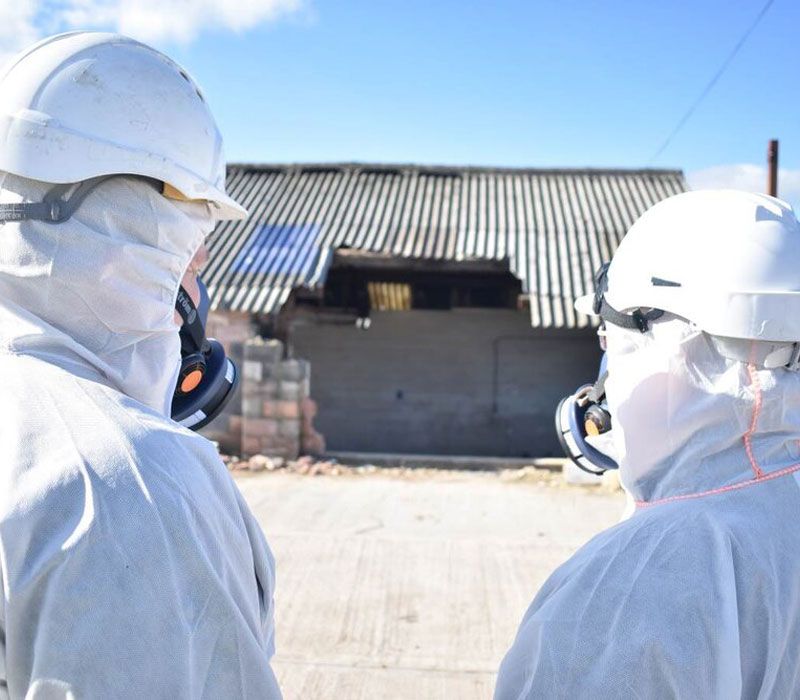
Quote
Fixed written price covering removal, disposal and any replacement work.
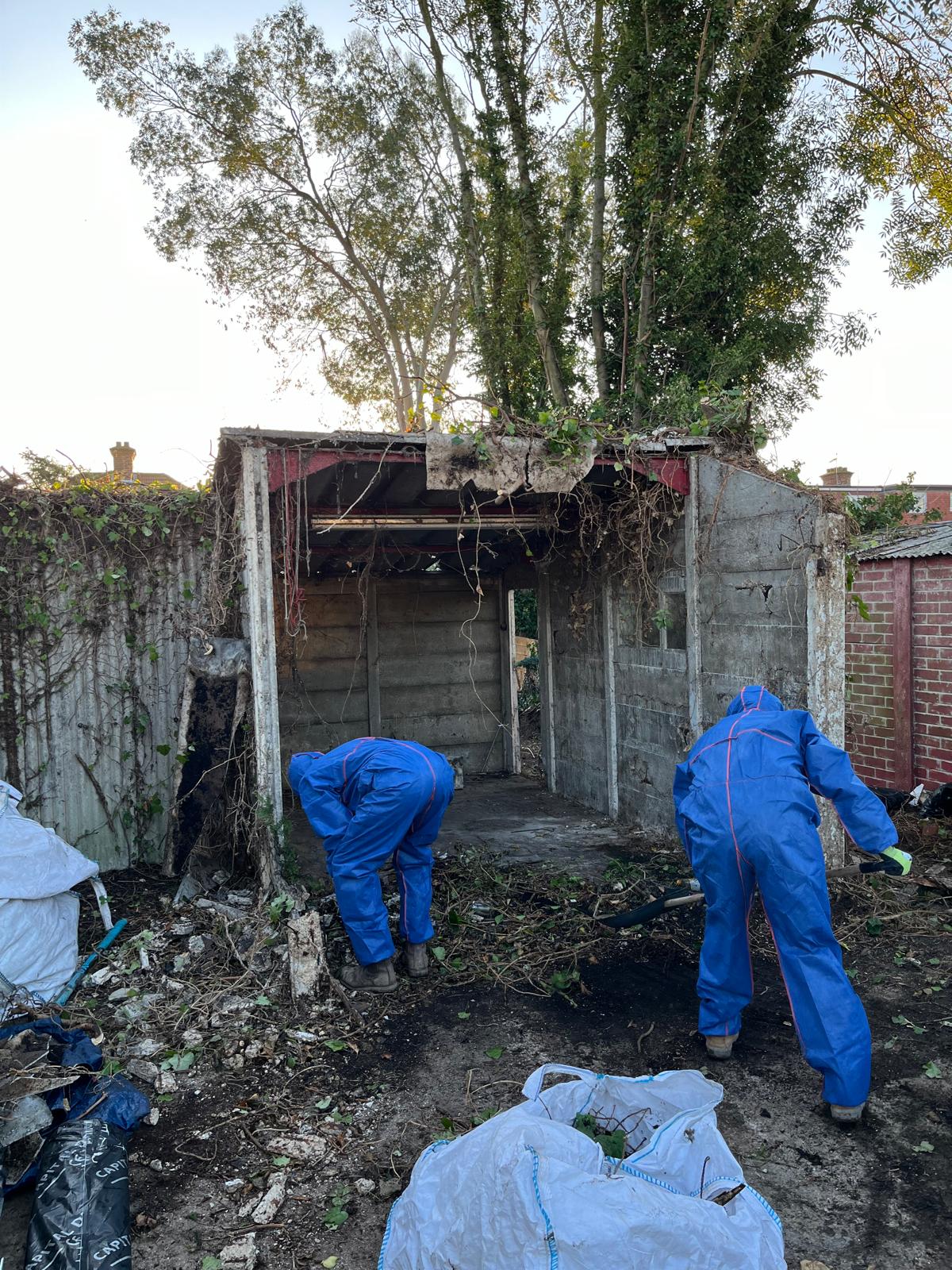
Removal
Material is removed safely, double-wrapped and taken to a licensed disposal facility.
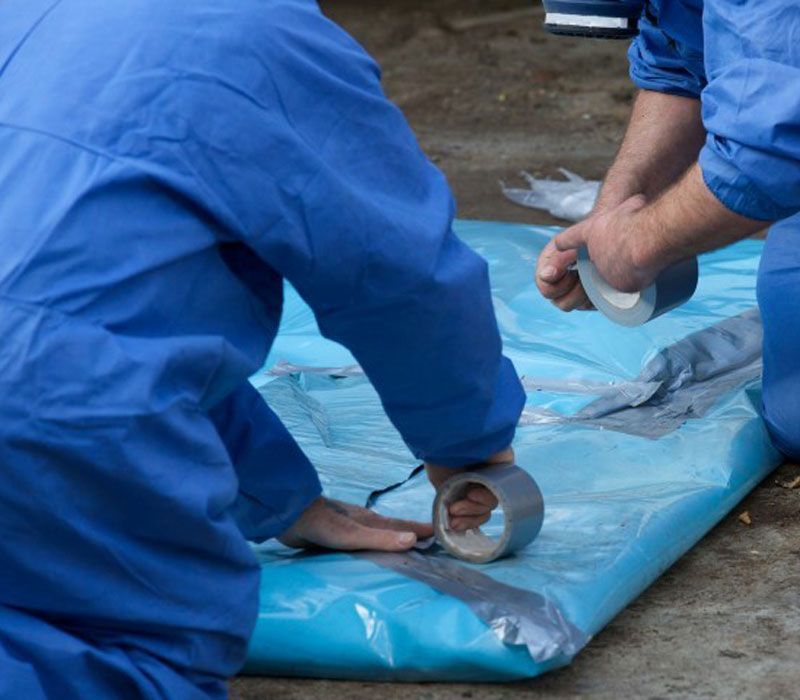
Certificate
You receive a waste consignment note and disposal certificate confirming legal handling.
Frequently Asked Questions
Why Choose Clearaway
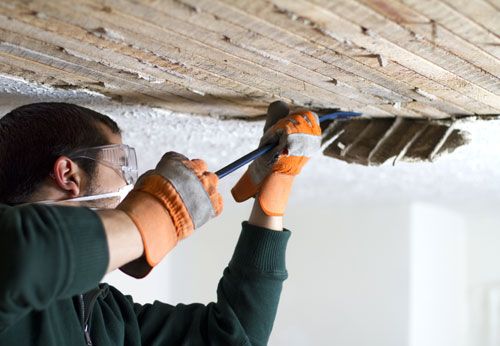
Specialist Crew
Asbestos work is all we do, every day, across the South East.

Fully Licensed
Licensed asbestos removal contractor (Licence No. 142305706). Full public liability insurance on every job.
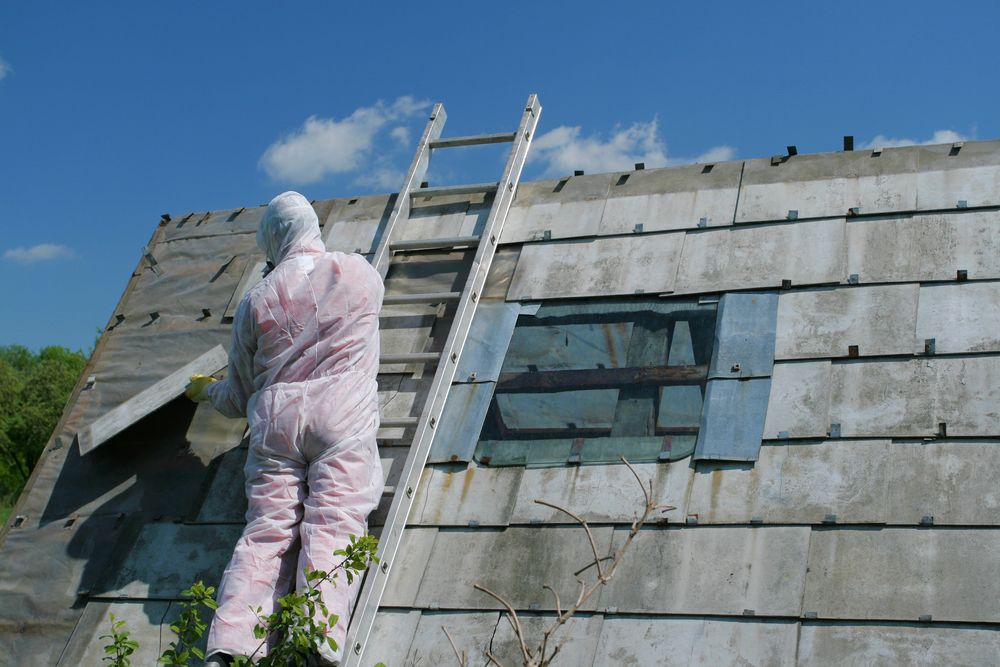
Local & Fast
Surrey-based. Most domestic jobs are booked in and finished within a week.

Our Own Team
We never subcontract. The people who quote your job are the people who do it.
Get in Touch
Send a few details about your project and we will come back the same working day with a fixed price. We cover Surrey, London and the South East, including Esher, Cobham, Kingston, Richmond, Epsom, Guildford, Woking and Croydon.