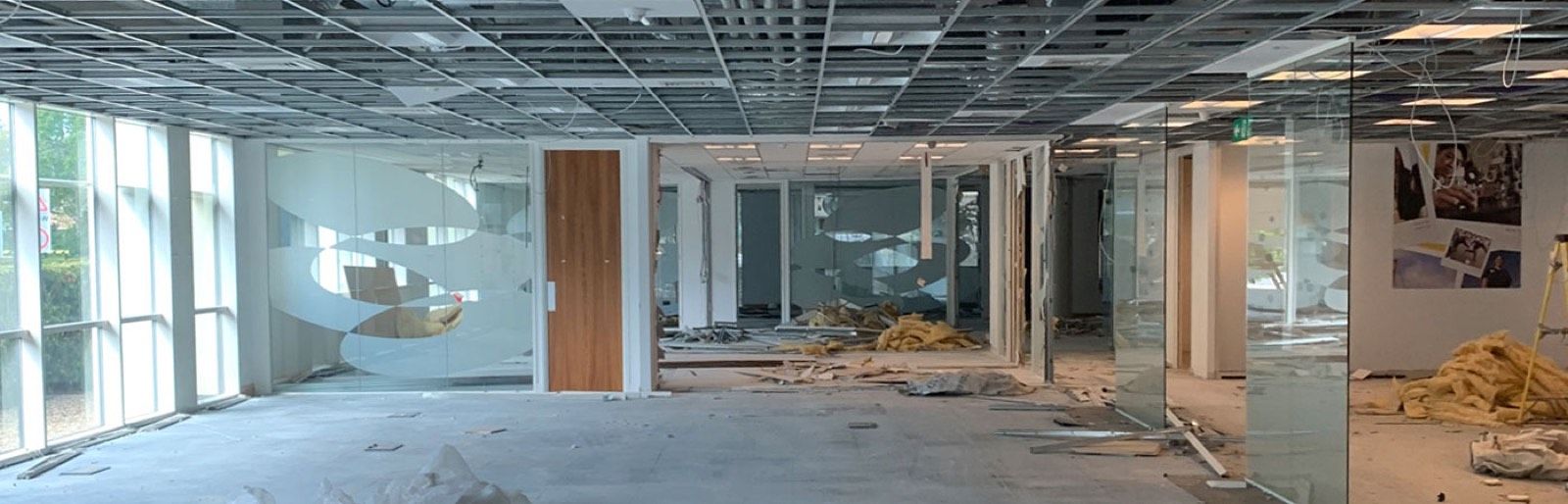
Asbestos Clearance in Banstead
Banstead sits up on the North Downs, a village core ringed by interwar and postwar houses on roomy SM7 plots. Most went up with their own garage and garden, and a lot of that stock still holds asbestos.
Why Banstead holds so much asbestos
Banstead grew outward from an old village around the High Street, where a handful of cottages still stand. The bulk of the town came later. Between the wars and through the years after 1945, builders put up detached houses and semis on generous plots, spreading out towards Nork and Burgh Heath, most with their own garage and a decent garden. The North Downs setting and the open commons close by gave the place its character, but it is that housing stock that matters most here.
Asbestos was a standard building material for most of that period. It went into roofs, ceilings, boards, floors and pipework, and the UK did not ban it fully until 1999. So a Banstead house put up in the 1930s, the 1950s or the 1960s was almost certainly built using materials that contained it. Those houses are still standing and still lived in, which means the asbestos has stayed where it was fitted, sitting quietly until someone starts renovating, reroofing or pulling a building apart.
That is the picture across the whole town, not one rare problem in one type of property. It is a common thread running through thousands of ordinary family homes on the same handful of streets. A house near the High Street and a 1960s semi out towards Nork can hold the very same materials, fitted in the very same decades, and the only real difference is whether anyone has gone looking for them yet. None of it is a reason to panic. Left alone and in good condition, most of these materials sit there doing no harm at all. The risk comes when they are cut, drilled, snapped or knocked about during the kind of work that disturbs them, which is exactly when a Banstead homeowner needs to know what they are dealing with before the first tool goes anywhere near it.
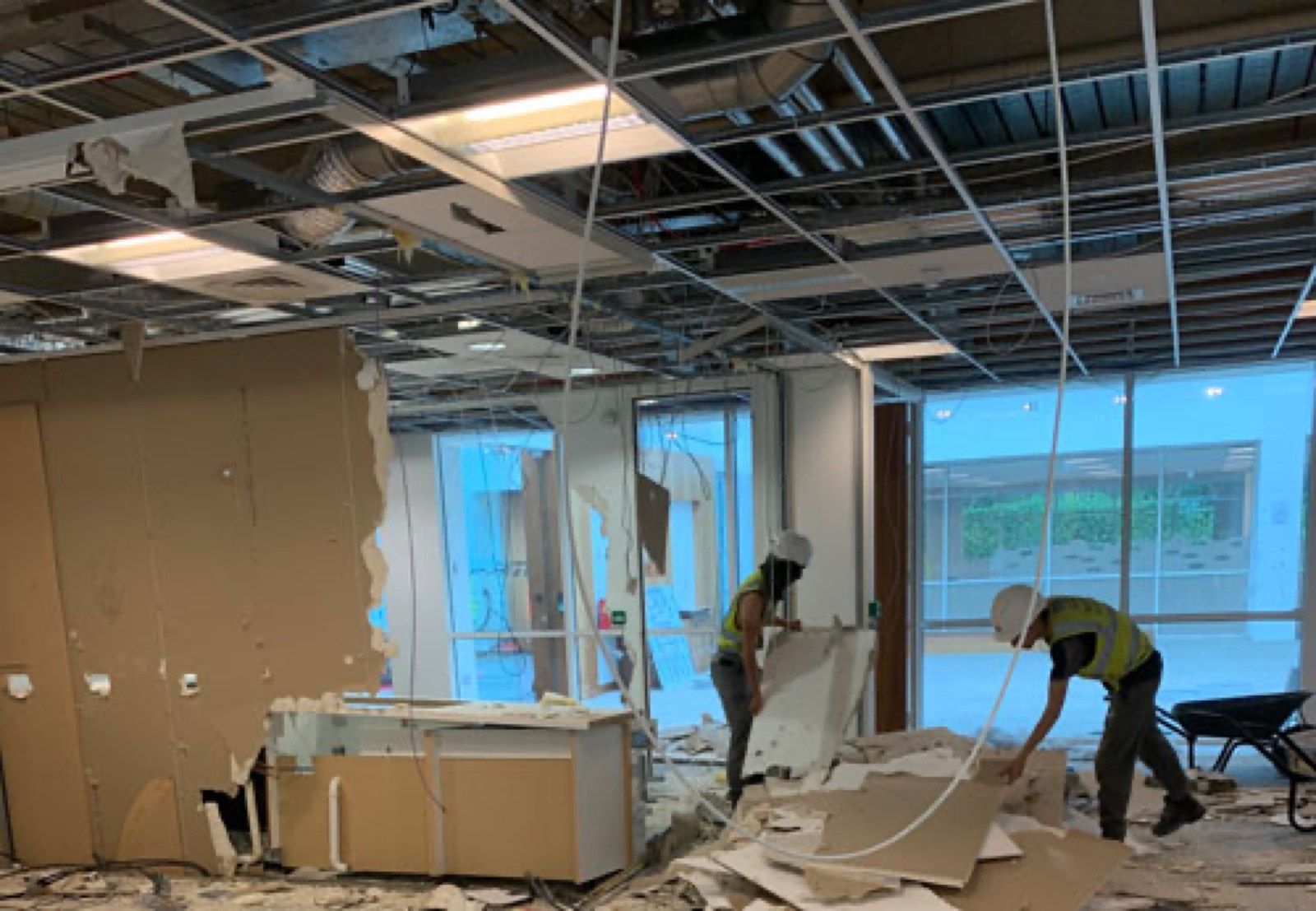
Where it sits in these houses
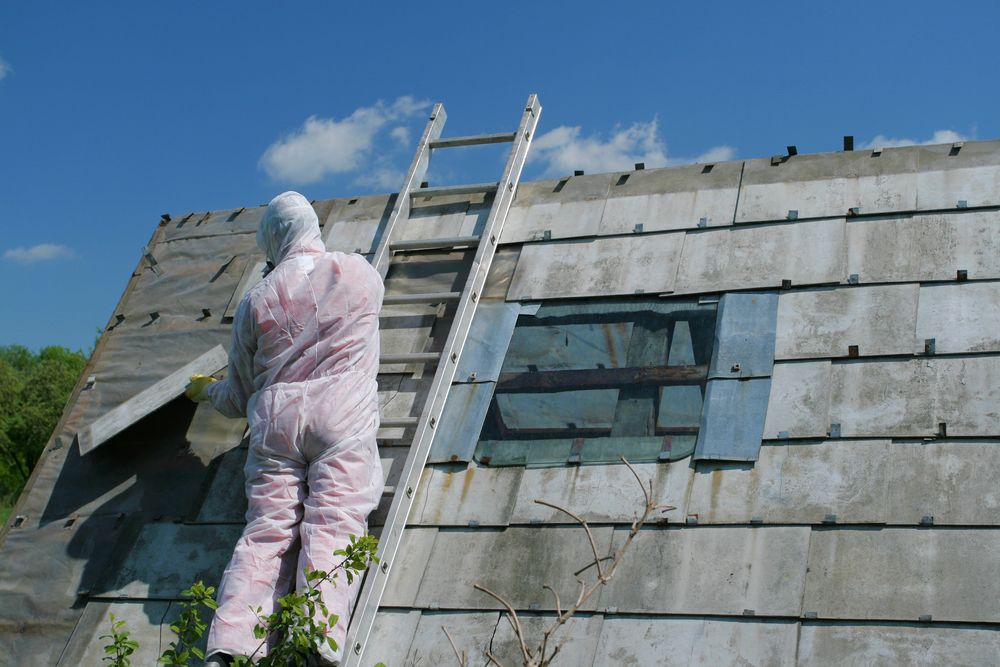
The most common find in Banstead is the corrugated cement roof on a garage or shed. Given how many of these houses have a detached or attached garage, that sheeting turns up again and again, fitted decades ago and weathered ever since. Cement soffits, gutters and fascia boards are the next regular sight, running along the eaves of the interwar and postwar semis where they have sat in the rain for fifty or sixty years.
Indoors the list is longer. Textured artex coats a lot of ceilings and walls, sprayed or troweled on for a finish that was popular for decades. Asbestos insulating board, known as AIB, was fitted around boilers and inside airing cupboards, and it carries far more risk than artex because it releases fibres readily once it is broken. Under old lino and carpet you find vinyl and thermoplastic floor tiles, bedded onto a black bitumen adhesive that is the harder material to lift. Plenty of older properties still carry pipe lagging wrapped around the heating runs in lofts and under floors.
None of this can be identified by eye, and that is the part people get wrong. Artex and AIB can look much the same on a ceiling. Two grey roof sheets that look identical from the ground can be very different once a sample reaches the bench. Age is a clue and nothing more. That is the reason nothing gets assumed and nothing gets touched before it has been tested properly, whatever a previous owner or a passing tradesman might have said about it.
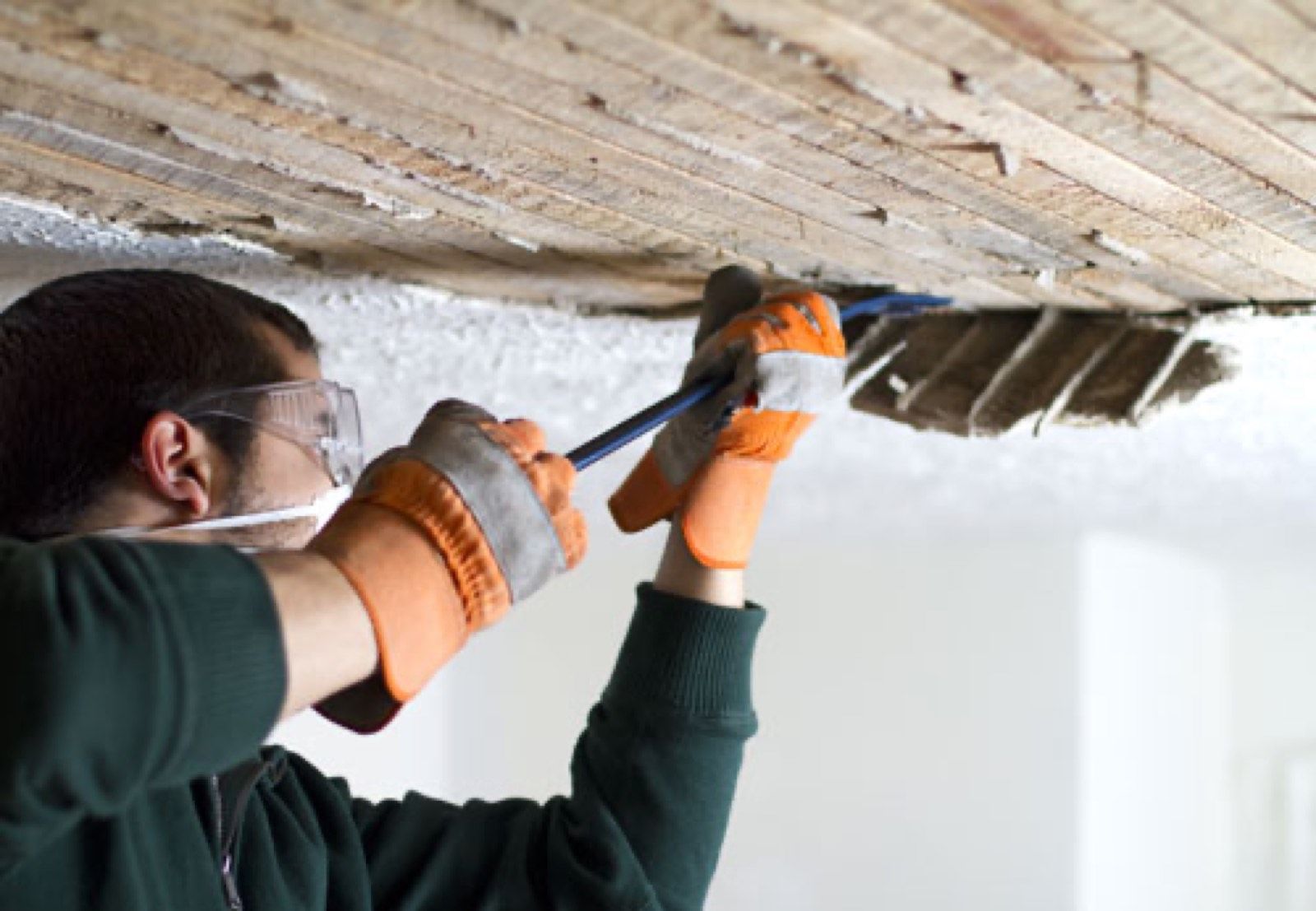
How a clearance runs
A clearance starts with sampling, not with tools on the drive. A small piece of each suspect material is cut out under controlled conditions, double-bagged and sent to a UKAS-accredited laboratory, which confirms within a few working days whether asbestos is present and which type it is. That keeps the cost down at the front end and stops anyone tearing out material that turned out to be harmless. The lab result is the thing that decides what happens next, not a guess on site.
For most non-licensed domestic work, the material is then removed whole rather than smashed up, wrapped or double-bagged and carried away to a licensed disposal facility. There is no skip on most jobs, so the drive and the road outside stay clear, which counts for a lot on the tighter Banstead frontages near the village core. A single garage roof of a dozen or so sheets, or one room of artex, is a one-day job from arrival to clean-up, and the house stays liveable around the work the whole time.
Graham runs these jobs himself out of nearby Chessington, in KT9, a short run down off the Downs. The person who quotes the work is the person who carries it out, so there is one point of contact from the first look on the doorstep to the final clearance. No call centre, no subcontractor turning up on the day you have never spoken to, and a straight answer about what a job involves before anyone agrees to anything.
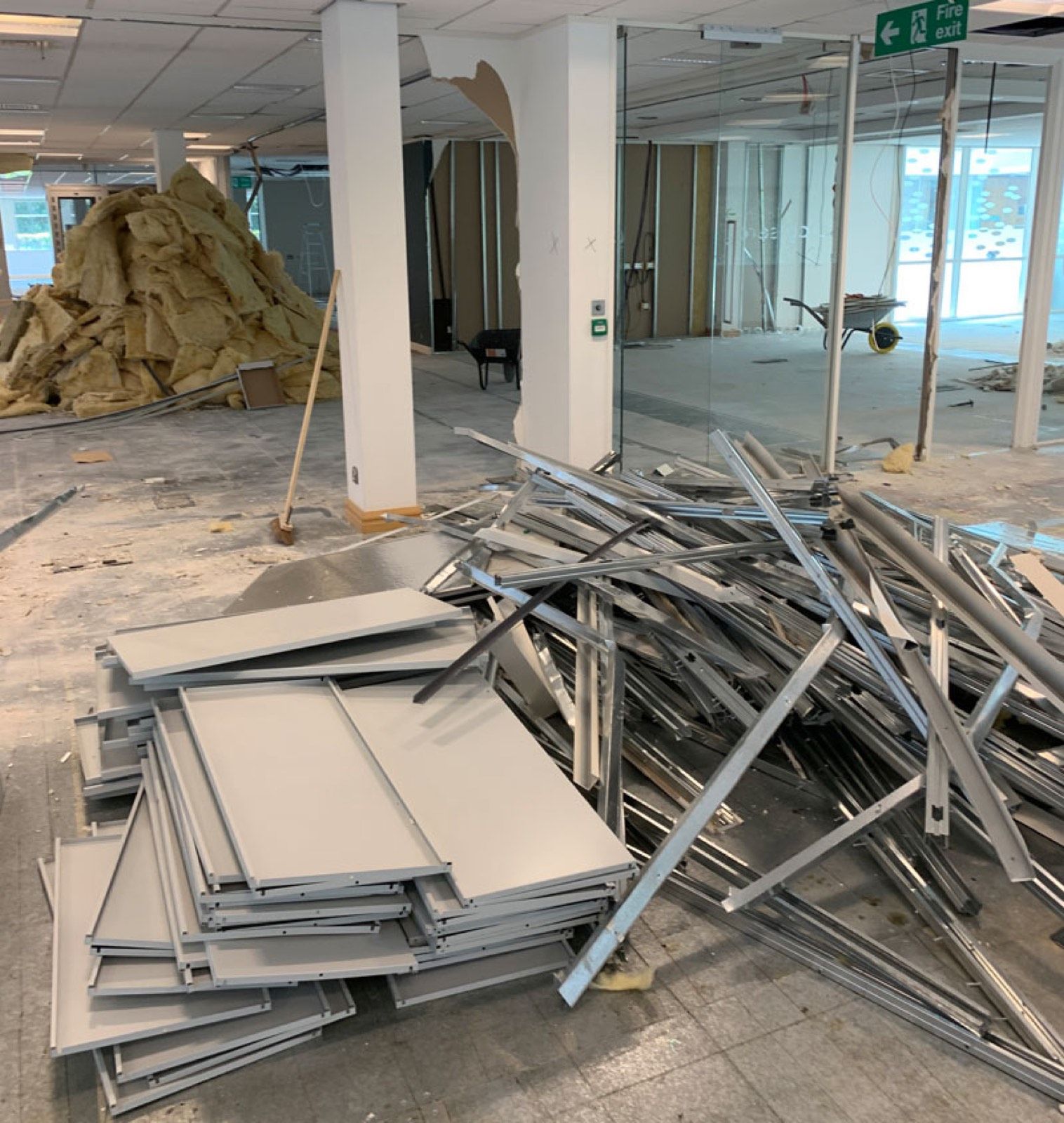
Licensed work, surveys and the wider service
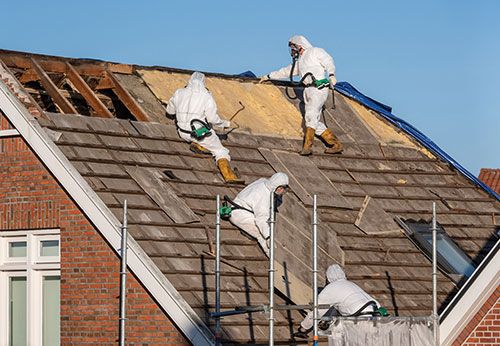
Some materials carry more risk and fall under a stricter licensed standard. Pipe lagging and AIB are the two that come up most in Banstead homes. That work needs 14 days of notice to the HSE before it can begin, a full sealed enclosure built around the area, and four-stage clearance testing signed off by an independent analyst before the space is handed back for use. It is a slower and far more controlled process, and it exists because those materials throw off many more fibres when they are disturbed than a sheet of cement roofing does.
A full strip-out is only part of what is on offer. A management survey suits a house that is staying lived in, giving a record of where asbestos sits so it can be left safe and watched. A refurbishment and demolition survey is the one to commission before building work, a loft conversion or a knock-through, because it goes looking behind walls and under floors that an everyday survey leaves alone. Sampling on its own answers a single question about a single material, which is all you need before a purchase or a small renovation. Whichever of these a Banstead property calls for, the same accredited lab and the same licensed disposal route sit behind it.
Clearaway holds Spectra licence number 142305706 and has spent more than seven years working across Banstead, Nork, Burgh Heath and the rest of this corner of Surrey, so the way these houses were built and where the asbestos hides is well understood here. For a straight answer on a garage roof, an artex ceiling, a suspect floor or anything else in your home, call 0800 024 6168.
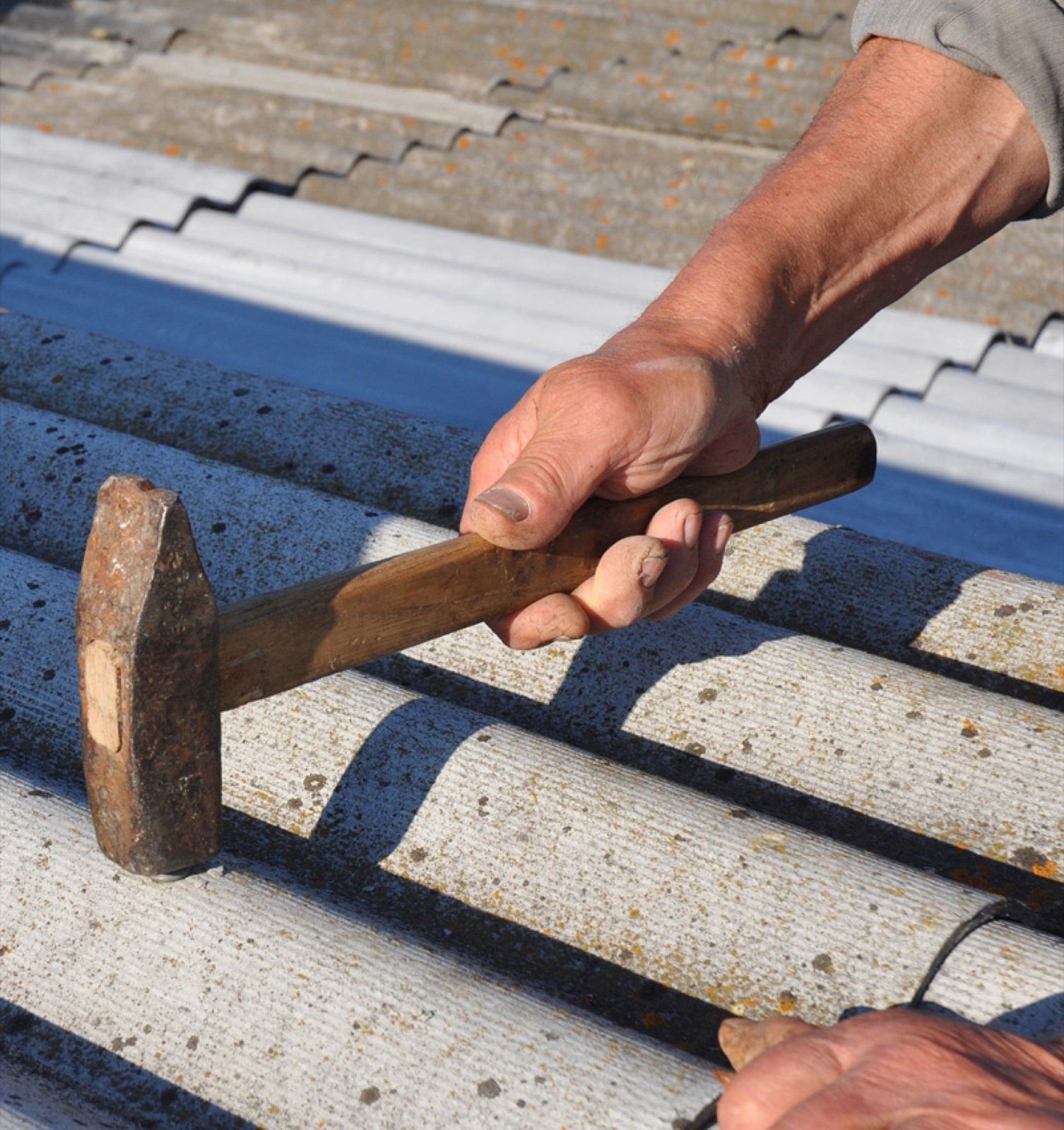
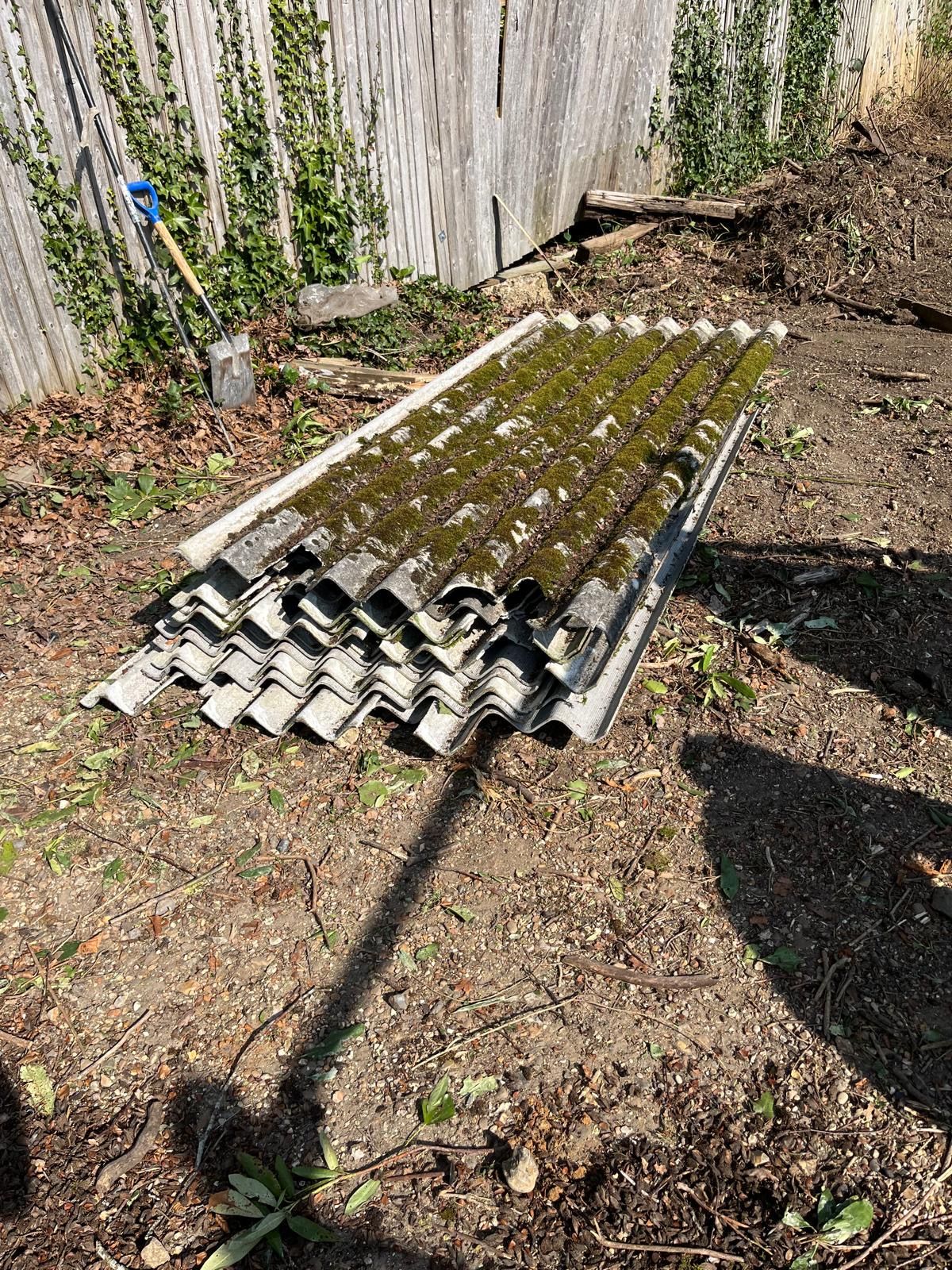
Corrugated Asbestos Sheet Removal, Esher
Esher, Surrey · Sheet Removal
View this project"Graham and his staff done a great job of removing my concrete and asbestos garage thank you"
Our Removal Process
From first call to final certificate, every job follows the same clear four-step process.
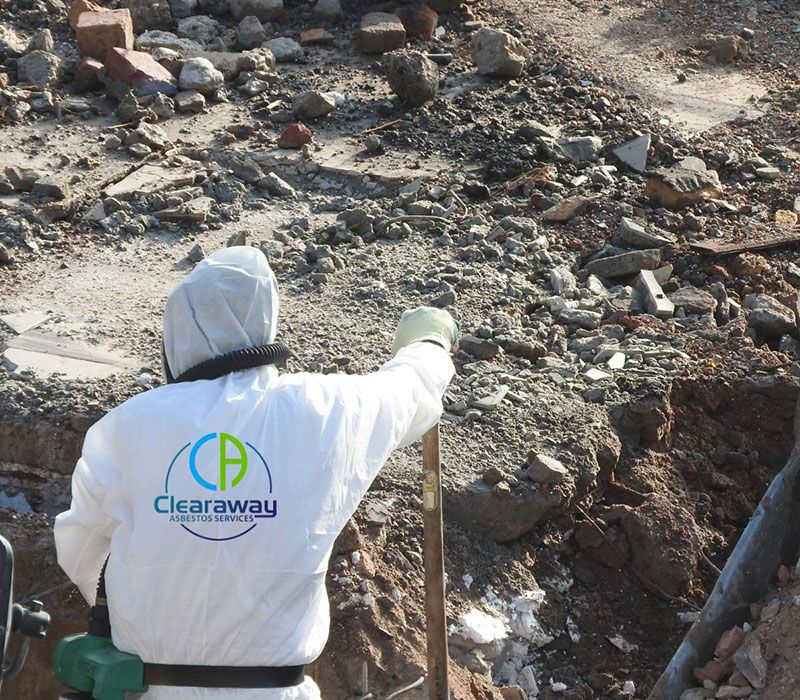
Survey
We inspect the property and confirm the material. Sampling available if required.
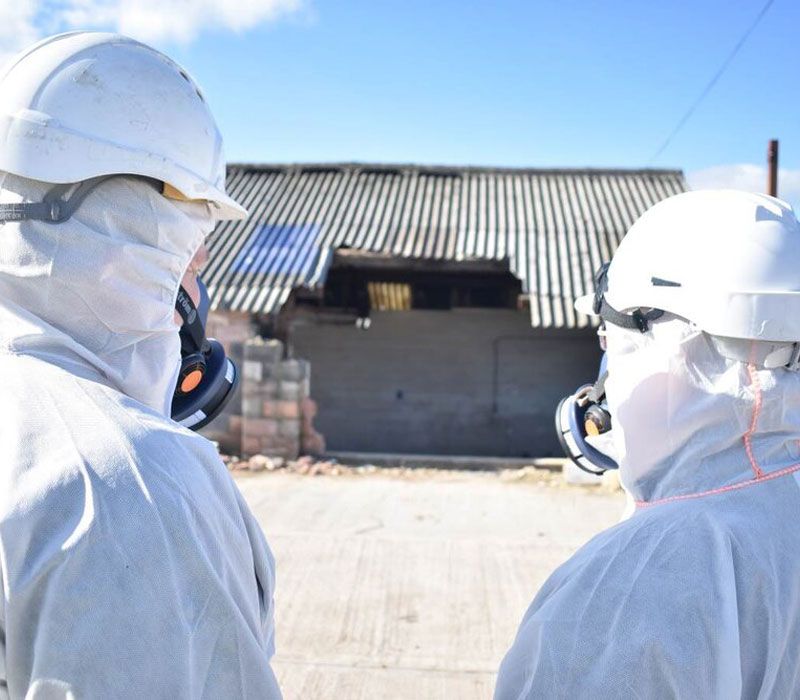
Quote
Fixed written price covering removal, disposal and any replacement work.
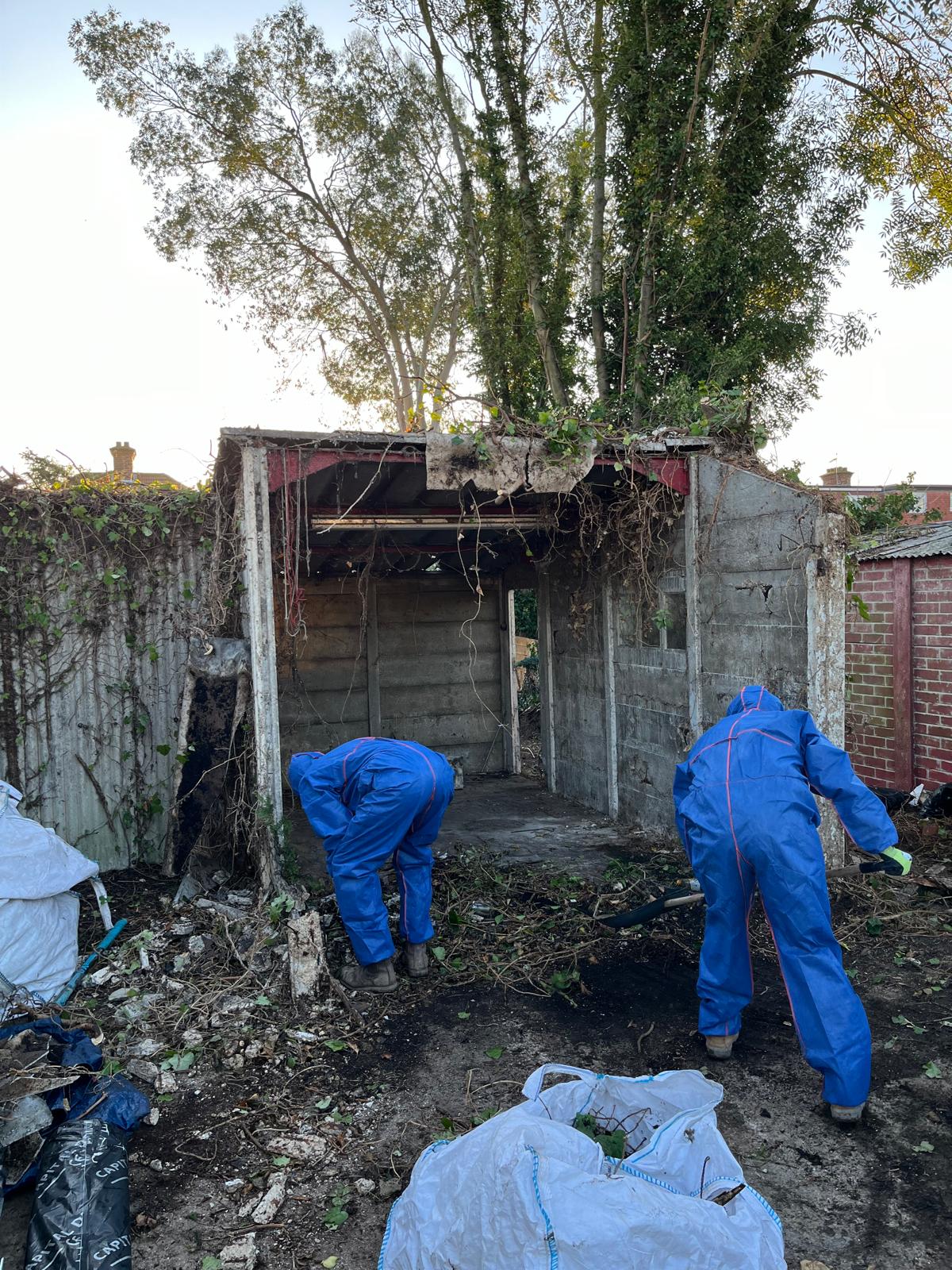
Removal
Material is removed safely, double-wrapped and taken to a licensed disposal facility.
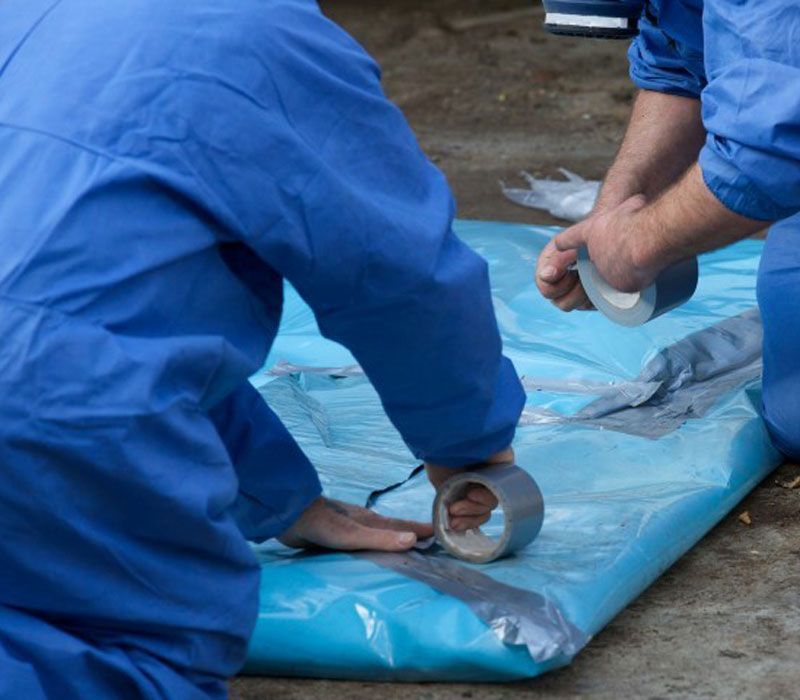
Certificate
You receive a waste consignment note and disposal certificate confirming legal handling.
Frequently Asked Questions
Why Choose Clearaway
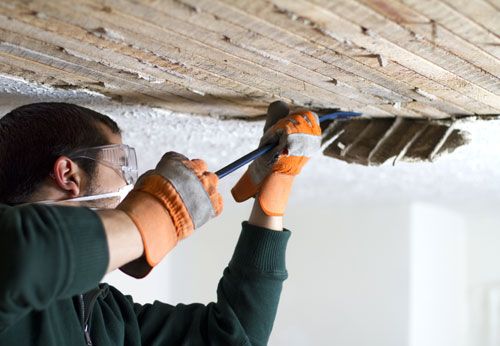
Specialist Crew
Asbestos work is all we do, every day, across the South East.
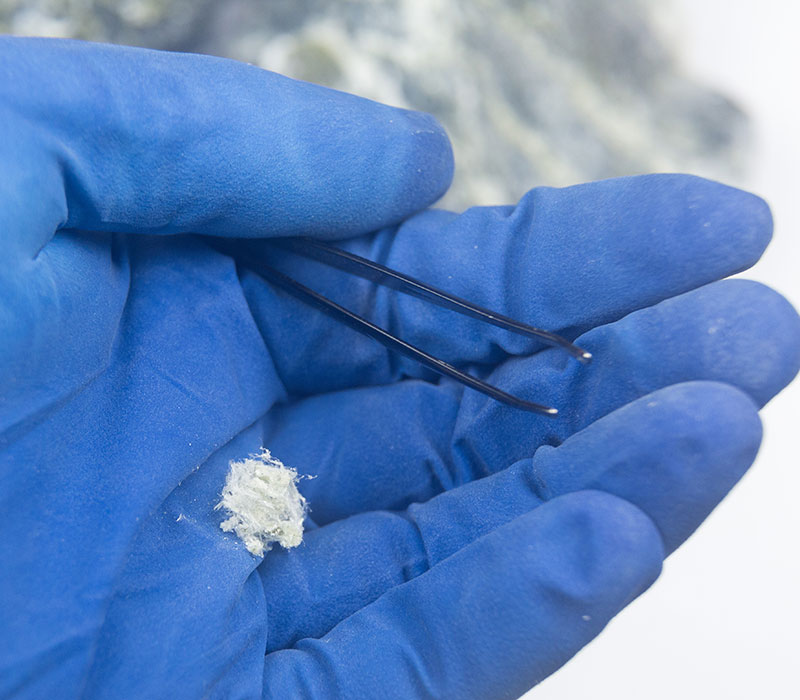
Fully Licensed
Licensed asbestos removal contractor (Licence No. 142305706). Full public liability insurance on every job.
Local & Fast
Surrey-based. Most domestic jobs are booked in and finished within a week.
Our Own Team
We never subcontract. The people who quote your job are the people who do it.
Get in Touch
Send a few details about your project and we will come back the same working day with a fixed price. We cover Surrey, London and the South East, including Esher, Cobham, Kingston, Richmond, Epsom, Guildford, Woking and Croydon.