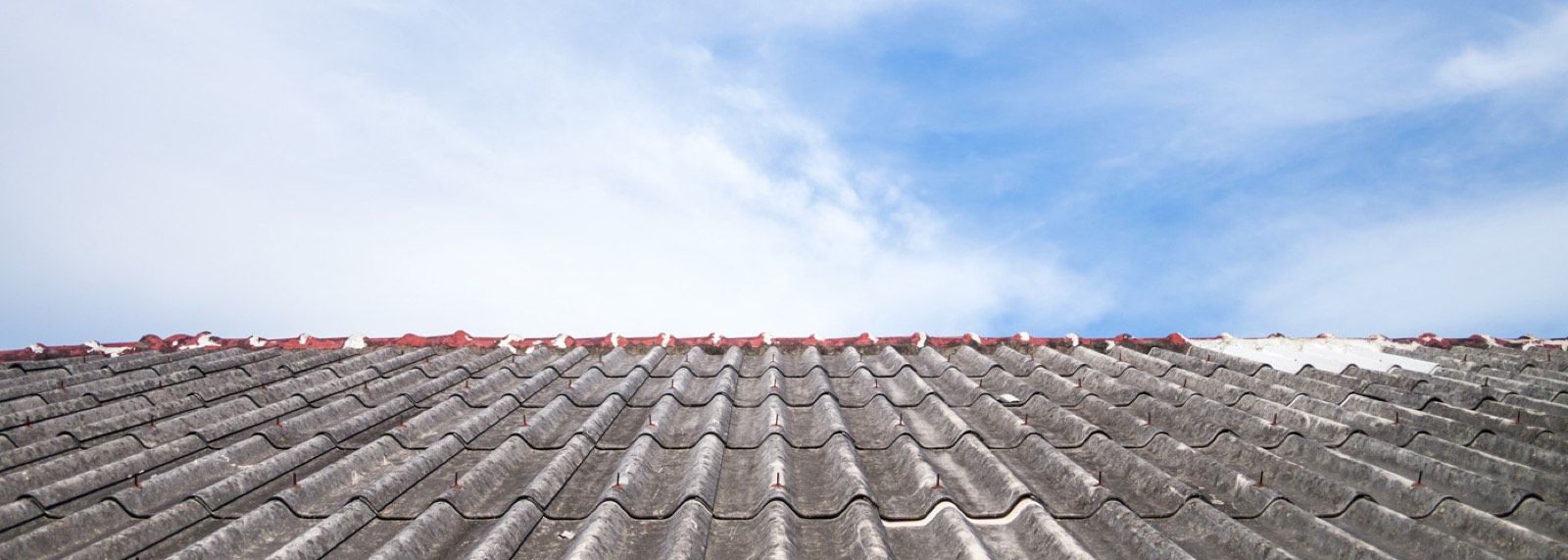
Asbestos Ceiling Removal in Wandsworth
Asbestos ceiling removal for Wandsworth homes, from the textured artex in the Tonsleys terraces to the insulating board around boilers in the mansion flats and conversions near the Common. We seal the room, filter the air, and test it before anyone moves back in.
Look Up in a Wandsworth Home
Most asbestos worries in SW18 start with a ceiling. Stand in a converted terrace off East Hill or a mansion flat near Wandsworth Common and look up: the swirled, stippled or combed finish on so many of these ceilings is artex, and a lot of it was mixed with asbestos before that practice stopped. The same goes for the white board panels boxing in a boiler or lining an airing cupboard. These materials went in when the place was last modernised, in many cases decades ago, and most of them predate the 1999 ban.
Wandsworth makes this a common find rather than a rare one. The Victorian and Edwardian terraces around the Tonsleys, the mansion flats and conversions near the Common, the homes off East Hill and Trinity Road, all of it was decorated and re-fitted through the years when artex was a standard ceiling finish and insulating board was the easy way to line a cupboard or box in a pipe run. Whole rooms were skimmed in it. It sits there now, painted over and forgotten, in flats and houses that have changed hands several times since.
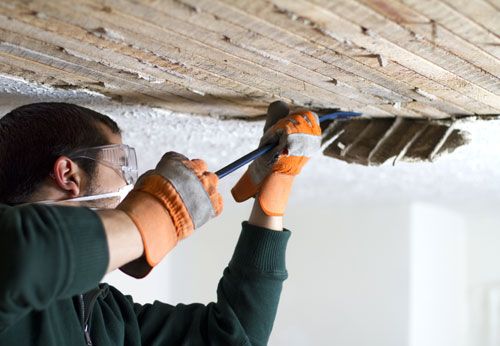
Left alone, an intact ceiling harms nobody. The fibres are locked into the coating and they stay there. The trouble comes when someone takes a scraper, a sander or a drill to it, or pulls down a board to get at the pipework behind. That is the point where fibres go into the air, and in an occupied home that air does not stay in one room. It moves through the hallway, up the stairwell of a shared block, into the rooms where people sleep. The fibres do not announce themselves and the illnesses they cause can take decades to show, which is exactly why a ceiling is so easy to disturb without a second thought.
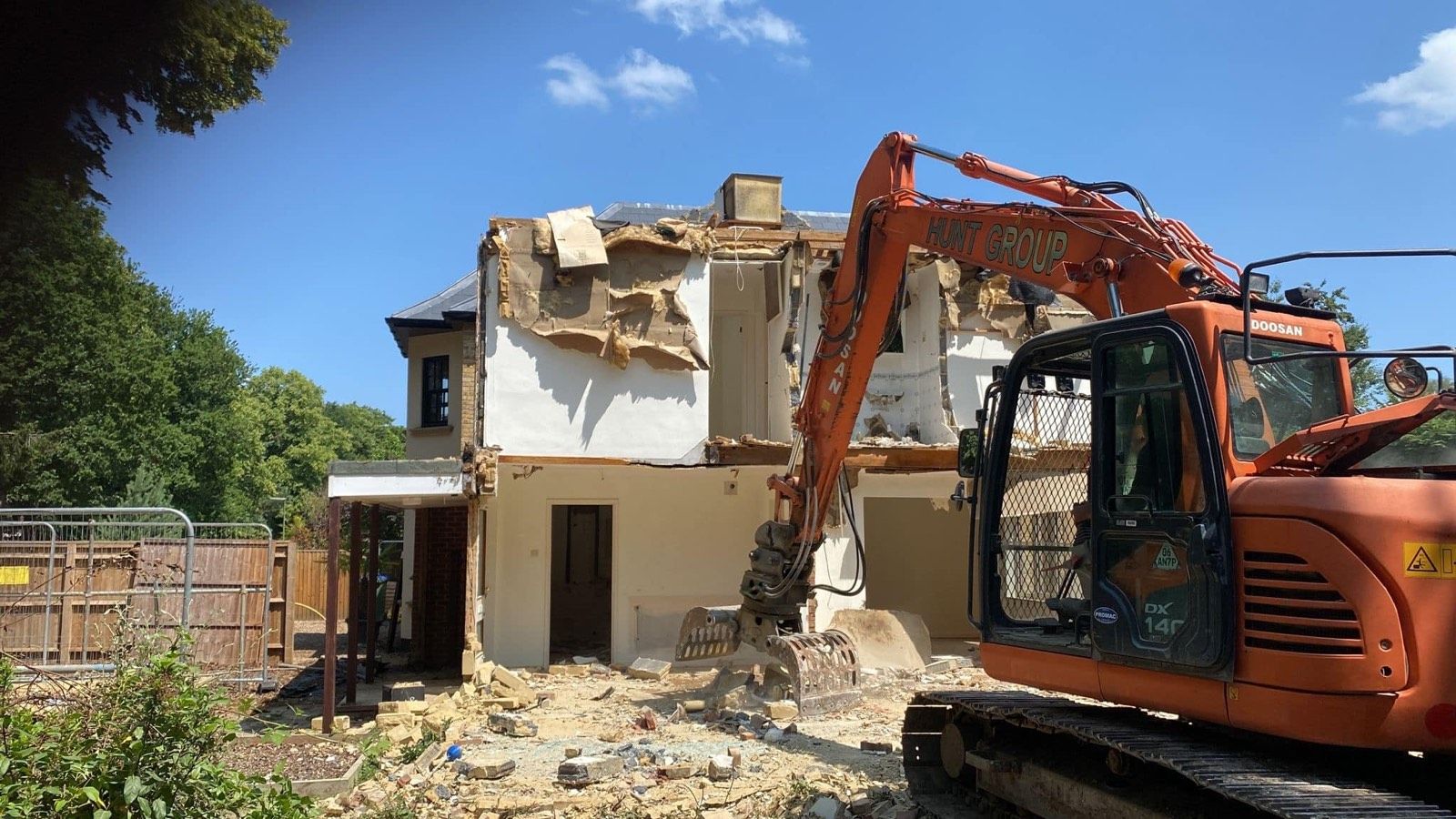
Artex and Insulating Board Are Not the Same Risk
Two ceilings can look identical and behave completely differently once you start work on them. Textured artex coatings usually hold a lower proportion of asbestos, and removing them is often non-licensed work, though it still has to be done under control rather than dry-scraped in a lived-in room. Asbestos insulating board, the kind found as ceiling panels and around boilers and in airing cupboards, is a higher-risk material and removing it is licensed work by law. The two need different handling, different paperwork and, in the case of the board, formal notice to the authorities before a tool comes out.
The catch is that you cannot tell which is which by eye. A painted-over board and an ordinary plasterboard ceiling can be indistinguishable from a stepladder, and a swirl of artex gives nothing away about how much asbestos, if any, is in it. The difference decides how the whole job has to run, so guessing is not an option. We have seen ceilings that looked like a clear-cut artex strip turn out to be board, and the reverse, and only the laboratory could say which.
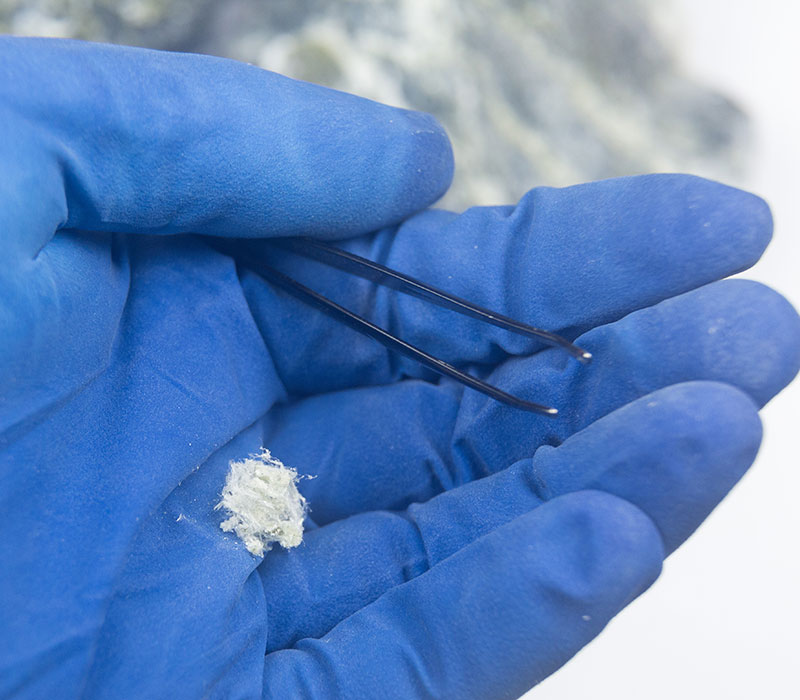
So we sample first. A small piece is taken under controlled conditions, with the area protected so the act of taking the sample does not spread anything, and it is sent to a UKAS-accredited laboratory. The results come back within a few working days and tell us exactly what is on the ceiling and which set of rules applies. Only then do we plan the removal. It is the cheaper, faster first step, and it stops a household paying for full licensed work on a ceiling that did not need it, or worse, treating a high-risk board as if it were harmless artex.
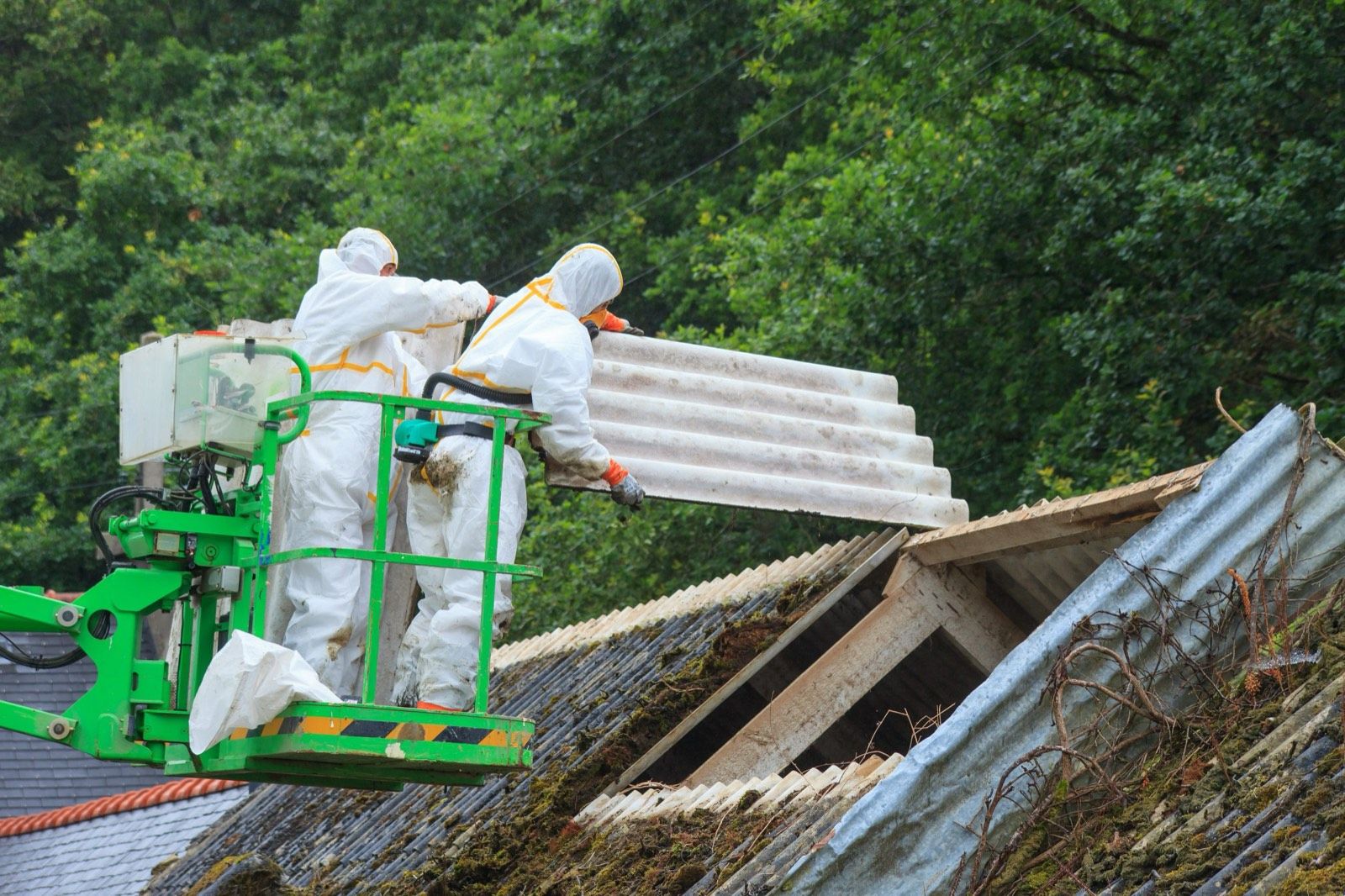
Working Clean in an Occupied Flat or Terrace
Removing a ceiling in a building where people are still living means treating the rest of that building as if it has to stay spotless, because it does. We seal off the room being worked in, run commercial-grade air filtration to keep the space under control while the coating or board comes down, and test the air once the material is out and bagged. Nobody returns to the room until that clearance air test has been read and passed. The seal stays up, the filtration stays running, and the result is checked rather than assumed.
This matters more in Wandsworth than in a detached house with a garden. A converted Victorian terrace shares walls, a mansion block shares a stairwell and risers, and a flat sits above and below other people's homes. Containment is what stops a ceiling job in one flat becoming a problem for a neighbour. Material is taken out whole or in sealed sections wherever it can be, kept bagged, and carried straight out to a licensed disposal facility rather than broken up on site. On streets where parking is tight and a driveway is rare, keeping the job clean and self-contained also keeps it from spilling out onto the pavement.
For most homes a single textured ceiling is a tidy job that fits into a day, room sealed, air filtered, ceiling down, air tested, household barely disturbed. Where it is the heavier licensed work, the timeline stretches to allow for the proper procedure, and we plan it around the household so the disruption stays short and predictable. We would rather tell you up front that a job needs two or three days under enclosure than rush it and cut a corner that cannot safely be cut.

Licensed Ceiling Work, Done to the Letter
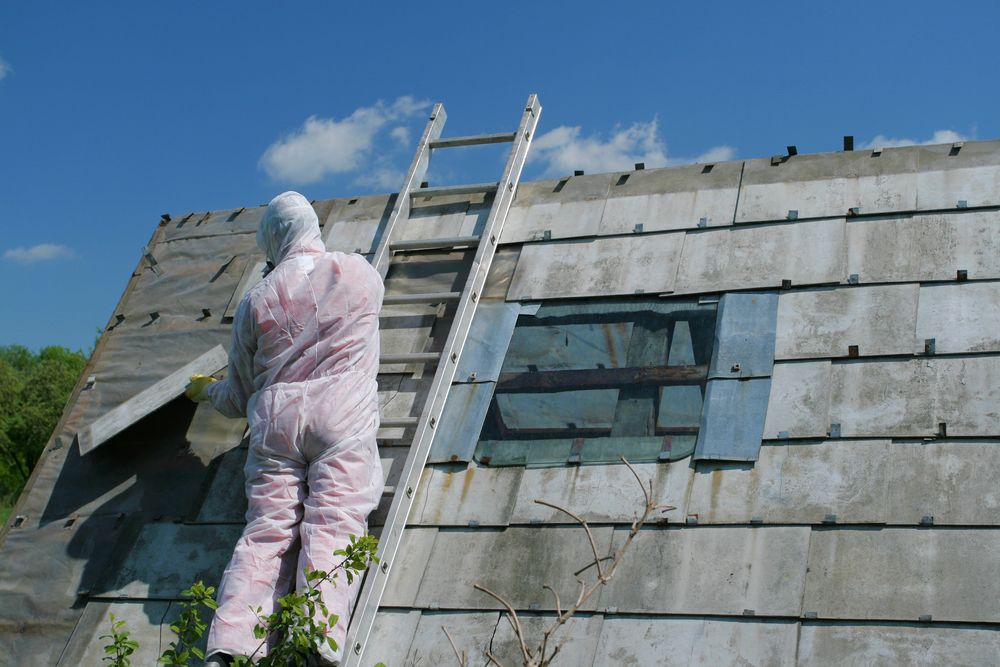
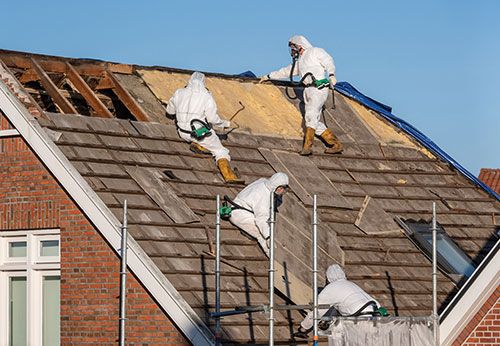
When the sampling comes back as insulating board, the job steps up to a licensed standard and there is no shortcut around it. We give the HSE the 14 days of notice the law requires before that work begins, build a full enclosure around the ceiling so nothing escapes the work area, and run air monitoring throughout while the board comes down. When the removal is finished, an independent analyst carries out four-stage clearance testing before the enclosure comes down and the room is handed back. That last step is the one that says, on paper, that the space is safe to use again, and it is done by someone independent of the removal so the all-clear means something.
If you are about to redecorate a converted terrace near the Common, open up a ceiling in a Tonsleys flat, or you have found suspect board around a boiler, the order matters. Sample it, find out what it is, then remove it the right way. Guessing with a ceiling is how an afternoon of DIY turns into a contaminated home and a clean-up far larger than the original job. The sensible move is the cheap test first, every time, before a scraper goes anywhere near the surface.
We hold Spectra licence number 142305706, we have worked on ceilings and the rest of the building fabric across Wandsworth and the wider south-west London and Surrey area for more than seven years, and every ceiling job finishes with the certificates that prove the material was removed and disposed of legally. To arrange a sample or a free site visit, call us on 0800 024 6168.

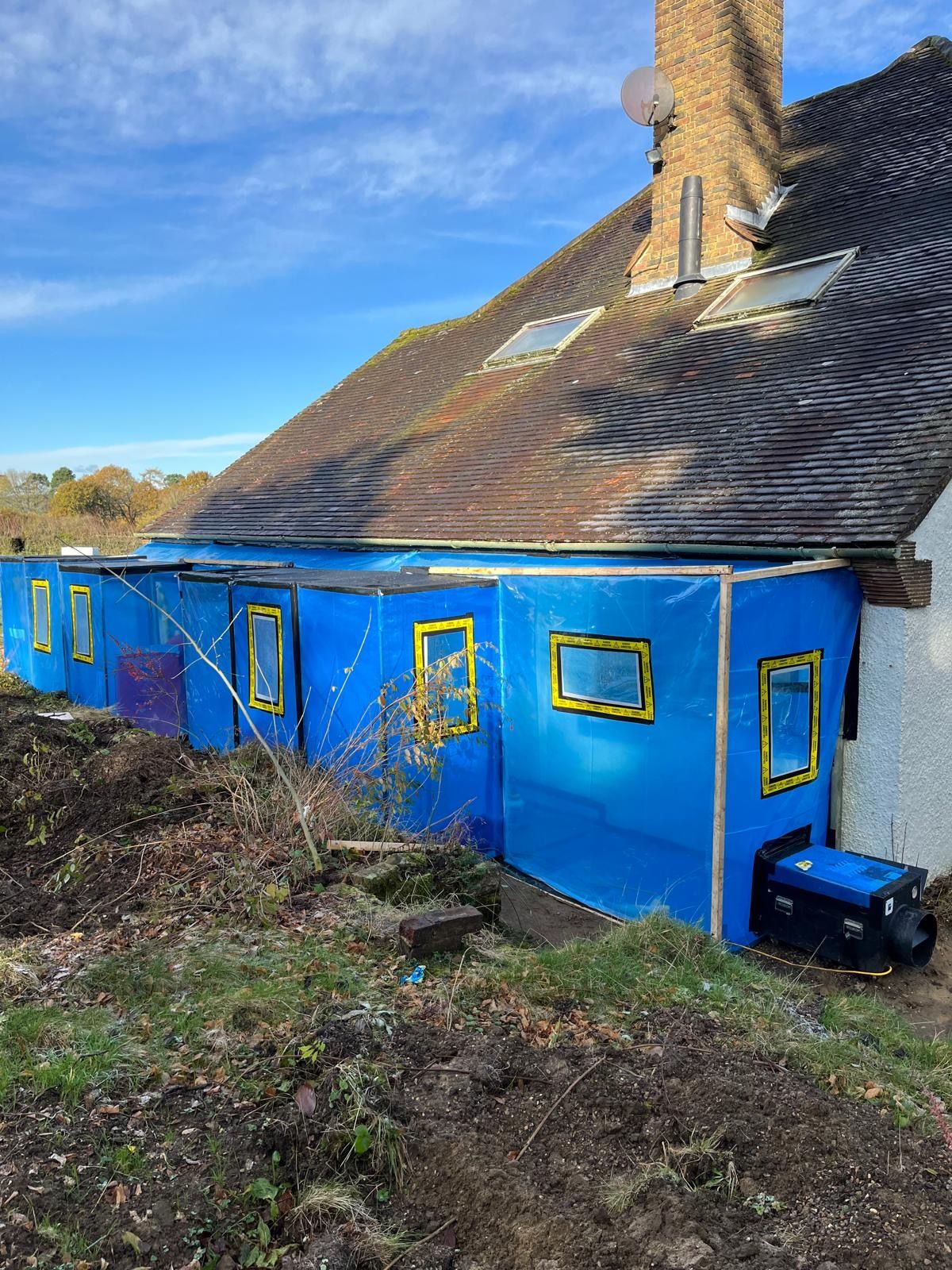
Licensed Asbestos Removal, Woking
Woking, Surrey · Licensed Removal
View this project"Graham has organised two jobs for me, both of which ran smoothly and on time. Clive and the team are really great, they completed the work in the agreed time and left the site spotless. Would recommend using Clearaway if you need any work done."
Our Removal Process
From first call to final certificate, every job follows the same clear four-step process.
Survey
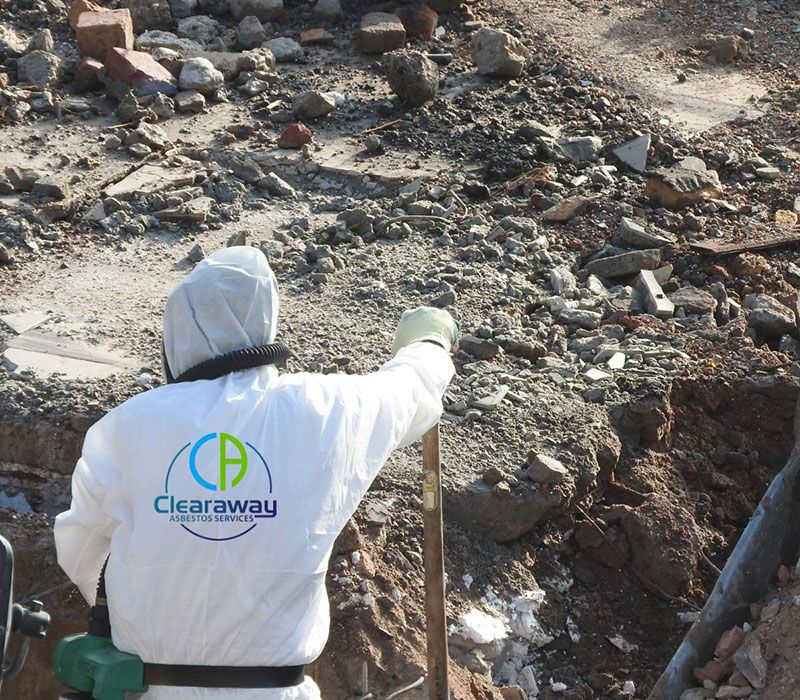
We inspect the property and confirm the material. Sampling available if required.
Quote
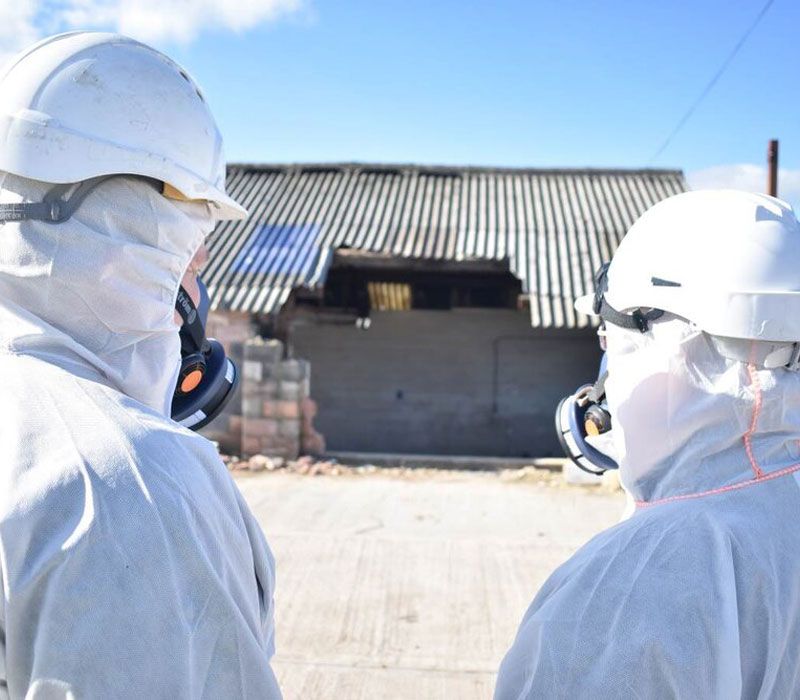
Fixed written price covering removal, disposal and any replacement work.
Removal
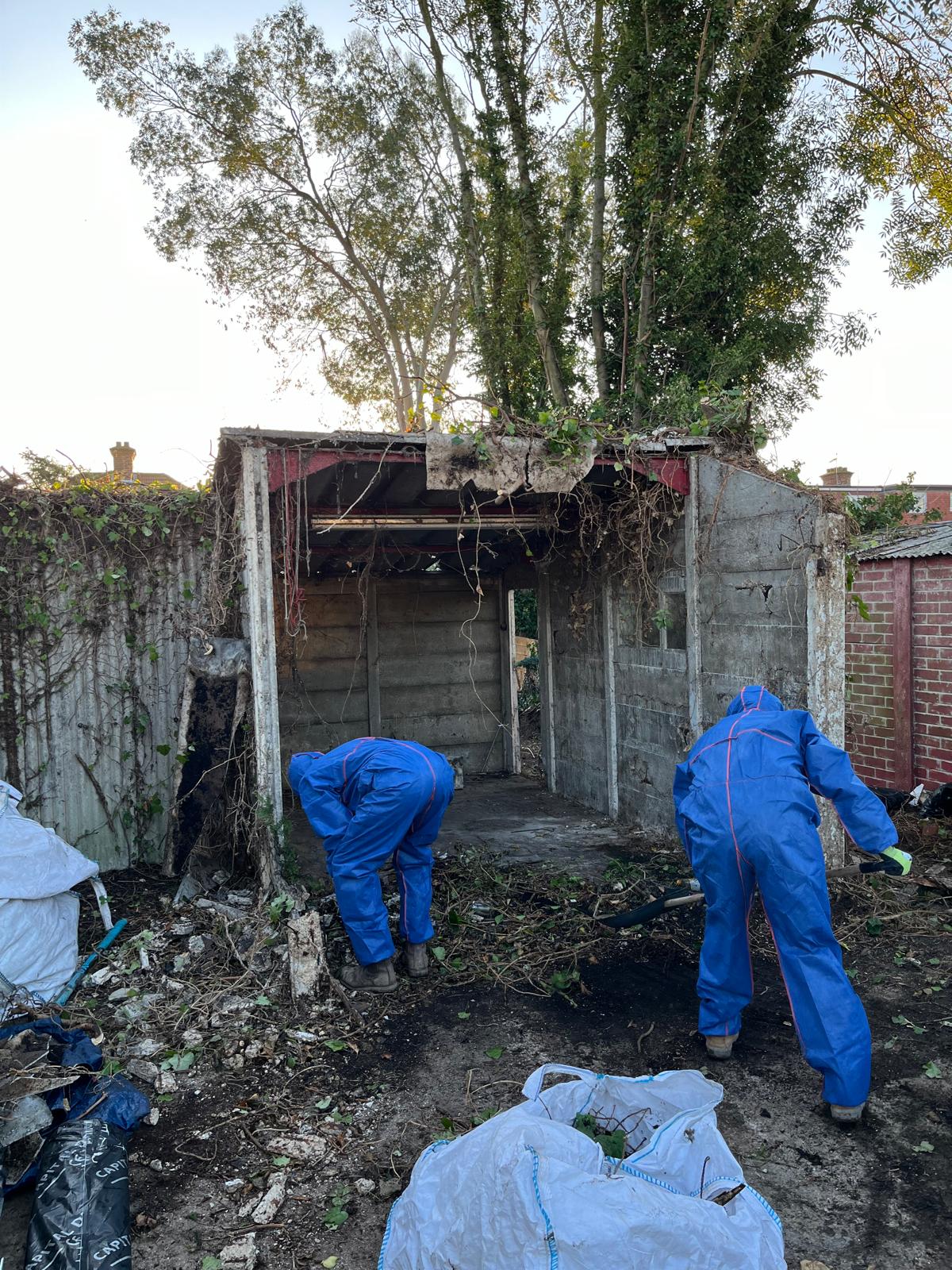
Material is removed safely, double-wrapped and taken to a licensed disposal facility.
Certificate
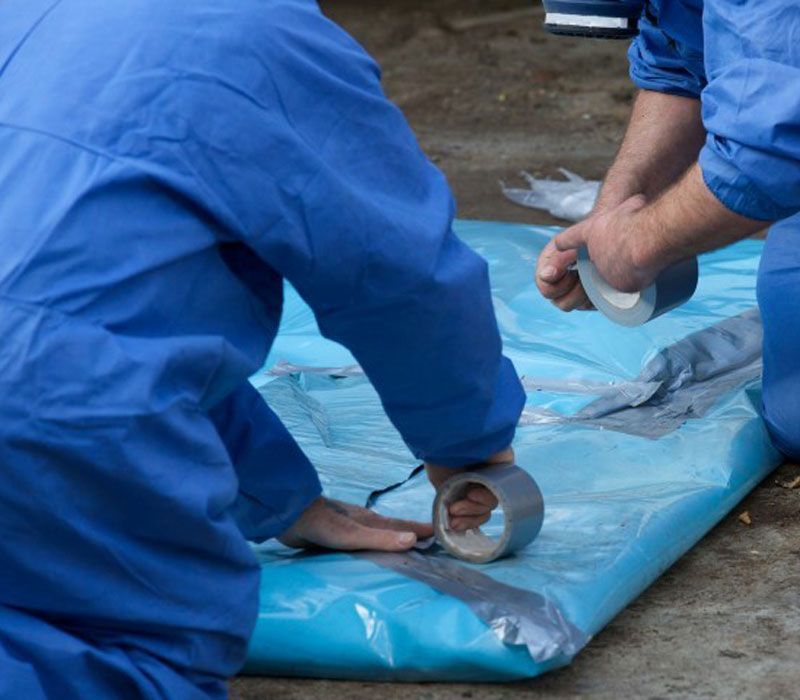
You receive a waste consignment note and disposal certificate confirming legal handling.
Frequently Asked Questions
Why Choose Clearaway
Landlord Compliant
Survey reports and waste consignment notes that satisfy managing agents, lenders and a tenant's right to a safe home.
UKAS Accredited Testing
Every suspect material sampled and confirmed by a UKAS-accredited laboratory before any removal begins.
Fully Licensed
Licensed asbestos removal contractor (Licence No. 142305706). Full public liability insurance on every job.
Our Own Team
We never subcontract. The people who quote your job are the people who do it.
Get in Touch
Send a few details about your project and we will come back the same working day with a fixed price. We cover Surrey, London and the South East, including Esher, Cobham, Kingston, Richmond, Epsom, Guildford, Woking and Croydon.